
Jami (1)
Author of Medjnoûn et Leïla
For other authors named Jami, see the disambiguation page.
Jami (1) has been aliased into Hakim Nuruddin Abdurrahman Jami.
Works by Jami
Works have been aliased into Hakim Nuruddin Abdurrahman Jami.
Tagged
Common Knowledge
- Gender
- male
Members
Reviews
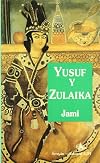
El popular relato bíblico y coránico sobre la historia del esclavo hebreo José (Yusuf), se transforma en manos de Jami en una historia de amor pasional, arrebatado, más allá de cualquier barrera o limitación humana. Amor que tiene como protagonista absoluta a la mujer: En efecto, los papeles se cambian con respecto a los libros sagrados y Zulaika se convierte en la indiscutible heroína de la historia. EL Yusuf y Zulaika de Jami está considerado por la crítica, tanto oriental show more como occidental, como la obra maestra del gran poeta persa. -
The popular Biblical and Qur'anic account of the history of the Hebrew slave Joseph (Yusuf), is transformed into Jami's hands into a passionate, raptured love story, beyond any human barrier or limitation. Love that has the absolute protagonist to the muejr: Indeed, the roles are changed with respect to the sacred books and Zulaika becomes the undisputed heroine of history. Yusuf and Zulaika de Jami is considered by critics, both Eastern and Western, as the masterpiece of the great Persian poetry. show less
The popular Biblical and Qur'anic account of the history of the Hebrew slave Joseph (Yusuf), is transformed into Jami's hands into a passionate, raptured love story, beyond any human barrier or limitation. Love that has the absolute protagonist to the muejr: Indeed, the roles are changed with respect to the sacred books and Zulaika becomes the undisputed heroine of history. Yusuf and Zulaika de Jami is considered by critics, both Eastern and Western, as the masterpiece of the great Persian poetry. show less
Mar 6, 2021Spanish

Jami (1414-1492), el último de los grandes poetas clásicos de Persia, dominó todos los géneros literarios y fue muy popular en todo el mundo musulmán. Su poesía, célebre en cuanto era compuesta, se recitaba desde Asia Central hasta el Magreb.
El conjunto de su obra representa una síntesis fundamental de las diversas corrientes de la tradición literaria persa: la poesía de Rumi, la ciencia de Ibn al Arabi; y el romanticismo dramático de Nizami, entre otros, confluyen en el uso show more refinado que hace de la lengua persa.
Los orígenes de la historia de Layla y Majnún se remontan a las tradiciones populares de los desiertos Arabes. Según la leyenda, hacia el siglo VIII, vivió en Arabia un poeta beduino llamado Qais o Keis que dio fama con sus versos enamorados a una hermosa joven llamada Layla. La obcecación de sus amores y sus correspondientes desventuras -por la oposición de sus familias, ambas rivales- le valieron el sobrenombre de Majnún, que significa loco o poseso.
Bajo la influencia persa, la leyenda de Layla y Majnún inspiró numerosas versiones a través del mundo musulmán llegando hasta Occidente. -
Jami (1414-1492), the last of the great classical poets of Persia, dominated all literary genres and was very popular throughout the Muslim world. His poetry, famous as it was composed, was recited from Central Asia to the Maghreb.
The set of his work represents a fundamental synthesis of the diverse currents of the Persian literary tradition: the poetry of Rumi, the science of Ibn el Arabi; and the dramatic romanticism of Nizami, among others, converge in the refined use he makes of the Persian language.
The origins of the history of Layla and Majnún go back to the popular traditions of the Arab deserts. According to the legend, towards the 8th century, a Bedouin poet named Qais or Keis lived in Arabia, who gave fame with his love verses to a beautiful young girl named Layla. The blindness of their loves and their corresponding misfortunes - by the opposition of their families, both rivals - earned him the nickname of Majnún, which means crazy or possessed.
Under the Persian influence, the legend of Layla and Majnún inspired numerous versions throughout the Muslim world reaching the West. show less
El conjunto de su obra representa una síntesis fundamental de las diversas corrientes de la tradición literaria persa: la poesía de Rumi, la ciencia de Ibn al Arabi; y el romanticismo dramático de Nizami, entre otros, confluyen en el uso show more refinado que hace de la lengua persa.
Los orígenes de la historia de Layla y Majnún se remontan a las tradiciones populares de los desiertos Arabes. Según la leyenda, hacia el siglo VIII, vivió en Arabia un poeta beduino llamado Qais o Keis que dio fama con sus versos enamorados a una hermosa joven llamada Layla. La obcecación de sus amores y sus correspondientes desventuras -por la oposición de sus familias, ambas rivales- le valieron el sobrenombre de Majnún, que significa loco o poseso.
Bajo la influencia persa, la leyenda de Layla y Majnún inspiró numerosas versiones a través del mundo musulmán llegando hasta Occidente. -
Jami (1414-1492), the last of the great classical poets of Persia, dominated all literary genres and was very popular throughout the Muslim world. His poetry, famous as it was composed, was recited from Central Asia to the Maghreb.
The set of his work represents a fundamental synthesis of the diverse currents of the Persian literary tradition: the poetry of Rumi, the science of Ibn el Arabi; and the dramatic romanticism of Nizami, among others, converge in the refined use he makes of the Persian language.
The origins of the history of Layla and Majnún go back to the popular traditions of the Arab deserts. According to the legend, towards the 8th century, a Bedouin poet named Qais or Keis lived in Arabia, who gave fame with his love verses to a beautiful young girl named Layla. The blindness of their loves and their corresponding misfortunes - by the opposition of their families, both rivals - earned him the nickname of Majnún, which means crazy or possessed.
Under the Persian influence, the legend of Layla and Majnún inspired numerous versions throughout the Muslim world reaching the West. show less
Feb 16, 2021Spanish
Statistics
- Works
- 4
- Members
- 16
- Popularity
- #679,946
- Rating
- 5.0
- Reviews
- 2
- ISBNs
- 10
- Languages
- 3