
Charles Micucci
Author of The Life and Times of the Ant
Series
Works by Charles Micucci
Associated Works
Hop To It! A Scholastic Easter Treasury: A Scholastic Treasury of Easter Tales (2003) — Illustrator — 58 copies
Tagged
Common Knowledge
- Gender
- male
Members
Reviews
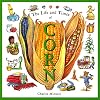
I was pretty disturbed by how "pro corn industry" this book is. The author's point of view was decidedly one-sided. While it does a decent job of emphasizing its Native American history and illustrating the 'anatomy' of corn, it completely ignores the environmental and political implications. The books says "every fifty pounds of dent corn: that cow eats, it gains five pounds; makes enough sweetener for about 350 glasses of soda; produces two and one-fourth gallons of ethanol, enabling a car show more to travel from Baltimore to Washington, D.C."
But it says nothing whatsoever about the environmental impacts of so much land use dedicated to corn used for cattle, nor that this kind of feed is not natural for cattle and causes health problems, nor that the U.S. government subsidizes these crops to feed America's gluttonous over-consumption of red meat in the first place. Likewise, how could the fact that it sweetens 350 glasses of soda be a good thing when we already have the highest rates of diabetes and obesity around the world?Furthermore, scientific studies have shown that corn ethanol is NOT the most efficient biofuel; biofuels made from algae, for one, are far more efficient but progress with other biofuels has been stunted specifically because of the agriculture industry's continued lobbying for corn subsidies.
Additionally, the book presents corn in its multitude of uses and attempts to show how many varieties of corn exist, but talks nothing of how the genetic variation of corn has actually significantly dwindled and some strains are now genetically extinct due to large-scale monoculture farming techniques and genetically modified crops used by companies like Monsanto.
The illustrations in the book were beautiful but regretfully mask the reality of the corn industry. I also found the endorsements of this book by the NYT Book Review and Kirkus Reviews to be deeply disturbing in their wholesale acceptance of the "greatness" of corn. If I were teaching this book I would have my students read it first, then watch "King Corn" and "Fast Food Nation" and then read the book a second time and compare/contrast the presentation of info in all three. show less
But it says nothing whatsoever about the environmental impacts of so much land use dedicated to corn used for cattle, nor that this kind of feed is not natural for cattle and causes health problems, nor that the U.S. government subsidizes these crops to feed America's gluttonous over-consumption of red meat in the first place. Likewise, how could the fact that it sweetens 350 glasses of soda be a good thing when we already have the highest rates of diabetes and obesity around the world?Furthermore, scientific studies have shown that corn ethanol is NOT the most efficient biofuel; biofuels made from algae, for one, are far more efficient but progress with other biofuels has been stunted specifically because of the agriculture industry's continued lobbying for corn subsidies.
Additionally, the book presents corn in its multitude of uses and attempts to show how many varieties of corn exist, but talks nothing of how the genetic variation of corn has actually significantly dwindled and some strains are now genetically extinct due to large-scale monoculture farming techniques and genetically modified crops used by companies like Monsanto.
The illustrations in the book were beautiful but regretfully mask the reality of the corn industry. I also found the endorsements of this book by the NYT Book Review and Kirkus Reviews to be deeply disturbing in their wholesale acceptance of the "greatness" of corn. If I were teaching this book I would have my students read it first, then watch "King Corn" and "Fast Food Nation" and then read the book a second time and compare/contrast the presentation of info in all three. show less
Cheerfully illustrated. The text has a breezy, informal tone, which makes it very accessible. My only quibble--wish the author had touched on the problem of corn monoculture and the environmental problems of the heavy pesticide use needed to support it.
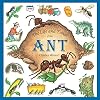
I absolutely love that much of the information in this book is squeezed into the illustrations--it makes the book much more interactive and fun! I feel like even I learned so much about ant life just from this small book. It contains everything from different species of ants to the different jobs they carry out and even what they do during depending on what month it is.
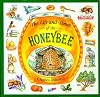
This book went through the life cycle of bees as well as their jobs as different types of bees. I really liked the book because of the illustrations. Most of the illustrations were lifelike and scientifically drawn, but there were also cartoon bees off to the sides saying cute things that made the book more interesting.
Lists
Awards


You May Also Like


Associated Authors
Statistics
- Works
- 7
- Also by
- 3
- Members
- 1,793
- Popularity
- #14,345
- Rating
- 3.8
- Reviews
- 19
- ISBNs
- 24