
Ludwig Bechstein (1801–1860)
Author of Sämtliche Märchen
About the Author
Image credit: Standort: Literaturmuseum Baumbachhaus, Meiningen
Series
Works by Ludwig Bechstein
Märchen 3 copies
Schönste Kindermärchen 2 copies
Die schönsten Märchen Band 1 2 copies
Храбрый портняжка 2 copies
Der Hase und der Igel : ein Märchen 2 copies
Die Geheimnisse eines Wundermannes - Die drei Bände in einem Buch (Sammlung Hofenberg) (1856) 1 copy
Sämtliche Märchen 1 copy
Aus dem Sagenschatz der Rhön 1 copy
Ludwig Bechstein - Sämtliche Märchen: Mit über 400 Fußnoten zum besseren Verständnis (German Edition) (2019) 1 copy
Die Volkssagen, Märchen und Legenden des Kaiserstaates Österreich (Sammlung Hofenberg) (2016) 1 copy
La principessa incantata. 1 copy
Thüringische Volksmärchen - Das erste Buch des großen deutschen Erzählers (Sammlung Hofenberg) (1823) — Author — 1 copy
Märchenbuch 1 copy
Ludwig Bechsteins eventyr 1 copy
Ausgewählte Märchen 1 copy
Taschenbuch für Freimaurer 1 copy
Sämtliche Märchen. Band 1 1 copy
Der Kleine Däumling 1 copy
Märchen-Sammlung 1 copy
Die schönsten Märchen Band 2 1 copy
Päävoitto 1 copy
Drei Märchen von Ludwig Bechstein - Der Bucklige Musikant/Das Grosse Los/Die Pferde aus der Bodenluke. (1982) 1 copy
A kölestolvaj 1 copy
Associated Works
Czarny pająk : opowieści niesamowite z literatury niemieckojęzycznej (1988) — Contributor — 3 copies
Deutsche Städtesagen : Sagen aus deutschen Landschaften, Städten, Dörfern, Inseln und Klöstern (1985) — Author — 2 copies
Tagged
Common Knowledge
- Canonical name
- Bechstein, Ludwig
- Other names
- Bechstein, C.
- Birthdate
- 1801-11-24
- Date of death
- 1860-05-14
- Gender
- male
- Occupations
- writer
librarian
fairy tale collector - Relationships
- Bechstein, Johann Matthäus (uncle and adoptive father)
- Nationality
- Germany
- Birthplace
- Weimar, Germany
- Places of residence
- Meiningen, Germany
- Place of death
- Meiningen, Germany
- Associated Place (for map)
- Meiningen, Germany
Members
Reviews
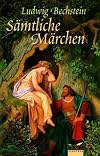
This book contains all four of Ludwig Bechstein's fairy tale collections in one mega-volume of about 800 pages. Largely overshadowed now by the Grimm's fairy tales, Bechstein's collections were actually very popular when first published (1823, 1845, 1856, 1857). In fact, they were more popular than the Grimm's collection of tales for a time, as Bechstein wrote the tales specifically for children and adolescents (even the original publications were illustrated), while the Brothers Grimm show more originally anticipated adults as their target audience; only later were the tales illustrated and geared more and more towards children.
While both Bechstein and the Brothers Grimm reworked their tales stylistically, Bechstein liberally made use of both irony and humor. Similar to the satirical fairy tales of the late 18th century (Johann Karl August Musäus, Christoph Martin Wieland for example) Bechstein's heroes and heroines know the rules and limitations of magic and even engage in humorous comments concerning the same. From a thematic standpoint, Bechstein's fairy tales are also noted for their gender egalitarianism. There are equal numbers of wicked men and women, and the female characters are generally never silenced or given unnecessary blame or punishments. Finally, Bechstein's tales also often poke fun at society, by both satrizing it and setting authority on its head. Unfortunately, this was also one of the reasons why Grimm's fairy tales became more and more popular; Bechstein's tales began to be regarded as not being "folksy" enough.
The one thing that I find extremely annoying about this particular book is the fact that the table of contents only lists the starting points of each of the four fairy tale collections. The specific tales of each of the collections as well as their starting pages, are not listed in the table of contents. Thus, if you are trying to read a particular tale, or if you are trying to compare/contrast one fairy tale with another, this becomes extremely frustrating, if not impossible. Also, fairy tales are often read to children, and this does not have to necessarily occur in systematic order (it is often done randomly, with the reader or story teller selecting stories that a child might like). However, the above set-up virtually forces the reader/storyteller to read the stories one by one, from beginning to end, as there is no list of the stories available, only the titles of each specific collection. I have actually been in possession of this collection for quite some time, but only recently managed to read it, as I did not have the time to read the collection from beginning to end. If there had been a list of each and every story in the table of contents, I would have picked and chosen some stories to read, but as it was, I had to wait until I had sufficient time to actually read the entire mega-volume. show less
While both Bechstein and the Brothers Grimm reworked their tales stylistically, Bechstein liberally made use of both irony and humor. Similar to the satirical fairy tales of the late 18th century (Johann Karl August Musäus, Christoph Martin Wieland for example) Bechstein's heroes and heroines know the rules and limitations of magic and even engage in humorous comments concerning the same. From a thematic standpoint, Bechstein's fairy tales are also noted for their gender egalitarianism. There are equal numbers of wicked men and women, and the female characters are generally never silenced or given unnecessary blame or punishments. Finally, Bechstein's tales also often poke fun at society, by both satrizing it and setting authority on its head. Unfortunately, this was also one of the reasons why Grimm's fairy tales became more and more popular; Bechstein's tales began to be regarded as not being "folksy" enough.
The one thing that I find extremely annoying about this particular book is the fact that the table of contents only lists the starting points of each of the four fairy tale collections. The specific tales of each of the collections as well as their starting pages, are not listed in the table of contents. Thus, if you are trying to read a particular tale, or if you are trying to compare/contrast one fairy tale with another, this becomes extremely frustrating, if not impossible. Also, fairy tales are often read to children, and this does not have to necessarily occur in systematic order (it is often done randomly, with the reader or story teller selecting stories that a child might like). However, the above set-up virtually forces the reader/storyteller to read the stories one by one, from beginning to end, as there is no list of the stories available, only the titles of each specific collection. I have actually been in possession of this collection for quite some time, but only recently managed to read it, as I did not have the time to read the collection from beginning to end. If there had been a list of each and every story in the table of contents, I would have picked and chosen some stories to read, but as it was, I had to wait until I had sufficient time to actually read the entire mega-volume. show less

"As a child I liked it [As pretty as seven, by Ludwig Bechstein] better than Grimm, probaby because the pictures are much pleasanter than Cruickshanks's."
Letter from Arthur Ransome to Barbara Gnosspelius, 3 Feb. 1954, reproduced in Signalling from Mars : the letters of Arthur Ransome (1997), p. 345, fn.
Letter from Arthur Ransome to Barbara Gnosspelius, 3 Feb. 1954, reproduced in Signalling from Mars : the letters of Arthur Ransome (1997), p. 345, fn.

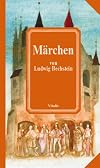
Ludwig Bechsteins 1845 erstmals erschienenes Deutsches Märchenbuch wurde zusammen mit den unübertreffbaren Illustrationen des Ludwig Richter zu einem Gesamkunstwerk, dessen Gültigkeit der Zeitenlauf keinen Abbruch tun konnte. Noch in den Tagen unserer Urgroßeltern stand es in seiner Bedeutung gleichrangig neben der Märchensammlung der Gebrüder Grimm, und es gab wohl kaum einen Bücherschrank zwischen Hamburg und der Gottschee, in dem neben der Bibel und dem unvermeidlichen Doktorbuch show more nicht auch Bechsteins Märchen Eingang gefunden hätten. Die Märchen des Meininger Märchenerzählers sind keineswegs nur für Kinder lesens- und erzählenswert - sie gehören zu jenen wenigen Dutzenden Büchern, die gebildete Menschen in ihrer Bibliothek als echtes Hausbuch greifbar haben sollten. show less
Nov 3, 2007German
Lists
You May Also Like


Associated Authors
Statistics
- Works
- 123
- Also by
- 9
- Members
- 370
- Popularity
- #65,127
- Rating
- 3.9
- Reviews
- 4
- ISBNs
- 110
- Languages
- 7
- Favorited
- 1