
Iris Hiskey
Author of Groundhog's Special Secret (Originally Published As the Secret of the First One Up)
About the Author
Works by Iris Hiskey
Groundhog's Special Secret (Originally Published As the Secret of the First One Up) (2003) 379 copies, 3 reviews
Tagged
Common Knowledge
- Other names
- Hiskey, Arno
- Gender
- female
- Occupations
- opera singer
- Organizations
- New York Times
- Agent
- Kirchoff/Wohlberg
- Short biography
- Iris Hiskey Arno has toured Europe and North America as an opera singer. Her two sons, Zachary and Max, inspired her to begin writing children’s books. She also does freelance writing for the New York Times.
- Places of residence
- Hastings-on-Hudson, New York, USA
- Associated Place (for map)
- New York, USA
Members
Reviews

The Little Calf that Couldn’t Moo
By Iris Hiskey (1992)
I liked The Little Calf that Couldn’t Moo by Iris Hiskey for three reasons. First, I liked the introduction of animals and the sounds they make. For beginner readers this is beneficial because they learn to identify an animal by its sound. Second, I liked the introduction of basic numbers; for example, the five chickens, the four ducks, the three pigs, and so on. Positively, the numbers were shown in the photos; the photo on the first show more page had five chickens, and four ducks. Therefore, the child sees the number in the text, but can also count the actual objects in the photos. Lastly, I liked Iris Hiskey’s ability to demonstrate the theme that differences are not bad; for instance, cows are supposed to “moo,” but the baby cow or calf says, “ma”; the calf is different from the norm, but the Mama cow and farmer embrace his dissimilarity. Overall, the “big idea” of The Little Calf that Couldn’t Moo is to suggest that differences are acceptable, and that differences should not be denied, yet valued. show less
By Iris Hiskey (1992)
I liked The Little Calf that Couldn’t Moo by Iris Hiskey for three reasons. First, I liked the introduction of animals and the sounds they make. For beginner readers this is beneficial because they learn to identify an animal by its sound. Second, I liked the introduction of basic numbers; for example, the five chickens, the four ducks, the three pigs, and so on. Positively, the numbers were shown in the photos; the photo on the first show more page had five chickens, and four ducks. Therefore, the child sees the number in the text, but can also count the actual objects in the photos. Lastly, I liked Iris Hiskey’s ability to demonstrate the theme that differences are not bad; for instance, cows are supposed to “moo,” but the baby cow or calf says, “ma”; the calf is different from the norm, but the Mama cow and farmer embrace his dissimilarity. Overall, the “big idea” of The Little Calf that Couldn’t Moo is to suggest that differences are acceptable, and that differences should not be denied, yet valued. show less
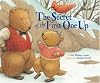
Little Lila is a groundhog with a problem. It's winter, but she's not sleepy. Everyone else has already gone to bed. Lila wonders about what happens all winter long. She also wants to know about the secret of the first one up.
Uncle Wilber isn't telling, but he challenges Lila to be up earlier than anyone else. When Lila finally wakes up, she races Above Ground and finds all of the neighbor animals waiting for her. They all want to know if she sees it. Sees what? Lila looks around. What's the show more secret? Check out this charming tale about weather folklore to find out.
The Bottom Line: With notes about the tradition of Groundhog Day, this picture book is a gentle and fun read for kids in preschool to grade 2. The tale is engaging, and the pages are filled with lovely, soft illustrations in acrylic, colored pencil, and gouache. Enthusiastically recommended for storytime or bedtime reading.
This review also appears at the Mini Book Bytes Book Review Blog. show less
Uncle Wilber isn't telling, but he challenges Lila to be up earlier than anyone else. When Lila finally wakes up, she races Above Ground and finds all of the neighbor animals waiting for her. They all want to know if she sees it. Sees what? Lila looks around. What's the show more secret? Check out this charming tale about weather folklore to find out.
The Bottom Line: With notes about the tradition of Groundhog Day, this picture book is a gentle and fun read for kids in preschool to grade 2. The tale is engaging, and the pages are filled with lovely, soft illustrations in acrylic, colored pencil, and gouache. Enthusiastically recommended for storytime or bedtime reading.
This review also appears at the Mini Book Bytes Book Review Blog. show less
Lila is a young groundhog who wants to know from her Uncle Wilbur why it's so special to be the first groundhog awake after their hibernation. He refuses to tell her and she falls asleep wondering what could be so special about being the first one awake and out tot he fresh forest. When she awakes from sleeping through the winter she goes out her burrow to find all the forest animals waiting to hear if she saw her shadow. Since it was a cloudy day, she didn't. To her surprise all the animals show more cheered and were happy to hear that spring was coming. Confused as to why a cloudy day meant spring was coming she asked her Uncle who arose just after her. After learning the tradition she celebrated with a picnic with her family.
A great book for Groundhog's Day. One of the best I've found that incorporates the American tradition with a fun tale. show less
A great book for Groundhog's Day. One of the best I've found that incorporates the American tradition with a fun tale. show less
Very good story for Groundhog Day, very long though. A little groundhog wants to be the first one up to learn the secret her Uncle has told her about. The first one up gets to predict the weather.
You May Also Like


Associated Authors
Statistics
- Works
- 11
- Members
- 972
- Popularity
- #26,497
- Rating
- 3.9
- Reviews
- 6
- ISBNs
- 15
- Languages
- 1