
Robert L. Thomas
Author of A Harmony of the Gospels: New American Standard Edition
About the Author
Robert L. Thomas obtuvo su doctorado en teologia en el Seminario Teologico de Dallas, Texas. Es profesor de Nuevo Testamento en The Master's Seminary en Sun Valley, California. El autor es redactor general de varios importantes libros cristianos
Image credit: Zondervan
Series
Works by Robert L. Thomas
Understanding Spiritual Gifts: A Verse-by-Verse Study of 1 Corinthians 12-14 (1978) 307 copies, 1 review
When the Trumpet Sounds: Today's Foremost Authorities Speak Out on End-Time Controversy (1995) — Contributor — 72 copies, 1 review
1 Thessalonians — Author — 7 copies
A Practical Introduction to Impedance Matching (Modern Frontiers in Applied Science) (1976) 3 copies
Exegetical Digest of 1 John [Spiral] 2 copies
James Exegetical Commentary 1 copy
Exegetical Digest of Titus 1 copy
Synthesis of I Thessalonians 1 copy
Associated Works
The Expositor's Bible Commentary: Ephesians through Philemon (1978) — Contributor, some editions — 1,060 copies, 4 reviews
Tagged
Common Knowledge
- Legal name
- Thomas, Robert Lewis
- Birthdate
- 1928-06-04
- Gender
- male
- Birthplace
- Atlanta, Georgia, USA
- Associated Place (for map)
- Georgia, USA
Members
Reviews

Good introduction to four views on the interpretation of the Book of Revelation. It would help to narrow down how one views Revelation, even if taking something from each view; and would also help to subtract those views that seem less viable when compared with the others. Each contributor's critical interaction with the other contributors is very helpful.
Revelation is a real complex and confusing book to understand, so this "Four View" may help arrange the issues in the minding some kind of show more order too, at least, give one a fundamental base when interpreting the text. show less
Revelation is a real complex and confusing book to understand, so this "Four View" may help arrange the issues in the minding some kind of show more order too, at least, give one a fundamental base when interpreting the text. show less
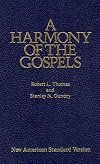
If you've ever found the events of the life and ministry of Jesus of Nazareth confusing, had problems resolving some proposed contradictions, or if you want to take your Bible study to the next level, this book is for you.
This book contains two sections. First, the eyewitness testimony of Jesus' life (Matthew, Mark, Luke, and John) where the sections appear next to each other in chronological order (called "a harmony"). And, second, a number of essays dealing with various theories of show more interpretation, organization, and when the original accounts were written.
A note for the beginner. The eyewitness accounts of Jesus' life are not in chronological order for the most part. Each of the four authors was writing to a different audience and organized things in different fashions. This was extremely common in ancient biographies as they were organized by theme or topic of the subjects life as opposed to chronologically like is common practice now.
In a harmony, the editors assemble the various parallel passages in each of the four gospels in chronolgical order. This can be extremely helpful in study. You will quickly notice that not every author recorded every event exactly the same way. But, rather than causing problems, this actually HELPS by filling in gaps of your study.
For example, In Matthew 26:67-68, Jesus is in front of the Sanhedrin on trial. "67 Then they spit in his face and struck him. And some slapped him, 68 saying, “Prophesy to us, you Christ! Who is it that struck you?” Well, that seems kind of weird. Why would they hit him and then ask him to prophecy? Can't he see who's hitting him? The key comes when you line up Mark 14:65 next to the passage in Matthew. "65 And some began to spit on him and BLINDFOLD him and to beat him with their fists, and say to him "Prophecy!"" Mark adds a detail in his account that helps us get a better picture of what's going on here. This is the kind of stuff a harmony will help you understand. A lot of gaps and proposed contradictions immedialty get resolved when you read in this manner.
Highly recommend anyone looking to study the life of Jesus get their hands on a harmony like this one. show less
This book contains two sections. First, the eyewitness testimony of Jesus' life (Matthew, Mark, Luke, and John) where the sections appear next to each other in chronological order (called "a harmony"). And, second, a number of essays dealing with various theories of show more interpretation, organization, and when the original accounts were written.
A note for the beginner. The eyewitness accounts of Jesus' life are not in chronological order for the most part. Each of the four authors was writing to a different audience and organized things in different fashions. This was extremely common in ancient biographies as they were organized by theme or topic of the subjects life as opposed to chronologically like is common practice now.
In a harmony, the editors assemble the various parallel passages in each of the four gospels in chronolgical order. This can be extremely helpful in study. You will quickly notice that not every author recorded every event exactly the same way. But, rather than causing problems, this actually HELPS by filling in gaps of your study.
For example, In Matthew 26:67-68, Jesus is in front of the Sanhedrin on trial. "67 Then they spit in his face and struck him. And some slapped him, 68 saying, “Prophesy to us, you Christ! Who is it that struck you?” Well, that seems kind of weird. Why would they hit him and then ask him to prophecy? Can't he see who's hitting him? The key comes when you line up Mark 14:65 next to the passage in Matthew. "65 And some began to spit on him and BLINDFOLD him and to beat him with their fists, and say to him "Prophecy!"" Mark adds a detail in his account that helps us get a better picture of what's going on here. This is the kind of stuff a harmony will help you understand. A lot of gaps and proposed contradictions immedialty get resolved when you read in this manner.
Highly recommend anyone looking to study the life of Jesus get their hands on a harmony like this one. show less
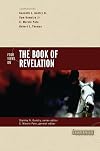
First, I didn't read the entire book because I am very familiar with the dispensational or futurist interpretation of Revelation. Second, I was disappointed that the historicist view wasn't represented. I appreciated the idealist view. It has much to commend; however, Hamstra imports his view onto the text that the visions of Revelation cover the entire history of the church. The preterist approach of Ken Gentry is the most biblically convincing view. Yet, I wonder if there is any historical show more precedent for his interpretation. show less
This book presents the book of Revelation from four different perspectives. After about a 30-page overview, four different authors present their insights.
Kenneth L. Gentry, Jr. covers the Preterist view. There are variations of Preterism, but the general idea is that the Bible’s eschatological promises have been fulfilled. Revelation’s bloody war scenes occurred in the first century. Gentry is an established Revelation scholar who writes clearly, but this is not his most lucid show more writing.
Sam Hamstra Jr. writes about an Idealist view. I would call it a “spiritual” view. Such interpreters find Revelation to be a message of “assurance, hope and victory” in its relevance to today’s struggles.
C. Marvin Pate, who serves also as the book’s general editor, discusses a “progressive dispensationalist” view. The arrival of Jesus 2,000 years ago is the dawning of a the “age to come,” but it is not yet complete; it awaits the Parousia for its consummation.
Finally, Robert L. Thomas lays out the classical Dispensationalist view, the common futuristic interpretation. While there are still many divisions in this category, Thomas strives to present a “typical” belief.
In my opinion, Steve Gregg’s book http://www.dubiousdisciple.com/2010/12/book-review-revelation-four-views.html on the same topic is more comprehensive and objective, and also more readable. But it’s also much longer; today’s book should be considered a compact, argumentative introduction by comparison. show less
Kenneth L. Gentry, Jr. covers the Preterist view. There are variations of Preterism, but the general idea is that the Bible’s eschatological promises have been fulfilled. Revelation’s bloody war scenes occurred in the first century. Gentry is an established Revelation scholar who writes clearly, but this is not his most lucid show more writing.
Sam Hamstra Jr. writes about an Idealist view. I would call it a “spiritual” view. Such interpreters find Revelation to be a message of “assurance, hope and victory” in its relevance to today’s struggles.
C. Marvin Pate, who serves also as the book’s general editor, discusses a “progressive dispensationalist” view. The arrival of Jesus 2,000 years ago is the dawning of a the “age to come,” but it is not yet complete; it awaits the Parousia for its consummation.
Finally, Robert L. Thomas lays out the classical Dispensationalist view, the common futuristic interpretation. While there are still many divisions in this category, Thomas strives to present a “typical” belief.
In my opinion, Steve Gregg’s book http://www.dubiousdisciple.com/2010/12/book-review-revelation-four-views.html on the same topic is more comprehensive and objective, and also more readable. But it’s also much longer; today’s book should be considered a compact, argumentative introduction by comparison. show less
Lists
Awards

You May Also Like


Associated Authors
Statistics
- Works
- 64
- Also by
- 1
- Members
- 5,064
- Popularity
- #4,941
- Rating
- 4.0
- Reviews
- 16
- ISBNs
- 44
- Languages
- 3
- Favorited
- 3