

Michael Shoulders
Author of V is for Volunteer: A Tennessee Alphabet
About the Author
Works by Michael Shoulders
V is for Volunteer 1 copy
Tagged
Common Knowledge
- Gender
- male
Members
Reviews
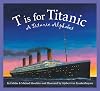
I am deeply impressed. This children’s book is full of information about the doomed ship, and it gives many details about a few key points. I am delighted to say that even through I have read many books on Titanic, I still learned a great deal of new information by reading this. Educational and succinct.
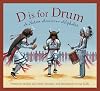
This is a Native American book about the cultural diverse world of their religion. It is also good children's alphabet book but every word they use has something to do with Native American culture. For example, they used a traditional Native American drum to symbolize the letter D. In my classroom, I would love to incorporate this book especially in Arizona because we have such a high amount of Native religions.
1 Mississippi, 2 Mississippi: A Mississippi Numbers Book (Count Your Way Across the USA) by Michael Shoulders
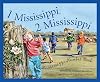
This is a great counting book. I love that every thing in it has to do with Mississippi. The illustrations are also very impressive. I like that there is a cute, rhyming section, but there is also a more in depth section of whatever is being counted on the side for further reading.
This children's alphabet book was illustrated by a Navajo artist, the writers are not native.
From the very first line, the writing bothered me – and the patronising use of quotation marks for expressions or phrases used by different native groups continues through the entire book. The bizarre poetry is intended to draw in younger readers, yet it is not only forced and rhythmically painful, but it is vague about complicated things, so you'd have to explain in a great more detail. For show more example it refers to Bison and their 'useful life-giving remains." ( Shoulders 2006, 4) Also, there's an odd feeling of ancient history v.s. modern day that isn't entirely clear – many practices are described as no longer existing.
The words selected for the alphabet seem almost random. Starting the alphabet with the Anasazi, a group of people that no longer exist is not a good sign. Gold is used, even though it was primarily important to Europeans. Corn, which they say some native groups refer to as “maize” (their quotes, not mine) is under C and not M.
In the pictures, people's faces are stylised, or blurry – it is hard to see them as individuals. The pictures show people from may different cultures, but they usually don't identify them. It's a bit of a hodgepodge. show less
From the very first line, the writing bothered me – and the patronising use of quotation marks for expressions or phrases used by different native groups continues through the entire book. The bizarre poetry is intended to draw in younger readers, yet it is not only forced and rhythmically painful, but it is vague about complicated things, so you'd have to explain in a great more detail. For show more example it refers to Bison and their 'useful life-giving remains." ( Shoulders 2006, 4) Also, there's an odd feeling of ancient history v.s. modern day that isn't entirely clear – many practices are described as no longer existing.
The words selected for the alphabet seem almost random. Starting the alphabet with the Anasazi, a group of people that no longer exist is not a good sign. Gold is used, even though it was primarily important to Europeans. Corn, which they say some native groups refer to as “maize” (their quotes, not mine) is under C and not M.
In the pictures, people's faces are stylised, or blurry – it is hard to see them as individuals. The pictures show people from may different cultures, but they usually don't identify them. It's a bit of a hodgepodge. show less
Awards


You May Also Like


Associated Authors
Statistics
- Works
- 27
- Members
- 1,085
- Popularity
- #23,679
- Rating
- 3.8
- Reviews
- 22
- ISBNs
- 68