

Emily Herring Wilson
Author of Two Gardeners: Katherine S. White and Elizabeth Lawrence, A Friendship in Letters
About the Author
Works by Emily Herring Wilson
Two Gardeners: Katherine S. White and Elizabeth Lawrence, A Friendship in Letters (2002) — Editor — 165 copies, 5 reviews
The Three Graces of Val-Kill: Eleanor Roosevelt, Marion Dickerman, and Nancy Cook in the Place They Made Their Own (2017) 22 copies
Memories of New Bern : an oral history based on interviews of New Bernians by New Bernians (1995) 4 copies
For the People of North Carolina 2 copies
Down Zion's Alley 1 copy
Tagged
Common Knowledge
- Canonical name
- Wilson, Emily Herring
- Birthdate
- 1939
- Gender
- female
- Education
- Woman’s College of the University of North Carolina
- Nationality
- USA
- Birthplace
- Columbus, Georgia, USA
- Places of residence
- Winston-Salem, North Carolina, USA
- Associated Place (for map)
- USA
Members
Reviews
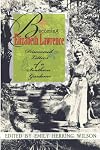
Becoming Elizabeth Lawrence is not the first Lawrence collection Emily Herring-Wilson has edited. In 2002 she published Two Gardeners: A Friendship in Letters, a collection of the correspondence between Lawrence and Katherine White, best known to most as the wife of E.B. White and fiction editor of The New Yorker. But that collection was, as the title states, all about gardening. And while it must have taken some nerve to write letters to a woman who was the pre-eminent doyenne of literary show more style in the nation, Lawrence herself was on sure ground when it came to horticulture. The two women were well-matched.
Becoming Elizabeth Lawrence is another kind of book entirely. Oh, there is quite a lot of gardening in it. And I can’t tell you how comforting it was to read and discover that many of the mistakes I have made in my garden, many of the failings I have castigated myself for, she was guilty of as well. I was comforted to know that even after years of experience, Lawrence still was in the habit of over-ordering from catalogs, still unpacking shipments of plants, uncertain of what they were, still unable to resist impulsively buying unusual plants, even if she had no plan for where to put them in her garden, still losing track of where things had been planted and accidentally digging up bulbs because she had forgotten they were there. Her garden, it seems, was well-planned in conception, but sometimes serendipitous in execution. She did not impose her will upon it, the garden imposed its will upon her.
But Becoming Elizabeth Lawrence is a collection of letters Lawrence wrote, not to another gardener, but to another writer. To a writer who was, in fact, her main literary influence. At the time the letters begin in 1936, Ann Preston Bridgers is already famous, a literary light and nationally known. Elizabeth Lawrence is just beginning to write for magazines and papers. Ann is her critic and confidant. And interestingly, Elizabeth becomes Ann’s as well.
It is a much more personal story than any other book of Lawrence’s I have read; filled with the small details of her daily life, her thoughts about what she is doing, what she is reading, what she is thinking and feeling. It is, also, a one-sided story because while the letters Elizabeth Lawrence wrote to Ann Bridgers were found among Bridger’s papers, the letters Ann wrote to Elizabeth have never been discovered. So reading the correspondence is sometimes like listening to one side of a telephone conversation—one must intuit, from the things you hear, what the other person is saying. Particularly frustrating to me were the long and fascinating critiques Elizabeth would write, discussing manuscripts of plays that Ann apparently sent to her for input. Since the manuscripts themselves are not included in the book, one can only wonder wistfully what they were like. Read full review show less
Becoming Elizabeth Lawrence is another kind of book entirely. Oh, there is quite a lot of gardening in it. And I can’t tell you how comforting it was to read and discover that many of the mistakes I have made in my garden, many of the failings I have castigated myself for, she was guilty of as well. I was comforted to know that even after years of experience, Lawrence still was in the habit of over-ordering from catalogs, still unpacking shipments of plants, uncertain of what they were, still unable to resist impulsively buying unusual plants, even if she had no plan for where to put them in her garden, still losing track of where things had been planted and accidentally digging up bulbs because she had forgotten they were there. Her garden, it seems, was well-planned in conception, but sometimes serendipitous in execution. She did not impose her will upon it, the garden imposed its will upon her.
But Becoming Elizabeth Lawrence is a collection of letters Lawrence wrote, not to another gardener, but to another writer. To a writer who was, in fact, her main literary influence. At the time the letters begin in 1936, Ann Preston Bridgers is already famous, a literary light and nationally known. Elizabeth Lawrence is just beginning to write for magazines and papers. Ann is her critic and confidant. And interestingly, Elizabeth becomes Ann’s as well.
It is a much more personal story than any other book of Lawrence’s I have read; filled with the small details of her daily life, her thoughts about what she is doing, what she is reading, what she is thinking and feeling. It is, also, a one-sided story because while the letters Elizabeth Lawrence wrote to Ann Bridgers were found among Bridger’s papers, the letters Ann wrote to Elizabeth have never been discovered. So reading the correspondence is sometimes like listening to one side of a telephone conversation—one must intuit, from the things you hear, what the other person is saying. Particularly frustrating to me were the long and fascinating critiques Elizabeth would write, discussing manuscripts of plays that Ann apparently sent to her for input. Since the manuscripts themselves are not included in the book, one can only wonder wistfully what they were like. Read full review show less
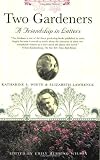
Two Gardeners: Katharine S. White & Elizabeth Lawrence--A Friendship in Letters by Emily Herring Wilson
(This review was originally written for The Garden Bloggers' Book Club)
I finished Two Gardeners: Katharine S. White and Elizabeth Lawrence - A Friendship in Letters last night. I was enthralled and deeply moved by this book. Enthralled, because reading their letters was akin to reading modern day garden blogs. I was deeply moved by their deaths because I felt by the end of the book that I knew them.
Their letters also brought back a lot of memories for me. My maternal grandmother was a few show more years older than Katharine White. Unlike many women of her time, she married late in life and had my mother when she was close to 40. When I knew her, she had retired and was living in an apartment. I loved accompanying her when she went "visiting". Part of those visits involved tours of her friends' gardens. Gardens that looked very much like the photos and descriptions of Katharine's and Elizabeth's gardens. Their letters sounded eerily like the conversations during those visits.
The descriptions of the flower shows made me laugh! I remember shows like those derided in their letters. My poor mother tried and tried to learn flower arranging. Books, classes, garden club lectures, nothing helped. She finally settled on just entering specimen plants and flowers. I should add that she won several prizes in local shows. And that I inherited her inability to arrange flowers in an attractive manner. show less
I finished Two Gardeners: Katharine S. White and Elizabeth Lawrence - A Friendship in Letters last night. I was enthralled and deeply moved by this book. Enthralled, because reading their letters was akin to reading modern day garden blogs. I was deeply moved by their deaths because I felt by the end of the book that I knew them.
Their letters also brought back a lot of memories for me. My maternal grandmother was a few show more years older than Katharine White. Unlike many women of her time, she married late in life and had my mother when she was close to 40. When I knew her, she had retired and was living in an apartment. I loved accompanying her when she went "visiting". Part of those visits involved tours of her friends' gardens. Gardens that looked very much like the photos and descriptions of Katharine's and Elizabeth's gardens. Their letters sounded eerily like the conversations during those visits.
The descriptions of the flower shows made me laugh! I remember shows like those derided in their letters. My poor mother tried and tried to learn flower arranging. Books, classes, garden club lectures, nothing helped. She finally settled on just entering specimen plants and flowers. I should add that she won several prizes in local shows. And that I inherited her inability to arrange flowers in an attractive manner. show less

Little did I know that once I started reading Two Gardeners that I would barely be able to put it down. I ended up finishing the book in three days. What a delightful book!
Elizabeth Lawrence and Katharine White first "met" when Lawrence wrote to White to praise White's article, "A Romp in the Catalogs," published in The New Yorker in 1958. This began a correspondence that lasted until Katharine's death in 1977.
Over the almost 20 years that they wrote to one another, they only met once, in show more 1967. Their's was a friendship of distance, and of words. They were drawn together because of a common interest in gardening and writing, but as their correspondence deepened, they became friends and confidants.
Because they both write about gardening, the reader assumes that there will be a lot of horticultural descriptions and advice throughout the letters. And while there is much talk of gardens and plants - both women describe what's in bloom, specific flowers and the weather - gardening is not the only glue that holds these women's friendship together.
To me, in many ways, this was not so much a book about gardening but a book about being an author. Both women spent their lives in the publishing world - Katharine as an editor and writer for The New Yorker and Elizabeth as a book author and columnist for magazines and newspapers - and their overriding concern with publishing and books shines through their letters. From the first letter from Elizabeth to Katharine suggesting different catalogs that Katharine could review in her next article, to the last letter from Katharine to Elizabeth making final arrangements for their letters to be archived, these two women were writers first.
Throughout their correspondence, Katharine asks for advice on books, catalogs and horticulture, and uses the information she learns from Elizabeth in her articles. Likewise, Elizabeth bounces ideas off Katharine and asks for advice in dealing with publishers. During the years, they trade books that they think the other would like.
This all seems as if the correspondence was dry and professional, but it was anything but that. Each woman continually encourages and praises the other, listens to her friend's description of household ills and personal problems, and chats about friends and family. At one point, when Katharine is very ill, Elizabeth sends her cuttings of various flowers and plants from her garden.
Another overriding concern to both women is health. Katharine White had a lot of health problems through the course of the book and according to the editor she and her husband E. B. White were very concerned about their health. Elizabeth Lawrence cares for her sick mother at home through about 10 years of letters and discusses her situation often. Additionally, as both women age (Katharine was 84 when she died in 1977, and Elizabeth was about 10 years younger), both their own physical condition and that of those around them begins to deteriorate.
As a reader of these letters, I felt that I began to know these two women. I admired their devotion to family, sympathized with their pains and illnesses, and enjoyed watching their friendship take root and flower over the years. show less
Elizabeth Lawrence and Katharine White first "met" when Lawrence wrote to White to praise White's article, "A Romp in the Catalogs," published in The New Yorker in 1958. This began a correspondence that lasted until Katharine's death in 1977.
Over the almost 20 years that they wrote to one another, they only met once, in show more 1967. Their's was a friendship of distance, and of words. They were drawn together because of a common interest in gardening and writing, but as their correspondence deepened, they became friends and confidants.
Because they both write about gardening, the reader assumes that there will be a lot of horticultural descriptions and advice throughout the letters. And while there is much talk of gardens and plants - both women describe what's in bloom, specific flowers and the weather - gardening is not the only glue that holds these women's friendship together.
To me, in many ways, this was not so much a book about gardening but a book about being an author. Both women spent their lives in the publishing world - Katharine as an editor and writer for The New Yorker and Elizabeth as a book author and columnist for magazines and newspapers - and their overriding concern with publishing and books shines through their letters. From the first letter from Elizabeth to Katharine suggesting different catalogs that Katharine could review in her next article, to the last letter from Katharine to Elizabeth making final arrangements for their letters to be archived, these two women were writers first.
Throughout their correspondence, Katharine asks for advice on books, catalogs and horticulture, and uses the information she learns from Elizabeth in her articles. Likewise, Elizabeth bounces ideas off Katharine and asks for advice in dealing with publishers. During the years, they trade books that they think the other would like.
This all seems as if the correspondence was dry and professional, but it was anything but that. Each woman continually encourages and praises the other, listens to her friend's description of household ills and personal problems, and chats about friends and family. At one point, when Katharine is very ill, Elizabeth sends her cuttings of various flowers and plants from her garden.
Another overriding concern to both women is health. Katharine White had a lot of health problems through the course of the book and according to the editor she and her husband E. B. White were very concerned about their health. Elizabeth Lawrence cares for her sick mother at home through about 10 years of letters and discusses her situation often. Additionally, as both women age (Katharine was 84 when she died in 1977, and Elizabeth was about 10 years younger), both their own physical condition and that of those around them begins to deteriorate.
As a reader of these letters, I felt that I began to know these two women. I admired their devotion to family, sympathized with their pains and illnesses, and enjoyed watching their friendship take root and flower over the years. show less
Two Gardeners: Katharine S. White and Elizabeth Lawrence--A Friendship in Letters by Emily Herring Wilson
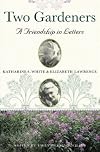
Two Gardeners is a delightful book about a friendship that just clicked from the very beginning. Emily Herring Wilson has compiled & edited the letters of Katharine White and Elizabeth Lawrence's nineteen year correspondence (1958 - 1977) which started with a simple fan letter to Katharine from Elizabeth. Katharine White (married to E.B. White) wrote reviews about gardening catalogs and Elizabeth just happened to respond to one such seed catalog review. Their correspondence grew from show more strictly talking about gardening to the more personal as time went on. They grew comfortable enough to share details of illnesses (their own and of family) and the trials of growing older. A real friendship starts to bloom despite only being pen pals and meeting once. I have to admit it was sad to hear about their growing illnesses. show less
Lists
Awards

You May Also Like


Associated Authors
Statistics
- Works
- 10
- Members
- 300
- Popularity
- #78,267
- Rating
- 3.9
- Reviews
- 7
- ISBNs
- 19
