

Anton Strout (1970–2020)
Author of Dead to Me
About the Author
Anton Strout was a sales manager, author, and podcaster. He was born on January 24, 1970 in Pittsfield, Massachusetts. He attended Massachusetts College of Liberal Arts, studying English, Communications and Theater. He graduated in 1993. For 22 years he worked for Penguin Random House in sales. show more Science fiction and fantasy genres were his focus. His written works included two series, the Simon Canderous series and the Spellmason Chronicles, along with short stories and his blog. He created the Once and Future Podcast, in 2011, in which he interviewed fellow writers. Anton Strout died on December 30, 2020 at the age of 50. (Bowker Author Biography) show less
Image credit: Photo by flickr user darknesschildsin
Series
Works by Anton Strout
Associated Works
Blackguards: Tales of Assassins, Mercenaries, and Rogues (2015) — Contributor — 87 copies, 4 reviews
Tagged
Common Knowledge
- Other names
- Stroud, A. M.
- Birthdate
- 1970-01-24
- Date of death
- 2020-12-30
- Gender
- male
- Occupations
- publishing
- Nationality
- USA
- Birthplace
- Pittsfield, Massachusetts, USA
- Places of residence
- New York, New York, USA
- Associated Place (for map)
- USA
Members
Reviews
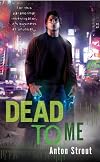
Wow, Simon Canderous is a douche.
You know that guy, the Harry Dresden kind of guy, who thinks he is oh-so-chivalrous but is actually a condescending douchebag who fetishizes every woman he meets by making her a madonna, a whore, or an infant? Simon is that guy. It seemed that every other page I wanted to smack him.
His special power, the one that got him a ticket away from his life of petty thievery to a job working for the Department of Extraordinary Affairs, is psychometry. He touches show more things and gets a picture of everyone who's ever handled them, everywhere they've ever been, everything they've ever done. Pretty cool, right? Strout does the whole magic-costs thing so Simon gets hypoglycemic when using his powers and carries around lifesavers and drinks coffee with lots of sugar. I like that. I've written that.
When first we meet Simon he's having sex with Tamara, he accidentally touches her phone, I believe, and gets a flash of her having sex with someone else. All of a sudden he's turned off, he can't function, he can't see her or even explain. So instead of giving her a very simple, if slightly unbelievable explanation, about his psychometry, he tells her he was thinking of her screwing someone else and lets her believe he read her diary. When she asks (and asks and asks) for answers all he does is avoid her. He considers her to be crazy, psycho, and all sorts of bad things. I consider her to be justifiably angry and him to be a douchebag living in a mess of his own making all because he refused to give her a straight answer or treat her with respect. Later in the book Tamara ends up dead, killed by someone who wanted to hurt Simon. He barely mourns because he's already moved on to two other women.
Next up is Irene, the ghost who's more alive than she should be. She's so helpless, she needs him. Oh, and he can't possibly have commitment issues with her because how can he commit to a ghost? Super Simon is going to save her, find out why she hasn't crossed over to where she should be, and in the meantime he's putting her up on a mighty big pedestal, one she topples off of when he finds out about her real life before death. It's okay though, because in the end she sacrifices herself for Simon and that makes her the perfect woman.
And finally we have Jane, the temp who worked her way up to a big position with the local evil cultists. She's bad, so bad, and Simon can't have her so naturally he wants her. Especially when she needs his help to survive. Once she's helpless, in hiding, and depending on Simon for everything he becomes annoyed with her neediness. You know, the neediness he created? Yeah, I totally hate him.
I like the universe Strout created, I like the idea of the DEA working with the city, I like the things they investigate, the behind-the-scenes camaraderie between the employees, I like Connor and the Inspectre, the coffee shop and movie theater, I even like the FOGies and all the good they stand for even though we don't know quite what they are yet. I just hate Simon Canderous. show less
You know that guy, the Harry Dresden kind of guy, who thinks he is oh-so-chivalrous but is actually a condescending douchebag who fetishizes every woman he meets by making her a madonna, a whore, or an infant? Simon is that guy. It seemed that every other page I wanted to smack him.
His special power, the one that got him a ticket away from his life of petty thievery to a job working for the Department of Extraordinary Affairs, is psychometry. He touches show more things and gets a picture of everyone who's ever handled them, everywhere they've ever been, everything they've ever done. Pretty cool, right? Strout does the whole magic-costs thing so Simon gets hypoglycemic when using his powers and carries around lifesavers and drinks coffee with lots of sugar. I like that. I've written that.
When first we meet Simon he's having sex with Tamara, he accidentally touches her phone, I believe, and gets a flash of her having sex with someone else. All of a sudden he's turned off, he can't function, he can't see her or even explain. So instead of giving her a very simple, if slightly unbelievable explanation, about his psychometry, he tells her he was thinking of her screwing someone else and lets her believe he read her diary. When she asks (and asks and asks) for answers all he does is avoid her. He considers her to be crazy, psycho, and all sorts of bad things. I consider her to be justifiably angry and him to be a douchebag living in a mess of his own making all because he refused to give her a straight answer or treat her with respect. Later in the book Tamara ends up dead, killed by someone who wanted to hurt Simon. He barely mourns because he's already moved on to two other women.
Next up is Irene, the ghost who's more alive than she should be. She's so helpless, she needs him. Oh, and he can't possibly have commitment issues with her because how can he commit to a ghost? Super Simon is going to save her, find out why she hasn't crossed over to where she should be, and in the meantime he's putting her up on a mighty big pedestal, one she topples off of when he finds out about her real life before death. It's okay though, because in the end she sacrifices herself for Simon and that makes her the perfect woman.
And finally we have Jane, the temp who worked her way up to a big position with the local evil cultists. She's bad, so bad, and Simon can't have her so naturally he wants her. Especially when she needs his help to survive. Once she's helpless, in hiding, and depending on Simon for everything he becomes annoyed with her neediness. You know, the neediness he created? Yeah, I totally hate him.
I like the universe Strout created, I like the idea of the DEA working with the city, I like the things they investigate, the behind-the-scenes camaraderie between the employees, I like Connor and the Inspectre, the coffee shop and movie theater, I even like the FOGies and all the good they stand for even though we don't know quite what they are yet. I just hate Simon Canderous. show less
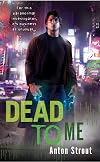
Ghastly, er, ghostly. There are kernels of good ideas here, but for the most part the book is filled with tropes, awkward writing, intrusive explanations and wildly inconsistent characters. I kept putting it down in disgust, but picking it back up because my OCD disorder wanted to know the ending.
Tone and Plot: It's like an adolescent male writer is regurgitating Dresden lite, mixed with the Ministry of Magic courtesy of Harry Potter, sprinkled with every stereotype of the male detective in show more the genre. Simon is the lead character who wears sassy grunge tees and whose back up coat is a long black trench. His weapon is an extendable bat (calling Harry...). He reads pamphlets published by his office with such titles as "Deadside Manner: Staying Cool in Troubled Times." The head of his Other Division is named Brit named Argyle Quimbley, whom we first meet sipping tea through a handlebar mustache (must all semi-humorous characters have 'Q' names and funny facial hair?)
Female characters: Unfortunately true to the genre, they are stereotyped beyond belief, usually as the perfect, beautiful, helpless damsel-in-distress, but also the crazy jilted girlfriend. Sometimes, they are both. Actually, the females are just as poorly characterized as the males. When Simon is spying on Jane, one of the "evil cultists," he reads her diary entry written while she was spying (because females always keep diaries). Moreover, she complains in the diary about how her thong is uncomfortable: "something this invasive usually buys me a drink first!" Really? Is that the 14 year old male imagining of what's in a female diary? Because I'm having trouble believing a woman who is rising through the tiers of hierarchy in the cultist organization is writing in a diary... about her underwear.
Male characters: Simon, the male character, is inconsistent, sexist and illogical beyond belief. Initial scene in the book, he's about to have sex and flashes on his girlfriend having sex with a random guy. Rather than make a semi-plausible excuse (we've heard them, guys), he let's her think he's been reading her diary. Really? He'd rather be thought a stalker than a psychic freak? Or just a jerk for telling some other lie? Made no sense. Likewise when we go through a detailed passage about bargaining at an antique meet for an Intellivision, we're told this is how he legitimately earns money, by returning meaningful found items to owners. When he finds the owner, instead of just saying "I'm an antiques dealer, and I was hoping to sell it to you for a fair price," he does a weaselly "just happened to find it, no I couldn't take a cent" act and hope for a reward. That's a technique that seems like it would occasionally fall through and result in a loss, while being honest would help establish him as a legitimate businessman doing a legit service. If he wants to be legit, why is he still running his legit business like a con?
Simon remains erratic throughout the book. In third scene, we have him meeting his mentor at a ghost sighting. Simon freezes numerous times. Later, Anton has the nerve to have Simon describe himself as "the good cop," and "a quiet person." Yet when they go to a business office to inquire the whereabouts of a stolen item, he's yelling and swinging his bat around like he's going to hurt something, accelerating the questioning process into a major incident. When Tamara, the first angry ex-girlfriend, turns up dead as part of an intimidation plot, she's sent off into the sunset with the lines: "They killed her." "Well, they wouldn't be evil if they did nice things, would they?" Really? That's her epitaph? That's how you show sympathy from the "good guys?"
I loved the idea of "psychometry." Plot was semi-interesting, even if we couldn't figure out if the bad guys were corporate businessmen, evil cultists or the Mob. Liked tiny little flashes like the first-aid kit with mummy fingers, the prophet on the subway (wasn't that in Matrix?), and addicts main-lining ghosts. Hate the characters and the characterization. On reflection, I'm wondering if it's supposed to be an urban fantasy farce, along the lines of what Pratchett or Asprin have done with fantasy. Except Pratchett's characters are likeable. show less
Tone and Plot: It's like an adolescent male writer is regurgitating Dresden lite, mixed with the Ministry of Magic courtesy of Harry Potter, sprinkled with every stereotype of the male detective in show more the genre. Simon is the lead character who wears sassy grunge tees and whose back up coat is a long black trench. His weapon is an extendable bat (calling Harry...). He reads pamphlets published by his office with such titles as "Deadside Manner: Staying Cool in Troubled Times." The head of his Other Division is named Brit named Argyle Quimbley, whom we first meet sipping tea through a handlebar mustache (must all semi-humorous characters have 'Q' names and funny facial hair?)
Female characters: Unfortunately true to the genre, they are stereotyped beyond belief, usually as the perfect, beautiful, helpless damsel-in-distress, but also the crazy jilted girlfriend. Sometimes, they are both. Actually, the females are just as poorly characterized as the males. When Simon is spying on Jane, one of the "evil cultists," he reads her diary entry written while she was spying (because females always keep diaries). Moreover, she complains in the diary about how her thong is uncomfortable: "something this invasive usually buys me a drink first!" Really? Is that the 14 year old male imagining of what's in a female diary? Because I'm having trouble believing a woman who is rising through the tiers of hierarchy in the cultist organization is writing in a diary... about her underwear.
Male characters: Simon, the male character, is inconsistent, sexist and illogical beyond belief. Initial scene in the book, he's about to have sex and flashes on his girlfriend having sex with a random guy. Rather than make a semi-plausible excuse (we've heard them, guys), he let's her think he's been reading her diary. Really? He'd rather be thought a stalker than a psychic freak? Or just a jerk for telling some other lie? Made no sense. Likewise when we go through a detailed passage about bargaining at an antique meet for an Intellivision, we're told this is how he legitimately earns money, by returning meaningful found items to owners. When he finds the owner, instead of just saying "I'm an antiques dealer, and I was hoping to sell it to you for a fair price," he does a weaselly "just happened to find it, no I couldn't take a cent" act and hope for a reward. That's a technique that seems like it would occasionally fall through and result in a loss, while being honest would help establish him as a legitimate businessman doing a legit service. If he wants to be legit, why is he still running his legit business like a con?
Simon remains erratic throughout the book. In third scene, we have him meeting his mentor at a ghost sighting. Simon freezes numerous times. Later, Anton has the nerve to have Simon describe himself as "the good cop," and "a quiet person." Yet when they go to a business office to inquire the whereabouts of a stolen item, he's yelling and swinging his bat around like he's going to hurt something, accelerating the questioning process into a major incident. When Tamara, the first angry ex-girlfriend,
I loved the idea of "psychometry." Plot was semi-interesting, even if we couldn't figure out if the bad guys were corporate businessmen, evil cultists or the Mob. Liked tiny little flashes like the first-aid kit with mummy fingers, the prophet on the subway (wasn't that in Matrix?), and addicts main-lining ghosts. Hate the characters and the characterization. On reflection, I'm wondering if it's supposed to be an urban fantasy farce, along the lines of what Pratchett or Asprin have done with fantasy. Except Pratchett's characters are likeable. show less
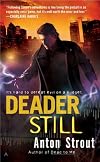
My big complaint about [b:Dead to Me|1823237|Dead To Me (Simon Canderous, #1)|Anton Strout|http://ecx.images-amazon.com/images/I/51BdxwDXqfL._SL75_.jpg|1822923] was that I loathed Simon Canderous. He mistakes chauvinism for chivalry and that really bothered me. Don't get me wrong, he's still a bit of a jerk, but I found him less offensive in this book, which is good for me since there are so many other things to like in [a:Anton Strout|833164|Anton show more Strout|http://photo.goodreads.com/authors/1216234235p2/833164.jpg]'s universe.
One of my favorite moments was of Simon, believing there had been a vampire attack, glumly changes the safety sign in his office from "737 days" from the last attack. It's touches like this that keep me reading. show less
One of my favorite moments was of Simon, believing there had been a vampire attack, glumly changes the safety sign in his office from "737 days" from the last attack. It's touches like this that keep me reading. show less
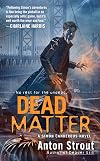
Pros: Although this is the third book in the series, you can pick it up and read it without feeling like background information is missing.
Cons:Waiting for the next book to see how some of the long term effects of this book's events play out.
Review book courtesy of Penguin Group
Simon Canderous is drowning in a pile of paperwork. His partner and mentor Connor Christos is taking five years worth of saved vacation time, leaving Simon to handle both their caseloads at the Department of show more Extraordinary Affairs in New York City. It's no secret what Connor's probably up to; trying to figure out what has happened to his long-lost brother. When Connor's obsessive digging stirs up old ghosts (literally) Simon steps in to try and help. Connor seems to have gone crazy, but Simon can't help but wonder if he hasn't...
I was a little nervous about picking up another series from a later book, but Anton Strout left me pleasantly surprised. As I dove into the story, I didn't feel as if I was missing any large chunks of background or information. References to earlier novels are brief with the necessary details included. I felt as if I was able to just step into Simon's world and let it enfold me.
The magic system isn't discussed in heavy detail either, but that strategy actually works because the powers that characters have aren't the focus of the story. That actually made Simon's world feel more real to me, because it is easier to wrap one's head around individual magical powers as opposed to a one size fits all magical ability in the modern world that people could access. It's a wonderful means of developing individual characters, as Simon's ability to see the history of an object by touching it works in wonderful contrast to his girlfriend's ability to manipulate electricity and electronics. (I would totally love my own personal power of some sort!)
The other thing that I really enjoyed was that Simon doesn't eschew other people. He's got a girlfriend, he gets on well with his partner, and he has a good relationship with his boss. Compared to some other urban fantasy heroes, he's socially well-adjusted. It made Simon easier to relate to, because although his social circle isn't huge it is fairly warm. That being said, it's amusing to watch him thread his way through the paper-driven bureaucracy side of his job. The contrast between Simon's instincts to act and the mountain of paperwork he has to deal with make for interesting choices during action scenes, just to save filling out and filing three more forms in triplicate. It's a nice balance to the paranormal elements.
I also loved the fact that as I progressed deeper and deeper into the story's plot, the central conflict kept revealing more and more layers that would make me go back and rethink everything that happened so far. It kept me involved and trying to figure everything out, without making it so easy that I was able to figure it out. Actually, I was very happy to be wrong about my theories, because it led to a very satisfying ending. I have to say, though, that I hope Mr. Strout gives us an idea in the later books about how the ripples caused by this ending play out in the long term. There are plenty of fascinating ways that it could ultimately turn out.
This book is an emotional thrill ride, but it didn't throw me around so much that I came out of the book feeling battered. Instead, I felt satisfied and rewarded seeing things turn out fairly well, with the major characters if not happy at least satisfied. The plot kept me not only guessing, but interested enough to rethink things that had happened earlier in the book. For me, that degree of interest is fairly unusual, but each new layer had me wanting to find out what little clues I had missed in previous chapters. The magic system is wonderfully simple and easy to slip into, and it's a joy to ride around in Simon's head for a while. Even though I'm pretty new to urban fantasy, if books like this are what the genre has to offer then I see another section of the bookstore that I'll be spending too much money in! show less
Cons:Waiting for the next book to see how some of the long term effects of this book's events play out.
Review book courtesy of Penguin Group
Simon Canderous is drowning in a pile of paperwork. His partner and mentor Connor Christos is taking five years worth of saved vacation time, leaving Simon to handle both their caseloads at the Department of show more Extraordinary Affairs in New York City. It's no secret what Connor's probably up to; trying to figure out what has happened to his long-lost brother. When Connor's obsessive digging stirs up old ghosts (literally) Simon steps in to try and help. Connor seems to have gone crazy, but Simon can't help but wonder if he hasn't...
I was a little nervous about picking up another series from a later book, but Anton Strout left me pleasantly surprised. As I dove into the story, I didn't feel as if I was missing any large chunks of background or information. References to earlier novels are brief with the necessary details included. I felt as if I was able to just step into Simon's world and let it enfold me.
The magic system isn't discussed in heavy detail either, but that strategy actually works because the powers that characters have aren't the focus of the story. That actually made Simon's world feel more real to me, because it is easier to wrap one's head around individual magical powers as opposed to a one size fits all magical ability in the modern world that people could access. It's a wonderful means of developing individual characters, as Simon's ability to see the history of an object by touching it works in wonderful contrast to his girlfriend's ability to manipulate electricity and electronics. (I would totally love my own personal power of some sort!)
The other thing that I really enjoyed was that Simon doesn't eschew other people. He's got a girlfriend, he gets on well with his partner, and he has a good relationship with his boss. Compared to some other urban fantasy heroes, he's socially well-adjusted. It made Simon easier to relate to, because although his social circle isn't huge it is fairly warm. That being said, it's amusing to watch him thread his way through the paper-driven bureaucracy side of his job. The contrast between Simon's instincts to act and the mountain of paperwork he has to deal with make for interesting choices during action scenes, just to save filling out and filing three more forms in triplicate. It's a nice balance to the paranormal elements.
I also loved the fact that as I progressed deeper and deeper into the story's plot, the central conflict kept revealing more and more layers that would make me go back and rethink everything that happened so far. It kept me involved and trying to figure everything out, without making it so easy that I was able to figure it out. Actually, I was very happy to be wrong about my theories, because it led to a very satisfying ending. I have to say, though, that I hope Mr. Strout gives us an idea in the later books about how the ripples caused by this ending play out in the long term. There are plenty of fascinating ways that it could ultimately turn out.
This book is an emotional thrill ride, but it didn't throw me around so much that I came out of the book feeling battered. Instead, I felt satisfied and rewarded seeing things turn out fairly well, with the major characters if not happy at least satisfied. The plot kept me not only guessing, but interested enough to rethink things that had happened earlier in the book. For me, that degree of interest is fairly unusual, but each new layer had me wanting to find out what little clues I had missed in previous chapters. The magic system is wonderfully simple and easy to slip into, and it's a joy to ride around in Simon's head for a while. Even though I'm pretty new to urban fantasy, if books like this are what the genre has to offer then I see another section of the bookstore that I'll be spending too much money in! show less
Lists
You May Also Like


Associated Authors
Statistics
- Works
- 13
- Also by
- 18
- Members
- 1,528
- Popularity
- #16,835
- Rating
- 3.5
- Reviews
- 51
- ISBNs
- 18
- Favorited
- 5