
F. Marion Crawford (1854–1909)
Author of Khaled
About the Author
F. Marion Crawford was born on August 2, 1854, in Bagni de Lucca, Tuscany, Italy. He was the son of the American sculptor Thomas Crawford. He was educated by a French governess; then at St. Paul's School, Concord, N.H.; in the quiet country village of Hatfield Regis, under an English tutor; at show more Trinity College, Cambridge, where they thought him to become a mathematician; at Heidelberg and Karlsruhe, and at the University of Rome, where a special interest in Oriental languages sent him to India with the idea of preparing for a professorship. He spent a short time as a newspaper editor there. His first novel, Mr. Isaacs, was published in 1882. During his lifetime, he wrote over forty novels and one play, Francesca da Rimini. His novels include Dr. Claudius, A Roman Singer, A Cigarette Maker's Romance, The Witch of Prague, The Heart of Rome, and The Diva's Ruby. He died on April 9, 1909. (Bowker Author Biography) show less
Image credit: Credit: Zaida Ben-Yusuf, circa 1900
(LoC Prints and Photographs Division,
LC-USZ62-83072)
(LoC Prints and Photographs Division,
LC-USZ62-83072)
Series
Works by F. Marion Crawford
Marzio's Crucifix and Zoroaster (The Complete of F. Marion Crawford, in 32 Volumes, Authorized Edition) (2007) 12 copies, 1 review
Delphi Complete Works of F. Marion Crawford (Illustrated) (Delphi Series Ten Book 16) (2019) 7 copies
Love in Idleness: A Tale of Bar Harbor & Marion Darche: A Story Without Comment (The Novels of F. Marion Crawford) (1894) 6 copies
Love in idleness. A Bar Harbour tale 6 copies
By The Waters Of Paradise 3 copies
The Undesirable Governess 2 copies
Adam Johnstone's Son [and] A Rose of Yesterday (Vol. 26 of 32, The Complete Works of F. Marion Crawford) (2004) 2 copies
Uncanny Tales 1 copy
Adam Johnston's Son 1 copy
Marietta, A Maid of Venice 1 copy
Adam Johnstone's Son 1 copy
Pietro Ghisleri 1 copy
With the Immortals 1 copy
To Leeward 1 copy
Three Fates 1 copy
Sant Ilario 1 copy
Rose of Yesterday 1 copy
Roman Singer 1 copy
Ralstons 1 copy
Casa Braccio, Vol. II 1 copy
American Politician 1 copy
Casa Braccio, Vol. I 1 copy
The Complete Works Of F. Marion Crawford Vol 31- The Heart Of Rome A Tale Of The 'Lost Water' (2008) 1 copy
Saint Mario 1 copy
Whosoever Shall Offend 1 copy
Paul Patoff 1 copy
Katharine Lauderdale 1 copy
Kelet fia 1 copy
Taquisara. Vol 1 (only). 1 copy
F. Marion Crawford Collection Vol: 1 The Three Fates, A Tale of Arabia, The Upper Berth. (3 Books) (2016) 1 copy
The Art of Rome 1 copy
Arethusa 1 copy
G R Eifenstein 1 copy
Bar Harbor 1 copy
Corleone, A Tale of Sicily 1 copy
A Roman Singer 1 copy
The Ralstons 1 copy
Saracinesca 1 copy
In the Palace of the KIng 1 copy
Zoroaster 1 copy
Soprano A Portrait 1 copy
Khaled: A Tale of Arabia 1 copy
Marzio's Crucifix 1 copy
With the Immortals 1 copy
The Three Fates 1 copy
A Tale of a Lonely Parish 1 copy
A Cigarette Maker's Romance 1 copy
To Leeward 1 copy
A Lady of Rome 1 copy
The White Sister 1 copy
A Rose of Yesterday 1 copy
Associated Works
American Fantastic Tales : Terror and the Uncanny from Poe to the Pulps (2009) — Contributor — 290 copies, 4 reviews
Ghostly Tales: Spine-Chilling Stories of the Victorian Age (2017) — Contributor — 263 copies, 15 reviews
The Vampire Archives: The Most Complete Volume of Vampire Tales Ever Published (2007) — Contributor — 218 copies, 5 reviews
The Valancourt Book of Victorian Christmas Ghost Stories (2016) — Contributor — 184 copies, 6 reviews
The Mammoth Book of Victorian and Edwardian Ghost Stories (1995) — Contributor — 174 copies, 4 reviews
In the Shadow of Edgar Allan Poe: Classic Tales of Horror, 1816-1914 (2015) — Contributor — 107 copies, 3 reviews
H.P. Lovecraft's Book of the Supernatural: 19 Classics of the Macabre, Chosen by the Master of Horror Himself (2006) — Contributor — 98 copies, 2 reviews
LES CENT ANS DE DRACULA. 8 histoires de vampires de Goethe à Lovecraft (1999) — Contributor — 43 copies, 2 reviews
Irish Ghost Stories (Tales of Mystery & The Supernatural) (2011) — Contributor — 42 copies, 1 review
The Ghost of Fear and Others: H. P. Lovecraft's Favorite Stories Vol.1 (2014) — Contributor — 27 copies
The Rivals of Dracula: Stories from the Golden Age of Gothic Horror (2016) — Contributor — 25 copies, 2 reviews
The Third Ghost Story Megapack: 26 Classic Ghost Stories (2013) — Contributor — 19 copies, 2 reviews
Isaac Asimov Presents : The Best Horror and Supernatural of the 19th Century (1983) — Contributor — 19 copies, 1 review
Library of the World's Best Mystery and Detective Stories: American (1908) — Contributor — 15 copies, 1 review
International Short Stories, Volume 1: American Stories (1910) — Contributor; Contributor — 15 copies
Great American Ghost Stories: Chilling Tales by Poe, Bierce, Hawthorne and Others (2008) — Contributor — 12 copies
More ghosts and marvels,: A selection of uncanny tales from Sir Walter Scott to Michael Arlen, (The World's classics) (1934) — Contributor — 10 copies
Tales of the Undead: Vampires and Visitants (1947) — Contributor, some editions — 10 copies, 1 review
Bruin's Midnight Reader: Strange and Engaging Stories for the Curious (2022) — Contributor — 3 copies
Die Hexen-Esche: 10 ernsthafte Gruselgeschichten, zum Schmökern und Vorlesen (1975) — Contributor — 3 copies
Prize stories from Collier's, 5 volumes — Contributor — 1 copy
Short Ghost and Horror Collection 074 — Contributor — 1 copy
Tagged
Common Knowledge
- Legal name
- Crawford, Francis Marion
- Birthdate
- 1854-08-02
- Date of death
- 1909-04-09
- Gender
- male
- Education
- University of Cambridge
University of Heidelberg
University of Rome
Harvard University - Occupations
- novelist
- Organizations
- American Academy of Arts and Letters (Literature, 1898)
- Relationships
- Howe, Julia Ward (aunt)
Howe, Samuel (uncle)
Fraser, Mary Crawford (sister) - Short biography
- Francis Marion Crawford (August 2, 1854 – April 9, 1909) was an American writer noted for his many novels, especially those set in Italy, and for his classic weird and fantastic stories.
- Nationality
- USA
- Birthplace
- Bagni di Lucca, Italy
- Places of residence
- Bagni di Lucca, Italy
India
New York, New York, USA
Boston, Massachusetts, USA
Sorrento, Italy - Place of death
- Sorrento, Italy
- Associated Place (for map)
- Italy
Members
Reviews
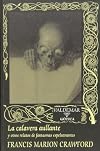
El escritor norteamericano Francis Marion Crawford es un gran desconocido actualmente. Sin embargo, en su época, finales del siglo XIX y principios del siglo XX, tuvo una gran relevancia. Hoy en día, sería un autor olvidado si no fuese por sus relatos de terror, recogidos inicialmente en su ya célebre ‘Wandering Ghosts’ en 1911. De los siete relatos incluidos en dicha colección (en una edición posterior se incluyó un octavo relato inédito, ‘El Mensajero del Rey’), al menos show more cinco son considerados como clásicos imprescindibles y suelen incluirse en las múltiples antologías dedicadas al género. En ‘La calavera aullante y otros relatos de fantasmas espeluznantes’, la editorial Valdemar rescata los ocho relatos mencionados, con una esmerada traducción y presentación, como es habitual.
Enfrentarse a estos relatos clásicos desde el siglo XXI y esperar que nos asusten es harto difícil, y es que la saturación tanto en cine como en televisión de escenas truculentas nos ha curado de espanto. Estos relatos deben leerse teniendo en cuenta el contexto y la perspectiva desde la que fueron escritos. Francis Marion Crawford, si no miedo, lo que sí consigue es sumergirnos es una atmósfera de desasosiego, recreando un ambiente y unas situaciones de lo más sugerentes. Uno debe dejarse llevar por el excelente narrador que era Crawford, hasta unos finales, no por intuidos, menos satisfactorios
Estos son los ocho cuentos incluidos en ‘La calavera aullante y otros relatos de fantasmas espeluznantes’:
La sonrisa muerta (****). Una pareja de novios, que además son primos, desean casarse, pese a que no consiguen el consentimiento del padre del novio. Sin embargo, éste les sigue alentando a ello, y es que guarda un terrible secreto. Buen relato.
La calavera aullante (*****). Un viejo marinero le relata a su viejo amigo una espeluznante historia. El inicio es antológico: "La he escuchado gritar muchas veces. No, no soy una persona nerviosa, ni tengo mucha imaginación, jamás he creído en fantasmas, a menos que esa cosa sea uno de ellos". El mejor relato de la colección. Imprescindible.
¡Hombre al agua! (*****). Como bien indica su título, este es un relato de fantasmas en el mar. Gran relato.
Pues la sangre es vida (****). Ambientado en Italia, este cuento es todo un clásico sobre vampiros, admirado por el mismísimo H.P. Lovecraft. Muy bueno.
La litera de arriba (*****). De nuevo nos encontramos con un relato ambientado en el mar, narrado en primera persona por su protagonista. Extraños suicidios y hechos de difícil explicación, sin duda se trata de un gran relato, de lo mejor que he leído en cuanto a historias ambientadas en el mar desde el genial William Hope Hodgson. Imprescindible.
Junto a las Aguas del Paraíso (****). El protagonista recuerda su infausta niñez, rodeada de mala suerte, así como las extrañas premoniciones de su niñera galesa. Ya adulto, se verá envuelto en un viaje que le cambiará la vida. Gran relato.
El fantasma de la muñeca (****). El señor Puckler es un doctor de muñecas que se verá envuelto en un hecho sobrenatural relacionado con una de sus "pacientes". Muy buen relato.
El Mensajero del Rey (***). El protagonista recuerda la comida a la que fue invitado, una comida con doce invitados, aunque el invitado número trece está al caer. Este relato, omitido en primeras ediciones, ha sido incluido acertadamente por Valdemar en esta lujosa edición.
En resumen, fantástica colección de relatos de un autor injustamente olvidado, pero cuyo talento lo coloca entre los grandes del género. show less
Enfrentarse a estos relatos clásicos desde el siglo XXI y esperar que nos asusten es harto difícil, y es que la saturación tanto en cine como en televisión de escenas truculentas nos ha curado de espanto. Estos relatos deben leerse teniendo en cuenta el contexto y la perspectiva desde la que fueron escritos. Francis Marion Crawford, si no miedo, lo que sí consigue es sumergirnos es una atmósfera de desasosiego, recreando un ambiente y unas situaciones de lo más sugerentes. Uno debe dejarse llevar por el excelente narrador que era Crawford, hasta unos finales, no por intuidos, menos satisfactorios
Estos son los ocho cuentos incluidos en ‘La calavera aullante y otros relatos de fantasmas espeluznantes’:
La sonrisa muerta (****). Una pareja de novios, que además son primos, desean casarse, pese a que no consiguen el consentimiento del padre del novio. Sin embargo, éste les sigue alentando a ello, y es que guarda un terrible secreto. Buen relato.
La calavera aullante (*****). Un viejo marinero le relata a su viejo amigo una espeluznante historia. El inicio es antológico: "La he escuchado gritar muchas veces. No, no soy una persona nerviosa, ni tengo mucha imaginación, jamás he creído en fantasmas, a menos que esa cosa sea uno de ellos". El mejor relato de la colección. Imprescindible.
¡Hombre al agua! (*****). Como bien indica su título, este es un relato de fantasmas en el mar. Gran relato.
Pues la sangre es vida (****). Ambientado en Italia, este cuento es todo un clásico sobre vampiros, admirado por el mismísimo H.P. Lovecraft. Muy bueno.
La litera de arriba (*****). De nuevo nos encontramos con un relato ambientado en el mar, narrado en primera persona por su protagonista. Extraños suicidios y hechos de difícil explicación, sin duda se trata de un gran relato, de lo mejor que he leído en cuanto a historias ambientadas en el mar desde el genial William Hope Hodgson. Imprescindible.
Junto a las Aguas del Paraíso (****). El protagonista recuerda su infausta niñez, rodeada de mala suerte, así como las extrañas premoniciones de su niñera galesa. Ya adulto, se verá envuelto en un viaje que le cambiará la vida. Gran relato.
El fantasma de la muñeca (****). El señor Puckler es un doctor de muñecas que se verá envuelto en un hecho sobrenatural relacionado con una de sus "pacientes". Muy buen relato.
El Mensajero del Rey (***). El protagonista recuerda la comida a la que fue invitado, una comida con doce invitados, aunque el invitado número trece está al caer. Este relato, omitido en primeras ediciones, ha sido incluido acertadamente por Valdemar en esta lujosa edición.
En resumen, fantástica colección de relatos de un autor injustamente olvidado, pero cuyo talento lo coloca entre los grandes del género. show less

The obvious comparison with Khaled is to Vathek, the other Arabian Nights-esque novel in the Ballantine Adult Fantasy series.
Unlike that ridiculous trashfire of a manic episode pretending to be a novel, Khaled is actually a well-written, interesting, and entertaining ride through a very simple story with something poignant to say about the nature of love and affection. Crawford also, unlike the author of Vathek, can convincingly fake the idea that his story is taking place in arabia and show more knows a couple details of islam and old middle eastern stories. I'd read more of Crawford's novels.
It has some elements that unfortunately aged super-poorly (unquestioning of slavery, treating women like property), but you expect that in a book from the late 1800s. show less
Unlike that ridiculous trashfire of a manic episode pretending to be a novel, Khaled is actually a well-written, interesting, and entertaining ride through a very simple story with something poignant to say about the nature of love and affection. Crawford also, unlike the author of Vathek, can convincingly fake the idea that his story is taking place in arabia and show more knows a couple details of islam and old middle eastern stories. I'd read more of Crawford's novels.
It has some elements that unfortunately aged super-poorly (unquestioning of slavery, treating women like property), but you expect that in a book from the late 1800s. show less
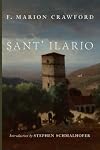
Sant' Ilario is the second installment of a tetralogy written by F. Marion Crawford, an American writer who lived in 19th century Italy and who was a convert to Catholicism. His tales of the noble Roman family, the Saricinesca, take place during the era of the Risorgimento and in this second volume our protagonists are participants in or witnesses to an insurrection launched by Garibaldi's redshirted revolutionists aimed at overthrowing the temporal power of the Pope and uniting the Papal show more States with the kingdom of Victor Emmanuel.
Our hero, Giovanni Saricinesca, having married his great love, Corona d'Astradente in the first book of the series has been elevated to the title of Sant' Ilario by his father the Prince Saracinesca and his marriage has been blessed by a healthy baby boy, Orsino. Their prospects for lasting happiness seem excellent, but troubles lie ahead.
Giovanni's cousin of the same name has turned up in Rome as a wealthy entrepreneur having invested a large sum of money won in a lottery in various enterprises. He has shed his previous occupation as the proprietor of a country inn, and along the way his wife, the mother of his two sons, has fallen ill and passed away. He relocates to Rome and calls upon the Prince to claim the recognition due him by birth and he is awarded the title Marchese di San Giacinto.
We are introduced to another aristocratic family, the Montevarchi. The Prince of this ancient house is distinguished mainly for his avarice and his miserliness. He has an English wife, Guendolina, and two grown daughters, Flavia and Faustina. Flavia is high spirited and not terribly respectful of her parents; Faustina is a younger, more virtuous and beautiful younger daughter who has been befriended by Corona. As a result of a "traffic" accident Faustina is introduced to the painter Gouache, a Frenchman, who has decided to enlist in the papal cause and who has enlisted in the Zouaves. Gouache and Faustina fall head over heels in love with each other. Meanwhile San Giacinto has determined to marry into one of the ancient noble families of Rome and has fallen in love with the elder daughter, Flavia.
These romances form the point of departure for multiple planned and accidental events that threaten to bring about the downfall of the Prince Saracinesca, his son and grandson as well as the collapse of the marriage of Giovanni and Corona due to a chain of events that indicate a betrayal of their love for each other.
Crawford is a first-rate storyteller and a master of the psychology at work behind the virtues of love, fidelity and greatness of soul on the one hand and ambition, greed, jealousy and overweening pride on the other. Sant' Ilario is a wonderful read, worthy of its predecessor and a promising incentive to take up the third volume in the series. show less
Our hero, Giovanni Saricinesca, having married his great love, Corona d'Astradente in the first book of the series has been elevated to the title of Sant' Ilario by his father the Prince Saracinesca and his marriage has been blessed by a healthy baby boy, Orsino. Their prospects for lasting happiness seem excellent, but troubles lie ahead.
Giovanni's cousin of the same name has turned up in Rome as a wealthy entrepreneur having invested a large sum of money won in a lottery in various enterprises. He has shed his previous occupation as the proprietor of a country inn, and along the way his wife, the mother of his two sons, has fallen ill and passed away. He relocates to Rome and calls upon the Prince to claim the recognition due him by birth and he is awarded the title Marchese di San Giacinto.
We are introduced to another aristocratic family, the Montevarchi. The Prince of this ancient house is distinguished mainly for his avarice and his miserliness. He has an English wife, Guendolina, and two grown daughters, Flavia and Faustina. Flavia is high spirited and not terribly respectful of her parents; Faustina is a younger, more virtuous and beautiful younger daughter who has been befriended by Corona. As a result of a "traffic" accident Faustina is introduced to the painter Gouache, a Frenchman, who has decided to enlist in the papal cause and who has enlisted in the Zouaves. Gouache and Faustina fall head over heels in love with each other. Meanwhile San Giacinto has determined to marry into one of the ancient noble families of Rome and has fallen in love with the elder daughter, Flavia.
These romances form the point of departure for multiple planned and accidental events that threaten to bring about the downfall of the Prince Saracinesca, his son and grandson as well as the collapse of the marriage of Giovanni and Corona due to a chain of events that indicate a betrayal of their love for each other.
Crawford is a first-rate storyteller and a master of the psychology at work behind the virtues of love, fidelity and greatness of soul on the one hand and ambition, greed, jealousy and overweening pride on the other. Sant' Ilario is a wonderful read, worthy of its predecessor and a promising incentive to take up the third volume in the series. show less
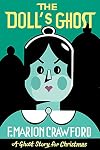
A doll is broken when her young owner falls down the stairs holding her. Taken to a doll hospital, she is lovingly repaired by a man who sees her as almost a living creature. He finally asks his young daughter to return her to her rightful owner, but then his daughter doesn’t return home. He is in great despair and anguish, and then, he sees the ghostly figure of the doll. It’s quite a chilling tale, gripping and intriguing, and the end may surprise and sadden you a bit. Masterfully show more written, it holds up quite well even by today’s standards. show less
Lists
Awards


You May Also Like


Associated Authors
Statistics
- Works
- 180
- Also by
- 111
- Members
- 1,724
- Popularity
- #14,909
- Rating
- 3.9
- Reviews
- 59
- ISBNs
- 381
- Languages
- 12
- Favorited
- 4


