
Clement Hurd (1908–1988)
Author of Goodnight Moon
About the Author
Children's book illustrator Clement Hurd was born on January 12, 1908. He studied architecture at Yale Univesity and painting in Paris with Fernand Leger. He illustrated Margaret Wise Brown's Goodnight Moon and The Runaway Bunny, many of his wife Edith Hurd's books, and The World Is Round, which is show more the only children's book written by Gertrude Stein. He died on February 5, 1988. (Bowker Author Biography) show less
Works by Clement Hurd
The bad little duckhunter 1 copy
Associated Works
Treasure Island Trek; Children's Author & Illustrator Festival Saturday Oct, 18, 1969 — Contributor, some editions — 1 copy
Tagged
Common Knowledge
- Birthdate
- 1908-01-12
- Date of death
- 1988-02-05
- Gender
- male
- Relationships
- Hurd, Edith Thacher (wife)
- Burial location
- Mason Hill Cemetery, Starksboro, Addison County, Vermont, USA
- Associated Place (for map)
- Vermont, USA
Members
Reviews
I think I loved this book too much and read it to my daughter EVERY night at bedtime. Twenty years later (no, I only read it every night for two years I think!) she told me she really didn't like it as much!! Let this be a lesson, mothers. Anyway, it has great images, great language, and comfort.
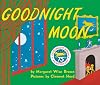
As a young child I hated to go to bed, for fear I would miss something. This bedtime story will help young children fall asleep easily as its pictures and texts combined take them into restfulness and finally deep sleep.
The opening scene shows bold, bright colors of dark value. The bunny is wide awake sitting up in his bed looking at the telephone on the bedside. The text mentions the telephone, along with a red balloon. The reader may wonder why the telephone is mentioned. Maybe the bunny show more thinks it might ring. He seems to be sitting up waiting for something. On the next page the colors are achromatic. Throughout the book the pages alternate between color and achromatic. I think this may be a strategy for making you sleepy. If every page were bright, the colors could act as a stimulant. Eventually another Bunny appears, this one an “old lady.” This “old lady” has her paw raised to her lips which corresponds to the text whispering “hush.” The bedside lamp casts light above and below the lampshade, illuminating the darkening room. The colors of the room directly touched by the lamplight are just a hint lighter, giving the room a cozy feel. The “old lady” has knitting in her lap, possibly sitting with the bunny until he goes to sleep. If you notice a strand of yarn leading from her lap to the floor, this straight line turns into curvy, tangled lines that show you the kittens are not sleepy yet. They are having too much fun playing with the ball of yarn.
Towards the end, the kittens are shown sitting alert and still, and if you notice the direction they are facing: They are both looking at the “old lady.” Her yarn has been rolled up, leaving the kittens nothing to play with. The text mentions her saying “hush” again. You can imagine that she is speaking in quiet tones as you study the setting and the room is beginning to grow darker. I noticed that the bunny changes positions in the bed from page to page. This leads me to believe that he was trying to fight sleep and stay awake, like many children do at bedtime. Then finally in the end the bunny is asleep, the room is totally dark. I think the artist washed over the picture with a light covering of watered down black paint. The effect allows the reader to see into the room, imagining your eyes have adjusted to the dark, and with your night vision see the basic outlines. Still the room is not pitch dark, because there are two windows letting in moonlight and showing shining stars. The “old lady” has left the room, which tells us the bunny is finally asleep, and the kittens have resigned to sleep themselves, as they curl up in the chair once occupied by the “old lady” bunny. show less
The opening scene shows bold, bright colors of dark value. The bunny is wide awake sitting up in his bed looking at the telephone on the bedside. The text mentions the telephone, along with a red balloon. The reader may wonder why the telephone is mentioned. Maybe the bunny show more thinks it might ring. He seems to be sitting up waiting for something. On the next page the colors are achromatic. Throughout the book the pages alternate between color and achromatic. I think this may be a strategy for making you sleepy. If every page were bright, the colors could act as a stimulant. Eventually another Bunny appears, this one an “old lady.” This “old lady” has her paw raised to her lips which corresponds to the text whispering “hush.” The bedside lamp casts light above and below the lampshade, illuminating the darkening room. The colors of the room directly touched by the lamplight are just a hint lighter, giving the room a cozy feel. The “old lady” has knitting in her lap, possibly sitting with the bunny until he goes to sleep. If you notice a strand of yarn leading from her lap to the floor, this straight line turns into curvy, tangled lines that show you the kittens are not sleepy yet. They are having too much fun playing with the ball of yarn.
Towards the end, the kittens are shown sitting alert and still, and if you notice the direction they are facing: They are both looking at the “old lady.” Her yarn has been rolled up, leaving the kittens nothing to play with. The text mentions her saying “hush” again. You can imagine that she is speaking in quiet tones as you study the setting and the room is beginning to grow darker. I noticed that the bunny changes positions in the bed from page to page. This leads me to believe that he was trying to fight sleep and stay awake, like many children do at bedtime. Then finally in the end the bunny is asleep, the room is totally dark. I think the artist washed over the picture with a light covering of watered down black paint. The effect allows the reader to see into the room, imagining your eyes have adjusted to the dark, and with your night vision see the basic outlines. Still the room is not pitch dark, because there are two windows letting in moonlight and showing shining stars. The “old lady” has left the room, which tells us the bunny is finally asleep, and the kittens have resigned to sleep themselves, as they curl up in the chair once occupied by the “old lady” bunny. show less
This classic has seen millions of children off to sleep at night for a reason. Everything from the primary colored illustrations, to the simplistic wording, and the commonplace items being bidden a nightly adieu, speaks to children.
For me personally.......I find it alittle odd that the adult rabbit in the room is referred to as a " quiet old lady" and that she's telling the child to hush....is she is Gandmother? Nanny? A kidnapper? The red ballon has IT vibes. The " mush" shouldn't be left show more on the table overnight. And the " Goodnight nobody" is disturbingly creepy.
But......children love it. The target audience is over the moon for this bedtime classic. It's a ritualistic nightly read for children across the globe. Who am I to argue with children globally? Besides, it is a cute book, despite its bizarre bits. show less
For me personally.......I find it alittle odd that the adult rabbit in the room is referred to as a " quiet old lady" and that she's telling the child to hush....is she is Gandmother? Nanny? A kidnapper? The red ballon has IT vibes. The " mush" shouldn't be left show more on the table overnight. And the " Goodnight nobody" is disturbingly creepy.
But......children love it. The target audience is over the moon for this bedtime classic. It's a ritualistic nightly read for children across the globe. Who am I to argue with children globally? Besides, it is a cute book, despite its bizarre bits. show less
Goodnight Moon is a very simple story, but it uses that simplicity to create a calm, peaceful feeling. The main theme is comfort—how small routines can help a child feel safe at bedtime. The little bunny doesn’t “grow” as a character in a big way, but the act of saying goodnight to everything in the room shows him slowly relaxing and settling down.
The writing uses repetition and gentle rhythm, which almost works like a lullaby. This makes the story feel soothing instead of exciting. show more Many of the objects the bunny says goodnight to—like the moon, stars, and quiet old lady—act as symbols of stability and calm.
The illustrations are a big part of the book’s effect. The bold colors and changing lighting show the room getting darker, helping kids feel the transition from day to night. The pictures match the slow, peaceful tone of the text, making the whole story feel warm, safe, and perfect for bedtime. show less
The writing uses repetition and gentle rhythm, which almost works like a lullaby. This makes the story feel soothing instead of exciting. show more Many of the objects the bunny says goodnight to—like the moon, stars, and quiet old lady—act as symbols of stability and calm.
The illustrations are a big part of the book’s effect. The bold colors and changing lighting show the room getting darker, helping kids feel the transition from day to night. The pictures match the slow, peaceful tone of the text, making the whole story feel warm, safe, and perfect for bedtime. show less
Lists
Female Author (1)
Five in a Row (1)
1940s (1)
Books About Boys (1)
Awards


You May Also Like
Associated Authors
Statistics
- Works
- 8
- Also by
- 29
- Members
- 23,114
- Popularity
- #914
- Rating
- 4.2
- Reviews
- 751
- ISBNs
- 150
- Languages
- 12
- Favorited
- 1