Laurence Leamer
Author of The Kennedy Women: The Saga of an American Family
About the Author
Laurence Leamer was born in Chicago on Ocober 30, 1941. He is the author of thirteen books, including The Kennedy Women, and Fantastic: The Life of Arnold Schwarzenegger. In 2015 his non-fiction book The Kennedy Men: 1901-1963, was listed on the Nrew York Times bestseller list. Leamer is a former show more Ford Fellow in International Development at the University of Oregon and a former International Fellow at Columbia University. He is regarded as an expert on the Kennedy family. Leamer was on the staff at Newsweek, and has written for The New York Times Magazine, Harper's, Playboy, and many other publications. (Bowker Author Biography) show less
Works by Laurence Leamer
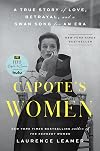
Capote's Women: A True Story of Love, Betrayal, and a Swan Song for an Era (2021) 321 copies, 14 reviews
Madness Under the Royal Palms: Love and Death Behind the Gates of Palm Beach (2009) 152 copies, 8 reviews
Hitchcock's Blondes: The Unforgettable Women Behind the Legendary Director's Dark Obsession (2023) 87 copies, 3 reviews
Mar-a-Lago: Inside the Gates of Power at Donald Trump's Presidential Palace (2019) 50 copies, 2 reviews
Warhol's Muses: The Artists, Misfits, and Superstars Destroyed by the Factory Fame Machine (2025) 38 copies, 1 review
American Capitalism 2 copies
Associated Works
Epics on Everest: Stories of Survival from the World's Highest Peak (2003) — Contributor — 35 copies
Tagged
Common Knowledge
- Birthdate
- 1941-10-30
- Gender
- male
- Education
- Antioch College (B.A., 1964)
University of Oregon
Columbia University - Occupations
- journalist
non-fiction writer - Awards and honors
- Pulitzer International Fellow., 1969
Overseas Press Club for "Best Magazine Reporting" - Short biography
- Laurence Leamer (born October 30, 1941) is a best-selling[1] author and journalist. Leamer is a former Ford Fellow in International Development at the University of Oregon and a former International Fellow at Columbia University. He is regarded as an expert on the Kennedy family[2] and has appeared in numerous media outlets discussing American politics. Leamer has also written best-selling biographies of other American icons, including Johnny Carson, the Reagan family, and Arnold Schwarzenegger.
- Nationality
- USA
- Places of residence
- New York, New York, USA
Palm Beach, Florida, USA
Washington, D.C., USA - Place of death
- Chicago, Illinois, USA
- Associated Place (for map)
- USA
Members
Reviews
I really enjoyed the FX mini-series, FEUD: CAPOTE VS THE SWANS, a few years back; produced by Ryan Murphy, it was a peak into the world of the high and mighty of a bygone era filled with fascinating real-life characters, and enough drama for a dozen novels. The story centered on the fractured relationship between author Truman Capote, and the wealthy and very stylish women who befriended him and then welcomed into their elite social circle. These women—Barbara “Babe” Paley, Gloria show more Guinness, Marella Agnelli, Pamela Churhill Harriman, Slim Hayward, C.Z. Guest, Lee Radziwell—whom he dubbed his “Swans,” invited Capote into their homes, dined with him in fancy restaurants, and often traveled overseas together, all the while gossiping with, and confiding in, the celebrated author, who took it all in while working on a novel that he promised would be a masterpiece surpassing the astonishing success he achieved with IN COLD BLOOD. Then, in 1975, Esquire magazine published an excerpt from this work in progress, titled ANSWERED PRAYERS, which contained characters who were clearly modeled on the “Swans.” Much of it was not flattering, and even worse, the fictional novel contained mortifying incidents from these women’s private lives that they never intended to be made public. It was an epic act of betrayal, and Capote paid the price for it with severed friendships and social banishment.
As much as I enjoyed Murphy’s mini-series, and well aware that his shows sometimes (often?) can play fast and loose with the facts in order to make a story better, I wanted to know more about these people. That’s why I picked up Laurence Leamer’s CAPOTE’S WOMEN: The True Story of Betrayal and the Swan Song for an Era. A swift read—my paperback copy comes in at a little over 300 pages—Leamer’s book goes deep into the background of the “Swans,” detailing who they were, where they came from, and what they did in order to become the stylish icons the public saw, while interspersing the narrative with Capote’s story, the son of a single, and negligent, social climbing mother from a small town in Alabama, who rises to become one of the hottest literary talents in post WWII America. Capote was also an out of the closet homosexual at a time when that was anathema virtually everywhere in the country.
I thought the “Swans” came off much worse for the wear in Leamer’s book than in Murphy’s show, where they were played by Naomi Watts, Calista Flockhart, Demi Moore, Chloe Sevigny, and Diane Lane. As Leamer’s book makes clear, from the time they were young, it was drummed into these women’s heads that it was imperative that they marry well, which meant snagging a rich husband. And if the first marriage didn’t work out, you married a richer man the second time. Personal happiness, much less true love, did not matter, wealth and appearance were everything. It didn’t matter that their cold and distant husbands (men often much older than them) openly pursued other women, that just meant that they could discreetly have affairs of their own. Big houses with opulent gardens, luxury apartments, dinner parties with guest lists that people died for to be on, fashionable clothes, and lunches at the best restaurants, were what life was all about. Meanwhile, the children of these loveless unions were given over to nannies and governesses to raise because who has time to be a mother when being one of the “beautiful people” is a full-time job. On top of all that, they were all big snoots and snobs who truly believed the wealthy were better than the great unwashed. They would have recoiled at anything that smacked of the common touch. This book is full of great gossipy anecdotes with a lot of bearing of claws, and it is all very entertaining to read, a full picture of a time and place long gone. Of the “Swans,” I think I liked C.Z. Guest the best, she seemed to really have some grit, and I could say the same for Slim Kieth, but the portrait of “Princess” Lee Radziwell (Jackie Kennedy’s sister) in these pages is truly pitiable.
Though not nearly as pitiable as the picture of Truman Capote that emerges from Leamer’s book. The man was a giant literary talent, renown for BREAKFAST AT TIFFANY’S and even more so for IN COLD BLOOD, but what he really excelled at was being a public personality, reveling in being the gay gadabout seen in all the right places with all the right people. But as I noted in my review of Murphy’s mini-series, Capote’s talent seemed to be not enough to bear the weight of success, excess, and middle age. He became a raging alcoholic, and after being ostracized and cut off from the women whose friendships he supposedly valued so much, he medicated the pain with a cocaine habit. It was the late ‘70s, and he looked ridiculous cavorting at Studio 54 in the company of C.Z., the only “Swan” who forgave him. His end was not a happy one. Why did Capote betray his friends? Leamer, like others who have documented the author’s life, cannot give us a definitive answer, but does give us enough background that we can speculate. There were abandonment issues from childhood, and like many people damaged at a young age, the broken adult Capote simply could not help himself, he deliberately hurt those most important to him, and then grieved mightily over his own actions. Perhaps the saddest thing is that Capote did not need his “Swans,” unlike them, he had risen in the world on the strength of his own gifts and skills, a well-earned reputation as a writer gained by all the books bought by the kind of average Americans his wealthy lady friends would have looked down upon. Then again, those who crave attention go where they can find it.
Laurence Leamer’s book is an excellent deep dive into an era that came and went, a culture where status was everything, and appearances mattered more than the truth. The manuscript for ANSWERED PRAYERS (if it ever existed at all) was never found in Capote’s possessions after his death, but CAPOTE’S WOMEN leave no doubt that it would have been a great read. show less
As much as I enjoyed Murphy’s mini-series, and well aware that his shows sometimes (often?) can play fast and loose with the facts in order to make a story better, I wanted to know more about these people. That’s why I picked up Laurence Leamer’s CAPOTE’S WOMEN: The True Story of Betrayal and the Swan Song for an Era. A swift read—my paperback copy comes in at a little over 300 pages—Leamer’s book goes deep into the background of the “Swans,” detailing who they were, where they came from, and what they did in order to become the stylish icons the public saw, while interspersing the narrative with Capote’s story, the son of a single, and negligent, social climbing mother from a small town in Alabama, who rises to become one of the hottest literary talents in post WWII America. Capote was also an out of the closet homosexual at a time when that was anathema virtually everywhere in the country.
I thought the “Swans” came off much worse for the wear in Leamer’s book than in Murphy’s show, where they were played by Naomi Watts, Calista Flockhart, Demi Moore, Chloe Sevigny, and Diane Lane. As Leamer’s book makes clear, from the time they were young, it was drummed into these women’s heads that it was imperative that they marry well, which meant snagging a rich husband. And if the first marriage didn’t work out, you married a richer man the second time. Personal happiness, much less true love, did not matter, wealth and appearance were everything. It didn’t matter that their cold and distant husbands (men often much older than them) openly pursued other women, that just meant that they could discreetly have affairs of their own. Big houses with opulent gardens, luxury apartments, dinner parties with guest lists that people died for to be on, fashionable clothes, and lunches at the best restaurants, were what life was all about. Meanwhile, the children of these loveless unions were given over to nannies and governesses to raise because who has time to be a mother when being one of the “beautiful people” is a full-time job. On top of all that, they were all big snoots and snobs who truly believed the wealthy were better than the great unwashed. They would have recoiled at anything that smacked of the common touch. This book is full of great gossipy anecdotes with a lot of bearing of claws, and it is all very entertaining to read, a full picture of a time and place long gone. Of the “Swans,” I think I liked C.Z. Guest the best, she seemed to really have some grit, and I could say the same for Slim Kieth, but the portrait of “Princess” Lee Radziwell (Jackie Kennedy’s sister) in these pages is truly pitiable.
Though not nearly as pitiable as the picture of Truman Capote that emerges from Leamer’s book. The man was a giant literary talent, renown for BREAKFAST AT TIFFANY’S and even more so for IN COLD BLOOD, but what he really excelled at was being a public personality, reveling in being the gay gadabout seen in all the right places with all the right people. But as I noted in my review of Murphy’s mini-series, Capote’s talent seemed to be not enough to bear the weight of success, excess, and middle age. He became a raging alcoholic, and after being ostracized and cut off from the women whose friendships he supposedly valued so much, he medicated the pain with a cocaine habit. It was the late ‘70s, and he looked ridiculous cavorting at Studio 54 in the company of C.Z., the only “Swan” who forgave him. His end was not a happy one. Why did Capote betray his friends? Leamer, like others who have documented the author’s life, cannot give us a definitive answer, but does give us enough background that we can speculate. There were abandonment issues from childhood, and like many people damaged at a young age, the broken adult Capote simply could not help himself, he deliberately hurt those most important to him, and then grieved mightily over his own actions. Perhaps the saddest thing is that Capote did not need his “Swans,” unlike them, he had risen in the world on the strength of his own gifts and skills, a well-earned reputation as a writer gained by all the books bought by the kind of average Americans his wealthy lady friends would have looked down upon. Then again, those who crave attention go where they can find it.
Laurence Leamer’s book is an excellent deep dive into an era that came and went, a culture where status was everything, and appearances mattered more than the truth. The manuscript for ANSWERED PRAYERS (if it ever existed at all) was never found in Capote’s possessions after his death, but CAPOTE’S WOMEN leave no doubt that it would have been a great read. show less
Warhol's Muses: The Artists, Misfits, and Superstars Destroyed by the Factory Fame Machine by Laurence Leamer
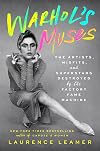
In this intriguing book, veteran celebrity biographer Laurence Leamer turns his attention to Andy Warhol’s “superstars,” the loosely-knit collection of aspiring models and performers who starred in the pop artist’s scandalous underground films.
Warhol’s so-called superstars generally fit a certain mold. Hallmarks of the Warholian “Factory” style included striking beauty, an angular body, and a propensity towards wearing heavy makeup. Most of the denizens of Warhol’s world were show more lapsed Catholics from wealthy but highly dysfunctional families. All of them became addicted to amphetamines, heroin, or both. Only a few survived their phase in Warhol’s orbit.
The superstars were a pathetic lot, but Leamer’s portrait of Warhol himself is even more damning. The pop artist exploited his followers sexually, emotionally, and financially in ways that reminded me of how, during the same time period, Charles Manson manipulated the members of his “Family” to further his own ends. Moreover, Warhol’s callousness towards his superstars was legendary. Even the death of his favorite “Factory girl,” Edie Sedgwick, at the age of 28 left Warhol unmoved.
This book is engagingly written, but the underlying sadness of the milieu it depicts makes it tough to read. show less
Warhol’s so-called superstars generally fit a certain mold. Hallmarks of the Warholian “Factory” style included striking beauty, an angular body, and a propensity towards wearing heavy makeup. Most of the denizens of Warhol’s world were show more lapsed Catholics from wealthy but highly dysfunctional families. All of them became addicted to amphetamines, heroin, or both. Only a few survived their phase in Warhol’s orbit.
The superstars were a pathetic lot, but Leamer’s portrait of Warhol himself is even more damning. The pop artist exploited his followers sexually, emotionally, and financially in ways that reminded me of how, during the same time period, Charles Manson manipulated the members of his “Family” to further his own ends. Moreover, Warhol’s callousness towards his superstars was legendary. Even the death of his favorite “Factory girl,” Edie Sedgwick, at the age of 28 left Warhol unmoved.
This book is engagingly written, but the underlying sadness of the milieu it depicts makes it tough to read. show less
So you think you want to be filthy rich? Find someone with yachts and estates and pots of money to marry you and let you spend, spend, spend as long as you stay ultra thin and gorgeous? You can't have any real friends...you can't EAT anything but you can drink like a fish...you can't trust anyone (you especially can't trust Truman Capote, who acts like a true friend while sponging off your largesse)...you certainly can't fall in love (that's for the maids), but hey, you'll be rich and show more famous. Everyone will want to be invited to your parties and write magazine articles about your "lifestyle"; everyone will want to steal your husband or wife or lover; everyone will secretly want to see you take a nasty fall from the social register. What a world to aspire to. For many years, Truman Capote, whose indisputable talents were justly lauded, claimed to be writing a novel that would be his chef d'oeuvre, comparable to Edith Wharton's revelations of the society she knew so well. The title was to be Answered Prayers, and the point, of course, was that getting and having everything you want does not lead to endless happiness. He spent as much time as possible with the glamorous women he called his swans, gathering dirt material from what he observed and what they confided in him. Pieces of the work in progress were published in Esquire, to such outrage from the models for its characters that poor Truman was abandoned by nearly all of his ladies. Was he as clueless about the effect of his betrayal as he seemed? In any case, the novel never came together, probably because Capote descended into drugs and alcohol so far he could not often get down to work. Laurence Leamer has taken the facts of the lives of all those mostly doomed women and laid it all out here, accomplishing in a non-salacious non-fiction work precisely what Capote claimed to be up to. Be careful what you wish for...there are more tears shed over answered prayers than unanswered prayers...money can't buy happiness...there's really no there there. I enjoyed this fast read, and I've never been much for society/Hollywood gossip. It is, however, intriguing to explore the lives of these people who, in my opinion at least, had no idea of how to live well. show less
My thanks to LT's early reviewers' program and to the publishers for my copy of this book. When I first requested the book I thought it sounded interesting, and once I picked it up, I didn't realize just how blah a word "interesting" would come to be in this case. That cliché about not being able to put the book was absolutely true for me. I'll get right to the point and say that this is one of the most outstanding books I've read this year.
For several reasons this book struck a personal show more chord, and I wish I could say that I was surprised at some of the blatant misdeeds going on in the courts and among politicians as outlined by Mr. Leamer in this most excellent book, but frankly, I'm not. Aside from those issues, I was also deeply disturbed by the blatant disregard that one man in the coal industry showed for his workers and other human beings whose lives were turned upside down, ruined or extinguished by his unscrupulous business & political practices. His absolute control was backed up by threats, intimidation, money and protection from court officials and politicians who looked out for their own financial and political interests, rather than for the interests of the victims. Had the above-mentioned subjects been all there was to this book, it still would have been good, but Mr. Leamer also examines the price paid in personal terms by everyone involved on the side of obtaining justice, including the dedicated attorneys fighting this man for over 14 years.
Other reviewers have correctly noted that this book reads like a legal thriller, and while I'm not a huge fan of that genre, The Price of Justice kept me turning pages until the very end. Definitely and highly recommended. show less
For several reasons this book struck a personal show more chord, and I wish I could say that I was surprised at some of the blatant misdeeds going on in the courts and among politicians as outlined by Mr. Leamer in this most excellent book, but frankly, I'm not. Aside from those issues, I was also deeply disturbed by the blatant disregard that one man in the coal industry showed for his workers and other human beings whose lives were turned upside down, ruined or extinguished by his unscrupulous business & political practices. His absolute control was backed up by threats, intimidation, money and protection from court officials and politicians who looked out for their own financial and political interests, rather than for the interests of the victims. Had the above-mentioned subjects been all there was to this book, it still would have been good, but Mr. Leamer also examines the price paid in personal terms by everyone involved on the side of obtaining justice, including the dedicated attorneys fighting this man for over 14 years.
Other reviewers have correctly noted that this book reads like a legal thriller, and while I'm not a huge fan of that genre, The Price of Justice kept me turning pages until the very end. Definitely and highly recommended. show less
This review was written for LibraryThing Early Reviewers.Lists
Awards
You May Also Like
Associated Authors
Statistics
- Works
- 22
- Also by
- 3
- Members
- 2,347
- Popularity
- #10,927
- Rating
- 3.7
- Reviews
- 57
- ISBNs
- 123
- Languages
- 7
- Favorited
- 3


