
Lily Burana
Author of Strip City: A Stripper's Farewell Journey Across America
About the Author
Image credit: Photographed at BookPeople in Austin, Texas
Works by Lily Burana
Associated Works
Sex and Sensibility: 28 True Romances from the Lives of Single Women (2005) — Contributor — 28 copies
Tagged
Common Knowledge
- Canonical name
- Burana, Lily
- Other names
- Braindrop, Lily
- Birthdate
- 20th Century
- Gender
- female
- Occupations
- journalist
- Nationality
- USA
- Places of residence
- New York, New York, USA
- Associated Place (for map)
- New York, USA
Members
Reviews
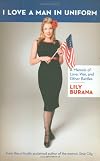
This is the story of a former punk-rawk stripper turned Army wife, and what it means to be a military wife in post-9/11 America. Lily is not just a war bride, she is a War on Terror Bride. We travel with her from her first meeting with her husband-to-be, through his deployment in the Global War on Terror, and back to the coddling traditions of the West Point community. Along the way, Lily takes us through her harrowing crisis that nearly destroyed her marriage, but that ultimately made her a show more stronger, more savvy Army wife.
I enjoyed hearing that other people had the odd commissary experiences I remember from my childhood, and have noticed the same things I have noticed about military home decor. Getting a DEERS card? Check. Living in a fishbowl? Check. Duplexes? Check. I also identify with her almost maternal feeling for service men and women, especially in the wake of the Global War on Terror when some people (read: civilians) have the attitude that it is individual servicemembers' fault that we are fighting a war-without-end-in-sight in the Middle East. Burana adequately expresses what it means to be against the war without being against servicemembers.
The upswing in flag-waving patriotism immediately following 9/11 annoyed me to no end because I knew it was false and reactionary. To me, patriotism is not about putting a flag on the front of your house or a flag sticker on your car, or wearing a flag pin (Sarahpalinsayswhat?). The flag is a symbol, not an accessory. Patriotism is about giving up your chance at a normal life in order to serve your country, not yourself. It is moving away from your family and childhood home for parts unknown and unforeseen, giving your will over to a higher power, not unlike a religious acolyte, in service to that power. Patriotism is the mothers who keep on when their husbands are on an extended TDY in Alabama and their 5-year-olds have The Worst Case of Chicken Pox Ever, in North Dakota, in November, and there is not one smear of calamine lotion on base. Patriotism is the fathers who can't tuck their daughters in at night because they're on Red Alert, waiting for the Soviets to fire the long-range missiles they've been threatening to fire for 40 years.
It is, as Burana says, about rendering honors: to the flag, to the acres of military dead, to the veterans of wars past and present, and to our servicemembers both active and retired. It is being surrounded by traditions that bring each individual in to the fold of a large, closely-knit family that stretches back through time to the roots of our nation. Patriotism, in many cases, is about silence and stillness. The stillness and silence of taps being played, of the flag being lowered at sunset, of a moment of silence. It is a stone monument, stone as silent and still as the tomb, to the ones who went before, to the ones who never came home.
Flag-waving patriots annoy me because they're missing the entire point. Patriotism does not wave flags ostentatiously, then sit around and wait while other people do the work. Patriotism quietly goes and does what's necessary without ever making a fuss, without ever calling attention to itself or bragging about what it has done. Patriotism endures hardship of all sorts for the sake of service to a greater power. The patriots are not just the service men and women in combat fatigues and uniforms, they are also the families who gave their husbands, daughters, mothers, and sons in service to the military, who keep things together at home in the meantime.
Michelle Obama is as much a patriot as her husband, for she has sacrificed her privacy and a life of her own choosing to give her husband to the country. Their daughters are no less patriots for being children, for they have given their father to the country in order for him to serve the higher ideals of the nation. He might miss a few bedtime stories, a few family dinners, but hopefully they get why this is necessary and are okay with it, or someday will be. If so, they are true patriots. They've given up the freedom and security of normal childhood in order for their father to serve; they're missing out on best friends and a hometown and a feeling of normalcy. Some day I hope they will look back and say, "That's okay, someone had to do it." They might not be wrapped in an American flag and singing the Star-Spangled Banner, but they are expressing their affection for the country in the way that has been given to them. In modern-day America, there are a few people who believe that if you aren't shouting your patriotism from the rooftops, you aren't a REAL AMERICAN. And if you don't support the war, you don't support the troops. And Lily and I are here to tell you, that is bull. show less
I enjoyed hearing that other people had the odd commissary experiences I remember from my childhood, and have noticed the same things I have noticed about military home decor. Getting a DEERS card? Check. Living in a fishbowl? Check. Duplexes? Check. I also identify with her almost maternal feeling for service men and women, especially in the wake of the Global War on Terror when some people (read: civilians) have the attitude that it is individual servicemembers' fault that we are fighting a war-without-end-in-sight in the Middle East. Burana adequately expresses what it means to be against the war without being against servicemembers.
The upswing in flag-waving patriotism immediately following 9/11 annoyed me to no end because I knew it was false and reactionary. To me, patriotism is not about putting a flag on the front of your house or a flag sticker on your car, or wearing a flag pin (Sarahpalinsayswhat?). The flag is a symbol, not an accessory. Patriotism is about giving up your chance at a normal life in order to serve your country, not yourself. It is moving away from your family and childhood home for parts unknown and unforeseen, giving your will over to a higher power, not unlike a religious acolyte, in service to that power. Patriotism is the mothers who keep on when their husbands are on an extended TDY in Alabama and their 5-year-olds have The Worst Case of Chicken Pox Ever, in North Dakota, in November, and there is not one smear of calamine lotion on base. Patriotism is the fathers who can't tuck their daughters in at night because they're on Red Alert, waiting for the Soviets to fire the long-range missiles they've been threatening to fire for 40 years.
It is, as Burana says, about rendering honors: to the flag, to the acres of military dead, to the veterans of wars past and present, and to our servicemembers both active and retired. It is being surrounded by traditions that bring each individual in to the fold of a large, closely-knit family that stretches back through time to the roots of our nation. Patriotism, in many cases, is about silence and stillness. The stillness and silence of taps being played, of the flag being lowered at sunset, of a moment of silence. It is a stone monument, stone as silent and still as the tomb, to the ones who went before, to the ones who never came home.
Flag-waving patriots annoy me because they're missing the entire point. Patriotism does not wave flags ostentatiously, then sit around and wait while other people do the work. Patriotism quietly goes and does what's necessary without ever making a fuss, without ever calling attention to itself or bragging about what it has done. Patriotism endures hardship of all sorts for the sake of service to a greater power. The patriots are not just the service men and women in combat fatigues and uniforms, they are also the families who gave their husbands, daughters, mothers, and sons in service to the military, who keep things together at home in the meantime.
Michelle Obama is as much a patriot as her husband, for she has sacrificed her privacy and a life of her own choosing to give her husband to the country. Their daughters are no less patriots for being children, for they have given their father to the country in order for him to serve the higher ideals of the nation. He might miss a few bedtime stories, a few family dinners, but hopefully they get why this is necessary and are okay with it, or someday will be. If so, they are true patriots. They've given up the freedom and security of normal childhood in order for their father to serve; they're missing out on best friends and a hometown and a feeling of normalcy. Some day I hope they will look back and say, "That's okay, someone had to do it." They might not be wrapped in an American flag and singing the Star-Spangled Banner, but they are expressing their affection for the country in the way that has been given to them. In modern-day America, there are a few people who believe that if you aren't shouting your patriotism from the rooftops, you aren't a REAL AMERICAN. And if you don't support the war, you don't support the troops. And Lily and I are here to tell you, that is bull. show less

It was so fascinating to read about Lily's journey around the country, the insider bits about how different strip clubs are run, her motivations for becoming a stripper in the first place, and how the experience affected her. It's a lot more philosophical than I thought it would be; Lily really delves deeply inter her own feelings about what she is doing and whether it is damaging to her psyche. She also includes interviews with a couple of older women who were or still are in the business, show more which adds some historical perspective to her writing. She treats her subject with thought and humanity, instead of salaciousness, which is refreshing. Really a fantastic read! show less
Although I claim to be a big fan of the memoir genre, I will admit that eventually in every memoir, I find myself irritated. I start reframing the story the author was trying to tell in coulda, woulda, shoulda. Memoirist authors re-construct their feelings and reactions into a narrative arc, and we get so deep into their thought processes that I face the threat of the too familiar, and that kind of knowing kind of becomes annoying. This was particularly the case with I Love a Man in Uniform show more (cute title). Why was I so bothered by a former stripper/Playboy model who married an Army Officer and their bouts with PTSD and depression? Then it hit me. I didn’t want to know. I don’t want to think about the men and women who actively serve and fight in our country’s name (and indirectly for me and my children). It is hard to confront the idea that while these men are risking their lives that the marriages they’ve built and the women that they love are falling apart.
These women are expected to endure long lapses away from their husbands, are forced to constantly fear for their loved ones safety, and are routinely subjected to the deaths of friends and colleagues. Military women must hold strong when there husbands come home changed. They alone answer their children’s difficult questions. They do all of this while single handedly maintaining a household which they are expected to do perfectly and with a smile. What is the likely outcome of that sort of pressure? Of course it is depression.
The book’s first half starts with a lot of details of military life and the expected protocol for a wife, and there is also the obligatory ‘perspective thoughts on stripping’ chapter. While these stories are entertaining, it takes some time for Bettina to come to the meat of her story. So all the cute kitschy titles and anecdotes aside, this book is an honest look at the long term costs of war and service. Honestly told as only someone who was accustomed to putting herself out there could tell. So as well-written, and smart as this book is, it is still tough to read. Eye-opening, though-provoking, and gratitude inducing--this story works its heart breaking affects long after you’ve finished reading. show less
These women are expected to endure long lapses away from their husbands, are forced to constantly fear for their loved ones safety, and are routinely subjected to the deaths of friends and colleagues. Military women must hold strong when there husbands come home changed. They alone answer their children’s difficult questions. They do all of this while single handedly maintaining a household which they are expected to do perfectly and with a smile. What is the likely outcome of that sort of pressure? Of course it is depression.
The book’s first half starts with a lot of details of military life and the expected protocol for a wife, and there is also the obligatory ‘perspective thoughts on stripping’ chapter. While these stories are entertaining, it takes some time for Bettina to come to the meat of her story. So all the cute kitschy titles and anecdotes aside, this book is an honest look at the long term costs of war and service. Honestly told as only someone who was accustomed to putting herself out there could tell. So as well-written, and smart as this book is, it is still tough to read. Eye-opening, though-provoking, and gratitude inducing--this story works its heart breaking affects long after you’ve finished reading. show less

I used to "know" Lily. Not in the biblical sense, but on the internet. This was in 1996, where she was dialed in on a 28.8 modem. She was a writer and sex activist and "personality." I picked up this book to find out what happened to her. From my point of view, not all that much.
I understand, she feels otherwise and she could make that case (and does in this book.) She has changed a lot before, from lesbian to married heterosexual for example, and now she's an Annie Lamott style Christian. show more (Annie's editor was also online with me back then.) What I'm saying is this doesn't engage me as a reader, and what I'm evaluating is a book, not her or her new life. Aaron's conversion to Hare Krishna in Bee Season (book I'd just finished) said more to me and that was fiction.
But I'm not looking for inspiration for how to live and if you are, this may be for you. I'd sooner recommend Annie Lamott, though. show less
I understand, she feels otherwise and she could make that case (and does in this book.) She has changed a lot before, from lesbian to married heterosexual for example, and now she's an Annie Lamott style Christian. show more (Annie's editor was also online with me back then.) What I'm saying is this doesn't engage me as a reader, and what I'm evaluating is a book, not her or her new life. Aaron's conversion to Hare Krishna in Bee Season (book I'd just finished) said more to me and that was fiction.
But I'm not looking for inspiration for how to live and if you are, this may be for you. I'd sooner recommend Annie Lamott, though. show less
Awards

You May Also Like


Associated Authors
Statistics
- Works
- 6
- Also by
- 2
- Members
- 626
- Popularity
- #40,248
- Rating
- 3.5
- Reviews
- 17
- ISBNs
- 17
- Languages
- 1
- Favorited
- 1