
James Bow
Author of The Unwritten Girl
About the Author
Image credit: jamesbow.ca
Series
Works by James Bow
Associated Works
Time, Unincorporated: The Doctor Who Fanzine Archives, Vol. 2: Writings on the Classic Series (2010) — Contributor — 30 copies, 1 review
Tagged
Common Knowledge
- Birthdate
- 1972-04-19
- Gender
- male
- Education
- University of Waterloo
- Relationships
- Bow, Patricia (mother)
Bow, Erin (wife) - Nationality
- Canada
- Birthplace
- Toronto, Ontario, Canada
- Places of residence
- Toronto, Ontario, Canada
Kitchener, Ontario, Canada - Associated Place (for map)
- Ontario, Canada
Members
Reviews
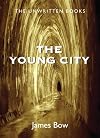
In the third and final volume of THE UNWRITTEN BOOKS, Peter and Rosemary fall through a hole in time and find themselves trapped in 1884.
I've always been big on time travel novels. They're both historical and contemporary; they allow the reader to examine certain ideas about her own time while learning about how folks lived in the past. This is particularly true of children's and YA lit, which so often seeks to teach the reader a little something even as it delivers a good story, and I think show more Bow has dealt with it very nicely. We learn an awful lot about life in late nineteenth century Toronto, but it never feels forced or preachy. Rosemary and Peter are fish out of water here, so we learn alongside them as they deal with a whole host of problems related to their new home, including a very different social morality. Rosemary's experience, in particular, is handled very well. Her struggles as a woman in the nineteenth century stand in stark contrast to Peter's relative freedom. The clothes alone present a huge problem for her, but Bow also gives us lots of little scenes that emphasize the inequalities she faces every day. For example, she's expected to serve their landlord at dinner, and Peter can't help her with the washing up because it's "woman's work." Her friendship with an aspiring female doctor also adds a nice dimension to the story and helps emphasize some of the differences between then and now.
Rosemary and Peter's relationship also comes in for a lot more scrutiny. While I found the first two books more middle grade in feel, I'd say THE YOUNG CITY is definitely a YA novel. It deals with a few more mature themes, including whether or not the main characters are ready for sex, and some parents may find it inappropriate for the under twelve crowd. That's not to say that it's a shocking, graphic book; the sexual elements are handled very well, with suggestion rather that description. There's tension between the two of them, but there's also frank discussion and evaluation. And it's far from the only thing going on here. Their emotional relationship continues to develop in response to their new situation. There are some very nice scenes here.
And the ending? This's a good ending, people. It's both tantalizing and conclusive. I loved it.
All in all, this was my favourite of THE UNWRITTEN BOOKS. I enjoyed it quite a bit, and wanted to share it with someone the moment I'd finished it.
(Review copy provided by the author. A slightly different version of this review originally appeared on my blog, Stella Matutina). show less
I've always been big on time travel novels. They're both historical and contemporary; they allow the reader to examine certain ideas about her own time while learning about how folks lived in the past. This is particularly true of children's and YA lit, which so often seeks to teach the reader a little something even as it delivers a good story, and I think show more Bow has dealt with it very nicely. We learn an awful lot about life in late nineteenth century Toronto, but it never feels forced or preachy. Rosemary and Peter are fish out of water here, so we learn alongside them as they deal with a whole host of problems related to their new home, including a very different social morality. Rosemary's experience, in particular, is handled very well. Her struggles as a woman in the nineteenth century stand in stark contrast to Peter's relative freedom. The clothes alone present a huge problem for her, but Bow also gives us lots of little scenes that emphasize the inequalities she faces every day. For example, she's expected to serve their landlord at dinner, and Peter can't help her with the washing up because it's "woman's work." Her friendship with an aspiring female doctor also adds a nice dimension to the story and helps emphasize some of the differences between then and now.
Rosemary and Peter's relationship also comes in for a lot more scrutiny. While I found the first two books more middle grade in feel, I'd say THE YOUNG CITY is definitely a YA novel. It deals with a few more mature themes, including whether or not the main characters are ready for sex, and some parents may find it inappropriate for the under twelve crowd. That's not to say that it's a shocking, graphic book; the sexual elements are handled very well, with suggestion rather that description. There's tension between the two of them, but there's also frank discussion and evaluation. And it's far from the only thing going on here. Their emotional relationship continues to develop in response to their new situation. There are some very nice scenes here.
And the ending? This's a good ending, people. It's both tantalizing and conclusive. I loved it.
All in all, this was my favourite of THE UNWRITTEN BOOKS. I enjoyed it quite a bit, and wanted to share it with someone the moment I'd finished it.
(Review copy provided by the author. A slightly different version of this review originally appeared on my blog, Stella Matutina). show less
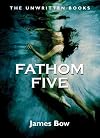
Peter falls prey to a siren's song in the second volume of THE UNWRITTEN BOOKS.
I enjoyed this one a bit more than the previous volume. It's a much more personal story, and Bow has struck just the right balance between adventurous fantasy and interpersonal stuff. Peter and Rosemary's relationship is really the focus here. How have things changed between them in the three years since the events of THE UNWRITTEN GIRL? How do Peter's feelings for Rosemary differ from Rosemary's feelings for show more Peter? How do their feelings for one another dictate their actions? Bow handles it very well. He lets us jump to some of our own conclusions before he reveals just what's going on between them. The reader can really feel both their connection and the tension that drives them to act in particular ways.
And of course, all this takes place amidst a big adventure. Readers who hoped for a return to the Land of Fiction may be disappointed, but I was excited to see Rosemary and Peter tackle another challenge. (I was also pleased that this one was Peter-centric. I like Rosemary, and she does still act as the "hero" here, but it's always nice to learn a little more about a secondary character). I found the sirens and their world fascinating, too. I particularly liked little Ariel, with her ties to Shakespeare and her connection to Peter.
All in all, this was another good read. On the surface, it's a quick, fun story, but readers who want a little more will appreciate the deeper themes of loneliness and romantic confusion. I'd certainly recommend it to kids, and I think it's got more crossover appeal for adults as well. Like THE UNWRITTEN GIRL, it's marketed as YA, but I'd say it straddles the line between YA and middle grade in terms of tone and feel.
(Review copy provided by the author. A slightly different version of this review originally appeared on my blog, Stella Matutina). show less
I enjoyed this one a bit more than the previous volume. It's a much more personal story, and Bow has struck just the right balance between adventurous fantasy and interpersonal stuff. Peter and Rosemary's relationship is really the focus here. How have things changed between them in the three years since the events of THE UNWRITTEN GIRL? How do Peter's feelings for Rosemary differ from Rosemary's feelings for show more Peter? How do their feelings for one another dictate their actions? Bow handles it very well. He lets us jump to some of our own conclusions before he reveals just what's going on between them. The reader can really feel both their connection and the tension that drives them to act in particular ways.
And of course, all this takes place amidst a big adventure. Readers who hoped for a return to the Land of Fiction may be disappointed, but I was excited to see Rosemary and Peter tackle another challenge. (I was also pleased that this one was Peter-centric. I like Rosemary, and she does still act as the "hero" here, but it's always nice to learn a little more about a secondary character). I found the sirens and their world fascinating, too. I particularly liked little Ariel, with her ties to Shakespeare and her connection to Peter.
All in all, this was another good read. On the surface, it's a quick, fun story, but readers who want a little more will appreciate the deeper themes of loneliness and romantic confusion. I'd certainly recommend it to kids, and I think it's got more crossover appeal for adults as well. Like THE UNWRITTEN GIRL, it's marketed as YA, but I'd say it straddles the line between YA and middle grade in terms of tone and feel.
(Review copy provided by the author. A slightly different version of this review originally appeared on my blog, Stella Matutina). show less
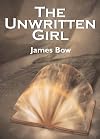
A young girl named Rosemary must face the perils of fiction in order to save her brother's life.
I initially agreed to review this book because the synopsis reminded me of the sort of Canadian children's lit I loved when I was little. I got a real Carol Matas vibe from the descriptions, and I was all over her books when I was nine and ten. I'm pretty sure I'd have loved this book at that age, too. I'm not sure that it has as much crossover appeal for adults who read children's lit, but kids show more are going to get a real kick out of this.
At least, kids who read will. Rosemary comes up against a number of different challenges as she travels through the Land of Fiction, all of which have firm roots in genre traditions. She faces off against a set of shapes from a children's picture book, a knight from a fairy tale, a haunted house, a train of mystery... you get the picture. Young readers who're already familiar with these sorts of stories should have a lot of fun disecting them and trying to guess which book each reference comes from. Teachers, too, may find that they can use THE UNWRITTEN GIRL as part of a unit on different types of stories.
I also really liked Rosemary's family. Her parents are great, and her little sister's brief appearances are just adorable. I appreciated how Bow dealt with some darker themes, too; Rosemary and her friend Peter come up against issues like mental illness, parental death and sacrifice, even as they hobnob with dancing squares and child detectives.
On the down side, I did feel like Bow could've gone deeper in some areas. I wasn't particularly concerned about Rosemary's brother, for example, as we saw so little of him. We know that he's had some emotional problems in the past and that his family worries about him, but we don't spend enough time with him to form any sort of a connection to him. It also would've been nice to see a little more of the budding friendship between Rosemary and Peter. What we do get is very nice, but I think there was room for a bit more.
Overall, though, this was a quick, enjoyable read that I'd recommend to young readers. (It's marketed as YA, but I got more of a middle grade feel from it). This would be a great option for kids who aren't quite old enough for Jasper Fforde. And to top it all off, it's likely to scare the younger set into finishing every book they start.
(Review copy provided by the author. A slightly different version of this review originally appeared on my blog, Stella Matutina). show less
I initially agreed to review this book because the synopsis reminded me of the sort of Canadian children's lit I loved when I was little. I got a real Carol Matas vibe from the descriptions, and I was all over her books when I was nine and ten. I'm pretty sure I'd have loved this book at that age, too. I'm not sure that it has as much crossover appeal for adults who read children's lit, but kids show more are going to get a real kick out of this.
At least, kids who read will. Rosemary comes up against a number of different challenges as she travels through the Land of Fiction, all of which have firm roots in genre traditions. She faces off against a set of shapes from a children's picture book, a knight from a fairy tale, a haunted house, a train of mystery... you get the picture. Young readers who're already familiar with these sorts of stories should have a lot of fun disecting them and trying to guess which book each reference comes from. Teachers, too, may find that they can use THE UNWRITTEN GIRL as part of a unit on different types of stories.
I also really liked Rosemary's family. Her parents are great, and her little sister's brief appearances are just adorable. I appreciated how Bow dealt with some darker themes, too; Rosemary and her friend Peter come up against issues like mental illness, parental death and sacrifice, even as they hobnob with dancing squares and child detectives.
On the down side, I did feel like Bow could've gone deeper in some areas. I wasn't particularly concerned about Rosemary's brother, for example, as we saw so little of him. We know that he's had some emotional problems in the past and that his family worries about him, but we don't spend enough time with him to form any sort of a connection to him. It also would've been nice to see a little more of the budding friendship between Rosemary and Peter. What we do get is very nice, but I think there was room for a bit more.
Overall, though, this was a quick, enjoyable read that I'd recommend to young readers. (It's marketed as YA, but I got more of a middle grade feel from it). This would be a great option for kids who aren't quite old enough for Jasper Fforde. And to top it all off, it's likely to scare the younger set into finishing every book they start.
(Review copy provided by the author. A slightly different version of this review originally appeared on my blog, Stella Matutina). show less
I don’t know about most people, but I for one find reading a series out of order to be completely frustrating and I usually can’t do it. But this time, I could and I am really glad I did. The Young City is one of those stories that once you start, it’s hard to stop. It’s the third book in a series, The Unwritten Books, but it completely holds its own as a standalone novel.
Rosemary Watson and Peter McAllister are eighteen, in love, and finally beginning their lives outside of their show more parents and are starting college, but something else has a different plan for them. While helping Rosemary’s brother, Theo, move into an apartment, the floor falls in and the couple is swept away into the storm sewer of underground Toronto. When they finally get out of the water and get out of the river, they find that they aren’t in 2008 Toronto anymore; they seem to have gone back in time 124 years, and are now in 1884 Toronto. WOW! Twilight Zone, here I come!
But this isn’t quite like that at all; this is a much simpler, much harder way to live. Could you imagine going from cell phones, computers, and television to a time where there is no hot running water, no such thing as a battery, and women are just being allowed to become doctors? I sure couldn’t, but that’s what Peter and Rosemary fall into. It’s hard for them to even survive in such a different time, even from the first minute, but they soon meet Faith and Edmund, a brother and sister who have a pawn shop and who eagerly take the couple in, and help them adjust, no matter how odd they appear to be.
Working together, Peter and Rosemary have to come to terms with where they are and how it seems they can never get back to their tie, their home. Days become weeks, and weeks become months, and the couple begins to doubt whether they are ready for a life together, especially if that life is being stuck in 1884. Faith and Edmund help, but it’s still not enough for the young couple; that is until there is not only something fishy going on with Edmund, but also something going on at the construction site Peter is working on, and then someone brings a watch into the pawn shop, a watch with a battery, which isn’t even possible yet, and a stamp that reads “Made in Taiwan!”
Rosemary and Peter work even harder to not only find out what could possibly be going on, but also where the watch came from, and who else knows about the portals and their home. All they do know is, someone else knows, and that someone is taking advantage of these portals and not using them for good things; someone is smuggling trinkets between 1884 and 2008. It’s the who, why, and how that are still the problem; but it’s a problem Rosemary and Peter have to solve themselves.
If I could describe this book in three words, it would be: Captivating, adventurous, and must-readable! I found it so easy to get attached to these characters and their story that I was really sad to see it end. I want so badly to go back and read the first two books in this series, and I will. There’s tons of action, and twists and turns that I really never saw coming, and I was blown away.
The writing is exciting, and beautiful, and imaginative and I can’t believe I had never heard of these books before now! If you haven’t read this book, I highly recommend you do so, it’s definitely a story that is worth the time and is worth hunting down (it’s from Canada). show less
Rosemary Watson and Peter McAllister are eighteen, in love, and finally beginning their lives outside of their show more parents and are starting college, but something else has a different plan for them. While helping Rosemary’s brother, Theo, move into an apartment, the floor falls in and the couple is swept away into the storm sewer of underground Toronto. When they finally get out of the water and get out of the river, they find that they aren’t in 2008 Toronto anymore; they seem to have gone back in time 124 years, and are now in 1884 Toronto. WOW! Twilight Zone, here I come!
But this isn’t quite like that at all; this is a much simpler, much harder way to live. Could you imagine going from cell phones, computers, and television to a time where there is no hot running water, no such thing as a battery, and women are just being allowed to become doctors? I sure couldn’t, but that’s what Peter and Rosemary fall into. It’s hard for them to even survive in such a different time, even from the first minute, but they soon meet Faith and Edmund, a brother and sister who have a pawn shop and who eagerly take the couple in, and help them adjust, no matter how odd they appear to be.
Working together, Peter and Rosemary have to come to terms with where they are and how it seems they can never get back to their tie, their home. Days become weeks, and weeks become months, and the couple begins to doubt whether they are ready for a life together, especially if that life is being stuck in 1884. Faith and Edmund help, but it’s still not enough for the young couple; that is until there is not only something fishy going on with Edmund, but also something going on at the construction site Peter is working on, and then someone brings a watch into the pawn shop, a watch with a battery, which isn’t even possible yet, and a stamp that reads “Made in Taiwan!”
Rosemary and Peter work even harder to not only find out what could possibly be going on, but also where the watch came from, and who else knows about the portals and their home. All they do know is, someone else knows, and that someone is taking advantage of these portals and not using them for good things; someone is smuggling trinkets between 1884 and 2008. It’s the who, why, and how that are still the problem; but it’s a problem Rosemary and Peter have to solve themselves.
If I could describe this book in three words, it would be: Captivating, adventurous, and must-readable! I found it so easy to get attached to these characters and their story that I was really sad to see it end. I want so badly to go back and read the first two books in this series, and I will. There’s tons of action, and twists and turns that I really never saw coming, and I was blown away.
The writing is exciting, and beautiful, and imaginative and I can’t believe I had never heard of these books before now! If you haven’t read this book, I highly recommend you do so, it’s definitely a story that is worth the time and is worth hunting down (it’s from Canada). show less
Lists
Awards


You May Also Like


Associated Authors
Statistics
- Works
- 77
- Also by
- 1
- Members
- 472
- Popularity
- #52,189
- Rating
- 4.1
- Reviews
- 18
- ISBNs
- 258
- Languages
- 1