
Rae Meadows
Author of I Will Send Rain
Works by Rae Meadows
Ik zal regen geven 1 copy
Tagged
Common Knowledge
- Birthdate
- 20th century
- Gender
- female
- Education
- Stanford University
- Birthplace
- Brussels
- Places of residence
- Cleveland, Ohio, USA
San Diego, California, USA
Minneapolis, Minnesota, USA - Associated Place (for map)
- USA
Members
Reviews

Some novels comfort us with characters and events that are similar to our own; other novels try to present fantastical, vastly different landscapes and mindscapes from our own, to provide an escape.
The best novels, however, transport the reader to a different place, and reveal to us different people, who have different conflicts from ours, while at the same time showing us our shared humanity. This novel is of the last kind. It presents characters who share almost nothing with the reader of show more place, of concerns, or histories. And yet, through their stories, the author is able to show us that we are the same, deep down, with the same fears, joys, and hopes and dreams.
This is a character-driven novel, and yet the characters do not drive the plot; the plot drives the characters, due to their constrained lives living under Soviet rule. It is very much a naturalistic novel, with the reader getting the sense of destiny pushing the characters into the roles they inhabit. Their stories are heartbreaking, and test the limit of their own and the readers' emotional endurance. The stories of Yuri, Vera, Katerina, Elena and of course Anya are devastating, and the reader is astounded by the author's skill is in delving into their conscious and subconscious motivations, their fears, hopes, their rationalizations and their heartbreaks. Equally skillful is the author's depiction of life under Soviet rule at this period, as well as the depiction of the effect over the heart and soul and mind that Soviet propaganda had over its citizens. An amazing read. show less
The best novels, however, transport the reader to a different place, and reveal to us different people, who have different conflicts from ours, while at the same time showing us our shared humanity. This novel is of the last kind. It presents characters who share almost nothing with the reader of show more place, of concerns, or histories. And yet, through their stories, the author is able to show us that we are the same, deep down, with the same fears, joys, and hopes and dreams.
This is a character-driven novel, and yet the characters do not drive the plot; the plot drives the characters, due to their constrained lives living under Soviet rule. It is very much a naturalistic novel, with the reader getting the sense of destiny pushing the characters into the roles they inhabit. Their stories are heartbreaking, and test the limit of their own and the readers' emotional endurance. The stories of Yuri, Vera, Katerina, Elena and of course Anya are devastating, and the reader is astounded by the author's skill is in delving into their conscious and subconscious motivations, their fears, hopes, their rationalizations and their heartbreaks. Equally skillful is the author's depiction of life under Soviet rule at this period, as well as the depiction of the effect over the heart and soul and mind that Soviet propaganda had over its citizens. An amazing read. show less
 This review was written for LibraryThing Early Reviewers.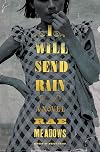
Set in 1930’s Oklahoma, this story follows the trials of the Bell family as they face the likelihood of ruined crops due to a drought. Additionally, each member of the family faces restlessness of some sort. Mother and wife Annie comes from a very religious background and is married to Samuel who is also very devout. Their children are teenage daughter Birdie and their young son Fred.
Annie is growing tired of struggling and feels that Samuel has grown distant from her. She begins to enjoy show more the attention of the town mayor and enters into a relationship with him. Samuel firmly believes that a biblical flood will occur after the drought and becomes obsessed with the construction of an ark. Birdie has the usual teenage angst and believes that she is in love and that she and her boyfriend will find better lives in California.
Fred, my favorite character, is eight years old, mute, and suffers from dust pneumonia. He is the sharpest member of the family and sees what others don’t.
I enjoyed this book and found it reminiscent of a John Steinbeck novel. show less
Annie is growing tired of struggling and feels that Samuel has grown distant from her. She begins to enjoy show more the attention of the town mayor and enters into a relationship with him. Samuel firmly believes that a biblical flood will occur after the drought and becomes obsessed with the construction of an ark. Birdie has the usual teenage angst and believes that she is in love and that she and her boyfriend will find better lives in California.
Fred, my favorite character, is eight years old, mute, and suffers from dust pneumonia. He is the sharpest member of the family and sees what others don’t.
I enjoyed this book and found it reminiscent of a John Steinbeck novel. show less
Full disclosure: I didn't think I'd like this book very much. I ordered it mostly because my wife and daughter have been gymnastics fans as long as I can remember. And WINTERLAND is about gymnastics, but it's a lot more than just a chick-lit sports book. It is literary historical fiction at its very best. This Rae Meadows is just a flat out wonderful writer.Talented with a capital T!
We follow the story of Anya Petrov from the time she is eight to well into her thirties, in a story that takes show more us from the former Soviet Union in the 70s to Brooklyn in the late 90s. Anya, daughter of a former Bolshoi ballerina, is picked out as a promising gymnast for the local state-sponsored program in Norilsk (Siberia), an honor which includes a stipend for her family. She is immediately withdrawn from school and thrust into a rigid, often cruel, daily regime of training and strict dieting. Academics are largely ignored. Normal growth and development are discouraged, as evidenced in a comment by a clinic doctor, who asks Anya's age. Learning she is almost in nine, he responds -
"'I have something to stop the -' He made a vague hand gesture over his chest to indicate breasts. 'In a couple years. It's a new era. They want to keep them little girls as long as possible.'"
Anya's mother had gone missing when she was five, so her father, Yuri, who had been raising her alone, was grateful for Anya's talent and her seeming good fortune in being selected for the program. Anya shows an iron determination in upping her game and advances rapidly, moving, along with her coach, Anatoly, to a more modern training camp near Moscow. The competition is fierce, but although friendships between the gymnasts were rare, Anya makes one very close friend in her roommate, Elena, a few years older, who is one of the brightest up and coming stars in the Soviet system.
Because we learn, by this time the Soviet stars that Anya had worshipped from afar, were nearly done.
"Nellie Kim was on beam, sulking ... She was beautiful and intense - half Korean, half Tatar, from Tajikistan - the first to do a double back Salto - two full flips - at the Olympics. She was as mean as vinegar. No one talked to her. 'She's twenty,' Anatoly had said. 'She's done anyway. Like your Korbut.'"
And as for Olga Korbut -
"... now she was a hardened version of herself ... her face worn, angry. Korbut was twenty-two, but she'd aged well beyond that, her body was pared to sinews. She smoked ... Here was a woman, posing as the little girl. Anatoly was right; she was over."
Anya continues to excel, finally joining the Soviet team for the Moscow Olympics (boycotted by the U.S. and other countries because of the Soviet invasion of Afghanistan). But along the way she learns some hard facts about competitive gymnastics, best expressed by a former gymnast forced to quit when she becomes pregnant by her trainer.
"First you just love it ... Second you need it; you can't live without it ... Third is when you realize you don't belong to yourself anymore ... The fourth is when you still want it, but nobody wants you anymore."
WINTERLAND is without question a tour de. force in writing, as well as a compelling indictment of the old Soviet system of competitive sports, which probably has not changed that much in modern Russia. And there is also a compelling backstory of the old Gulags, found in a secondary character, Vera, a survivor who helped Yuri raise Anya after her mother disappeared. Vera has some dark secrets of her own, and her story opens a dark window into the Stalin years.
And, years later, we find Anya living in Brooklyn, having immigrated to the U.S. after the collapse of the Soviet Union. She visits her father in a Brighton Beach nursing home, filled mostly with old Russian immigrants. I found one comment by another old patient there eerily appropo for what is happening here in our own country right now. He said to Anya -
"Young lady, do you know why we didn't put Stalin on trial? Because to condemn Stalin is to condemn everyone. Your friends. Your neighbors. Your family."
Something to consider. Maybe our DoJ is considering this too.
When I said I didn't think I'd like this book? Well I was right. I didn't just like it. I loved it. A beautifully written, well researched, absolutely gripping read. Bravo, Rae Meadows! My very highest recommendation.
- Tim Bazzett, author of the memoir, BOOKLOVER show less
We follow the story of Anya Petrov from the time she is eight to well into her thirties, in a story that takes show more us from the former Soviet Union in the 70s to Brooklyn in the late 90s. Anya, daughter of a former Bolshoi ballerina, is picked out as a promising gymnast for the local state-sponsored program in Norilsk (Siberia), an honor which includes a stipend for her family. She is immediately withdrawn from school and thrust into a rigid, often cruel, daily regime of training and strict dieting. Academics are largely ignored. Normal growth and development are discouraged, as evidenced in a comment by a clinic doctor, who asks Anya's age. Learning she is almost in nine, he responds -
"'I have something to stop the -' He made a vague hand gesture over his chest to indicate breasts. 'In a couple years. It's a new era. They want to keep them little girls as long as possible.'"
Anya's mother had gone missing when she was five, so her father, Yuri, who had been raising her alone, was grateful for Anya's talent and her seeming good fortune in being selected for the program. Anya shows an iron determination in upping her game and advances rapidly, moving, along with her coach, Anatoly, to a more modern training camp near Moscow. The competition is fierce, but although friendships between the gymnasts were rare, Anya makes one very close friend in her roommate, Elena, a few years older, who is one of the brightest up and coming stars in the Soviet system.
Because we learn, by this time the Soviet stars that Anya had worshipped from afar, were nearly done.
"Nellie Kim was on beam, sulking ... She was beautiful and intense - half Korean, half Tatar, from Tajikistan - the first to do a double back Salto - two full flips - at the Olympics. She was as mean as vinegar. No one talked to her. 'She's twenty,' Anatoly had said. 'She's done anyway. Like your Korbut.'"
And as for Olga Korbut -
"... now she was a hardened version of herself ... her face worn, angry. Korbut was twenty-two, but she'd aged well beyond that, her body was pared to sinews. She smoked ... Here was a woman, posing as the little girl. Anatoly was right; she was over."
Anya continues to excel, finally joining the Soviet team for the Moscow Olympics (boycotted by the U.S. and other countries because of the Soviet invasion of Afghanistan). But along the way she learns some hard facts about competitive gymnastics, best expressed by a former gymnast forced to quit when she becomes pregnant by her trainer.
"First you just love it ... Second you need it; you can't live without it ... Third is when you realize you don't belong to yourself anymore ... The fourth is when you still want it, but nobody wants you anymore."
WINTERLAND is without question a tour de. force in writing, as well as a compelling indictment of the old Soviet system of competitive sports, which probably has not changed that much in modern Russia. And there is also a compelling backstory of the old Gulags, found in a secondary character, Vera, a survivor who helped Yuri raise Anya after her mother disappeared. Vera has some dark secrets of her own, and her story opens a dark window into the Stalin years.
And, years later, we find Anya living in Brooklyn, having immigrated to the U.S. after the collapse of the Soviet Union. She visits her father in a Brighton Beach nursing home, filled mostly with old Russian immigrants. I found one comment by another old patient there eerily appropo for what is happening here in our own country right now. He said to Anya -
"Young lady, do you know why we didn't put Stalin on trial? Because to condemn Stalin is to condemn everyone. Your friends. Your neighbors. Your family."
Something to consider. Maybe our DoJ is considering this too.
When I said I didn't think I'd like this book? Well I was right. I didn't just like it. I loved it. A beautifully written, well researched, absolutely gripping read. Bravo, Rae Meadows! My very highest recommendation.
- Tim Bazzett, author of the memoir, BOOKLOVER show less
This review was written for LibraryThing Early Reviewers.Books about the Dust Bowl often seem to hyper-focus on the hopelessness of the situation to such a degree that the characters no longer seem like real people: they've been reduced to caricatures representing a reality that remains unfathomable. This didn't happen for me with I Will Send Rain. The characters were just as unique as their situation, and just as much a part of the reason to keep reading. Each person coped with their lack of hope in a different way, and the reader is left with a show more sense of how it might actually have been to live in that situation.
Despite the heavy topic and the well-drawn characters, this book is a quick read (another unusual quality for novels about the Dust Bowl!) and didn't bog down at any point of the story. I appreciated that the storylines were wrapped up, but with just enough left unknown that you can wonder about the characters' future. Whether you already enjoy reading about the Dust Bowl or just want to find out more about it, this book is a great choice. show less
Despite the heavy topic and the well-drawn characters, this book is a quick read (another unusual quality for novels about the Dust Bowl!) and didn't bog down at any point of the story. I appreciated that the storylines were wrapped up, but with just enough left unknown that you can wonder about the characters' future. Whether you already enjoy reading about the Dust Bowl or just want to find out more about it, this book is a great choice. show less
This review was written for LibraryThing Early Reviewers.Lists
To Read (1)
Awards


You May Also Like


Statistics
- Works
- 7
- Members
- 617
- Popularity
- #40,746
- Rating
- 3.8
- Reviews
- 111
- ISBNs
- 37
- Languages
- 4
