

Phil Scott
Author of Hemingway's Hurricane
About the Author
Phil Scott A frequent contributor to Air & Space/ Smithsonian, AOPA Pilot, Boating, and Scientific American, Scott lives in Manhattan with his wife Krista and their cat, Kitty
Works by Phil Scott
Tagged
Common Knowledge
- Gender
- male
Members
Reviews

Ever wonder why an airplane can stall with its engine running full speed? How airports developed into the convoluted mess that they have become? Who invented rudder pedals, ailerons, the fuselage, and the Mile High Club? It’s all here in Then & Now: How Airplanes Got This Way, Phil Scott’s rich, witty and fun seventh book. In this collection of hilarious, historical essays, veteran journalist and historian Scott takes apart aircraft through history and tells how, through a combination of show more science and art, all the pieces fit together to make a thing that worked—or didn’t. He explains how gasoline was used to cure the croup before it powered engines, how it was better to be thrown clear of a wreck than being strapped into the seat, how a future war hero invented instrument landings. In delightful Literary Intermissions, an aviator’s wife tells how her future lover wooed her with his training log, while a pioneering woman journalist learns how to take off and land. Scott’s exciting Then & Now explains not only how airplanes work in the air, but how pilots learned how to decipher these clues into a few movements of their hands and feet. Introduction by aviation legend Richard L. Collins. show less
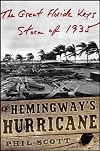
Good telling of a bad story. Most of the dead were victims because the gov't sent them and left them without support. They were used as photo ops by the FDR administration and their fate buried and whitewashed by the same. Hemingway's outspoken defense of these men is his connection to it all, he was in fact not really affected directly by the storm. A worthwhile read.
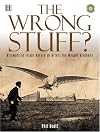
With scores of photographs and a wry text, The Wrong Stuff? presents a veritable fleet of failed aircraft, ranging from the inventive to the outlandish to the just plain weird. Scott's dramatis personae include not just obscure inventors but also such celebrated figures as Leonardo Da Vinci, Alexander Graham Bell, Hiram Maxim (inventor of the Maxim Machine Gun), Howard Hughes, and a distant relative of George Armstrong Custer whose luck with planes paralleled his ancestor's luck with Indians.
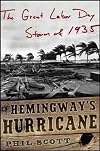
This is a dramatic tale -- a Category 5 hurricane hits with very little warning and a rescue train sent too late to help World War I veterans working on a New Deal project in the Keys. Scott's obviously done a lot of good research and has the structure of a good story, but sometimes gets in his own way telling it. And calling it "Hemingway's Hurricane" is a bit of a stretch -- Hemingway was in Key West, 80 miles away, during the storm and didn't feel much of its effects. He did go up to help show more afterwards and wrote an impassioned piece about it for the left-leaning New Masses. But calling it his storm feels a bit too close to name-dropping. show less
Lists
You May Also Like


Statistics
- Works
- 12
- Members
- 173
- Popularity
- #123,687
- Rating
- 3.8
- Reviews
- 7
- ISBNs
- 10
- Languages
- 2