
David McCullough (1933–2022)
Author of John Adams
About the Author
David McCullough was born in Pittsburgh, Pennsylvania on July 7, 1933. He received a bachelor's degree in English literature from Yale University in 1955. After graduation, he moved to New York City and worked as a trainee at Sports Illustrated. He later worked as a writer and editor for the United show more States Information Agency, in Washington, D.C., including a position at American Heritage. His first book, The Johnstown Flood, was published in 1968. His other books include 1776, Brave Companions, The Great Bridge, and The Greater Journey: Americans in Paris. He received the Pulitzer Prize twice for Truman and John Adams and the National Book Award twice for The Path Between the Seas: The Creation of the Panama Canal and Mornings on Horseback. He also won two Francis Parkman Prizes, the Los Angeles Times Book Award, and New York Public Library's Literary Lion Award. Two of his books, Truman and John Adams, have been adapted into a television movie and mini-series, respectively, by HBO. In December 2006, he received the Presidential Medal of Freedom. He also made the New York Times Best Seller List in 2015 with his book The Wright Brothers, and in 2017 with The American Spirit: Who We Are and What We Stand For. (Bowker Author Biography) David McCullough is a writer, historian, lecturer, & teacher. He has received the Pulitzer Prize for "Truman", as well as the Francis Parkman Prize, & the "Los Angeles Times" Book Award. He is also a two-time winner of the National Book Award, for history & for biography. He lives in Massachusetts. (Publisher Provided) show less
Series
Works by David McCullough
The Path Between the Seas: The Creation of the Panama Canal, 1870-1914 (1977) 3,931 copies, 67 reviews
Mornings on Horseback: The Story of an Extraordinary Family, a Vanished Way of Life and the Unique Child Who Became Theodore Roosevelt (1981) 3,318 copies, 75 reviews
The Great Bridge: The Epic Story of the Building of the Brooklyn Bridge (1972) 3,121 copies, 65 reviews
The Pioneers: The Heroic Story of the Settlers Who Brought the American Ideal West (2019) 2,526 copies, 68 reviews
David McCullough American History E-book Box Set: John Adams, 1776, Truman, The Course of Human Events (2011) 17 copies
American History 9 copies
Great Moments in History: 1776 / The Johnstown Flood / Path Between the Seas / The Great Bridge / The Course of Human Events (2011) 9 copies
David McCullough: The Presidential Biographies: John Adams, Mornings on Horseback, and Truman (2017) 8 copies
David McCullough: Great Achievements in American History: The Great Bridge, The Path Between the Seas, and The Wright Brothers (2017) 7 copies
John Adams: Part 1: Join or Die [2008 TV series] — Writer — 3 copies
Faces 2 copies
Great Bridge tr 1 1 copy
Great Bridge: Volume Two 1 copy
Timeless Leadership 1 copy
Short Stories 1 copy
Crossing the Distance: A Look at Scientific, Artistic, and Technological Achievements 1 copy, 1 review
The Lessons of History 1 copy
You are NOT special 1 copy
Greater Journey tr 1 1 copy
Truman 1 copy
The Brooklyn Bridge 1 copy
Associated Works
What If? The World's Foremost Military Historians Imagine What Might Have Been (1999) — Contributor — 1,940 copies, 27 reviews
What Ifs? of American History : Eminent Historians Imagine What Might Have Been (2003) — Contributor — 537 copies, 7 reviews
A Sense of History: The Best Writing from the Pages of American Heritage (1985) — Contributor — 492 copies, 4 reviews
Booknotes: America's Finest Authors on Reading, Writing, and the Power of Ideas (1997) — Contributor — 457 copies, 5 reviews
Forgotten Heroes: Inspiring American Portraits from Our Leading Historians (1999) — Preface — 124 copies, 1 review
Character Above All: Ten Presidents from FDR to George Bush (1996) — Contributor — 120 copies, 2 reviews
Affection and Trust: The Personal Correspondence of Harry S. Truman and Dean Acheson, 1953-1971 (2010) — Introduction — 78 copies
Wendell Minor: Art for the Written Word: Twenty-Five Years of Book Cover Art (1995) — Introduction — 43 copies, 2 reviews
Elihu Washburne: The Diary and Letters of America's Minister to France During the Siege and Commune of Paris (2012) — Foreword, some editions — 42 copies, 3 reviews
MHQ: The Quarterly Journal of Military History — Autumn 1992 (1992) — Author "Truman Fires MacArthur" — 18 copies
Ken Burns' America Collection (Brooklyn Bridge / The Statue of Liberty / Empire of the Air / The Congress / Thomas Hart Benton / Huey Long / The Shakers) (1996) — Narrator — 17 copies
MHQ: The Quarterly Journal of Military History — Spring 1998 (1998) — Author "The Revolution's Dunkirk" — 17 copies
American Experience: The Life and Times of Rosie the Riveter [1988 TV episode] (1980) — Narrator — 13 copies, 1 review
Empires: Napoleon : Soldier, Emperor, Lover, Statesman [2006 TV episode] (2000) — Narrator — 13 copies
The Way West: How the West Was Lost and Won, 1845-1893 [1995 TV series] (1995) — Introduction — 9 copies
American Experience: Geronimo and the Apache Resistance [1988 TV episode] (1988) — Narrator — 7 copies, 1 review
American Experience: Roots of Resistance: The Story of the Underground Railroad [1990 TV episode] (2008) — Narrator — 3 copies
American Experience: Andrew Carnegie, The Richest Man in the World [1997 TV episode] — Narrator — 2 copies
American Experience: The Massachusetts 54th Colored Infantry [1991 TV episode] (1991) — Narrator — 2 copies, 1 review
American Experience: That Rhythm, Those Blues [1988 TV episode] — Narrator — 1 copy
The Great Air Race of 1924 [1989 film] — Narrator — 1 copy
American Experience: Spy in the Sky [1996 TV episode] — Narrator — 1 copy
American Experience: A Family Gathering [1989 TV episode] — Narrator — 1 copy
Tagged
Common Knowledge
- Legal name
- McCullough, David Gaub
- Birthdate
- 1933-07-07
- Date of death
- 2022-08-07
- Gender
- male
- Education
- Yale University (B.A. ∙ English ∙ 1955)
Linden Avenue Grade School
Shady Side Academy - Occupations
- historian
biographer
television host - Organizations
- American Heritage
United States Information Agency
Sports Illustrated
Skull and Bones - Awards and honors
- Pulitzer Prize (1993, 2002)
Presidential Medal of Freedom (2006)
American Academy of Arts and Sciences (1994)
American Academy of Arts and Letters (Literature, 2006)
National Humanities Medal (1995)
National Book Foundation, Medal for Distinguished Contribution to American Letters (1995) (show all 19)
Christopher Life Achievement Award (2008)
Arthur M. Schlesinger, Jr. Award (2012)
National Book Award (1978, 1982)
Carl Sandburg Literary Award (2000)
Charles Frankel Prize (1995)
Peggy V. Helmerich Distinguished Author Award (1995)
Jefferson Lecture (2003)
Samuel Eliot Morison Award
Francis Parkman Prize (1978, 1993)
Cornelius Ryan Award (1977)
United States Capitol Historical Society's Freedom Award (2016)
Gerry Lenfest Spirit of the American Revolution Award (2016)
National Society SAR Good Citizenship Award (2017) - Agent
- Morton Janklow
- Relationships
- Lawson, Dorie McCullough (daughter)
McCullough, Rosalee Barnes (wife)
McCulllough, Hax (brother)
Wilder, Thornton (teacher)
Warren, Robert Penn (teacher) - Short biography
- David McCullough has twice received the Pulitzer Prize, for Truman and John Adams, and twice received the National Book Award, for The Path Between the Seas and Mornings on Horseback; His other widely praised books are 1776, Brave Companions, The Great Bridge, and The Johnstown Flood. He has been honored with the National Book Foundation Distinguished Contribution to American Letters Award, the National Humanities Medal, and the Presidential Medal of Freedom.
- Nationality
- USA
- Birthplace
- Pittsburgh, Pennsylvania, USA
- Places of residence
- Pittsburgh, Pennsylvania, USA
Washington, D.C., USA
West Tisbury, Massachusetts, USA
New York, New York, USA
Boston, Massachusetts, USA - Place of death
- Hingham, Massachusetts, USA
- Burial location
- West Tisbury Village Cemetery, West Tisbury, Massachusetts, USA
- Map Location
- Pennsylvania, USA
Members
Discussions
The Path Between the Seas group read in 2013 Category Challenge (November 2013)
Reviews
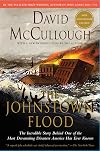
David McCullough, who died last year, was one of America’s best writers on historical subjects. He studied English and art at Yale, went to work for the U.S. Information Agency during the Kennedy administration, and discovered his true calling when he saw a Library of Congress display of photographs of the devastation caused by the 1889 collapse of a reservoir dam above a Pennsylvania coal mining town. The reservoir was a private fishing resort owned by the titans of the steel industry in show more Pittsburgh, 65 miles away. The flood wiped out several closely packed communities and killed more than 2,000 people.
When McCullough could not find a book that told him what he wanted to know about the event, he decided to write the book he wanted to read. He faced a significant problem sifting out the “wild exaggerations and outright nonsense” of newspaper accounts that many people of the time found credible. He sifted through photographs, letters, diaries, and interviews with survivors.
The result reads like the best new journalism, letting people tell their stories with enough factual background to make the events clear and vivid. For many, the flood was experienced first as a sound in the dark: “It began as a deep, steady rumble, they would say; then it grew louder and louder until it became an avalanche of sound, ‘a roar like thunder.’” One man described it memorably as “just like a lot of horses grinding oats.”
McCullough’s conclusions are few but telling. The dam builders were not the experts they pretended to be, and the people of Johnstown mistakenly assumed that “the people who were responsible for their safety were behaving responsibly.” These are lessons we still need to learn. show less
When McCullough could not find a book that told him what he wanted to know about the event, he decided to write the book he wanted to read. He faced a significant problem sifting out the “wild exaggerations and outright nonsense” of newspaper accounts that many people of the time found credible. He sifted through photographs, letters, diaries, and interviews with survivors.
The result reads like the best new journalism, letting people tell their stories with enough factual background to make the events clear and vivid. For many, the flood was experienced first as a sound in the dark: “It began as a deep, steady rumble, they would say; then it grew louder and louder until it became an avalanche of sound, ‘a roar like thunder.’” One man described it memorably as “just like a lot of horses grinding oats.”
McCullough’s conclusions are few but telling. The dam builders were not the experts they pretended to be, and the people of Johnstown mistakenly assumed that “the people who were responsible for their safety were behaving responsibly.” These are lessons we still need to learn. show less
John Adams was in some ways the most easily-known of the first three presidents. He lacked Washington's stoic demeanor. He recorded his own thoughts and impressions of events, unlike Jefferson. It's refreshing to look back on him after so many years of carefully-managed political lives (until the messiness comes spilling out on its own, of course). The problem for Adams' legacy is that Adams comes across as very human, and his faults are there on display for anyone. It's easy to malign him show more when you can use his own careless words against him.
He had faults - he was often accused of vanity, and he could be quick with a sharp word. He was often unsparing in the opinions he voiced in letters. He had famous fallings-out with Franklin and Jefferson. In particular, his break with Jefferson was public and acrimonious. Jefferson wrote in a letter about Adams as a diplomat in the French court, "he hates Franklin, he hates Jay, he hates the French, he hates the English - to whom will he adhere?" Later, accepting Jefferson's resignation as Secretary of State, Adams said, "a good riddance to bad ware." However, in their later years Jefferson and Adams resumed a friendship, even if that was mostly achieved by Jefferson's resolute silence about the things that had caused and would cause acrimony between them.
Adams in a nutshell -
The good: Adams had a unique relationship with Abigail. He talked to her about political matters, and respected her opinions. Evidence exists that he followed her advice and preferences more than once. He was stubborn when he believed in something, and would stand for it no matter the consequences; defending the British soldiers in the Boston Massacre trial was an early but not isolated example of this tendency.
The bad: He did have a high opinion of himself; so much so that when he was coming back from Europe after his diplomatic duties there, he was only willing to accept the vice-presidency in Washington's administration, believing that all other offices were below him. (These inferior offices included senator, governor, and Chief Justice.) He had a hard time shutting up when he felt he was being maligned or unfairly portrayed - he wrote a 3-year-long series of weekly columns defending himself against accusations made in a pamphlet by Alexander Hamilton. That Hamilton had been dead for years slowed him down not at all.
McCullough's book captures Adams in all his contradictory vividness. At times I wondered why we seemed to spend so much time on Jefferson, but their lives really were deeply entwined, even down to their July 4 deaths, hours apart from each other. He had a full life (he lived to age 90), he saw more of the world than most of his contemporaries, living in France, the Netherlands, and England, and he enjoyed his life to the utmost. show less
He had faults - he was often accused of vanity, and he could be quick with a sharp word. He was often unsparing in the opinions he voiced in letters. He had famous fallings-out with Franklin and Jefferson. In particular, his break with Jefferson was public and acrimonious. Jefferson wrote in a letter about Adams as a diplomat in the French court, "he hates Franklin, he hates Jay, he hates the French, he hates the English - to whom will he adhere?" Later, accepting Jefferson's resignation as Secretary of State, Adams said, "a good riddance to bad ware." However, in their later years Jefferson and Adams resumed a friendship, even if that was mostly achieved by Jefferson's resolute silence about the things that had caused and would cause acrimony between them.
Adams in a nutshell -
The good: Adams had a unique relationship with Abigail. He talked to her about political matters, and respected her opinions. Evidence exists that he followed her advice and preferences more than once. He was stubborn when he believed in something, and would stand for it no matter the consequences; defending the British soldiers in the Boston Massacre trial was an early but not isolated example of this tendency.
The bad: He did have a high opinion of himself; so much so that when he was coming back from Europe after his diplomatic duties there, he was only willing to accept the vice-presidency in Washington's administration, believing that all other offices were below him. (These inferior offices included senator, governor, and Chief Justice.) He had a hard time shutting up when he felt he was being maligned or unfairly portrayed - he wrote a 3-year-long series of weekly columns defending himself against accusations made in a pamphlet by Alexander Hamilton. That Hamilton had been dead for years slowed him down not at all.
McCullough's book captures Adams in all his contradictory vividness. At times I wondered why we seemed to spend so much time on Jefferson, but their lives really were deeply entwined, even down to their July 4 deaths, hours apart from each other. He had a full life (he lived to age 90), he saw more of the world than most of his contemporaries, living in France, the Netherlands, and England, and he enjoyed his life to the utmost. show less
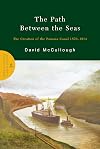
I found "The Path Between the Seas" to be very interesting, well researched and well written. It reads much like a novel and as it progressed I thought it got better.
McCullough organized the book in an easy to understand fashion and it progressed logically. There were some changes in the tone it was written as later chapters used more first person accounts reminiscent of Walter Lord.
Although the book was written in 1977, McCollough gives a fair and even-handed accounting of the show more non-American, non-white workers. He illustrates the differences in the health, diet and living conditions while indicating the canal was really made a reality by mainly West Indian labor. A fact that is very much glossed over in most contemporary accounts.
The backstory of the French attempt and the resulting political backlash was very interesting also.
I am also finding overlapping references to individuals in this book with other histories, Gorgas for example, who was featured in "The Great Influenza" by John Barry is fleshed out more as his work in Panama fighting Yellow Fever and Malaria were the seminal works of his career
This is an excellent history of a monumental project, the likes of which no longer happen. show less
McCullough organized the book in an easy to understand fashion and it progressed logically. There were some changes in the tone it was written as later chapters used more first person accounts reminiscent of Walter Lord.
Although the book was written in 1977, McCollough gives a fair and even-handed accounting of the show more non-American, non-white workers. He illustrates the differences in the health, diet and living conditions while indicating the canal was really made a reality by mainly West Indian labor. A fact that is very much glossed over in most contemporary accounts.
The backstory of the French attempt and the resulting political backlash was very interesting also.
I am also finding overlapping references to individuals in this book with other histories, Gorgas for example, who was featured in "The Great Influenza" by John Barry is fleshed out more as his work in Panama fighting Yellow Fever and Malaria were the seminal works of his career
This is an excellent history of a monumental project, the likes of which no longer happen. show less

Even in this, his first published book, McCullough exhibits his trademark style of gathering a wealth of information from contemporary sources, subsequent reflections and current reassessments, and then weaving it all together into a gripping narrative. There was a lot of engineering talk in the first third of the book, which I found sluggish going. But McCullough is a master at engaging the reader; once I got past the tricky technical bits about the construction and maintenance (or lack of show more it) of the South Fork dam, he had me totally hooked. You know that cliche about not being able to look away from a train wreck...that's what reading this was like for me. I could wish the photos and maps included in the book had been more sharply reproduced. Even with McCullough's fairly comprehensive descriptions of what was being represented, it was difficult to make out details. Most of them are available on-line, though, where they show to much better effect. The Johnstown Flood is a piece of history that just begs for a treatment like this. If only we could learn from what happens when disaster strikes... show less
Lists
World (1)
Sonlight Books (1)
Founding Father (1)
United States (1)
Really awesome (1)
Summer 2026 (1)
French Books (1)
Disaster Books (1)
John Adams Books (1)
Revolutions (1)
THE WAR ROOM (1)
Simon & Schuster (1)
My List (2)
Best Biographies (2)
Unread books (3)
Favourite Books (1)
Obama Reads (1)
Wish to read (1)
The Presidents (2)
Ben Franklin (1)
Central America (1)
Awards


You May Also Like


Associated Authors
Statistics
- Works
- 58
- Also by
- 61
- Members
- 64,338
- Popularity
- #219
- Rating
- 4.1
- Reviews
- 1,255
- ISBNs
- 298
- Languages
- 10
- Favorited
- 234


