LC Classification K83.10
K. Law
→ K1-36.5. Periodicals
→ K37-44. Bibliography
→ K46-46. Monographic series
→ K48-48. Encyclopedias
→ K50-54. Dictionaries. Words and phrases
→ K58-58. Maxims. Quotations
→ K64-64. Yearbooks
→ K68-70. Directories
→ K85-89. Legal research
→ K94-94. Legal composition and draftsmanship
→ K100-103. Legal education
→ K109-110. Law societies. International bar associations
→ K115-130. The legal profession
→ K133-133. Legal aid. Legal assistance to the poor
→ K140-165. History of law
→ K170-170. Biography
→ K175-175. Congresses
→ K176-177. Collected works (nonserial)
→ K179-179. Addresses, essays, lectures
→ K181-184.7. Miscellany
→ K190-197. Ethnological jurisprudence. Primitive law
→ K201-487. Jurisprudence. Philosophy and theory of law
→ K520-5582. Comparative law. International uniform law
→ K7000-7720. Private international law. Conflict of laws
→ KBM. Jewish law
→ KBP. Islamic law
→ KBR. History of canon law
→ KDC. Law of Scotland
→ KDE. Northern Ireland
→ KDK. Law of Ireland (Eire)
→ KDZ. America. North America
→ KE. Law of Canada
→ KEA. Law of Alberta
→ KEB. Law of British Columbia
→ KEM. Law of Manitoba
→ KEN. Law of New Brunswick
→ KEO. Law of Ontario
→ KEQ. Law of Québec
→ KES. Law of Saskatchewan
→ KEY. Law of Yukon
→ KF. Law of the United States
→ KFA. Law of Alabama
→ KFC. Law of California
→ KFD. Law of Delaware
→ KFF. Law of Florida
→ KFG. Law of Georgia
→ KFH. Law of Hawaii
→ KFI. Law of Idaho
→ KFK. Law of Kansas
→ KFL. Law of Louisiana
→ KFM. Law of Maine
→ KFN. Law of Nebraska
→ KFO. Law of Ohio
→ KFP. Law of Pennsylvania
→ KFR. Law of Rhode Island
→ KFS. Law of South Carolina
→ KFT. Law of Tennessee
→ KFU. Law of Utah
→ KFV. Law of Vermont
→ KFW. Law of Washington
→ KFX. Laws of the cities
→ KGA. Belize
→ KGB. Costa Rica
→ KGC. El Salvador
→ KGD. Guatemala
→ KGE. Honduras
→ KGF. Mexico
→ KGG. Nicaragua
→ KGH. Panama
→ KGJ. General
→ KGK. Antigua and Barbuda
→ KGL. Bahamas
→ KGM. Cayman Islands
→ KGN. Cuba
→ KGP. Curaçao
→ KGQ. Dominican Republic
→ KGS. Haiti
→ KGT. Jamaica
→ KGU. Navassa Islands
→ KGV. Puerto Rico
→ KGW. Saba
→ KGX. Trinidad and Tobago
→ KGY. Turks and Caicos Islands
→ KH. South America
→ KHA. Argentina
→ KHC. Bolivia
→ KHD. Brazil
→ KHF. Chile
→ KHH. Colombia
→ KHK. Ecuador
→ KHL. Falkland Islands
→ KHM. French Guiana
→ KHN. Guyana
→ KHP. Paraguay
→ KHQ. Peru
→ KHS. Surinam
→ KHU. Uruguay
→ KHW. Venezuela
→ KJ. Europe
→ KJA. Roman Law
→ KJG. Law of Albania
→ KJH. Law of Andorra
→ KJJ. Law of Austria
→ KJM. Law of Croatia
→ KJN. Law of Cyprus
→ KJQ. Law of Slovakia (1993- )
→ KJR. Law of Denmark
→ KJS. Law of Estonia
→ KJT. Law of Finland
→ KJV. Law of France
→ KK. Law of Germany
→ KKA. Law of East Germany
→ KKE. Law of Greece
→ KKF. Law of Hungary
→ KKG. Law of Iceland
→ KKH. Law of Italy
→ KKI. Law of Latvia
→ KKJ. Law of Lithuania
→ KKK. Law of Malta
→ KKL. Law of Montenegro
→ KKM. Law of Netherlands
→ KKN. Law of Norway
→ KKP. Law of Poland
→ KKQ. Law of Portugal
→ KKR. Law of Romania
→ KKS. Law of Slovenia
→ KKT. Law of Spain
→ KKV. Law of Sweden
→ KKW. Law of Switzerland
→ KKX. Law of Turkey
→ KKY. Law of Ukraine
→ KKZ. Law of Yugoslavia
→ KLA. Russia, Soviet Union
→ KLB. Russia (Federation, 1992- )
→ KLD. Armenian SSR (to 1991)
→ KLE. Azerbaijan
→ KLF. Belarus (Republic)
→ KLH. Georgia (Republic)
→ KLM. Moldova
→ KLN. Russian S.F.S.R. (to 1991)
→ KLP. Ukraine
→ KLR. Kazakhstan
→ KLS. Kyrgyzstan
→ KLT. Tajikistan
→ KLV. Turkmenistan
→ KLW. Uzbekistan
→ KMF. Armenia (Republic)
→ KMG. Gaza
→ KMH. Iran
→ KMJ. Iraq
→ KMK. Israel
→ KML. Jerusalem
→ KMM. Jordan
→ KMN. Kuwait
→ KMP. Lebanon
→ KMQ. Oman
→ KMS. Qatar
→ KMT. Saudi Arabia
→ KMU. Syria
→ KMV. United Arab Emirates
→ KMX. Yemen
→ KNF. Afghanistan
→ KNG. Bangladesh
→ KNH. Bhutan
→ KNK. Brunei
→ KNL. Burma
→ KNM. Cambodia
→ KNN. Law of China
→ KNR. Hong Kong
→ KNW. Indonesia
→ KNX. By period
→ KNY. Cities, etc.
→ KPA. Korea. South Korea
→ KPE. Laos
→ KPF. Macao
→ KPH. Maldives
→ KPJ. Nepal
→ KPL. Pakistan
→ KPM. Philippines
→ KPP. Singapore
→ KPS. Sri Lanka
→ KPT. Thailand
→ KPV. Vietnam
→ KQG. Algeria
→ KQH. Angola
→ KQJ. Benin
→ KQK. Botswana
→ KQT. Burkina Faso
→ KQV. Burundi
→ KQW. Cameroon
→ KQX. Cape Verde
→ KRB. Central African Republic
→ KRC. Chad
→ KRE. Comoros
→ KRG. Congo (Brazzaville)
→ KRK. Djibouti
→ KRL. East Africa Protectorate
→ KRM. Egypt
→ KRN. Eritrea
→ KRP. Ethiopia
→ KRR. French Equatorial Africa
→ KRS. French West Africa
→ KRU. Gabon
→ KRV. Gambia
→ KRW. German East Africa
→ KRX. Ghana
→ KRY. Gibraltar
→ KSA. Guinea
→ KSC. Guinea-Bissau
→ KSE. Equatorial Guinea
→ KSG. Italian East Africa
→ KSH. Côte d’Ivoire
→ KSK. Kenya
→ KSL. Lesotho
→ KSN. Liberia
→ KSP. Libya
→ KSR. Madagascar
→ KSS. Malawi
→ KST. Mali
→ KSU. Mauritania
→ KSV. Mauritius
→ KSW. Morocco
→ KSX. Mozambique
→ KSY. Namibia
→ KSZ. Niger
→ KTA. Nigeria
→ KTC. Réunion
→ KTD. Rwanda
→ KTE. Saint Helena
→ KTF. Sao Tome and Principe
→ KTG. Senegal
→ KTH. Seychelles
→ KTJ. Sierra Leone
→ KTK. Somalia
→ KTL. South Africa, Republic of
→ KTQ. Sudan
→ KTR. Swaziland
→ KTT. Tanzania
→ KTU. Togo
→ KTV. Tunisia
→ KTW. Uganda
→ KTX. Congo (Democratic Republic)
→ KTY. Zambia
→ KTZ. Zimbabwe
→ KUQ. New Zealand
→ KVH. American Samoa
→ KVL. Cook Islands
→ KVM. Easter Island
→ KVN. Fiji
→ KVP. French Polynesia
→ KVQ. Guam
→ KVR. Kiribati
→ KVS. Marshall Islands
→ KVU. Nauru
→ KVW. New Caledonia
→ KWA. Niue
→ KWC. Northern Mariana Islands
→ KWG. Palau
→ KWH. Papua New Guinea
→ KWL. Pitcairn Island
→ KWP. Tonga
→ KWQ. Tuvalu
→ KWR. Vanuatu
→ KWT. Wake Island
→ KWW. Western Samoa
→ KWX. Antarctica
→ KZ. Law of nations
→ KZA. Law of the sea
Selected Works (146,180 total)
- Covers
- List
- All
- This year
- Last 2 years
- Last 5 years
- Last 10 years
- Before 1900
- Custom
- All
- Ebook
- Audiobook































- The Federalist Papers by Alexander Hamilton
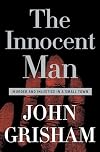
- The Innocent Man: Murder and Injustice in a Small Town by John Grisham
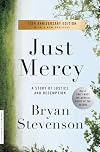
- Just Mercy: A Story of Justice and Redemption by Bryan Stevenson
- Shh! We're Writing the Constitution by Jean Fritz
- The Witches: Salem, 1692 by Stacy Schiff
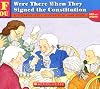
- If You Were There When They Signed the Constitution by Elizabeth Levy
- The Law by Frédéric Bastiat
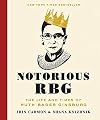
- Notorious RBG: The Life and Times of Ruth Bader Ginsburg by Irin Carmon
- My Own Words by Ruth Bader Ginsburg
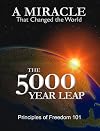
- The Five Thousand Year Leap: 28 Great Ideas that Changed the World by W. Cleon Skousen
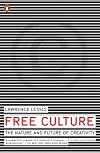
- Free Culture: The Nature and Future of Creativity by Lawrence Lessig
- My Beloved World by Sonia Sotomayor
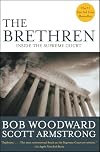
- The Brethren: Inside the Supreme Court by Bob Woodward
- The Return of Martin Guerre by Natalie Zemon Davis
- Elements of the Philosophy of Right by Georg Wilhelm Friedrich Hegel
- We the Kids: The Preamble to the Constitution of the United States by David Catrow
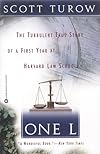
- One L: The Turbulent True Story of a First Year at Harvard Law School by Scott Turow
- A More Perfect Union: The Story of Our Constitution by Betsy Maestro
- The Sun Does Shine: How I Found Life and Freedom on Death Row by Anthony Ray Hinton
- Summer for the Gods: The Scopes Trial and America's Continuing Debate over Science and Religion by Edward J. Larson
Related Tags
18th century (435)
19th century (143)
American (384)
American Founding (48)
American Revolution (484)
army (45)
autobiography (208)
Biographies (93)
biography (2,388)
Brandeis (46)
business (148)
civics (176)
civil liberties (58)
civil rights (272)
Constitution (2,477)
constitutional history (305)
courts (145)
culture (187)
current events (77)
dictionaries (92)
dictionary (357)
digest (177)
economics (231)
ethics (153)
Founding Fathers (322)
freedom (103)
genealogy (138)
government (1,507)
historical documents (22)
history (6,199)
human rights (382)
international relations (62)
internet (164)
Judges (249)
Judicial Branch (48)
judicial system (39)
justice (204)
justices (76)
law (8,041)
law and justice (28)
law school (97)
lawyers (128)
liberalism (46)
liberty (77)
library science (60)
natural law (145)
New Deal (40)
political philosophy (285)
political science (996)
political theory (328)
politics (3,152)
politics and government (175)
primary source (53)
race (94)
reference (1,558)
research (98)
revolution (81)
social studies (336)
Thomas Jefferson (50)
U.S. History (324)
United States History (98)
US (258)
US politics (100)
USA (1,521)
writing (438)
What is the LCC?
The Library of Congress Classification (LCC) is used by most academic libraries in the US and many around the world.
LCC is divided into twenty-one base classes, designated by letters. These are followed by numbers, which work like whole numbers, not the decimal system used by the Melvil Decimal System. Decimals, other letters and other numbers follow. You can discover more at the Library of Congress website.
As a government creation, LCC is without copyright. LibraryThing's implementation draws on the work of Matt Miller, John Mark Ockerbloom, and Seth Woodworth, who transformed the Library of Congress' abbreviated schedules into a machine-readable format.
For more on LibraryThing's implementation of the Library of Congress Classification, see the Better Classification Pages on Talk.