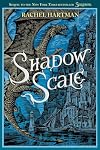
Summary: In this sequel to the award-winning book "Seraphina", we meet our half-dragon and half-human heroine, Seraphina, as she searches for others like her who can help make a difference in the wat between dragons and humans in the kingdom of Goredd.
Personal reaction: "Shadow Scale" is a beautiful and necessary continuation of Seraphina's story as you're taken on another epic journey. It ties in event details from the first book and was hard to put down.
Personal reaction: "Shadow Scale" is a beautiful and necessary continuation of Seraphina's story as you're taken on another epic journey. It ties in event details from the first book and was hard to put down.
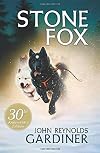
Summary: Little Willy hopes to pay the back taxes on his grandfather's farm with the purse from a dog sled race he enters. Against all odds, Willy manages to win the race against the previously unbeaten Indian "Stone Fox" and his team of five Samoyeds.
Personal reaction: This is a fun, simple, and easy to read novel; especially for children. With basic elements of drama, competition, and teamwork, this book is a great introduction to complete literature for children as they enter the first grade (potentially earlier).
Classroom extension: This would be a great opportunity for young children to hold an open dialogue about Willy's adventures, and perhaps act as a means for children to act out the story in a play.
Personal reaction: This is a fun, simple, and easy to read novel; especially for children. With basic elements of drama, competition, and teamwork, this book is a great introduction to complete literature for children as they enter the first grade (potentially earlier).
Classroom extension: This would be a great opportunity for young children to hold an open dialogue about Willy's adventures, and perhaps act as a means for children to act out the story in a play.
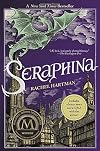
Summary: In the kingdom of Goredd, dragons and humans live and work side by side – while below the surface, tensions and hostility simmer. The newest member of the royal court, a uniquely gifted musician named Seraphina, holds a deep secret of her own. One that she guards with all of her being. When a member of the royal family is brutally murdered, Seraphina is drawn into the investigation alongside the dangerously perceptive—and dashing—Prince Lucien. But as the two uncover a sinister plot to destroy the wavering peace of the kingdom, Seraphina’s struggle to protect her secret becomes increasingly difficult… while its discovery could mean her very life.
Personal Reaction: Of the 40+ books that I've read this semester, this one captivated me fully through the beautiful imagery and imaginative story that delves into the psychology behind prejudice and identity through the eyes of a strong female protagonist. I feel that this book can speak volumes on the topic of oppression alone.
Classroom extension: In the classroom, I could see myself using this as an alternative read to teach to basic equality rights, oppression, and strong female roles in literature. While this could be used with the right younger student, I'd expect to see this novel being used for middle school through high school students.
Personal Reaction: Of the 40+ books that I've read this semester, this one captivated me fully through the beautiful imagery and imaginative story that delves into the psychology behind prejudice and identity through the eyes of a strong female protagonist. I feel that this book can speak volumes on the topic of oppression alone.
Classroom extension: In the classroom, I could see myself using this as an alternative read to teach to basic equality rights, oppression, and strong female roles in literature. While this could be used with the right younger student, I'd expect to see this novel being used for middle school through high school students.
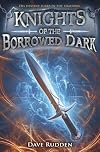
Summary: A young orphan learns that monsters can grow out of the shadows in our world, and there is an ancient order of knights who keep them at bay. The orphan, Denizen Hardwick, is adopted by a man who promises that he will be visiting a long lost aunt. During the trip to his home, Denizen is attacked by monsters that appear to grow out of shadows. From this attack, Denizen's fate becomes closely linked to the knights who are sworn to protect humanity from these montsers.
Personal reaction: This novel, while geared towards a younger audience, has the ability to capture any reader in the adventure of Denizen and his fellow knights. Children could easily relate to a character who while, vulnerable as an orphan, is granted the strength through a following of knights that are as mysterious as they are powerful.
Classroom extension: I'm a firm advocate for encouraging open dialogue and acting-out novels. Doing so allows for free-expression of a child's creativity while simultaneously promoting collaboration and team work.
Personal reaction: This novel, while geared towards a younger audience, has the ability to capture any reader in the adventure of Denizen and his fellow knights. Children could easily relate to a character who while, vulnerable as an orphan, is granted the strength through a following of knights that are as mysterious as they are powerful.
Classroom extension: I'm a firm advocate for encouraging open dialogue and acting-out novels. Doing so allows for free-expression of a child's creativity while simultaneously promoting collaboration and team work.
Summary: A collection of stories from the Irish oral tradition, presented as they have been told by Irish storytellers for generations; passed down to American literature and press for public consumption, enjoyment, and education.
Personal reaction: Irish folktales are uniquely visceral to the collective human experience. Their ability to couple drama with life-experience is nearly unparalleled; thus allowing for a distinct flavor of education provided for the reader. Personally speaking, shreds of Tolkien seem to shine through in Irish literature, even though they're nearly totally unrelated. Elements of adventure, fantasy, magic, drama, and emotion spill through the pages of O'Faolain's Irish Sagas and Folk-Tales.
Classroom extension: Perhaps the most notable method for this book to be incorporated into a classroom would be for ethnic and cultural educational purpose. I would even encourage students to act out some of their favorite folktales in front of the class for those who may prefer visual learning.
Personal reaction: Irish folktales are uniquely visceral to the collective human experience. Their ability to couple drama with life-experience is nearly unparalleled; thus allowing for a distinct flavor of education provided for the reader. Personally speaking, shreds of Tolkien seem to shine through in Irish literature, even though they're nearly totally unrelated. Elements of adventure, fantasy, magic, drama, and emotion spill through the pages of O'Faolain's Irish Sagas and Folk-Tales.
Classroom extension: Perhaps the most notable method for this book to be incorporated into a classroom would be for ethnic and cultural educational purpose. I would even encourage students to act out some of their favorite folktales in front of the class for those who may prefer visual learning.
Summary: A collection of stories from the African-American oral tradition, presented as they have been told by professional black storytellers from Rhode Island to Oklahoma.
Personal reaction: Richard and Judy Young present an enticing and informal slate of stories that even reluctant readers will find entertaining and educational. Adults and children alike will experience Afro-American cultural mythology in an easy-to-read and relatable fashion. This novel can act as a cultural informant, or even a relaxing daily-read; both serving their respective purpose masterfully.
Classroom extension: Perhaps the most notable method for this book to be incorporated into a classroom would be for ethnic and cultural educational purpose. I would even encourage students to act out some of their favorite folktales in front of the class for those who may prefer visual learning.
Personal reaction: Richard and Judy Young present an enticing and informal slate of stories that even reluctant readers will find entertaining and educational. Adults and children alike will experience Afro-American cultural mythology in an easy-to-read and relatable fashion. This novel can act as a cultural informant, or even a relaxing daily-read; both serving their respective purpose masterfully.
Classroom extension: Perhaps the most notable method for this book to be incorporated into a classroom would be for ethnic and cultural educational purpose. I would even encourage students to act out some of their favorite folktales in front of the class for those who may prefer visual learning.
Summary: Shutok, a boy with an injured back from a very primitive nomadic tribe is abandoned by his family and, together with a girl stolen from another tribe, tries to survive a cruel winter. Through Shutok's survival, his tribe's superstitions of the boy's condition are challenged, thus paving the way for an unobstructed sense of community.
Personal reaction: A fine novel that portrays the resilience of the human spirit. Shutok is a relatable character that the reader finds cheering on during the cruel North American winter. This book has a way of encouraging the reader to face their own life challenges with the same courage as Shutok, knowing that anything is possible with an unwavering stubbornness to keep going.
Classroom extension: An open dialogue session with students about how they would try to survive during prehistoric nomadic times would encourage a creative and critically thought-out solution to hypothetical situations.
Personal reaction: A fine novel that portrays the resilience of the human spirit. Shutok is a relatable character that the reader finds cheering on during the cruel North American winter. This book has a way of encouraging the reader to face their own life challenges with the same courage as Shutok, knowing that anything is possible with an unwavering stubbornness to keep going.
Classroom extension: An open dialogue session with students about how they would try to survive during prehistoric nomadic times would encourage a creative and critically thought-out solution to hypothetical situations.
Summary: Just when twelve-year-old Summer thinks nothing else can possibly go wring in a year of bad luck, an emergency takes her parents to Japan, leaving Summer to care for her little brother while helping her grandmother cook for harvest workers. Summer continues to endure bad "luck" as she encounters a young boy who, at first, appeared to be a friend but later develops into a bothersome relationship.
Personal reaction: This book, while an easy read, has a specific audience that can truly appreciate the struggled detailed in Summer's twelve-year-old life. For other readers who are "coming of age" this book can certainly be relatable, and possibly for some adults who wish to revisit nostalgic feelings. However, what set's this book apart is it's unique perspective of a young girl struggling with very "adult-like" worries in a cultural setting. In this sense, this book is far more educational (culturally speaking) than for those wishing to directly relate to the main character.
Classroom extension: I would incorporate this book into ethnic and cultural studies with a classroom setting. The added benefit of life-lessons such as problem solving and handling adversity are a bonus to the cultural cuisine offered in this book.
Personal reaction: This book, while an easy read, has a specific audience that can truly appreciate the struggled detailed in Summer's twelve-year-old life. For other readers who are "coming of age" this book can certainly be relatable, and possibly for some adults who wish to revisit nostalgic feelings. However, what set's this book apart is it's unique perspective of a young girl struggling with very "adult-like" worries in a cultural setting. In this sense, this book is far more educational (culturally speaking) than for those wishing to directly relate to the main character.
Classroom extension: I would incorporate this book into ethnic and cultural studies with a classroom setting. The added benefit of life-lessons such as problem solving and handling adversity are a bonus to the cultural cuisine offered in this book.
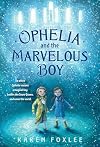
Summary: Ophelia, a timid eleven-year-old girl grieving her mother, suspends her disbelief in things non-scientific when a boy locked in the museum where her father is working asks her to help him complete an age-old mission.
Personal reaction: This is a great novel for young readers who wish to immerse themselves into a world of magical fantasy. Ophelia is a relatable character for both adults and children, as her disbelief in elements not scientifically proven is a common modern criticism. However, as Ophelia softens her "hard" scientific stance, so too does the reader, which leads to a deeper connection to the mission that the boy in the museum embarks to complete. This is a highly recommended book for a young audience who wish to be witness to the elements of friendship, adventure, and the unbreakable bond forged through problem-solving and heroism.
Classroom extension: The use of role-playing within scenarios involving fantasy and heroism can be used at any moment in the classroom. Each student in a classroom could take turns being a "hero" shared across months worth of story-time and role-playing.
Personal reaction: This is a great novel for young readers who wish to immerse themselves into a world of magical fantasy. Ophelia is a relatable character for both adults and children, as her disbelief in elements not scientifically proven is a common modern criticism. However, as Ophelia softens her "hard" scientific stance, so too does the reader, which leads to a deeper connection to the mission that the boy in the museum embarks to complete. This is a highly recommended book for a young audience who wish to be witness to the elements of friendship, adventure, and the unbreakable bond forged through problem-solving and heroism.
Classroom extension: The use of role-playing within scenarios involving fantasy and heroism can be used at any moment in the classroom. Each student in a classroom could take turns being a "hero" shared across months worth of story-time and role-playing.
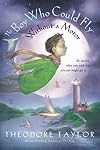
Summary: In 1935, living at a lighthouse near San Francisco, a lonely nine-year-old boy inadvertently summons a magician who teaches him the secret of flying. He promises the Chinese magician that he would never reveal his new-found flying power. However, the boy's neighbors discover that he can fly, what remains is a story of the boy's attempts to disguise and rid-himself of his power.
Personal reaction: This is a rather juvenile book that easily depicts a typical child's lack of foresight regarding consequences. However, if I were to have a kid, this would be a go-to for the 6-9 year range of reading. Distinctly portrays life-lessons of decision-making, associated consequences, and accountability for one's own actions.
Classroom extension: In a classroom setting, such a book would serve as a perfect bridge for students to critically think about the positive effects of apologies and forgiveness. This book could also portray alternatives to boredom, rather than getting into trouble, how could I better use my time...?
Personal reaction: This is a rather juvenile book that easily depicts a typical child's lack of foresight regarding consequences. However, if I were to have a kid, this would be a go-to for the 6-9 year range of reading. Distinctly portrays life-lessons of decision-making, associated consequences, and accountability for one's own actions.
Classroom extension: In a classroom setting, such a book would serve as a perfect bridge for students to critically think about the positive effects of apologies and forgiveness. This book could also portray alternatives to boredom, rather than getting into trouble, how could I better use my time...?
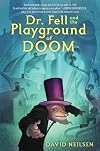
Summary: Three children must defeat a mysterious doctor who builds an irresistible and dangerous playground in their neighborhood and then uses his power to heal children who get injured - stealing some of their life essence in the process.
Personal reaction: This is a delightfully mischievous and quirky land of adventure that children and adults alike can delve into. Entwined are lessons of teamwork, friendship, and critical thinking; all subtly placed within the dark and twisted world of Dr. Fell's playground.
Classroom extension: Students can easily relate to the concept of playgrounds, thus activities (such as obstacle courses, and team-building activities) can be built into the framework of the playground.
Personal reaction: This is a delightfully mischievous and quirky land of adventure that children and adults alike can delve into. Entwined are lessons of teamwork, friendship, and critical thinking; all subtly placed within the dark and twisted world of Dr. Fell's playground.
Classroom extension: Students can easily relate to the concept of playgrounds, thus activities (such as obstacle courses, and team-building activities) can be built into the framework of the playground.
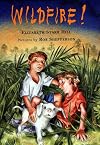
Summary: Living with his great grandmother is rural Florida, ten-year-old Ben looks forward to the Fourth of July celebrations, but the day becomes complicated by the presence of a new neighbor boy, a stray puppy, and local wildfires.
Personal reaction: This was a good book for young children who can relate to the modern dilemmas of peer-acceptance and pressure. I feel the novel accurately depicted childhood motivations with the desire to be "included". If I were to have a child, I would encourage them to read this book as a medium for life lessons, rather than a casual read.
Classroom extension: I would encourage my students to engage in open dialogue about how we try to impress our friends to be accepted. What is the right and wrong way to impress someone?
Personal reaction: This was a good book for young children who can relate to the modern dilemmas of peer-acceptance and pressure. I feel the novel accurately depicted childhood motivations with the desire to be "included". If I were to have a child, I would encourage them to read this book as a medium for life lessons, rather than a casual read.
Classroom extension: I would encourage my students to engage in open dialogue about how we try to impress our friends to be accepted. What is the right and wrong way to impress someone?
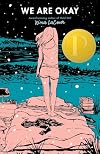
Note: This review is from the uncorrected proof. Spoilers will not be included (sigh of relief).
Summary: The novel follows the tale of a young woman, Marin, who has moved from tragedy in California to the promise of a re-boot in New York. The story details grief, love, friendship, and learning to accept and embrace transformation in a time of tragedy. Marin's best friend, Mabel, acts as a source of healing and accountability, while catalyzing the necessary healing that Marin seeks throughout the story.
Personal reaction: For anyone who has gone through separations in their own family (Which I have), this novel will have a unique ability to encourage you to reach out to those who need healing in your own family; perhaps even acting as a cathartic experience of your own. This novel strongly moved me to consider my own past, and the many ways in which I can reconcile previous hurts.
Classroom extension: I would encourage my students to write letters to those who they may have hurt. If they wished, the could send the letters anonymously to the respective recipients.
Summary: The novel follows the tale of a young woman, Marin, who has moved from tragedy in California to the promise of a re-boot in New York. The story details grief, love, friendship, and learning to accept and embrace transformation in a time of tragedy. Marin's best friend, Mabel, acts as a source of healing and accountability, while catalyzing the necessary healing that Marin seeks throughout the story.
Personal reaction: For anyone who has gone through separations in their own family (Which I have), this novel will have a unique ability to encourage you to reach out to those who need healing in your own family; perhaps even acting as a cathartic experience of your own. This novel strongly moved me to consider my own past, and the many ways in which I can reconcile previous hurts.
Classroom extension: I would encourage my students to write letters to those who they may have hurt. If they wished, the could send the letters anonymously to the respective recipients.

Summary: This book details the adventures of Bilbo Baggins, Gandalf, and his party of dwarves as they seek to recover a lost treasure deep within the "lonely mountain". Along the way they encounter many perils (often in the form of trolls and orcs) and often find themselves caught in the middle of political greed and unrest. However, with the help of friends (such as elves) they arrive at the lonely mountain; only to encounter Smaug - A dragon who protects the many treasures buried within the mountain (of which is the Arkenstone). As greed sets in within the party (and other civilizations) a war rages outside of the lonely mountain (the battle of the five armies), and is laid to rest by the death of the Dwarf King and Orc leader. This novel ends with Bilbo's triumphant return to the shire, but as an outsider ("disturber of the peace"), and with the key item for the LoTR noves - the one ring, stolen from Gollum himself...
Personal reaction: This is one of my all-time favorite books (and series), as the adventures of Bilbo and his party envelop you into a heavily-detailed world of fantasy and adventure. A book that I encourage any reader (of any age) to delve into... you won't regret it! Tolkien has the unique ability to transpose the hours of reading into breath-taking days of whimsical adventure and friendship. A MUST read!
Classroom extension: This is one of those books that so plainly depicts the forces of good and evil, that to avoid using such as a learning lesson would show more be a travesty to the classroom. I would love to engage my class to critically think about their own "rings" in their life; those things that appear irresistible (perhaps even good), but are in fact, a detriment to their happiness and well-being. show less
Personal reaction: This is one of my all-time favorite books (and series), as the adventures of Bilbo and his party envelop you into a heavily-detailed world of fantasy and adventure. A book that I encourage any reader (of any age) to delve into... you won't regret it! Tolkien has the unique ability to transpose the hours of reading into breath-taking days of whimsical adventure and friendship. A MUST read!
Classroom extension: This is one of those books that so plainly depicts the forces of good and evil, that to avoid using such as a learning lesson would show more be a travesty to the classroom. I would love to engage my class to critically think about their own "rings" in their life; those things that appear irresistible (perhaps even good), but are in fact, a detriment to their happiness and well-being. show less
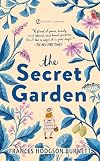
Summary: This novel follows the ever-curious Mary Lennox, and orphaned child of regal descent sent to live with her Uncle at Misselthwate Manor. Her explorations of the manor, and its grounds, lead to the discovery of the secret garden; closed off since the passing of her aunt ten years earlier. The many rooms of the manor also hide their own secret, Mary's cousin (Colin) who is bed-ridden and convinced that death will take him an an early age. Through the re-growth of the garden, both Mary and Colin grow to appreciate the life and beauty that surrounds them.
Personal reaction: This was the first British novel that I had the pleasure to read as a child. I was also blessed to have my parents buy the copy of the movie, which allowed for me to easily imagine the garden and manor as depicted in the movie. Due to this, I read (and watched) Frances Burnett's masterpiece a multitude of times, with each event being marked by my astonishment of the garden and manor's evolving beauty.
Classroom extension: I would love to have a classroom plant a flower at the beginning of the school-year, care for it throughout the year, and then at the end, have the entire class plant their flowers outside in the school yard.
Personal reaction: This was the first British novel that I had the pleasure to read as a child. I was also blessed to have my parents buy the copy of the movie, which allowed for me to easily imagine the garden and manor as depicted in the movie. Due to this, I read (and watched) Frances Burnett's masterpiece a multitude of times, with each event being marked by my astonishment of the garden and manor's evolving beauty.
Classroom extension: I would love to have a classroom plant a flower at the beginning of the school-year, care for it throughout the year, and then at the end, have the entire class plant their flowers outside in the school yard.
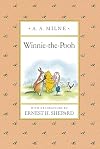
Summary: The adventures of Christopher Robin and his friends, in which Pooh Bear uses a balloon to get honey, Piglet meets a Heffalump, and Eeyore has his birthday. Pooh and Christopher meet other friends during the adventures, such as Kanga and Roo, and Rabbit.
Personal reaction: This was a childhood favorite for me, as I read Pooh's adventures atleast ten times. Christopher Robin is a relatable character with whom you can share your adventures with, and allows for the world of Pooh to seem as real as your imagination allows. An easy-to-read fantasy novel that subtly places hints of life-lessons, such as teamwork, friendship, and overcoming obstacles (no matter how silly they appear).
Classroom extensions: I would love to have my classroom go on a search for the "Heffalump" (perhaps in the school yard), much like a treasure map quest. Only through teamwork and critical thinking could the Heffalump be found.
Personal reaction: This was a childhood favorite for me, as I read Pooh's adventures atleast ten times. Christopher Robin is a relatable character with whom you can share your adventures with, and allows for the world of Pooh to seem as real as your imagination allows. An easy-to-read fantasy novel that subtly places hints of life-lessons, such as teamwork, friendship, and overcoming obstacles (no matter how silly they appear).
Classroom extensions: I would love to have my classroom go on a search for the "Heffalump" (perhaps in the school yard), much like a treasure map quest. Only through teamwork and critical thinking could the Heffalump be found.
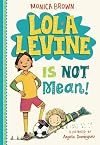
Summary: Second-grader Lola has a wonderful family, a great teacher, and the best friend ever, Josh, and they all help her feel better after she is teased and forbidden to play team sports at recess for having accidentally hurt classmate Juan during a soccer game.
Personal reaction: This is a great book that details the modern dynamic of bullying and the proper means of how to navigate associated stereotypes with bullying. I feel that the author provides exceptional life-lessons to young readers who may feel as if they are singled-out in their classroom.
Classroom extensions: I would prefer to have my classroom engage in healthy competitive "sports" where each child has a chance to have the upper hand in an activity. Doing so would provide a structured lesson on understanding that because someone is "better" at something, doesn't make them mean.
Personal reaction: This is a great book that details the modern dynamic of bullying and the proper means of how to navigate associated stereotypes with bullying. I feel that the author provides exceptional life-lessons to young readers who may feel as if they are singled-out in their classroom.
Classroom extensions: I would prefer to have my classroom engage in healthy competitive "sports" where each child has a chance to have the upper hand in an activity. Doing so would provide a structured lesson on understanding that because someone is "better" at something, doesn't make them mean.
The Journal of Otto Peltonen: A Finnish Immigrant (My Name Is America series, A Dear America Book) by William Durbin
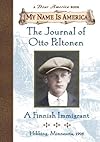
Summary: In 1905, fifteen-year-old Otto describes in his journal how he travels from Finland to America, joining his father in a dreary iron mining community in Minnesota while becoming involved in a union fight for better working conditions.
Personal reaction: Having been born in Minnesota myself, I was naturally intrigued by this book. Having read this in the fifth grade, I had learned very little about the life and conditions of immigrants coming to America (least of all an iron-mine worker). At a young age, this book expanded my global view while also piquing my interest in the history of American immigrants.
Classroom extensions: I would love to have my class engage their families to discover their personal history of immigration while encouraging them to share this with the class.
Personal reaction: Having been born in Minnesota myself, I was naturally intrigued by this book. Having read this in the fifth grade, I had learned very little about the life and conditions of immigrants coming to America (least of all an iron-mine worker). At a young age, this book expanded my global view while also piquing my interest in the history of American immigrants.
Classroom extensions: I would love to have my class engage their families to discover their personal history of immigration while encouraging them to share this with the class.
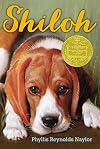
Summary: This is a great book which speaks directly to children and their love for animals. Readers experience the all-too-real conflict of animal abuse and humanitarian conscience, while also relating to feelings of joy and happiness that animals can bring. Enables readers to further establish bonds of friendship through avenues of caring and protecting those who are less fortunate.
Personal reaction: I remember reading this book in elementary school and how badly I wanted my parents to buy me a beagle. Shiloh made me feel like dogs (of any kind) could be easily befriended for adventures and countless memories. Its innocence is sincere and invoked a sense of love for animals that I carry with me even today.
Classroom extension ideas: My first thought would be to bring my classroom on a field trip to the humane society, perhaps as a means for children to interact first-hand with animals who may have come from an abusive home.
Personal reaction: I remember reading this book in elementary school and how badly I wanted my parents to buy me a beagle. Shiloh made me feel like dogs (of any kind) could be easily befriended for adventures and countless memories. Its innocence is sincere and invoked a sense of love for animals that I carry with me even today.
Classroom extension ideas: My first thought would be to bring my classroom on a field trip to the humane society, perhaps as a means for children to interact first-hand with animals who may have come from an abusive home.

This collection of forty-six short animal poems use humor and alliteration to colorfully detail different animals at the zoo in fun rhythm and rhyme. Most appropriate for K-3 read alouds, this figurative language can be used to prompt creative writing and thinking.
The Boy on the Wooden Box: How the Impossible Became Possible . . . on Schindler's List by Leon Leyson
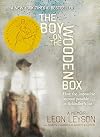
Leon Leyson's memoir delicately illustrates the innocence of bravery, hope, and survival as one of the youngest members on Schindler's List during WWII. Leon describes life before, during, and after the Holocaust with one of the few happy endings surrounding this dark war. Beyond the war itself, Leon's story briefly continues through displacement to the United States, accomplishments as an educator, and witness to the Holocaust.
I personally loved this book and would use this book with grade 5 and up as a relatable piece of factual history around WWII.
I personally loved this book and would use this book with grade 5 and up as a relatable piece of factual history around WWII.
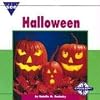
This mentor text provides facts about Halloween by answering prompted questions around the history, symbols, and traditional observation of the holiday in the US and around the world. With pictures on every other page, this book also gives extra facts and resources at the end for students to further research.
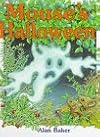
Take a spooky walk home with Mouse and Mommy on Halloween night. As scared Mouse's imagination runs wild, thinking the forest is full of magical monsters, Mommy reassures Mouse to "Look again. It's only..." This stop and predict format with alliterations makes this picture book a perfect DLTA (Direct Listening-Thinking Activity) on every page. There's also a hidden fairy illustrated on each page, which is fun to have children find throughout the read!
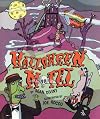
Embark on a night's vacation with a young child (could be boy or girl) and his/her parents as they unknowingly check into the wrong motel on Halloween! With fantastic rhyming and descriptive details like "The snack machine had bottled slime and Bar-B-Que Bat Wings, Bloody-flavored Bubble Gum and bags of Wiggly Things", this could easily be used as a writing prompt with a focus on details and adjectives.
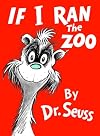
In this Dr. Seuss classic, If I Ran the Zoo tells the story Gerald McGrew as he imagines how he'd run a zoo. This book will stimulate any child's imagination with silly words from silly worlds and mischievously cheeky characters.
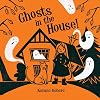
A witch and her cat move into a haunted house and creatively find ways to make use of the ghosts in their new home. This easy read is illustrated with only three colors: orange, black, and white, which make counting easy to integrate for emergent readers.
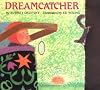
This beautifully illustrated book uses lyric to describe a simple day and night long ago in the land of the Ojibway Indians as the dream catcher nets protect babies from harmful dreams. This book would be a useful tool when introducing different American Indian tribes.
Standing In The Light - Captive Diary Of Catharine Carey Logan - Dear America Series by Mary Pope Osborne
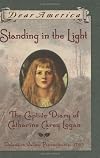
It's 1763 and thirteen year old Quaker Catharine (Caty) Logan tells her story capture by the Lenape Indians in Pennsylvania's Delaware Valley through diary entries. This emotional tale journeys through a young girl's misguided prejudice of Indians and her return to home with an educated perspective of culture differences.
This book is a great tool to get young girls interested in relatable historical fiction.
This book is a great tool to get young girls interested in relatable historical fiction.
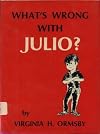
Sometimes children act out when they don't know any other way to express their emotions. The story of classmates trying to figure out what's wrong with Julio is a simple tale of what it's like to live very far away from your family as in immigrant student. This can be used in the classroom at any age to demonstrate why some new students may be withdrawn and how the class can work together to make someone's day.
Multicultural Folktales For All Ages: Traditional and Modern Folktales from the Kamba (Kenya) and Tagalog (Philippines) Communities by Scott Taylor
This collection of multicultural folktales from Kenya and the Philippines offers a variety of lessons and morals to teach to students of all ages. Each tale has its respective translation into the native language and ideas for lessons to be taken from the stories. This would be a great mentor text to use!