I have to start off by saying that this book exceeded my expectations. Whenever I begin reading a book by Katharine McGee, I usually expect an engrossing, overly dramatic, and intense story. This was all of that and more. We are taken back to the nineteenth century and lured into the lives of three young women in the royal Victorian world, all of whom have their own desires and dreams. They're living different lives, but they have one thing in common. All of them have restrictions and limitations placed on them. As women in the Victorian era, they have little to no rights, no matter their royal status. May of Teck is determined to become queen one day, Hélène d’Orléans wants to be allowed to break free and defy the rules, and Alix of Hesse is falling in love with a prince who isn't the one she's supposed to marry. McGee presents the Victorian world as realistically as possible. When I read this book, I had to remind myself that I was reading fiction. I'm really excited for the sequel!
I received an ARC of this book from NetGalley. All opinions below are my own.
"A thought-provoking, honest, and truly powerful story of a black woman in America."
Tamika D. Mallory's memoir is one that should be on the shelves of all high school libraries. In this honest, heartfelt memoir, Mallory does not hold back. She shares her story and does not spare us any details. She shares the good, the bad, and the ugly.
Mallory grew up in the movement. As a child, she was taught to fight against racial injustice and for equality. Her favorite quote was "Power to the People!"
Mallory excelled in her classes and participated in the civil rights movement, putting her all into everything she did. Even though she expressed a hunger for information and did well in her classes, she was faced with racial prejudice and sexism.
Later on, as a teenager, Mallory began facing many battles. Her thirst for unlimited freedom and exploration lured her into street life, which she ultimately paid the price for. She made many mistakes that had terrible consequences, yet she describes this period of her life in precise detail, not shying away from judgment. This part of the book should be read with an open mind and a heart of understanding, as it delves into some very traumatic events.
Throughout the memoir, Mallory continues to share her experiences as a black woman in America, telling readers about the political violence and extreme discrimination she faced and continues to face throughout as a black show more woman who is an activist.
Mallory's memoir is a story of everything she's been through and how her experiences have brought her to where she is today. As she shares her experiences, she reflects on what's she's learned and how these lessons have influenced her.
This story is one that everyone should read, regardless of religion, race, ethnicity, age, or gender. It's a lesson to all of us. I have a form opposition to politics and I'm distrustful of world governments in general (for historical and personal reasons), but I still found this memoir very thought-provoking, powerful, and empowering. I hope Mallory continues to lead a successful life and I wish her the best. show less
"A thought-provoking, honest, and truly powerful story of a black woman in America."
Tamika D. Mallory's memoir is one that should be on the shelves of all high school libraries. In this honest, heartfelt memoir, Mallory does not hold back. She shares her story and does not spare us any details. She shares the good, the bad, and the ugly.
Mallory grew up in the movement. As a child, she was taught to fight against racial injustice and for equality. Her favorite quote was "Power to the People!"
Mallory excelled in her classes and participated in the civil rights movement, putting her all into everything she did. Even though she expressed a hunger for information and did well in her classes, she was faced with racial prejudice and sexism.
Later on, as a teenager, Mallory began facing many battles. Her thirst for unlimited freedom and exploration lured her into street life, which she ultimately paid the price for. She made many mistakes that had terrible consequences, yet she describes this period of her life in precise detail, not shying away from judgment. This part of the book should be read with an open mind and a heart of understanding, as it delves into some very traumatic events.
Throughout the memoir, Mallory continues to share her experiences as a black woman in America, telling readers about the political violence and extreme discrimination she faced and continues to face throughout as a black show more woman who is an activist.
Mallory's memoir is a story of everything she's been through and how her experiences have brought her to where she is today. As she shares her experiences, she reflects on what's she's learned and how these lessons have influenced her.
This story is one that everyone should read, regardless of religion, race, ethnicity, age, or gender. It's a lesson to all of us. I have a form opposition to politics and I'm distrustful of world governments in general (for historical and personal reasons), but I still found this memoir very thought-provoking, powerful, and empowering. I hope Mallory continues to lead a successful life and I wish her the best. show less
I want to thank Jackie Khalilieh and NetGalley for the ARC of You Started It. I loved this book so much! It delves into many topics that aren't typically discussed in YA fiction stories. I like how the author addresses mental health issues through the main character, Jamie. I love how all of the characters were multifaceted. None of them were entirely good or bad. They all had realistic traits and flaws, and they were unique. One aspect of this book is that it makes readers think of so many important topics, such as internal misogyny, internal racism, anxiety, self-esteem issues, insecurity, and all the issues that many teenagers (and POC youth) face daily. Nadia Taher, Jamie's mother, is incredibly racist towards her race, and she instills those hateful beliefs she has into her daughter. Due to the "fake-dating" scheme she and Alexander "Axel" Dahini have come up with, she faces challenges, such as finding her true identity, appreciating her heritage, and adjusting to the changes in her life. Axel helps Jamie learn more about her culture and heritage and he's very supportive of her once he learns about her mental health struggles. Towards the end of the book, Jamie began to frustrate me and her decisions left me angry, but I understood where she came from, considering the fact her father walked out of her life and left her with a mother she has almost nothing in common with and constantly fights with. Jamie's character development was amazing. At times, she was show more self-centered and immature, but her character remained one of my favorites, besides Axel and Amo Eli. Khalilieh flawlessly wrote this book. Five out of five stars! show less
I really wish I liked this more. Instead, I found it boring, cringy, and really annoying. When I read the synopsis, I was expecting an epic, action-packed story. However, when I read this, I was hit with foot-fetish humor on the first few pages, which made it harder to read. In addition to that, almost every character is extremely selfish and self-absorbed, including Macallan's mother, Lisa. After all, who names their child after an alcoholic beverage? At the beginning of the story, Jodi is mommy-shamed by Lisa for feeding her infant formula and is teasingly questioned as to why she didn't breastfeed. This was done by Lisa, who is a neglectful mother herself who cares more about her restaurant business than her child. Macallan is the nicest character, but nobody cares much for her. I didn't like the ending either.
The last thing that comes to my mind when I read this book is the term "preachy." I don't like it when people judge or scrutinize a memoir simply because of its religious content, rather than reading to listen to the message. I may be biased because I am a Christian, but Genelle Guzman's story is something everyone must read in order to truly understand the value of life.
This book shares the story of a woman who was taking everything for granted, all the way up until she had a near-death experience during 9/11, a devastating event that claimed the lives of almost three thousand people. Keep in mind that Guzman is the last survivor, and she remained under the rubble for twenty-seven hours, having flashbacks and memories of her entire life, being reminded of everything she did and how she was living wrong.
This is a heartfelt memoir that delves into a woman's personal life, which she shares in her own words. I'm so happy Guzman survived, and I'm glad she recovered and had a family with her husband. I hope she's living her best life and I'm more than delighted to know that she has established a relationship with God.
This is a very beautiful book, written by a beautiful author. If you read this, it will change your perspective on life and teach you not to take anything you have for granted. Hug your loved ones and enjoy every moment you spend with them. You never know what could happen.
This book shares the story of a woman who was taking everything for granted, all the way up until she had a near-death experience during 9/11, a devastating event that claimed the lives of almost three thousand people. Keep in mind that Guzman is the last survivor, and she remained under the rubble for twenty-seven hours, having flashbacks and memories of her entire life, being reminded of everything she did and how she was living wrong.
This is a heartfelt memoir that delves into a woman's personal life, which she shares in her own words. I'm so happy Guzman survived, and I'm glad she recovered and had a family with her husband. I hope she's living her best life and I'm more than delighted to know that she has established a relationship with God.
This is a very beautiful book, written by a beautiful author. If you read this, it will change your perspective on life and teach you not to take anything you have for granted. Hug your loved ones and enjoy every moment you spend with them. You never know what could happen.
I loved this series and followed it, and I had a hard time reading this in 2023. I had to set it down as I realized that the series I once loved so much was coming to an end.
I was quite upset that Daphne got away so cheaply after all the horrible things she and Ethan did, and I feel as if Nina wasn't done enough justice after the horrendous things she went through.The ending to Beatrice and Samantha's storylines were very resolute and satisfactory for me, and they made up for the wrap-ups Daphne and Nina got. Beatrice's marriage to Teddy was a wonderful ending, and Samantha's journey to happiness with Marshall was fantastic!
I'm really sad to be saying goodbye to this series, and I wished the ending could've been slightly better, but I applaud Katharine McGee for her hard work and excellent writing skills. She's kept me hooked for years and did a splendid job designing an American monarchy. I can imagine a Netflix series being released based on these drama-filled and emotional-rollercoaster style books!
I was quite upset that Daphne got away so cheaply after all the horrible things she and Ethan did, and I feel as if Nina wasn't done enough justice after the horrendous things she went through.The ending to Beatrice and Samantha's storylines were very resolute and satisfactory for me, and they made up for the wrap-ups Daphne and Nina got. Beatrice's marriage to Teddy was a wonderful ending, and Samantha's journey to happiness with Marshall was fantastic!
I'm really sad to be saying goodbye to this series, and I wished the ending could've been slightly better, but I applaud Katharine McGee for her hard work and excellent writing skills. She's kept me hooked for years and did a splendid job designing an American monarchy. I can imagine a Netflix series being released based on these drama-filled and emotional-rollercoaster style books!
My first solo novel ever. Thank you so much for purchasing and reading this book as it means the world to me whenever anyone supports me in any way. I started writing this at the beginning of February 2024, finished at the beginning of March, and then began nitpicking every detail and doing extensive editing throughout April, May, and the first few days of June. Once I was done, I was satisfied with my work and published it confidently, sure it would do a better job on the market than my previous books, Broken & Betrayed I: A Shocking Heartbreak and Broken & Betrayed II: Chaos.
I worked so hard on this entire process and I'm so happy to see people purchasing my book just days after publication. As of right now, I have over 100 readers, and I'm delighted to see that I'm gaining traction.
This book is a gem to me. Your honest ratings and reviews and your purchases mean the world to me. I'm ever so grateful for your support, and I'm eager to publish more books and continue my journey to success.
I worked so hard on this entire process and I'm so happy to see people purchasing my book just days after publication. As of right now, I have over 100 readers, and I'm delighted to see that I'm gaining traction.
This book is a gem to me. Your honest ratings and reviews and your purchases mean the world to me. I'm ever so grateful for your support, and I'm eager to publish more books and continue my journey to success.

I can't believe I finished, edited, formatted, and published this book in a few weeks. If you enjoy this book, I'm so happy for you. If not, just write a comment below telling me why you don't like this. I'd love to take any feedback you have and I'll work towards improving my writing so I can write better books in the future! :)
Much love to my readers and fans ;)❤️
Much love to my readers and fans ;)❤️

I'll be honest. This isn't my best book. I wrote this during a time when I had very unrealistic views and expectations. For those of you who didn't like the book and enjoy it, be honest and tell me that you disapprove.
I'm doing everything in my power to learn to be more realistic and use a better writing structure, so forgive me. I just want to say thank you to the supporters who bought this book despite the poorly written structure. I'm learning and I'm working on a book (which is not part of this series) that is going to be so much more realistic and better than this book, and in the future.
I'm doing everything in my power to learn to be more realistic and use a better writing structure, so forgive me. I just want to say thank you to the supporters who bought this book despite the poorly written structure. I'm learning and I'm working on a book (which is not part of this series) that is going to be so much more realistic and better than this book, and in the future.
LOVED. THE. ENDING! IT. WAS. PERFECT!
This book is amazing. The entire series has been enjoyable, and I loved every part of the story, even though I was annoyed by characters like Josh, Peter, and Genevieve. In this book, I didn't approve of how Margot was treating Trina Rothschild, but I do understand where she was coming from. Losing a mother and seeing your father with another woman is hard. It feels like the woman who raised you and loved you is being replaced.
I also like how Lara Jean is navigating her way through young adult life and is learning how to make difficult decisions. Going to college is hard, and going to a college away from home is even harder, especially for a young shy girl like Lara Jean who has a boyfriend.
Lara Jean has to make some difficult choices, and she does end up changing a little bit throughout the book. I love how Jenny added a third book to this series to give the story a flourishing finish. Margot has an awesome new boyfriend, Kitty is still such an adorably amazing badass, Mr. Covey is still a quiet and awkward father who has some very wholesome moments with his kids, and Lara Jean is trying to learn how to balance school life, preparing for college, going to college, and keeping up her relationship. Margot is learning how to adjust to her father's love life and accept that he has moved on and wants to be with Ms. Rothschild, despite having a deep attachment to her dead mother and not wanting any woman to take her place.
The ending was show more amazing and summed up the entire series. Beautiful. Five stars for the entire series!
P.S. Happy Asian American & Pacific Islander Heritage Month! show less
This book is amazing. The entire series has been enjoyable, and I loved every part of the story, even though I was annoyed by characters like Josh, Peter, and Genevieve. In this book, I didn't approve of how Margot was treating Trina Rothschild, but I do understand where she was coming from. Losing a mother and seeing your father with another woman is hard. It feels like the woman who raised you and loved you is being replaced.
I also like how Lara Jean is navigating her way through young adult life and is learning how to make difficult decisions. Going to college is hard, and going to a college away from home is even harder, especially for a young shy girl like Lara Jean who has a boyfriend.
Lara Jean has to make some difficult choices, and she does end up changing a little bit throughout the book. I love how Jenny added a third book to this series to give the story a flourishing finish. Margot has an awesome new boyfriend, Kitty is still such an adorably amazing badass, Mr. Covey is still a quiet and awkward father who has some very wholesome moments with his kids, and Lara Jean is trying to learn how to balance school life, preparing for college, going to college, and keeping up her relationship. Margot is learning how to adjust to her father's love life and accept that he has moved on and wants to be with Ms. Rothschild, despite having a deep attachment to her dead mother and not wanting any woman to take her place.
The ending was show more amazing and summed up the entire series. Beautiful. Five stars for the entire series!
P.S. Happy Asian American & Pacific Islander Heritage Month! show less
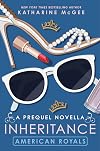
Read this book in one day. ONE DAY.
Katharine McGee is so good at writing a gripping series. The characters are almost so real that they invoke emotions in me as I read and whatever they do actually gets to me in a way that I can't really explain. (Or maybe I can explain, when I can find the right words.)
So, I remember reading American Royals and Majesty, and I was waiting in anticipation for the third book. I was waiting, just sitting down, trying to find entertaining books to take my mind off of waiting for the release of the book.
And then, when I was trying to find a website that would reveal the prologue or first chapter of Rivals, I found Inheritance.
At first, I assumed Inheritance was gonna be a short history of the fictional kingdom of America, because of the title. But when I read the description, I realized it was a prequel novella, a short story that looks into the past, in depth into the events mentioned in the first book of the series.
It's an amazing prequel. Juicy. Dramatic. Tense. Had me wondering what's next and what would happen to the characters. I loved it. And I read it all in one day. I've never really read a book in one day. But here's why I finished this book so fast.
The characters were so realistic. Normally, a lot of YA novels have boring, flat, characters who don't develop or change in any way throughout the book.
This was different. Each girl's feelings and thoughts were reflected through the way they carried themselves and their actions. As I've show more said before, I was emotionally provoked by the characters and the plot. I didn't feel like crying, but I either empathized with them, felt sorry for them, or was downright furious at them. I like it when characters are realistic and multi-dimensional, not entirely good or entirely bad. And Katharine always delivers when it comes to juicy royal drama.
Five stars for you, McGee! 🌟🌟🌟🌟🌟
P.S. I know this probably isn't the appropriate time to promote myself, but if you're reading this review, please check out my website. Thank you.
https://sites.google.com/view/boundlessbookwriting/home show less
Katharine McGee is so good at writing a gripping series. The characters are almost so real that they invoke emotions in me as I read and whatever they do actually gets to me in a way that I can't really explain. (Or maybe I can explain, when I can find the right words.)
So, I remember reading American Royals and Majesty, and I was waiting in anticipation for the third book. I was waiting, just sitting down, trying to find entertaining books to take my mind off of waiting for the release of the book.
And then, when I was trying to find a website that would reveal the prologue or first chapter of Rivals, I found Inheritance.
At first, I assumed Inheritance was gonna be a short history of the fictional kingdom of America, because of the title. But when I read the description, I realized it was a prequel novella, a short story that looks into the past, in depth into the events mentioned in the first book of the series.
It's an amazing prequel. Juicy. Dramatic. Tense. Had me wondering what's next and what would happen to the characters. I loved it. And I read it all in one day. I've never really read a book in one day. But here's why I finished this book so fast.
The characters were so realistic. Normally, a lot of YA novels have boring, flat, characters who don't develop or change in any way throughout the book.
This was different. Each girl's feelings and thoughts were reflected through the way they carried themselves and their actions. As I've show more said before, I was emotionally provoked by the characters and the plot. I didn't feel like crying, but I either empathized with them, felt sorry for them, or was downright furious at them. I like it when characters are realistic and multi-dimensional, not entirely good or entirely bad. And Katharine always delivers when it comes to juicy royal drama.
Five stars for you, McGee! 🌟🌟🌟🌟🌟
P.S. I know this probably isn't the appropriate time to promote myself, but if you're reading this review, please check out my website. Thank you.
https://sites.google.com/view/boundlessbookwriting/home show less
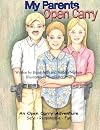
I think this book was written to propagate children and make them pro-gun activists. The entire book revolves around guns and everyone in this book seems to be pro-gun rights. I have nothing against people who arm themselves for protection, but who would even want to talk to kids about guns? I know guns can be used for self-defense and are important in situations like a robbery or a break-in, but it's not appropriate to teach young elementary-school-level kids about guns. Safe sex is important but we don't teach elementary-school-level kids about safe sex and using condoms because they're not at the appropriate age to learn such things.
Throughout the book, Mr. Strong, Brenna's dad, has multiple conversations with people about guns why it's good to open-carry, and how guns deter people from doing crime. The book only shows positive facts and completely refutes negative opinions and thoughts about gun ownership and gun rights, going as far as calling some negative opinions "myths" to further establish the message that guns are good and are needed to ensure one's safety.
The main character, Brenna, ends up getting a shotgun as a reward for her good grades, but she can't use it until she's eighteen. I think it's a dumb idea to buy someone a gift they can't use until several years later. That's like buying a two-year-old a phone for their birthday that they aren't allowed to use until they're sixteen. The gun obsession and the talks about guns really made my head spin. And the show more illustrations are creepy-looking. show less
Throughout the book, Mr. Strong, Brenna's dad, has multiple conversations with people about guns why it's good to open-carry, and how guns deter people from doing crime. The book only shows positive facts and completely refutes negative opinions and thoughts about gun ownership and gun rights, going as far as calling some negative opinions "myths" to further establish the message that guns are good and are needed to ensure one's safety.
The main character, Brenna, ends up getting a shotgun as a reward for her good grades, but she can't use it until she's eighteen. I think it's a dumb idea to buy someone a gift they can't use until several years later. That's like buying a two-year-old a phone for their birthday that they aren't allowed to use until they're sixteen. The gun obsession and the talks about guns really made my head spin. And the show more illustrations are creepy-looking. show less
This sequel to To All the Boys I've Loved Before is perfect. I typically don't like to read sequels because I find them an unnecessary continuation of the original story that drags on the plot and ruins it, but this one was gold. Still is. Jenny Han is an amazing author.
I loved the close-knit family storyline. Margot is a very concerned and sweet eldest sister. She has an aura of motherliness and is protective of her sisters. She cares for her family and supports Lara Jean when she needs it the most.
Lara Jean is still her timid and quiet self, and she's having relationship issues with Peter because he keeps getting involved with his ex, Genevieve, (who is also Lara Jean's former friend) and starts being a jerk to her. She leaves him and gets a response to her letter from John Ambrose McClaren, and it starts a "love triangle" because she realizes she still has feelings for him but also likes Peter. In the end, she sorts things out and she and Peter become a couple again.
Kitty is badass as always. I love her and her personality. She's funny and adds vibrance to the story even though she isn't the main character. I must appreciate Han's ability to create characters that impact the story despite not being the main focus.
Mr. Covery is still awkward but he's a great dad. I think his personality suits him so well and makes him the perfect father for the Covey girls.
Peter was a good due but he became a jerk and a good dude again, so I'm not really sure how to feel about him. But show more Josh— didn't like him at all.
I liked the ending as well, and it made me rush to read the third and last book of the series, Always and Forever, Lara Jean. show less
I loved the close-knit family storyline. Margot is a very concerned and sweet eldest sister. She has an aura of motherliness and is protective of her sisters. She cares for her family and supports Lara Jean when she needs it the most.
Lara Jean is still her timid and quiet self, and she's having relationship issues with Peter because he keeps getting involved with his ex, Genevieve, (who is also Lara Jean's former friend) and starts being a jerk to her. She leaves him and gets a response to her letter from John Ambrose McClaren, and it starts a "love triangle" because she realizes she still has feelings for him but also likes Peter. In the end, she sorts things out and she and Peter become a couple again.
Kitty is badass as always. I love her and her personality. She's funny and adds vibrance to the story even though she isn't the main character. I must appreciate Han's ability to create characters that impact the story despite not being the main focus.
Mr. Covery is still awkward but he's a great dad. I think his personality suits him so well and makes him the perfect father for the Covey girls.
Peter was a good due but he became a jerk and a good dude again, so I'm not really sure how to feel about him. But show more Josh— didn't like him at all.
I liked the ending as well, and it made me rush to read the third and last book of the series, Always and Forever, Lara Jean. show less
This book was recommended to me because I have severe eczema that comes and goes, and sometimes, certain clothes trigger my eczema and make it itch worse. The urge to scratch is irresistible. When my mom told some people about this, a very kind woman she knows recommended this book to see how it could help me make better fashion choices that would ease up my eczema slightly.
This book deserves five stars. It opened my eyes to the injustices faced by those who make our clothes and those who wear the clothes. I never realized how dangerous the fashion industry is and how it ruins the lives of many fashion consumers, mainly women, and hurts them in all aspects of life. Toxic fashion causes diseases and health conditions in all parts of the body. It hurts women more than anyone else. Alden Wicker impressively writes a very entertaining and factual non-fiction story using anecdotes, statistics, laws, measurements, and details of her travels and investigations. The author is an incredible writer. This book raises awareness effectively by telling us the truth about fast fashion. I found it hard to read about the conditions of the factory workers who dye clothes and the stories of women almost dying because of the toxic chemicals in their uniforms, which are linked to incurable, chronic diseases.
Please take this book as a wake-up call to be more careful about your fashion choices and how they affect your health and lifestyle in general. As a person with eczema, I'm going to be show more much more cautious about skincare products as well, because as the author explains, some things that are designed to "help" can just be more harmful.
Peace!✌🏽 show less
This book deserves five stars. It opened my eyes to the injustices faced by those who make our clothes and those who wear the clothes. I never realized how dangerous the fashion industry is and how it ruins the lives of many fashion consumers, mainly women, and hurts them in all aspects of life. Toxic fashion causes diseases and health conditions in all parts of the body. It hurts women more than anyone else. Alden Wicker impressively writes a very entertaining and factual non-fiction story using anecdotes, statistics, laws, measurements, and details of her travels and investigations. The author is an incredible writer. This book raises awareness effectively by telling us the truth about fast fashion. I found it hard to read about the conditions of the factory workers who dye clothes and the stories of women almost dying because of the toxic chemicals in their uniforms, which are linked to incurable, chronic diseases.
Please take this book as a wake-up call to be more careful about your fashion choices and how they affect your health and lifestyle in general. As a person with eczema, I'm going to be show more much more cautious about skincare products as well, because as the author explains, some things that are designed to "help" can just be more harmful.
Peace!✌🏽 show less
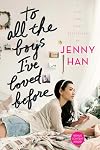
2021. I was bored as ever, looking for a book. I searched "Teen YA Books" on Google, and this book was one of the first results that popped up. At first, I was really cautious when reading this book and I thought it was going to be boring, or full of unnecessary sex scenes.
I was so wrong. I love Lara Jean and she reminds me a lot of myself. She's very timid, doesn't speak up for herself, and she's family-oriented. I felt genuine sympathy when I learned about her mother's death. Even though she's a fictional character, I understood what she felt because losing a parent is difficult and can change someone in ways they've never known before.
I found it very awkward when I found out Lara Jean secretly had a crush on her older sister Margot's boyfriend, Josh, and I cringed at the nickname "GoGo" for Margot. (Sorry, just my honest opinions here.)
Margot was an adorable older sister. I loved her because of how sweet, calm, and responsible she was. Ever since her mother died, she took the role of being a mother to her two younger sisters. I loved her advice, the way she spoke, and how she carried herself.
Lara Jean was an amazing and super relatable character. I relate to her a lot because I don't like socializing at all, I'm a nervous driver who never remembers directions and is always lost, and as a child, I never really responded to bullying (I won't back down and I will take action against those who try to hurt me now).
Lara Jean is timid, humble, quiet, and just as responsible show more as Margot. It's nice to see that she doesn't have a toxic relationship with either of her sisters or her father, but it's easy to see that her mother's death has left an impact on her and hurts her a lot.
Kitty (Catherine) is the typical little girl. Fierce, fun, and so cute! I thought what she did to Lara Jean was a bit far but I'm glad something great blossomed out of it.
I found their dad an awkward guy, but overall, I loved this book and it was such a wholesome read that I instantly read the other two books in this series! show less
I was so wrong. I love Lara Jean and she reminds me a lot of myself. She's very timid, doesn't speak up for herself, and she's family-oriented. I felt genuine sympathy when I learned about her mother's death. Even though she's a fictional character, I understood what she felt because losing a parent is difficult and can change someone in ways they've never known before.
I found it very awkward when I found out Lara Jean secretly had a crush on her older sister Margot's boyfriend, Josh, and I cringed at the nickname "GoGo" for Margot. (Sorry, just my honest opinions here.)
Margot was an adorable older sister. I loved her because of how sweet, calm, and responsible she was. Ever since her mother died, she took the role of being a mother to her two younger sisters. I loved her advice, the way she spoke, and how she carried herself.
Lara Jean was an amazing and super relatable character. I relate to her a lot because I don't like socializing at all, I'm a nervous driver who never remembers directions and is always lost, and as a child, I never really responded to bullying (I won't back down and I will take action against those who try to hurt me now).
Lara Jean is timid, humble, quiet, and just as responsible show more as Margot. It's nice to see that she doesn't have a toxic relationship with either of her sisters or her father, but it's easy to see that her mother's death has left an impact on her and hurts her a lot.
Kitty (Catherine) is the typical little girl. Fierce, fun, and so cute! I thought what she did to Lara Jean was a bit far but I'm glad something great blossomed out of it.
I found their dad an awkward guy, but overall, I loved this book and it was such a wholesome read that I instantly read the other two books in this series! show less
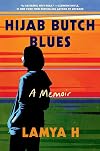
I know it wasn't the best idea to read this book. I read You Truly Assumed by Laila Sabreen and I loved it despite some weird things I noticed about it, but this book was too much. I know that I'm probably not the target audience because I'm a Christian (born and raised in Saudi Arabia for fourteen years) and I don't have an Islamic perspective on books written by Muslims for Muslims.
I want you to read this blurb, which tells you all you need to know about the book before you even start reading it.
A queer hijabi Muslim immigrant survives her coming-of-age by drawing strength and hope from stories in the Quran in this daring, provocative, and radically hopeful memoir.
When fourteen-year-old Lamya H realizes she has a crush on her teacher--her female teacher--she covers up her attraction, an attraction she can't yet name, by playing up her roles as overachiever and class clown. Born in South Asia, she moved to the Middle East at a young age and has spent years feeling out of place, like her own desires and dreams don't matter, and it's easier to hide in plain sight. To disappear. But one day in Quran class, she reads a passage about Maryam that changes everything: when Maryam learned that she was pregnant, she insisted no man had touched her. Could Maryam, uninterested in men, be . . . like Lamya?
From that moment on, Lamya makes sense of her struggles and triumphs by comparing her experiences with some of the most famous stories in the Quran. She juxtaposes her coming out show more with Musa liberating his people from the pharoah; asks if Allah, who is neither male nor female, might instead be nonbinary; and, drawing on the faith and hope Nuh needed to construct his ark, begins to build a life of her own--ultimately finding that the answer to her lifelong quest for community and belonging lies in owning her identity as a queer, devout Muslim immigrant.
This searingly intimate memoir in essays, spanning Lamya's childhood to her arrival in the United States for college through early-adult life in New York City, tells a universal story of courage, trust, and love, celebrating what it means to be a seeker and an architect of one's own life.
OK... we're already going a bit too far with this.
1. Suspecting that Allah is non-binary when He is referred to with male pronouns in the Quran and all Islamic texts. This blasphemy in Islam to try to label Allah as a non-binary person, because pronouns such as they/them would suggest Allah is more than one person, which goes against the values of the Quran.
2. The Virgin Mary was not a lesbian, as the author suggests. If the Virgin Mary not being touched by any man makes her a lesbian, all Catholic nuns who make a vow of remaining chaste for life are also automatically lesbians because they live around other women and seldom associate with men.
3. Comparing openly becoming queer to Moses freeing the Israelites is a whole other level of low. And I'll explain why. The Israelites were in bondage in Egypt. They were slaves. They were tortured, beaten, forced to do free labor, and traumatized beyond imagination. Moses went through so much and had to gather plenty of courage to free his people, with the help of the Almighty God. The story of Exodus isn't comparable to someone openly expressing their queerness. Was Lamya being enslaved while closeted? Did she feel enslaved as a closeted queer? I can't read her mind, but this comparison was beyond disrespectful and disgraceful. The situation of the Israelite slaves was much worse than Lamya's. Trying to find similarities between Moses freeing the slaves from the stony Pharaoh of Egypt and coming out of the closet is like comparing a plane crash to a toddler falling off of their tricycle.
I am not a supporter of the LGBTQIA+, but I do know that coming out is a very challenging process that takes a toll on someone's mental and emotional health. It strains relationships as well. However, it can never be compared to enslavement and severe torture.
With that being said, I believe this book shouldn't have been a nominee for Best Memoir & Autobiography, and it shouldn't have gotten an award from Goodreads. It is disrespectful to not only Islam but also Christianity since she uses Bible stories to justify her queerness (the Virgin Mary & Moses Freeing the Israelites). Disappointed and I'm glad I saw the warning coming when I read the description. Never will read another book by Lamya H. because of this. show less
I want you to read this blurb, which tells you all you need to know about the book before you even start reading it.
A queer hijabi Muslim immigrant survives her coming-of-age by drawing strength and hope from stories in the Quran in this daring, provocative, and radically hopeful memoir.
When fourteen-year-old Lamya H realizes she has a crush on her teacher--her female teacher--she covers up her attraction, an attraction she can't yet name, by playing up her roles as overachiever and class clown. Born in South Asia, she moved to the Middle East at a young age and has spent years feeling out of place, like her own desires and dreams don't matter, and it's easier to hide in plain sight. To disappear. But one day in Quran class, she reads a passage about Maryam that changes everything: when Maryam learned that she was pregnant, she insisted no man had touched her. Could Maryam, uninterested in men, be . . . like Lamya?
From that moment on, Lamya makes sense of her struggles and triumphs by comparing her experiences with some of the most famous stories in the Quran. She juxtaposes her coming out show more with Musa liberating his people from the pharoah; asks if Allah, who is neither male nor female, might instead be nonbinary; and, drawing on the faith and hope Nuh needed to construct his ark, begins to build a life of her own--ultimately finding that the answer to her lifelong quest for community and belonging lies in owning her identity as a queer, devout Muslim immigrant.
This searingly intimate memoir in essays, spanning Lamya's childhood to her arrival in the United States for college through early-adult life in New York City, tells a universal story of courage, trust, and love, celebrating what it means to be a seeker and an architect of one's own life.
OK... we're already going a bit too far with this.
1. Suspecting that Allah is non-binary when He is referred to with male pronouns in the Quran and all Islamic texts. This blasphemy in Islam to try to label Allah as a non-binary person, because pronouns such as they/them would suggest Allah is more than one person, which goes against the values of the Quran.
2. The Virgin Mary was not a lesbian, as the author suggests. If the Virgin Mary not being touched by any man makes her a lesbian, all Catholic nuns who make a vow of remaining chaste for life are also automatically lesbians because they live around other women and seldom associate with men.
3. Comparing openly becoming queer to Moses freeing the Israelites is a whole other level of low. And I'll explain why. The Israelites were in bondage in Egypt. They were slaves. They were tortured, beaten, forced to do free labor, and traumatized beyond imagination. Moses went through so much and had to gather plenty of courage to free his people, with the help of the Almighty God. The story of Exodus isn't comparable to someone openly expressing their queerness. Was Lamya being enslaved while closeted? Did she feel enslaved as a closeted queer? I can't read her mind, but this comparison was beyond disrespectful and disgraceful. The situation of the Israelite slaves was much worse than Lamya's. Trying to find similarities between Moses freeing the slaves from the stony Pharaoh of Egypt and coming out of the closet is like comparing a plane crash to a toddler falling off of their tricycle.
I am not a supporter of the LGBTQIA+, but I do know that coming out is a very challenging process that takes a toll on someone's mental and emotional health. It strains relationships as well. However, it can never be compared to enslavement and severe torture.
With that being said, I believe this book shouldn't have been a nominee for Best Memoir & Autobiography, and it shouldn't have gotten an award from Goodreads. It is disrespectful to not only Islam but also Christianity since she uses Bible stories to justify her queerness (the Virgin Mary & Moses Freeing the Israelites). Disappointed and I'm glad I saw the warning coming when I read the description. Never will read another book by Lamya H. because of this. show less

!WARNING: INCLUDES SPOILERS!
Laila Sabreen, congrats on writing a book like this! It was so fantastic and I felt so sad when the story ended. I loved the characters and I bonded with them. I'm a black American Christian girl, but I still loved and enjoyed this book because it highlights Islamophobia, online bullying, harassment, and struggles with identity that the teenagers face. Despite being far apart from each other, they are all connected through a blog titled You Truly Assumed, which is the title of the book as well.
I've seen many reviews complaining about characters and their development, but I'm not going to do that. Instead, I'll just list my take on the characters and their development.
Sabriya: A ballet dancer who is so very organized, living in Abbott, Virginia. She's a very busy yet ambitious teenager. She's clean, neat, likes to write, and plans everything. She's calm and timid, but she's a worrier. Bri is always pressuring herself to do better and is way too hard on herself, which is revealed in the first chapter. Throughout the book, she is anxious and keeps on losing hope because of the terrorist attack and seems to think that starting the blog is a stupid idea. With the website "Free the Right" attacking her blog with hateful comments and hacking it, and with Mr. Smith, head of volunteering, making microaggressive comments and even being part of the hateful "Free the Right" website. Eventually, she simply decides to take a break and returns, strong and show more determined. The terrorist attack does make Bri change slightly. She starts to accept that she isn't in control of every situation and that not everything can be planned, like her ballet classes and attending volunteer operations (sorry, that's what I call it). And in the end, she gets a "boyfriend", Hayat, someone she was opposed to in the beginning. Bri learns that unexpected events happen and that things change with time. She also learns to stop coming to conclusions and wait to see what certain events lead to.
Zakat: A more conservative hijabi Muslim who lives in a quiet and peaceful neighborhood that is accepting of all people. This place is rightly named "Lullwood", a fictional town in Georgia, a haven for black Muslims... until the terrorist attack. The masjid (or mosque), a place of prayer and gathering of Muslims, needs to be secured by a fence because of Islamophobic attacks targeting Muslim-owned spaces. Zakat is an artist, and even though her parents want her to follow in their footsteps and pick a "profitable" major, she can't suppress her love for art. Zakat is anxious, quiet, and timid, like Sabriya. She's easily intimidated by Islamophobic people and is nervous about writing for the blog. When she first joins, she prefers to present her art on the blog to inspire other Muslim black teens and young Muslim women, and she secretly does this because her parents don't approve. Throughout the book, Zakat changes a lot because of the terrorist attack and other Islamophobic acts such as the spray-paint incident at the Islamic boys' school and the stealing of the "Book of Secrets" from Aafreen's house. She becomes more confident in decision-making and learns that places can't always be the same as they were before and that Islamophobia can even enter the most peaceful communities, like Lullwood. She learns how to be more confident in herself and stops being so worried. She starts to feel more comfortable and confident by the end.
Farah: A diehard, tech-savvy basketball fan and coding student who's more liberal and has a boyfriend (who I assume is non-Muslim). Farah lives in Iglethorne, California, with her single mom and isn't exactly on great terms with her not-so-present father who's in Kirby, and it's time for her to go on a three-week trip to see him and his new family. As you can already tell, she's not so enthusiastic about it. When she first arrives, she's treated with affection by her new siblings, his two older stepkids, Ally and Samson, who take a liking to her. Her youngest sibling, Emma, is so adorable and the two do bond pretty well. But Farah doesn't get along with Jess, Tommy's new wife. (They've been married for a while and Tommy is Farah's biological father's name.) Unlike Sabriya and Zakat, Farah is more vocal and straightforward, and she speaks up and talks right away when Jess is opposed to Ally accompanying Farah to the vigil. Things are tense between Farah and Jess and Farah is equally as stubborn as Jess is. Opposed to Sabriya and Zakat, Farah prefers not to let people step over her toes and hurt her feelings, and she seems to be more vocal, not afraid of being stereotyped as an angry black girl or an aggressive Muslim. I love this about her. Her role in the You Truly Assumed blog is very crucial. By the end of the book though, Farah is much more friendly with her family in Kirby. She and Jess come to terms with each other, she loves her three siblings, and she's getting along with Tommy too, although she doesn't call him "Dad."
Overall, I like how this book didn't have a dramatic plot but still managed to keep me engaged. I loved the character development and seeing the characters change. Seeing Sabriya accept that not everything can be planned and controlled was a relief. Seeing Zakat gain more confidence in herself and become more bold was another relief. And seeing Farah willing to accept the challenge of long-distance dating and establish a relationship with her father and his new family was a relief as well.
Some people are complaining about the representation of Islam in this book. They're saying that the Muslim representation is "problematic" because it's Westernized and too liberal. Some think it's watered down and that there isn't enough proof that these three girls are actually Muslim except for their necklaces, charms, and calendars. I grew up in Saudi Arabia, the birthplace of Islam, and the way Muslims act in this book isn't very much Islamic. I'll explain.
I think the author is a liberal Muslim or either Westernized/modernized Islam so it wouldn't offend the audience. There were some things that didn't sit well with me, but I'm not going to take off stars because of that. (I grew up in Saudi Arabia but am not Muslim, so I may be wrong about some of these. Please let me know if I am.)
1. There is a non-labeled prayer room to make the mosque that Zakat goes to be more gender inclusive.
In most Muslim-majority nations, Saudi Arabia included, there is no such thing as gender inclusivity. People are either male or female and mosques have divisions for men and women only. In a majority of Islamic communities, being transgender, non-binary, or any other gender or than male or female can lead to arrest and jail sentencing too. From what I know from hearing Muslim scholars explain their religion to non-Muslims like me, Islam is not pro-LGBTQ, meaning there is no such thing as non-labeled prayer rooms for non-binaries, transgenders, and other genders. This leads me to my second concern.
2. A character has a physically intimate relationship with her (most likely non-Muslim) boyfriend.
From what I've heard from studious Muslim scholars, dating is mostly prohibited in Islam and a lot of Muslims practice "halal dating" which means dating with many rules and boundaries to avoid fornication or what is called "zina" in Islam. Farah and her boyfriend, Riley, are rather physically intimate, despite her being a Muslim. In addition to that, I'd like to add that I learned that Muslim men can marry non-Muslim women as long as they're practicing either Judaism or Christianity and that Muslim women must marry Muslim men, meaning Farah and Riley should break up and not take their relationship any further if Riley doesn't plan to convert to Islam. My next concern is related to relationships as well.
3. A character is in a lesbian relationship.
In Kirby, Farah meets a black Muslim girl by the name of Jamilah, who has a girlfriend. Same-sex relationships and all forms of homosexuality are haram (forbidden) in Islam, or that's what I have seen in Saudi Arabia and many Muslim-majority nations. I've read articles on people getting executed in Muslim-majority countries after being caught getting intimate with a person of the same gender.
4. A character is a female imam.
In the story, Zakat goes into the masjid and is met by Imam Farhad, who is a female imam who's about ten years older than Zakat, making her twenty-seven years old. She's a very kind, calm, collected, and wise woman. I like the advice Imam Farhad gives and how she treats Zakat like a daughter and listens to her worries. However, women aren't permitted to become imams in many traditional Islamic communities, which makes this kind of confusing for me. I've never heard of a female imam in Saudi Arabia or any surrounding countries, and many of the studious Islamic educators on YouTube and Islamic websites have explained that a woman can't lead prayers in mixed-gender settings but can teach other women. (Maybe Imam Frahad specifically leads prayers in the women's section?)
If any of the points I made above are incorrect, please let me know. The least of my intentions is to spread misinformation about a religion I do not practice. I loved this book and appreciate the author who wrote this, and I congratulate and applaud Sabreen for taking a stand and spreading awareness about Islamophobia and what Muslims face in Western countries, especially in the USA, a country with a lot of Islamophobia and anti-Middle Eastern sentiment after 9/11. I would recommend You Truly Assumed to young black Muslim teens looking for novels they can relate to.
✨Thank you for reading this review!✨ show less
Laila Sabreen, congrats on writing a book like this! It was so fantastic and I felt so sad when the story ended. I loved the characters and I bonded with them. I'm a black American Christian girl, but I still loved and enjoyed this book because it highlights Islamophobia, online bullying, harassment, and struggles with identity that the teenagers face. Despite being far apart from each other, they are all connected through a blog titled You Truly Assumed, which is the title of the book as well.
I've seen many reviews complaining about characters and their development, but I'm not going to do that. Instead, I'll just list my take on the characters and their development.
Sabriya: A ballet dancer who is so very organized, living in Abbott, Virginia. She's a very busy yet ambitious teenager. She's clean, neat, likes to write, and plans everything. She's calm and timid, but she's a worrier. Bri is always pressuring herself to do better and is way too hard on herself, which is revealed in the first chapter. Throughout the book, she is anxious and keeps on losing hope because of the terrorist attack and seems to think that starting the blog is a stupid idea. With the website "Free the Right" attacking her blog with hateful comments and hacking it, and with Mr. Smith, head of volunteering, making microaggressive comments and even being part of the hateful "Free the Right" website. Eventually, she simply decides to take a break and returns, strong and show more determined. The terrorist attack does make Bri change slightly. She starts to accept that she isn't in control of every situation and that not everything can be planned, like her ballet classes and attending volunteer operations (sorry, that's what I call it). And in the end, she gets a "boyfriend", Hayat, someone she was opposed to in the beginning. Bri learns that unexpected events happen and that things change with time. She also learns to stop coming to conclusions and wait to see what certain events lead to.
Zakat: A more conservative hijabi Muslim who lives in a quiet and peaceful neighborhood that is accepting of all people. This place is rightly named "Lullwood", a fictional town in Georgia, a haven for black Muslims... until the terrorist attack. The masjid (or mosque), a place of prayer and gathering of Muslims, needs to be secured by a fence because of Islamophobic attacks targeting Muslim-owned spaces. Zakat is an artist, and even though her parents want her to follow in their footsteps and pick a "profitable" major, she can't suppress her love for art. Zakat is anxious, quiet, and timid, like Sabriya. She's easily intimidated by Islamophobic people and is nervous about writing for the blog. When she first joins, she prefers to present her art on the blog to inspire other Muslim black teens and young Muslim women, and she secretly does this because her parents don't approve. Throughout the book, Zakat changes a lot because of the terrorist attack and other Islamophobic acts such as the spray-paint incident at the Islamic boys' school and the stealing of the "Book of Secrets" from Aafreen's house. She becomes more confident in decision-making and learns that places can't always be the same as they were before and that Islamophobia can even enter the most peaceful communities, like Lullwood. She learns how to be more confident in herself and stops being so worried. She starts to feel more comfortable and confident by the end.
Farah: A diehard, tech-savvy basketball fan and coding student who's more liberal and has a boyfriend (who I assume is non-Muslim). Farah lives in Iglethorne, California, with her single mom and isn't exactly on great terms with her not-so-present father who's in Kirby, and it's time for her to go on a three-week trip to see him and his new family. As you can already tell, she's not so enthusiastic about it. When she first arrives, she's treated with affection by her new siblings, his two older stepkids, Ally and Samson, who take a liking to her. Her youngest sibling, Emma, is so adorable and the two do bond pretty well. But Farah doesn't get along with Jess, Tommy's new wife. (They've been married for a while and Tommy is Farah's biological father's name.) Unlike Sabriya and Zakat, Farah is more vocal and straightforward, and she speaks up and talks right away when Jess is opposed to Ally accompanying Farah to the vigil. Things are tense between Farah and Jess and Farah is equally as stubborn as Jess is. Opposed to Sabriya and Zakat, Farah prefers not to let people step over her toes and hurt her feelings, and she seems to be more vocal, not afraid of being stereotyped as an angry black girl or an aggressive Muslim. I love this about her. Her role in the You Truly Assumed blog is very crucial. By the end of the book though, Farah is much more friendly with her family in Kirby. She and Jess come to terms with each other, she loves her three siblings, and she's getting along with Tommy too, although she doesn't call him "Dad."
Overall, I like how this book didn't have a dramatic plot but still managed to keep me engaged. I loved the character development and seeing the characters change. Seeing Sabriya accept that not everything can be planned and controlled was a relief. Seeing Zakat gain more confidence in herself and become more bold was another relief. And seeing Farah willing to accept the challenge of long-distance dating and establish a relationship with her father and his new family was a relief as well.
Some people are complaining about the representation of Islam in this book. They're saying that the Muslim representation is "problematic" because it's Westernized and too liberal. Some think it's watered down and that there isn't enough proof that these three girls are actually Muslim except for their necklaces, charms, and calendars. I grew up in Saudi Arabia, the birthplace of Islam, and the way Muslims act in this book isn't very much Islamic. I'll explain.
I think the author is a liberal Muslim or either Westernized/modernized Islam so it wouldn't offend the audience. There were some things that didn't sit well with me, but I'm not going to take off stars because of that. (I grew up in Saudi Arabia but am not Muslim, so I may be wrong about some of these. Please let me know if I am.)
1. There is a non-labeled prayer room to make the mosque that Zakat goes to be more gender inclusive.
In most Muslim-majority nations, Saudi Arabia included, there is no such thing as gender inclusivity. People are either male or female and mosques have divisions for men and women only. In a majority of Islamic communities, being transgender, non-binary, or any other gender or than male or female can lead to arrest and jail sentencing too. From what I know from hearing Muslim scholars explain their religion to non-Muslims like me, Islam is not pro-LGBTQ, meaning there is no such thing as non-labeled prayer rooms for non-binaries, transgenders, and other genders. This leads me to my second concern.
2. A character has a physically intimate relationship with her (most likely non-Muslim) boyfriend.
From what I've heard from studious Muslim scholars, dating is mostly prohibited in Islam and a lot of Muslims practice "halal dating" which means dating with many rules and boundaries to avoid fornication or what is called "zina" in Islam. Farah and her boyfriend, Riley, are rather physically intimate, despite her being a Muslim. In addition to that, I'd like to add that I learned that Muslim men can marry non-Muslim women as long as they're practicing either Judaism or Christianity and that Muslim women must marry Muslim men, meaning Farah and Riley should break up and not take their relationship any further if Riley doesn't plan to convert to Islam. My next concern is related to relationships as well.
3. A character is in a lesbian relationship.
In Kirby, Farah meets a black Muslim girl by the name of Jamilah, who has a girlfriend. Same-sex relationships and all forms of homosexuality are haram (forbidden) in Islam, or that's what I have seen in Saudi Arabia and many Muslim-majority nations. I've read articles on people getting executed in Muslim-majority countries after being caught getting intimate with a person of the same gender.
4. A character is a female imam.
In the story, Zakat goes into the masjid and is met by Imam Farhad, who is a female imam who's about ten years older than Zakat, making her twenty-seven years old. She's a very kind, calm, collected, and wise woman. I like the advice Imam Farhad gives and how she treats Zakat like a daughter and listens to her worries. However, women aren't permitted to become imams in many traditional Islamic communities, which makes this kind of confusing for me. I've never heard of a female imam in Saudi Arabia or any surrounding countries, and many of the studious Islamic educators on YouTube and Islamic websites have explained that a woman can't lead prayers in mixed-gender settings but can teach other women. (Maybe Imam Frahad specifically leads prayers in the women's section?)
If any of the points I made above are incorrect, please let me know. The least of my intentions is to spread misinformation about a religion I do not practice. I loved this book and appreciate the author who wrote this, and I congratulate and applaud Sabreen for taking a stand and spreading awareness about Islamophobia and what Muslims face in Western countries, especially in the USA, a country with a lot of Islamophobia and anti-Middle Eastern sentiment after 9/11. I would recommend You Truly Assumed to young black Muslim teens looking for novels they can relate to.
✨Thank you for reading this review!✨ show less
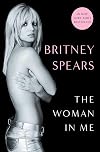
I never knew Britney Spears before I read this book. I didn't know the real Britney Spears.
I didn't know Britney Spears well enough before I read this book. And it opened my eyes to so many things I've never seen before.
Britney has been through literal hell. And despite that, she's still one of the kindest people out there. I've never met Britney, and if I ever do, I'll let her know that I respect and admire her for her strength and endurance through the years of abuse she was put through.
Britney's family is full of terrible people who used her for profit.
Once she got famous, her alcoholic father put her in a conservatorship, her mother put out a memoir and went on TV for an interview, Jamie Lynn was a spoilt brat and was ungrateful for what Britney had provided her family, and Britney's brother... I have nothing to say about what he was doing but it was clear that he and Britney didn't have any contact or a good relationship then.
Some of the most heartbreaking moments from this book are right here:
The saddest part to me was that what I always wanted was a dad who would love me as I was—somebody who would say, “I just love you. You could do anything right now. I’d still love you with unconditional love.”
Why did everyone treat me, even when I was a teenager, like I was dangerous?
That was a good time in my life. I was so in love with Justin, just smitten. I don’t know if when you’re younger love’s a different thing, but what Justin and I had was special. He show more wouldn’t even have to say anything or do anything for me to feel close to him.
Abortion was something I never could have imagined choosing for myself, but given the circumstances, that is what we did. I don’t know if that was the right decision. If it had been left up to me alone, I never would have done it. And yet Justin was so sure that he didn’t want to be a father.
When I tell you it was painful—I can’t begin to describe it. The pain was unbelievable. I went down to the ground on my knees, holding the toilet. For a long time, I couldn’t move. To this day, it’s one of the most agonizing things I have ever experienced in my life.
Still, they didn’t take me to the hospital. Justin came into the bathroom and lay on the floor with me. At some point he thought maybe music would help, so he got his guitar and he lay there with me, strumming it. I kept crying and sobbing until it was all over. It took hours, and I don’t remember how it ended, but I do, twenty years later, remember the pain of it, and the fear.
I should have seen the breakup coming, but I didn’t.
That’s one thing Justin and Kevin ruined about me. I used to trust people. But after the breakup with Justin and then my divorce, I never really did trust people again.
I became incredibly angry. I think a lot of other women understand this. A friend of mine once said: “If someone took my baby away from me, I would have done a lot more than get a haircut. I would have burned the city to the ground.”
I’m a five-foot-four-inch pop singer who calls everyone “sir” and “ma’am.” They treated me like I was a criminal or predator.
There's a whole lot more than that, but this review will be longer than a Stephen King novel if I keep running my mouth off on quotes and my feelings and opinions.
Britney has been betrayed multiple times by multiple people. She gave her heart to her first boyfriend, Justin Timberlake, and he pretty much coerced her into an abortion when she didn't want to get one. And then after having two children with her husband, Kevin, he suddenly lost interest and began behaving in a toxic manner towards her, going as far as dragging two innocent boys into the situation and trying to take their mother away from them by demanding full custody. He didn't want Britney to see the kids at all. Then, Britney's father, an alcoholic who scared her throughout most of her childhood and didn't show her any fatherly love, put her under a conservatorship, and mentally and emotionally abused her for years, restricting all of her freedoms and not letting her see her son.
During all those years, Britney was going around the world, doing tours and performing for her beloved fans.
None of that money was in her wallet. Her father owned and managed everything, and he had goons working for him that made sure Brtiney's entire life, from her cell phone activity to her diet, lifestyle, location, and hobbies, were controlled.
Britney was treated like a schizophrenic patient. As if she was dangerous and incapable of controlling her thoughts and actions. As if she was a threat to society outside. She couldn't see her children, couldn't date anyone, wasn't even allowed to eat fast food, and was forced to work herself to death, performing for her fans when she wasn't allowed to live the life she worked so hard for throughout her childhood. All the while, her family was using her money to party and have fun. They enjoyed their status as Britney Spears's family.
Her family was presented as the most loving people on the planet, and so was Kevin, the father of her children. No one knew Britney's father was an alcoholic who used to constantly argue with her mother and was a bad father figure to his children. (Or to Brtiney and Bryan, her older brother.) Her mother wrote a memoir and went on TV, promoting the book and making money off of the story while her daughter was suffering. Her sister, Jamie Lynn, was also basking in fame, making herself look like a cool teen star while abusing her sister behind the scenes. Justin Timberlake was that one boy that all the girls drooled over. He got away with cheating on Britney multiple times and making her abort their baby because he didn't want to take responsibility as the father. Kevin was seen as a good dude and a great dad to his kids while he was using them as pawns in his divorce with Brtiney and didn't want her to be a mother to them. Lynne Spears, Brtiney's mother, went and wrote a book. Everyone who abused Brtiney was loved and looked at as idols. And Britney had to bear all the criticism for every act she did that didn't please the public.
This book highlights the abuse Britney faced throughout her entire as a woman. Many young girls seem to think that fame comes with unlimited love and a life of luxury. Think again. Being in Hollywood and being in the spotlight doesn't necessarily add up to living the elusive American Dream.
Brtiney's story told me that behind the scenes, we don't know what's going on. So many celebrities appear to be living the perfect life because they're such good performers and they know how to act in public. They know how to wow the paparazzi and show the cameras their good side. But we don't truly know what happens in the dark. But eventually, the ugly truth that's been covered by darkness will come to light, regardless of how long it takes.
In conclusion, I want to recommend this book to all young women and girls. Please know that this book does go deep into the bad side of being a woman in the entertainment industry. This book is an easy and quick read, is very heart-wrenching and emotional, tells a story in full truth, is raw, and shows us who is behind the Britney Spears we see performing on stages all around the world. It tells us the story of a woman who has been traumatized for most of her life but has fought her way through it because she's a survivor. A warrior.
Thank you for reading this review! 😊 show less
I didn't know Britney Spears well enough before I read this book. And it opened my eyes to so many things I've never seen before.
Britney has been through literal hell. And despite that, she's still one of the kindest people out there. I've never met Britney, and if I ever do, I'll let her know that I respect and admire her for her strength and endurance through the years of abuse she was put through.
Britney's family is full of terrible people who used her for profit.
Once she got famous, her alcoholic father put her in a conservatorship, her mother put out a memoir and went on TV for an interview, Jamie Lynn was a spoilt brat and was ungrateful for what Britney had provided her family, and Britney's brother... I have nothing to say about what he was doing but it was clear that he and Britney didn't have any contact or a good relationship then.
Some of the most heartbreaking moments from this book are right here:
The saddest part to me was that what I always wanted was a dad who would love me as I was—somebody who would say, “I just love you. You could do anything right now. I’d still love you with unconditional love.”
Why did everyone treat me, even when I was a teenager, like I was dangerous?
That was a good time in my life. I was so in love with Justin, just smitten. I don’t know if when you’re younger love’s a different thing, but what Justin and I had was special. He show more wouldn’t even have to say anything or do anything for me to feel close to him.
Abortion was something I never could have imagined choosing for myself, but given the circumstances, that is what we did. I don’t know if that was the right decision. If it had been left up to me alone, I never would have done it. And yet Justin was so sure that he didn’t want to be a father.
When I tell you it was painful—I can’t begin to describe it. The pain was unbelievable. I went down to the ground on my knees, holding the toilet. For a long time, I couldn’t move. To this day, it’s one of the most agonizing things I have ever experienced in my life.
Still, they didn’t take me to the hospital. Justin came into the bathroom and lay on the floor with me. At some point he thought maybe music would help, so he got his guitar and he lay there with me, strumming it. I kept crying and sobbing until it was all over. It took hours, and I don’t remember how it ended, but I do, twenty years later, remember the pain of it, and the fear.
I should have seen the breakup coming, but I didn’t.
That’s one thing Justin and Kevin ruined about me. I used to trust people. But after the breakup with Justin and then my divorce, I never really did trust people again.
I became incredibly angry. I think a lot of other women understand this. A friend of mine once said: “If someone took my baby away from me, I would have done a lot more than get a haircut. I would have burned the city to the ground.”
I’m a five-foot-four-inch pop singer who calls everyone “sir” and “ma’am.” They treated me like I was a criminal or predator.
There's a whole lot more than that, but this review will be longer than a Stephen King novel if I keep running my mouth off on quotes and my feelings and opinions.
Britney has been betrayed multiple times by multiple people. She gave her heart to her first boyfriend, Justin Timberlake, and he pretty much coerced her into an abortion when she didn't want to get one. And then after having two children with her husband, Kevin, he suddenly lost interest and began behaving in a toxic manner towards her, going as far as dragging two innocent boys into the situation and trying to take their mother away from them by demanding full custody. He didn't want Britney to see the kids at all. Then, Britney's father, an alcoholic who scared her throughout most of her childhood and didn't show her any fatherly love, put her under a conservatorship, and mentally and emotionally abused her for years, restricting all of her freedoms and not letting her see her son.
During all those years, Britney was going around the world, doing tours and performing for her beloved fans.
None of that money was in her wallet. Her father owned and managed everything, and he had goons working for him that made sure Brtiney's entire life, from her cell phone activity to her diet, lifestyle, location, and hobbies, were controlled.
Britney was treated like a schizophrenic patient. As if she was dangerous and incapable of controlling her thoughts and actions. As if she was a threat to society outside. She couldn't see her children, couldn't date anyone, wasn't even allowed to eat fast food, and was forced to work herself to death, performing for her fans when she wasn't allowed to live the life she worked so hard for throughout her childhood. All the while, her family was using her money to party and have fun. They enjoyed their status as Britney Spears's family.
Her family was presented as the most loving people on the planet, and so was Kevin, the father of her children. No one knew Britney's father was an alcoholic who used to constantly argue with her mother and was a bad father figure to his children. (Or to Brtiney and Bryan, her older brother.) Her mother wrote a memoir and went on TV, promoting the book and making money off of the story while her daughter was suffering. Her sister, Jamie Lynn, was also basking in fame, making herself look like a cool teen star while abusing her sister behind the scenes. Justin Timberlake was that one boy that all the girls drooled over. He got away with cheating on Britney multiple times and making her abort their baby because he didn't want to take responsibility as the father. Kevin was seen as a good dude and a great dad to his kids while he was using them as pawns in his divorce with Brtiney and didn't want her to be a mother to them. Lynne Spears, Brtiney's mother, went and wrote a book. Everyone who abused Brtiney was loved and looked at as idols. And Britney had to bear all the criticism for every act she did that didn't please the public.
This book highlights the abuse Britney faced throughout her entire as a woman. Many young girls seem to think that fame comes with unlimited love and a life of luxury. Think again. Being in Hollywood and being in the spotlight doesn't necessarily add up to living the elusive American Dream.
Brtiney's story told me that behind the scenes, we don't know what's going on. So many celebrities appear to be living the perfect life because they're such good performers and they know how to act in public. They know how to wow the paparazzi and show the cameras their good side. But we don't truly know what happens in the dark. But eventually, the ugly truth that's been covered by darkness will come to light, regardless of how long it takes.
In conclusion, I want to recommend this book to all young women and girls. Please know that this book does go deep into the bad side of being a woman in the entertainment industry. This book is an easy and quick read, is very heart-wrenching and emotional, tells a story in full truth, is raw, and shows us who is behind the Britney Spears we see performing on stages all around the world. It tells us the story of a woman who has been traumatized for most of her life but has fought her way through it because she's a survivor. A warrior.
Thank you for reading this review! 😊 show less
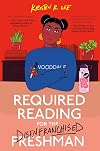
Eye-opening book. This book exposes us to many uncomfortable topics. It lets us know that the black community is disadvantaged and is shunned when speaking out on these disadvantages. Black people in this novel are presented in fantastic ways.
After reading Lee's Sun Keep Rising, I just knew I had to read this book. This book offers me a wonderful perspective of a black girl trying to fit in and find her way into a white-majority campus. The book highlights topics that most white people feel uncomfortable talking about and are easily offended by. Many white characters in this book are ignorant and don't understand the dangerous effects of racism. Black characters are treated with disrespect and are dismissed. Whatever happens to them is covered up. Many things I've noticed that have happened to black people in real life happen in this book.
Lucas represents the privileged, white, wealthy, people. Meggie, although not as privileged as Lucas, is still privileged. She doesn't have to deal with racial discrimination of any kind. Tasha, one of my favorite characters, is stylish, appears to be rich, well-spoken, and incredibly smart— but she has faced so much discrimination on campus and hid it— because blacks are underrepresented and underappreciated on campus.
Wooddale represents blatant institutional racism. One of the privileged white students, Elaina, does drugs because of her boyfriend, Lucas, the same boy who is very popular around campus for his fraternity parties, show more which are so... ugh. Elaina does drugs and nothing is done about it until the end of the book. They don't do anything when Savannah reports Lucas for defacing the statue of George Clive or spray-painting a racial slur on her door, even though there is a lot of evidence that points out to him. Lucas and other white boys on campus openly say the n-word, which is a slur that can only be reclaimed by black people. When black boys fight back, they're punished and one is even at risk of losing his scholarship. Savannah is falsely accused of vandalizing Lucas's car and the campus is quick to open an investigation on her, but whenever white children are caught doing anything, or whenever racism against blacks is the topic, they do very little.
During a peaceful protest against racism in Wooddale, Savannah and other fellow protestors are maced. Tear gas is thrown at them. The police use violence to disperse a peaceful protest where black students are demanding fair treatment at that horrible, sloppy, nasty university.
I liked how in the end, Savannah decides to expose Lucas and his family using evidence, and how Tasha changes her mind and shows her story. I love how black students end up teaming together against racism, debunking the popular stereotype that blacks can't get along at all.
I only took one star off for the fact that racism is all that's focused on in this book. I understand that racism is a serious topic and can't be watered down at all. But the racism sometimes felt like it was unrealistic because of how in every chapter, we never got to get away from it for a minute. All Savannah thought about was Lucas. Lucas seemed to be more of the main character than Savannah. I didn't like how the author gave him unnecessary extra attention. Savannah thought more about Lucas than she did herself. Another issue related to racism was the ending. Just like that, Lucas and Elaina got what was coming for them. But there isn't a move to change Wooddale for the better. Despite all of Savannah's efforts, all of the evidence, the radio interview, and the protest, we don't see any changes at Wooddale. At all. I'm so proud of Savannah for leaving Wooddale for Booker T. Washington University, a place where she will be respected as a young black girl and won't be surrounded by snobby white students who are ignorant and fuel anti-black racism.
The ending was very good. Savannah came to terms with being herself, decided that she was;t going to let the white supremacy win, exposed Lucas and other racists at her university, (or trash-versity as I call it) and makes the decision to leave Wooddale. But I wish the ending had more to it. For instance, I wanted to see more of Savannah's mother's reaction to her daughter's decisions. I wanted to see Savannah's mother open her eyes and be more accepting of her daughter's perspective. I wanted to see Savannah, Tasha, and Benji talk to each other about this decision and decide what this all meant for their friendship.
Still a great story, though! 4.5 stars out of 5! show less
After reading Lee's Sun Keep Rising, I just knew I had to read this book. This book offers me a wonderful perspective of a black girl trying to fit in and find her way into a white-majority campus. The book highlights topics that most white people feel uncomfortable talking about and are easily offended by. Many white characters in this book are ignorant and don't understand the dangerous effects of racism. Black characters are treated with disrespect and are dismissed. Whatever happens to them is covered up. Many things I've noticed that have happened to black people in real life happen in this book.
Lucas represents the privileged, white, wealthy, people. Meggie, although not as privileged as Lucas, is still privileged. She doesn't have to deal with racial discrimination of any kind. Tasha, one of my favorite characters, is stylish, appears to be rich, well-spoken, and incredibly smart— but she has faced so much discrimination on campus and hid it— because blacks are underrepresented and underappreciated on campus.
Wooddale represents blatant institutional racism. One of the privileged white students, Elaina, does drugs because of her boyfriend, Lucas, the same boy who is very popular around campus for his fraternity parties, show more which are so... ugh. Elaina does drugs and nothing is done about it until the end of the book. They don't do anything when Savannah reports Lucas for defacing the statue of George Clive or spray-painting a racial slur on her door, even though there is a lot of evidence that points out to him. Lucas and other white boys on campus openly say the n-word, which is a slur that can only be reclaimed by black people. When black boys fight back, they're punished and one is even at risk of losing his scholarship. Savannah is falsely accused of vandalizing Lucas's car and the campus is quick to open an investigation on her, but whenever white children are caught doing anything, or whenever racism against blacks is the topic, they do very little.
During a peaceful protest against racism in Wooddale, Savannah and other fellow protestors are maced. Tear gas is thrown at them. The police use violence to disperse a peaceful protest where black students are demanding fair treatment at that horrible, sloppy, nasty university.
I liked how in the end, Savannah decides to expose Lucas and his family using evidence, and how Tasha changes her mind and shows her story. I love how black students end up teaming together against racism, debunking the popular stereotype that blacks can't get along at all.
I only took one star off for the fact that racism is all that's focused on in this book. I understand that racism is a serious topic and can't be watered down at all. But the racism sometimes felt like it was unrealistic because of how in every chapter, we never got to get away from it for a minute. All Savannah thought about was Lucas. Lucas seemed to be more of the main character than Savannah. I didn't like how the author gave him unnecessary extra attention. Savannah thought more about Lucas than she did herself. Another issue related to racism was the ending. Just like that, Lucas and Elaina got what was coming for them. But there isn't a move to change Wooddale for the better. Despite all of Savannah's efforts, all of the evidence, the radio interview, and the protest, we don't see any changes at Wooddale. At all. I'm so proud of Savannah for leaving Wooddale for Booker T. Washington University, a place where she will be respected as a young black girl and won't be surrounded by snobby white students who are ignorant and fuel anti-black racism.
The ending was very good. Savannah came to terms with being herself, decided that she was;t going to let the white supremacy win, exposed Lucas and other racists at her university, (or trash-versity as I call it) and makes the decision to leave Wooddale. But I wish the ending had more to it. For instance, I wanted to see more of Savannah's mother's reaction to her daughter's decisions. I wanted to see Savannah's mother open her eyes and be more accepting of her daughter's perspective. I wanted to see Savannah, Tasha, and Benji talk to each other about this decision and decide what this all meant for their friendship.
Still a great story, though! 4.5 stars out of 5! show less
WARNING: SPOILERS
This was much better than Majesty. I love how there was actual character development. The ending, of course, was a cliffhanger and full of suspense, just like Majesty. However, it wasn't as frustrating, although Daphne ended up winning Jefferson over, as always. In this book, Daphne seems to change and show that she's not entirely evil, but she immediately betrays Nina once again. I took a star off because I'm tired of Nina being used as a punching bag. Nina seldom gets a happy resolution, ever, out of any of the characters, when she and Beatrice are the nicest characters. I don't like how the author keeps giving them the most unsatisfying endings. In addition to that, Daphne never gets the karma she deserves. Ethan and Himari were absent from this book, and I feel their absence took something away from the story. They are essential characters in Daphne's POV, and I felt like having them gone in this story also contributes to the reason I took a star off. Daphne's manipulation never ceases. However, I enjoyed this drama-filled journey with Katharine McGee in the American Royals Series! The fourth book, Reign, which concludes the series, should have a gratifying ending. I hope Daphne eventually reaps what she sows. And I want Nina to have some justice. I hope Beatrice's car crash isn't a threat to her rulership, (which it might be). This story leaves us wondering whether Beatrice will be able to remain queen, what will happen to Samantha and Marshall after show more they abdicate their positions, and what's in store for Daphne now that she's lied to keep her relationship. Overall, the story was amazing! show less
This was much better than Majesty. I love how there was actual character development. The ending, of course, was a cliffhanger and full of suspense, just like Majesty. However, it wasn't as frustrating, although Daphne ended up winning Jefferson over, as always. In this book, Daphne seems to change and show that she's not entirely evil, but she immediately betrays Nina once again. I took a star off because I'm tired of Nina being used as a punching bag. Nina seldom gets a happy resolution, ever, out of any of the characters, when she and Beatrice are the nicest characters. I don't like how the author keeps giving them the most unsatisfying endings. In addition to that, Daphne never gets the karma she deserves. Ethan and Himari were absent from this book, and I feel their absence took something away from the story. They are essential characters in Daphne's POV, and I felt like having them gone in this story also contributes to the reason I took a star off. Daphne's manipulation never ceases. However, I enjoyed this drama-filled journey with Katharine McGee in the American Royals Series! The fourth book, Reign, which concludes the series, should have a gratifying ending. I hope Daphne eventually reaps what she sows. And I want Nina to have some justice. I hope Beatrice's car crash isn't a threat to her rulership, (which it might be). This story leaves us wondering whether Beatrice will be able to remain queen, what will happen to Samantha and Marshall after show more they abdicate their positions, and what's in store for Daphne now that she's lied to keep her relationship. Overall, the story was amazing! show less
So, in 2020, I read American Royals, the first book in this series. It was so good, and it ended with characters still caught up in predicaments that had not yet been resolved. I didn't like this book as much as the first (I read this in 2020 as well 😅), because it just threw issues on top of those unresolved issues. I just didn't like how the villain, Daphne, kept getting away with everything she did. Nina, who is a commoner and one of the main characters, is constantly falling victim to Daphne's plans. And Ethan falls in love with Nina while using her and "distracting" her from Prince Jeff, while he's simultaneously in love with Daphne? And Ethan is Jeff's best friend, but they're both torn between Nina and Daphne. Do you see the web that's entangling the minds of readers?
I didn't like that Daphne kept getting away with everything. She gets her friend Himari back (who was in a coma in the first book due to being drugged by Daphne and Ethan so she couldn't expose them for cheating on Jeff while he and Daphne were dating), and because she's selfish and afraid Himari will expose her, she goes as far as threatening Beatrice, the future queen of America, to force her to send Himari back to Japan.
And you know what I found more infuriating? Daphne does every cruel thing she can in this book to get Jeff back, and suddenly, she changes her mind and tries to go after Ethan. Like girl, you were after the throne and you've harmed your own best friend and Nina for this, you show more played Ethan and used him, and all of a sudden, you want to throw away what you and your mother dreamed of and go back to Ethan? What about the crown? What about Jeff?
I just didn't like how Daphne got away with everything once again, and Beatrice never even mentioned the threat. And Daphne's mother is a witch. Burn in hell, miserable old lady.
I'm rating this at 2.5 stars because of the way the plot has been so messed up.
Up next: Review on Rivals, the third book in the series. show less
I didn't like that Daphne kept getting away with everything. She gets her friend Himari back (who was in a coma in the first book due to being drugged by Daphne and Ethan so she couldn't expose them for cheating on Jeff while he and Daphne were dating), and because she's selfish and afraid Himari will expose her, she goes as far as threatening Beatrice, the future queen of America, to force her to send Himari back to Japan.
And you know what I found more infuriating? Daphne does every cruel thing she can in this book to get Jeff back, and suddenly, she changes her mind and tries to go after Ethan. Like girl, you were after the throne and you've harmed your own best friend and Nina for this, you show more played Ethan and used him, and all of a sudden, you want to throw away what you and your mother dreamed of and go back to Ethan? What about the crown? What about Jeff?
I just didn't like how Daphne got away with everything once again, and Beatrice never even mentioned the threat. And Daphne's mother is a witch. Burn in hell, miserable old lady.
I'm rating this at 2.5 stars because of the way the plot has been so messed up.
Up next: Review on Rivals, the third book in the series. show less
It's hard for me to find a book that I have to force myself to finish because the characters are annoying and plain stupid. I did find the characters in this book annoying at times, but not annoying enough to make me stop reading and throw the book across the room because of the outright absurdity of their decisions. I loved this book when I read it back in 2020. It was fantastic was what lured me into the American Royals series. To be honest, I was very intrigued by the idea of reading a historical/modern/contemporary young-adult fiction novel that explores what America would have been like if it were a monarchy instead of a presidential republic. I liked the characters (except for Daphne, that evil villain) and the story became even more interesting when Beatrice and Connor began having an affair while Teddy and Smantha were infatuated with each other, but Beatrice and Teddy were destined to be together for the sake of the throne. The storyline kept me hooked the entire time and I finished the book fast. Sometimes, I open the book just to read over my favorite parts. I felt sad when the king died, even though I didn't see much of his character. I wish I could see more scenes of the queen, though. It would've been nice to hear her perspective on Beatrice being in love with her Revere Gaurd, Connor.
The way the first book ended caused me to go and read the second one, Majesty. Thank you so much for writing this book, Katharine! I'mma go and review Majesty, which I didn't show more enjoy as much as this one but still enjoyed!😎 show less
The way the first book ended caused me to go and read the second one, Majesty. Thank you so much for writing this book, Katharine! I'mma go and review Majesty, which I didn't show more enjoy as much as this one but still enjoyed!😎 show less
WARNING. SPOILERS AHEAD.
Fantastic Story. This is the first book I've read from Kristen R. Lee, and I'm currently reading Required Reading for the Disenfranchised Freshman because of how much I loved this one. So, there's a reason I took two stars off.
This story does an excellent job of explaining what gentrification looks like. It does an excellent job of taking a look into generational curses, the awful effects of poverty, and how so many blacks, both men and women, are pushed into the street hustling for protection and keeping a roof over their heads. It gives a good insight into why so many low-income black communities are plagued with crime: Because it's what helps people who are struggling to get by deal with their problems.
It was so short. A quick and enjoyable read. My kind of novel.
However, there were some things I didn't like. Which is why I took off two stars.
#1: Unlikeable Main Character
B'onca Johnson is struggling, sure, as a teen mother who got pregnant by that awful garbage of a baby daddy/boyfriend called Scooter ( I think his real name is Christian). However, she seems to have such an attitude and appears to be a stereotypical angry black girl. Her mouth is foul, (I'm not saying this because of cursing but because she is rude in general), and she seems to think she is justified in whatever she does. She isn't a good role model for her daughter, Mia, and is annoying. I love how she is very protective and caring of Mia. It's adorable to see a teen mother who show more genuinely loves and cares for her baby and will go through a living hell at the age of seventeen to change her daughter's life. (I'm currently reading Required Reading for the Disenfranchised Freshman, and wow, B'onca is an embodiment of the angry black woman stereotype.
Even in this book, her behavior makes her unlikable, which makes it very hard to relate to her as the one telling the story. She complains about the pay at the salon being too low when she's working for Ms. Dubois and seems to hate being told what to do, but she's always absent and is engaging in criminal activity for money, instead of politely asking for a raise. B'onca expects respect but offers none. A hypocrite. I didn't expect a perfect character, but if you ask me, I like Savannah better because she's easier to relate to.
It was hard for me to read the book at times because of B'onca, and it shouldn't be that way. I don't feel comfortable forcing myself to read a book because the main character is too annoying and I can't even relate to their perspective.
#2: Unclear Resolutions/ Unsatisfying Endings
In the novel, as we're nearing the end, the book suddenly takes a very fast pace. The author seems to be in a hurry to wrap things up and finish the story before reaching the two-hundred-page mark, and the story just ends without a clear resolution as to what B'onca will do to change her life and ensure Mia will live a good one. B'onca ends up being caught for shoplifting and spends a night locked up, is released on bail, and is driven to a party by her older sister, Shana, and that party is where the story ends. What? We don't know who killed B'onca's baby daddy, Scooter (I didn't care anyway because him dying made the book easier to read 🤭), and we have no idea what happens to B'onca's mom (another awful character I'm glad is gone). We don't even know if B'onca will succeed in summer school and go on to college or cosmetology school or what will happen to Mia, considering the fact that Soocter's parents, (the Canes), want to take custody of her because of B'onca's financial situation.
I just found the ending unsatisfying because there are so many questions and so few answers.
(I apologize for this long rant.)
Other than B'onca's gross attitude and the lack of resolution at the end, this story is awesome. I'd recommend it to many young black students. It'll give them an insight into the issues in their community and the possible solutions. Books like these are raw. Although they have some strong language and maybe some graphic scenes, they offer a good look into what is needed in society.
Change.
You and I are the ones who have the power to change society for the better. For young pregnant teen girls abandoned by their baby daddies and their own families. For young children who don't have fathers that care about them. For people who are being dragged into street business because they can't find jobs that feed their families and pay rent. For people who are watching their neighborhoods change and transform—and not in good ways. And for people who are losing everything. We have the power to change all of this if we stand together and take a raw, pure, and unfiltered look into the issues addressed in this book.
Do you want to change your community? show less
Fantastic Story. This is the first book I've read from Kristen R. Lee, and I'm currently reading Required Reading for the Disenfranchised Freshman because of how much I loved this one. So, there's a reason I took two stars off.
This story does an excellent job of explaining what gentrification looks like. It does an excellent job of taking a look into generational curses, the awful effects of poverty, and how so many blacks, both men and women, are pushed into the street hustling for protection and keeping a roof over their heads. It gives a good insight into why so many low-income black communities are plagued with crime: Because it's what helps people who are struggling to get by deal with their problems.
It was so short. A quick and enjoyable read. My kind of novel.
However, there were some things I didn't like. Which is why I took off two stars.
#1: Unlikeable Main Character
B'onca Johnson is struggling, sure, as a teen mother who got pregnant by that awful garbage of a baby daddy/boyfriend called Scooter ( I think his real name is Christian). However, she seems to have such an attitude and appears to be a stereotypical angry black girl. Her mouth is foul, (I'm not saying this because of cursing but because she is rude in general), and she seems to think she is justified in whatever she does. She isn't a good role model for her daughter, Mia, and is annoying. I love how she is very protective and caring of Mia. It's adorable to see a teen mother who show more genuinely loves and cares for her baby and will go through a living hell at the age of seventeen to change her daughter's life. (I'm currently reading Required Reading for the Disenfranchised Freshman, and wow, B'onca is an embodiment of the angry black woman stereotype.
Even in this book, her behavior makes her unlikable, which makes it very hard to relate to her as the one telling the story. She complains about the pay at the salon being too low when she's working for Ms. Dubois and seems to hate being told what to do, but she's always absent and is engaging in criminal activity for money, instead of politely asking for a raise. B'onca expects respect but offers none. A hypocrite. I didn't expect a perfect character, but if you ask me, I like Savannah better because she's easier to relate to.
It was hard for me to read the book at times because of B'onca, and it shouldn't be that way. I don't feel comfortable forcing myself to read a book because the main character is too annoying and I can't even relate to their perspective.
#2: Unclear Resolutions/ Unsatisfying Endings
In the novel, as we're nearing the end, the book suddenly takes a very fast pace. The author seems to be in a hurry to wrap things up and finish the story before reaching the two-hundred-page mark, and the story just ends without a clear resolution as to what B'onca will do to change her life and ensure Mia will live a good one. B'onca ends up being caught for shoplifting and spends a night locked up, is released on bail, and is driven to a party by her older sister, Shana, and that party is where the story ends. What? We don't know who killed B'onca's baby daddy, Scooter (I didn't care anyway because him dying made the book easier to read 🤭), and we have no idea what happens to B'onca's mom (another awful character I'm glad is gone). We don't even know if B'onca will succeed in summer school and go on to college or cosmetology school or what will happen to Mia, considering the fact that Soocter's parents, (the Canes), want to take custody of her because of B'onca's financial situation.
I just found the ending unsatisfying because there are so many questions and so few answers.
(I apologize for this long rant.)
Other than B'onca's gross attitude and the lack of resolution at the end, this story is awesome. I'd recommend it to many young black students. It'll give them an insight into the issues in their community and the possible solutions. Books like these are raw. Although they have some strong language and maybe some graphic scenes, they offer a good look into what is needed in society.
Change.
You and I are the ones who have the power to change society for the better. For young pregnant teen girls abandoned by their baby daddies and their own families. For young children who don't have fathers that care about them. For people who are being dragged into street business because they can't find jobs that feed their families and pay rent. For people who are watching their neighborhoods change and transform—and not in good ways. And for people who are losing everything. We have the power to change all of this if we stand together and take a raw, pure, and unfiltered look into the issues addressed in this book.
Do you want to change your community? show less
WARNING: REVIEW CONTAINS SPOILERS. **3.5 stars**
I picked up this book because I love YA novels, and I find it very hard to find any YA novels with black females as the main characters. I loved the book, loved the writing style, and I appreciated the way the author addressed issues that black pregnant women face in the healthcare system.
So, why'd I rate this as a three-star novel? I mean, if I loved the book, found it entertaining, and even reread some chapters because of how interesting some of the way the experiences were portrayed— why'd I just give it three stars?
I feel like the author is trying to normalize teenage sex, which isn't safe and can lead to contracting STDs and getting pregnant, of course, even with the use of condoms. (I won't jump to conclusions because this might not be her intentions.)
One of the main characters, Erykah, is very supportive of her loser boyfriend, Miguel, and dates him despite him already having a two-year-old at eighteen, meaning he impregnated a girl at the age of sixteen, and despite him selling weed and sagging his pants, which are all red flags about his character. She gets upset every time her mother and Kelly (or Kelaya), her best friend, the other main character, complain about Miguel or tell the truth about how horrible and irresponsible he is.
In the end, after giving birth to her daughter, Erykah still has sex with Miguel again, which is so stupid. Having sex with him was what got her pregnant and made her suffer throughout show more the entire book, and two months after giving birth to Sierra, Erykah, who realizes and even says to herself that Miguel is good-for-nothing, goes back and sleeps with him? Once again, a normalization of teenage sex.
Kelly, who's government name is Kelaya, is Erykah's best friend and the second main character of the book. Both she and Erykah are straight A students who pay attention in all of their classes, even their sex Ed class, which comes off as surprising because coincidentally, at some point in the book, Kelly gets pregnant by her boyfriend Ray, because she was having sex with him and got on confident to use protection.
Kelly then has an abortion without telling Ray, but with the support of her parents. And Ray never finds out, not even at the end of the book, several months after it happens, because she's not "ready" to discuss it with him. I find it annoying that these girls can have sex with their boyfriends but somehow can't understand that there are cons to having underaged and unprotected sex.
What's weird to me is that everyone in this book seems to enjoy causal, premarital, and underaged sex. And why are these girls so obsessed with their boyfriends? It's very unlikely that someone you're attracted to in high school with become a lifelong partner. The way these girls talk about their boyfriends, you'd think they were married for fifty years or so. They act like no other boy in the world can surpass how special they are.
I liked Ray because he's a responsible and caring boyfriend and loves Kelly a lot. Miguel, I hate, because he's stupid and looks like someone who'll fail in life. Such a loser. I love the way the author made the characters express their feelings openly.
Some parts of the book were unrealistic and annoying, but I appreciate the awareness spread on black women's reproductive health. I'm so glad I read this for Black History Month this year, and I look forward to reading more books from LaLa! show less
I picked up this book because I love YA novels, and I find it very hard to find any YA novels with black females as the main characters. I loved the book, loved the writing style, and I appreciated the way the author addressed issues that black pregnant women face in the healthcare system.
So, why'd I rate this as a three-star novel? I mean, if I loved the book, found it entertaining, and even reread some chapters because of how interesting some of the way the experiences were portrayed— why'd I just give it three stars?
I feel like the author is trying to normalize teenage sex, which isn't safe and can lead to contracting STDs and getting pregnant, of course, even with the use of condoms. (I won't jump to conclusions because this might not be her intentions.)
One of the main characters, Erykah, is very supportive of her loser boyfriend, Miguel, and dates him despite him already having a two-year-old at eighteen, meaning he impregnated a girl at the age of sixteen, and despite him selling weed and sagging his pants, which are all red flags about his character. She gets upset every time her mother and Kelly (or Kelaya), her best friend, the other main character, complain about Miguel or tell the truth about how horrible and irresponsible he is.
In the end, after giving birth to her daughter, Erykah still has sex with Miguel again, which is so stupid. Having sex with him was what got her pregnant and made her suffer throughout show more the entire book, and two months after giving birth to Sierra, Erykah, who realizes and even says to herself that Miguel is good-for-nothing, goes back and sleeps with him? Once again, a normalization of teenage sex.
Kelly, who's government name is Kelaya, is Erykah's best friend and the second main character of the book. Both she and Erykah are straight A students who pay attention in all of their classes, even their sex Ed class, which comes off as surprising because coincidentally, at some point in the book, Kelly gets pregnant by her boyfriend Ray, because she was having sex with him and got on confident to use protection.
Kelly then has an abortion without telling Ray, but with the support of her parents. And Ray never finds out, not even at the end of the book, several months after it happens, because she's not "ready" to discuss it with him. I find it annoying that these girls can have sex with their boyfriends but somehow can't understand that there are cons to having underaged and unprotected sex.
What's weird to me is that everyone in this book seems to enjoy causal, premarital, and underaged sex. And why are these girls so obsessed with their boyfriends? It's very unlikely that someone you're attracted to in high school with become a lifelong partner. The way these girls talk about their boyfriends, you'd think they were married for fifty years or so. They act like no other boy in the world can surpass how special they are.
I liked Ray because he's a responsible and caring boyfriend and loves Kelly a lot. Miguel, I hate, because he's stupid and looks like someone who'll fail in life. Such a loser. I love the way the author made the characters express their feelings openly.
Some parts of the book were unrealistic and annoying, but I appreciate the awareness spread on black women's reproductive health. I'm so glad I read this for Black History Month this year, and I look forward to reading more books from LaLa! show less
I don't think I've ever dived into a book and said "damn" after reading the first page. You know it's about to get emotional when you already feel for the writer and are forming opinions about people based on the first few pages.
For those of you who don't know me, (that was unnecessary as no one knows who I am yet) I was born and raised in Saudi Arabia for over fourteen years of my life. As an African-American living with a father who worked in the avionics field and worked on air bases, I was very privileged to live on compounds with heavy Western influence that permitted women to drive, walk around without abayas, go to pool parties, and even attend bars. But I was always well aware that once we passed the gate and left the compound, Western influence was cut off from that very moment and we were bound to the law of the Saudis.
As times changed, Western influence became more prevalent in other parts of Saudi Arabia, but not in real areas with smaller populations and more conservative people. I can remember there being an uproar when the Crown Prince and the King gave women the right to drive. In the small town I was living in, women weren't even allowed to drive without confrontation from the police and the shaming they would receive from their families until 2018, and even then, some people were angry. Imagine living in a country where people are offended that you, as a woman, are allowed to go to and fro without the permission and watch of a man.
I began reading this show more memoir, expecting it to simply be about the harsh rules that were implemented and how unfair it was that females were constantly separated from males for fear of any sexual activities, and how women were sexualized by being forced to cover themselves because their bodies were like irresistible candies. However, the memoir went deep into what life is actually like for most Saudi women.
It's worse than just being told you can't drive. It's worse than being told that a man has to watch over you and your decisions. Rahaf was constantly reminded that girls were to be blamed for anything that happened to them and that it was their fault they were being sexualized.
Refusing sex? Get beaten into doing it.
Want to drive? Go and put on a veil and ask a man in the house to do it for you, because you driving is rebellious and inappropriate.
Want to cut your hair? That's a felony.
Want to know what it's like to kiss a boy? You should've faced female genital mutilation. (FGM)
You got raped? If you covered yourself and went out with a male family member, it wouldn't have happened.
Wearing a bikini? You're a whore.
There's an endless list of things that irritated me in this book. Rahaf even revealed the experiences of other women who were killed brutally or disappeared forever because they were trying to escape the wealthy prisons created for them by their families. Even mothers are subjected to their sons.
On the internet, many women talk about how Saudi Arabia isn't as misogynistic as it is portrayed to be in the media. Rahaf's revelations will make anyone who agrees with that statement reconsider their views. Most of the women who make these claims are inexperienced and have never been introduced to the Saudi way of living.
As far as I know my dad never put his arm around my mom or used terms of endearment like honey or sweetheart or other words I heard in the movies. Their relationship was something I couldn’t figure out. My father didn’t control my mom—she followed the rules for women more because of society’s expectations than my father’s—but they fought a lot with each other and, to my child’s eye, didn’t set much of an example of marital love.
Affectionate gestures are discouraged from being displayed publicly in Saudi Arabia, even between husband and wife. In front of children, it is highly discouraged. Regardless of this, Rahaf believed and still believes that there is certainly something wrong with a marriage that doesn't have any love involved. I agree with this. In most Saudi marriages, everything is kept behind closed doors and left for the bedroom, but Rahaf's parents fought in front of her. It's interesting to know that Rahaf's father was lenient about what rights her mother had, but it's sad to see that her mother completely denied herself any right to freely express herself because of society.
My brother Majed was the toughest; he had very strong opinions about girls—their appearance and behaviour usually enraged him, and he was never shy about expressing his angry comments. He thought all women were basically bad and that their evilness only needed to be found out. He’d instruct me to take a ribbon out of my hair. When we watched TV he would say things like, “That girl on the television is bad; she’s probably cheating on her husband. I bet she smokes and drinks.” If an actor was wearing a short dress, he’d be shaking his fist at the TV screen and yelling, “Where is her family?”
This passage right here is a great example of how many older and conservative Saudi men react to the idea of Saudi women having any kind of freedom or expression. In their eyes, women doing anything they please is inappropriate unless the males in her family approve of it. In the book, Rahaf's brother isn't the only one who expresses these archaic beliefs.
My mother held my head tightly with her two hands and forced me to look downward and said, “This is how you should look—with your eyes cast down at the ground if a man passes by you in public places.”
This passage right here was an example of the pure and unhidden misogynist beliefs taught to women and girls in Saudi Arabia. They are to be hidden and kept away from men because they are sex objects that will destroy the purity of men, so they must not look at them.
Then she let go of my fingers and moved her face very close to mine and said, in a voice thick with alarm, “You have something that only your husband should take and you will know what that thing is when you grow up.” I was utterly perplexed. What was “that thing” I wasn’t allowed to know? I wondered if she’d had the same conversation with my older sisters when they were my age, and if Joud, who was only three years old, would be subjected to a lecture like this when she turned ten. I also wondered what my mother had said to my brothers about honour, or if these messages were only for girls.
Yes, these messages must've been mainly for girls, because in Saudi Arabia, people obsess over female virginity. Any woman who is believed to have had sex or a woman is raped but fails to prove it will be publicly executed for the honor of her family, so they won't have to be blamed for her actions or ashamed of her.
Towards the end of the book, we begin to see it focus on Rahaf planning to escape. (I won't go into detail.) She begins to discover the stories of many other Saudi women and other Arab women as well. She begins to learn about the veil of oppression and starts to study misogyny.
The part when Rahaf escapes is the most interesting part for me and is a great adventure. If you want to learn something about women in the Middle East, particularly in Saudi Arabia, this book is for you. It dives deep into sensitive topics and there are even some parts that give plenty of facts to back up the belief that Saudi Arabian women are greatly oppressed. Many of them are fighting for their rights. Two examples from the book as Loujain al-Hathloul and Manal al-Sharif, both of which are women who fought for the right to drive.
I just want to say that Rahaf is brilliant for writing this book and spreading awareness. She even opened my eyes to the blatant sexism that still exists in Saudi Arabia and all of the double standards that Muslim Saudi Arabian women face from their families and society. I hope that one day, Saudi Arabia can make a full reform and become a country with gender equality implemented into its system. show less
For those of you who don't know me, (that was unnecessary as no one knows who I am yet) I was born and raised in Saudi Arabia for over fourteen years of my life. As an African-American living with a father who worked in the avionics field and worked on air bases, I was very privileged to live on compounds with heavy Western influence that permitted women to drive, walk around without abayas, go to pool parties, and even attend bars. But I was always well aware that once we passed the gate and left the compound, Western influence was cut off from that very moment and we were bound to the law of the Saudis.
As times changed, Western influence became more prevalent in other parts of Saudi Arabia, but not in real areas with smaller populations and more conservative people. I can remember there being an uproar when the Crown Prince and the King gave women the right to drive. In the small town I was living in, women weren't even allowed to drive without confrontation from the police and the shaming they would receive from their families until 2018, and even then, some people were angry. Imagine living in a country where people are offended that you, as a woman, are allowed to go to and fro without the permission and watch of a man.
I began reading this show more memoir, expecting it to simply be about the harsh rules that were implemented and how unfair it was that females were constantly separated from males for fear of any sexual activities, and how women were sexualized by being forced to cover themselves because their bodies were like irresistible candies. However, the memoir went deep into what life is actually like for most Saudi women.
It's worse than just being told you can't drive. It's worse than being told that a man has to watch over you and your decisions. Rahaf was constantly reminded that girls were to be blamed for anything that happened to them and that it was their fault they were being sexualized.
Refusing sex? Get beaten into doing it.
Want to drive? Go and put on a veil and ask a man in the house to do it for you, because you driving is rebellious and inappropriate.
Want to cut your hair? That's a felony.
Want to know what it's like to kiss a boy? You should've faced female genital mutilation. (FGM)
You got raped? If you covered yourself and went out with a male family member, it wouldn't have happened.
Wearing a bikini? You're a whore.
There's an endless list of things that irritated me in this book. Rahaf even revealed the experiences of other women who were killed brutally or disappeared forever because they were trying to escape the wealthy prisons created for them by their families. Even mothers are subjected to their sons.
On the internet, many women talk about how Saudi Arabia isn't as misogynistic as it is portrayed to be in the media. Rahaf's revelations will make anyone who agrees with that statement reconsider their views. Most of the women who make these claims are inexperienced and have never been introduced to the Saudi way of living.
As far as I know my dad never put his arm around my mom or used terms of endearment like honey or sweetheart or other words I heard in the movies. Their relationship was something I couldn’t figure out. My father didn’t control my mom—she followed the rules for women more because of society’s expectations than my father’s—but they fought a lot with each other and, to my child’s eye, didn’t set much of an example of marital love.
Affectionate gestures are discouraged from being displayed publicly in Saudi Arabia, even between husband and wife. In front of children, it is highly discouraged. Regardless of this, Rahaf believed and still believes that there is certainly something wrong with a marriage that doesn't have any love involved. I agree with this. In most Saudi marriages, everything is kept behind closed doors and left for the bedroom, but Rahaf's parents fought in front of her. It's interesting to know that Rahaf's father was lenient about what rights her mother had, but it's sad to see that her mother completely denied herself any right to freely express herself because of society.
My brother Majed was the toughest; he had very strong opinions about girls—their appearance and behaviour usually enraged him, and he was never shy about expressing his angry comments. He thought all women were basically bad and that their evilness only needed to be found out. He’d instruct me to take a ribbon out of my hair. When we watched TV he would say things like, “That girl on the television is bad; she’s probably cheating on her husband. I bet she smokes and drinks.” If an actor was wearing a short dress, he’d be shaking his fist at the TV screen and yelling, “Where is her family?”
This passage right here is a great example of how many older and conservative Saudi men react to the idea of Saudi women having any kind of freedom or expression. In their eyes, women doing anything they please is inappropriate unless the males in her family approve of it. In the book, Rahaf's brother isn't the only one who expresses these archaic beliefs.
My mother held my head tightly with her two hands and forced me to look downward and said, “This is how you should look—with your eyes cast down at the ground if a man passes by you in public places.”
This passage right here was an example of the pure and unhidden misogynist beliefs taught to women and girls in Saudi Arabia. They are to be hidden and kept away from men because they are sex objects that will destroy the purity of men, so they must not look at them.
Then she let go of my fingers and moved her face very close to mine and said, in a voice thick with alarm, “You have something that only your husband should take and you will know what that thing is when you grow up.” I was utterly perplexed. What was “that thing” I wasn’t allowed to know? I wondered if she’d had the same conversation with my older sisters when they were my age, and if Joud, who was only three years old, would be subjected to a lecture like this when she turned ten. I also wondered what my mother had said to my brothers about honour, or if these messages were only for girls.
Yes, these messages must've been mainly for girls, because in Saudi Arabia, people obsess over female virginity. Any woman who is believed to have had sex or a woman is raped but fails to prove it will be publicly executed for the honor of her family, so they won't have to be blamed for her actions or ashamed of her.
Towards the end of the book, we begin to see it focus on Rahaf planning to escape. (I won't go into detail.) She begins to discover the stories of many other Saudi women and other Arab women as well. She begins to learn about the veil of oppression and starts to study misogyny.
The part when Rahaf escapes is the most interesting part for me and is a great adventure. If you want to learn something about women in the Middle East, particularly in Saudi Arabia, this book is for you. It dives deep into sensitive topics and there are even some parts that give plenty of facts to back up the belief that Saudi Arabian women are greatly oppressed. Many of them are fighting for their rights. Two examples from the book as Loujain al-Hathloul and Manal al-Sharif, both of which are women who fought for the right to drive.
I just want to say that Rahaf is brilliant for writing this book and spreading awareness. She even opened my eyes to the blatant sexism that still exists in Saudi Arabia and all of the double standards that Muslim Saudi Arabian women face from their families and society. I hope that one day, Saudi Arabia can make a full reform and become a country with gender equality implemented into its system. show less
I've always hated Osama bin Laden, but the main reason I picked up this book was because I wanted to know his family and their take on his evil deeds.
This book was an utterly satisfying explanation of how Osama became the demon no one would ever expect him to become. Osama was 17 and Najwa Ghanem, his first wife, was 14 when they married. He made her agree to discontinue her studies, which made me hate him more.
In the book, I was frustrated at Najwa's obedience and compliance with Osama's insanity. She never even once called him an animal, a monster, or a curse to humanity, as I have many times, before and after reading this book.
I hated Osama more than ever after reading this book. But guess what? I've learned how he became the man that everyone recognizes as a terrorist. He thought he was doing Muslims a favor by becoming anti-Western and destroying anyone who was a supporter of Israel.
He even ended up killing Muslims to accomplish his mission.
Osama's wife is a very sweet and docile woman. I love how she calmly shares her story with us. At first, I was captivated by her point of view and wanted her story more than anyone else's because as a female, I felt for her and the unknown oppression she was living under. Hiding her body and living in complete "purdah" must have been awful. She hardly connected with her family back at home, and she went from living a life of wealth to living in complete danger and poverty, in Afghanistan.
Later on, however, Omar's point of view show more became very interesting as he was the one who witnessed Osama's path to violence and how he became a monster before his family's very eyes. Omar's view showed me a lot of what I call "insider" information.
Osama began training his sons to become increasingly violent, whereas Omar had a heart for animals and wanted peace. He opposed his father and even went as far as questioning why his father was preaching violence in the name of Islam. He didn't feel a thirst for blood, like his caveman barbaric and long-bearded greasy dad.
Omar and Najwa are wonderful and kindhearted people who care for their families and don't hate anyone, not even the West. Omar had grown up to hate but surprisingly is more gentle and caring than most people I know in real life, that live right here in the United States.
For those of you who hate Osama, hate him as much as you please, but keep his family out of the picture. One of his wives ended up divorcing him and taking her children with her because she had an advanced education and couldn't stand the archaic views he had and the terrible conditions he put them in for the sake of "tests".
Osama bin Laden, you're a disgusting and evil terrorist who killed millions, thinking you were doing Muslims a favor. Instead, you harmed your own family and many innocent Muslims in the process. This book is exposing your evil and unrepentant black heart to the world, and I want everyone to read it so they can know the truth. show less
This book was an utterly satisfying explanation of how Osama became the demon no one would ever expect him to become. Osama was 17 and Najwa Ghanem, his first wife, was 14 when they married. He made her agree to discontinue her studies, which made me hate him more.
In the book, I was frustrated at Najwa's obedience and compliance with Osama's insanity. She never even once called him an animal, a monster, or a curse to humanity, as I have many times, before and after reading this book.
I hated Osama more than ever after reading this book. But guess what? I've learned how he became the man that everyone recognizes as a terrorist. He thought he was doing Muslims a favor by becoming anti-Western and destroying anyone who was a supporter of Israel.
He even ended up killing Muslims to accomplish his mission.
Osama's wife is a very sweet and docile woman. I love how she calmly shares her story with us. At first, I was captivated by her point of view and wanted her story more than anyone else's because as a female, I felt for her and the unknown oppression she was living under. Hiding her body and living in complete "purdah" must have been awful. She hardly connected with her family back at home, and she went from living a life of wealth to living in complete danger and poverty, in Afghanistan.
Later on, however, Omar's point of view show more became very interesting as he was the one who witnessed Osama's path to violence and how he became a monster before his family's very eyes. Omar's view showed me a lot of what I call "insider" information.
Osama began training his sons to become increasingly violent, whereas Omar had a heart for animals and wanted peace. He opposed his father and even went as far as questioning why his father was preaching violence in the name of Islam. He didn't feel a thirst for blood, like his caveman barbaric and long-bearded greasy dad.
Omar and Najwa are wonderful and kindhearted people who care for their families and don't hate anyone, not even the West. Omar had grown up to hate but surprisingly is more gentle and caring than most people I know in real life, that live right here in the United States.
For those of you who hate Osama, hate him as much as you please, but keep his family out of the picture. One of his wives ended up divorcing him and taking her children with her because she had an advanced education and couldn't stand the archaic views he had and the terrible conditions he put them in for the sake of "tests".
Osama bin Laden, you're a disgusting and evil terrorist who killed millions, thinking you were doing Muslims a favor. Instead, you harmed your own family and many innocent Muslims in the process. This book is exposing your evil and unrepentant black heart to the world, and I want everyone to read it so they can know the truth. show less
This is my second book review. If you don't like it, I apologize. I try my hardest to be honest and describe things as they are, but if I do a poor job of constructing an analysis of my reasons for liking this book, please forgive me and my poor writing structure.
Where the Red Fern Grows. A vividly written middle-grade book for children. Young adults. Grown adults. Elderly adults. Anyone can read and enjoy this wonderful classic.
I remember reading this emotional story in seventh grade. Honestly, I've never read anything like it. At the end of the book, I was literally crying because of how well-designed and three-dimensional the characters were. I loved Billy's relationship with his two dogs. This book perfectly describes what it's like to have a pet or pets. Billy is a very complex main character, and despite his age, he doesn't come off as an unruly and annoying teenager, as most main characters of young adult fiction do. I was able to relate to him and found him very likable. Most of the things he did made a lot of sense, and he carries fatherly traits within him. This can be seen through the way he protects his dogs and invests his time in them.
I wasn't a big fan of the ending, but it just showed how attached I became to the story and how much I loved it. I became woven in with the characters, looking at the events through their perspectives and imagining myself in their shoes as the story progressed.
The setting was perfect. The author went into detail as he described show more where Billy and his family lived and made it feel as if I could close my eyes and see the place. I liked how he placed emphasis on the beauty of the place. He made it feel homely and showed why Billy, the main character and owner of Old Dan and Little Ann, was attached to that place and believed it to be better than industrialized cities and towns.
The relationship between Old Dan and Little Ann was lovely. I like how the dogs were so close to each other and protected each other as much as possible. They were like a brother and sister duo, always by each other's sides and cooperating to complete tasks with Billy.
At times, the book was funny, tense, exciting, and sad. There were so many scenes that evoked conflicting emotions within me as I read them. As I said, the ending wasn't my favorite part, but it was very satisfying and led me to the conclusion that this is one of the best books I've read throughout my childhood, if not the best.
Overall, the main lesson I got from the book is that it's better to have an animal as a companion rather than an ungrateful human being. If you like animals and you like rural areas, this book is certainly for you. I hope they keep this book in schools so the future generation can enjoy this heartwarming story. ✨✨ show less
Where the Red Fern Grows. A vividly written middle-grade book for children. Young adults. Grown adults. Elderly adults. Anyone can read and enjoy this wonderful classic.
I remember reading this emotional story in seventh grade. Honestly, I've never read anything like it. At the end of the book, I was literally crying because of how well-designed and three-dimensional the characters were. I loved Billy's relationship with his two dogs. This book perfectly describes what it's like to have a pet or pets. Billy is a very complex main character, and despite his age, he doesn't come off as an unruly and annoying teenager, as most main characters of young adult fiction do. I was able to relate to him and found him very likable. Most of the things he did made a lot of sense, and he carries fatherly traits within him. This can be seen through the way he protects his dogs and invests his time in them.
I wasn't a big fan of the ending, but it just showed how attached I became to the story and how much I loved it. I became woven in with the characters, looking at the events through their perspectives and imagining myself in their shoes as the story progressed.
The setting was perfect. The author went into detail as he described show more where Billy and his family lived and made it feel as if I could close my eyes and see the place. I liked how he placed emphasis on the beauty of the place. He made it feel homely and showed why Billy, the main character and owner of Old Dan and Little Ann, was attached to that place and believed it to be better than industrialized cities and towns.
The relationship between Old Dan and Little Ann was lovely. I like how the dogs were so close to each other and protected each other as much as possible. They were like a brother and sister duo, always by each other's sides and cooperating to complete tasks with Billy.
At times, the book was funny, tense, exciting, and sad. There were so many scenes that evoked conflicting emotions within me as I read them. As I said, the ending wasn't my favorite part, but it was very satisfying and led me to the conclusion that this is one of the best books I've read throughout my childhood, if not the best.
Overall, the main lesson I got from the book is that it's better to have an animal as a companion rather than an ungrateful human being. If you like animals and you like rural areas, this book is certainly for you. I hope they keep this book in schools so the future generation can enjoy this heartwarming story. ✨✨ show less
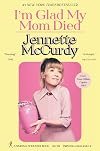
Disclaimer: My first review ever. So, please bear with me as I'm not familiar with the rules surrounding analyzing books and critiquing the way they're written. This review contains spoilers, so if you haven't read the book and you plan on it, skip over this review. Don't say I didn't warn you. 😌
Brave, kind, loyal, sweet, loving, graceful, strong, thoughtful, funny, genuine, hopeful, playful, insightful, and on and on… Was she, though? Was she any of those things? The words make me angry. I can’t look at them any longer.
Jennette, if you ever happen to read this review. Congratulations. Congratulations on coming to terms with yourself, realizing that acting isn't for you, and finding something that suits you best. Congratulations on acknowledging the damage your mom did to your life and coming to terms with the fact that she isn't perfect because she's your mother. There are so many other things I can congratulate you for— but I'm gonna try to shorten this up because I have too many things to say about this book.
This book is very raw and digs deep into how and why Jennette became an actress. It digs deep into how mothers, yes, mothers, can and do exploit their daughters for their own personal benefits. You'd be shocked to know these kinds of parents exist, and sadly, they do. Even in the West, where child abuse is looked down upon and addressed by millions of activists.
Moms are saints. Angels by merely existing. NO ONE could possibly understand what it’s like to show more be a mom. Men will never understand. Women with no children will never understand. No one but moms know the hardship of motherhood, and we non-moms must heap nothing but praise upon moms because we lowly, pitiful non-moms are mere peasants compared to the goddesses we call mothers.
This passage right here is much too relatable. Everyone glorifies mothers and motherhood. And yes, a lot of us do romanticize the dead, regardless of how badly they lived their lives.
Keep in mind that Jennette McCurdy's mother, Debra McCurdy, was described as Brave, kind, loyal, sweet, loving, graceful, strong, thoughtful, funny, genuine, hopeful, playful, insightful, and on and on...
That's all just a bunch of romanticism. Debra was an evil woman while she was alive. She showered her children into their teenage years and went as far as doing breast and vaginal exams on Jennette to check for cancer. What kind of mother showers her daughter with her brother and does breast and vaginal exams on her to check for cancer? Only professionals can accurately examine a person for cancer.
If you read the passage below, you'll be utterly disgusted by what the mother used to do.
Mom showers me with Scottie sometimes. He’s almost sixteen at this point.
This was just one of the many WTF moments for me in the book. I was utterly disgusted and horrified by the idea of a mother showering her children, male and female, together. And do you know how Debra felt when her son asked her if he could shower himself?
Scott asked if he could shower himself once. Mom sobbed and said she didn’t want him to grow up so he never asked again after that.
Absolute disgusting and predatory behavior. My son wants to shower himself because he's hit puberty, is mature, and doesn't feel comfortable naked around others. So I sob to make him feel guilty and allow me to touch his body inappropriately. On top of that, I perform these cancer prevention exams on my naked daughter in front of him. WTF.
Another thing that just didn't settle with me was how Debra constantly enforced anorexic thoughts and beliefs onto Jennette. Whenever Jennette was at a healthy weight and was eating, Debra would be furious. In one scene, Debra starts making Jennette eat sugar-free popsicles and diet foods, and when other people begin to notice and start questioning whether Jennette has anorexia or not, she dismisses them as dramatic. And we all know how implementing anorexic thoughts into a child affects them in their childhood. If you don't, please read the book. It brings a lot of light to the abuse Jennette has endured for the majority of her life.
Even when Jennette is older, her mother begins to have a lot of control over her choices and how her body looks.
“Net, what happened?” She doesn’t face me when she asks it. She stays looking out the window at the bumper-to-bumper traffic on the 5.
“You’re getting chunky.”
“I know. I’m sorry.”
“We’ve gotta get you on a diet. This is getting out of hand.” “I know.”
One day, Jennette's mother happens to find out about Jennette dating an older guy by the name of Joe. While I never approved of Jennette's relationship with Joe because he cheated on his girlfriend to be with her and because of how he treated Jennette and the terrible things he made her do, the email Jennette received from her mother tells me everything I need to know about this woman.
Debra, did you seriously think Jennette should send you money for a new fridge after you just cussed her out and denied ever being her mother? In addition to that, you body-shamed her and called her ugly in every way possible, and she has to send you money to fix the damn fridge as if you don't have money to fix it yourself. Seriously? WTF again.
Dear Net, I am so disappointed in you. You used to be my perfect little angel, but now you are nothing more than a little SLUT, a FLOOZY, ALL USED UP. And to think—you wasted it on that hideous OGRE of a man. I saw the pictures on a website called TMZ—I saw you in Hawaii with him. I saw you rubbing his disgusting hairy stomach. I KNEW you were lying about Colton. Add that to the list of things you are—LIAR, CONNIVING, EVIL. You look pudgier, too. It’s clear you’re EATING YOUR GUILT. Thinking of you with his ding dong inside of you makes me sick. SICK. I raised you better than this. What happened to my good little girl? Where did she go? And who is this MONSTER that has replaced her? You’re an UGLY MONSTER now. I told your brothers about you and they all said they disown you just like I do. We want nothing to do with you. Love, Mom (or should I say DEB since I am no longer your mother) P.S. Send money for a new fridge. Ours broke.
And the worst part is, after her mother died, Jennette's anorexia developed into bulimia, and this is what she felt.
The truth is that I wish I had anorexia, not bulimia. I’m pining for anorexia. I’ve grown humiliated by bulimia, which I used to think of as the best of both worlds—eat what you want, throw it all up, stay thin. But now it doesn’t feel like the best of both worlds. It feels terrible. I’m filled with so much shame and anxiety every time after I eat, I literally don’t know what to do to make myself feel better except throw up. And after I’m done, I half do. Half of me feels depleted, exhausted, like there’s nothing left, which is helpful. The other half of me now has a splitting headache, a sore throat, vomit sliding down my arm and tangled in my hair, and even more shame on top of the initial shame since now I’ve not only eaten but thrown up, too. Bulimia is not the answer.
I'm so glad all this BS Jennette handled is now over. Maybe it isn't. She might still be healing and growing from this, and I'm so proud. I hope all teenage girls get access to this book. Stop romanticizing evil mothers and making them look like angels.
I'm sorry this review was so long and boring. I just wanted to give a detailed overview of why I feel so strongly about this book and Jennette's mother. It's my first time, so I don't have a lot of experience and don't have a full understanding of the rules.
Jenn, if you're reading this, you're awesome and you're a big inspiration to me and multiple other girls. I'm gonna write a book inspired by your memoir.
Peace, y'all! ✌️🌠 show less
Brave, kind, loyal, sweet, loving, graceful, strong, thoughtful, funny, genuine, hopeful, playful, insightful, and on and on… Was she, though? Was she any of those things? The words make me angry. I can’t look at them any longer.
Jennette, if you ever happen to read this review. Congratulations. Congratulations on coming to terms with yourself, realizing that acting isn't for you, and finding something that suits you best. Congratulations on acknowledging the damage your mom did to your life and coming to terms with the fact that she isn't perfect because she's your mother. There are so many other things I can congratulate you for— but I'm gonna try to shorten this up because I have too many things to say about this book.
This book is very raw and digs deep into how and why Jennette became an actress. It digs deep into how mothers, yes, mothers, can and do exploit their daughters for their own personal benefits. You'd be shocked to know these kinds of parents exist, and sadly, they do. Even in the West, where child abuse is looked down upon and addressed by millions of activists.
Moms are saints. Angels by merely existing. NO ONE could possibly understand what it’s like to show more be a mom. Men will never understand. Women with no children will never understand. No one but moms know the hardship of motherhood, and we non-moms must heap nothing but praise upon moms because we lowly, pitiful non-moms are mere peasants compared to the goddesses we call mothers.
This passage right here is much too relatable. Everyone glorifies mothers and motherhood. And yes, a lot of us do romanticize the dead, regardless of how badly they lived their lives.
Keep in mind that Jennette McCurdy's mother, Debra McCurdy, was described as Brave, kind, loyal, sweet, loving, graceful, strong, thoughtful, funny, genuine, hopeful, playful, insightful, and on and on...
That's all just a bunch of romanticism. Debra was an evil woman while she was alive. She showered her children into their teenage years and went as far as doing breast and vaginal exams on Jennette to check for cancer. What kind of mother showers her daughter with her brother and does breast and vaginal exams on her to check for cancer? Only professionals can accurately examine a person for cancer.
If you read the passage below, you'll be utterly disgusted by what the mother used to do.
Mom showers me with Scottie sometimes. He’s almost sixteen at this point.
This was just one of the many WTF moments for me in the book. I was utterly disgusted and horrified by the idea of a mother showering her children, male and female, together. And do you know how Debra felt when her son asked her if he could shower himself?
Scott asked if he could shower himself once. Mom sobbed and said she didn’t want him to grow up so he never asked again after that.
Absolute disgusting and predatory behavior. My son wants to shower himself because he's hit puberty, is mature, and doesn't feel comfortable naked around others. So I sob to make him feel guilty and allow me to touch his body inappropriately. On top of that, I perform these cancer prevention exams on my naked daughter in front of him. WTF.
Another thing that just didn't settle with me was how Debra constantly enforced anorexic thoughts and beliefs onto Jennette. Whenever Jennette was at a healthy weight and was eating, Debra would be furious. In one scene, Debra starts making Jennette eat sugar-free popsicles and diet foods, and when other people begin to notice and start questioning whether Jennette has anorexia or not, she dismisses them as dramatic. And we all know how implementing anorexic thoughts into a child affects them in their childhood. If you don't, please read the book. It brings a lot of light to the abuse Jennette has endured for the majority of her life.
Even when Jennette is older, her mother begins to have a lot of control over her choices and how her body looks.
“Net, what happened?” She doesn’t face me when she asks it. She stays looking out the window at the bumper-to-bumper traffic on the 5.
“You’re getting chunky.”
“I know. I’m sorry.”
“We’ve gotta get you on a diet. This is getting out of hand.” “I know.”
One day, Jennette's mother happens to find out about Jennette dating an older guy by the name of Joe. While I never approved of Jennette's relationship with Joe because he cheated on his girlfriend to be with her and because of how he treated Jennette and the terrible things he made her do, the email Jennette received from her mother tells me everything I need to know about this woman.
Debra, did you seriously think Jennette should send you money for a new fridge after you just cussed her out and denied ever being her mother? In addition to that, you body-shamed her and called her ugly in every way possible, and she has to send you money to fix the damn fridge as if you don't have money to fix it yourself. Seriously? WTF again.
Dear Net, I am so disappointed in you. You used to be my perfect little angel, but now you are nothing more than a little SLUT, a FLOOZY, ALL USED UP. And to think—you wasted it on that hideous OGRE of a man. I saw the pictures on a website called TMZ—I saw you in Hawaii with him. I saw you rubbing his disgusting hairy stomach. I KNEW you were lying about Colton. Add that to the list of things you are—LIAR, CONNIVING, EVIL. You look pudgier, too. It’s clear you’re EATING YOUR GUILT. Thinking of you with his ding dong inside of you makes me sick. SICK. I raised you better than this. What happened to my good little girl? Where did she go? And who is this MONSTER that has replaced her? You’re an UGLY MONSTER now. I told your brothers about you and they all said they disown you just like I do. We want nothing to do with you. Love, Mom (or should I say DEB since I am no longer your mother) P.S. Send money for a new fridge. Ours broke.
And the worst part is, after her mother died, Jennette's anorexia developed into bulimia, and this is what she felt.
The truth is that I wish I had anorexia, not bulimia. I’m pining for anorexia. I’ve grown humiliated by bulimia, which I used to think of as the best of both worlds—eat what you want, throw it all up, stay thin. But now it doesn’t feel like the best of both worlds. It feels terrible. I’m filled with so much shame and anxiety every time after I eat, I literally don’t know what to do to make myself feel better except throw up. And after I’m done, I half do. Half of me feels depleted, exhausted, like there’s nothing left, which is helpful. The other half of me now has a splitting headache, a sore throat, vomit sliding down my arm and tangled in my hair, and even more shame on top of the initial shame since now I’ve not only eaten but thrown up, too. Bulimia is not the answer.
I'm so glad all this BS Jennette handled is now over. Maybe it isn't. She might still be healing and growing from this, and I'm so proud. I hope all teenage girls get access to this book. Stop romanticizing evil mothers and making them look like angels.
I'm sorry this review was so long and boring. I just wanted to give a detailed overview of why I feel so strongly about this book and Jennette's mother. It's my first time, so I don't have a lot of experience and don't have a full understanding of the rules.
Jenn, if you're reading this, you're awesome and you're a big inspiration to me and multiple other girls. I'm gonna write a book inspired by your memoir.
Peace, y'all! ✌️🌠 show less