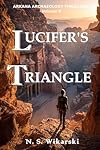
A brilliant expedition into history!
Illinois author Nancy Wikarski earned her PhD from the University of Chicago, served in positions in corporate America, and now writes historical mysteries while being a member of Sisters in Crime-Twin Cities, Mystery Writers of America, and the Society of Midland Authors. LUCIFER’S TRIANGLE is Book 8 of her Arkana series that explores the latest archaeological discoveries about pre-patriarchal cultures around the planet, weaving these facts into fictional artifact hunts. Or as the author summarizes, ‘In the Middle East, a simple retrieval mission turns deadly as Arkana agents dodge would-be assassins, religious zealots, and a clever insurgent who plans to burn Jerusalem to the ground.’
The flavor of this fascinating volume is established as the plot opens in Isarel: ‘A man wearing a dark business suit, white dress shirt, and very expensive designer tie strolled over to the edge of the observation deck topping the Tower of David. It was the highest point in the old city of Jerusalem and afforded a view for miles in every direction. He removed his sunglasses and took a moment to enjoy the fine spring morning. It was still too early for the incessant buzz of tourists who would arrive in a few hours to inspect every nook and cranny of the old city. At this time of day, it was almost possible to believe that the place belonged entirely to him. He savored the notion, albeit briefly. In reality, the city belonged to the world and its show more three fractious monotheistic religions…’ And so we meet Lucifer, and epic unfolds!
Wikarski wisely quotes Diderot in an Epigraph before the story opens: ‘The most dangerous madmen are those created by religion, and people whose aim is to disrupt society always know how to make good use of them.’ This is a fascinating reading experience! show less
Illinois author Nancy Wikarski earned her PhD from the University of Chicago, served in positions in corporate America, and now writes historical mysteries while being a member of Sisters in Crime-Twin Cities, Mystery Writers of America, and the Society of Midland Authors. LUCIFER’S TRIANGLE is Book 8 of her Arkana series that explores the latest archaeological discoveries about pre-patriarchal cultures around the planet, weaving these facts into fictional artifact hunts. Or as the author summarizes, ‘In the Middle East, a simple retrieval mission turns deadly as Arkana agents dodge would-be assassins, religious zealots, and a clever insurgent who plans to burn Jerusalem to the ground.’
The flavor of this fascinating volume is established as the plot opens in Isarel: ‘A man wearing a dark business suit, white dress shirt, and very expensive designer tie strolled over to the edge of the observation deck topping the Tower of David. It was the highest point in the old city of Jerusalem and afforded a view for miles in every direction. He removed his sunglasses and took a moment to enjoy the fine spring morning. It was still too early for the incessant buzz of tourists who would arrive in a few hours to inspect every nook and cranny of the old city. At this time of day, it was almost possible to believe that the place belonged entirely to him. He savored the notion, albeit briefly. In reality, the city belonged to the world and its show more three fractious monotheistic religions…’ And so we meet Lucifer, and epic unfolds!
Wikarski wisely quotes Diderot in an Epigraph before the story opens: ‘The most dangerous madmen are those created by religion, and people whose aim is to disrupt society always know how to make good use of them.’ This is a fascinating reading experience! show less
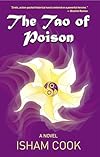
Interesting culture and a country I am not familiar with. Like story but not so much how the poison is transferred to another and it does make them die.
Story follows a young girl and an event in the neighborhood causses a man to die and some are brought to justice. The young girl must leave and her parents head in a different direction from her hoping to meet up again one day.
We find out how the girl has been taking a poison for her whole life and she's very knowledgably in the herbs of the world and what they can do for one. She is able to survive because of her skills. Others see her as another and some welcome her to join them. Like the different cultures that are mixed up in this story and learning about them. So much danger for a young woman in the world as she tries to reach destinations she's heard about.
Brutality, mysteries, mystical occurrences, travel, and so much more in this story.
Like the strategies during the battles and the outcome. Entertaining.
Story follows a young girl and an event in the neighborhood causses a man to die and some are brought to justice. The young girl must leave and her parents head in a different direction from her hoping to meet up again one day.
We find out how the girl has been taking a poison for her whole life and she's very knowledgably in the herbs of the world and what they can do for one. She is able to survive because of her skills. Others see her as another and some welcome her to join them. Like the different cultures that are mixed up in this story and learning about them. So much danger for a young woman in the world as she tries to reach destinations she's heard about.
Brutality, mysteries, mystical occurrences, travel, and so much more in this story.
Like the strategies during the battles and the outcome. Entertaining.
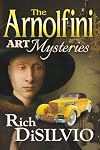
Have you ever read a mystery where you end up Googling paintings, artists, and historical references in the middle of reading because the story makes you that curious? That was basically my experience with The Arnolfini Art Mysteries by Rich DiSilvio.
I picked up The Arnolfini Art Mysteries thinking it would be a straightforward detective read, but it quickly became much more engaging than I expected. Armand Arnolfini is the kind of character who instantly makes you want to keep turning pages. He’s sharp, curious, and has that classic investigator charm, but what really makes him interesting is his deep connection to the art world. Every mystery feels unique because it’s tied to paintings, history, and the hidden stories behind them.
If you like mysteries that feel a little smarter, a little more cultured, and a lot more original than the average detective story, The Arnolfini Art Mysteries by Rich DiSilvio is definitely worth picking up. It’s clever, atmospheric, and just genuinely fun to read.
I picked up The Arnolfini Art Mysteries thinking it would be a straightforward detective read, but it quickly became much more engaging than I expected. Armand Arnolfini is the kind of character who instantly makes you want to keep turning pages. He’s sharp, curious, and has that classic investigator charm, but what really makes him interesting is his deep connection to the art world. Every mystery feels unique because it’s tied to paintings, history, and the hidden stories behind them.
If you like mysteries that feel a little smarter, a little more cultured, and a lot more original than the average detective story, The Arnolfini Art Mysteries by Rich DiSilvio is definitely worth picking up. It’s clever, atmospheric, and just genuinely fun to read.
A Stone's Throw: A heartwarming story of a city girl and her rancher grandfather turning adversity into love and community by Wayne Edwards
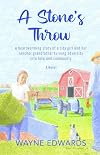
This is a book that gathers its light slowly.
At first, it seems to be moving from one kind of loss to another. A hospital room in San Francisco. An orphanage. A long road to eastern Montana beside a grandfather who feels more like weathered stone than family. But Wayne Edwards is patient with the distance between people. He lets distrust sit at the table. He lets silence do its work.
Maggie is the clear center of the novel, and what makes her memorable is not simply her resilience, though she has plenty of that. It is the way she keeps adjusting to each new room she is placed in, each new set of rules, each new absence. She is angry, frightened, capable, observant. She learns ranch chores, drives Ol’ Blue, writes letters to a mother who may never answer, and slowly begins to understand that love can arrive late and still matter.
Ira could have been written as only a hard old rancher, all bark and weather. Instead, he becomes one of the book’s quietest achievements. His tenderness is awkward, hidden under scolding and routine, but it accumulates. A birthday gift in the barn. A note on the kitchen table. The permission to call him Papa. These moments do not announce themselves loudly. They land because the book has earned them.
What stayed with me most was not one dramatic scene, but the image of Maggie at the pond, speaking to the dead as if they are still within reach. That is what the novel is really about, I think. Not only healing, but the strange geography of show more belonging. How a place can become home before the heart is ready to admit it.
It is a warm book, but not a shallow one. It understands that comfort is often built from grief, labor, animals, weather, and the slow mercy of being needed.
I finished it quietly. It lingered there. show less
At first, it seems to be moving from one kind of loss to another. A hospital room in San Francisco. An orphanage. A long road to eastern Montana beside a grandfather who feels more like weathered stone than family. But Wayne Edwards is patient with the distance between people. He lets distrust sit at the table. He lets silence do its work.
Maggie is the clear center of the novel, and what makes her memorable is not simply her resilience, though she has plenty of that. It is the way she keeps adjusting to each new room she is placed in, each new set of rules, each new absence. She is angry, frightened, capable, observant. She learns ranch chores, drives Ol’ Blue, writes letters to a mother who may never answer, and slowly begins to understand that love can arrive late and still matter.
Ira could have been written as only a hard old rancher, all bark and weather. Instead, he becomes one of the book’s quietest achievements. His tenderness is awkward, hidden under scolding and routine, but it accumulates. A birthday gift in the barn. A note on the kitchen table. The permission to call him Papa. These moments do not announce themselves loudly. They land because the book has earned them.
What stayed with me most was not one dramatic scene, but the image of Maggie at the pond, speaking to the dead as if they are still within reach. That is what the novel is really about, I think. Not only healing, but the strange geography of show more belonging. How a place can become home before the heart is ready to admit it.
It is a warm book, but not a shallow one. It understands that comfort is often built from grief, labor, animals, weather, and the slow mercy of being needed.
I finished it quietly. It lingered there. show less
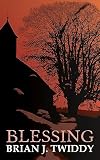
There's something quietly powerful about a book that asks “what does it mean to belong?” Blessing by Brian J. Twiddy holds that question across three interwoven lives Devon, a Jamaican immigrant building a life in 1980s London through sheer will and complicated choices; Ben, a pastor whose healing ministry blurs faith and ego; and Maeve, a teenage girl managing lupus and the weight of loving someone who isn't her biological parent.
I felt that Twiddy earns his emotional moments. Devon's story, in particular, hit something real for me that particular exhaustion of fitting in while erasing the parts of yourself that don't translate. He's not always likable, but he's achingly human. The ambition, the infidelity, the running away from everything that asks too much of him I understood it even when I didn't excuse it.
But it was Maeve I couldn't stop thinking about. I appreciated how her lupus shapes her entire relationship with the world the social isolation, the cruel school dynamics, the complicated reliance on treatments that never quite cure anything. As someone who has spent a lot of time around people navigating chronic illness and a healthcare system that often fails them, I felt the truth in how Twiddy writes her exhaustion. Not just the physical kind.
I liked that this novel refuses simple redemption arcs. Faith doesn't fix everything. Parents disappoint. Bodies fail. And still, people build something found family, flower shops, imperfect love.
This is a generous, show more layered piece of work. It moves between characters with patience, and it treats marginalized lives immigrant, chronically ill, working-class with dignity. I enjoyed it. show less
I felt that Twiddy earns his emotional moments. Devon's story, in particular, hit something real for me that particular exhaustion of fitting in while erasing the parts of yourself that don't translate. He's not always likable, but he's achingly human. The ambition, the infidelity, the running away from everything that asks too much of him I understood it even when I didn't excuse it.
But it was Maeve I couldn't stop thinking about. I appreciated how her lupus shapes her entire relationship with the world the social isolation, the cruel school dynamics, the complicated reliance on treatments that never quite cure anything. As someone who has spent a lot of time around people navigating chronic illness and a healthcare system that often fails them, I felt the truth in how Twiddy writes her exhaustion. Not just the physical kind.
I liked that this novel refuses simple redemption arcs. Faith doesn't fix everything. Parents disappoint. Bodies fail. And still, people build something found family, flower shops, imperfect love.
This is a generous, show more layered piece of work. It moves between characters with patience, and it treats marginalized lives immigrant, chronically ill, working-class with dignity. I enjoyed it. show less
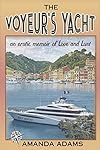
Okay, this book promised luxury yacht, Europe, chaos, and lust, and it absolutely delivered. Mandy starts out chasing love in Paris with sweet Michael, then the story keeps getting bigger and wilder as the trip moves through Verona and Portofino and onto Vitorrio’s yacht, where glamour, voyeurism, money, and very messy desire all get poured into one very shiny cocktail. I had such a good time with the sheer audacity of it. The travel fantasy is strong, the book knows exactly what kind of fantasy it wants to serve, and Magic Monty honestly kept sneaking off with the scenes for me.
And…… there is an actual emotional shift under all the heat. Michael brings the first rush. Derek brings the more romantic turn. That contrast gave the story more shape than I expected, and I weirdly did get attached to Mandy trying to figure out whether she was chasing love, lust, or just the next dazzling version of herself.
So if you want a glossy, very explicit, wildly indulgent European escape, this is very much your book ✨ I finished it feeling like I had just stumbled off a yacht at sunrise.
And…… there is an actual emotional shift under all the heat. Michael brings the first rush. Derek brings the more romantic turn. That contrast gave the story more shape than I expected, and I weirdly did get attached to Mandy trying to figure out whether she was chasing love, lust, or just the next dazzling version of herself.
So if you want a glossy, very explicit, wildly indulgent European escape, this is very much your book ✨ I finished it feeling like I had just stumbled off a yacht at sunrise.
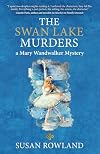
Okay so. I picked this up because "swan lake but make it a murder investigation and also there are real witches" is genuinely the most unhinged premise I have encountered in a long time, and I mean that with my whole heart.
Mary Wandwalker is everything. Early sixties, grey bob, absolutely does not suffer fools. She gets hired by the most infuriating politician imaginable to dig up dirt on a sorcerer, and what she actually ends up doing is chasing a missing fifteen year old ballerina into a retreat centre full of witch therapists while a hurricane closes in. I did not see that coming. None of it. The moment the storm hit that Thames boat I was gripping my phone like something was going to happen to me personally.
The Holywell section is where this book lives. It is cosy and sinister at the same time and I cannot explain how Susan Rowland pulled that off but she did.
And then the ending, which does something I did not expect a mystery to do, which is leave you feeling genuinely better about women and swans and the world. I needed a minute after that last image of Irina dancing. Five stars. Still thinking about it……
Mary Wandwalker is everything. Early sixties, grey bob, absolutely does not suffer fools. She gets hired by the most infuriating politician imaginable to dig up dirt on a sorcerer, and what she actually ends up doing is chasing a missing fifteen year old ballerina into a retreat centre full of witch therapists while a hurricane closes in. I did not see that coming. None of it. The moment the storm hit that Thames boat I was gripping my phone like something was going to happen to me personally.
The Holywell section is where this book lives. It is cosy and sinister at the same time and I cannot explain how Susan Rowland pulled that off but she did.
And then the ending, which does something I did not expect a mystery to do, which is leave you feeling genuinely better about women and swans and the world. I needed a minute after that last image of Irina dancing. Five stars. Still thinking about it……
Counsel, the Courtroom Is Open: Lessons from More Than a Half-Century in Law and Life by Mark C. Zauderer
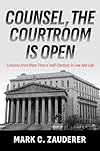
I thoroughly enjoyed Counsel, the Courtroom Is Open: Lessons from More Than a Half-Century in Law and Life by Mark C. Zauderer. Reading this book felt like sitting with an experienced mentor who shares wisdom earned through decades of experience. I especially liked reading about his early life and his relationship with his parents and his upbringing. The stories are engaging, insightful, and often deeply personal. I appreciated how the author blends legal insight with thoughts on character, integrity, and resilience. The book is inspiring and thought-provoking. As a memoir, this is one of the best with incredible insight well beyond the courtroom.
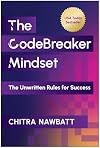
What Chitra Nawbatt sets out to do here is not modest. This is not simply a book about ambition, nor merely a manual for career advancement; it is an attempt to name the hidden structures that govern advancement, and then to offer readers a usable framework for moving through them with greater clarity. The central idea, which she calls the CodeBreaker Mindset Equation, joins written rules, unwritten rules, pivots, serendipity, and informed intuition into a model of professional judgment. Abstract on paper, certainly, but in practice more grounded than that summary suggests.
What makes the book credible is that Nawbatt does not rely on exhortation alone. She threads the argument through autobiography, most effectively in the sections on her family history and early professional formation, where the cost of learning these codes is rendered rather than merely asserted. An especially strong scene involves her grandfather, publicly diminished by a more powerful businessman and yet refusing either self abasement or theatrical retaliation; the lesson in conduct is quiet, specific, and memorable. The book also benefits from its broad cast of interviewed leaders, whose perspectives keep the argument from collapsing into a single success story. By the final chapter, where Nawbatt gathers her fragments into a restrained argument for creation, service, and courage, the ending feels earned.
Recommended to readers who want guidance that is lucid, deliberate, and honest about the show more invisible terms on which advancement so often depends. show less
What makes the book credible is that Nawbatt does not rely on exhortation alone. She threads the argument through autobiography, most effectively in the sections on her family history and early professional formation, where the cost of learning these codes is rendered rather than merely asserted. An especially strong scene involves her grandfather, publicly diminished by a more powerful businessman and yet refusing either self abasement or theatrical retaliation; the lesson in conduct is quiet, specific, and memorable. The book also benefits from its broad cast of interviewed leaders, whose perspectives keep the argument from collapsing into a single success story. By the final chapter, where Nawbatt gathers her fragments into a restrained argument for creation, service, and courage, the ending feels earned.
Recommended to readers who want guidance that is lucid, deliberate, and honest about the show more invisible terms on which advancement so often depends. show less