
This historical novel did not emotionally engage to some of our group’s complete satisfaction. It was thought the characters not ‘fleshed out’ enough and they held little substance for the reader. There was also the view that Charles Strutt was a little unrealistic, as was the voyage itself … things seemed just a little to pleasant and easy for the girls.
There were those who disagreed or course, stating that by the mid 1800s they had largely improved the route to Australia and the conditions in which free immigrants travelled.
Our conversation led to the potato famine and the mass exodus from Ireland. Well read as our group is, everyone was aware of this tragic event, but some of us did not realise these young women were brought out to help fill the shortage of female labour in a new and developing Australia.
Ethical or not, these girls faced a frightening and unfamiliar future and most of our group felt the author did an admirable job of mixing fact with fiction, even if the characters lacked a certain amount of essence.
If Australian history is your thing, you will enjoy this novel from a restrained, yet very readable author.
There were those who disagreed or course, stating that by the mid 1800s they had largely improved the route to Australia and the conditions in which free immigrants travelled.
Our conversation led to the potato famine and the mass exodus from Ireland. Well read as our group is, everyone was aware of this tragic event, but some of us did not realise these young women were brought out to help fill the shortage of female labour in a new and developing Australia.
Ethical or not, these girls faced a frightening and unfamiliar future and most of our group felt the author did an admirable job of mixing fact with fiction, even if the characters lacked a certain amount of essence.
If Australian history is your thing, you will enjoy this novel from a restrained, yet very readable author.
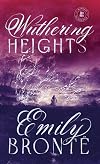
A few of our group were revisiting Wuthering Heights this month, as most had read it in years past, but a classic such as this tends to offer up a little more of itself with each read.
Traditionally, the sense of place encompasses most readers of this novel and the isolation and barrenness of the moors sets the dark mood no matter how many times you read it.
But our discussion fell mostly on the clear class distinctions and the cruel manner the characters had towards each other. We wondered at the Brontes, their way of life and the amount of biographical content within the book.
It was generally agreed that this was a wonderfully written story, even though the dark tone throughout never really let up. The author has written a timeless classic that seems to have survived the generations and still stirs the heart and the mind today.
Our group questioned as to whether Wuthering Heights was a love story or a tragedy. The answer is sure to vary with every reader … but which ever you decide, you could never fail to find the truly timeless and enduring appeal of this masterpiece.
Monday Night Book Club
Traditionally, the sense of place encompasses most readers of this novel and the isolation and barrenness of the moors sets the dark mood no matter how many times you read it.
But our discussion fell mostly on the clear class distinctions and the cruel manner the characters had towards each other. We wondered at the Brontes, their way of life and the amount of biographical content within the book.
It was generally agreed that this was a wonderfully written story, even though the dark tone throughout never really let up. The author has written a timeless classic that seems to have survived the generations and still stirs the heart and the mind today.
Our group questioned as to whether Wuthering Heights was a love story or a tragedy. The answer is sure to vary with every reader … but which ever you decide, you could never fail to find the truly timeless and enduring appeal of this masterpiece.
Monday Night Book Club

It is always clearly obvious when a special book passes through our book club. The comments and speculation on theme, plot and style start early, long before the scheduled discussion, and the general vibe during the meeting is turned up a notch or two.
Such was the case this month with David Mitchell’s latest novel The Bone Clocks. This book is so cram-packed with discussion material, it is hard to know where to start. The struggle between good and evil is clearly the over-riding theme, but Mitchell does this age-old conflict with such a new and exciting mix of realism and fantasy that he creates a literary vortex of deception, trickery and fifth dimensional combat. Once in there, literally impossible to pull out!
Not to everyone’s taste certainly, but the majority of our group loved this book. It breaks many grammatical rules and the narrative style does not come under the category of ‘easy reading’, but Mitchell’s craft of spinning an intertwining, complex tale of other worlds has to be appreciated. The topical subjects that he constantly plants within his plot make what might be a pure fantasy into something relevant.
Also admirable, is the fact that he can organise his stories to include references to his other novels, which are undetectable unless you’ve read them. And we agreed that the reoccurring precense of Holly’s character helped with stablising the story’s course.
It may sound like a difficult read, and some of us checked out the many online show more reviews to help with some clarifications of plot, (there are moments when a reader can easily get lost) and some found copious notes helped, but either way, it was a great effort by everyone to tackle this book and the majority of us feel it was an amazing read … one that scored high and will no doubt be a strong contender for our favourite book this year. show less
Such was the case this month with David Mitchell’s latest novel The Bone Clocks. This book is so cram-packed with discussion material, it is hard to know where to start. The struggle between good and evil is clearly the over-riding theme, but Mitchell does this age-old conflict with such a new and exciting mix of realism and fantasy that he creates a literary vortex of deception, trickery and fifth dimensional combat. Once in there, literally impossible to pull out!
Not to everyone’s taste certainly, but the majority of our group loved this book. It breaks many grammatical rules and the narrative style does not come under the category of ‘easy reading’, but Mitchell’s craft of spinning an intertwining, complex tale of other worlds has to be appreciated. The topical subjects that he constantly plants within his plot make what might be a pure fantasy into something relevant.
Also admirable, is the fact that he can organise his stories to include references to his other novels, which are undetectable unless you’ve read them. And we agreed that the reoccurring precense of Holly’s character helped with stablising the story’s course.
It may sound like a difficult read, and some of us checked out the many online show more reviews to help with some clarifications of plot, (there are moments when a reader can easily get lost) and some found copious notes helped, but either way, it was a great effort by everyone to tackle this book and the majority of us feel it was an amazing read … one that scored high and will no doubt be a strong contender for our favourite book this year. show less

This month our club decided to read a selection of Joanne Harris novels and share our thoughts and opinions on her style and story lines. This is an interesting exercise, as the discussion can lead to a curious and fascinating look into an author’s writing technique.
Cheryle and Delia read Five Quarters of the Orange and enjoyed its strong story line and well developed characters of German occupated France. The setting of France is a frequent backdrop in Harris’s novels.
Sandra, who read Lollipop Shoes set in Paris, thoroughly enjoyed this sequel to Chocolat and as she will be visiting Paris soon, was really taken with the location.
Kathy read Peaches for Monseiur Le Cure, the third novel in the Chocolat saga and found it very interesting. Harris tackled the muslim issue in today’s France for her ever present conflict theme. Something we all recognised as a common thread in her story lines.
Sandra (No. 2) chose Harris’s collection of short stories, A Cat, a Hat and a Piece of String and found it very enjoyable. She is a lover of short stories and although not all of them were to her liking, she did find it a worthwhile read. There are links to her novels scattered throughout, and we found one with Blueeyedboy, a tale of the computer generation and what it means to be anonomous in this day and age.
Quite removed from her usual theme, Blueeyedboy is a distrubing story of mental health and the isolating of individuals through on-line communties. If you are a lover of show more Harris and her French connection, you are unlikely to take to BEB, nevertheless, curiousity may get the better of you, as it did with Cheryle, who decided to give it a try. Discovery through reading should always be encouraged and we look forward to hearing what she makes of it. show less
Cheryle and Delia read Five Quarters of the Orange and enjoyed its strong story line and well developed characters of German occupated France. The setting of France is a frequent backdrop in Harris’s novels.
Sandra, who read Lollipop Shoes set in Paris, thoroughly enjoyed this sequel to Chocolat and as she will be visiting Paris soon, was really taken with the location.
Kathy read Peaches for Monseiur Le Cure, the third novel in the Chocolat saga and found it very interesting. Harris tackled the muslim issue in today’s France for her ever present conflict theme. Something we all recognised as a common thread in her story lines.
Sandra (No. 2) chose Harris’s collection of short stories, A Cat, a Hat and a Piece of String and found it very enjoyable. She is a lover of short stories and although not all of them were to her liking, she did find it a worthwhile read. There are links to her novels scattered throughout, and we found one with Blueeyedboy, a tale of the computer generation and what it means to be anonomous in this day and age.
Quite removed from her usual theme, Blueeyedboy is a distrubing story of mental health and the isolating of individuals through on-line communties. If you are a lover of show more Harris and her French connection, you are unlikely to take to BEB, nevertheless, curiousity may get the better of you, as it did with Cheryle, who decided to give it a try. Discovery through reading should always be encouraged and we look forward to hearing what she makes of it. show less
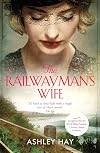
Thanks to our new ‘An Audience With’ program, Wollongong City Libraries book clubs are becoming very experienced in conversing with authors. Couple that with a friendly, open and chatty guest in the form of Ashley Hay, what you have is a wonderfully informative and extremely enjoyable evening!
Most of our clubs have either read or are reading Ashley’s The Railwayman’s Wife, which incidentally is getting the thumbs up all around, so last Tuesday was a great opportunity to learn more about the novel from its creator.
Our questions spanned everything from Hay’s choice of setting (Thirroul, where she grew up), the origins of her characters, and the process of researching a post-war novel to writing poetry and discovering an author’s voice.
Sharing many personal antidotes and imparting what the novel means to her, definitely worked magic on our audience and we all felt just that little bit closer to Anikka, Mac, Frank and Roy. With gentle coaxing Ashley read aloud Roy’s poem and explained the story behind its writing by poet Stephen Edgar. This was such a special treat … Edgar’s poem, which he wrote especially for this novel, came alive under her gentle, quiet voice. The same voice that resounds so clearly in The Railwayman’s Wife.
We look forward to Ashley’s next novel and highly recommend her work and attending any of her talks and presentations. In connecting with her ‘audience’ we give 10 stars!
Most of our clubs have either read or are reading Ashley’s The Railwayman’s Wife, which incidentally is getting the thumbs up all around, so last Tuesday was a great opportunity to learn more about the novel from its creator.
Our questions spanned everything from Hay’s choice of setting (Thirroul, where she grew up), the origins of her characters, and the process of researching a post-war novel to writing poetry and discovering an author’s voice.
Sharing many personal antidotes and imparting what the novel means to her, definitely worked magic on our audience and we all felt just that little bit closer to Anikka, Mac, Frank and Roy. With gentle coaxing Ashley read aloud Roy’s poem and explained the story behind its writing by poet Stephen Edgar. This was such a special treat … Edgar’s poem, which he wrote especially for this novel, came alive under her gentle, quiet voice. The same voice that resounds so clearly in The Railwayman’s Wife.
We look forward to Ashley’s next novel and highly recommend her work and attending any of her talks and presentations. In connecting with her ‘audience’ we give 10 stars!
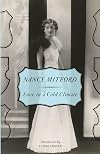
Sometimes a book need be nothing more than just ‘rollicking good fun!’ (as the British upper classes might say) and a perfect description of this month’s classic read Love in a Cold Climate by Nancy Mitford. The over-drawn, preposterous characters had many of us laughing out loud, and once the small but conscious jump is made into Mitford’s writing style, there is nothing but fun to had within the lives of these satirical upper-crust characters.
We all had our favourites … Polly, Lady Montdore, Davey, Cedric, Aunt Emily … the cast is a wonderful mixture of crazy eccentrics that go about their business, never seeing or believing in the absurdity of their world or their part in it. Some of us were able to see people we know (or have known) within the characters, which always brings some enjoyment and a little more perspective to the reading.
We couldn’t find too much to be serious about with this novel. If there was a sober side it was the questionable fact that Polly needed only her beauty to happily exist. Although, we did end up having an interesting conversation on women’s education and marriage in the early 1900s, and the Mitford girls and their rather dubious relationship choices.
To finish, we all agreed with Nancy that Cedric’s parting comment summed up much of the book and was a classic worth noting …
‘So here we all are, my darling, having our lovely cake and eating it too. One’s great aim in life.’
We all had our favourites … Polly, Lady Montdore, Davey, Cedric, Aunt Emily … the cast is a wonderful mixture of crazy eccentrics that go about their business, never seeing or believing in the absurdity of their world or their part in it. Some of us were able to see people we know (or have known) within the characters, which always brings some enjoyment and a little more perspective to the reading.
We couldn’t find too much to be serious about with this novel. If there was a sober side it was the questionable fact that Polly needed only her beauty to happily exist. Although, we did end up having an interesting conversation on women’s education and marriage in the early 1900s, and the Mitford girls and their rather dubious relationship choices.
To finish, we all agreed with Nancy that Cedric’s parting comment summed up much of the book and was a classic worth noting …
‘So here we all are, my darling, having our lovely cake and eating it too. One’s great aim in life.’

This Tasmanian familial history impressed our group this month. Most everyone found the story and its writing well done and cleverly thought out. Often a book that continues to jump back and forth across a timeline can be distracting and lose its audience. Not so here. Koch, a proven skillful storyteller and writer, manages the task with great proficiency, weaving together a tale that is not only historically interesting but also compelling.
The attempt at a Utopia-style community in Nowhere Valley makes for interesting character growth and touches on all those fascinating social issues that are borne of communal living.
A few of us found the descriptive content a little too much, but the story was absorbing enough to keep them reading.
There was also some call for more detail concerning Hugh and his father’s relationship. Just enough to round out their connection, or lack of.
A worthy read for anyone loving history combined with a powerful ancestral account.
The attempt at a Utopia-style community in Nowhere Valley makes for interesting character growth and touches on all those fascinating social issues that are borne of communal living.
A few of us found the descriptive content a little too much, but the story was absorbing enough to keep them reading.
There was also some call for more detail concerning Hugh and his father’s relationship. Just enough to round out their connection, or lack of.
A worthy read for anyone loving history combined with a powerful ancestral account.

With most of our book club missing Peter McAra’s visit the previous week, we began our discussion with all the interesting snippets he made us privy to during his talk. These focused mainly on writing creative non-fiction, eg what to fictionalize and how to make fact into a readable novel. The local content of the novel was also very interesting, covering not only the Hunter Valley, but also the south coast and Dapto, where Maurice and Marcie’s daughter Simone, lived for a time.
We then moved onto letter writing, the important role it once played in our lives and the art of writing a good letter.
The group’s view on the novel itself varied. Some of us thoroughly enjoyed the story and felt it lent itself well to the time and place of 1920s Australia. Maurice’s stint in France and his hard work and efforts in creating Mt Pleasant Winery was highly commended by most, and everyone found the finer points on wine-making interesting. In fact, some would have liked more of this included within the story with less of the actual letters.
However, there were some who found the read not particularly riveting or memorable. They felt it was a little slow with a slightly stilted style, leaving the reader underwhelmed and wanting more from the characters and the storyline in general.
This did not stop us from having an intriguing discussion though … regarding the social popularities of different wines and of course the considerable shift in relationship protocol since the 1920s. show more
As a novel, we decided it told an enjoyable story of romance and relationships converging with hard work and ambition, but does not quite make the grade to notable or remarkable. In saying that, if you like local content and enjoy beautifully written letters, you’ll not regret picking up this one! show less
We then moved onto letter writing, the important role it once played in our lives and the art of writing a good letter.
The group’s view on the novel itself varied. Some of us thoroughly enjoyed the story and felt it lent itself well to the time and place of 1920s Australia. Maurice’s stint in France and his hard work and efforts in creating Mt Pleasant Winery was highly commended by most, and everyone found the finer points on wine-making interesting. In fact, some would have liked more of this included within the story with less of the actual letters.
However, there were some who found the read not particularly riveting or memorable. They felt it was a little slow with a slightly stilted style, leaving the reader underwhelmed and wanting more from the characters and the storyline in general.
This did not stop us from having an intriguing discussion though … regarding the social popularities of different wines and of course the considerable shift in relationship protocol since the 1920s. show more
As a novel, we decided it told an enjoyable story of romance and relationships converging with hard work and ambition, but does not quite make the grade to notable or remarkable. In saying that, if you like local content and enjoy beautifully written letters, you’ll not regret picking up this one! show less

Differing opinions about a book brings out a lively discussion, regardless of the subject matter. But this month’s read gave us fascinating material … music, culture and political struggle with a dash of humour, romance and operatic drama.
When I say differing opinions, our group’s scores for Bel Canto ranged from 2 to 10. The low scores found the story slow and filled with mundane details regarding the hostages’ confined stay. There were also comments regarding the fantastical nature of the story, with little connection to the Lima Crisis of 1996, which it was based on.
Our high scores found the story enthralling with characters that drew you in and moved you emotionally. They found empathy for all of them, hostages and insurgents alike. It was mentioned that music itself became a character and that the whole story read much like an opera (Intentional? We think so), setting a scene, building the characters and rising to a climax.
The story could easily be represented on a stage, so this idea is not unrealistic and it found sound credit with us.
We had a great discussion on opera and how it resonates with people’s emotions. Combined with the cultural variety of the hostages and their evolving relationships, most of us found the whole concept a thoroughly entertaining and worthy read.
When I say differing opinions, our group’s scores for Bel Canto ranged from 2 to 10. The low scores found the story slow and filled with mundane details regarding the hostages’ confined stay. There were also comments regarding the fantastical nature of the story, with little connection to the Lima Crisis of 1996, which it was based on.
Our high scores found the story enthralling with characters that drew you in and moved you emotionally. They found empathy for all of them, hostages and insurgents alike. It was mentioned that music itself became a character and that the whole story read much like an opera (Intentional? We think so), setting a scene, building the characters and rising to a climax.
The story could easily be represented on a stage, so this idea is not unrealistic and it found sound credit with us.
We had a great discussion on opera and how it resonates with people’s emotions. Combined with the cultural variety of the hostages and their evolving relationships, most of us found the whole concept a thoroughly entertaining and worthy read.

Malala Yousafzai’s story gave our group much to ponder. The unthinkable situation in which young women are not permitted an education is not unknown to us, but the courage of Malala and her family in standing up to the Taliban is an inspiring one. Through reading this book, we all learned just a little more about Pakistan, its people and its culture and reconfirmed the historical fact that a supressed people are not a happy or productive people.
The violence and hate that the Yousafzais experienced is hard for us to comprehend, yet they refused to give into to fear, and we were impressed by Malala’s father’s courage and determination. He was a very progressive man, believing strongly in education and knowledge alongside religion and faith. This must have resonated deeply in Malala and although she is still young, her future looks to be headed towards the political stage.
The book itself was slow to get into, but the author’s voice became more mature and distinct as it developed, and her insight into Pakistani culture and Islam was straightforward and clearly spoken. There are many things about her culture that she disagrees with, but she does understand their origins and what they mean to Pakistani people.
We all feel that if someone like Malala was to instruct the West on cultural differences and tolerance, then maybe the world would be in a much better state than it is today.
A very worthwhile read if cultural understanding is of interest to you.
The violence and hate that the Yousafzais experienced is hard for us to comprehend, yet they refused to give into to fear, and we were impressed by Malala’s father’s courage and determination. He was a very progressive man, believing strongly in education and knowledge alongside religion and faith. This must have resonated deeply in Malala and although she is still young, her future looks to be headed towards the political stage.
The book itself was slow to get into, but the author’s voice became more mature and distinct as it developed, and her insight into Pakistani culture and Islam was straightforward and clearly spoken. There are many things about her culture that she disagrees with, but she does understand their origins and what they mean to Pakistani people.
We all feel that if someone like Malala was to instruct the West on cultural differences and tolerance, then maybe the world would be in a much better state than it is today.
A very worthwhile read if cultural understanding is of interest to you.
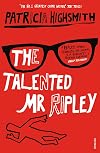
It is rare to have vastly differing opinions on one book, but not unknown to our group … and
something that Highsmith’s Mr Ripley managed this month. Denise found that the constant, repetitive internal dialogue of the main character (Mr Ripley himself) tediously dull and uninspiring. She felt the description of another hotel room, restaurant, train trip etc … would send her over the edge! Not only did she not like Mr Ripley, she had no interest in what would befall him (or those around him) next.
In direct contrast was Anne who thought the whole story clever … a psychological thriller that held her throughout the entire book. The impending likelihood that Ripley would be caught kept the reader in a perpetual state of speculation and doubt.
The perfect result for such a novel.
Other comments tended towards the positive. Some found it ‘quirky and funny’, others thought the sense of place was wonderfully done, bringing Venice in particular alive. We managed to do quite a good job of psychoanalysing Mr Ripley and although we considered him a most unhealthy individual, we mostly agreed that he was not a completely ruthless psychopath. More like your average everyday schizophrenic who sees no obstacle too difficult on the way to his aim. Would he have killed Dickie if the need had not presented itself? This is something we, as mere readers will never know, but the odds are good and thankfully, for those of us who want more of Mr Ripley, Highsmith has provided such show more through two more Ripley adventures – Ripley Under Water and The Boy who Followed Ripley. show less
something that Highsmith’s Mr Ripley managed this month. Denise found that the constant, repetitive internal dialogue of the main character (Mr Ripley himself) tediously dull and uninspiring. She felt the description of another hotel room, restaurant, train trip etc … would send her over the edge! Not only did she not like Mr Ripley, she had no interest in what would befall him (or those around him) next.
In direct contrast was Anne who thought the whole story clever … a psychological thriller that held her throughout the entire book. The impending likelihood that Ripley would be caught kept the reader in a perpetual state of speculation and doubt.
The perfect result for such a novel.
Other comments tended towards the positive. Some found it ‘quirky and funny’, others thought the sense of place was wonderfully done, bringing Venice in particular alive. We managed to do quite a good job of psychoanalysing Mr Ripley and although we considered him a most unhealthy individual, we mostly agreed that he was not a completely ruthless psychopath. More like your average everyday schizophrenic who sees no obstacle too difficult on the way to his aim. Would he have killed Dickie if the need had not presented itself? This is something we, as mere readers will never know, but the odds are good and thankfully, for those of us who want more of Mr Ripley, Highsmith has provided such show more through two more Ripley adventures – Ripley Under Water and The Boy who Followed Ripley. show less
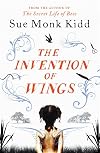
This book started our year on a very positive note. Everyone without exception enjoyed this latest by Sue Monk Kidd. The struggle endured by both slaves and young women of the time brought out our compassion and sense of justice and equality. And although this theme is not a new one, and in fact often found in novel form, the switching of narrator between Sarah and Handful gave the story a full and enriching feel, leaving the reader with a completely satisfying experience.
Our discussion centred mostly on the inequality of the early slave years in America and how both sides coped with such an inhuman practice. The fact that those who wished to not own slaves were locked into a way of life that they found repulsive and appalling is sad enough, but then to have no recourse for change makes for a very unhappy life that we all thought would be intolerable. In saying that, we were encouraged to find that the Grimke sisters’ story is true and that their courage and determination against such a world helped to pave the way to a fairer and more ethical way of thinking.
We briefly discussed other books with a similar theme … The Help by Kathryn Stockett and Twelve Years a Slave by Solomon Northup, and agreed that these are stories that must be told, and told again if that is what it takes for us to never again say okay to such a diabolical practice.
Our discussion centred mostly on the inequality of the early slave years in America and how both sides coped with such an inhuman practice. The fact that those who wished to not own slaves were locked into a way of life that they found repulsive and appalling is sad enough, but then to have no recourse for change makes for a very unhappy life that we all thought would be intolerable. In saying that, we were encouraged to find that the Grimke sisters’ story is true and that their courage and determination against such a world helped to pave the way to a fairer and more ethical way of thinking.
We briefly discussed other books with a similar theme … The Help by Kathryn Stockett and Twelve Years a Slave by Solomon Northup, and agreed that these are stories that must be told, and told again if that is what it takes for us to never again say okay to such a diabolical practice.
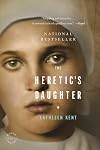
This novel was popular with most of our group. They felt the author created the time and place well, with believable characterisations, great language and descriptive passages. We had a good discussion on mother/daughter relationships and the notorious unpredictability of teenage girls. Joan mentioned the parallel traits of 17th century girls and those of today. Is bullying through a Puritan court the same a bullying through Facebook? We all agreed that the passage of time does little to change human behaviour and went on to discuss the environment of fear that even today is created as a way of controlling society. Do we learn from the past? It would appear not.
Everyone found the account of Martha’s imprisonment graphic and at times hard to read. The combination of mass hysteria, ignorance and superstition had us all reeling from the injustice placed upon these poor people, and found ourselves incredulous of Viti’s story of some relations in a small village in Kent that seriously believed a homeless woman to be a witch. And this was in the 1970s!
There were some criticisms from a few members who found the story too much akin to The Crucible, and felt there was nothing new here. Also the slow start and unlikable personality of the narrator, Sarah, had both Nancy and Chris struggling to appreciate the book. But in general, The Heretic’s Daughter scored high with our group and, like our member Kathy, if you haven’t read The Crucible, you will no doubt thoroughly enjoy show more this one! show less
Everyone found the account of Martha’s imprisonment graphic and at times hard to read. The combination of mass hysteria, ignorance and superstition had us all reeling from the injustice placed upon these poor people, and found ourselves incredulous of Viti’s story of some relations in a small village in Kent that seriously believed a homeless woman to be a witch. And this was in the 1970s!
There were some criticisms from a few members who found the story too much akin to The Crucible, and felt there was nothing new here. Also the slow start and unlikable personality of the narrator, Sarah, had both Nancy and Chris struggling to appreciate the book. But in general, The Heretic’s Daughter scored high with our group and, like our member Kathy, if you haven’t read The Crucible, you will no doubt thoroughly enjoy show more this one! show less
A Train in Winter: An Extraordinary Story of Women, Friendship, and Resistance in Occupied France by Caroline Moorehead
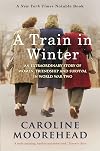
This book was probably not the best choice for this time of year, considering the content, but there were those of us who found an amazing read within its pages, regardless.
The abuse and degradation these resistance fighters experienced in Birkenau is not easy to take in, and we are all aware of the horrors committed during Hitler’s rein, but the story of these women’s strength and endurance under such extreme conditions and cruelty cannot help but impart a real sense of wonder and respect. The bond created by these women attests to the power of human fortitude when pushed to the limits. Was this what helped keep some of them alive? No doubt, although we did comment that some succumbed very early on, before a real connection was formed. Did this make a difference? Unanswerable questions to be sure.
Our conversation extended beyond the women and their plight into the general politics of WW II, Hitler’s strategies and the overall effects of war. The attempted annihilation of the Jewish population took us to a very broad and edifying discussion of multiculturalism, racism and the tenuous condition of the human spirit after extreme suffering. Heavy stuff? Not really. Everyone felt more informed after reading this book and it always feels better to speak about what you have discovered, coming to terms with information that ordinarily would be unacceptable.
In the end, Moorehead summed up the book well with survivor Charlotte and her quote - ‘Looking at me, one would show more think that I’m alive … I’m not alive. I died in Auschwitz, but no one knows it.’ show less
The abuse and degradation these resistance fighters experienced in Birkenau is not easy to take in, and we are all aware of the horrors committed during Hitler’s rein, but the story of these women’s strength and endurance under such extreme conditions and cruelty cannot help but impart a real sense of wonder and respect. The bond created by these women attests to the power of human fortitude when pushed to the limits. Was this what helped keep some of them alive? No doubt, although we did comment that some succumbed very early on, before a real connection was formed. Did this make a difference? Unanswerable questions to be sure.
Our conversation extended beyond the women and their plight into the general politics of WW II, Hitler’s strategies and the overall effects of war. The attempted annihilation of the Jewish population took us to a very broad and edifying discussion of multiculturalism, racism and the tenuous condition of the human spirit after extreme suffering. Heavy stuff? Not really. Everyone felt more informed after reading this book and it always feels better to speak about what you have discovered, coming to terms with information that ordinarily would be unacceptable.
In the end, Moorehead summed up the book well with survivor Charlotte and her quote - ‘Looking at me, one would show more think that I’m alive … I’m not alive. I died in Auschwitz, but no one knows it.’ show less
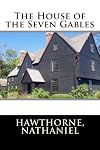
The dark and suppressive nature of a Hawthorne novel is not new to our group. We read The Scarlet Letter a few years ago, so there were no big surprises this month with our return visit to this American classic writer.
It could be the time of year, but most struggled to complete this (what some described as tedious) novel and were at odds to comprehend exactly where Hawthorne meant to go with it. The plot seemed non-existent, which didn’t help getting you through the monotonous rambling descriptions Hawthorne so loves.
We discussed the style that seemed so popular in the day and compared its likeness to Dickens and Bronte. In a time when there was little in the way of visual entertainment, novels of this sort would have been an important diversion from everyday life. So Hawthorne’s long and illustrative narrative may well be daunting to us modern readers, but we can see how it worked in a time of romance novels (when in fact all novels were considered ‘romance’).
The term ‘gothic’ was also bantered around and Cathy, who did not think she would take to this book, found herself quite enjoying this dark, boding tale and believes she could be reading one of the first gothic novels written.
In the end, we decided Hawthorne was able to weave an exemplary kind of magic with his words (his many, many words) and that alone is worthy of consideration, and a read.
It could be the time of year, but most struggled to complete this (what some described as tedious) novel and were at odds to comprehend exactly where Hawthorne meant to go with it. The plot seemed non-existent, which didn’t help getting you through the monotonous rambling descriptions Hawthorne so loves.
We discussed the style that seemed so popular in the day and compared its likeness to Dickens and Bronte. In a time when there was little in the way of visual entertainment, novels of this sort would have been an important diversion from everyday life. So Hawthorne’s long and illustrative narrative may well be daunting to us modern readers, but we can see how it worked in a time of romance novels (when in fact all novels were considered ‘romance’).
The term ‘gothic’ was also bantered around and Cathy, who did not think she would take to this book, found herself quite enjoying this dark, boding tale and believes she could be reading one of the first gothic novels written.
In the end, we decided Hawthorne was able to weave an exemplary kind of magic with his words (his many, many words) and that alone is worthy of consideration, and a read.

This highly acclaimed and awarded novel did little to inspire our group. The mingling of Laura and Ravi’s stories tended to confuse rather than bind, and most of us found ourselves lost in the language rather than thriving in it. Not the reaction we generally look for in a novel.
Therefore, our discussion centred mostly around travel verses tourism, as this was the only real theme we could identify with. In doing so, we shared some wonderful travel stories and chatted about the pros and cons of travelling, where it took us and what we gained from it. Most of us have travelled moderate to extensively, so it was a lively discussion.
This was all very interesting, but what were de Kretser’s questions of travel … in other words, what was she trying to say to us in this novel? Cheryle struggled big time with this book and even tackled it by reading all of Ravi’s story first, then going back and reading Laura’s. Not with any great success, but at least she gave it an honest shot!
In the end we came to the conclusion that literary fiction may not be our ideal read … but as a book club we are always up to the challenge.
Therefore, our discussion centred mostly around travel verses tourism, as this was the only real theme we could identify with. In doing so, we shared some wonderful travel stories and chatted about the pros and cons of travelling, where it took us and what we gained from it. Most of us have travelled moderate to extensively, so it was a lively discussion.
This was all very interesting, but what were de Kretser’s questions of travel … in other words, what was she trying to say to us in this novel? Cheryle struggled big time with this book and even tackled it by reading all of Ravi’s story first, then going back and reading Laura’s. Not with any great success, but at least she gave it an honest shot!
In the end we came to the conclusion that literary fiction may not be our ideal read … but as a book club we are always up to the challenge.

We have tackled some big books this year and Perlman’s The Street Sweeper is the last of them. A sweeping (sorry about the pun) novel of over 500 pages, its story content is dense and at times harrowing, but was given huge praise from the majority of our group.
Some of us did find its volume too daunting and at best ‘just another holocaust story’, but of those that read to the end, it was thought unanimously a well-written, emotional story that horrified yet moved us.
We found Lamont an endearing character and quickly jumped on his bandwagon for the duration of the ride. Adam was intriguing and contained many characteristics of Perlman’s other protagonists, particularly from Three Dollars and Seven Types of Ambiguity.
And then there was the ‘memory’ theme that wove strong throughout the book …
Memory is a willful dog. It won’t be summoned or dismissed but it cannot survive without you. It can sustain you or feed on you. It visits when it is hungry, not when you are. It has a schedule all its own that you can never know, It can capture you, corner you or liberate you. It can leave you howling and it can make you smile.
This paragraph was sighted by a few of us as being very poignant to the storyline, as there were many aspects and views that needed to come together. And in the end history is written by memories … what they contain and what they miss.
Overall The Street Sweeper scored high with our group. An indication that this novel promises a high quality show more read for those looking for such. show less
Some of us did find its volume too daunting and at best ‘just another holocaust story’, but of those that read to the end, it was thought unanimously a well-written, emotional story that horrified yet moved us.
We found Lamont an endearing character and quickly jumped on his bandwagon for the duration of the ride. Adam was intriguing and contained many characteristics of Perlman’s other protagonists, particularly from Three Dollars and Seven Types of Ambiguity.
And then there was the ‘memory’ theme that wove strong throughout the book …
Memory is a willful dog. It won’t be summoned or dismissed but it cannot survive without you. It can sustain you or feed on you. It visits when it is hungry, not when you are. It has a schedule all its own that you can never know, It can capture you, corner you or liberate you. It can leave you howling and it can make you smile.
This paragraph was sighted by a few of us as being very poignant to the storyline, as there were many aspects and views that needed to come together. And in the end history is written by memories … what they contain and what they miss.
Overall The Street Sweeper scored high with our group. An indication that this novel promises a high quality show more read for those looking for such. show less

As Australian novels goes, this was a well-received one with our group. The storyline and plot kept us interested and with believable characters and an unpredictable conclusion, it ticked all the boxes for an enjoyable read.
Opinions did vary slightly when it came to the writing style though. Some felt the descriptive passages enhanced the story, providing a clear, well-defined image of the setting. Yet others found them a little too drawn out. A classic example of how different reader interpretation can work.
At times, the parallel stories (those of Audrey and Samuel), became a little muddled and mingled, so a clear head was needed, no wandering thoughts allowed! And although there were hints scattered throughout, if you were set on working out the mystery of Thornwood House, chances are you missed the boat. We know we did!
The multiple characters and their roles within the story brought to mind a few of our past reads and we felt there was a definite formula to Romer’s writing (that of rural relationships and secrets). In saying that, most of us are keen to read her newest novel Lyrebird Hill, and we welcome this author as a new and upcoming talent on the Australian fiction scene.
Opinions did vary slightly when it came to the writing style though. Some felt the descriptive passages enhanced the story, providing a clear, well-defined image of the setting. Yet others found them a little too drawn out. A classic example of how different reader interpretation can work.
At times, the parallel stories (those of Audrey and Samuel), became a little muddled and mingled, so a clear head was needed, no wandering thoughts allowed! And although there were hints scattered throughout, if you were set on working out the mystery of Thornwood House, chances are you missed the boat. We know we did!
The multiple characters and their roles within the story brought to mind a few of our past reads and we felt there was a definite formula to Romer’s writing (that of rural relationships and secrets). In saying that, most of us are keen to read her newest novel Lyrebird Hill, and we welcome this author as a new and upcoming talent on the Australian fiction scene.

‘Dan Brown meets Enid Blyton’, as summed up by one of our members.
It may be over simplifying this modern take on fantasy-realism (nothing simple about that tag), but it does encapsulate what Mr Penumbra’s Bookstore held in literary terms for our group.
An interesting aspect of reading fresh young authors is our tendency to identify them within our already read literature. Finding something completely new in fiction does not happen often, but this one comes close. Sloan’s blend of today’s cutting edge technology coupled with theological presence, not to mention that fabulous bookstore, had the majority of us compelled to read on. It certainly took us away to somewhere entirely new.
The scores stayed high, 7-8 and it was generally considered to be an entertaining book with simple language and a well thought out plot.
No prizes for guessing what the main topic of discussion was … books, books, books!!
Dapto Last Tuesday Book Club
It may be over simplifying this modern take on fantasy-realism (nothing simple about that tag), but it does encapsulate what Mr Penumbra’s Bookstore held in literary terms for our group.
An interesting aspect of reading fresh young authors is our tendency to identify them within our already read literature. Finding something completely new in fiction does not happen often, but this one comes close. Sloan’s blend of today’s cutting edge technology coupled with theological presence, not to mention that fabulous bookstore, had the majority of us compelled to read on. It certainly took us away to somewhere entirely new.
The scores stayed high, 7-8 and it was generally considered to be an entertaining book with simple language and a well thought out plot.
No prizes for guessing what the main topic of discussion was … books, books, books!!
Dapto Last Tuesday Book Club
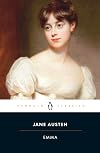
Reading Austen can be a challenging thing in these modern times. Living in a world where visual entertainment is king and pretty much anything can be said in print, the florid language and social propriety of an Austen novel can leave some readers struggling and in some instances exhausted!
That’s not to say our club disliked Emma (per se). There were those who found delight within the many pages and, as most lovers of Austen do, found themselves totally ensconced within the social whirlwind of the early 1800s. And although not everyone had managed to finish, there was determination amongst the ranks to do so.
We had a great discussion on the Regency era and the importance of social standing, the class system and the all-important family lineage. We all felt Austen’s writing was clever in its orderly and efficient depicting of life among the gentile. And in a world where fictional entertainment was confined to either the theatre or the novel, her stories played an important role in the literature of the day.
So, the general opinion was that, as a book club, ticking an Austen novel off our to-read list was an imperative. The fact that we found both pleasure and a new found respect for the classics made this month’s read more than worth our while.
That’s not to say our club disliked Emma (per se). There were those who found delight within the many pages and, as most lovers of Austen do, found themselves totally ensconced within the social whirlwind of the early 1800s. And although not everyone had managed to finish, there was determination amongst the ranks to do so.
We had a great discussion on the Regency era and the importance of social standing, the class system and the all-important family lineage. We all felt Austen’s writing was clever in its orderly and efficient depicting of life among the gentile. And in a world where fictional entertainment was confined to either the theatre or the novel, her stories played an important role in the literature of the day.
So, the general opinion was that, as a book club, ticking an Austen novel off our to-read list was an imperative. The fact that we found both pleasure and a new found respect for the classics made this month’s read more than worth our while.
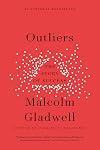
Up until recently our group has not read a lot of non-fiction, but this year we decided to make a concerted effort to do so. The question is … what should we read? Our interests are wide and varied so it shouldn’t be too hard to find something. The problem is, as readers we have already read most of the non-fiction that appeals to us.
Here is where an author like Malcolm Gladwell comes in. His books tend to be written as a social commentary (backed with studies and statistics) on a combination of universally significant, and yet at times seemingly banal topics. In the Outliers he talks us through the circumstances which result in everything from star hockey players and award winning airlines, to software magnets and multi-millionaire entrepreneurs. His statistics can bring on a slight case of the ‘glazed eye’ syndrome, but his research is sound and generally he argues his case in a very entertaining and informative way.
On the whole we found the read to be serious food for thought with an amazing amount of information fired out at a fast pace. Certainly fast enough to keep those pages turning!
Everyone had their favourite chapter … some liked the idea of the magic 10,000 hours of practice, others the close look at cultural differences, and then Gladwell’s last chapter outlining his own family background we all found extremely interesting, adding a real human touch to an author so consumed with facts and figures.
Whichever, they all culminated in a great show more discussion on a huge range of topics. A perfect book for a group interested in a constantly changing and puzzling world. Highly recommended! show less
Here is where an author like Malcolm Gladwell comes in. His books tend to be written as a social commentary (backed with studies and statistics) on a combination of universally significant, and yet at times seemingly banal topics. In the Outliers he talks us through the circumstances which result in everything from star hockey players and award winning airlines, to software magnets and multi-millionaire entrepreneurs. His statistics can bring on a slight case of the ‘glazed eye’ syndrome, but his research is sound and generally he argues his case in a very entertaining and informative way.
On the whole we found the read to be serious food for thought with an amazing amount of information fired out at a fast pace. Certainly fast enough to keep those pages turning!
Everyone had their favourite chapter … some liked the idea of the magic 10,000 hours of practice, others the close look at cultural differences, and then Gladwell’s last chapter outlining his own family background we all found extremely interesting, adding a real human touch to an author so consumed with facts and figures.
Whichever, they all culminated in a great show more discussion on a huge range of topics. A perfect book for a group interested in a constantly changing and puzzling world. Highly recommended! show less

There was a unanimous agreement this month that Overington’s No Place like Home was a great read that highlights the real probability of individuals falling through the cracks of our immigration system. Ali Khan’s plight struck an emotional chord with us. His need for support and understanding was incompetently handled from the beginning which led not only to his demise but to that of another innocent.
Could something like this actually happen in our somewhat arguably over documented and red-taped system? Overington did a good job of making it seem so. Her imaginative yet uncontrived plot seemed plausible throughout, and the main characters circumstances believable enough to warrant both hostility and empathy by our group.
It was commented that the straight forward writing style worked well for this story, and we all found it interesting that Overington seems to take on a male narration for most of her novels, this one included.
We continued to have a good discussion on the refugee situation and also that of fostering. A few of us had experience in this area and were concerned about the effect unsuitable fostering could have on children and, in Ali’s circumstances, those from another culture.
We were all moved by the unforeseen conclusion, and the simple matter of connecting with those who are different. Had Ali been managed correctly, the unhappy series of events that followed could well of been avoided. This we are sure is Overington’s message. One that rang loud show more and clear with us. show less
Could something like this actually happen in our somewhat arguably over documented and red-taped system? Overington did a good job of making it seem so. Her imaginative yet uncontrived plot seemed plausible throughout, and the main characters circumstances believable enough to warrant both hostility and empathy by our group.
It was commented that the straight forward writing style worked well for this story, and we all found it interesting that Overington seems to take on a male narration for most of her novels, this one included.
We continued to have a good discussion on the refugee situation and also that of fostering. A few of us had experience in this area and were concerned about the effect unsuitable fostering could have on children and, in Ali’s circumstances, those from another culture.
We were all moved by the unforeseen conclusion, and the simple matter of connecting with those who are different. Had Ali been managed correctly, the unhappy series of events that followed could well of been avoided. This we are sure is Overington’s message. One that rang loud show more and clear with us. show less
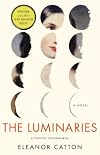
This year’s most challenging read would have to be Booker winner, The Luminaries by Eleanor Catton. Not a group to easily shy away from a challenge, everyone made a concerted effort to tackle this 800+ page door stop!
From a discussion perspective, this novel delivered an abundance of material. We found the author’s use of astrological charts to define her characters intriguing. Their circular synergy was captivating, releasing piece by piece everything needed to form a full picture of this literary jigsaw puzzle.
Although clearly a mystery set within the Victorian backwater of New Zealand’s south island, the multitude of layers formed by the different character viewpoints made this more than just a whodunit novel (Dickens came to mind for most of us). Keeping track of the various cast members was not easy, but for those of us who persevered, the awards were great. The plot, setting and description were all brilliantly combined and none of us could say we were not literally picked up and placed on the muddy streets of a colonial goldfield!
Alas, it was a little too much for some of us, who simply found the volume of pages a stumbling block too big to get over. But if you love a large chunk of well researched and brilliantly constructed literature, then The Luminaries must be your next big read!
From a discussion perspective, this novel delivered an abundance of material. We found the author’s use of astrological charts to define her characters intriguing. Their circular synergy was captivating, releasing piece by piece everything needed to form a full picture of this literary jigsaw puzzle.
Although clearly a mystery set within the Victorian backwater of New Zealand’s south island, the multitude of layers formed by the different character viewpoints made this more than just a whodunit novel (Dickens came to mind for most of us). Keeping track of the various cast members was not easy, but for those of us who persevered, the awards were great. The plot, setting and description were all brilliantly combined and none of us could say we were not literally picked up and placed on the muddy streets of a colonial goldfield!
Alas, it was a little too much for some of us, who simply found the volume of pages a stumbling block too big to get over. But if you love a large chunk of well researched and brilliantly constructed literature, then The Luminaries must be your next big read!

Is a good novel more than just an entertaining story? Should it impart some knowledge? Should it leave you with just a little uncertainty concerning its outcome? Are the gray areas just as important as the black and whites?
If you answer ‘yes’ to all of these questions, then you will enjoy Shady’s latest offering, What the Ground Can’t Hold. We will be speaking to Shady next month, and we have plenty of questions, so this review will be short …
Largely, our club gave this book the thumbs up. Everyone found it a compelling read that both entertained and informed. For example, few of us knew anything about the Dirty War of Argentina, and the multiple viewpoints provided by the main characters kept the reader intrigue up a notch or two, culminating in an omniscience state that gives plenty of room for analysis. We had slightly differing views concerning the conclusion, but generally it was decided that short of a clean, tidy finish, the book’s finale was accepted (to a point) but a sequel would not be out of the question for those of us who demand further evidence of a story’s outcome.
A more in depth review will be posted after our Audience with Shady Cosgrove on Wednesday 20 August. Join us for a great evening of literary discussion in the Kurrajong Hall, Ribbonwood Centre, Dapto from 5:30pm. Everyone welcome.
If you answer ‘yes’ to all of these questions, then you will enjoy Shady’s latest offering, What the Ground Can’t Hold. We will be speaking to Shady next month, and we have plenty of questions, so this review will be short …
Largely, our club gave this book the thumbs up. Everyone found it a compelling read that both entertained and informed. For example, few of us knew anything about the Dirty War of Argentina, and the multiple viewpoints provided by the main characters kept the reader intrigue up a notch or two, culminating in an omniscience state that gives plenty of room for analysis. We had slightly differing views concerning the conclusion, but generally it was decided that short of a clean, tidy finish, the book’s finale was accepted (to a point) but a sequel would not be out of the question for those of us who demand further evidence of a story’s outcome.
A more in depth review will be posted after our Audience with Shady Cosgrove on Wednesday 20 August. Join us for a great evening of literary discussion in the Kurrajong Hall, Ribbonwood Centre, Dapto from 5:30pm. Everyone welcome.

Less is more. Where have we heard that before? Well, it was certainly said a few times this month concerning Richard Flanagan’s epic tome, The Narrow Road to the Deep North. Even the title is too long, was Anne’s comment!
At close to 500 pages, this combined story of enduring love and futility of war was felt to be well written but, alas, too wordy.
This can be an often occurring theme in our discussions … when does a book lose its impact under the weight of too many words? That is of course within each and every reader’s discretion. In truth, the trick of engaging the reader with just the right amount of information and dialogue is a craft perfected by only a handful of talented writers, so where does this leave Flanagan and his latest offering?
Well, the majority of us did get through this novel and although not enamored by the main character, Dorrigo Evens or by the attempt at romance, there was an overwhelming respect for Flanagan’s personal quest at telling this story. Those of us who heard the author interviewed found it much easier to plough through the pages. His impeccable research and personal motivation added emotional depth that may have been lost to anyone not privy to the conversation.
The Narrow Road to the Deep North (being the Burma Railway) gave a poignant and emotive picture of POWs and their plight, and although many of us have heard and read of this sad history, Flanagan was still able to cleverly, and some agree, perfectly, engross the reader. show more We also felt including the Japanese perspective may have helped in securing the quality of the read.
Our conversation covered many of the topics any novel of war tends to inspire, but we did find ourselves pondering specifically the philosophy of training killers, Korean and Japanese relations, returning POWs (their strengths and their flaws) and whether Dorrigo was in fact Weary Dunlop! The individual stories wound into prison life gave us all gratification in a place and time where little of such could be found, adding yet another dimension to this story ... a human touch that could only be bound in truth, not in imagination.
The Narrow Road to the Deep North is listed for this year’s Miles Franklin Award. show less
At close to 500 pages, this combined story of enduring love and futility of war was felt to be well written but, alas, too wordy.
This can be an often occurring theme in our discussions … when does a book lose its impact under the weight of too many words? That is of course within each and every reader’s discretion. In truth, the trick of engaging the reader with just the right amount of information and dialogue is a craft perfected by only a handful of talented writers, so where does this leave Flanagan and his latest offering?
Well, the majority of us did get through this novel and although not enamored by the main character, Dorrigo Evens or by the attempt at romance, there was an overwhelming respect for Flanagan’s personal quest at telling this story. Those of us who heard the author interviewed found it much easier to plough through the pages. His impeccable research and personal motivation added emotional depth that may have been lost to anyone not privy to the conversation.
The Narrow Road to the Deep North (being the Burma Railway) gave a poignant and emotive picture of POWs and their plight, and although many of us have heard and read of this sad history, Flanagan was still able to cleverly, and some agree, perfectly, engross the reader. show more We also felt including the Japanese perspective may have helped in securing the quality of the read.
Our conversation covered many of the topics any novel of war tends to inspire, but we did find ourselves pondering specifically the philosophy of training killers, Korean and Japanese relations, returning POWs (their strengths and their flaws) and whether Dorrigo was in fact Weary Dunlop! The individual stories wound into prison life gave us all gratification in a place and time where little of such could be found, adding yet another dimension to this story ... a human touch that could only be bound in truth, not in imagination.
The Narrow Road to the Deep North is listed for this year’s Miles Franklin Award. show less

This book was always going to be a stretch for our Monday Night group. Ford’s somewhat cold and clinical style left most of us feeling his characters unexplored and one dimensional. This is not to say we didn’t find the story compelling. In fact, most of us were intrigued by 15- year-old Dell’s narrative. His and twin sister Berner’s bizarre, dysfunctional family life demanded our attention … and a conclusion! Sadly, some of us could not muster the emotional attachment it took to continue with the second half and simply lost interest.
But for those of us who read on, it became a macabre struggle of survival for young Dell, despite all the odds pitted against him. Something that both Delia and Cheryl found fascinating. Sandra too was captivated by this dark and, to some degree, depressing tale.
It put us all on the trail of ‘parentless children’ and how they can literally fall through the cracks of a welfare system. Something we were sure could easily happen in the backwaters of Montana during Dell’s time, the mid ‘50s.
Slow beginning aside, the story escalated into a thought provoking and interesting read that left us pondering the many loose ends that the author left untouched … Dell’s evident escape to a better life, and his sister’s unknown future, to name a few. A neat and tidy story Canada may not be, but it kept the majority of our group sufficiently enthralled and more importantly, wanting more.
But for those of us who read on, it became a macabre struggle of survival for young Dell, despite all the odds pitted against him. Something that both Delia and Cheryl found fascinating. Sandra too was captivated by this dark and, to some degree, depressing tale.
It put us all on the trail of ‘parentless children’ and how they can literally fall through the cracks of a welfare system. Something we were sure could easily happen in the backwaters of Montana during Dell’s time, the mid ‘50s.
Slow beginning aside, the story escalated into a thought provoking and interesting read that left us pondering the many loose ends that the author left untouched … Dell’s evident escape to a better life, and his sister’s unknown future, to name a few. A neat and tidy story Canada may not be, but it kept the majority of our group sufficiently enthralled and more importantly, wanting more.
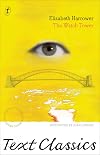
Our book club is always keen to gain new knowledge and perspective when it comes to reading novels, especially if said novel is considered a modern masterpiece! What serious reader doesn’t want to add to their list of read classics?
So it was with this intension that we ploughed through Australian author Elizabeth Harrower’s The Watch Tower.
Now, although our opinions differed somewhat, there was no doubting the emotion that this book exposed. We all felt the enslavement and vulnerability thrust upon Laura and Clare by the misogynist Felix, and although this left the majority of us frustrated and angry, there was some empathy for two unexperienced and emotionally inept women in a time when there was little or no support for such souls.
There were those of us who disliked this book intensely. Found the story line grim and too slow and the characters unlikable. Then we had the opposite … brilliant writing that looked to expose the raw reality of domestic abuse within a dark, psychological thriller.
Eleanor did not get to read this month’s selection, but she did see a great interview with Harrower and it led her to believe that The Watch Tower may have had some biographical content. This sort of insight usually brings more questions than answers to our discussions.
If only we could have An Audience With … Elizabeth Harrower!
If you are keen to see our book clubs in action, don’t miss our Audience With David Cairns this month.
So it was with this intension that we ploughed through Australian author Elizabeth Harrower’s The Watch Tower.
Now, although our opinions differed somewhat, there was no doubting the emotion that this book exposed. We all felt the enslavement and vulnerability thrust upon Laura and Clare by the misogynist Felix, and although this left the majority of us frustrated and angry, there was some empathy for two unexperienced and emotionally inept women in a time when there was little or no support for such souls.
There were those of us who disliked this book intensely. Found the story line grim and too slow and the characters unlikable. Then we had the opposite … brilliant writing that looked to expose the raw reality of domestic abuse within a dark, psychological thriller.
Eleanor did not get to read this month’s selection, but she did see a great interview with Harrower and it led her to believe that The Watch Tower may have had some biographical content. This sort of insight usually brings more questions than answers to our discussions.
If only we could have An Audience With … Elizabeth Harrower!
If you are keen to see our book clubs in action, don’t miss our Audience With David Cairns this month.

As we will be discussing this book with the author next month at our ‘An Audience With …’ program, this post will just briefly touch on our conversation and opinions of Ashmore Grief.
Firstly, we had one of our best discussions yet! The opportunity to air one’s opinions in an open and broad-minded environment (eg. A bookclub meeting), means everyone is listened to and individual views accepted in a mature and liberal manner.
Generally our group enjoyed this contemporary, yet slightly controversial novel. It was felt a few of the details (important ones, some of us believed) were a little vague and we would have liked something more of the finer points drawn out. There was also some consternation concerning the fairytale ending … although enjoyed by some, others felt it was all a little too neat and nice.
Nevertheless, this book created an extremely interesting and energized conversation.
By taking the diverse viewpoint of refugees, border control and the politicians, Cairns has given verve to what we all should be talking about as a nation. The humanity question regarding refugees.
We look forward to talking to David about his novel next month. If you enjoy lively, intelligent conversation about books and things that matter, why not join us at
Dapto Library,
Wednesday 14 May at 5:30pm.
Everyone welcome.
Firstly, we had one of our best discussions yet! The opportunity to air one’s opinions in an open and broad-minded environment (eg. A bookclub meeting), means everyone is listened to and individual views accepted in a mature and liberal manner.
Generally our group enjoyed this contemporary, yet slightly controversial novel. It was felt a few of the details (important ones, some of us believed) were a little vague and we would have liked something more of the finer points drawn out. There was also some consternation concerning the fairytale ending … although enjoyed by some, others felt it was all a little too neat and nice.
Nevertheless, this book created an extremely interesting and energized conversation.
By taking the diverse viewpoint of refugees, border control and the politicians, Cairns has given verve to what we all should be talking about as a nation. The humanity question regarding refugees.
We look forward to talking to David about his novel next month. If you enjoy lively, intelligent conversation about books and things that matter, why not join us at
Dapto Library,
Wednesday 14 May at 5:30pm.
Everyone welcome.

We had a small group this month and not everyone got a chance to read the selection (life does get in the way of our reading at times!), so it was left to just five of us to pass judgment on J.K. Rowling’s latest addition to adult fiction.
Scores were high; seven through to nine, and the majority of us found a great deal of fondness for the main characters, Strike and Robin. Their all too human traits, good and bad were essential in making them real and although there were many characters coming and going (a few too many Tera thought), the two main protagonists held firm and developed well.
Viti loved Rowling’s pictorial of London neighbourhoods, especially Mayfair. She lived in the area for a time and could feel herself re-walking the streets and visiting the markets. High praise when a novel can do that!
Nancy commended the cleverly worked out plot and found it ‘unputdownable’. Elenor loved the use of language and felt the characters were bestowed real flesh and blood, something that was instrumental to her enjoyment level. She also believed it abundantly clear that the author was in fact female, as she felt male writers are rarely able to award characters such life.
Tera on the other hand was underwhelmed (she scored the only seven). For a murder mystery she wanted more built up tension and felt there was something fundamentally missing. And although she continued reading hoping for that elusive climax, ‘dull’ was her one word appraisal.
Our discussion show more concluded with an interesting chat on disabilities and the challenges those with a prosthesis face. Strike’s everyday struggle with his false limb worked its magic on our group and required us all to stop and think what many face on a daily basis. In conclusion, we were very happy (although not surprised) to learn that Cormoran Strike will be back! show less
Scores were high; seven through to nine, and the majority of us found a great deal of fondness for the main characters, Strike and Robin. Their all too human traits, good and bad were essential in making them real and although there were many characters coming and going (a few too many Tera thought), the two main protagonists held firm and developed well.
Viti loved Rowling’s pictorial of London neighbourhoods, especially Mayfair. She lived in the area for a time and could feel herself re-walking the streets and visiting the markets. High praise when a novel can do that!
Nancy commended the cleverly worked out plot and found it ‘unputdownable’. Elenor loved the use of language and felt the characters were bestowed real flesh and blood, something that was instrumental to her enjoyment level. She also believed it abundantly clear that the author was in fact female, as she felt male writers are rarely able to award characters such life.
Tera on the other hand was underwhelmed (she scored the only seven). For a murder mystery she wanted more built up tension and felt there was something fundamentally missing. And although she continued reading hoping for that elusive climax, ‘dull’ was her one word appraisal.
Our discussion show more concluded with an interesting chat on disabilities and the challenges those with a prosthesis face. Strike’s everyday struggle with his false limb worked its magic on our group and required us all to stop and think what many face on a daily basis. In conclusion, we were very happy (although not surprised) to learn that Cormoran Strike will be back! show less
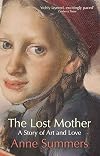
We have made a conscious effort to read more non-fiction this year, so our first choice was this investigative journey from Anne Summers.
Firstly, we found the title slightly misleading … implying a more mother/daughter narrative. Instead, Summers sets her nose to the grindstone trying to uncover the circumstances around two portraits her mother sat for in her childhood for the artist Constance Stokes.
Those of us who finished this book felt the author lost her way. And although we found the world of Australian artists in Melbourne during the 20s and 30s extremely interesting, and Stokes herself an intriguing character, the genealogy of the art collector Lydia was drawn out and dreary with little to connect us.
Why Summers felt she needed to tread this path we are not sure, but Vanessa felt that the author and Lydia shared some personality traits which could explain her fascination with this Russian immigrant.
As a group, there was little love for this book. Some believed the writing poorly thought out with nothing to set it apart or make it anything special. Cathy went into the book with high hopes but found it to be not what she had hoped. Although readable, she felt the author went off on tangents that did not really interest her.
To us, Summers seems to have written this book for the express purpose of recording her findings during the search for her mother’s lost portrait (the whole existence of which we are not even confident still survives). Regardless of her show more reasons or rationale, our group could not rate this read higher than five to six and would only describe it as a put-downable coffee table book (Mary’s words). There was however, some interest in her highly respected reputation as a writer and we will no doubt be picking up something else of hers in the near future. show less
Firstly, we found the title slightly misleading … implying a more mother/daughter narrative. Instead, Summers sets her nose to the grindstone trying to uncover the circumstances around two portraits her mother sat for in her childhood for the artist Constance Stokes.
Those of us who finished this book felt the author lost her way. And although we found the world of Australian artists in Melbourne during the 20s and 30s extremely interesting, and Stokes herself an intriguing character, the genealogy of the art collector Lydia was drawn out and dreary with little to connect us.
Why Summers felt she needed to tread this path we are not sure, but Vanessa felt that the author and Lydia shared some personality traits which could explain her fascination with this Russian immigrant.
As a group, there was little love for this book. Some believed the writing poorly thought out with nothing to set it apart or make it anything special. Cathy went into the book with high hopes but found it to be not what she had hoped. Although readable, she felt the author went off on tangents that did not really interest her.
To us, Summers seems to have written this book for the express purpose of recording her findings during the search for her mother’s lost portrait (the whole existence of which we are not even confident still survives). Regardless of her show more reasons or rationale, our group could not rate this read higher than five to six and would only describe it as a put-downable coffee table book (Mary’s words). There was however, some interest in her highly respected reputation as a writer and we will no doubt be picking up something else of hers in the near future. show less