
Wow! Just wow! I’ve just started to reread and sometimes read for the first time Leon Uris’s books about World War II (European Theatre) and am just blown away by them. Armageddon is particularly interesting, and one wonders whether certain things in this book are total fiction or whether they are based on fact. Example: the approach toward governing in Berlin (and Germany in general) after the war ended, which is fascinatingly logical.
The Pioneer Woman Cooks: A Year of holidays: 140 Step-by-Step Recipes for Simple, Scrumptious Celebrations by Ree Drummond
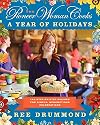
I got this cookbook hoping it’d solve my what-to-cook-on-holidays issue, but I don’t find it particularly helpful for that, the exceptions being holiday recipes to delight children.
Popular as The Pioneer Woman may be, this book has a number of annoying problems. For starters, the format is really annoying, with photos inserted for every step. This makes the directions less straightforward to read and stretches recipes that would normally fit on one page onto multiple pages. Also, the unnecessarily large pictures of the finished recipes result in other annoyances. For example, a preamble pic on one page and the recipe starting on the back of that page. How much better it would have been to have a smaller photo, with everything on one page.
Speaking of directions, sometimes the order of the directions is incorrect (e.g., in the recipe for salmon scrambled eggs, the salmon should be chopped before you start cooking the eggs instead of afterwards, which would not allow enough time to chop the salmon ere the eggs were overcooked or totally ruined.
In addition, why do I have to wade through all of the directions to find the pan size? Again, the interspersed photos add to the hunting.
Popular as The Pioneer Woman may be, this book has a number of annoying problems. For starters, the format is really annoying, with photos inserted for every step. This makes the directions less straightforward to read and stretches recipes that would normally fit on one page onto multiple pages. Also, the unnecessarily large pictures of the finished recipes result in other annoyances. For example, a preamble pic on one page and the recipe starting on the back of that page. How much better it would have been to have a smaller photo, with everything on one page.
Speaking of directions, sometimes the order of the directions is incorrect (e.g., in the recipe for salmon scrambled eggs, the salmon should be chopped before you start cooking the eggs instead of afterwards, which would not allow enough time to chop the salmon ere the eggs were overcooked or totally ruined.
In addition, why do I have to wade through all of the directions to find the pan size? Again, the interspersed photos add to the hunting.
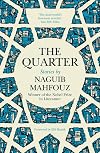
I am very late with this review because I felt so bad about what I was going to say. Who was I to say negative things about this work by a recipient of the Nobel Prize in Literature?! Oh dear!
I really didn’t like this book. I couldn’t understand this because I’ve read and enjoyed Mahfouz’s books in the past. The answer is in the introduction (pp. XXIV-XXVI), which I initially skipped. Here Mahfouz adopted a new writing style that basically eliminated all of the atmosphere that made his earlier works so alluring. Instead, the reader is unceremoniously dumped right into the story. This is not the least bit gratifying for the reader. Truth be told, I couldn’t even finish this book (and that is a very rare phenomenon).
I really didn’t like this book. I couldn’t understand this because I’ve read and enjoyed Mahfouz’s books in the past. The answer is in the introduction (pp. XXIV-XXVI), which I initially skipped. Here Mahfouz adopted a new writing style that basically eliminated all of the atmosphere that made his earlier works so alluring. Instead, the reader is unceremoniously dumped right into the story. This is not the least bit gratifying for the reader. Truth be told, I couldn’t even finish this book (and that is a very rare phenomenon).
 This review was written for LibraryThing Early Reviewers.
I am pleased to award Broken Strings by Eric Walters and Kathy Kacer 5/5 stars. The two interlaced storylines, one about a middle school musical performance and the other about the hidden past of Shirli Berman’s family, are rendered in pitch-perfect prose. The warmth of the Berman family and the first storyline allow the authors to present information about the Holocaust to young readers in a way that it isn’t as traumatic as it otherwise would be. Yet, what is said about the Holocaust is totally factual. I highly recommend this book. In fact, although I am an adult, I plan to look for other books by both Kathy Kacer and Eric Walters.
This review was written for LibraryThing Early Reviewers.
Wow! In spite of the travails Irena Gut (later Opdyke) encountered during and after World War II, this book ends up being uplifting. It shows that even a young person can make a huge positive difference in the lives of numerous people. I am in awe of what Irene accomplished and hope that bother people will read this book and be similarly inspired.

As I initially paged through this book, I realized I wouldn’t use most of the recipes in it for breakfast or brunch. I MIGHT consider using some leftovers as part of a morning meal. Therefore, this may very well be with other cookbooks that don’t fit into any categories. On the other hand, I suppose, given the title, I may be better able to find it if I do shelve it with breakfast cookbooks.
When I flipped through this cookbook prior to buying it, I didn’t notice that it has a number of issues. First, there are no descriptions of the recipes. I find such forenotes to be very useful in determining whether or not to make a recipe. On a more serious note, as I looked at the recipes more carefully, I started seeing numerous glitches, which made me more leery of trying the recipes. This would present even more problems for a novice cook. See my comments on individual recipes, below. Finally, the phrasing is occasionally idiotic. I don’t know why people cannot write in clear English as has been done for ages. Why would any editor, if there even was one, let awkward, nonsensical phrasing go into print? (Example: “In a large bowl, add...”.)
When I flipped through this cookbook prior to buying it, I didn’t notice that it has a number of issues. First, there are no descriptions of the recipes. I find such forenotes to be very useful in determining whether or not to make a recipe. On a more serious note, as I looked at the recipes more carefully, I started seeing numerous glitches, which made me more leery of trying the recipes. This would present even more problems for a novice cook. See my comments on individual recipes, below. Finally, the phrasing is occasionally idiotic. I don’t know why people cannot write in clear English as has been done for ages. Why would any editor, if there even was one, let awkward, nonsensical phrasing go into print? (Example: “In a large bowl, add...”.)
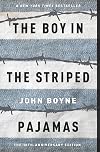
I have been reading a lot about the holocaust, so when this children’s book was donated to the library, I took it home to read. I intended to return it but then decided not to for a couple of reasons.
Even though this book has garnered numerous kudos and prizes, I question its appropriateness for young readers. The writing style seems to indicate that this is aimed at fairly young children, but I have two problems with that. If the reader has no knowledge of the Holocaust and Auschwitz, the story would make no sense. (The young protagonist’s mispronunciation of critical words does not help in that regard, although it can shield the innocent from the content of this book.) On the other hand, if the reader DOES have such knowledge, the ending is just plain brutal—and unexpectedly so.
It would make some sense to have an adult and a child read this together, so the former could answer questions or provide illumination that is appropriate for the child in question. However, there is nothing to indicate that the book should be approached that way.
P.S. Fiction doesn’t have to depict things realistically. This is lucky, because the meeting of the boys and things that ensured thereafter could NEVER have happened. It is virtually impossible that the young Auschwitz prisoner would have survived the selection process that occurred when people got to the camp. Also, it is highly doubtful that he could have reached the fence even once let alone numerous times, and those fences show more were electrified. Third, it is even more unlikely that the young internee could have not only gotten a small prisoner’s uniform but have passed it under the fence. show less
Even though this book has garnered numerous kudos and prizes, I question its appropriateness for young readers. The writing style seems to indicate that this is aimed at fairly young children, but I have two problems with that. If the reader has no knowledge of the Holocaust and Auschwitz, the story would make no sense. (The young protagonist’s mispronunciation of critical words does not help in that regard, although it can shield the innocent from the content of this book.) On the other hand, if the reader DOES have such knowledge, the ending is just plain brutal—and unexpectedly so.
It would make some sense to have an adult and a child read this together, so the former could answer questions or provide illumination that is appropriate for the child in question. However, there is nothing to indicate that the book should be approached that way.
P.S. Fiction doesn’t have to depict things realistically. This is lucky, because the meeting of the boys and things that ensured thereafter could NEVER have happened. It is virtually impossible that the young Auschwitz prisoner would have survived the selection process that occurred when people got to the camp. Also, it is highly doubtful that he could have reached the fence even once let alone numerous times, and those fences show more were electrified. Third, it is even more unlikely that the young internee could have not only gotten a small prisoner’s uniform but have passed it under the fence. show less

Eyewitness Auschwitz by Filip Müller is one of the grimmest books you will ever read. If you are interested in learning just how the exterminations took place, from the arrival of the unfortunate victims to how they were treated afterwards, this is essential reading. Read some books about how people ended up in Auschwitz, and you will have a very good understanding of the whole despicable operation.
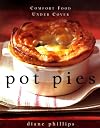
My first reaction to pot pies: Comfort Food Under Cover by Diane Phillips was quite positive, in fact, so positive that I wrote the following even before I settled down to take a closer look. “Most pot pies feature a flour-cased crust, which sometimes contains a bit of flavoring. Indeed, this book’s cover depicts a pot pie that appears to have a puff-pastry top crust. Therefore, it came as a pleasant surprise to see that the crusts in this book are quite unusual and planned to complement the fillings.”
More careful scrutiny altered my opinion. First, what is the definition of pot pie? I don’t know how a stir-fry topped with a noodle pancake just before serving can be called a pot pie. And is meatloaf topped with mashed potatoes a pot pie? How about a mixture that is topped with mixture of crumbs and cheese? I don’t think so. The more I looked at the recipes, the more bizarre the title seemed. Yes, the combinations are usually tasty, but many are not pot pies.
It also occurs to me that many of these recipes are a lot of work. Not only does one have to create the filling, but one has to create a special mixture for the top “crust”. So, instead of having the filling mixture with a relatively simple side dish, one has to cook two special mixtures.
In addition, there are editorial glitches. One pervasive one is that the directions for topping the fillings are not in the same place from recipe to recipe. It may be in the directions for the filling, or it may be in show more the directions for the topping, or it may be in both. I often had to deliberately look for the instruction. But that is not the only editorial issue. Another example” “[f] in the whipping cream” instead of “fold in the whipped cream”. show less
More careful scrutiny altered my opinion. First, what is the definition of pot pie? I don’t know how a stir-fry topped with a noodle pancake just before serving can be called a pot pie. And is meatloaf topped with mashed potatoes a pot pie? How about a mixture that is topped with mixture of crumbs and cheese? I don’t think so. The more I looked at the recipes, the more bizarre the title seemed. Yes, the combinations are usually tasty, but many are not pot pies.
It also occurs to me that many of these recipes are a lot of work. Not only does one have to create the filling, but one has to create a special mixture for the top “crust”. So, instead of having the filling mixture with a relatively simple side dish, one has to cook two special mixtures.
In addition, there are editorial glitches. One pervasive one is that the directions for topping the fillings are not in the same place from recipe to recipe. It may be in the directions for the filling, or it may be in show more the directions for the topping, or it may be in both. I often had to deliberately look for the instruction. But that is not the only editorial issue. Another example” “[f] in the whipping cream” instead of “fold in the whipped cream”. show less
The Virginia Hostess Seventeenth and Eighteenth Century Volume I: Collations, Comfits and Drams BEING 100 RECEIPTS From Eighteenth Century cookbooks selected for their utility to a hostess wishing to serve authentic period refreshments . . . And including . . . Some generalizations on the cookery of our ancestors for the guidance of courageous, ingenious and skilled cooks by Caroline E. [from old catalog] Mansur
This is an excellent little book, with a lot packed into its 102 pages. Although the format is not my ideal (original recipe, translation or modernization of language if necessary, redacted recipe if any near enough to each other so they can easily be compared), the source that appears with each recipe and the bibliography do offer the ability to check the recipes. *I* need to check whether Mansur has occasionally inserted comments into the recipes without making that obvious. Perhaps the comments are those of the original authors.
The recipes in the cookbook are broken into the following chapters:
• Little Dishes;
• Breadstuffs;
• Sweet Biscuits and Cakes;
• Creams and Puddings; and
• Comfits and Drams.
In addition, a short but useful glossary plus sections on equivalents and weights and measures appear toward the end of this book.
The recipes in the cookbook are broken into the following chapters:
• Little Dishes;
• Breadstuffs;
• Sweet Biscuits and Cakes;
• Creams and Puddings; and
• Comfits and Drams.
In addition, a short but useful glossary plus sections on equivalents and weights and measures appear toward the end of this book.
Cover tattered and stained. Interior stained. Parts of four leaves missing because some miscreant cut them out. Ditto one whole leaf.
Two hits when searching—one available from a dealer; one at the University of Illinois at Urbana-Champaign. I will try to get up the nerve to ask the latter if someone would be so kind as to scan the missing material for me.
From the dedication by Mrs. J. C. Paulison, we learn that men were asked to contribute recipes (or receipts as they were often called back then). This is the first time that I have come across a fund-raising cookbook that features recipes that come solely from male contributors. As often seen in cookbooks by men of a certain era, the recipes are often quite exacting and bear the hallmarks of having been tinkered to perfection.
Levity, perhaps by the noncooks, is interspersed throughout. For example, here is a recipe for “Clam Pullion” that was contributed by Algernon B. Alderson: “One-half dozen rubber bands; boil in salted water until crisp; stretch on six sea biscuits and serve on a bed of sea-weed.” Along the same lines, here is his “recipe” for “Tripe a l’Alderson”: “Take one-quarter of a yard of Turkish toweling, baste the edges frequently, overcast the seams and put in a chafing dish with just enough of the essence of H2O to cover; boil until tender. Cut in dice and serve hot on small cakes of Cuticura soap. This is a sanitary as well as an appetizing dish.”
Clarence R. Root was another wit. show more Under the Sponge Cake heading, one finds his recipe for “The Kind Mother Used To Make?”: “One pound best Florida Sponges chopped fine, one ounce salt, one cup flour, three eggs well beaten or whipped, one pint milk, four ounces gelatine, one-half ounce lemon extract. Stir and bake in a stove one hour. When done frost with ground cork and dill seed.” Oh dear.
Other contributors specialized in being terse. One such man was Ermon M. Peck, whose “recipes” include the following:
• [untitled] “one peck clams. Season to taste. It’s good; try it.” and
• Irish Stew: “All the meat and vegetables you can get into it. IT IS GREAT!”
Elmer G. Clark married levity and terseness in his entry for “Angel Cake”: “Butter, eggs and flour; sugar to match. Bake brown.” Or is this just a terse bit of ignorance about the nature of angel food cakes?
Another contributor, Rev. Myron Munson, waxed poetic over fried mush:
“FRIED MUSH.
The pièce de résistance
For a princely breakfast
Is this:—
Take Indian-corn meal, coarse and yellow;
Let water be its second and salt its third fellow,
Mix, and boil through and through,
‘Just as mother used to do’;
Cool, and slice with a divider,
Then anoint a hot spider,
And cook the pudding anew,
Crusty and crisp,
‘As mother used to do.’
Apply thickened juice of the maple—
Thick, mind you—how ambrosially sweet—
Now smile and eat, aye, feastingly eat.”
THIS lover of fried mush can understand why the humble dish merited poetic treatment.
Munson contributed two other poetic entries, one for fried apples (which also includes the “As mother used to” refrain, and one for Abendmahl (even after reading the recipe, it’s not clear to me what this is; a search shows that it is sometimes translated as “Last Supper Bread”):
“Obtain milk from the cow, not the clouds,
Make bread from whole grain, not from starch,
Combine with baked apples or berries,
And care not what the epicure’s fare is.”
(Please forgive the messed-up formatting of the above entries. LibraryThing strips my formatting [and also doesn't recognize underlines, italics, etc.].)
Recipes that catch my eye:
A nice dish for breakfast (p. 19; French toast that starts with unbuttered toast);
Greens (p. 22; “Or rather, boiled weeds”: “Gather equal parts of milkweed, dock, plantin [sic], pigweed, nettles, dandelions, wild beet, shepherd
sprouts, purslane and any pet weeds or grasses you may wish.” These are then boiled forever with salt pork);
Bread of rolled oats (p. 25; stirred down, not kneaded’ sweetened with molasses; xref: no-knead oatmeal bread);
Superior Johnny Cake (p. 29; with molasses and sugar and allspice—try cornbread with the given ratios);
Maple frosting (p. 36, under Maple Cake); and
Haddam Cake (pp. 36-37; contributed by Edwin H. Munger, D.D.S. I had never heard of this, so here is the formula: “One cup sugar, one large egg,
one-half cup butter [small], one-half cup milk, one cup chopped raisins; season with cloves and nutmeg; one and three-fourths cups flour, one
teaspoonful baking powder.”).
Under Chocolate Pudding, we find possibly useful recipe for Baked Chocolate Tapioca Pudding**** from George L. Ellsworth (p. 39): “One-half
cupful of instantaneous tapioca, one cupful of sugar, half teaspoonful of salt, mix and stir into one quart of warm milk; then add one or two eggs,
tablespoonful of melted butter, melted chocolate or cocoa enough to give as rich a flavor as desired; mix well and bake in oven slowly.”
Another recipe that is not familiar is Judge Peter’s Pudding from Miron J. Case (p. 42); “Dissolve one small box of gelatine in one-half pint of cold
water. Let stand one hour, then add one-half pint boiling water, the juice of two lemons and two cups sugar. Strain and let stand until almost cold,
then add to the jelly, chopped fine, two oranges, six figs, nine dates, two bananas, ten pounded almonds. Mould and serve with whipped cream.”
One should be able to figure out the minimum amount of gelatin based on the amount of liquid in the recipe and then fiddle around with the
amount if a more-solid texture is desired.
Then there is a lemon pie*** (p. 43) from William H. Hall: “Juice of one lemon, boil peel and chop it fine with raisins. Add to juice and peel, two
cream crackers rolled, one cup of molasses, and lastly one cup of hot water. Bake with two crusts.” Lemon meringue pie is so ubiquitous! I am
always on the lookout for other approaches. I might be also tempted to try this with Lyle’s Golden Syrup.
Mock Mince Pie from Charles A. Griswold (p. 46) sounds unusual and potentially tasty: ”One cup of sugar, one cup of cream, one cup of chopped
raisins, one egg, one teaspoonful flour, one teaspoonful butter, one teaspoonful cloves, one teaspoonful cinnamon, one teaspoonful nutmeg, one
teaspoonful salt..”
This recipe for Dried Apple Pie from Myron J. Burnham (p. 46) reminds me of a newsgroup acquaintance who has stated repeatedly that apple pies
should be made from dried apples: “Take evaporated apples and soak in cold water over night. Make a crust as for any pie, put apples in crust
and season to taste. When baked you have a pie equal to any made of green apples. The mistake is often made by cooking the apples before
putting into pie; which makes the pie flat.” (Xref: dried apple pie***; dried-apple pie***; pie made from dried apples****) I still wonder about a
combination of “green” and dried apples.... I also would mix the apples with the usual spices and sugar.
The cookbook ends with an antidote: “for the ladies after they have indulged in the receipts of these male men.” The first ingredients are hemlock and tar. Need I say more? show less
Two hits when searching—one available from a dealer; one at the University of Illinois at Urbana-Champaign. I will try to get up the nerve to ask the latter if someone would be so kind as to scan the missing material for me.
From the dedication by Mrs. J. C. Paulison, we learn that men were asked to contribute recipes (or receipts as they were often called back then). This is the first time that I have come across a fund-raising cookbook that features recipes that come solely from male contributors. As often seen in cookbooks by men of a certain era, the recipes are often quite exacting and bear the hallmarks of having been tinkered to perfection.
Levity, perhaps by the noncooks, is interspersed throughout. For example, here is a recipe for “Clam Pullion” that was contributed by Algernon B. Alderson: “One-half dozen rubber bands; boil in salted water until crisp; stretch on six sea biscuits and serve on a bed of sea-weed.” Along the same lines, here is his “recipe” for “Tripe a l’Alderson”: “Take one-quarter of a yard of Turkish toweling, baste the edges frequently, overcast the seams and put in a chafing dish with just enough of the essence of H2O to cover; boil until tender. Cut in dice and serve hot on small cakes of Cuticura soap. This is a sanitary as well as an appetizing dish.”
Clarence R. Root was another wit. show more Under the Sponge Cake heading, one finds his recipe for “The Kind Mother Used To Make?”: “One pound best Florida Sponges chopped fine, one ounce salt, one cup flour, three eggs well beaten or whipped, one pint milk, four ounces gelatine, one-half ounce lemon extract. Stir and bake in a stove one hour. When done frost with ground cork and dill seed.” Oh dear.
Other contributors specialized in being terse. One such man was Ermon M. Peck, whose “recipes” include the following:
• [untitled] “one peck clams. Season to taste. It’s good; try it.” and
• Irish Stew: “All the meat and vegetables you can get into it. IT IS GREAT!”
Elmer G. Clark married levity and terseness in his entry for “Angel Cake”: “Butter, eggs and flour; sugar to match. Bake brown.” Or is this just a terse bit of ignorance about the nature of angel food cakes?
Another contributor, Rev. Myron Munson, waxed poetic over fried mush:
“FRIED MUSH.
The pièce de résistance
For a princely breakfast
Is this:—
Take Indian-corn meal, coarse and yellow;
Let water be its second and salt its third fellow,
Mix, and boil through and through,
‘Just as mother used to do’;
Cool, and slice with a divider,
Then anoint a hot spider,
And cook the pudding anew,
Crusty and crisp,
‘As mother used to do.’
Apply thickened juice of the maple—
Thick, mind you—how ambrosially sweet—
Now smile and eat, aye, feastingly eat.”
THIS lover of fried mush can understand why the humble dish merited poetic treatment.
Munson contributed two other poetic entries, one for fried apples (which also includes the “As mother used to” refrain, and one for Abendmahl (even after reading the recipe, it’s not clear to me what this is; a search shows that it is sometimes translated as “Last Supper Bread”):
“Obtain milk from the cow, not the clouds,
Make bread from whole grain, not from starch,
Combine with baked apples or berries,
And care not what the epicure’s fare is.”
(Please forgive the messed-up formatting of the above entries. LibraryThing strips my formatting [and also doesn't recognize underlines, italics, etc.].)
Recipes that catch my eye:
A nice dish for breakfast (p. 19; French toast that starts with unbuttered toast);
Greens (p. 22; “Or rather, boiled weeds”: “Gather equal parts of milkweed, dock, plantin [sic], pigweed, nettles, dandelions, wild beet, shepherd
sprouts, purslane and any pet weeds or grasses you may wish.” These are then boiled forever with salt pork);
Bread of rolled oats (p. 25; stirred down, not kneaded’ sweetened with molasses; xref: no-knead oatmeal bread);
Superior Johnny Cake (p. 29; with molasses and sugar and allspice—try cornbread with the given ratios);
Maple frosting (p. 36, under Maple Cake); and
Haddam Cake (pp. 36-37; contributed by Edwin H. Munger, D.D.S. I had never heard of this, so here is the formula: “One cup sugar, one large egg,
one-half cup butter [small], one-half cup milk, one cup chopped raisins; season with cloves and nutmeg; one and three-fourths cups flour, one
teaspoonful baking powder.”).
Under Chocolate Pudding, we find possibly useful recipe for Baked Chocolate Tapioca Pudding**** from George L. Ellsworth (p. 39): “One-half
cupful of instantaneous tapioca, one cupful of sugar, half teaspoonful of salt, mix and stir into one quart of warm milk; then add one or two eggs,
tablespoonful of melted butter, melted chocolate or cocoa enough to give as rich a flavor as desired; mix well and bake in oven slowly.”
Another recipe that is not familiar is Judge Peter’s Pudding from Miron J. Case (p. 42); “Dissolve one small box of gelatine in one-half pint of cold
water. Let stand one hour, then add one-half pint boiling water, the juice of two lemons and two cups sugar. Strain and let stand until almost cold,
then add to the jelly, chopped fine, two oranges, six figs, nine dates, two bananas, ten pounded almonds. Mould and serve with whipped cream.”
One should be able to figure out the minimum amount of gelatin based on the amount of liquid in the recipe and then fiddle around with the
amount if a more-solid texture is desired.
Then there is a lemon pie*** (p. 43) from William H. Hall: “Juice of one lemon, boil peel and chop it fine with raisins. Add to juice and peel, two
cream crackers rolled, one cup of molasses, and lastly one cup of hot water. Bake with two crusts.” Lemon meringue pie is so ubiquitous! I am
always on the lookout for other approaches. I might be also tempted to try this with Lyle’s Golden Syrup.
Mock Mince Pie from Charles A. Griswold (p. 46) sounds unusual and potentially tasty: ”One cup of sugar, one cup of cream, one cup of chopped
raisins, one egg, one teaspoonful flour, one teaspoonful butter, one teaspoonful cloves, one teaspoonful cinnamon, one teaspoonful nutmeg, one
teaspoonful salt..”
This recipe for Dried Apple Pie from Myron J. Burnham (p. 46) reminds me of a newsgroup acquaintance who has stated repeatedly that apple pies
should be made from dried apples: “Take evaporated apples and soak in cold water over night. Make a crust as for any pie, put apples in crust
and season to taste. When baked you have a pie equal to any made of green apples. The mistake is often made by cooking the apples before
putting into pie; which makes the pie flat.” (Xref: dried apple pie***; dried-apple pie***; pie made from dried apples****) I still wonder about a
combination of “green” and dried apples.... I also would mix the apples with the usual spices and sugar.
The cookbook ends with an antidote: “for the ladies after they have indulged in the receipts of these male men.” The first ingredients are hemlock and tar. Need I say more? show less
Exc/Exc.
NB! In this book, 1 Tbsp = 20ml (or FOUR teaspoons).
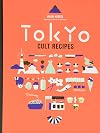
I have to say that I have a very low impression of this book. It is sometimes hard to see how the contents of successive pages are linked (e.g., in the breakfast category, we go from dashi to different types of miso to suggested combinations of the various misos with solids, but you only see that this all leads to miso soup if you look at the tiny introductory print. I was going to say that this was fine print, and that it was only in such notes, but then I realized that all print except the headers are in surprisingly small print, which is not an intelligent choice for such a book, to say the least. One usually does not have a cookbook at extremely close hand when cooking, but this would require the cook repeatedly to either lean down to peer at the recipes or pick the book up and hold it close to one’s eyes. Really! And the margins are quite unnecessarily HUGE! Surely an intelligent book designer would have specified a smaller margin and larger type. And if the designer failed in this regard, surely someone else should have caught this!
Another design deficit: it is often not immediately apparent which ingredients go with which part of the recipe. (For example, what is part of the sauce?) In this cookbook, often one can only solve this by reading the prose. Note that I don’t think I have EVER felt the need to criticize the design of a cookbook before. This book is an exception to that.
The awful design of show more this cookbook is not its only deficit. Another one is that the title really doesn’t match the content. It seems to me that cult implies secret or, at the very least, somehow special. However, the recipes in this book are ubiquitous. There is nothing special about this book. In fact, I got this book in haste (I wanted to support a local bookstore, and it was closing for the night) and feel like I was misled by that title.
It would be nice if one could issue ZERO stars or negative stars. As it is, I think if you don't check one star, it just looks like you haven't rated the book. This is the ONLY reason why I give this cookbook one star. show less
NB! In this book, 1 Tbsp = 20ml (or FOUR teaspoons).
I have to say that I have a very low impression of this book. It is sometimes hard to see how the contents of successive pages are linked (e.g., in the breakfast category, we go from dashi to different types of miso to suggested combinations of the various misos with solids, but you only see that this all leads to miso soup if you look at the tiny introductory print. I was going to say that this was fine print, and that it was only in such notes, but then I realized that all print except the headers are in surprisingly small print, which is not an intelligent choice for such a book, to say the least. One usually does not have a cookbook at extremely close hand when cooking, but this would require the cook repeatedly to either lean down to peer at the recipes or pick the book up and hold it close to one’s eyes. Really! And the margins are quite unnecessarily HUGE! Surely an intelligent book designer would have specified a smaller margin and larger type. And if the designer failed in this regard, surely someone else should have caught this!
Another design deficit: it is often not immediately apparent which ingredients go with which part of the recipe. (For example, what is part of the sauce?) In this cookbook, often one can only solve this by reading the prose. Note that I don’t think I have EVER felt the need to criticize the design of a cookbook before. This book is an exception to that.
The awful design of show more this cookbook is not its only deficit. Another one is that the title really doesn’t match the content. It seems to me that cult implies secret or, at the very least, somehow special. However, the recipes in this book are ubiquitous. There is nothing special about this book. In fact, I got this book in haste (I wanted to support a local bookstore, and it was closing for the night) and feel like I was misled by that title.
It would be nice if one could issue ZERO stars or negative stars. As it is, I think if you don't check one star, it just looks like you haven't rated the book. This is the ONLY reason why I give this cookbook one star. show less
the flavors of Asia: Recipes from China, India, Japan, Korea, Singapore, Thailand, and Vietnam by Pham Mai
Wow! Numerous typos! Tsk, tsk. They make me wonder about possible typos in measurements, etc., which would most likely go unnoticed.
Note that some of the entries appear to be Mai Pham’s idiosyncratic variants of known dishes, which is NOT what I expect to find in such a book! Nonetheless, several recipes caught my eye. (See comments.)
Note that some of the entries appear to be Mai Pham’s idiosyncratic variants of known dishes, which is NOT what I expect to find in such a book! Nonetheless, several recipes caught my eye. (See comments.)
Early American Southern Cuisine: Hearthside Cooking Updated for Today’s Hearth and Cookstove by Nancy Carter Crump
Food historian and author Nancy Carter Crump is the founder of the Culinary Historians of Virginia.
This book offers the original recipes with attribution (Eliza Leslie and other cookbook authors, plus manuscript cookbooks and recipes that reside in special collections) as well as modern directions for cooking at the hearth or with modern appliances. This is exactly what I like because it offers the opportunity for the reader/user to compare the original recipe with the redaction and thus allows the reader/user to assess the changes that may have been made.
I have not yet gone through this terrific book that will allow the modern cook to tackle 18th- and 19th-century recipes without fear of failure. I can’t wait to start cooking from it, and only the heaps of books that I have yet to log in are preventing me from doing so.
This book offers the original recipes with attribution (Eliza Leslie and other cookbook authors, plus manuscript cookbooks and recipes that reside in special collections) as well as modern directions for cooking at the hearth or with modern appliances. This is exactly what I like because it offers the opportunity for the reader/user to compare the original recipe with the redaction and thus allows the reader/user to assess the changes that may have been made.
I have not yet gone through this terrific book that will allow the modern cook to tackle 18th- and 19th-century recipes without fear of failure. I can’t wait to start cooking from it, and only the heaps of books that I have yet to log in are preventing me from doing so.
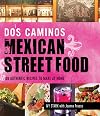
Wow! How often have I or you flipped though a cookbook and seen an extremely interesting recipe and therefore bought the cookbook, only to discover that it was the one appealing recipe in the book? (My answer is “many times”.) This book, for the first time that I recall, presents the exact opposite experience: I flipped through it, thinking that the recipes weren’t interesting, and bought it solely because there were a couple of unusual recipes that included rose. (I am a sucker for rose-flavored foods.) Much to my pleasant surprise, this book is loaded with interesting recipes! In fact, the only reason that more recipes are not singled out is that I didn’t now have the time or desire to putter in the kitchen.
This cookbook is broken into the following chapters:
• Equipment and techniques;
• Salsas and condiments;
• Mole;
• Eggs, pancakes, biscuits, etc.;
• Vegetables and fruits;
• Fish and shellfish;
• Poultry;
• Beef, Pork, and Game;
• Desserts; and
• Beverages.
Note, too, the chile glossary and the section on ingredients. The latter is mostly explanatory. Unfortunately, alternate names are not included.
This cookbook is broken into the following chapters:
• Equipment and techniques;
• Salsas and condiments;
• Mole;
• Eggs, pancakes, biscuits, etc.;
• Vegetables and fruits;
• Fish and shellfish;
• Poultry;
• Beef, Pork, and Game;
• Desserts; and
• Beverages.
Note, too, the chile glossary and the section on ingredients. The latter is mostly explanatory. Unfortunately, alternate names are not included.
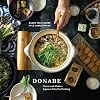
First, you need a donabe.... No problem! Moore has a blog and a company that sells donabe and other items made by Japanese artisans. Although donabes made from coarse clay are best for some purposes, there is some latitude. Therefore, (heresy!) I assume that one can use other cooking vessels, although the results—and certainly the aesthetics—will be less spectacular.
The recipes in this cookbook are divided into the following chapters, most of which are divided by vessel type:
• Classic-style donabe;
• Double-lid donabe rice cooker;
• Donabe for soup and stew;
• Donabe steamer;
• Tagine-style donabe;
• Donabe smoker; and
• Dashi, sauces and Condiments.
The introduction is an excellent introduction to both the vessels and donabe cookery. In addition, this cookbook includes a glossary, a section on cooking tools, and a list of resources.
I am also compelled to mention the luscious photos by Eric Wolfinger. It was his tasteful matte photos that persuaded me to buy this book. I am increasingly annoyed by the usually-enormous photo-packed cookbooks, but this book is as much about donabe, tradition, and aesthetics as it about the recipes. Also, thank goodness, this is not an oversized book.
Even the simplest recipes in this book look to be more nuanced than the norm. (For example, see the recipe for yu-dofu / simmered tofu in hot pot.)
Recipes that catch my eye: sun-dried mushroom and tofu hot pot (this requires the cook to sun-dry the mushrooms, a process that will take show more 3 hours to 1 day, depending on the weather... this could be a useful technique in general! xref: sun-dried mushrooms****; sun-drying mushrooms****; how to sun-dry mushrooms****); chicken meatballs in hot sesame miso broth; salmon and hijiki rice*** (I love hijiki!; this requires homemade salt-cured salmon and includes directions for salt-curing salmon); tofu and corn rice** (also includes quinoa, oyster sauce, and wood ears; my daughter might like this, and, lacking a donabe, I have suggested that she might cook the rice and quinoa in her rice cooker... yeah, yeah, I know...); oven-braised soybeans and vegetables**** (includes shirataki, hijiki, dried shiitake, carrots.... yum!! note, too, the comments that shirataki and konnyaku absorb flavor better when blanched, so that is not solely to eliminate the odor; my daughter might like this; xref: hijiki****); simmered hijiki salad**** (I have never thought of this as a salad, and I don’t think this version is a salad... this is related to the traditional hijiki-carrot-konnyaku-aburage mixture; this variant contains hijiki, dried shiitake, aburage, lotus root, and carrot [I can totally envision shiitake in this, but I am not sure about the lotus root... which my daughter doesn’t like anyway; xref: hijiki****... why am I thinking that gingko nuts would be a nice addition?); miso keema curry** (a bit odd, but my daughter might like this); braised spicy kabocha*** (reminds me of kaiseki ryori; xref: braised spicy winter squash*** / braised spicy butternut squash***); salmon chowder with miso-soymilk broth*** (see the vegan chowder base***; xef: vegan chowder {I am speaking of the base, not the salmon!]); sizzling tofu and mushrooms in miso sauce**; crunchy lotus root in black vinegar sauce*** (different; includes Japanese black vinegar [kurozu] or rice vinegar; also oyster sauce, etc.); kombu and shiitake dashi (vegan; xref: vegan dashi); yuzu ponzu; ponzu; and umami-rich soy sauce**** (umami soy sauce****).
Note that a traditional Japanese rice measuring cup (masu) holds 1 go (3/4 cup or 180ml) of rice. show less
The recipes in this cookbook are divided into the following chapters, most of which are divided by vessel type:
• Classic-style donabe;
• Double-lid donabe rice cooker;
• Donabe for soup and stew;
• Donabe steamer;
• Tagine-style donabe;
• Donabe smoker; and
• Dashi, sauces and Condiments.
The introduction is an excellent introduction to both the vessels and donabe cookery. In addition, this cookbook includes a glossary, a section on cooking tools, and a list of resources.
I am also compelled to mention the luscious photos by Eric Wolfinger. It was his tasteful matte photos that persuaded me to buy this book. I am increasingly annoyed by the usually-enormous photo-packed cookbooks, but this book is as much about donabe, tradition, and aesthetics as it about the recipes. Also, thank goodness, this is not an oversized book.
Even the simplest recipes in this book look to be more nuanced than the norm. (For example, see the recipe for yu-dofu / simmered tofu in hot pot.)
Recipes that catch my eye: sun-dried mushroom and tofu hot pot (this requires the cook to sun-dry the mushrooms, a process that will take show more 3 hours to 1 day, depending on the weather... this could be a useful technique in general! xref: sun-dried mushrooms****; sun-drying mushrooms****; how to sun-dry mushrooms****); chicken meatballs in hot sesame miso broth; salmon and hijiki rice*** (I love hijiki!; this requires homemade salt-cured salmon and includes directions for salt-curing salmon); tofu and corn rice** (also includes quinoa, oyster sauce, and wood ears; my daughter might like this, and, lacking a donabe, I have suggested that she might cook the rice and quinoa in her rice cooker... yeah, yeah, I know...); oven-braised soybeans and vegetables**** (includes shirataki, hijiki, dried shiitake, carrots.... yum!! note, too, the comments that shirataki and konnyaku absorb flavor better when blanched, so that is not solely to eliminate the odor; my daughter might like this; xref: hijiki****); simmered hijiki salad**** (I have never thought of this as a salad, and I don’t think this version is a salad... this is related to the traditional hijiki-carrot-konnyaku-aburage mixture; this variant contains hijiki, dried shiitake, aburage, lotus root, and carrot [I can totally envision shiitake in this, but I am not sure about the lotus root... which my daughter doesn’t like anyway; xref: hijiki****... why am I thinking that gingko nuts would be a nice addition?); miso keema curry** (a bit odd, but my daughter might like this); braised spicy kabocha*** (reminds me of kaiseki ryori; xref: braised spicy winter squash*** / braised spicy butternut squash***); salmon chowder with miso-soymilk broth*** (see the vegan chowder base***; xef: vegan chowder {I am speaking of the base, not the salmon!]); sizzling tofu and mushrooms in miso sauce**; crunchy lotus root in black vinegar sauce*** (different; includes Japanese black vinegar [kurozu] or rice vinegar; also oyster sauce, etc.); kombu and shiitake dashi (vegan; xref: vegan dashi); yuzu ponzu; ponzu; and umami-rich soy sauce**** (umami soy sauce****).
Note that a traditional Japanese rice measuring cup (masu) holds 1 go (3/4 cup or 180ml) of rice. show less
If you enjoy cooking food from Singapore, Malaysia, and Indonesia and find yourself at a loss for an appropriate dessert, this cookbook provides a plethora of options. Therefore, this book will be quite a boon for adventurous cooks.
The downside for those of us who live in the United States is that, in spite of the statement that both metric and American measures are used, only metric measures are given. (Oooops! The probably explanation is that this wording was just blindly copied from other works. Tsk tsk. Get on the ball, editors!) Many of my recent cookbook acquisitions have been published by Marshall Cavendish, and the failure to include American measures makes cooking from them more offputting than it would otherwise be. (Marshall Cavendish and other publishers might note that this translates into a loss of sales for them!)
This book includes recipes for the multilayered and colorful desserts that emanate from Malaysian, Singapore, and Indonesia. Although the desserts won’t be as visually spectacular, I will either omit the coloring or use natural coloring when their flavor would not be an issue. Two of the colorings in this book are natural: blue pea flour (bunga telang, which most of us will not be able to find) and pandan paste.
The recipes in this cookbook range from easy to somewhat tedious to make because of the layering.
I am not going to make an exhaustive list of the recipes that catch my eye, because all of them do. Instead... kueh**** (various sorts). Also: show more kueh talam berlauk*** (steamed savory rice cake—along the same lines as turnip cake aka radish cake aka daikon cake but different—with chiles, cilantro, coconut cream, and a bit of sugar); kueh dadar (pandan pancakes*** with grated coconut filling; or stuffed pandan pancakes***); kueh bangkek (coconut cookies made with cornstarch and tapioca flour); kueh ambon (honeycomb cake; very different; includes yeast; mixture is proofed but not kneaded; judging when the batter is adequately proofed may be an issue, especially on one’s maiden voyage); baked tapioca and durian cake (perhaps the ideal dessert for durian fans); bubor cha cha (xref: bubor chacha; red sweet potato and colored tapioca in coconut milk syrup); sweet potato, yam and banana in coconut and palm sugar syrup. show less
The downside for those of us who live in the United States is that, in spite of the statement that both metric and American measures are used, only metric measures are given. (Oooops! The probably explanation is that this wording was just blindly copied from other works. Tsk tsk. Get on the ball, editors!) Many of my recent cookbook acquisitions have been published by Marshall Cavendish, and the failure to include American measures makes cooking from them more offputting than it would otherwise be. (Marshall Cavendish and other publishers might note that this translates into a loss of sales for them!)
This book includes recipes for the multilayered and colorful desserts that emanate from Malaysian, Singapore, and Indonesia. Although the desserts won’t be as visually spectacular, I will either omit the coloring or use natural coloring when their flavor would not be an issue. Two of the colorings in this book are natural: blue pea flour (bunga telang, which most of us will not be able to find) and pandan paste.
The recipes in this cookbook range from easy to somewhat tedious to make because of the layering.
I am not going to make an exhaustive list of the recipes that catch my eye, because all of them do. Instead... kueh**** (various sorts). Also: show more kueh talam berlauk*** (steamed savory rice cake—along the same lines as turnip cake aka radish cake aka daikon cake but different—with chiles, cilantro, coconut cream, and a bit of sugar); kueh dadar (pandan pancakes*** with grated coconut filling; or stuffed pandan pancakes***); kueh bangkek (coconut cookies made with cornstarch and tapioca flour); kueh ambon (honeycomb cake; very different; includes yeast; mixture is proofed but not kneaded; judging when the batter is adequately proofed may be an issue, especially on one’s maiden voyage); baked tapioca and durian cake (perhaps the ideal dessert for durian fans); bubor cha cha (xref: bubor chacha; red sweet potato and colored tapioca in coconut milk syrup); sweet potato, yam and banana in coconut and palm sugar syrup. show less
This little cookbook starts with the following paragraph: “This book has two aims: The first is to gather together the more unusual recipes, those recipes that rarely appear in standard cook books, and which are always much more delightful than the more commonly known dishes. The second, and more important aim is to furnish a book which will aid the business woman who keeps house, and the women who are forced to do their cooking in kitchenettes.” Goddard then bemoans the younger women’s disinterest in “the womanly arts”, saying that these women preferred to work in an office, and that their husbands were therefore forced to eat at commercial establishments. But wait! After the generalization, Goddard reverses course and says that many of these female office workers would be happy to cook dinner, but there are several barriers to her doing so:
1. The tiny kitchens in apartments, which might only have room for a two-burner stove or an electric grill;
2. The lack of space for an ice box and the relative inability to store food or leftovers;
3. The elaborate cookery of previous generations that could not be replicated in those tiny kitchens; and
4. The greatly reduced time that was available for cooking.
With that in mind, Goddard herein presents recipes for smaller quantities of food, which can be prepared in 45 minutes or less, and which rely fairly heavily on canned foods. She also lauds the appearance of whole-meal cookers that allowed a whole meal to be cooked show more simultaneously over one burner. (I assume Goddard is referring to something like Household Institute’s Triplicate Set, which I have described in my entry for the Household Institute Cook Book.)
Recipes are done in prose style, with no list of ingredients. They run the gamut from what I would not call recipes (e.g., a canned tomato soup that has milk and a bit of soda added to it) to simple but worthy preparations (e.g., broiled fish roe). show less
1. The tiny kitchens in apartments, which might only have room for a two-burner stove or an electric grill;
2. The lack of space for an ice box and the relative inability to store food or leftovers;
3. The elaborate cookery of previous generations that could not be replicated in those tiny kitchens; and
4. The greatly reduced time that was available for cooking.
With that in mind, Goddard herein presents recipes for smaller quantities of food, which can be prepared in 45 minutes or less, and which rely fairly heavily on canned foods. She also lauds the appearance of whole-meal cookers that allowed a whole meal to be cooked show more simultaneously over one burner. (I assume Goddard is referring to something like Household Institute’s Triplicate Set, which I have described in my entry for the Household Institute Cook Book.)
Recipes are done in prose style, with no list of ingredients. They run the gamut from what I would not call recipes (e.g., a canned tomato soup that has milk and a bit of soda added to it) to simple but worthy preparations (e.g., broiled fish roe). show less
Hints to Housewives on How to Buy How to Care for Food Meats Drippings and Butter Substitutes Substitutes for Meat Fish Vegetables Cereals Bread How to Use Left-Overs How to Make Soap Fireless Cooker Canning Fruits and Vegetables How to Preserve Eggs by New York Committee on Food Supply
This cookbook was prepared in collaboration with The Domestic Science Department of the Board of Education of the City of New York. It is not a cookbook that has just gotten a cosmetic makeover, which often was the case with wartime material. It was obviously written with the war and its domestic and European consequences in mind. It is therefore rife with references to World War I, and all of the chapters are totally relevant to wartime circumstances.
Indeed, the need to economize, to alter the accustomed diet, and to not waste food also stemmed from the needs of our European allies. Farmers were urged to produce more crops and even urban families were growing foods in their yards and in vacant lots with more than their own needs in mind. Meals were simplified, and waste was vastly reduced, with the help of cookbooks like this one.
Indeed, the need to economize, to alter the accustomed diet, and to not waste food also stemmed from the needs of our European allies. Farmers were urged to produce more crops and even urban families were growing foods in their yards and in vacant lots with more than their own needs in mind. Meals were simplified, and waste was vastly reduced, with the help of cookbooks like this one.
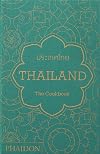
First, let me say that Jean-Pierre Gabriel has done a wonderful job gathering a wide array of unusual recipes from home cooks throughout Thailand. What I say below is NOT a reflection on his work. Indeed, this book should have had much more attention paid to it by the editorial team at Phaidon.
Why do I say this? It is impossible to use many of the recipes in the book because the glossary is woefully deficient. Someone on the editorial team should have methodically gone through every single recipe, noting the esoteric ingredients, and making sure that they were explained in the glossary. At the very least, the entries should include Thai script, transliterated Thai script, and English names for the ingredients; and, in the case of plant matter, the scientific name(s). When ingredients are in Malay, they also need to be in English. It would also have been useful to have possible substitutions for ingredients that cannot be found in the West. (Note that occasionally one sees such a comment in a recipe’s list of ingredients, but this is rare.) In summary, although I was and am thrilled with the authenticity of this cookbook and accept the fact that this authenticity means I can’t make a large number of recipes in it, the editorial team could have made this book much more usable. There is really no excuse for ignoring these issues in what is otherwise a spectacular book. You can be sure that if I had worked on this cookbook, I would have noticed and pointed out its show more failures almost the second I started going through the recipes. It is sad that the failure to include these things vastly reduces the value of what could have been a truly spectacular cookbook. Phaidon should publish a revised edition that addresses these failures! Did NO ONE bring these issues up? Or were these issues mentioned and dismissed?
Here is a case in point. The kaeng som chili paste that features fingerroot as a major ingredient. I was thinking that fingerroot might be what I know as kencur, among other things. However, the glossary by itself offers no real illumination. Although I have other resources to consult, others may not. Plus one should not have to spend a lot of time and effort trying to figure such things out. Although some glossary entries about vegetable matter include scientific names, the entry for fingerroot does not. Unfortunately, it later becomes apparent that the fingerroot issue is the mere tip of the iceberg when it comes to figuring out the identities of ingredients.
I am thinking that in order to make this book usable, I am going to have to spend MUCH time making a list of ingredients and then figuring out what they are. The potential user should not have to do this! show less
Why do I say this? It is impossible to use many of the recipes in the book because the glossary is woefully deficient. Someone on the editorial team should have methodically gone through every single recipe, noting the esoteric ingredients, and making sure that they were explained in the glossary. At the very least, the entries should include Thai script, transliterated Thai script, and English names for the ingredients; and, in the case of plant matter, the scientific name(s). When ingredients are in Malay, they also need to be in English. It would also have been useful to have possible substitutions for ingredients that cannot be found in the West. (Note that occasionally one sees such a comment in a recipe’s list of ingredients, but this is rare.) In summary, although I was and am thrilled with the authenticity of this cookbook and accept the fact that this authenticity means I can’t make a large number of recipes in it, the editorial team could have made this book much more usable. There is really no excuse for ignoring these issues in what is otherwise a spectacular book. You can be sure that if I had worked on this cookbook, I would have noticed and pointed out its show more failures almost the second I started going through the recipes. It is sad that the failure to include these things vastly reduces the value of what could have been a truly spectacular cookbook. Phaidon should publish a revised edition that addresses these failures! Did NO ONE bring these issues up? Or were these issues mentioned and dismissed?
Here is a case in point. The kaeng som chili paste that features fingerroot as a major ingredient. I was thinking that fingerroot might be what I know as kencur, among other things. However, the glossary by itself offers no real illumination. Although I have other resources to consult, others may not. Plus one should not have to spend a lot of time and effort trying to figure such things out. Although some glossary entries about vegetable matter include scientific names, the entry for fingerroot does not. Unfortunately, it later becomes apparent that the fingerroot issue is the mere tip of the iceberg when it comes to figuring out the identities of ingredients.
I am thinking that in order to make this book usable, I am going to have to spend MUCH time making a list of ingredients and then figuring out what they are. The potential user should not have to do this! show less
Sweet Delights from a Thousand and One Nights: The Story of Traditional Arab Sweets by Habeeb Salloum
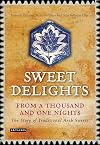
Exc/exc. 1st ed.
This book delves into the history of Arab sweets and provides both historic and modern recipes for them. The latter allows the reader to easily compare early medieval approaches to those desserts with the versions and nonArab offspring that are still made today. The authors also present intermediate steps between old and new.
The history and recipes are broken into the following chapters:
• Basic Recipes;
• Pastries;
• Cookies;
• Cakes and Pies;
• Candies; and
• Puddings and Other Sweet Delights.
Also worth noting are the glossary and the bibliography. In addition, see the section “Key Ingredients in Arab Sweets”, pp. 3-4, and the Arabic terms that are sprinkled throughout the book.
Note that the recipe names are almost always in transliterated Arabic, and most such names will not be recognized by those of us who lack significant knowledge of the topic and the language.
This is a terrific book! I look forward to acquiring the subsequent book by this trio!
Recipes that catch my eye (limited to redactions, also by my avoidance of deep-fat frying... and lengthy puttering): thick custardlike cream for fillings**** (p. 16; aka Arab pudding / Arab cornstarch pudding with rosewater and orange blossom water; OMG! Do it! Just eat it as is, probably reducing the cream); sweet sambusa (p. 21; see the filling; possibly try as croissant filling → Arab-style almond croissants; filling includes almonds, cinnamon, cardamom, and rosewater); baqlawa (p. 29; xref: show more baklava; see use of orange blossom water, also comment re making a drier, less-sweet version at bottom of p. 29); pistachio-stuffed cookies*** (p. 113); almond-filled cookies (p. 115); Arab shortbread (p. 128; with orange blossom water); polvorones a la Andaluza (p. 129; with rosewater and cinnamon; related to wedding cakes, snowballs; a possible alternative to snowballs → holiday cookie); creamy milk pudding topped with apricot paste*** (p. 204; a layered pudding, bottom part includes orange blossom water, rosewater, almonds, and pistachios; top contains dried apricots and orange juice); jellied watermelon pudding** (p. 207; with rosewater, cinnamon, candied fruit, pistachios); fig and almond balls (p. 212; with orange, rosewater, and cinnamon); semolina balls*** (p. 223; interesting; try a smaller amount); with pomegranate syrup, rosewater, almonds, cinnamon, etc.); honeyed dates** (p. 231; dates stuffed with almonds in a syrup that contains rosewater, cinnamon, ginger, and poppyseeds); dates stuffed with almond paste**** (p. 231; make your own almond paste, includes orange blossom water and cinnamon); dates stuffed with pistachio paste*** (p. 233; make your own pistachio paste, includes rosewater); dates soaked in watermelon** (pages 233, 234; different; try a smaller amount in a smaller melon). show less
This book delves into the history of Arab sweets and provides both historic and modern recipes for them. The latter allows the reader to easily compare early medieval approaches to those desserts with the versions and nonArab offspring that are still made today. The authors also present intermediate steps between old and new.
The history and recipes are broken into the following chapters:
• Basic Recipes;
• Pastries;
• Cookies;
• Cakes and Pies;
• Candies; and
• Puddings and Other Sweet Delights.
Also worth noting are the glossary and the bibliography. In addition, see the section “Key Ingredients in Arab Sweets”, pp. 3-4, and the Arabic terms that are sprinkled throughout the book.
Note that the recipe names are almost always in transliterated Arabic, and most such names will not be recognized by those of us who lack significant knowledge of the topic and the language.
This is a terrific book! I look forward to acquiring the subsequent book by this trio!
Recipes that catch my eye (limited to redactions, also by my avoidance of deep-fat frying... and lengthy puttering): thick custardlike cream for fillings**** (p. 16; aka Arab pudding / Arab cornstarch pudding with rosewater and orange blossom water; OMG! Do it! Just eat it as is, probably reducing the cream); sweet sambusa (p. 21; see the filling; possibly try as croissant filling → Arab-style almond croissants; filling includes almonds, cinnamon, cardamom, and rosewater); baqlawa (p. 29; xref: show more baklava; see use of orange blossom water, also comment re making a drier, less-sweet version at bottom of p. 29); pistachio-stuffed cookies*** (p. 113); almond-filled cookies (p. 115); Arab shortbread (p. 128; with orange blossom water); polvorones a la Andaluza (p. 129; with rosewater and cinnamon; related to wedding cakes, snowballs; a possible alternative to snowballs → holiday cookie); creamy milk pudding topped with apricot paste*** (p. 204; a layered pudding, bottom part includes orange blossom water, rosewater, almonds, and pistachios; top contains dried apricots and orange juice); jellied watermelon pudding** (p. 207; with rosewater, cinnamon, candied fruit, pistachios); fig and almond balls (p. 212; with orange, rosewater, and cinnamon); semolina balls*** (p. 223; interesting; try a smaller amount); with pomegranate syrup, rosewater, almonds, cinnamon, etc.); honeyed dates** (p. 231; dates stuffed with almonds in a syrup that contains rosewater, cinnamon, ginger, and poppyseeds); dates stuffed with almond paste**** (p. 231; make your own almond paste, includes orange blossom water and cinnamon); dates stuffed with pistachio paste*** (p. 233; make your own pistachio paste, includes rosewater); dates soaked in watermelon** (pages 233, 234; different; try a smaller amount in a smaller melon). show less
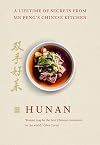
First, let’s get something out of the way. The binding is neither sublime nor elegant—two words that I ran into when I went to see what other folks thought. It is ugly and cheap. Methinks folks who claim otherwise are ignoring their own reactions lest they are seen as saying something wrong. It is like The Emperor’s New Clothes, and I say the emperor is naked. I was interested to see that almost every comment on the binding parroted the exact same words. This makes me wonder whether an entity which is somehow related to the book was the origin of this statement. Sad to say that this ugly book will not grace my shelves. It will be in a stack below the relevant bookcase.
I suspect, too, that the binding will be extremely fragile. I already see that the lack of structure allows the book to settle into a crooked position. When I went to open the book, I was also surprised to find that the cover is flush with the page edges. This too, makes it feel like the book will be easily damaged, as one strives to pry the book open.
Recipes that catch my eye: whole stuffed aubergine (xref: whole stuffed eggplant) ?; chicken and spinach fritters (interesting); Little Lion’s Head with Tofu (relatively interesting); stuffed pig’s trotters (see the braising liquid—maybe use for some other pork cut); lamb with hot spicy sauce (but deep-fat fried); beef and mushroom stir-fry** (but add more mushrooms!); marmalade sauce (see; part of ox tongue with marmalade); red chilli sauce; show more Sichuan chilli sauce. show less
I suspect, too, that the binding will be extremely fragile. I already see that the lack of structure allows the book to settle into a crooked position. When I went to open the book, I was also surprised to find that the cover is flush with the page edges. This too, makes it feel like the book will be easily damaged, as one strives to pry the book open.
Recipes that catch my eye: whole stuffed aubergine (xref: whole stuffed eggplant) ?; chicken and spinach fritters (interesting); Little Lion’s Head with Tofu (relatively interesting); stuffed pig’s trotters (see the braising liquid—maybe use for some other pork cut); lamb with hot spicy sauce (but deep-fat fried); beef and mushroom stir-fry** (but add more mushrooms!); marmalade sauce (see; part of ox tongue with marmalade); red chilli sauce; show more Sichuan chilli sauce. show less
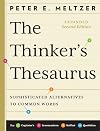
Okay. I have a very good vocabulary, which I often have to tone down when speaking to people. I don’t quite understand the point of using the totally obscure words that Meltzer offers as synonyms. Although it might be interesting to page through the book for one’s own amusement and education, the book has little or no practical use. Indeed, as an editor, I might point out that language is generally used to communicate ideas. The use of the words in this book will not serve that purpose and will, in fact, only result in befuddlement.

This has been one of my favorite cookbooks for almost 40 years. Unlike so many cookbooks, it has really withstood the test of time.
In my food, cooking, and cookbook-collecting circles, one frequently faces the question of what cookbooks would you take to a desert island, if you could only take ______. (Fill in the blank.) My standard answer is that I would take this book plus James Beard's American Cookery. If limited to only one cookbook, I would take this one. Charmaine Solomon really NAILED the cookery of the countries that are represented in this book. My opinion has not changed over the years, even with the increased availability of Asian ingredients in the interim. It now occurs to me that this could only be the case if Charmaine Solomon did not "dumb down" the recipes with that availability in mind. Kudos to her for this formula for a cookbook that is destined to have lasting value.
In my food, cooking, and cookbook-collecting circles, one frequently faces the question of what cookbooks would you take to a desert island, if you could only take ______. (Fill in the blank.) My standard answer is that I would take this book plus James Beard's American Cookery. If limited to only one cookbook, I would take this one. Charmaine Solomon really NAILED the cookery of the countries that are represented in this book. My opinion has not changed over the years, even with the increased availability of Asian ingredients in the interim. It now occurs to me that this could only be the case if Charmaine Solomon did not "dumb down" the recipes with that availability in mind. Kudos to her for this formula for a cookbook that is destined to have lasting value.

This cookbook starts with an informative 2-page introduction by the author and ends with a 9 ¼-page glossary in English, Nepali, and Newari. There is also a 3-page section on cooking utensils as well as a 1 ½-page section consisting of notes on Ingredients. (I do take exception to the statement that garlic salt can be substituted for fresh garlic; methinks that should be garlic powder!) In addition, there is a 1-page list of vegetables and fruits that are available in Nepal, which contains nothing that is unfamiliar.
One should note that Nepalese cooks generally do not use weights and measures. American measures are used in the recipes. Note, too, that one is advised to adjust the number of chiles and the amounts of other herbs, spices, and “strong” ingredients to taste.
Because the index is actually a list of recipes within the chapters, it stands in for an unalphabetized index as well. It is interesting to note that the first chapter is about sweets!
The chapters of recipes are:
I. Sweets
II. Snacks
III. Vegetables
IV. Meat Dishes
V. Main Dishes
VI. Salads & Relishes
The recipes in this cookbooks are much more interesting than those in other cookbooks that one expects to be esoteric. Be sure to read all the way through the recipes ere starting to cook them, because some ingredients do not appear in the ingredient lists.
Recipes that catch my eye: naikya barfi (coconut fudge; note the addition of an unspecified amount of rosewater); kani-ya kheer (sweet corn pudding, based show more on “fresh or cream-style canned corn; I am curious as to how this comes out and may have to try it); gajar-ya kheer (carrot pudding); shikarni (I suspect this is like the Indian shrikand; this contains a huge amount of cloves and black pepper, as well as pretty large amounts of other flavorings); gajar haluwa (carrot sweet; cf the Indian gajar halwa; the grated carrots are steamed, which strikes me as an unusual approach); bread fritters (interesting because soaked and flattened bread is used to encase the filling; one occasionally sees this approach in western cookbooks and recipe booklets); puka la (fried meat***; this contains a large amount of vinegar in addition to substantial seasoning; need to figure out what the default meat is in Nepal [see below]); alu achar (I wonder whether tinkering would lead to a plausible potato salad). There are also several recipes for offal.
Meat, Poultry, and Fish in Nepal... The meat from male goats and sheep seem to be the defaults. Chicken and fish are acceptable to most of the population, which also eats local sheep. If the inclusion of Newari words in the glossary indicates that this book features that cuisine, buffalo is popular. (Is that water buffalo?) Beef, pork, buffalo, and yak are only eaten by Dalits (formerly called Untouchables), although wild boar meat is increasingly accepted.
Note: There is a statement that says the book was published by Dorothy Miller of Manhattan, Kansas. However, everything else points to a Nepali origin. Therefore, the information in the publication field is for that of the printer.
Printed on paper that could deteriorate rapidly. show less
One should note that Nepalese cooks generally do not use weights and measures. American measures are used in the recipes. Note, too, that one is advised to adjust the number of chiles and the amounts of other herbs, spices, and “strong” ingredients to taste.
Because the index is actually a list of recipes within the chapters, it stands in for an unalphabetized index as well. It is interesting to note that the first chapter is about sweets!
The chapters of recipes are:
I. Sweets
II. Snacks
III. Vegetables
IV. Meat Dishes
V. Main Dishes
VI. Salads & Relishes
The recipes in this cookbooks are much more interesting than those in other cookbooks that one expects to be esoteric. Be sure to read all the way through the recipes ere starting to cook them, because some ingredients do not appear in the ingredient lists.
Recipes that catch my eye: naikya barfi (coconut fudge; note the addition of an unspecified amount of rosewater); kani-ya kheer (sweet corn pudding, based show more on “fresh or cream-style canned corn; I am curious as to how this comes out and may have to try it); gajar-ya kheer (carrot pudding); shikarni (I suspect this is like the Indian shrikand; this contains a huge amount of cloves and black pepper, as well as pretty large amounts of other flavorings); gajar haluwa (carrot sweet; cf the Indian gajar halwa; the grated carrots are steamed, which strikes me as an unusual approach); bread fritters (interesting because soaked and flattened bread is used to encase the filling; one occasionally sees this approach in western cookbooks and recipe booklets); puka la (fried meat***; this contains a large amount of vinegar in addition to substantial seasoning; need to figure out what the default meat is in Nepal [see below]); alu achar (I wonder whether tinkering would lead to a plausible potato salad). There are also several recipes for offal.
Meat, Poultry, and Fish in Nepal... The meat from male goats and sheep seem to be the defaults. Chicken and fish are acceptable to most of the population, which also eats local sheep. If the inclusion of Newari words in the glossary indicates that this book features that cuisine, buffalo is popular. (Is that water buffalo?) Beef, pork, buffalo, and yak are only eaten by Dalits (formerly called Untouchables), although wild boar meat is increasingly accepted.
Note: There is a statement that says the book was published by Dorothy Miller of Manhattan, Kansas. However, everything else points to a Nepali origin. Therefore, the information in the publication field is for that of the printer.
Printed on paper that could deteriorate rapidly. show less

South African cookery is a mix of Dutch, German, African, Malaysian, Portuguese, French, and other cuisines. Although some of the main ingredients (e.g., snoek and springbok) are indigenous, most of the recipes look pretty “normal” to me. (Pause to consider that word “normal”... the other ingredients, techniques, and end-products are familiar.) That being said, this book is the best South African cookbook that I have seen thus far, although I hasten to add that I rarely see much competition here in Massachusetts.
Recipes that catch my eye: oxtail potjie; beef and oxtail potjie; lamb shank potjie; baked ham (see glaze); lamb curry (my daughter might like this); curried mince (my daughter might like this); Grace’s Christmas cake**** (xref: single fruit cake!; need to convert measures or use scale); Maggie’s ginger bread **** (xref: gingerbread****; note that it contains stem ginger and is brushed with ginger syrup too... why am I also thinking of ginger syrup? my mom would have loved this!); garlic and lemon marinade (actually garlic, lemon, and mint marinade for lamb). There are many more meritorious recipes, but I didn’t have the time to write them down.
Recipes that catch my eye in a negative kind of way: peanut butter chicken casserole (obviously with peanut butter... read on); peanut sauce (savory, with peanut butter). I detest savory dishes that are made with peanut butter instead of pounded or chopped peanuts.
In addition to tasty recipes, this book offers show more interesting glimpses into name derivations (e.g., bobotie is “derived from the Indonesian word ‘bobotok’ ”) and thus also into South Africa’s history. In addition, it is interesting to see that a couple of recipes with names that clearly indicate a Malaysian or Indonesian origin (sambal and sambal udang) are said to have come from Mozambique.
Before I forget, the index is perhaps the most complete one that I have ever encountered—and, I suspect, automatically generated.
It is also worth noting that the photos are of South African wildlife, vistas, etc., and not the food. show less
Recipes that catch my eye: oxtail potjie; beef and oxtail potjie; lamb shank potjie; baked ham (see glaze); lamb curry (my daughter might like this); curried mince (my daughter might like this); Grace’s Christmas cake**** (xref: single fruit cake!; need to convert measures or use scale); Maggie’s ginger bread **** (xref: gingerbread****; note that it contains stem ginger and is brushed with ginger syrup too... why am I also thinking of ginger syrup? my mom would have loved this!); garlic and lemon marinade (actually garlic, lemon, and mint marinade for lamb). There are many more meritorious recipes, but I didn’t have the time to write them down.
Recipes that catch my eye in a negative kind of way: peanut butter chicken casserole (obviously with peanut butter... read on); peanut sauce (savory, with peanut butter). I detest savory dishes that are made with peanut butter instead of pounded or chopped peanuts.
In addition to tasty recipes, this book offers show more interesting glimpses into name derivations (e.g., bobotie is “derived from the Indonesian word ‘bobotok’ ”) and thus also into South Africa’s history. In addition, it is interesting to see that a couple of recipes with names that clearly indicate a Malaysian or Indonesian origin (sambal and sambal udang) are said to have come from Mozambique.
Before I forget, the index is perhaps the most complete one that I have ever encountered—and, I suspect, automatically generated.
It is also worth noting that the photos are of South African wildlife, vistas, etc., and not the food. show less
This is the third cookbook written by the husband-and-wife team, Tracey Lister and Andreas Pohl. Ms. Lister has a cooking school in Hanoi (the Hanoi Cooking Centre). Her husband, a writer, shares her interest in Vietnamese culture.
This cookbook contains seven chapters of recipes:
• Rice and Bread/Grains of Life
• Vegetables and Salads/Greenhouse Effect
• Fish and Crustaceans/Vietnam and China/MOT HAI BA—Yoh!
• Poultry/The Other Fast Food Nation
• Pork, Beef, and Goat/Pho: Vietnam in a Bowl
• Condiments: Phu Quoc’s Treasures
• Sweets/Old Black Magic
It would have been nice if the authors had included a glossary.
The subsections of the chapters turn out to be a few pages of prose and photos that appear in the middle of the recipes. I really don’t like this because it interrupts the flow of the recipes. I wonder why those sections can’t appear at the beginning or end of the chapters if they have to be in the chapters at all.
In spite of the aforementioned small quibbles, this is, without a doubt, the best Vietnamese cookbook that I have ever seen, although I do need to look again at Lister and Pohl’s other cookbooks. Most Vietnamese cookbooks offer the same recipes and contain nothing that is notably different. This cookbook, however, offers the home cook recipes that utilize ingredients that have not been previously seen in Vietnamese cookbooks. Some of these additions transform side dishes into plausible light main courses. [give it five stars]
Recipes that show more catch my eye: banana flower salad (cf); green mango and sun-dried squid salad*** (a different variation; try it); green papaya spring rolls (with julienned pig ear); green papaya salad*** (with dried beef; try it); lotus root salad (with chicken); rice flour pancakes (made in a banh khot pan—which, based on the photo, could be replaced by an aebleskiver pan; to be filled with a savory substance); squid and pomelo salad; eel in caul fat (omit the perilla/shiso); caramel fish with galangal*** (different, and probably not hazardous to one’s cookware; my daughter might like this); clam and dill broth (appears to be akin to canh chua—this is canh ngao); baby chicken char-grilled with kaffir lime leaves**** (this sounds like it is extremely tasty; also includes garlic, chile, galangal, lemongrass, etc.; possibly reduce or eliminate the 5-spice powder; my daughter might like this); soy-poached chicken (looks to be the Vietnamese version of red-cooked chicken); barbecued lemongrass-marinated pork with rice vermicelli** (eliminate the peanut butter); tapioca dumplings with prawn and pork (looks yummy, but will I ever make that dough?); bun cha dipping sauce (looks like a nice start for sweet chile sauce [the kind with the julienned carrot] with some tinkering); peanut, garlic and shallot dipping sauce (needless to say, I would eliminate the peanut butter); pickled cabbage; salty peanut and sesame cookies** (my daughter might like this). show less
This cookbook contains seven chapters of recipes:
• Rice and Bread/Grains of Life
• Vegetables and Salads/Greenhouse Effect
• Fish and Crustaceans/Vietnam and China/MOT HAI BA—Yoh!
• Poultry/The Other Fast Food Nation
• Pork, Beef, and Goat/Pho: Vietnam in a Bowl
• Condiments: Phu Quoc’s Treasures
• Sweets/Old Black Magic
It would have been nice if the authors had included a glossary.
The subsections of the chapters turn out to be a few pages of prose and photos that appear in the middle of the recipes. I really don’t like this because it interrupts the flow of the recipes. I wonder why those sections can’t appear at the beginning or end of the chapters if they have to be in the chapters at all.
In spite of the aforementioned small quibbles, this is, without a doubt, the best Vietnamese cookbook that I have ever seen, although I do need to look again at Lister and Pohl’s other cookbooks. Most Vietnamese cookbooks offer the same recipes and contain nothing that is notably different. This cookbook, however, offers the home cook recipes that utilize ingredients that have not been previously seen in Vietnamese cookbooks. Some of these additions transform side dishes into plausible light main courses. [give it five stars]
Recipes that show more catch my eye: banana flower salad (cf); green mango and sun-dried squid salad*** (a different variation; try it); green papaya spring rolls (with julienned pig ear); green papaya salad*** (with dried beef; try it); lotus root salad (with chicken); rice flour pancakes (made in a banh khot pan—which, based on the photo, could be replaced by an aebleskiver pan; to be filled with a savory substance); squid and pomelo salad; eel in caul fat (omit the perilla/shiso); caramel fish with galangal*** (different, and probably not hazardous to one’s cookware; my daughter might like this); clam and dill broth (appears to be akin to canh chua—this is canh ngao); baby chicken char-grilled with kaffir lime leaves**** (this sounds like it is extremely tasty; also includes garlic, chile, galangal, lemongrass, etc.; possibly reduce or eliminate the 5-spice powder; my daughter might like this); soy-poached chicken (looks to be the Vietnamese version of red-cooked chicken); barbecued lemongrass-marinated pork with rice vermicelli** (eliminate the peanut butter); tapioca dumplings with prawn and pork (looks yummy, but will I ever make that dough?); bun cha dipping sauce (looks like a nice start for sweet chile sauce [the kind with the julienned carrot] with some tinkering); peanut, garlic and shallot dipping sauce (needless to say, I would eliminate the peanut butter); pickled cabbage; salty peanut and sesame cookies** (my daughter might like this). show less
Christine Terhune Herrick was the daughter of Mary Virginia Terhune (nee Hawes), who penned books under the pseudonym “Marion Harland”. Christine Terhune Herrick wrote cookbooks in her own right and obviously also strayed into other territory, as did her more-famous mother. (It might be noted that Mary’s son and Christine’s brother, Albert Payson Terhune, was also a prolific author, who is remembered especially for his books about collies, which include “Lad: A Dog” and its sequels.)
The book at hand touches upon food and cookery in the following chapters: Our Girl’s Diet, The School-Girl’s Lunch (with recipes for sandwiches), Caprices in Eating (with, oh dear, the advice that a child be faced with a disliked food meal after meal until it is eaten), A Children’s Party (with a bill-of-fare), A Candy Party (with a taffy pull and recipes for that and other candies, even including chocolate creams!), A Nutting Frolic and a Corn Roast (which also includes sweet and white potatoes, apples, and toasted marshmallows, all cooked in the great outdoors), How to Get Up a Picnic (salads [and we are not just talking about greenery], poultry molded in gelatin, sandwiches [including those made with sweetbreads!], deviled eggs, “Saratoga chips” [which we know as potato chips], condiments, fruits, various baked goods), A Girl’s Share in Thanksgiving (which, as far as food goes, is pretty much confined to carving pumpkin baskets and arranging fruits and nuts, show more although a late-day taffy pull is also suggested), The Girl and the Chafing Dish (which is seen as “a really valuable aid in teaching young people something about cookery; many dishes are suggested, and there are explicit directions for eggs and ham, curried hard-boiled eggs, panned oysters, cheese fondue, and a simple dessert), Marketing (with advice about selecting meats, poultry, fish, etc., and what various members of the household require in the way of provisions), and Something About Food Values (which delves into the relative values of meats and the various cuts thereof, how to make soups and stews, etc). Food is also mentioned in The Sick Child II, because, after all, sick and recovering children do need nourishment, which might entail some coaxing. show less
The book at hand touches upon food and cookery in the following chapters: Our Girl’s Diet, The School-Girl’s Lunch (with recipes for sandwiches), Caprices in Eating (with, oh dear, the advice that a child be faced with a disliked food meal after meal until it is eaten), A Children’s Party (with a bill-of-fare), A Candy Party (with a taffy pull and recipes for that and other candies, even including chocolate creams!), A Nutting Frolic and a Corn Roast (which also includes sweet and white potatoes, apples, and toasted marshmallows, all cooked in the great outdoors), How to Get Up a Picnic (salads [and we are not just talking about greenery], poultry molded in gelatin, sandwiches [including those made with sweetbreads!], deviled eggs, “Saratoga chips” [which we know as potato chips], condiments, fruits, various baked goods), A Girl’s Share in Thanksgiving (which, as far as food goes, is pretty much confined to carving pumpkin baskets and arranging fruits and nuts, show more although a late-day taffy pull is also suggested), The Girl and the Chafing Dish (which is seen as “a really valuable aid in teaching young people something about cookery; many dishes are suggested, and there are explicit directions for eggs and ham, curried hard-boiled eggs, panned oysters, cheese fondue, and a simple dessert), Marketing (with advice about selecting meats, poultry, fish, etc., and what various members of the household require in the way of provisions), and Something About Food Values (which delves into the relative values of meats and the various cuts thereof, how to make soups and stews, etc). Food is also mentioned in The Sick Child II, because, after all, sick and recovering children do need nourishment, which might entail some coaxing. show less

No dj. Pp edges are discolored, otherwise exc.
Sometimes my contacts in the book world know what I might like better than I do. This book, which is not a cookbook, is one example of this. At first glance, I wondered why I would want to buy it. After all, my main focus is cookery, but as I thumbed through the book’s pages, I quickly discerned its great value.
Here are only SOME of the things that one sees in this book. I will list them within their respective chapters.
I. Housewifery as a Business.
This starts out with a description of the layout of the various rooms. It might be noted that the bedrooms and bathroom are grouped into a category that is called the “Rest Unit”. The kitchen, pantry, laundry, and cellar are called the “Work Unit”. Other rooms, including the dining room, parlor, library, and porches, constitute the “Recreation Unit”. We then learn to read architectural plans before we see some house plans. Skipping along, later in the chapter, we get organizational charts for households with one or two maids.
II. Plumbing.
This chapter is quite comprehensive and starts with topics such as pumps, types of water, and water storage. Then we see how to deal with household waste. Most interesting to me are the views of bathroom, kitchen sink, and laundry arrangements. We even see details on how to construct an out house (also called privy and an earth closet, or merely a closet, in the space of two lines of text). In the realm of indoor plumbing, we see show more the term “flush closet”. Later we get our first photos—of a porcelain sink, then of a woman doing dishes with a device that is attached to the faucet. The most-interesting thing in this chapter (for me), is the drawing of the sink with surrounding cabinets plus the cabinets on the next wall. This also shows some hanging pots, a cake or bread box, lighting, etc. Also very interesting is the drawing of a “well-arranged bathroom” with its clawfoot tub, hanging toilet tank, etc. It might be noted that this bathroom is fairly spacious compared to the bathrooms in some more-modern abodes.
III. Heating and Lighting.
Most interesting to me are the photos of various kinds of stoves. Also of interest to me: the diagram of a device attached to a stove that allows kerosene to be used; a photo of a coal stove for heating irons (a bit like a parlor stove, but more utilitarian); diagrams of heating systems and hot water circulation; diagram of hot water heater connected to a cookstove; diagram of an instant gas water heater for the bathroom (wow!); diagrams of how different stoves work; explanations, diagrams, and photos of fireless cookers.
IV. Equipment and Labor-Saving Devices-I.
Part I is devoted to the kitchen. It includes photos demonstrating the proper and improper height of kitchen work surfaces and sinks (also showing good and bad posture when working in the kitchen); comprehensive lists of kitchen equipment (great!—I may have to type this for food historians [starts p. 90]); details of appropriate kitchen work tables and cabinets; photos of cooking tools for various tasks (courtesy of Good Housekeeping magazine); prices for some of the items; note the discussion of a dishwashing machine (I never knew they were available so early!); discussion of dumb waiters;
V. Equipment and Labor-Saving Devices-II.
Part II is devoted to the laundry and to cleaning. It includes lists of laundry equipment and supplies; a photo of much of the laundry equipment, including a washing tub on legs with an attached wringer; diagrams of various types of washing machines (old washing machines, some of which I have seen in person) plus some photos plus descriptions of how they work; various drying schemes, most but not all outdoors; ironing equipment; list of materials and tools used for cleaning; photos of some of the aforementioned items; photos of women using devices with good posture; discussion, diagrams, and photos of carpet sweepers and vacuum cleaners (and I gather that the former might have been used ere vacuuming commenced); mops; floor cloths (which were chemically treated... hmmm, sounds almost like Swiffer, etc. pads);
VI. Household Supplies.
The subsections are cleansers and polishers; soap (including directions on how to make soap), soda, and scourers; starch; bluing; sewing supplies (includes a lengthy list); household paper supplies (nonstationery); writing desk supplies (with list; includes carbon paper for copying lists); table of household weights and measures; miscellaneous household measures (some of which are useful and should be captured for food historians [pp 146-147]).
VII. Household Furnishings.
This includes wallpaper (and selecting the proper color and design); wall paint, tile; flooring (with list of woods and their advantages and disadvantages); how to finish wooden floors (various choices); other types of floors including linoleum and oilcloth; rugs and carpets; draperies and curtains (the latter choices including cheesecloth) and shades and screens (the best being copper!); furniture (including fabrics and covers); tables linens and napkins; towels and dish cloths); beds, bedding (including mattress materials), pillows, mattress pads and covers, sheets, bedspreads, blankets, comfortables (?); silverware; pottery and glass; suggested table service for six.
VIII. Storage.
This chapter covers commercial storage; storage in the cellar or basement; laundry storage (and laundry chutes); kitchen storage (including kitchen closets and pantry closets); food storage (including refrigeration—with a photo of an opened refrigerator [actually an ice box], with items in and on top of it); underground garbage containers (I remember those!); special storage closets (including housekeeping closet, linen closet [photo and diagram], medicine closet); list of medical equipment and supplies (including turpentine); bathroom closet and equipment (with lists of equipment and supplies—and another name for the toilet [flush-closet]); clothing storage with diagram; what to do “to close the house” before you go away; etc.
IX. Cleaning and Care of Rooms, Beds, Bathroom, Kitchen, Metals.
Here we find general rules for cleaning a room (very comprehensive list followed by details on how to do it and what to use—also mentions a maid...); bedroom cleaning and care (includes details for bed-making, with photos—boy, the results would satisfy a military inspector; changing bed heights etc. for invalids; preparing the bed at night); bathroom cleaning (before the advent of toilet bowl brushes, one used a mop [ugh] or a what looks to be a sponge gripped with special large metal forceps); brush cleaning; treatment of metals (should be metals and other materials, because this also deals with agate, porcelain, etc.); dish washing and drying and sink care (with list of supplies); stove cleaning (some of which was done with kerosene) plus blacking or oiling; refrigerator (icebox) cleaning and care (with a nice photo in which we also get a glimpse of a nice kitchen cabinet); filter cleaning.
X. Cleaning and Renovation.
This chapter addresses fabric (with much information on stain removal, even from striped fabric; formulae); laundering (including formulae for laundry starch and bleach); specific care for special materials (e.g., silk and lace); washing rugs and carpets (spots or in toto); care of chamois; care of wood (with formulae); etc.
XI. Disinfectants and Fumigants.
Here we find preventive measures in household sanitation (logical things like the need for ventilation [although there may not be enough of it in modern homes], cleaning out the refrigerator [or icebox], not having stagnant water for mosquitoes to breed in); disinfectants and fumigants (and germicides; with tables, formulae, etc.).
XII. Household Pests.
This short chapter covers general pest prevention and extermination as well as specific pests and how to deal with them (note that for clothes moths, less toxic things to deter them are tobacco and pepper).
XIII. Suggestions for Teachers.
This starts with suggestions that are pertinent to classrooms. Later, I was interested to see that some schools were fortunate enough to have a practice home or apartment or a model housekeeping center, where students could, well, practice what they had learned. Sometimes the students practiced at their teacher’s residence, thus earning credit hours. Although students might also practice, for compensation, in other households, this was seen as possibly inferior because the desires and approaches of the housewives varied.
Note: This book is one volume of Lippincott’s Home Manuals, which Benjamin Andrews edited. The author of this book, who apparently went by the name L. Ray Balderston, was Instructor in Housewifery and Laundering at Teachers College, Columbia University. show less
Sometimes my contacts in the book world know what I might like better than I do. This book, which is not a cookbook, is one example of this. At first glance, I wondered why I would want to buy it. After all, my main focus is cookery, but as I thumbed through the book’s pages, I quickly discerned its great value.
Here are only SOME of the things that one sees in this book. I will list them within their respective chapters.
I. Housewifery as a Business.
This starts out with a description of the layout of the various rooms. It might be noted that the bedrooms and bathroom are grouped into a category that is called the “Rest Unit”. The kitchen, pantry, laundry, and cellar are called the “Work Unit”. Other rooms, including the dining room, parlor, library, and porches, constitute the “Recreation Unit”. We then learn to read architectural plans before we see some house plans. Skipping along, later in the chapter, we get organizational charts for households with one or two maids.
II. Plumbing.
This chapter is quite comprehensive and starts with topics such as pumps, types of water, and water storage. Then we see how to deal with household waste. Most interesting to me are the views of bathroom, kitchen sink, and laundry arrangements. We even see details on how to construct an out house (also called privy and an earth closet, or merely a closet, in the space of two lines of text). In the realm of indoor plumbing, we see show more the term “flush closet”. Later we get our first photos—of a porcelain sink, then of a woman doing dishes with a device that is attached to the faucet. The most-interesting thing in this chapter (for me), is the drawing of the sink with surrounding cabinets plus the cabinets on the next wall. This also shows some hanging pots, a cake or bread box, lighting, etc. Also very interesting is the drawing of a “well-arranged bathroom” with its clawfoot tub, hanging toilet tank, etc. It might be noted that this bathroom is fairly spacious compared to the bathrooms in some more-modern abodes.
III. Heating and Lighting.
Most interesting to me are the photos of various kinds of stoves. Also of interest to me: the diagram of a device attached to a stove that allows kerosene to be used; a photo of a coal stove for heating irons (a bit like a parlor stove, but more utilitarian); diagrams of heating systems and hot water circulation; diagram of hot water heater connected to a cookstove; diagram of an instant gas water heater for the bathroom (wow!); diagrams of how different stoves work; explanations, diagrams, and photos of fireless cookers.
IV. Equipment and Labor-Saving Devices-I.
Part I is devoted to the kitchen. It includes photos demonstrating the proper and improper height of kitchen work surfaces and sinks (also showing good and bad posture when working in the kitchen); comprehensive lists of kitchen equipment (great!—I may have to type this for food historians [starts p. 90]); details of appropriate kitchen work tables and cabinets; photos of cooking tools for various tasks (courtesy of Good Housekeeping magazine); prices for some of the items; note the discussion of a dishwashing machine (I never knew they were available so early!); discussion of dumb waiters;
V. Equipment and Labor-Saving Devices-II.
Part II is devoted to the laundry and to cleaning. It includes lists of laundry equipment and supplies; a photo of much of the laundry equipment, including a washing tub on legs with an attached wringer; diagrams of various types of washing machines (old washing machines, some of which I have seen in person) plus some photos plus descriptions of how they work; various drying schemes, most but not all outdoors; ironing equipment; list of materials and tools used for cleaning; photos of some of the aforementioned items; photos of women using devices with good posture; discussion, diagrams, and photos of carpet sweepers and vacuum cleaners (and I gather that the former might have been used ere vacuuming commenced); mops; floor cloths (which were chemically treated... hmmm, sounds almost like Swiffer, etc. pads);
VI. Household Supplies.
The subsections are cleansers and polishers; soap (including directions on how to make soap), soda, and scourers; starch; bluing; sewing supplies (includes a lengthy list); household paper supplies (nonstationery); writing desk supplies (with list; includes carbon paper for copying lists); table of household weights and measures; miscellaneous household measures (some of which are useful and should be captured for food historians [pp 146-147]).
VII. Household Furnishings.
This includes wallpaper (and selecting the proper color and design); wall paint, tile; flooring (with list of woods and their advantages and disadvantages); how to finish wooden floors (various choices); other types of floors including linoleum and oilcloth; rugs and carpets; draperies and curtains (the latter choices including cheesecloth) and shades and screens (the best being copper!); furniture (including fabrics and covers); tables linens and napkins; towels and dish cloths); beds, bedding (including mattress materials), pillows, mattress pads and covers, sheets, bedspreads, blankets, comfortables (?); silverware; pottery and glass; suggested table service for six.
VIII. Storage.
This chapter covers commercial storage; storage in the cellar or basement; laundry storage (and laundry chutes); kitchen storage (including kitchen closets and pantry closets); food storage (including refrigeration—with a photo of an opened refrigerator [actually an ice box], with items in and on top of it); underground garbage containers (I remember those!); special storage closets (including housekeeping closet, linen closet [photo and diagram], medicine closet); list of medical equipment and supplies (including turpentine); bathroom closet and equipment (with lists of equipment and supplies—and another name for the toilet [flush-closet]); clothing storage with diagram; what to do “to close the house” before you go away; etc.
IX. Cleaning and Care of Rooms, Beds, Bathroom, Kitchen, Metals.
Here we find general rules for cleaning a room (very comprehensive list followed by details on how to do it and what to use—also mentions a maid...); bedroom cleaning and care (includes details for bed-making, with photos—boy, the results would satisfy a military inspector; changing bed heights etc. for invalids; preparing the bed at night); bathroom cleaning (before the advent of toilet bowl brushes, one used a mop [ugh] or a what looks to be a sponge gripped with special large metal forceps); brush cleaning; treatment of metals (should be metals and other materials, because this also deals with agate, porcelain, etc.); dish washing and drying and sink care (with list of supplies); stove cleaning (some of which was done with kerosene) plus blacking or oiling; refrigerator (icebox) cleaning and care (with a nice photo in which we also get a glimpse of a nice kitchen cabinet); filter cleaning.
X. Cleaning and Renovation.
This chapter addresses fabric (with much information on stain removal, even from striped fabric; formulae); laundering (including formulae for laundry starch and bleach); specific care for special materials (e.g., silk and lace); washing rugs and carpets (spots or in toto); care of chamois; care of wood (with formulae); etc.
XI. Disinfectants and Fumigants.
Here we find preventive measures in household sanitation (logical things like the need for ventilation [although there may not be enough of it in modern homes], cleaning out the refrigerator [or icebox], not having stagnant water for mosquitoes to breed in); disinfectants and fumigants (and germicides; with tables, formulae, etc.).
XII. Household Pests.
This short chapter covers general pest prevention and extermination as well as specific pests and how to deal with them (note that for clothes moths, less toxic things to deter them are tobacco and pepper).
XIII. Suggestions for Teachers.
This starts with suggestions that are pertinent to classrooms. Later, I was interested to see that some schools were fortunate enough to have a practice home or apartment or a model housekeeping center, where students could, well, practice what they had learned. Sometimes the students practiced at their teacher’s residence, thus earning credit hours. Although students might also practice, for compensation, in other households, this was seen as possibly inferior because the desires and approaches of the housewives varied.
Note: This book is one volume of Lippincott’s Home Manuals, which Benjamin Andrews edited. The author of this book, who apparently went by the name L. Ray Balderston, was Instructor in Housewifery and Laundering at Teachers College, Columbia University. show less