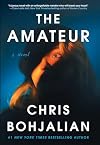
THE AMATEUR is a young woman's coming-of-age story by talented writer Chris Bohjalian, one of my favorites. Taking place in the late 1970s, it's a story of how a single accident can drastically change the lives of so many.
18 year old Mira Winston is an attractive, smart high school senior looking forward to starting Yale University in the fall. She lives in a small but privileged town outside New York City, where her she spends her free time practicing golf swings at the local country club. Everyone in town expects Mira will one day become one of the sport's champions.
But the confidence Mira projects doesn't fully reflect her internal reality. Feeling less seen that her successful older brother and desperate for her father's approval, Mira finds herself drawn to both predatory older men and to illegal substances - in order to cope with the pressures and difficulties she encounters.
Then, one afternoon, there's a freak accident. An errant golf ball aimed at a net passes through that net, hitting and killing a high school student working as a weekend caddy. Surely someone must pay for such a tragedy! But who is responsible? The country club for placing the net in an unsafe location? The golf pro for removing a target that compromised the integrity of the net? The manufacturer of the net? Or Mira because she hit the ball? And in searching for answers, what role will social class and privilege play?
The struggle to find a culprit changes everyone and everything in town. And show more forces Mira and her family into an unexpected social and legal morass. THE AMATEUR is a fast-moving story, with lots of twists and turns, that exposes and examines just how vulnerable we human beings are. Plans, expectations, and dreams can disappear in an instant. Even people not directly involved in an unexpected event can feel the impact on the most mundane daily activities.
Bohjalian has crafted an unusual voice in this novel. Mira Winston is the narrator, relating her own teen story, but from the perspective of middle age. So, as readers, we get to experience both how Mira feels as a young woman navigating events AND how her perspective shifts when she ages. All the while retaining the same sardonic humor.
While I often find male authors have trouble creating a believable voice for female protagonists, I mostly felt Bohjalian did a credible character with Mira. There were only a few places (related to sexual activity) where I felt Mira's voice sounded male.
Be aware there are some difficult themes included: drugs, infidelity, sexual predators, grief, alcoholism, and suicide. But also friendship, love, and familial support. Like all the other novels I've read by Bohjalian, this is well worth your time. It's an intriguing plot and a well-crafted narrative. show less
18 year old Mira Winston is an attractive, smart high school senior looking forward to starting Yale University in the fall. She lives in a small but privileged town outside New York City, where her she spends her free time practicing golf swings at the local country club. Everyone in town expects Mira will one day become one of the sport's champions.
But the confidence Mira projects doesn't fully reflect her internal reality. Feeling less seen that her successful older brother and desperate for her father's approval, Mira finds herself drawn to both predatory older men and to illegal substances - in order to cope with the pressures and difficulties she encounters.
Then, one afternoon, there's a freak accident. An errant golf ball aimed at a net passes through that net, hitting and killing a high school student working as a weekend caddy. Surely someone must pay for such a tragedy! But who is responsible? The country club for placing the net in an unsafe location? The golf pro for removing a target that compromised the integrity of the net? The manufacturer of the net? Or Mira because she hit the ball? And in searching for answers, what role will social class and privilege play?
The struggle to find a culprit changes everyone and everything in town. And show more forces Mira and her family into an unexpected social and legal morass. THE AMATEUR is a fast-moving story, with lots of twists and turns, that exposes and examines just how vulnerable we human beings are. Plans, expectations, and dreams can disappear in an instant. Even people not directly involved in an unexpected event can feel the impact on the most mundane daily activities.
Bohjalian has crafted an unusual voice in this novel. Mira Winston is the narrator, relating her own teen story, but from the perspective of middle age. So, as readers, we get to experience both how Mira feels as a young woman navigating events AND how her perspective shifts when she ages. All the while retaining the same sardonic humor.
While I often find male authors have trouble creating a believable voice for female protagonists, I mostly felt Bohjalian did a credible character with Mira. There were only a few places (related to sexual activity) where I felt Mira's voice sounded male.
Be aware there are some difficult themes included: drugs, infidelity, sexual predators, grief, alcoholism, and suicide. But also friendship, love, and familial support. Like all the other novels I've read by Bohjalian, this is well worth your time. It's an intriguing plot and a well-crafted narrative. show less
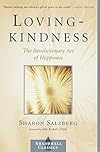
LOVING KINDNESS: THE REVOLUTIONARY ART OF HAPPINESS is author Sharon Salzberg's Buddhist-based exploration of how we human beings can interpret and direct our lives in ways that will lead us to greater personal happiness and freedom. As an internationally known meditation teacher and co-founder of both the Insight Meditation Society (1974) and the Barre Center for Buddhist Studies (1990), Salzberg is one of the leaders credited with bringing the concept of mindfulness to the West.
Salzberg begins by pointing out an essential human contradiction. Although all of us "long to love ourselves more deeply and to feel connected with others"* we often feel just the opposite - disconnected and separate. Salzberg says that feeling of separation is a delusion and a source of great pain in our lives. But while we cannot control the world or what happens to us as individuals, we can manage our action and reactions in ways that foster connection.
Drawing on personal anecdotes, the works of other Buddhist scholars, and the teachings of the Buddha (aka Siddhartha Gautama 563-483 BCE), Salzberg walks us through alternative ways to handle the difficult moments of our lives. Like when we face anger or aversion. She offers concrete alternatives that involve us pausing and looking inside ourselves. Instead of meeting hard emotions with more harshness, we can answer with loving kindness and compassion. By doing so, she argues, we not only like ourselves ore and help ourselves more, we also help show more the person who caused us pain. Each chapter concludes with practical exercises to help each of us consider how these concepts can be integrated into our daily lives.
Please don't think of this book as a religious text or or as just one more self-help book, even though it could feel like the latter. And don't be put off if you have little interest in Buddhism as a philosophy. There is wisdom for all in these pages. And it's less than 200 pages long.
Salzberg's writing style is straightforward, accessible, and clear, with humor sprinkled throughout. I would recommend reading it slowly, a few pages at a time. This book has the potential to make you think differently about the world and to reconsider your own power to create a greater sense of peace. I recommend LOVING KINDNESS for everyone; it is guaranteed to get you thinking. show less
Salzberg begins by pointing out an essential human contradiction. Although all of us "long to love ourselves more deeply and to feel connected with others"* we often feel just the opposite - disconnected and separate. Salzberg says that feeling of separation is a delusion and a source of great pain in our lives. But while we cannot control the world or what happens to us as individuals, we can manage our action and reactions in ways that foster connection.
Drawing on personal anecdotes, the works of other Buddhist scholars, and the teachings of the Buddha (aka Siddhartha Gautama 563-483 BCE), Salzberg walks us through alternative ways to handle the difficult moments of our lives. Like when we face anger or aversion. She offers concrete alternatives that involve us pausing and looking inside ourselves. Instead of meeting hard emotions with more harshness, we can answer with loving kindness and compassion. By doing so, she argues, we not only like ourselves ore and help ourselves more, we also help show more the person who caused us pain. Each chapter concludes with practical exercises to help each of us consider how these concepts can be integrated into our daily lives.
Please don't think of this book as a religious text or or as just one more self-help book, even though it could feel like the latter. And don't be put off if you have little interest in Buddhism as a philosophy. There is wisdom for all in these pages. And it's less than 200 pages long.
Salzberg's writing style is straightforward, accessible, and clear, with humor sprinkled throughout. I would recommend reading it slowly, a few pages at a time. This book has the potential to make you think differently about the world and to reconsider your own power to create a greater sense of peace. I recommend LOVING KINDNESS for everyone; it is guaranteed to get you thinking. show less
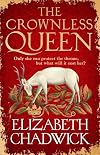
THE CROWNLESS QUEEN is the compelling, second, and final book in a series by Elizabeth Chadwick, who, in my opinion, is one of the best historical fiction writers around. Together, these novels tell the story of royal princess Joan "Jeanette" of Kent (1328-1385), born the daughter of a younger son of England's King Edward I, who eventually became the wife of Edward of Woodstock (1330-1376). Edward was the first-born son of King Edward III (1312-1377), later known to history as the Black Prince.
While the first novel in this duology (THE ROYAL REBEL) covers the story of Joan's childhood and first marriage to Thomas Holland (1314-1360), this paints a rich picture of her second marriage. I wholeheartedly recommend both.
Because I knew little about Joan going in, this series gave me the chance to be completely immersed in medieval England and learn about a time where the Plantagenets plant (no pun intended) the seeds for the coming Wars of the Roses (1455-1487). Because, after all, it's the marital pairing of Edward of Woodstock and Joan of Kent that produces King Richard II (also the subject of Chadwick's next novel).
THE CROWNLESS QUEEN is also the tender story of the developing love between the two main characters, as they navigate a complex political climate which includes:
• Edward's mysterious health issues,
• the slow physical and mental deterioration of King Edward III,
• the growing influence of the king's corrupt and much-hated mistress, Alice Perrers show more (1348-1400),
• the increasing influence of Edward's younger brother, John of Gaunt,
• and, as if that weren't enough, the Hundred Years' War (1337-1453).
Obviously that all adds up to plenty of drama. Chadwick is a skilled story teller. Her characters are fully fleshed out and ring true, even some 700 years later. She knows just how much period detail to include -- enough to add authenticity without becoming cumbersome or slowing the pace. I recommend both books which introduced me to a new, fascinating, and intelligent woman from English history, during a period of time I will now look to learn more about. show less
While the first novel in this duology (THE ROYAL REBEL) covers the story of Joan's childhood and first marriage to Thomas Holland (1314-1360), this paints a rich picture of her second marriage. I wholeheartedly recommend both.
Because I knew little about Joan going in, this series gave me the chance to be completely immersed in medieval England and learn about a time where the Plantagenets plant (no pun intended) the seeds for the coming Wars of the Roses (1455-1487). Because, after all, it's the marital pairing of Edward of Woodstock and Joan of Kent that produces King Richard II (also the subject of Chadwick's next novel).
THE CROWNLESS QUEEN is also the tender story of the developing love between the two main characters, as they navigate a complex political climate which includes:
• Edward's mysterious health issues,
• the slow physical and mental deterioration of King Edward III,
• the growing influence of the king's corrupt and much-hated mistress, Alice Perrers show more (1348-1400),
• the increasing influence of Edward's younger brother, John of Gaunt,
• and, as if that weren't enough, the Hundred Years' War (1337-1453).
Obviously that all adds up to plenty of drama. Chadwick is a skilled story teller. Her characters are fully fleshed out and ring true, even some 700 years later. She knows just how much period detail to include -- enough to add authenticity without becoming cumbersome or slowing the pace. I recommend both books which introduced me to a new, fascinating, and intelligent woman from English history, during a period of time I will now look to learn more about. show less
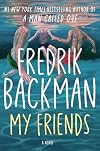
Having now read five books by bestselling Swedish author Fredrik Backman, I would rank MY FRIENDS as my second favorite, after A MAN CALLED OVE. I love the way this author creates memorable, multi-dimensional characters and his incorporation of subtle humor. I'd give this book 4.5 stars if I could.
To describe this novel, imagine three story elements, slowly stitched together:
• The first is the story from 25 years ago of an astonishingly close friendship among four teens, where they truly create their own family.
• A second strand is contemporary - about one of those teens, now a middle-aged history teacher, slowly developing a bond with an 18-year-old orphaned artist, who is mourning the loss of her best friend.
• The final element involves a mysterious event that altered the lives of the four teens years ago.
TThe narrative shifts back and forth in time, slowly filling in all three threads, bit by bit. Though not personally a fan of authors who create multiple plots in different time periods, this one works so well, it feels natural.
I felt genuinely privileged witnessing this friendship. All four children come from challenging homes. Yet, the friendship they co-create seems able to supply the love and support they don't get from their families. How many adults have friendships like that?
The four friends are quite distinctive characters:
1.The artist - quiet and eager to please, but not seen by his own parents. Despite a lack of self-confidence, he possesses a talent show more that must be expressed.
2. Joar - in a different book he might be the teenage troublemaker. Torn between hatred for his violent father and intense attachment to his loving mother, Joar naturally gravitates to the role of protector.
3. Ted - with illness preoccupying his entire family, Ted is simply fending for himself.
4. "Ali" - the only girl in this group. Though irresponsible parents uproot her frequently, making her feel like a perpetual outsider, friends award her this nickname because her fighting ability reminds them of boxer Mohammed Ali.
There are some heavy themes to deal with in MY FRIENDS; parental loss, child abuse, alcoholism, and a psychologically abusive teacher to name a few. But what kept me going was how likable these characters are and how skillful (even entertaining) the dialog is. These characters are intelligent people. They are quick and witty, full of good-natured teasing and quick to spot irony. Not to mention wonderful observations about human nature.
There's also building suspense as you progress through the novel. As a reader, I found myself getting increasingly eager to know the full story, but also worried something bad might happen to one of the characters.
MY FRIENDS is a delight to read and gets my unqualified recommendation. show less
To describe this novel, imagine three story elements, slowly stitched together:
• The first is the story from 25 years ago of an astonishingly close friendship among four teens, where they truly create their own family.
• A second strand is contemporary - about one of those teens, now a middle-aged history teacher, slowly developing a bond with an 18-year-old orphaned artist, who is mourning the loss of her best friend.
• The final element involves a mysterious event that altered the lives of the four teens years ago.
TThe narrative shifts back and forth in time, slowly filling in all three threads, bit by bit. Though not personally a fan of authors who create multiple plots in different time periods, this one works so well, it feels natural.
I felt genuinely privileged witnessing this friendship. All four children come from challenging homes. Yet, the friendship they co-create seems able to supply the love and support they don't get from their families. How many adults have friendships like that?
The four friends are quite distinctive characters:
1.The artist - quiet and eager to please, but not seen by his own parents. Despite a lack of self-confidence, he possesses a talent show more that must be expressed.
2. Joar - in a different book he might be the teenage troublemaker. Torn between hatred for his violent father and intense attachment to his loving mother, Joar naturally gravitates to the role of protector.
3. Ted - with illness preoccupying his entire family, Ted is simply fending for himself.
4. "Ali" - the only girl in this group. Though irresponsible parents uproot her frequently, making her feel like a perpetual outsider, friends award her this nickname because her fighting ability reminds them of boxer Mohammed Ali.
There are some heavy themes to deal with in MY FRIENDS; parental loss, child abuse, alcoholism, and a psychologically abusive teacher to name a few. But what kept me going was how likable these characters are and how skillful (even entertaining) the dialog is. These characters are intelligent people. They are quick and witty, full of good-natured teasing and quick to spot irony. Not to mention wonderful observations about human nature.
There's also building suspense as you progress through the novel. As a reader, I found myself getting increasingly eager to know the full story, but also worried something bad might happen to one of the characters.
MY FRIENDS is a delight to read and gets my unqualified recommendation. show less

Sometimes called "the Chekhov of the suburbs", I had never read anything by celebrated American author John Cheever (1912-1982) before OH WHAT A PARADISE IT SEEMS. This is his last published work (1982) and Cheever is perhaps best known for his dozens of short stories.
I picked this novella up because it was recommended by British actor Bill Nighy on his podcast, Ill-advised by Bill Nighy. Nighy read a portion of the book's beginning aloud and I was enchanted by the beautiful way this author manufactured detail, creating a rich mental picture in my mind. To me, that is the book's great strength and I recommend you try reading the book aloud. However, by the end, I awarded the book three stars though 3.5 feels more accurate.
OH WHAT A PARADISE IT SEEMS is a short book (112 pages) whose main character is Lemuel Sears, an older twice-widowed technology executive. There are multiple story threads. Sears romantically pursues a beautiful but elusive real-estate agent, Renee. There's an investigation of pollution in a small pond in a Connecticut suburb. Also a conflict between two women neighbors. Having read the wikipedia article on Cheever's troubled life, I imagine at least some of this book is autobiographical. Particularly Sears' conflicted sexuality.
One theme of the novella, according to Rhoda Koenig of THE BOSTON PHOENIX is "the profound sadness of trying to return to the spring of life and being reminded of the futility of trying to stop death and time."* While Sears show more often reminisces about earlier experiences in his life, I can't say this theme is what I was left with after finishing the book.
While I found Cheever's writing exceptional, it was not enough to keep me enthralled throughout. I found the characters well-drawn and deeply human. But Cheever flits around from character to character in a way that, for me, never quite unified the overall book. I readily acknowledge this is most likely MY issue; I like story! Especially because Cheever won so many awards** for his writing.
Reading OH WHAT A PARADISE IT SEEMS will make you feel like you are reading great, classic literature from an earlier era. And for that reason alone, I recommend trying either this book or something else by Cheever. His style is distinctive and his talent is indisputable. show less
I picked this novella up because it was recommended by British actor Bill Nighy on his podcast, Ill-advised by Bill Nighy. Nighy read a portion of the book's beginning aloud and I was enchanted by the beautiful way this author manufactured detail, creating a rich mental picture in my mind. To me, that is the book's great strength and I recommend you try reading the book aloud. However, by the end, I awarded the book three stars though 3.5 feels more accurate.
OH WHAT A PARADISE IT SEEMS is a short book (112 pages) whose main character is Lemuel Sears, an older twice-widowed technology executive. There are multiple story threads. Sears romantically pursues a beautiful but elusive real-estate agent, Renee. There's an investigation of pollution in a small pond in a Connecticut suburb. Also a conflict between two women neighbors. Having read the wikipedia article on Cheever's troubled life, I imagine at least some of this book is autobiographical. Particularly Sears' conflicted sexuality.
One theme of the novella, according to Rhoda Koenig of THE BOSTON PHOENIX is "the profound sadness of trying to return to the spring of life and being reminded of the futility of trying to stop death and time."* While Sears show more often reminisces about earlier experiences in his life, I can't say this theme is what I was left with after finishing the book.
While I found Cheever's writing exceptional, it was not enough to keep me enthralled throughout. I found the characters well-drawn and deeply human. But Cheever flits around from character to character in a way that, for me, never quite unified the overall book. I readily acknowledge this is most likely MY issue; I like story! Especially because Cheever won so many awards** for his writing.
Reading OH WHAT A PARADISE IT SEEMS will make you feel like you are reading great, classic literature from an earlier era. And for that reason alone, I recommend trying either this book or something else by Cheever. His style is distinctive and his talent is indisputable. show less
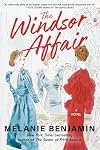
In the Author's Note at the end of THE WINDSOR AFFAIR, Melanie Benjamin characterizes the feud between Wallis Simpson (aka Duchess of Windsor, 1896-1986) and Elizabeth Bowes-Lyon (aka Queen Elizabeth, the Queen Mother, 1900-2002) as "historically epic, gossipy, and juicy." That certainly comes across in this novel.
Let me begin with a short refresher. Anglophiles are likely familiar with England's King Edward VIII (1894-1972), who famously abdicated his throne in 1936 for "the woman I love", after a mere 11-month reign. Wallis was that woman and the two of them became the Duke and Duchess of Windsor - a couple living the remainder of their lives in exile.
After Edward VIII, the throne passed to his younger brother, George VI (1895-1952) who was married to Elizabeth Bowes-Lyon. (They were parents of the woman we know as the late Queen Elizabeth II (1926-2022). George VI, an introvert with a stammer, had not been raised to be a king and some in his family, including his wife, blamed Edward and Wallis for George's early death.
The novel covers fifty years, including World War II and the questionable allegiance the Duke and Duchess had to Nazi Germany, along with the strong bond the war helped cement between George VI and his wife with the British people. Though Wallis and Elizabeth (the Queen Mother) remain sisters-in-law, they were understandably at odds throughout their lives. But author Melanie Benjamin's take in THE WINDSOR AFFAIR feels extreme in that it's decidedly show more unflattering to every main character in this book:
• Edward, Duke of Windsor: pathetically weak, prone to tears of desperation, but with a huge sense of his own self-importance. Wallis provides him with the kind of cloying love and dogged devotion he wanted from his mother.
• Wallis, Duchess of Windsor: insincere, manipulative, mean-spirited and superficial - she will do anything for access to the elite world of power, money, and celebrity.
• Elizabeth, the Queen Mother: determined that Edward and Wallis get as little as possible, she maintains life-long anger about her personal plight, even though she loves being Queen.
• George VI: always trying to please his wife, he looks to her for the confidence he needs to fulfill his responsibilities.
I knew enough about this royal story that I didn't learn anything new. The main issue I had with THE WINDSOR AFFAIR is there was too much cattiness for me. There is no one to root for. Maybe for George VI, a bit. But even the great love story turns out to be not what it seems. All four main characters are so one-dimensional and unlikeable, it actually felt unrealistic. After all, everybody has SOME redeeming qualities, right? I think the novel would have been stronger if the characters were more balanced and nuanced.
Bottom Line: If you're unfamiliar with this story or love historical fiction that is "epic, gossipy, and juicy", you'll certainly enjoy this one. If you are already familiar with this royal story and decide to read THE WINDSOR AFFAIR, just keep your expectations modest. show less
Let me begin with a short refresher. Anglophiles are likely familiar with England's King Edward VIII (1894-1972), who famously abdicated his throne in 1936 for "the woman I love", after a mere 11-month reign. Wallis was that woman and the two of them became the Duke and Duchess of Windsor - a couple living the remainder of their lives in exile.
After Edward VIII, the throne passed to his younger brother, George VI (1895-1952) who was married to Elizabeth Bowes-Lyon. (They were parents of the woman we know as the late Queen Elizabeth II (1926-2022). George VI, an introvert with a stammer, had not been raised to be a king and some in his family, including his wife, blamed Edward and Wallis for George's early death.
The novel covers fifty years, including World War II and the questionable allegiance the Duke and Duchess had to Nazi Germany, along with the strong bond the war helped cement between George VI and his wife with the British people. Though Wallis and Elizabeth (the Queen Mother) remain sisters-in-law, they were understandably at odds throughout their lives. But author Melanie Benjamin's take in THE WINDSOR AFFAIR feels extreme in that it's decidedly show more unflattering to every main character in this book:
• Edward, Duke of Windsor: pathetically weak, prone to tears of desperation, but with a huge sense of his own self-importance. Wallis provides him with the kind of cloying love and dogged devotion he wanted from his mother.
• Wallis, Duchess of Windsor: insincere, manipulative, mean-spirited and superficial - she will do anything for access to the elite world of power, money, and celebrity.
• Elizabeth, the Queen Mother: determined that Edward and Wallis get as little as possible, she maintains life-long anger about her personal plight, even though she loves being Queen.
• George VI: always trying to please his wife, he looks to her for the confidence he needs to fulfill his responsibilities.
I knew enough about this royal story that I didn't learn anything new. The main issue I had with THE WINDSOR AFFAIR is there was too much cattiness for me. There is no one to root for. Maybe for George VI, a bit. But even the great love story turns out to be not what it seems. All four main characters are so one-dimensional and unlikeable, it actually felt unrealistic. After all, everybody has SOME redeeming qualities, right? I think the novel would have been stronger if the characters were more balanced and nuanced.
Bottom Line: If you're unfamiliar with this story or love historical fiction that is "epic, gossipy, and juicy", you'll certainly enjoy this one. If you are already familiar with this royal story and decide to read THE WINDSOR AFFAIR, just keep your expectations modest. show less
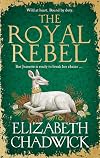
If you, like me, are a lover of historical fiction there are some novelists who make every book a treat to read. Elizabeth Chadwick is one of my go-tos. She really excels at her craft. I would have given this one 4.5 stars if I could.
I chose to read THE ROYAL REBEL because I saw that Chadwick had just completed a sequel (THE CROWNLESS QUEEN - to be published May 12, 2026) and I certainly couldn't tackle the sequel without having read her first one!
THE ROYAL REBEL is the story of Jeanette of Kent (known to us today as Joan of Kent (c. 1328-1385), cousin to King Edward III (1312-1327) and future wife of Edward the Black Prince (1330-1376). But this is her earlier story, which struck me as similar to more famous star-crossed lovers, Romeo and Juliet. Only this isn't about family feuds, but rather feuds between British social classes.
Because Jeanette is the daughter of King Edward I's younger son (Edmund of Woodstock), she is a royal princess. Members of her family expect her to marry someone who will benefit that family by increasing their wealth, power, or prestige. Only a prince or aristocrat will do. But Jeanette is an independent spirit and, at the age of 16, falls in love with a lowly knight, Thomas Holland (c. 1314-1360). That's bad enough. But worse, she secretly marries him.
What follows is the monumental effort many people make to keep the lovers apart. King Edward III, his wife Philippa of Hainault (1328-1369), his son Edward, the family of the Earl of Salisbury, show more even Jeanette's mother, Margaret Wake (Baroness Wake of Liddell) -- all feel they have a stake in this marriage. With no scruples, some treat Jeanette very badly. Others lie, cheat, even destroy evidence. It's another story of the powerlessness of women in history to control their own destiny.
More broadly, THE ROYAL REBEL is a portrait of the importance of class in England. It was astounding the lengths people would go to ensure a better connection through marriage. Regardless of the feelings of the young couple. Even the Pope gets involved!
Chadwick is a wonderful writer. She creates rich, three-dimensional characters who are completely believable and feel familiar and contemporary. She knows how to weave in period detail that brings the story to life. The only area I found this tedious is in battle details - but that's me.
I highly recommend THE ROYAL REBEL. And with this one behind me, I will definitely read the sequel. Be sure not to miss the author's Historical Note at the end of the novel, which explains how much of this story is based on known fact and how much is Chadwick's invention. show less
I chose to read THE ROYAL REBEL because I saw that Chadwick had just completed a sequel (THE CROWNLESS QUEEN - to be published May 12, 2026) and I certainly couldn't tackle the sequel without having read her first one!
THE ROYAL REBEL is the story of Jeanette of Kent (known to us today as Joan of Kent (c. 1328-1385), cousin to King Edward III (1312-1327) and future wife of Edward the Black Prince (1330-1376). But this is her earlier story, which struck me as similar to more famous star-crossed lovers, Romeo and Juliet. Only this isn't about family feuds, but rather feuds between British social classes.
Because Jeanette is the daughter of King Edward I's younger son (Edmund of Woodstock), she is a royal princess. Members of her family expect her to marry someone who will benefit that family by increasing their wealth, power, or prestige. Only a prince or aristocrat will do. But Jeanette is an independent spirit and, at the age of 16, falls in love with a lowly knight, Thomas Holland (c. 1314-1360). That's bad enough. But worse, she secretly marries him.
What follows is the monumental effort many people make to keep the lovers apart. King Edward III, his wife Philippa of Hainault (1328-1369), his son Edward, the family of the Earl of Salisbury, show more even Jeanette's mother, Margaret Wake (Baroness Wake of Liddell) -- all feel they have a stake in this marriage. With no scruples, some treat Jeanette very badly. Others lie, cheat, even destroy evidence. It's another story of the powerlessness of women in history to control their own destiny.
More broadly, THE ROYAL REBEL is a portrait of the importance of class in England. It was astounding the lengths people would go to ensure a better connection through marriage. Regardless of the feelings of the young couple. Even the Pope gets involved!
Chadwick is a wonderful writer. She creates rich, three-dimensional characters who are completely believable and feel familiar and contemporary. She knows how to weave in period detail that brings the story to life. The only area I found this tedious is in battle details - but that's me.
I highly recommend THE ROYAL REBEL. And with this one behind me, I will definitely read the sequel. Be sure not to miss the author's Historical Note at the end of the novel, which explains how much of this story is based on known fact and how much is Chadwick's invention. show less
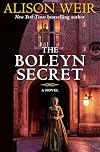
I'm as big a Tudor fan as anyone. So, of course, I admire Alison Weir, a recognized scholar and bestselling author of all things Tudor. Unlike most other Tudor authors, Weir writes both fiction and non-fiction. But THE BOLEYN SECRET felt less like fiction to me than other Weir novels I've read. I wouldn't call it a clunker but I only gave it three stars.
This book's protagonist is Katherine Carey*, daughter of Mary Boleyn and friend-cousin-lady-in-waiting to Queen Elizabeth I. Katherine is usually an invisible historical figure. So, I was looking forward to Weir fleshing her out and learning more about her life living so close to the dysfunctional Tudor royal family. I did learn some. But, for me, the Katherine of this book remained two-dimensional. She observed a lot of history, but always remained somewhat removed.
The story begins with Katherine (age 12) witnessing the execution of her aunt, Queen Anne Boleyn. She becomes a playmate for young Princess Elizabeth which allows us, through second hand gossip, to learn about King Henry VIII's four subsequent marriages. . Eventually, Katherine goes to court as a lady-in-waiting to two queens and, at the age of 16, marries Francis Knollys. Their marriage is a happy one, peppered with many pregnancies (16!). Along the way, readers glean information about multiple monarchs [Henry VIII, Edward VI, Lady Jane Grey (if you count her), Mary I, and Elizabeth I].
As I progressed through this novel, I increasingly felt Weir wasn't clear show more about whose story she was telling. It's not really about a Boleyn secret - because that gets revealed about 1/3 of the way in and turns out to be more well-known conjecture than big surprise. The book contains way too much extraneous detail to simply be a story about the life of Katherine Carey. And while Katherine's life was certainly impacted by this era's contention around religion, the novel is more than a story about the tension between Catholics and Protestants.
In addition, the book felt too heavily weighted toward narration instead of dialogue. Weir explains so much, rather than allowing the characters to show us. For example, there are explanations about some of the differences between the two religions. There's horrible detail about the many Protestants burned by Queen Mary. There's extensive discussion about Queen Elizabeth not wanting to marry. Even a lot of attention to the mysterious death of Amy Robsart Dudley, wife of royal favorite Robert Dudley. And even when context IS shared through back and forth conversations between characters - I simply didn't find the dialogue the least bit believable.
The result is that THE BOLEYN SECRET felt tediously long (560 pages) and slow. While I'm generally a fan of including period detail to increase authenticity, I felt too much was heavy-handed and only tangentially related to Katherine's life. Perhaps the book would have been stronger if it had been written in Katherine's first person, voice. Instead, she was mostly a witness in the room. Or, perhaps, as a historian, Weir just knows so much about this period, it's hard for her to not include everything. It may also be that I'm a reader who already knows too much about the Tudors. I bet the book would be more engaging to those who were new to the Tudor world.
Overall, I still recommend THE BOLEYN SECRET. But I certainly wouldn't describe it as a page-turner and I've found other novels by Weir much more skillfully written. Be sure to read the Author's Note at the end where Weir reveals what is actually known about Katherine Carey and what is made up. show less
This book's protagonist is Katherine Carey*, daughter of Mary Boleyn and friend-cousin-lady-in-waiting to Queen Elizabeth I. Katherine is usually an invisible historical figure. So, I was looking forward to Weir fleshing her out and learning more about her life living so close to the dysfunctional Tudor royal family. I did learn some. But, for me, the Katherine of this book remained two-dimensional. She observed a lot of history, but always remained somewhat removed.
The story begins with Katherine (age 12) witnessing the execution of her aunt, Queen Anne Boleyn. She becomes a playmate for young Princess Elizabeth which allows us, through second hand gossip, to learn about King Henry VIII's four subsequent marriages. . Eventually, Katherine goes to court as a lady-in-waiting to two queens and, at the age of 16, marries Francis Knollys. Their marriage is a happy one, peppered with many pregnancies (16!). Along the way, readers glean information about multiple monarchs [Henry VIII, Edward VI, Lady Jane Grey (if you count her), Mary I, and Elizabeth I].
As I progressed through this novel, I increasingly felt Weir wasn't clear show more about whose story she was telling. It's not really about a Boleyn secret - because that gets revealed about 1/3 of the way in and turns out to be more well-known conjecture than big surprise. The book contains way too much extraneous detail to simply be a story about the life of Katherine Carey. And while Katherine's life was certainly impacted by this era's contention around religion, the novel is more than a story about the tension between Catholics and Protestants.
In addition, the book felt too heavily weighted toward narration instead of dialogue. Weir explains so much, rather than allowing the characters to show us. For example, there are explanations about some of the differences between the two religions. There's horrible detail about the many Protestants burned by Queen Mary. There's extensive discussion about Queen Elizabeth not wanting to marry. Even a lot of attention to the mysterious death of Amy Robsart Dudley, wife of royal favorite Robert Dudley. And even when context IS shared through back and forth conversations between characters - I simply didn't find the dialogue the least bit believable.
The result is that THE BOLEYN SECRET felt tediously long (560 pages) and slow. While I'm generally a fan of including period detail to increase authenticity, I felt too much was heavy-handed and only tangentially related to Katherine's life. Perhaps the book would have been stronger if it had been written in Katherine's first person, voice. Instead, she was mostly a witness in the room. Or, perhaps, as a historian, Weir just knows so much about this period, it's hard for her to not include everything. It may also be that I'm a reader who already knows too much about the Tudors. I bet the book would be more engaging to those who were new to the Tudor world.
Overall, I still recommend THE BOLEYN SECRET. But I certainly wouldn't describe it as a page-turner and I've found other novels by Weir much more skillfully written. Be sure to read the Author's Note at the end where Weir reveals what is actually known about Katherine Carey and what is made up. show less
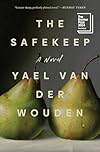
THE SAFEKEEP, the award-winning* debut novel from Dutch writer and teacher Yael Van Der Wouden is one-of-a-kind! An astonishingly deep and truthful exploration of human emotions and relationships, with descriptions of our inner most longings that are both poetic and intense. Awarded four stars but 4.5 is probably more accurate.
In Amsterdam, fifteen years after the end of World War II (1939-1945), three adult siblings are still deeply connected to their childhood home. Heinrich, the youngest has moved out to live with his partner. Louis, the oldest, also lives independently, traveling frequently for business and otherwise occupied with a string of short-lived girlfriends. Only Isabel, the solitary middle child, actually lives in the home and she is keenly aware that her home is legally Louis’s inheritance.
Isabel lives a reclusive life. She was chief caretaker for their mother and has stayed on after her mother’s death. Aside from a young woman who comes in to clean and cook, Isabel seldom sees other people or leaves the house. She has one periodic suitor who is of little interest from her. To me, Isabel comes across as angry, judgmental, and depressed.
When Louis needs to leave the city for a month, he decides to park his latest girlfriend, Eva, with his sister, against Isabel’s wishes. Isabel takes an instant dislike to Eva. Eva’s attempts to be friendly are rebuffed. For a while, both women simply inhabit the home together, going their separate ways. Then, small show more things in the house begin to disappear and Isabel, with her deep attachment to the house and its contents, begins to get suspicious of Eva.
This is the point when the book truly grabbed me. The author is so tender in unveiling the transformation of the relationship between Isabel and Eva. There is such sensitivity in her exploration of Isabel’s thoughts, feelings, and suspicions and she writes so beautifully about how their relationship changes. And then, just when I thought I finally understood Eva and Isabel, there’s a plot twist that is totally unexpected.
THE SAFEKEEP is fiction that powerfully reveals the rich variety of the human experience. But it is also historical fiction in that it explores the long-term impact of the war years and the ways in which trauma marks the survivors. One note: there are passages of frank sexuality which, to me, were incidental to the richer emotional story of these two women. Highly recommended. show less
In Amsterdam, fifteen years after the end of World War II (1939-1945), three adult siblings are still deeply connected to their childhood home. Heinrich, the youngest has moved out to live with his partner. Louis, the oldest, also lives independently, traveling frequently for business and otherwise occupied with a string of short-lived girlfriends. Only Isabel, the solitary middle child, actually lives in the home and she is keenly aware that her home is legally Louis’s inheritance.
Isabel lives a reclusive life. She was chief caretaker for their mother and has stayed on after her mother’s death. Aside from a young woman who comes in to clean and cook, Isabel seldom sees other people or leaves the house. She has one periodic suitor who is of little interest from her. To me, Isabel comes across as angry, judgmental, and depressed.
When Louis needs to leave the city for a month, he decides to park his latest girlfriend, Eva, with his sister, against Isabel’s wishes. Isabel takes an instant dislike to Eva. Eva’s attempts to be friendly are rebuffed. For a while, both women simply inhabit the home together, going their separate ways. Then, small show more things in the house begin to disappear and Isabel, with her deep attachment to the house and its contents, begins to get suspicious of Eva.
This is the point when the book truly grabbed me. The author is so tender in unveiling the transformation of the relationship between Isabel and Eva. There is such sensitivity in her exploration of Isabel’s thoughts, feelings, and suspicions and she writes so beautifully about how their relationship changes. And then, just when I thought I finally understood Eva and Isabel, there’s a plot twist that is totally unexpected.
THE SAFEKEEP is fiction that powerfully reveals the rich variety of the human experience. But it is also historical fiction in that it explores the long-term impact of the war years and the ways in which trauma marks the survivors. One note: there are passages of frank sexuality which, to me, were incidental to the richer emotional story of these two women. Highly recommended. show less
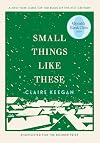
SMALL THINGS LIKE THESE is a short but extremely powerful novella published in 2021 by Irish writer Claire Keegan, who is best known for short stories. It's a wonderfully emotional and beautifully written story that centers on just a few days in the life of fuel merchant and dedicated dad, Bill Furlong. But because the words are so skillfully chosen, you'll walk away from this book with a rich picture of small town life in Ireland in the 1980s.
As I started reading, I found there were very detailed images forming in my head of locations and characters. At first, I thought perhaps I had read the book before. It turns out though that these images were coming from a wonderful 2024 movie of this book that I forgot I had watched. [The movie, directed by Tim Mielants (Peaky Blinders), stars Cillian Murphy (Oppenheimer), Eileen Walsh, Emily Watson, and Michelle Fairley.]
Back to the book. Bill is working long hours making his pre-Christmas deliveries of coal so all his customers will be warm for the holidays. His wife and five daughters - all Catholics - are busy with their own preparations. Though money is tight in this family, they enthusiastically create wish lists for Santa, attend choir practice, and prepare special foods.
One of the deliveries takes Bill to the town's convent which also houses a group of young women. A place some townspeople believe to be a well-functioning laundry business, serving the town's wealthier residents. Others believe it's a school for girls. show more Still others think it's a home where ashamed families dump their unwed daughters when they become pregnant. It hits close to home. Bill himself is the child of a unwed mother and unknown father.
While unloading the coal, Bill comes across a barefoot young girl who has apparently been locked in the outside coal bin overnight. Was it an oversight? Intentional? Seeing how cold and hungry the girl is, Bill insists he escort her to the front door, where they are greeted by a solicitous Mother Superior, who invites they both to sit, have some food, and rest.
The visit leaves Bill uneasy and full of questions. Should he mind his own business? Does he have some responsibility to find out what is happening at the convent? How will that impact his relationships in town? What if these young girls are being abused? How will this impact Bill's own relationship with the Catholic Church that has always been so deeply woven into his life?
The journey Bill takes navigating this moral dilemma is the crux of the novel. It's deeply emotional and a sensitive look at our human nature. It's also likely to make readers think about their own answers to his questions. Don't miss this one! It will only take about 90 minutes to read. show less
As I started reading, I found there were very detailed images forming in my head of locations and characters. At first, I thought perhaps I had read the book before. It turns out though that these images were coming from a wonderful 2024 movie of this book that I forgot I had watched. [The movie, directed by Tim Mielants (Peaky Blinders), stars Cillian Murphy (Oppenheimer), Eileen Walsh, Emily Watson, and Michelle Fairley.]
Back to the book. Bill is working long hours making his pre-Christmas deliveries of coal so all his customers will be warm for the holidays. His wife and five daughters - all Catholics - are busy with their own preparations. Though money is tight in this family, they enthusiastically create wish lists for Santa, attend choir practice, and prepare special foods.
One of the deliveries takes Bill to the town's convent which also houses a group of young women. A place some townspeople believe to be a well-functioning laundry business, serving the town's wealthier residents. Others believe it's a school for girls. show more Still others think it's a home where ashamed families dump their unwed daughters when they become pregnant. It hits close to home. Bill himself is the child of a unwed mother and unknown father.
While unloading the coal, Bill comes across a barefoot young girl who has apparently been locked in the outside coal bin overnight. Was it an oversight? Intentional? Seeing how cold and hungry the girl is, Bill insists he escort her to the front door, where they are greeted by a solicitous Mother Superior, who invites they both to sit, have some food, and rest.
The visit leaves Bill uneasy and full of questions. Should he mind his own business? Does he have some responsibility to find out what is happening at the convent? How will that impact his relationships in town? What if these young girls are being abused? How will this impact Bill's own relationship with the Catholic Church that has always been so deeply woven into his life?
The journey Bill takes navigating this moral dilemma is the crux of the novel. It's deeply emotional and a sensitive look at our human nature. It's also likely to make readers think about their own answers to his questions. Don't miss this one! It will only take about 90 minutes to read. show less
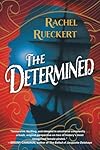
THE DETERMINED is historical fiction portraying the - dare I say it - swashbuckling lives of the two most famous female pirates from the Golden Age of Piracy (1650s-1730s) - Anne Bonny and Mary Read. But it's a book that doesn't approach piracy in the traditional way. Because it's written from the point of view of women who participated.
Like most women in the 18th century, there is little documentation about Bonny and Read, though author Rachel Rueckert details what factual information she did find in the novel's fascinating Afterword. We all know that women's accomplishments have been largely ignored throughout history.
Rueckert however takes the little that's been recorded and gives it her own imaginative take. She includes Bonny's and Read's back stories (how they became pirates), but most of the book takes place on the island of Jamaica in the Caribbean when the two women are adults. At the beginning of THE DETERMINED, it's 1721 and Bonny and Read, both pregnant, are in prison awaiting trial for piracy.
Weaving back and forth in time, Rueckert examines their individual histories, the support their growing friendship provides, and how their training, skills, and intelligence contributed to the crew's success. For different reasons, both women are forced to hide their genders. By dressing like men for long periods of time they are able to access better jobs, earn more pay, and have a measure of protection from the men surrounding them. Especially important at a time when show more laws provided little or no protection for women. What is clear is the fundamental lack of autonomy women generally had during this period (for example, a wife was considered her husband's possession) and the appeal of piracy, which was one of the only ways a woman could escape the rule of a husband, father, or brother.
As a reader with little knowledge of the age of piracy, I was captivated by the strength of both women and their determination to live more independently that society allowed. I found both characters three-dimensional and sympathetic. And the men around them (many of whom are actual historical figures) were more complex than I expected.
I did find some portions of THE DETERMINED slower than others but the last third of the book is a true page-turner. I recommend this book to anyone who has an interest in piracy, in the history of women, or in the ways women can shine when given the chance. show less
Like most women in the 18th century, there is little documentation about Bonny and Read, though author Rachel Rueckert details what factual information she did find in the novel's fascinating Afterword. We all know that women's accomplishments have been largely ignored throughout history.
Rueckert however takes the little that's been recorded and gives it her own imaginative take. She includes Bonny's and Read's back stories (how they became pirates), but most of the book takes place on the island of Jamaica in the Caribbean when the two women are adults. At the beginning of THE DETERMINED, it's 1721 and Bonny and Read, both pregnant, are in prison awaiting trial for piracy.
Weaving back and forth in time, Rueckert examines their individual histories, the support their growing friendship provides, and how their training, skills, and intelligence contributed to the crew's success. For different reasons, both women are forced to hide their genders. By dressing like men for long periods of time they are able to access better jobs, earn more pay, and have a measure of protection from the men surrounding them. Especially important at a time when show more laws provided little or no protection for women. What is clear is the fundamental lack of autonomy women generally had during this period (for example, a wife was considered her husband's possession) and the appeal of piracy, which was one of the only ways a woman could escape the rule of a husband, father, or brother.
As a reader with little knowledge of the age of piracy, I was captivated by the strength of both women and their determination to live more independently that society allowed. I found both characters three-dimensional and sympathetic. And the men around them (many of whom are actual historical figures) were more complex than I expected.
I did find some portions of THE DETERMINED slower than others but the last third of the book is a true page-turner. I recommend this book to anyone who has an interest in piracy, in the history of women, or in the ways women can shine when given the chance. show less
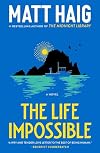
THE LIFE IMPOSSIBLE is quite a challenging book to explain. Partly, it's a story about a 72-year-old sedate, British widow processing grief. It's also about the struggle between people who chiefly rely on proven fact and those whose faith allows for a broader belief system. There's a strong environmental message. And quite a bit of magical realism. I gave it three stars but 3.5 is more accurate.
The story begins with a retired math teacher, Grace Winters, communicating with a former student. Grace has recently discovered that she has inherited a rundown house on the small tourist island of Ibiza (off the coast of Spain) from a woman, Christina, that Grace only knew slightly a generation earlier. Though comfortable in her quiet, narrow life close to home, Grace nevertheless feels compelled to travel to her new vacation home and try to figure out why the former owner chose Grace to inherit.
As soon she arrives, Grace finds herself plunged into a local conflict. A wealthy man is about to launch a big development on Es Vedrà, a small rocky island just off Ibiza, despite a significant number of locals who fear the project will harm the environment and damage the very resources that make Ibiza unique.
As Grace begins to explore she meets many of the local residents. Like Sofia, a politician whose approval is essential for the development to move forward. And Alberto, a sometime diving instructor and member of the opposition, who may or may not be trustworthy. His daughter, show more Marta, a scientist, who is an opposition leader. Plus, Christina's estranged daughter, Lieke, a performer.
There's also a flower, known to be extinct, that suddenly blooms. Sealed jars of water that magically light up at night. And legends about La Presencia, an other worldly force that appears as a large underwater light but is capable of bestowing special powers that may originate on another planet. So, there's the magical realism.
THE LIFE IMPOSSIBLE is an imaginative novel that shows both the best and worst of human behavior. It certainly offers enough drama and suspense to keep a reader turning pages. But reading this book had a scattered quality to it and I wasn't completely comfortable with how much I needed to suspend belief. (Magical Realism is not a favorite genre for me.) Many readers I have spoken to did not have a problem. Others label the book enjoyable but weird. Bottom line - it gets my recommendation because you may enjoy it even though it wasn't one I loved. show less
The story begins with a retired math teacher, Grace Winters, communicating with a former student. Grace has recently discovered that she has inherited a rundown house on the small tourist island of Ibiza (off the coast of Spain) from a woman, Christina, that Grace only knew slightly a generation earlier. Though comfortable in her quiet, narrow life close to home, Grace nevertheless feels compelled to travel to her new vacation home and try to figure out why the former owner chose Grace to inherit.
As soon she arrives, Grace finds herself plunged into a local conflict. A wealthy man is about to launch a big development on Es Vedrà, a small rocky island just off Ibiza, despite a significant number of locals who fear the project will harm the environment and damage the very resources that make Ibiza unique.
As Grace begins to explore she meets many of the local residents. Like Sofia, a politician whose approval is essential for the development to move forward. And Alberto, a sometime diving instructor and member of the opposition, who may or may not be trustworthy. His daughter, show more Marta, a scientist, who is an opposition leader. Plus, Christina's estranged daughter, Lieke, a performer.
There's also a flower, known to be extinct, that suddenly blooms. Sealed jars of water that magically light up at night. And legends about La Presencia, an other worldly force that appears as a large underwater light but is capable of bestowing special powers that may originate on another planet. So, there's the magical realism.
THE LIFE IMPOSSIBLE is an imaginative novel that shows both the best and worst of human behavior. It certainly offers enough drama and suspense to keep a reader turning pages. But reading this book had a scattered quality to it and I wasn't completely comfortable with how much I needed to suspend belief. (Magical Realism is not a favorite genre for me.) Many readers I have spoken to did not have a problem. Others label the book enjoyable but weird. Bottom line - it gets my recommendation because you may enjoy it even though it wasn't one I loved. show less
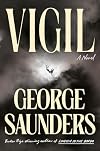
VIGIL is the latest novel from award-winning and one-of-a-kind author George Saunders. He is NOT a writer that appeals to everyone. Both his subject matter and style are unusual and distinctive and I admit I have not been one of his rabid fans. But I'm glad I read this one and gave it four stars.
The book is under 200 pages but it provided SO much for me to think about. What is the legacy of my own life? Who have I wronged? What apologies do I need to make? Have I made the world a better place? Or caused permanent harm?
These are the questions facing VIGIL's protagonist, the legendary, rags-to-riches, mega-millionaire oilman K. J. Boone, who lies close to death. As he waits, an assigned companion appears. She is the spirit of the late Jill "Doll" Blaine, whose task is providing comfort to others during their final hours. And, if possible, to encourage K.J. to atone for his past mistakes. The problem is K.J. is one of those men who has always been sure of himself and can't think of a single thing he's ever done wrong.
There are many more characters who participate in this story from both the world of the living and the world of the dead. Family members, including some long dead. Former business acquaintances who provide sarcastic banter. A few old (and odd) friends and others who played some pivotal role in K.J.'s life.
I am not one who generally chooses stories with supernatural phenomena but I have to say I really enjoyed that element in this novel. Spirits travel around show more and through things and people. Some are forming new relationships with other spirits. Readers learn a bit about each one's history. They all appear to be tackling their own loose ends at the same time. It's actually quite a humorous novel to both read and imagine.
In terms of writing, I found it takes a bit of work to keep track of who is talking, especially at the beginning. But that becomes clearer as the book progresses. There's also a strong dystopian environmental message built in.
My overwhelming impression at the end is how remarkably inventive Saunders is in laying out a rich, chaotic, and imaginative picture of what happens every time someone dies. And his image feels completely plausible. Very fun to read! And unlike anything else you've probably ever read! show less
The book is under 200 pages but it provided SO much for me to think about. What is the legacy of my own life? Who have I wronged? What apologies do I need to make? Have I made the world a better place? Or caused permanent harm?
These are the questions facing VIGIL's protagonist, the legendary, rags-to-riches, mega-millionaire oilman K. J. Boone, who lies close to death. As he waits, an assigned companion appears. She is the spirit of the late Jill "Doll" Blaine, whose task is providing comfort to others during their final hours. And, if possible, to encourage K.J. to atone for his past mistakes. The problem is K.J. is one of those men who has always been sure of himself and can't think of a single thing he's ever done wrong.
There are many more characters who participate in this story from both the world of the living and the world of the dead. Family members, including some long dead. Former business acquaintances who provide sarcastic banter. A few old (and odd) friends and others who played some pivotal role in K.J.'s life.
I am not one who generally chooses stories with supernatural phenomena but I have to say I really enjoyed that element in this novel. Spirits travel around show more and through things and people. Some are forming new relationships with other spirits. Readers learn a bit about each one's history. They all appear to be tackling their own loose ends at the same time. It's actually quite a humorous novel to both read and imagine.
In terms of writing, I found it takes a bit of work to keep track of who is talking, especially at the beginning. But that becomes clearer as the book progresses. There's also a strong dystopian environmental message built in.
My overwhelming impression at the end is how remarkably inventive Saunders is in laying out a rich, chaotic, and imaginative picture of what happens every time someone dies. And his image feels completely plausible. Very fun to read! And unlike anything else you've probably ever read! show less
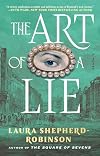
THE ART OF THE LIE: A NOVEL (full title) is one-third historical fiction and two-thirds mystery. It's a battle of wit between two well-matched people (a man and woman) whose interactions are completely build upon deception and deceit. Frankly, it's quite a dark picture of a time and place where the worst of human nature flourishes. Awarded three stars, but 3.5 is more accurate. Others tend to rate this book more highly.
Though I read many more books from the historical fiction genre than I do mysteries, I recognize how well-crafted and well-researched this book is and how it becomes increasingly ingenious as the plot progresses. Nevertheless, I found myself increasingly uncomfortable, as a reader, as the web of lies increases. I readily admit this is likely my own personal reaction to so much bad behavior. I think others may not have the same reaction and definitely DO recommend THE ART OF THE LIE to those who are interested.
The setting is London, 1749. Hannah Cole, recently widowed following her husband's brutal murder, is struggling to hold onto their confectionary shop, despite many who feel a woman should not be running a business. Enter wealthy William Devereux, a friend of Hannah's late husband, who offers her help.
The investigation into the murder of Hannah's husband, Jonas, is headed by writer-turned-magistrate Henry Fielding (1707-1754), known to us today as the author of THE HISTORY OF TOM JONES, A FOUNDLING. In THE ART OF THE LIE, Fielding is an investigator show more with an honest reputation, operating within a world rife with government corruption, who is plagued by his own personal scandal and his own political agenda.
There are many, MANY twists and turns to the plot and lots of surprises. Everyone has hidden secrets. As more and more bits of information are revealed, readers witness the pervasive influence of the country's social class structure. Violence is commonplace. Women wield limited power. Officials are on the take. Gambling houses, though illegal, do steady business. And there's a seedy network of gangsters and confidence tricksters, always on the lookout for new innocent victims to scam.
This is the first book I've read by this award-winning, bestselling author, who has written four historical novels related to crime. I did appreciate the skillful way Shepherd-Robinson integrates diverse bits of research from the time period, like the introduction of ice cream and the geography of the area around Piccadilly. (Be sure to read the fascinating Historical Note at the end of the book.) So I may try another one of her novels. show less
Though I read many more books from the historical fiction genre than I do mysteries, I recognize how well-crafted and well-researched this book is and how it becomes increasingly ingenious as the plot progresses. Nevertheless, I found myself increasingly uncomfortable, as a reader, as the web of lies increases. I readily admit this is likely my own personal reaction to so much bad behavior. I think others may not have the same reaction and definitely DO recommend THE ART OF THE LIE to those who are interested.
The setting is London, 1749. Hannah Cole, recently widowed following her husband's brutal murder, is struggling to hold onto their confectionary shop, despite many who feel a woman should not be running a business. Enter wealthy William Devereux, a friend of Hannah's late husband, who offers her help.
The investigation into the murder of Hannah's husband, Jonas, is headed by writer-turned-magistrate Henry Fielding (1707-1754), known to us today as the author of THE HISTORY OF TOM JONES, A FOUNDLING. In THE ART OF THE LIE, Fielding is an investigator show more with an honest reputation, operating within a world rife with government corruption, who is plagued by his own personal scandal and his own political agenda.
There are many, MANY twists and turns to the plot and lots of surprises. Everyone has hidden secrets. As more and more bits of information are revealed, readers witness the pervasive influence of the country's social class structure. Violence is commonplace. Women wield limited power. Officials are on the take. Gambling houses, though illegal, do steady business. And there's a seedy network of gangsters and confidence tricksters, always on the lookout for new innocent victims to scam.
This is the first book I've read by this award-winning, bestselling author, who has written four historical novels related to crime. I did appreciate the skillful way Shepherd-Robinson integrates diverse bits of research from the time period, like the introduction of ice cream and the geography of the area around Piccadilly. (Be sure to read the fascinating Historical Note at the end of the book.) So I may try another one of her novels. show less
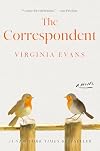
It's likely you have heard something about THE CORRESPONDENT; a 2025 New York Times bestseller that seems to be getting a lot of attention and excellent reviews. Including from me.
It's the story of a 73-year-old woman with a life-long habit of hand-writing all correspondence. The book itself is created as a compilation of these letters - some written by protagonist Sybil Van Antwerp, others written to her. The novel is pure delight.
At the start, Sybil is a divorced grandmother -- living alone, quite sedentary, and fairly isolated in her retirement. But through reading her letters from years past, we become privy, slowly, in bits and pieces, to her rich back history.
Sybil had a successful career as an attorney, clerking for a prominent judge, who used her formidable intelligence as more of a consultant in rendering rulings. She was married and had children. Her relations with her two grown children are somewhat strained. Her gay brother Felix lives far away in France with his partner. Sybil's 60-year friendship with a childhood pal can be challenging at times. Sybil's letter writing extends far beyond close family and friends. She writes to customer service reps, to a slew of famous authors whose books she has read, to suitors, to the Dean of a College where she wants to audit courses.
I want to be sure I don't give the impression that THE CORRESPONDENT is lightweight. Each letter no mater how trivial it first appears, winds up enriching the portrait of this one woman, show more who is eager to offer assistance, and isn't afraid to look closely at her own flaws and past mistakes.
In addition to Sybil's growing self-awareness, like any family, there are long-buried secrets revealed. A horrific family tragedy, DNA testing, a degenerative illness, adoption, and the uncovering of festering resentments. As readers, we have the privilege of watching Sybil grow and change as her world expands.
By the time you finish THE CORRESPONDENT, you will feel you know Sybil well. She will have surprised you again and again. And if you're like me, you will long to meet her. Reading this novel was a lovely experience! show less
It's the story of a 73-year-old woman with a life-long habit of hand-writing all correspondence. The book itself is created as a compilation of these letters - some written by protagonist Sybil Van Antwerp, others written to her. The novel is pure delight.
At the start, Sybil is a divorced grandmother -- living alone, quite sedentary, and fairly isolated in her retirement. But through reading her letters from years past, we become privy, slowly, in bits and pieces, to her rich back history.
Sybil had a successful career as an attorney, clerking for a prominent judge, who used her formidable intelligence as more of a consultant in rendering rulings. She was married and had children. Her relations with her two grown children are somewhat strained. Her gay brother Felix lives far away in France with his partner. Sybil's 60-year friendship with a childhood pal can be challenging at times. Sybil's letter writing extends far beyond close family and friends. She writes to customer service reps, to a slew of famous authors whose books she has read, to suitors, to the Dean of a College where she wants to audit courses.
I want to be sure I don't give the impression that THE CORRESPONDENT is lightweight. Each letter no mater how trivial it first appears, winds up enriching the portrait of this one woman, show more who is eager to offer assistance, and isn't afraid to look closely at her own flaws and past mistakes.
In addition to Sybil's growing self-awareness, like any family, there are long-buried secrets revealed. A horrific family tragedy, DNA testing, a degenerative illness, adoption, and the uncovering of festering resentments. As readers, we have the privilege of watching Sybil grow and change as her world expands.
By the time you finish THE CORRESPONDENT, you will feel you know Sybil well. She will have surprised you again and again. And if you're like me, you will long to meet her. Reading this novel was a lovely experience! show less
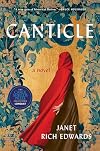
As soon as the editors of the New York Times Book Review listed CANTICLE among the best historical fiction of 2025 this past January, I couldn’t wait to get my hands on it. I certainly wasn’t disappointed. It was different from what I expected and, in many ways, much better.
Prepare to be totally immersed in late 13th century Bruges, just on the cusp of the cultural revolution we now call the Renaissance. Christianity remains the dominant religious and social force. But there’s a growing demand among lay people who want to read religious texts on their own, without relying on an official interpretation from the Catholic Church. And, not surprisingly, the Church is desperate to hold onto every bit of its power.
Into this setting, author Janet Rich-Edwards places Aleys, a sensitive and intelligent 16-year old who feels a strong call to the religious life, even as her father is arranging a worthy marriage for her to a prosperous merchant. This novel is her story.
CANTICLE then becomes a page-turning story at the intersection of Christianity, mysticism, and mysogyny. From believers to non-believers, each character operates in a frenzy of emotion, desperately holding onto the rightness of their position. All motivations are suspect and the questions raised are potentially life-threatening. Are Aleys's religious visions coming from God or are they heresy? If God has given Aleys the power to work miracles, why her? Is her confessor Brother Lucas acting from a desire to show more protect Aleys or something darker? What kinds of private ambitions and church politics lay behind the actions of the local Bishop? Why would Aleys choose the isolation of an anchoress? Why do the townspeople seem to run hot and cold? And beneath this swirling and suspenseful plot lies the quiet, resourceful, and reliable power of the beguines, a fiercely independent group of religious women willing to stand in opposition to the Church.
I don’t want to say more about the plot for fear of spoiling your own experience of discovery. But I do want to address the author’s writing style. It may not be to every reader’s liking. It can feel dense at times, in part because it’s detailed, layered, and feels authentic to the period. Some of it reads like poetry. And like poetry, you may sometimes have to reread passages to make sure you understand what’s happening. I personally welcomed the feeling of total immersion in Bruges of the 1290s. That’s one of the aspects of historical fiction I love most. Don’t miss CANTICLE.
Be sure to read the Acknowledgements at the end where Rich-Edwards explains the source material (much of it from women) she used to research this novel and where she first got the spark of the idea for this book. Just another wonderful illustration of how support from women to women can make all the difference. show less
Prepare to be totally immersed in late 13th century Bruges, just on the cusp of the cultural revolution we now call the Renaissance. Christianity remains the dominant religious and social force. But there’s a growing demand among lay people who want to read religious texts on their own, without relying on an official interpretation from the Catholic Church. And, not surprisingly, the Church is desperate to hold onto every bit of its power.
Into this setting, author Janet Rich-Edwards places Aleys, a sensitive and intelligent 16-year old who feels a strong call to the religious life, even as her father is arranging a worthy marriage for her to a prosperous merchant. This novel is her story.
CANTICLE then becomes a page-turning story at the intersection of Christianity, mysticism, and mysogyny. From believers to non-believers, each character operates in a frenzy of emotion, desperately holding onto the rightness of their position. All motivations are suspect and the questions raised are potentially life-threatening. Are Aleys's religious visions coming from God or are they heresy? If God has given Aleys the power to work miracles, why her? Is her confessor Brother Lucas acting from a desire to show more protect Aleys or something darker? What kinds of private ambitions and church politics lay behind the actions of the local Bishop? Why would Aleys choose the isolation of an anchoress? Why do the townspeople seem to run hot and cold? And beneath this swirling and suspenseful plot lies the quiet, resourceful, and reliable power of the beguines, a fiercely independent group of religious women willing to stand in opposition to the Church.
I don’t want to say more about the plot for fear of spoiling your own experience of discovery. But I do want to address the author’s writing style. It may not be to every reader’s liking. It can feel dense at times, in part because it’s detailed, layered, and feels authentic to the period. Some of it reads like poetry. And like poetry, you may sometimes have to reread passages to make sure you understand what’s happening. I personally welcomed the feeling of total immersion in Bruges of the 1290s. That’s one of the aspects of historical fiction I love most. Don’t miss CANTICLE.
Be sure to read the Acknowledgements at the end where Rich-Edwards explains the source material (much of it from women) she used to research this novel and where she first got the spark of the idea for this book. Just another wonderful illustration of how support from women to women can make all the difference. show less
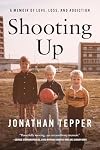
Though not ordinarily a topic I would gravitate towards, an email review request from the author intrigued me. How could a memoir about drug addicts and HIV in the 1980s and 1990s possibly have a hopeful slant? But Jonathan Tepper was right; I was wrong.
This story truly begins with a Harvard student's LSD trip when he sees a vision for his life's work - to be a missionary devoted to helping drug addicts get clean. The student turns out to be the author's father, who then moves his wife and four young sons to an impoverished neighborhood in Madrid. Living off unpredictable and sometimes meager church contributions, the entire family begins recruiting local addicts (who are sometimes also convicted criminals) off the street to share their home and food, to get treatment, and to find God.
Shooting Up details the author's life over the next roughly dozen years. The children attend school only when finances permit. Much of their education comes from home-schooling, provided by two parents who encourage them to follow their individual passions. Fortunately, these are intellectually curious kids with strong self-motivation. Perhaps not surprising when their father chose unlikely books to read aloud to them, like Dante Alighieri's THE DIVINE COMEDY, Thomas à Kempis's THE IMITATION OF CHRIST, John Bryan's PILGRIM'S PROGRESS, and Saint Augustine's CONFESSIONS and THE CITY OF GOD.
At the same time, these children have to share both their parents with a growing community of people show more with many needs. Not easy for children who often feel they come second to their parents' missionary work.
The boys have few peers. Most of their close friends are the adults that surround them, those trying to stay clean and rebuild their lives. Yet these friendships offer the boys surprising depth and structure.
As the treatment program expands (it is now the organization called Betel International), participants grow and change. They find meaningful work. They earn trust from those around you. They get second chances. Even find love. All reasons for hope, even when the HIV epidemic strikes this population of high-risk former users. Remember, at this time, HIV was thought to be a fatal disease confined to gay men and intravenous drug users.
The book may start out like a basic first person memoir but it quickly becomes much more emotional with the consideration of various weighty topics. It does become more difficult to read (though not as much as I expected) but also deeply encouraging, and yes, hopeful. Fundamentally, it's about our universal humanity and resilience. You will be astounded by the tragic circumstances human beings can survive and also how relentlessly generous and loving they can be.
There were moments when I questioned the laissez-faire childrearing style of these parents, particularly in such a challenging setting. But more often, I couldn't help but admire them.
Shooting Up is without question the most compelling memoir I have ever read. There's so much to think about. The deep glimpse inside the world of addiction. The devastation brought by HIV. The fascinating exploration of how this unconventional family launches such important humanitarian work abroad. And perhaps the biggest takeaway of all - the recognition that criminals and drug addicts, those we so often stigmatized, are just like the rest of us. They respond to kindness, honor responsibilities, offer friendship, and behave generously. We all just want to be loved. show less
This story truly begins with a Harvard student's LSD trip when he sees a vision for his life's work - to be a missionary devoted to helping drug addicts get clean. The student turns out to be the author's father, who then moves his wife and four young sons to an impoverished neighborhood in Madrid. Living off unpredictable and sometimes meager church contributions, the entire family begins recruiting local addicts (who are sometimes also convicted criminals) off the street to share their home and food, to get treatment, and to find God.
Shooting Up details the author's life over the next roughly dozen years. The children attend school only when finances permit. Much of their education comes from home-schooling, provided by two parents who encourage them to follow their individual passions. Fortunately, these are intellectually curious kids with strong self-motivation. Perhaps not surprising when their father chose unlikely books to read aloud to them, like Dante Alighieri's THE DIVINE COMEDY, Thomas à Kempis's THE IMITATION OF CHRIST, John Bryan's PILGRIM'S PROGRESS, and Saint Augustine's CONFESSIONS and THE CITY OF GOD.
At the same time, these children have to share both their parents with a growing community of people show more with many needs. Not easy for children who often feel they come second to their parents' missionary work.
The boys have few peers. Most of their close friends are the adults that surround them, those trying to stay clean and rebuild their lives. Yet these friendships offer the boys surprising depth and structure.
As the treatment program expands (it is now the organization called Betel International), participants grow and change. They find meaningful work. They earn trust from those around you. They get second chances. Even find love. All reasons for hope, even when the HIV epidemic strikes this population of high-risk former users. Remember, at this time, HIV was thought to be a fatal disease confined to gay men and intravenous drug users.
The book may start out like a basic first person memoir but it quickly becomes much more emotional with the consideration of various weighty topics. It does become more difficult to read (though not as much as I expected) but also deeply encouraging, and yes, hopeful. Fundamentally, it's about our universal humanity and resilience. You will be astounded by the tragic circumstances human beings can survive and also how relentlessly generous and loving they can be.
There were moments when I questioned the laissez-faire childrearing style of these parents, particularly in such a challenging setting. But more often, I couldn't help but admire them.
Shooting Up is without question the most compelling memoir I have ever read. There's so much to think about. The deep glimpse inside the world of addiction. The devastation brought by HIV. The fascinating exploration of how this unconventional family launches such important humanitarian work abroad. And perhaps the biggest takeaway of all - the recognition that criminals and drug addicts, those we so often stigmatized, are just like the rest of us. They respond to kindness, honor responsibilities, offer friendship, and behave generously. We all just want to be loved. show less
Every few years I pick up a book by prolific Nobel Prize winning author, Pearl S. Buck (1892-1973), because few writers compete with her ability to consistently create a compelling storyline populated with interesting and believable characters. Though not a favorite, THE GODDESS ABIDES is certainly thought provoking. I awarded it three stars but 3.5 is probably more accurate.
This is a short, late-in-life novel (under 200 pages) originally published just a year before Buck died. And to me this one feels like it might be autobiographical - with Buck looking back on her life and relationships. In essence, the novel explores the nature of love in its different forms. Love focused around desire, friendship, and companionship - and even two people who feel they are soulmates.
The protagonist is a 42-year-old, recently widowed woman, Edith, learning to live alone after a long, satisfactory marriage to an older and very successful attorney. Edith’s children are grown with families of their own. Her friends are offering support but the work of envisioning a new life truly rests with Edith.
There are two brilliant men in Edith’s life. Edwin is an older, former professor Edith reconnected with after he sent her an exceptional condolence note, following the death of her husband. The second is Jared, a much younger budding inventor who happens to knock on her door one cold winter night. Both men are intense and want something from Edith.
Reading this novel feels a bit like navigating show more a philosophical treatise. The characters wrestle with some heavy questions. Is love more about one’s body or one’s mind, and which is ultimately more important? What role does age play? Can pure love be platonic? Does love encourage or hinder genius? Clearly THE GODDESS ABIDES is not an action story. I recommend it because it sparked some deep thinking.
To avoid spoilers, I won’t provide details except that the book feels like a period piece, reflecting the morality of the time in which it was written. I suspect if Buck was writing it now, significant parts might be different.
If, after you read THE GODDESS ABIDES, you are curious about why I think this book might be partly autobiographical, read more about Buck’s publisher and second husband, Richard John Walsh (1886-1960) who died more than a decade before she did. As well as about Buck’s rekindled friendship with the older American philosopher William Ernest Hocking (1873-1966) later in her life. show less
This is a short, late-in-life novel (under 200 pages) originally published just a year before Buck died. And to me this one feels like it might be autobiographical - with Buck looking back on her life and relationships. In essence, the novel explores the nature of love in its different forms. Love focused around desire, friendship, and companionship - and even two people who feel they are soulmates.
The protagonist is a 42-year-old, recently widowed woman, Edith, learning to live alone after a long, satisfactory marriage to an older and very successful attorney. Edith’s children are grown with families of their own. Her friends are offering support but the work of envisioning a new life truly rests with Edith.
There are two brilliant men in Edith’s life. Edwin is an older, former professor Edith reconnected with after he sent her an exceptional condolence note, following the death of her husband. The second is Jared, a much younger budding inventor who happens to knock on her door one cold winter night. Both men are intense and want something from Edith.
Reading this novel feels a bit like navigating show more a philosophical treatise. The characters wrestle with some heavy questions. Is love more about one’s body or one’s mind, and which is ultimately more important? What role does age play? Can pure love be platonic? Does love encourage or hinder genius? Clearly THE GODDESS ABIDES is not an action story. I recommend it because it sparked some deep thinking.
To avoid spoilers, I won’t provide details except that the book feels like a period piece, reflecting the morality of the time in which it was written. I suspect if Buck was writing it now, significant parts might be different.
If, after you read THE GODDESS ABIDES, you are curious about why I think this book might be partly autobiographical, read more about Buck’s publisher and second husband, Richard John Walsh (1886-1960) who died more than a decade before she did. As well as about Buck’s rekindled friendship with the older American philosopher William Ernest Hocking (1873-1966) later in her life. show less
Allison Pataki’s newest historical fiction does not disappoint! IT GIRL, based on the life of showgirl Evelyn Nesbit and what was called the Trial of the Century (20th) is engrossing from the start and takes some deliciously original twists and turns. It’s also a rich look at American society in the early 1900s with income inequality, robber barons and working children. Awarded four stars but if pressed, I might go as high as 4.5.
First a little background. If you don’t know, Evelyn Nesbit was an early 20th century cultural phenomenon because of her unusual beauty. Showcased by prominent artists and used in advertising, she later moved to theater, where she captured the attention of two famous men - prominent New York City architect Stanford White (Madison Square Garden) and wealthy Pittsburgh businessman Harry Thaw. Thaw winds up marrying Evelyn and then stands trial for killing Stanford White. That’s the true history.
In Pataki’s version, these names are all changed. Nesbit becomes Evelyn Talbot, White becomes Stanley Pierce, and Thaw turns into Hal Thorne. I didn’t quite understand why the name changes were necessary until the very end of the novel. So make sure you read the final Author’s Note.
IT GIRL relates Evelyn’s “Cinderella” journey from rags to riches. Though born into a comfortable Pittsburg family, Evelyn, her younger brother, and mother quickly become poor after the sudden death of her beloved father. There’s barely enough food and the show more family’s living conditions go from bad to worse. That is until a local artist spots Evelyn in a store and suggests to Mrs.Talbot that Evelyn she could make money modeling. What follows is the meteoric rise to fame for a girl of just 14 years old. First in Philadelphia, then to New York City.
What I think Pataki does best is give voice to Evelyn herself. Even though decisions were being made her mother and others, ostensibly in her interest, readers get to see how Evelyn’s life is transformed by those who wish to gain something from her success. I suspect it’s a story many child actors would identify with.
Another important theme explored is what happens when powerful and wealthy men have an interest in a beautiful but essentially poor girl/woman. It isn’t pretty and there were parts of Evelyn’s story that made me decidedly uncomfortable to read. Especially now that our culture has recognized a #MeToo movement and there’s less toleration of sexual harassment.
There are a few points where I thought the voice of Evelyn was a bit too sophisticated for her age and experience —some observations that felt too adult-like. But that didn’t really detract from my enjoyment of the book, which I highly recommend. show less
First a little background. If you don’t know, Evelyn Nesbit was an early 20th century cultural phenomenon because of her unusual beauty. Showcased by prominent artists and used in advertising, she later moved to theater, where she captured the attention of two famous men - prominent New York City architect Stanford White (Madison Square Garden) and wealthy Pittsburgh businessman Harry Thaw. Thaw winds up marrying Evelyn and then stands trial for killing Stanford White. That’s the true history.
In Pataki’s version, these names are all changed. Nesbit becomes Evelyn Talbot, White becomes Stanley Pierce, and Thaw turns into Hal Thorne. I didn’t quite understand why the name changes were necessary until the very end of the novel. So make sure you read the final Author’s Note.
IT GIRL relates Evelyn’s “Cinderella” journey from rags to riches. Though born into a comfortable Pittsburg family, Evelyn, her younger brother, and mother quickly become poor after the sudden death of her beloved father. There’s barely enough food and the show more family’s living conditions go from bad to worse. That is until a local artist spots Evelyn in a store and suggests to Mrs.Talbot that Evelyn she could make money modeling. What follows is the meteoric rise to fame for a girl of just 14 years old. First in Philadelphia, then to New York City.
What I think Pataki does best is give voice to Evelyn herself. Even though decisions were being made her mother and others, ostensibly in her interest, readers get to see how Evelyn’s life is transformed by those who wish to gain something from her success. I suspect it’s a story many child actors would identify with.
Another important theme explored is what happens when powerful and wealthy men have an interest in a beautiful but essentially poor girl/woman. It isn’t pretty and there were parts of Evelyn’s story that made me decidedly uncomfortable to read. Especially now that our culture has recognized a #MeToo movement and there’s less toleration of sexual harassment.
There are a few points where I thought the voice of Evelyn was a bit too sophisticated for her age and experience —some observations that felt too adult-like. But that didn’t really detract from my enjoyment of the book, which I highly recommend. show less
Sometimes you read about a book (from a review or jacket cover) and think, "oh, this might be fun and quick just as long as I keep my expectations modest." Usually you are right. But occasionally, you are completely surprised because the book turns out to be much better than you expected. So it was with LADY TREMAINE. This is the author's debut novel and I gave it five stars because it’s a well-written and compelling story, full of surprises, with much more meat than the original.
For those who have forgotten, the novel's protagonist, Etheldreda Verity Isolde Tremaine Bramley (Lady Tremaine), is non other than the evil stepmother made famous in the classic European folk tale Cinderella. The image many of us have of her comes from Walt Disney's animated movie (1950).
Understanding that this is a retelling of the famous fairy tale, I expected the story would offer a different perspective. Which is what it felt like at the start. But LADY TREMAINE is much more than a story of a dysfunctional family eager to attend a ball and marry a prince. It's Lady Tremaine's first-person account, with more nuance with much greater depth.
In the beginning, Etheldreda (or Ethel for short) is a widow struggling to get by while raising her two daughters (Matilda and Rosamund) and stepdaughter (Elin). She's also facing a mountain of debt, an estate is desperate need of repair, and empty coffers. All thanks to her late husband, Lord Bramley* (Elin's father).
The author unveils Ethel's full back show more story. She doesn't remember her mother who died early and she was the only girl among a pack of older brothers. The big advantage for Ethel was being educated alongside her brothers which meant she received a better education than most women of her day. The big disadvantage is that she grew up wild (no doubt we might use the word tomboy) and not sufficiently ladylike. So, eventually, Ethel's father hires a woman specifically to teach Ethel how to behave properly.
Ethel shares the very personal story of her first marriage and widowhood. We find out why and how she married Lord Bramley. We learn her thinking behind her style of childrearing and what she really thinks about her stepdaughter. We also see how key her intelligence is in handling her many responsibilities.
While it’s clear the story takes place hundreds of years ago (with ornate royal carriages, falconry, and scrolls for sending messages), this version has a distinctly contemporary and feminist feel. Hochhauser paints quite a dismal picture of all the ways in which women at this time were powerless. Limited in their opportunities and deportment. Their voices ignored. Ruled by fathers, husbands, even fathers-in-law. And the relentless pressure to find a husband for the security he could provide.
Perhaps the biggest surprise for me was the intense suspense that builds throughout the book. Because it turns out that the handsome prince and his royal family have secrets of their own.
I found the novel a true delight to read. So much fun! show less
For those who have forgotten, the novel's protagonist, Etheldreda Verity Isolde Tremaine Bramley (Lady Tremaine), is non other than the evil stepmother made famous in the classic European folk tale Cinderella. The image many of us have of her comes from Walt Disney's animated movie (1950).
Understanding that this is a retelling of the famous fairy tale, I expected the story would offer a different perspective. Which is what it felt like at the start. But LADY TREMAINE is much more than a story of a dysfunctional family eager to attend a ball and marry a prince. It's Lady Tremaine's first-person account, with more nuance with much greater depth.
In the beginning, Etheldreda (or Ethel for short) is a widow struggling to get by while raising her two daughters (Matilda and Rosamund) and stepdaughter (Elin). She's also facing a mountain of debt, an estate is desperate need of repair, and empty coffers. All thanks to her late husband, Lord Bramley* (Elin's father).
The author unveils Ethel's full back show more story. She doesn't remember her mother who died early and she was the only girl among a pack of older brothers. The big advantage for Ethel was being educated alongside her brothers which meant she received a better education than most women of her day. The big disadvantage is that she grew up wild (no doubt we might use the word tomboy) and not sufficiently ladylike. So, eventually, Ethel's father hires a woman specifically to teach Ethel how to behave properly.
Ethel shares the very personal story of her first marriage and widowhood. We find out why and how she married Lord Bramley. We learn her thinking behind her style of childrearing and what she really thinks about her stepdaughter. We also see how key her intelligence is in handling her many responsibilities.
While it’s clear the story takes place hundreds of years ago (with ornate royal carriages, falconry, and scrolls for sending messages), this version has a distinctly contemporary and feminist feel. Hochhauser paints quite a dismal picture of all the ways in which women at this time were powerless. Limited in their opportunities and deportment. Their voices ignored. Ruled by fathers, husbands, even fathers-in-law. And the relentless pressure to find a husband for the security he could provide.
Perhaps the biggest surprise for me was the intense suspense that builds throughout the book. Because it turns out that the handsome prince and his royal family have secrets of their own.
I found the novel a true delight to read. So much fun! show less
ALL IN HER HANDS is the third novel in a wonderful historical fiction series about Dr. Nora Beady Gibson, a fictitious character representing the few determined women who fought to break down male-only barriers in the practice of medicine, particularly obstetrics. But, as Dr. Gibson finds out, becoming a doctor is not the end of the battles she must wage. Awarded four stars on Goodreads, but I might go as high as 4.5. Because ALL IN HER HANDS combines two of my particular interests: early medical practices and women struggling for recognition of their abilities.
It's summer in London, 1849. After completing medical school in Bologna, Italy (where training women as physicians is a bit more common), Nora has now returned to London, is married to her much loved physician-husband Daniel, and is applying her considerable skills treating patients in the small hospital built by her famous foster father/physician (Horace). Here's what is on her plate:
• Most men will not even consider seeing a woman physician, essentially limiting Nora's practice to women.
• Nora's male colleagues do not believe they can learn anything from her, even though Nora is one of the only doctors at this time who has successfully performed a Caesarian delivery.
• Horace has had a series of strokes and is having a difficult adjustment to not being able to perform as the brilliant doctor he once was.
• Nora's new in-laws (whom Daniel deeply loves) are scandalized that she is continuing to perform show more surgery, which they consider un-ladylike, and they are appalled that Nora plans to continue practicing even after she has children.
• • With an deep passion for improving the lives of women, Nora believes that physicians and midwives should work together to share knowledge and improve obstetrical care. Even though midwives usually deliver babies among the British lower classes while physicians handle upper class pregnancies. Not surprisingly, male physicians, who look down on midwives and worry about losing fees, want to prevent any cooperation.
• A few cases of cholera have been identified in the city, stirring up fear among those who witnessed a previous outbreak (1826-37), a pandemic where Nora lost her entire family. Remember, this is long before cholera vaccines and widespread understanding of germ theory.
So, you can see there's plenty of drama to go around. It turns out the few isolated cases of cholera mark the beginning of a third cholera pandemic (1846-60), that eventually kills tens of thousands of people in Great Britain. If you know any medical history, you may remember this is the very same pandemic where English physician Dr. John Snow (1813-58) identified contaminated water as the means of transmitting cholera.
This is a thoroughly enjoyable novel. The author certainly understands how to keep a story moving and successfully communicates their (pronoun explained below) own personal fascination with medical procedures. Nora is a wonderful heroine who manages to be fully human, often getting angry and even making some bad choices.
The author, Audrey Blake is not a real person. She is a pseudonym used by two authors (Canadian Jaime Fixsen and American Regina Sirois) who have been writing this series together over a dozen years. It appears from their website that ALL IN HER HANDS is the final book in Nora's story. So, don't miss it. show less
It's summer in London, 1849. After completing medical school in Bologna, Italy (where training women as physicians is a bit more common), Nora has now returned to London, is married to her much loved physician-husband Daniel, and is applying her considerable skills treating patients in the small hospital built by her famous foster father/physician (Horace). Here's what is on her plate:
• Most men will not even consider seeing a woman physician, essentially limiting Nora's practice to women.
• Nora's male colleagues do not believe they can learn anything from her, even though Nora is one of the only doctors at this time who has successfully performed a Caesarian delivery.
• Horace has had a series of strokes and is having a difficult adjustment to not being able to perform as the brilliant doctor he once was.
• Nora's new in-laws (whom Daniel deeply loves) are scandalized that she is continuing to perform show more surgery, which they consider un-ladylike, and they are appalled that Nora plans to continue practicing even after she has children.
• • With an deep passion for improving the lives of women, Nora believes that physicians and midwives should work together to share knowledge and improve obstetrical care. Even though midwives usually deliver babies among the British lower classes while physicians handle upper class pregnancies. Not surprisingly, male physicians, who look down on midwives and worry about losing fees, want to prevent any cooperation.
• A few cases of cholera have been identified in the city, stirring up fear among those who witnessed a previous outbreak (1826-37), a pandemic where Nora lost her entire family. Remember, this is long before cholera vaccines and widespread understanding of germ theory.
So, you can see there's plenty of drama to go around. It turns out the few isolated cases of cholera mark the beginning of a third cholera pandemic (1846-60), that eventually kills tens of thousands of people in Great Britain. If you know any medical history, you may remember this is the very same pandemic where English physician Dr. John Snow (1813-58) identified contaminated water as the means of transmitting cholera.
This is a thoroughly enjoyable novel. The author certainly understands how to keep a story moving and successfully communicates their (pronoun explained below) own personal fascination with medical procedures. Nora is a wonderful heroine who manages to be fully human, often getting angry and even making some bad choices.
The author, Audrey Blake is not a real person. She is a pseudonym used by two authors (Canadian Jaime Fixsen and American Regina Sirois) who have been writing this series together over a dozen years. It appears from their website that ALL IN HER HANDS is the final book in Nora's story. So, don't miss it. show less
KEEPER OF LOST CHILDREN relates yet another little remembered episode from American history - one related to the consequences of World War II. It’s a story of three Black Americans whose lives showcase both the heroic efforts of one woman, as well as the culture of United States' racism during the 1940s, 1950s, and 1960s. Written by an award-winning and NYT bestselling author.
KEEPER OF LOST CHILDREN is based on a true story. A lovely story that illustrates just what a difference one person can make in the lives of others.
The novel is built around three separate story strands:
• Sophia Clark: In 1965, a gifted student, Sophia, is selected to receive a full scholarship to a prestigious co-ed boarding school in Maryland, where she will be among the first Black teenage girls to integrate the elite institution.
• Ethel Gathers: In 1950, Ethel is a childless American military wife, living in post-war Germany. Ethel is horrified by the number of illegitimate, mixed-race children (fathered by U.S. soldiers) who have been abandoned by their parents. (Many of the mothers were already married to German soldiers.) Determined to do something, Ethel pioneers a program soon called Brown Babies, that works to get at least some of these children adopted by Black American families back in the United States.
• Ozzie Phillips: An army volunteer posted to Germany during World War II. Ozzie is intelligent, ambitious, and keen to make the most of his military service, so he can return to show more Philadelphia, get a good job, and build a life with the girlfriend he left behind.
All three of these characters face different challenges in their efforts to succeed under very different circumstances. Each struggles against the ways in which societal pressure can actually work against what should be everyone's shared goal - that of keeping loving parents and their children together.
Though I’ve read dozens of novels about World War II, this aspect is one I’ve never read about. But what was even more powerful for me was learning how pervasive overt racism was in all aspects of Black lives, regardless of geography, gender, or age. Prejudice and injustice were simply baked into everyday life. From harassment and bullying in school to awarding military assignments and promotions. From post-war job availability to accessing the benefits promised by the GI Bill (1944). (Remember this is years before what we now think of as DEAI efforts.)
What I like least about the book is its structure. This is yet another book employing what I consider a much overused device of alternating chapters telling three distinct stories, which only come together at the book's end. I'm not sure why so many writers are enamoured by this device. For me, it limits my emotional involvement with the characters. As soon as I get engrossed in one person's life, the author forces me to set it aside to pick up another strand. By the time I return to the first story, my emotional connection is certainly weakened, if not gone entirely.
Nevertheless, I definitely recommend KEEPER OF LOST CHILDREN, especially because there is so much to learn about this particular time period in the larger American story. show less
KEEPER OF LOST CHILDREN is based on a true story. A lovely story that illustrates just what a difference one person can make in the lives of others.
The novel is built around three separate story strands:
• Sophia Clark: In 1965, a gifted student, Sophia, is selected to receive a full scholarship to a prestigious co-ed boarding school in Maryland, where she will be among the first Black teenage girls to integrate the elite institution.
• Ethel Gathers: In 1950, Ethel is a childless American military wife, living in post-war Germany. Ethel is horrified by the number of illegitimate, mixed-race children (fathered by U.S. soldiers) who have been abandoned by their parents. (Many of the mothers were already married to German soldiers.) Determined to do something, Ethel pioneers a program soon called Brown Babies, that works to get at least some of these children adopted by Black American families back in the United States.
• Ozzie Phillips: An army volunteer posted to Germany during World War II. Ozzie is intelligent, ambitious, and keen to make the most of his military service, so he can return to show more Philadelphia, get a good job, and build a life with the girlfriend he left behind.
All three of these characters face different challenges in their efforts to succeed under very different circumstances. Each struggles against the ways in which societal pressure can actually work against what should be everyone's shared goal - that of keeping loving parents and their children together.
Though I’ve read dozens of novels about World War II, this aspect is one I’ve never read about. But what was even more powerful for me was learning how pervasive overt racism was in all aspects of Black lives, regardless of geography, gender, or age. Prejudice and injustice were simply baked into everyday life. From harassment and bullying in school to awarding military assignments and promotions. From post-war job availability to accessing the benefits promised by the GI Bill (1944). (Remember this is years before what we now think of as DEAI efforts.)
What I like least about the book is its structure. This is yet another book employing what I consider a much overused device of alternating chapters telling three distinct stories, which only come together at the book's end. I'm not sure why so many writers are enamoured by this device. For me, it limits my emotional involvement with the characters. As soon as I get engrossed in one person's life, the author forces me to set it aside to pick up another strand. By the time I return to the first story, my emotional connection is certainly weakened, if not gone entirely.
Nevertheless, I definitely recommend KEEPER OF LOST CHILDREN, especially because there is so much to learn about this particular time period in the larger American story. show less
THE DOUBLE STANDARD SPORTING HOUSE is a novel about prostitution, political corruption, muckraking, and women with limited power and few options trying to take control of their lives. For anyone who doesn't know, a "sporting house" is another name for a brothel and the "Double Standard" is a hint about the savviness of the woman who runs this one.
Let's begin with the setting. It's post-Civil War (1861-1864) historical fiction set in 1868 in New York City - at the height of power for politician-businessman-landowner William "Boss" Tweed (1823-1878) and his Democratic machine known as Tammany Hall. Tweed and Tammany have now become virtually synonymous with political corruption and patronage.
The owner of the Double Standard brothel is protagonist Nell Hastings. But she is no ordinary Madam. Nell runs a model brothel where she protects the women. She pays them a good wage. She doesn't tolerate violence from clients. She helps "girls" who want to get into other lines of work to achieve their goals. She takes in women who have been abused and cares for them until they heal. And, as a trained healthcare provider, Nell takes care of all of the health needs of the women who work for her - care that was often denied to women working in this field during this period. She is also keeping a big secret from everyone.
The central problem facing Nell in this novel is that Tweed and his flunkies want a piece of the prostitution business in the city. Only they plan a much less considerate show more way of recruiting women for their establishment and aren't worried in the least about how those women are ultimately treated by clients or what becomes of them in the long run.
I agreed to read and review THE DOUBLE STANDARD SPORTING HOUSE because it seemed to offer everything I usually hope for in historical fiction. Interesting characters. A glimpse into a world that's foreign to me. Some insight into an issue I'm unfamiliar with. But, even with all that, it took me a long time to read this novel (16 days for 328 pages!) Chiefly because I didn't want to go back to the book. It felt plodding to me, with too many of characters to keep track of. (My own fault for letting too much time pass between episodes of reading.) I will say that during the last third of the book, when the pace picks up significantly, I was much more engaged.
I did learn more about Tweed's New York City, brothels, healthcare, and how limited women were in their choices in New York in the 19th century. But I knew some of this before reading this book. I do recommend THE DOUBLE STANDARD SPORTING HOUSE, particularly for those interested in the seamy side of corruption. I just can't promise it will be compelling from page one.
I feel I should also include a warning about the violence against women, which is an important aspect of this story. Parts are quite difficult to read.
This is Bernhard's debut novel. She is a journalism historian and has previously published non-fiction. So perhaps she is someone who knows a good story when she sees it and just needs a bit more experience writing fiction. show less
Let's begin with the setting. It's post-Civil War (1861-1864) historical fiction set in 1868 in New York City - at the height of power for politician-businessman-landowner William "Boss" Tweed (1823-1878) and his Democratic machine known as Tammany Hall. Tweed and Tammany have now become virtually synonymous with political corruption and patronage.
The owner of the Double Standard brothel is protagonist Nell Hastings. But she is no ordinary Madam. Nell runs a model brothel where she protects the women. She pays them a good wage. She doesn't tolerate violence from clients. She helps "girls" who want to get into other lines of work to achieve their goals. She takes in women who have been abused and cares for them until they heal. And, as a trained healthcare provider, Nell takes care of all of the health needs of the women who work for her - care that was often denied to women working in this field during this period. She is also keeping a big secret from everyone.
The central problem facing Nell in this novel is that Tweed and his flunkies want a piece of the prostitution business in the city. Only they plan a much less considerate show more way of recruiting women for their establishment and aren't worried in the least about how those women are ultimately treated by clients or what becomes of them in the long run.
I agreed to read and review THE DOUBLE STANDARD SPORTING HOUSE because it seemed to offer everything I usually hope for in historical fiction. Interesting characters. A glimpse into a world that's foreign to me. Some insight into an issue I'm unfamiliar with. But, even with all that, it took me a long time to read this novel (16 days for 328 pages!) Chiefly because I didn't want to go back to the book. It felt plodding to me, with too many of characters to keep track of. (My own fault for letting too much time pass between episodes of reading.) I will say that during the last third of the book, when the pace picks up significantly, I was much more engaged.
I did learn more about Tweed's New York City, brothels, healthcare, and how limited women were in their choices in New York in the 19th century. But I knew some of this before reading this book. I do recommend THE DOUBLE STANDARD SPORTING HOUSE, particularly for those interested in the seamy side of corruption. I just can't promise it will be compelling from page one.
I feel I should also include a warning about the violence against women, which is an important aspect of this story. Parts are quite difficult to read.
This is Bernhard's debut novel. She is a journalism historian and has previously published non-fiction. So perhaps she is someone who knows a good story when she sees it and just needs a bit more experience writing fiction. show less
Talented Irish author John Boyne is one of my favorite authors. In part because his novels are always different and uniquely creative. It's as though he considers each book a challenge, to test whether he can master some new style or story construction. His latest, THE ELEMENTS, is yet another success. I gave it four stars but 4.5 is probably more accurate.
In THE ELEMENTS, Boyne constructs a saga out of four separate, stand-alone stories, that ultimately relate to one another. Each story is connected to both a crime and to one of the four basic elements of earth, water, fire, and air - as defined by the Ancient Greeks.
As with all of Boyne's books, this one is both well-written and compelling right from the start. But what makes this novel difficult to read is that the crime Boyne is examining is child sexual abuse. Each of his four novellas explores this topic from a different vantage point: the enabler, the accomplice, the perpetrator, and the victim. Through all four together, Boyne tackles complex concepts around guilt, justice, morality, loyalty, denial, love, and, most of all, the lifelong impact one individual's single act can have on another human being. An impact not just for someone who commits a crime or who is a victim, but also on all those who form each person's inner circle.
As human beings, we so often think of crime as a black and white issue. Right or wrong. But what I find so remarkable about THE ELEMENTS is Boyne's ability to make every character show more sympathetic. He so sensitively presents each character's personal experiences that he forces readers to understand what leads a good person to commit bad actions.
I believe Boyne has done a masterful job of exploring the complexities that are so often underlying cases of child sexual abuse. And while I highly recommend this book, I offer advance warning that the stories of child sexual abuse involve both rape and suicide. show less
In THE ELEMENTS, Boyne constructs a saga out of four separate, stand-alone stories, that ultimately relate to one another. Each story is connected to both a crime and to one of the four basic elements of earth, water, fire, and air - as defined by the Ancient Greeks.
As with all of Boyne's books, this one is both well-written and compelling right from the start. But what makes this novel difficult to read is that the crime Boyne is examining is child sexual abuse. Each of his four novellas explores this topic from a different vantage point: the enabler, the accomplice, the perpetrator, and the victim. Through all four together, Boyne tackles complex concepts around guilt, justice, morality, loyalty, denial, love, and, most of all, the lifelong impact one individual's single act can have on another human being. An impact not just for someone who commits a crime or who is a victim, but also on all those who form each person's inner circle.
As human beings, we so often think of crime as a black and white issue. Right or wrong. But what I find so remarkable about THE ELEMENTS is Boyne's ability to make every character show more sympathetic. He so sensitively presents each character's personal experiences that he forces readers to understand what leads a good person to commit bad actions.
I believe Boyne has done a masterful job of exploring the complexities that are so often underlying cases of child sexual abuse. And while I highly recommend this book, I offer advance warning that the stories of child sexual abuse involve both rape and suicide. show less
Talented Irish author John Boyne is one of my favorite authors. In part because his novels are always different and uniquely creative. It's as though he considers each book a challenge, to test whether he can master some new style or story construction. His latest, THE ELEMENTS, is yet another success. I gave it four stars but 4.5 is probably more accurate.
In THE ELEMENTS, Boyne constructs a saga out of four separate, stand-alone stories, that ultimately relate to one another. Each story is connected to both a crime and to one of the four basic elements of earth, water, fire, and air - as defined by the Ancient Greeks.
As with all of Boyne's books, this one is both well-written and compelling right from the start. But what makes this novel difficult to read is that the crime Boyne is examining is child sexual abuse. Each of his four novellas explores this topic from a different vantage point: the enabler, the accomplice, the perpetrator, and the victim. Through all four together, Boyne tackles complex concepts around guilt, justice, morality, loyalty, denial, love, and, most of all, the lifelong impact one individual's single act can have on another human being. An impact not just for someone who commits a crime or who is a victim, but also on all those who form each person's inner circle.
As human beings, we so often think of crime as a black and white issue. Right or wrong. But what I find so remarkable about THE ELEMENTS is Boyne's ability to make every character show more sympathetic. He so sensitively presents each character's personal experiences that he forces readers to understand what leads a good person to commit bad actions.
I believe Boyne has done a masterful job of exploring the complexities that are so often underlying cases of child sexual abuse. And while I highly recommend this book, I offer advance warning that the stories of child sexual abuse involve both rape and suicide. show less
In THE ELEMENTS, Boyne constructs a saga out of four separate, stand-alone stories, that ultimately relate to one another. Each story is connected to both a crime and to one of the four basic elements of earth, water, fire, and air - as defined by the Ancient Greeks.
As with all of Boyne's books, this one is both well-written and compelling right from the start. But what makes this novel difficult to read is that the crime Boyne is examining is child sexual abuse. Each of his four novellas explores this topic from a different vantage point: the enabler, the accomplice, the perpetrator, and the victim. Through all four together, Boyne tackles complex concepts around guilt, justice, morality, loyalty, denial, love, and, most of all, the lifelong impact one individual's single act can have on another human being. An impact not just for someone who commits a crime or who is a victim, but also on all those who form each person's inner circle.
As human beings, we so often think of crime as a black and white issue. Right or wrong. But what I find so remarkable about THE ELEMENTS is Boyne's ability to make every character show more sympathetic. He so sensitively presents each character's personal experiences that he forces readers to understand what leads a good person to commit bad actions.
I believe Boyne has done a masterful job of exploring the complexities that are so often underlying cases of child sexual abuse. And while I highly recommend this book, I offer advance warning that the stories of child sexual abuse involve both rape and suicide. show less
THE CASSATT SISTERS: A NOVEL OF LOVE AND ART (full title) is a debut novel from author Lisa Groen about the life of painter Mary Cassatt (1844 - 1926) and her close relationship with her older sister, Lydia. Lydia is Mary's main source of emotional support. This is also the story of the revolutionary art scene in Paris in the second half of the 19th century. Artists like Edgar Degas, Camille Pissarro, Berthe Morisot, Gustave Caillebotte, Edouard Manet, and Marie Bracquemond were breaking away from the traditional arbiter of good art, the Paris Salon, and developing the School of Impressionism.
Though originally from Philadelphia, Mary, Lydia and their parents relocate to Paris to support Mary in developing her art, despite pressure to follow the more conventional path of marriage and motherhood and despite the difficulties of being a woman trying to find acceptance in the predominantly male art scene. Fortunately, Mary is accepted by the renegade Impressionists, begins to attract admirers, and finds success selling her paintings. She soon carves out her own niche (what she is known for today) - painting common domestic scenes (especially those with mothers and children) that bring attention to a subject most male artists deemed unworthy.
As she explains in the Author's Note, Groen builds her novel around what is factually known about Mary's life, and like most writers of historical fiction, adds her own conjecture. One big addition is an important romance, which is show more suspected by many, but historically UN-verified.
The book's title is a tiny bit misleading. This is Mary's story. She is the narrator. Her sister Lydia is definitely a supporting figure.
Personally, I did not find Mary's story particularly compelling. While her emotional turmoil was certainly described, the author never made me feel emotionally involved. I always felt somehow distant. I did enjoy learning more about what was involved in the origins of the Impressionist Movement and how these noted artists lived and worked before they became famous. Also, about the influential role art critics played and the limited avenues available in the 1800s to artists who wanted to display their art.
One of the things I found most interesting was the universality of the issues facing Mary. She turns out to be yet another woman struggling to balance her work with her domestic responsibilities. Especially because she winds up being chief caretaker for her sister who is often ill.
If these sound like topics of interest to you, I definitely recommend THE CASSATT SISTERS: A NOVEL OF LOVE AND ART. show less
Though originally from Philadelphia, Mary, Lydia and their parents relocate to Paris to support Mary in developing her art, despite pressure to follow the more conventional path of marriage and motherhood and despite the difficulties of being a woman trying to find acceptance in the predominantly male art scene. Fortunately, Mary is accepted by the renegade Impressionists, begins to attract admirers, and finds success selling her paintings. She soon carves out her own niche (what she is known for today) - painting common domestic scenes (especially those with mothers and children) that bring attention to a subject most male artists deemed unworthy.
As she explains in the Author's Note, Groen builds her novel around what is factually known about Mary's life, and like most writers of historical fiction, adds her own conjecture. One big addition is an important romance, which is show more suspected by many, but historically UN-verified.
The book's title is a tiny bit misleading. This is Mary's story. She is the narrator. Her sister Lydia is definitely a supporting figure.
Personally, I did not find Mary's story particularly compelling. While her emotional turmoil was certainly described, the author never made me feel emotionally involved. I always felt somehow distant. I did enjoy learning more about what was involved in the origins of the Impressionist Movement and how these noted artists lived and worked before they became famous. Also, about the influential role art critics played and the limited avenues available in the 1800s to artists who wanted to display their art.
One of the things I found most interesting was the universality of the issues facing Mary. She turns out to be yet another woman struggling to balance her work with her domestic responsibilities. Especially because she winds up being chief caretaker for her sister who is often ill.
If these sound like topics of interest to you, I definitely recommend THE CASSATT SISTERS: A NOVEL OF LOVE AND ART. show less
Released just a few weeks ago, THE MISSING PAGES is absorbing historical fiction combining first love, grief, wealth, secrets, Harvard University and the doomed Titanic. There's even a bit of the supernatural. What more could you want? And it's from one of my favorite authors, Alyson Richman, whose writing just keeps getting better and better.
Chapters in THE MISSING PAGES alternate between two stories, with two timelines, and two distinct narrators:
The first is Harry Elkins Widener (1885-1912), a wealthy American businessman with a passion for collecting rare books, who was one of the 1500 people lost on April 15, 1912, when the unsinkable luxury liner, RMS Titanic, hit an iceberg and sank. To memorialize her son and his love of books, Harry's mother, Eleanor Elkins Widener (1861-1937) will eventually spend $2 million to build Harvard University's Widener Library, now the centerpiece of its library system and the permanent home of Harry's collection.
The second narrator is a fictional Harvard University junior, Violet Hutchins, also a book lover. In 1992, she works a part-time job at Widener library that involves transcribing Harry Widener's letters for a researcher. Violet is also a young woman recovering from a traumatic personal loss.
Harry's story reflects all the glamour we associate with the Gilded Age. Coming from wealth and privilege, he is free to pursue his love of books without limits, including expensive trans Atlantic travel. What he doesn't expect though in show more this last journey is finding romance.
Violet's story shows her discovering the power of her own intelligence, curiosity, and diligence. Together, they lead her to a remarkable and long lost secret. Work that helps her heal from a recent personal tragedy.
I don't want to say more about the plot so you can fully enjoy its delicious unfolding. Alyson Richman is one of the more intelligent and gifted writers I've come across. If you haven't read her, you're in for a treat. Because in this book, she has created a compelling plot through skillful blending of historic fact and her own rich imagination.
Richman maintains equal drama and tension in both unfolding storylines. Her characters are smart, complex, and deeply human. By the end of the book, I wanted everything the author imagined to be real. THE MISSING PAGES demonstrates that it IS possible to write a novel with multiple timeframes, without being formulaic, heavy-handed or clumsy. It just takes the right writer.
I can't wait for Richman's next offering because, whatever the topic, I know it will be well executed and completely captivating. show less
Chapters in THE MISSING PAGES alternate between two stories, with two timelines, and two distinct narrators:
The first is Harry Elkins Widener (1885-1912), a wealthy American businessman with a passion for collecting rare books, who was one of the 1500 people lost on April 15, 1912, when the unsinkable luxury liner, RMS Titanic, hit an iceberg and sank. To memorialize her son and his love of books, Harry's mother, Eleanor Elkins Widener (1861-1937) will eventually spend $2 million to build Harvard University's Widener Library, now the centerpiece of its library system and the permanent home of Harry's collection.
The second narrator is a fictional Harvard University junior, Violet Hutchins, also a book lover. In 1992, she works a part-time job at Widener library that involves transcribing Harry Widener's letters for a researcher. Violet is also a young woman recovering from a traumatic personal loss.
Harry's story reflects all the glamour we associate with the Gilded Age. Coming from wealth and privilege, he is free to pursue his love of books without limits, including expensive trans Atlantic travel. What he doesn't expect though in show more this last journey is finding romance.
Violet's story shows her discovering the power of her own intelligence, curiosity, and diligence. Together, they lead her to a remarkable and long lost secret. Work that helps her heal from a recent personal tragedy.
I don't want to say more about the plot so you can fully enjoy its delicious unfolding. Alyson Richman is one of the more intelligent and gifted writers I've come across. If you haven't read her, you're in for a treat. Because in this book, she has created a compelling plot through skillful blending of historic fact and her own rich imagination.
Richman maintains equal drama and tension in both unfolding storylines. Her characters are smart, complex, and deeply human. By the end of the book, I wanted everything the author imagined to be real. THE MISSING PAGES demonstrates that it IS possible to write a novel with multiple timeframes, without being formulaic, heavy-handed or clumsy. It just takes the right writer.
I can't wait for Richman's next offering because, whatever the topic, I know it will be well executed and completely captivating. show less
THE DOOR-TO-DOOR BOOKSTORE is a fairytale-like story that appeals to book lovers everywhere. Easy to read and full of humor, it would make a delightful read-aloud choice for the whole family.
Protagonist Carl Kollhoff is an older man whose life has been spent working in the same German bookstore. Until recently, his closest friend was the owner/manager. But now the bookstore is run by the owner's daughter who has lots of ideas about how to run the store more efficiently, using more modern business practices.
This shift ends up endangering Carl's job. For years, his unique role has been recommending specific titles to people he has come to know well and then hand delivering these carefully chosen books to customer homes. This daily task is now viewed as a too time-consuming, appreciated only by those receiving the deliveries.
Then Carl crosses paths with a bright and determined nine-year-old who takes it upon herself to accompany him on his daily deliveries - even though Carl wants no part of her. How these two book lovers navigate their new relationship, the impact they have together on Carl's customers, and the way lives change as a result is the real heart of this novel. And it's quite lovely.
Translated from the original German by Melody Shaw, THE DOOR-TO-DOOR BOOKSTORE is a short (240 pages), quick, and easy read that's billed as an international bestseller. Strongly recommended.
Protagonist Carl Kollhoff is an older man whose life has been spent working in the same German bookstore. Until recently, his closest friend was the owner/manager. But now the bookstore is run by the owner's daughter who has lots of ideas about how to run the store more efficiently, using more modern business practices.
This shift ends up endangering Carl's job. For years, his unique role has been recommending specific titles to people he has come to know well and then hand delivering these carefully chosen books to customer homes. This daily task is now viewed as a too time-consuming, appreciated only by those receiving the deliveries.
Then Carl crosses paths with a bright and determined nine-year-old who takes it upon herself to accompany him on his daily deliveries - even though Carl wants no part of her. How these two book lovers navigate their new relationship, the impact they have together on Carl's customers, and the way lives change as a result is the real heart of this novel. And it's quite lovely.
Translated from the original German by Melody Shaw, THE DOOR-TO-DOOR BOOKSTORE is a short (240 pages), quick, and easy read that's billed as an international bestseller. Strongly recommended.
As a lifelong Tudor fan, it's a rare treat to discover new historical fiction that offers a unique take on a person I've read about for decades. In BOLEYN TRAITOR, author Philippa Gregory offers a new and different Jane Parker Boleyn. Worthy of five stars for originality alone.
Married to George Boleyn Viscount Rochford, only brother of Queen Anne Boleyn, Jane has usually been portrayed as either an inconsequential or sometimes spiteful historical figure, chiefly remembered for providing evidence against her own husband in his treason trial and, later, for helping facilitate trysts for King Henry VIII's Queen #5, the unfaithful Katherine Howard. Somewhat surprisingly though, despite the executions of her husband and his sister, Jane managed to remain in a position of responsibility at court and survive many of the most dangerous years of Henry VIII's reign. I suppose that accomplishment alone indicates she must have had something more to offer.
Author Philippa Gregory certainly thinks so because this Jane is intelligent, ambitious, and far more fully fleshed-out. A strategic thinker, here is a Jane that plays a significant political role throughout her years at court.
Though it may not have been an intense love match, Jane's marriage to George Boleyn was considered advantageous in its time. She was the daughter of a wealthy Baron, making her a member of the aristocracy, whereas the Boleyns rose to power from the lesser merchant class. After marrying George, Jane also became show more a loyal member of her new extended family - the powerful Howards (including "Uncle Thomas", the third Duke of Norfolk) - the noble clan that produced both Anne Boleyn and Katherine Howard.
Even though Jane serves as lady-in-waiting to five of Henry's six wives, don't imagine she's one to sit around sewing all day. Well-educated (especially for a woman of this era) and perceptive by nature, she plants herself directly in the middle of the royal power game, creatively solving problems, earning respect, and providing wise counsel to her mistresses and guidance to those she supervises. She also supplies valuable information to the king's clever statesman, Thomas Cromwell, a man Jane deeply admires.
For me, it's the relationship between Cromwell and Jane - how it formed, how it served both, how it ended - that was the most interesting aspect of this novel. Whether BOLEYN TRAITOR reflects their actual relationship, who knows? But the way Gregory has it play out, it feels exceedingly plausible and makes for an engaging book. It also led me to contemplate the ways women at this time might have managed to influence events, despite their traditional "behind-the-scenes" roles.
BOLEYN TRAITOR is well-written, with just the right amount of historical detail - enough to add to the story, without being cumbersome. There's a bit humor now and again which I enjoyed. As well as the author's creation of fresh supporting characters. Her King Henry VIII made me understand the continual anxiety generated by those living near such a mercurial character. Queen Katherine Howard thinks and behaves as a typical, thoughtless, self-absorbed, bored teenager. Queen Jane Seymour seems a bit clueless. Queen Anne of Cleves demonstrates remarkable wisdom, despite a serious language barrier. And the Duke of Norfolk is fanatically driven by the need to better his position. These are all people I've read about for many years. Yet, having finished the book, I now feel I know them a little better or perhaps in a different way. For me, that's one of the hallmarks of great historical fiction.
For all you fellow Tudor fans out there, you really shouldn't miss this one! I remain grateful to Philippa Gregory for continuing her commitment to telling the stories of women from history. And in this case, rather than rehashing the history the way others have written it, she has skillfully offered a 500-page novel on how else this well-known chapter of history may have played out. Highly recommended. show less
Married to George Boleyn Viscount Rochford, only brother of Queen Anne Boleyn, Jane has usually been portrayed as either an inconsequential or sometimes spiteful historical figure, chiefly remembered for providing evidence against her own husband in his treason trial and, later, for helping facilitate trysts for King Henry VIII's Queen #5, the unfaithful Katherine Howard. Somewhat surprisingly though, despite the executions of her husband and his sister, Jane managed to remain in a position of responsibility at court and survive many of the most dangerous years of Henry VIII's reign. I suppose that accomplishment alone indicates she must have had something more to offer.
Author Philippa Gregory certainly thinks so because this Jane is intelligent, ambitious, and far more fully fleshed-out. A strategic thinker, here is a Jane that plays a significant political role throughout her years at court.
Though it may not have been an intense love match, Jane's marriage to George Boleyn was considered advantageous in its time. She was the daughter of a wealthy Baron, making her a member of the aristocracy, whereas the Boleyns rose to power from the lesser merchant class. After marrying George, Jane also became show more a loyal member of her new extended family - the powerful Howards (including "Uncle Thomas", the third Duke of Norfolk) - the noble clan that produced both Anne Boleyn and Katherine Howard.
Even though Jane serves as lady-in-waiting to five of Henry's six wives, don't imagine she's one to sit around sewing all day. Well-educated (especially for a woman of this era) and perceptive by nature, she plants herself directly in the middle of the royal power game, creatively solving problems, earning respect, and providing wise counsel to her mistresses and guidance to those she supervises. She also supplies valuable information to the king's clever statesman, Thomas Cromwell, a man Jane deeply admires.
For me, it's the relationship between Cromwell and Jane - how it formed, how it served both, how it ended - that was the most interesting aspect of this novel. Whether BOLEYN TRAITOR reflects their actual relationship, who knows? But the way Gregory has it play out, it feels exceedingly plausible and makes for an engaging book. It also led me to contemplate the ways women at this time might have managed to influence events, despite their traditional "behind-the-scenes" roles.
BOLEYN TRAITOR is well-written, with just the right amount of historical detail - enough to add to the story, without being cumbersome. There's a bit humor now and again which I enjoyed. As well as the author's creation of fresh supporting characters. Her King Henry VIII made me understand the continual anxiety generated by those living near such a mercurial character. Queen Katherine Howard thinks and behaves as a typical, thoughtless, self-absorbed, bored teenager. Queen Jane Seymour seems a bit clueless. Queen Anne of Cleves demonstrates remarkable wisdom, despite a serious language barrier. And the Duke of Norfolk is fanatically driven by the need to better his position. These are all people I've read about for many years. Yet, having finished the book, I now feel I know them a little better or perhaps in a different way. For me, that's one of the hallmarks of great historical fiction.
For all you fellow Tudor fans out there, you really shouldn't miss this one! I remain grateful to Philippa Gregory for continuing her commitment to telling the stories of women from history. And in this case, rather than rehashing the history the way others have written it, she has skillfully offered a 500-page novel on how else this well-known chapter of history may have played out. Highly recommended. show less
BUTTERFLY GAMES is attorney Kelly Scarborough's debut novel about politics in the Swedish royal court, in the early years of the 19th century. I chose it because I know little about Swedish history and thought this might launch a new realm of interest. Unfortunately it did not turn out as I hoped. Three stars is a bit of a gift.
First, let me describe the uncertain political climate that provides background to this story.
In 1810, King Charles XIII (1748-1818) sits on the Swedish throne without a legitimate heir. So, to increase his own influence in Europe, the powerful French Emperor Napoleon Bonaparte (1769-1821) picks loyal French General Charles Jean Bernadotte (1763–1844), the future King Charles XIV John, to be Charles' heir. Understandably, not everyone in Sweden is happy that a French commoner is the new Crown Prince of Sweden.
Into this politically turbulent setting, the author introduces 14-year-old protagonist Jacquette de Geer, daughter to one of Queen Charlotte's ladies-in-waiting, Aurora de Geer. Having divorced Jacquette's father, Aurora is now married to Count Gustaf af Wetterstedt (1776–1837), Sweden's influential Minister of Foreign Affairs. Jacquette has grown up alongside the Crown Prince's son, Oscar, and the two are good friends.
BUTTERFLY GAMES focuses on the evolving relationship between Oscar and Jacquette, which, not surprisingly, develops into a romance with lots of obstacles. Mainly the fact that Oscar, now reluctantly in line to become King, show more needs to marry someone with royal blood to help legitimize his family's claim to the throne. Blood that Jacquette is sadly lacking.
The experience of reading this book was in a word, plodding. It's built on inconsequential gossip, fancy balls, political maneuverings, fictional trysts, secret meetings, entitled nobles, and tidbits about who traveled where. There's little suspense, few characters I cared about, and I personally found details of how the rich and powerful live boring. I found myself reading and reading, waiting for the plot to begin. The last quarter of the novel is faster paced but BUTTERFLY GAMES was not a book I looked forward to picking up. It may be that the book is well researched, even historically accurate, but I can only recommend it to those who are interested in this time period or in the history of Sweden. show less
First, let me describe the uncertain political climate that provides background to this story.
In 1810, King Charles XIII (1748-1818) sits on the Swedish throne without a legitimate heir. So, to increase his own influence in Europe, the powerful French Emperor Napoleon Bonaparte (1769-1821) picks loyal French General Charles Jean Bernadotte (1763–1844), the future King Charles XIV John, to be Charles' heir. Understandably, not everyone in Sweden is happy that a French commoner is the new Crown Prince of Sweden.
Into this politically turbulent setting, the author introduces 14-year-old protagonist Jacquette de Geer, daughter to one of Queen Charlotte's ladies-in-waiting, Aurora de Geer. Having divorced Jacquette's father, Aurora is now married to Count Gustaf af Wetterstedt (1776–1837), Sweden's influential Minister of Foreign Affairs. Jacquette has grown up alongside the Crown Prince's son, Oscar, and the two are good friends.
BUTTERFLY GAMES focuses on the evolving relationship between Oscar and Jacquette, which, not surprisingly, develops into a romance with lots of obstacles. Mainly the fact that Oscar, now reluctantly in line to become King, show more needs to marry someone with royal blood to help legitimize his family's claim to the throne. Blood that Jacquette is sadly lacking.
The experience of reading this book was in a word, plodding. It's built on inconsequential gossip, fancy balls, political maneuverings, fictional trysts, secret meetings, entitled nobles, and tidbits about who traveled where. There's little suspense, few characters I cared about, and I personally found details of how the rich and powerful live boring. I found myself reading and reading, waiting for the plot to begin. The last quarter of the novel is faster paced but BUTTERFLY GAMES was not a book I looked forward to picking up. It may be that the book is well researched, even historically accurate, but I can only recommend it to those who are interested in this time period or in the history of Sweden. show less