
I remember reading about this book well before it came out and was really excited when I won it as an Early Reviewer on Library Thing. Unfortunately, my excitement about the book quickly waned once I started reading it. The author's style is simply not for me. I typically like when a writer shares what is in the character's head, but this just involved too many one word sentences and I felt like it wasn't always clear. I am sure there are people out there that will enjoy this book and the author's style, but it simply wasn't for me.
 This review was written for LibraryThing Early Reviewers.
This is one of several books I requested in the month of May from Library Thing Early Reviewers Group; I only wish I had won something else. I saw the description of the book and thought it sounded interesting; I also read other posts that talked about how the character of Colonel Stierlitz has existed in Russia for some time. I had high hopes. Unfortunately, the book just wasn't for me. I don't necessarily need a linear story line to enjoy a book, but it would be nice to have some sense to the story. This to me kept me wondering if the whole story was a hallucination, a dream, or what. Characters die and come back to life. People take other forms. Okay, that's fine. I get the whole zombie and/or shape shifting phenomenon. but it still just never made a cohesive whole to me. Sorry. Maybe at 52, I've aged out of this type of novel.
This review was written for LibraryThing Early Reviewers.Queer Virtue: What LGBTQ People Know About Life and Love and How It Can Revitalize Christianity (Queer Action/Queer Ideas) by Rev Elizabeth M. Edman
I will admit I experienced a sense of dread as I read the author's note to this book, which details the language choices that the author uses throughout (i.e. using "Ze" and Hir" to refer to God) to be more gender neutral. I worried that I would find it distracting. Thankfully, I can say it was not.
I really liked the way the book is organized in two sections, the first being "The Path of Queer Virtue," and the second "A Priestly People." The first section appears more micro and looks at the individual and the process of accepting ourselves as queer (another word that I'm old enough to not be fond of using) and what that means and how that also works for us as Christians. The second section, which I enjoyed more, appears more macro in scope and discusses the queer community and what it can teach Christianity.
I appreciated Reverend Edman's vulnerability as well throughout the book; she shares one story in particular that really paints her in an unflattering light. But she owns it and is honest about it, and she stresses how the community became stronger by working through it. I agree with another reviewer who shared that you can feel Rev. Edman's passion and love on every page. I think she has great things to share; I just wonder what audience is going to hear the message. Will this book be read by Christians to better understand their LGBT brethren, or will it be read by LGBT people to celebrate their uniqueness and what it can bring to their spirituality. I worry it's show more only going to be a book which preaches to the choir, as it were. show less
I really liked the way the book is organized in two sections, the first being "The Path of Queer Virtue," and the second "A Priestly People." The first section appears more micro and looks at the individual and the process of accepting ourselves as queer (another word that I'm old enough to not be fond of using) and what that means and how that also works for us as Christians. The second section, which I enjoyed more, appears more macro in scope and discusses the queer community and what it can teach Christianity.
I appreciated Reverend Edman's vulnerability as well throughout the book; she shares one story in particular that really paints her in an unflattering light. But she owns it and is honest about it, and she stresses how the community became stronger by working through it. I agree with another reviewer who shared that you can feel Rev. Edman's passion and love on every page. I think she has great things to share; I just wonder what audience is going to hear the message. Will this book be read by Christians to better understand their LGBT brethren, or will it be read by LGBT people to celebrate their uniqueness and what it can bring to their spirituality. I worry it's show more only going to be a book which preaches to the choir, as it were. show less
This review was written for LibraryThing Early Reviewers.
I guess I needed to read more of the description of the book before I requested it off of Early Reviewers. I thought it was going to be more of a book on meditation and living in the moment, giving examples of how to do this is life. Instead, the book is an enjoyable collection of stories/essays/reflections on the author's life. While I doubt I have much in common with Mr. Jenkins after reading his book, I will say that I think he captures examples of the simple life quite well, and you can definitely feel the intense love he has for his family. I felt the stores he shared about what it was like for him to be a parent were quite moving. I received this book as an e-book, and I'm hoping that some of the misspelled words and spacing problems were corrected in the print edition. These did not occur that often, but they were always a little jarring when they did.
This review was written for LibraryThing Early Reviewers.
As someone who has worked for over 20 years in healthcare and has also faced the dreaded diagnosis of cancer, I was really anxious to read this memoir. It's a short read, and I finished it in one sitting while on a four-hour flight. The book begins with an amazing forward by Abraham Verghese, and then the author begins to tell his own story.
Paul Kalanithi was a bright young man, married, and about to finally finish his residency and begin the life he dreams of being a neurosurgeon who suddenly is faced with his mortality when he learns he has stage IV lung cancer. Now he is on the patient end of medical discussions but he knows too much about his diagnosis and test results to simply be a patient. Mr. Kalanithi spares nothing in this memoir, including his strained marriage and how his illness affects the couple's relationship, and their decision on whether or not to have a child. I found his description of his medical training to be very realistic, and the cases he shares are touching. But his own story is phenomenal. I'm glad the passengers around me were sleeping when I reached the final pages as tears were openly running down my face. A great read, and I highly recommend it.
Paul Kalanithi was a bright young man, married, and about to finally finish his residency and begin the life he dreams of being a neurosurgeon who suddenly is faced with his mortality when he learns he has stage IV lung cancer. Now he is on the patient end of medical discussions but he knows too much about his diagnosis and test results to simply be a patient. Mr. Kalanithi spares nothing in this memoir, including his strained marriage and how his illness affects the couple's relationship, and their decision on whether or not to have a child. I found his description of his medical training to be very realistic, and the cases he shares are touching. But his own story is phenomenal. I'm glad the passengers around me were sleeping when I reached the final pages as tears were openly running down my face. A great read, and I highly recommend it.
This review was written for LibraryThing Early Reviewers.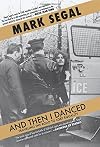
I hope this book finds an audience. In particular, I hope that younger LGBTQ people read this book to learn more of our collective history and the fighting that got us to this point. In the early part of the book, I was somewhat put off by the author's ego, particularly as he somewhat called out Harvey Milk for coming late to the party. However, the author certainly does have the bio to warrant some hubris. He certainly shared some information on the early gay rights movement and politics that I did not know, and I was very happy to learn how my home state of Pennsylvania actually led the way in some gay rights areas.
The author apologizes early on in the book that it might be perceived as rambling and not necessarily chronological with its storytelling, so that did not bother me much. I actually enjoyed some of the updated information rather than reading large sections around one era or time. I am glad he elaborates on the gay media and its responsible journalism; I don't think it gets enough credit.
I also appreciated the author letting is to his foibles as well on occasion, particularly around the devastation and self-castigation he experienced at the end of a long-term relationship. I am glad that he found love again and that he shared his story with us.
The author apologizes early on in the book that it might be perceived as rambling and not necessarily chronological with its storytelling, so that did not bother me much. I actually enjoyed some of the updated information rather than reading large sections around one era or time. I am glad he elaborates on the gay media and its responsible journalism; I don't think it gets enough credit.
I also appreciated the author letting is to his foibles as well on occasion, particularly around the devastation and self-castigation he experienced at the end of a long-term relationship. I am glad that he found love again and that he shared his story with us.
This review was written for LibraryThing Early Reviewers.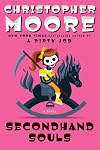
I was fortunate enough to win this as one of the Library Thing Early Reviewers' books for July. I have loved Christopher Moore's books for years, dating back to the first book of his that I read, "Bloodsucking Fiends." This book is a sequel to the book "A Dirty Job," and is again set in San Francisco and involves Death Merchants fighting the Forces of Evil who are Hell-bent on reaping death and destruction on the city. It also brings back many characters from the first book and again features several characters that have appeared in previous books by Moore. This one introduces a great new romantic character, Mike Sullivan.
I personally did not like the story as much in this novel, but Moore's wonderful sense of humor of course shines through with clever one liners and snarky comments between characters. If you are new to reading Christopher Moore, I think there may be better books to start with, but if you're already a Moore fan, you wont be disappointed.
I personally did not like the story as much in this novel, but Moore's wonderful sense of humor of course shines through with clever one liners and snarky comments between characters. If you are new to reading Christopher Moore, I think there may be better books to start with, but if you're already a Moore fan, you wont be disappointed.
This review was written for LibraryThing Early Reviewers.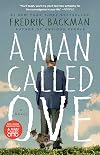
What a delightful book. I discovered this book at a used bookstore and decided to take a chance on it. So glad I did! I loved it and am looking forward to reading more from this author.
I discovered this book after a friend requested it as a birthday present, and I decided to read it as well. I am so glad I did! I found the story to be unique and fascinating. It's a very quick read, but I found myself wanting to delay finishing it because I was enjoying it so much and didn't want it to end. This is one of those books that I can only hope would have a sequel so I can spend more time with these characters. I doubt that it ever will, and the ending is satisfying and does not require any additional exposition, but a man can dream. It has also made me consider reading more titles from this publishing company that I had never heard of but has a good reputation given what I've read about it online.
I highly recommend this book!
I highly recommend this book!
I really hope this book finds a wider audience than just LGBT readers. Sure, the story focuses on a gay couple, Matt and Daniel, but it is so much more than a typical gay novel. The journey that Matt and Daniel go through on their way to becoming parents to Daniel's twin brother's two children is only part of the story. There's the obvious strain it creates on their relationship, the grief they feel over the loss of their loved ones, and the drama of family dynamics with the children's grandparents.
I was impressed at the emotional heft of the book, and I was really surprised that I was tearing up within the first 10 pages! How does an author make you care about characters that quickly? Ms. Frank did not let up on the emotions throughout the 400+ pages, and I enjoyed riding the highs and the lows while reading this novel. It's a very satisfying read.
I was impressed at the emotional heft of the book, and I was really surprised that I was tearing up within the first 10 pages! How does an author make you care about characters that quickly? Ms. Frank did not let up on the emotions throughout the 400+ pages, and I enjoyed riding the highs and the lows while reading this novel. It's a very satisfying read.
This review was written for LibraryThing Early Reviewers.
This is my first book I've read (or more accurately listened to) of Anne Perry's, so obviously my first Charlotte and Thomas Pitt novel. I understand there are quite a few in the series, and clearly throughout the book there are characters within the police department that a reader who had read the other books would be familiar with, but I don't think that was problematic.
Unfortunately, what I did find problematic is that the characters seemed very one dimensional, particularly the women. And I have no idea why this is a "Charlotte and Thomas Pitt novel" when Charlotte seems to be such a minor character. There were opportunities to flesh out these people, and to flesh out the storyline involving the female preacher, Sofia, who is causing a raucous with her gospel message she plans on spreading to England, but this never happens either. I had actually looked forward to some lively debates about Sofia's spiritual thoughts, but it was all very one note as well.
The mystery itself was the best part of the . Who kidnapped Sofia and killed two of her followers? I suppose that is the part you hope is best in a mystery book, but it did not make up for the fact I really didn't care about any of the characters or what happened to them. I will add that I did like the actress reading for this audio book and felt she did a good job with the narration.
Unfortunately, what I did find problematic is that the characters seemed very one dimensional, particularly the women. And I have no idea why this is a "Charlotte and Thomas Pitt novel" when Charlotte seems to be such a minor character. There were opportunities to flesh out these people, and to flesh out the storyline involving the female preacher, Sofia, who is causing a raucous with her gospel message she plans on spreading to England, but this never happens either. I had actually looked forward to some lively debates about Sofia's spiritual thoughts, but it was all very one note as well.
The mystery itself was the best part of the . Who kidnapped Sofia and killed two of her followers? I suppose that is the part you hope is best in a mystery book, but it did not make up for the fact I really didn't care about any of the characters or what happened to them. I will add that I did like the actress reading for this audio book and felt she did a good job with the narration.
This review was written for LibraryThing Early Reviewers.
I will admit that when I ordered this book, I was expecting something like a "Hollywood Babylon" style book about Broadway. I was looking forward to reading some of scandals and gossip regarding Broadway stars as well as playwrights. So I was surprised initially when I realized that this was simply an oral history book. Typically, I love oral histories; I love being able to read people's stories in their own words. However, this book didn't really work for me.
If you like old Broadway shows and stars, then this may be the perfect book for you. I would have liked more recent Broadway history to have been featured. I am not a total showtune or Broadway expert, so I didn't even know a good number of the stars or shows that were being discussed. This book primarily focuses on Broadway from the 40's through the 60's, with some more recent works also being discussed. I would have liked to see more discussion on things like "Rent," "Parade," "Avenue Q," or "The Book of Mormon," not to mention any of the Frank Wildhorn or Disney musicals that may not get a lot of respect from critics but are very popular with the public.
If you like old Broadway shows and stars, then this may be the perfect book for you. I would have liked more recent Broadway history to have been featured. I am not a total showtune or Broadway expert, so I didn't even know a good number of the stars or shows that were being discussed. This book primarily focuses on Broadway from the 40's through the 60's, with some more recent works also being discussed. I would have liked to see more discussion on things like "Rent," "Parade," "Avenue Q," or "The Book of Mormon," not to mention any of the Frank Wildhorn or Disney musicals that may not get a lot of respect from critics but are very popular with the public.
This review was written for LibraryThing Early Reviewers.Whole Body Reboot: The Peruvian Superfoods Diet to Detoxify, Energize, and Supercharge Fat Loss by Manuel Villacorta MS RD
I will admit it; I didn't recognize several of the ingredients in many of the recipes listed in this book. But thankfully, I live in a large city with multiple farmer's markets and health food stores, and it has not been hard to find the various ingredients required. And even if you don't live in a large city, the author helpfully provides an appendix on where to find the 21 Super Foods he recommends, including several online resources.
The big selling point for this book for me is the recipes themselves. They are actually easy to prepare! I also like the fact there is a picture of each completed dish, so you have an idea of what the finished product is going to look like, or at least supposed to look like. It's been too recent to say that I will experience long term benefits, but I'm enjoying trying the different foods I've had so far.
The big selling point for this book for me is the recipes themselves. They are actually easy to prepare! I also like the fact there is a picture of each completed dish, so you have an idea of what the finished product is going to look like, or at least supposed to look like. It's been too recent to say that I will experience long term benefits, but I'm enjoying trying the different foods I've had so far.
This review was written for LibraryThing Early Reviewers.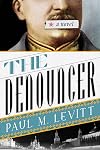
I have to admit that I had a lot of distractions happening in my life when I was reading this book, so maybe that's why it was hard for me to get into or took so long to finish. There's an incident that happens early on in the novel that captures the reader immediately, but then the story seems to take forever (to me) to progress, much less resolve.
I do think the author has an excellent knowledge of Stalinist Russia and paints a vivid portrait of how difficult it must have been to live in those conditions, particularly when you could never trust anyone for fear that he could turn on you and denounce you to the authorities. The book is also well written; I think it was the storyline itself that didn't work for me. I didn't understand how the hero, Sasha, could commit the crime that he did and then not see his parents again when he is initially described as such a passive person and devoted son. Then there is the love story with Galina, which rather than being a love triangle becomes a love quadrangle, and you really don't know where it is going. Sure, that could be a mystery you want to wait around to discover, but I found I just didn't connect to the characters or feel that invested in their relationships.
I do think the author has an excellent knowledge of Stalinist Russia and paints a vivid portrait of how difficult it must have been to live in those conditions, particularly when you could never trust anyone for fear that he could turn on you and denounce you to the authorities. The book is also well written; I think it was the storyline itself that didn't work for me. I didn't understand how the hero, Sasha, could commit the crime that he did and then not see his parents again when he is initially described as such a passive person and devoted son. Then there is the love story with Galina, which rather than being a love triangle becomes a love quadrangle, and you really don't know where it is going. Sure, that could be a mystery you want to wait around to discover, but I found I just didn't connect to the characters or feel that invested in their relationships.
This review was written for LibraryThing Early Reviewers.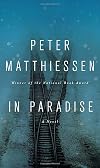
This was a hard book to read for a variety of reasons. One reason is simply the description of events that occurred in the Holocaust at Auschwitz; the author describes these events in graphic detail on occasion as the main character, Clements Olin, and others are taking a tour of the concentration camp in order to "bear witness" to the atrocities that happened there. It's also hard to read because the author shows us by telling these characters stories that the world has not really learned anything from the Holocaust. There are still extreme prejudices present, an "us versus them" mentality, even considering who has the right to grieve for the dead.
And yet, there are moments of beauty. There is a magical chapter in which many participants find themselves spontaneously dancing together in the camp. It is a brief coming together of humanity, but it is followed by people questioning how and why the dancing happened. As well as some guilt about how they could participate in an act of joy in a death camp.
I think the late Mr. Matthiessen was a very good writer, and he allows us to truly care and empathize with the stories held throughout the book and why participants react the way they do. Unfortunately, the one aspect of the book that I really didn't care for was a bizarre love story that was thrown in the plot. We learn that Clements has been a womanizer all his life, unable to truly connect with just one woman, and yet then he wrestles romantic feelings to a Catholic novice show more awaiting her acceptance in the Holy Orders. It seemed out of place in the story, but then so is dancing in a death camp.
It just seems odd that the book should end in that fashion.
I should also note that this review is based on the audiobook presentation of this novel. To that end, I have to say that the reader, Mark Bramhill, did an amazing job with the narration. He did the various voices and accents exceedingly well. show less
And yet, there are moments of beauty. There is a magical chapter in which many participants find themselves spontaneously dancing together in the camp. It is a brief coming together of humanity, but it is followed by people questioning how and why the dancing happened. As well as some guilt about how they could participate in an act of joy in a death camp.
I think the late Mr. Matthiessen was a very good writer, and he allows us to truly care and empathize with the stories held throughout the book and why participants react the way they do. Unfortunately, the one aspect of the book that I really didn't care for was a bizarre love story that was thrown in the plot. We learn that Clements has been a womanizer all his life, unable to truly connect with just one woman, and yet then he wrestles romantic feelings to a Catholic novice show more awaiting her acceptance in the Holy Orders. It seemed out of place in the story, but then so is dancing in a death camp.
It just seems odd that the book should end in that fashion.
I should also note that this review is based on the audiobook presentation of this novel. To that end, I have to say that the reader, Mark Bramhill, did an amazing job with the narration. He did the various voices and accents exceedingly well. show less
This review was written for LibraryThing Early Reviewers.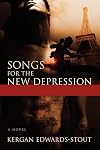
This is another novel that has filled me with mixed reactions. I found I really enjoyed the romance angle of the story, and yet at the same time, I found myself wondering why the men involved would fall in love with the main character, Gabriel Travers. And why would his best girlfriend hang out with him as long as she does? He's mean-spirited and often says really hurtful things to the people who care the most about him. I also found myself questioning why Gabe would suffer from low self-esteem (as that seems to be the excuse for why he treats people the way he does along with a truly horrific episode that occurs to him in high school). He's described as good looking, intelligent, creative, humorous, and well hung. That sounds a bit like a gay ideal.
And yet, despite my ambivalence about Gabriel, I have found myself thinking about him, Jon, and Keith (two of his lovers) a lot since finishing the book. And isn't that the sign of a good book? One that touches you and makes you think and care about the characters beyond just the story you read in the novel?
I will admit I am close in age to the character of Gabriel and grew up with the same cultural references that he does in the book. That means I also came of age during the early years of the AIDS crisis, and while it is certainly not easy to write or read about that time, I think Mr. Edwards-Stout handles it well. I also lost a close friend to PML which occurs in the book, and I was glad that the author did not sugar coat show more any aspect of that part of the story. I do look forward to reading more from this author. show less
And yet, despite my ambivalence about Gabriel, I have found myself thinking about him, Jon, and Keith (two of his lovers) a lot since finishing the book. And isn't that the sign of a good book? One that touches you and makes you think and care about the characters beyond just the story you read in the novel?
I will admit I am close in age to the character of Gabriel and grew up with the same cultural references that he does in the book. That means I also came of age during the early years of the AIDS crisis, and while it is certainly not easy to write or read about that time, I think Mr. Edwards-Stout handles it well. I also lost a close friend to PML which occurs in the book, and I was glad that the author did not sugar coat show more any aspect of that part of the story. I do look forward to reading more from this author. show less
This review was written for LibraryThing Early Reviewers.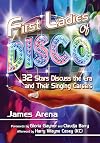
This book is a fascinating oral history of the women who were stars during the disco era, and the author, James Arena, has an amazing memory of artists and songs. Admittedly, I grew up and came out during the time most of these songs were released and played in discos throughout the United States, so there is already a fondness for reminiscing about these artists, but I also really enjoyed learning the backstories not only about the divas but also about the songs themselves.
There were quite a few songs detailed that I had never heard of or did not remember, and the great thing today is that YouTube exists. A simple search can help you find many of the songs you may not be familiar with and listen to them there.
No, this isn't a Studs Terkel quality oral history of dance music, but hearing from the artists themselves is wonderful. It feels like catching up with old friends. Many of the recording artists didn't see the royalties that they should have for their work, but these women remain happy for their place in music history. And I am happy that Mr. Arena has allowed us to hear from these wonderful ladies again!
There were quite a few songs detailed that I had never heard of or did not remember, and the great thing today is that YouTube exists. A simple search can help you find many of the songs you may not be familiar with and listen to them there.
No, this isn't a Studs Terkel quality oral history of dance music, but hearing from the artists themselves is wonderful. It feels like catching up with old friends. Many of the recording artists didn't see the royalties that they should have for their work, but these women remain happy for their place in music history. And I am happy that Mr. Arena has allowed us to hear from these wonderful ladies again!
This review was written for LibraryThing Early Reviewers.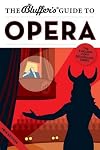
I really enjoyed this book....honest!
I realized that this book was not going to cover everything that there is in the history of opera, but it would give me just enough information to bluff my way through a conversation about opera if needed. On that front, the book totally succeeds. I appreciated some of the trivia contained in the book about various operas and composers, which really can make it seem like the reader is an expert. I found myself writing down quite a few works to listen to and discover as I read.
I was also very pleasantly surprised at how funny the book is. The author has a wonderful sense of humor.
My only complaints about the book are that as a Yank, I found it is very British. The author uses slang terms with which I am unfamiliar, and the opera houses and companies discussed focus a good bit on those in England. No mention of the Met! And although I knew the book was really going to offer just a quick survey, I do wish it was longer; it is barely over 100 pages, and I would have appreciated at least another 50 or so.
I realized that this book was not going to cover everything that there is in the history of opera, but it would give me just enough information to bluff my way through a conversation about opera if needed. On that front, the book totally succeeds. I appreciated some of the trivia contained in the book about various operas and composers, which really can make it seem like the reader is an expert. I found myself writing down quite a few works to listen to and discover as I read.
I was also very pleasantly surprised at how funny the book is. The author has a wonderful sense of humor.
My only complaints about the book are that as a Yank, I found it is very British. The author uses slang terms with which I am unfamiliar, and the opera houses and companies discussed focus a good bit on those in England. No mention of the Met! And although I knew the book was really going to offer just a quick survey, I do wish it was longer; it is barely over 100 pages, and I would have appreciated at least another 50 or so.
This review was written for LibraryThing Early Reviewers.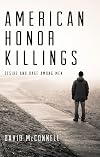
I have to admit that this is a difficult book for me to review. I finished the book the day I learned of yet another antigay murder in New York City the night before. It's also difficult for me to review, because the author himself so readily points out some of the shortcomings of the work. I also have to wonder if my lack of appreciation for the book involves the subject of the book itself; it's certainly a difficult topic.
The book focuses on several murders of gay men over the past few decades, and the the premise is that the killers committed these acts partly in an effort to maintain their honor and demonstrate their masculinity. The author briefly touches upon the "gay panic" defense; however, he also admits in the introduction that as acceptance of gay and lesbian people increases, the violent reaction to the suggestion that someone might be gay has decreased. He then proceeds to discuss cases in which the killers felt that they were murdering in an effort to be righteous or cleanse society in some way.
David McConnell admits he is not a journalist, and I felt that there were times in the book where I wished he was. I wanted him to merely relate the facts for the case and let them speak. Instead, he describes a crime and tries to relate what he supposes MIGHT have been going through the killer's mind. I found this whole supposition very distracting and I felt there were times that it seemed a little overreaching. I wish he would have just committed to a train of show more thought, and instead the approach is more of a "he might have thought this, or he might have thought that" kind of thing.
I have to admit, I also found the crimes that the author actually highlights rather odd choices. Several of the killings are committed by members of Neo-Nazi or White Supremacists groups. In the final murder discussed, that of news reporter George Weber a few years ago, I did not see any part of the murder in which the author could conclude the violence took place as an "honor killing."
Despite my criticisms, I do think that the book makes some interesting points, and I do think that the topic of anti-gay hate crimes deserves to be studied more. I appreciate David McConnell raising the topic and highlighting these crimes and allowing these victims to be remembered again. show less
The book focuses on several murders of gay men over the past few decades, and the the premise is that the killers committed these acts partly in an effort to maintain their honor and demonstrate their masculinity. The author briefly touches upon the "gay panic" defense; however, he also admits in the introduction that as acceptance of gay and lesbian people increases, the violent reaction to the suggestion that someone might be gay has decreased. He then proceeds to discuss cases in which the killers felt that they were murdering in an effort to be righteous or cleanse society in some way.
David McConnell admits he is not a journalist, and I felt that there were times in the book where I wished he was. I wanted him to merely relate the facts for the case and let them speak. Instead, he describes a crime and tries to relate what he supposes MIGHT have been going through the killer's mind. I found this whole supposition very distracting and I felt there were times that it seemed a little overreaching. I wish he would have just committed to a train of show more thought, and instead the approach is more of a "he might have thought this, or he might have thought that" kind of thing.
I have to admit, I also found the crimes that the author actually highlights rather odd choices. Several of the killings are committed by members of Neo-Nazi or White Supremacists groups. In the final murder discussed, that of news reporter George Weber a few years ago, I did not see any part of the murder in which the author could conclude the violence took place as an "honor killing."
Despite my criticisms, I do think that the book makes some interesting points, and I do think that the topic of anti-gay hate crimes deserves to be studied more. I appreciate David McConnell raising the topic and highlighting these crimes and allowing these victims to be remembered again. show less
This review was written for LibraryThing Early Reviewers.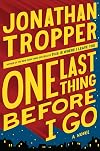
I thoroughly enjoyed this book, the first one I've read of Jonathan Tropper's work, and I'm looking forwards to reading the rest of his novels. The main character, Silver, is a bit of a sad sack and lost soul, and now he knows that he's also about to lose his life as well. Sounds like it should be a depressing novel, right? But it's not. There is humor throughout the book, even when characters find themselves in painful situations. The author does a great job making you care about each of the characters. I found myself rooting for Silver throughout the book, yearning for him to repair relationships and engage in new ones. It's a very quick read, and a wonderful one at that!
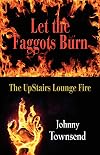
I remember reading about the Upstairs Lounge Fire when I worked in the reference department at East Baton Rouge Parish Library and I discovered a file of newspaper articles about it. I am so glad that this author has kept this story alive, and I hope that he's right that other works are going to be coming out regarding the fire.
I found this book somewhat difficult to read, not only because of the subject matter, but also because there's not really a narrative thread apparent throughout the book. Each chapter tells a different character's, or sometimes couple's, story, but I think it would have been more effective to actually have a narrative about the fire. While this book does include that, it comes late in the process, and you've been introduced to so many different characters by that point, it can get lost. I do appreciate the author's afterword as well, in which he acknowledges his shortcomings as a historian, but I do think he did a good job. I am grateful that this book does honor the victims of this tragic event, and I hope that the documentary film mentioned by the author does come out.
I found this book somewhat difficult to read, not only because of the subject matter, but also because there's not really a narrative thread apparent throughout the book. Each chapter tells a different character's, or sometimes couple's, story, but I think it would have been more effective to actually have a narrative about the fire. While this book does include that, it comes late in the process, and you've been introduced to so many different characters by that point, it can get lost. I do appreciate the author's afterword as well, in which he acknowledges his shortcomings as a historian, but I do think he did a good job. I am grateful that this book does honor the victims of this tragic event, and I hope that the documentary film mentioned by the author does come out.
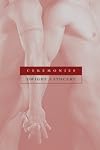
I found this book in a used bookstore and am so grateful that I did! The story begins with an anti-gay hate crime; several youths attack and then throw a young man off a bridge. It is based upon the real-life murder of Charlie Howard in Bangor, Maine in 1984. But the book is not about the murder (that occurs in the prologue to the book). It is really about how the community, primarily the gay community of Cardiff, is affected by and copes with the crime.
Cathcart does an amazing job getting each of the character's voices just right. I truly felt like I knew each of these characters, from the young gay man who reluctantly comes out publicly despite what the costs are for him to the older lesbian who has shut herself off from love years before after a lover leaves her following her own encounter with the police when she was a victim of a violent crime. The characters run the gamut of ages, openness, relationship status, and yet Cathcart makes each one real to the reader.
This book could be a primer on what it was like to be gay in the late 70's and early 80's. I found myself nodding my head in agreement and reading passages to my partner throughout the book. It wrestles not only with questions about sexuality but what makes a community.
I wanted to savor the book and I found myself not wanting it to end. I would love for Cathcart to do a sequel because I would love to know where these characters are 20+ years later. The author genuinely made me care about them and their show more lives; they stick with you after finishing the novel. Thankfully, I've learned that Cathcart has written two more novels based on historical events within the LGBT community, and I can't wait to read them now as well. I truly hope this book finds a larger audience; it deserves it! show less
Cathcart does an amazing job getting each of the character's voices just right. I truly felt like I knew each of these characters, from the young gay man who reluctantly comes out publicly despite what the costs are for him to the older lesbian who has shut herself off from love years before after a lover leaves her following her own encounter with the police when she was a victim of a violent crime. The characters run the gamut of ages, openness, relationship status, and yet Cathcart makes each one real to the reader.
This book could be a primer on what it was like to be gay in the late 70's and early 80's. I found myself nodding my head in agreement and reading passages to my partner throughout the book. It wrestles not only with questions about sexuality but what makes a community.
I wanted to savor the book and I found myself not wanting it to end. I would love for Cathcart to do a sequel because I would love to know where these characters are 20+ years later. The author genuinely made me care about them and their show more lives; they stick with you after finishing the novel. Thankfully, I've learned that Cathcart has written two more novels based on historical events within the LGBT community, and I can't wait to read them now as well. I truly hope this book finds a larger audience; it deserves it! show less
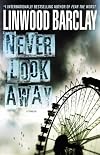
This book really is a page turner. My suggestion is that you not start it unless you can actually read for awhile. Sure, it’s tempting to think that you’ll only read a chapter or two, because they’re so short, but Barclay hooks you at the end of every chapter and makes you want to read more.
To say too much about the book would be to give stuff away, so I’ll just say that I did enjoy the multilayered storyline and how the author brought them all together.
I have only two minor complaints about the book. There is a revelation made about one character that seems to take the hero a long time to figure out, and I just wanted to smack him on occasion and say, “Wake up! I figured that out 150 pages ago!” The second quibble is about continuity. At one point in the novel, there is a scene where two men are watching a property on closed circuit television, and they see a truck start backing up. The next chapter starts off with the driver trying to start the truck and not being able to, and one of the men who had been watching the TV coming out and shooting. How was the truck already in reverse but then he gets outside the driver hasn’t been able to start it and only is able to reverse it after being shot at?
It’s a small criticism to have for a book that really did grab you from the very start and didn’t let up until the ending.
To say too much about the book would be to give stuff away, so I’ll just say that I did enjoy the multilayered storyline and how the author brought them all together.
I have only two minor complaints about the book. There is a revelation made about one character that seems to take the hero a long time to figure out, and I just wanted to smack him on occasion and say, “Wake up! I figured that out 150 pages ago!” The second quibble is about continuity. At one point in the novel, there is a scene where two men are watching a property on closed circuit television, and they see a truck start backing up. The next chapter starts off with the driver trying to start the truck and not being able to, and one of the men who had been watching the TV coming out and shooting. How was the truck already in reverse but then he gets outside the driver hasn’t been able to start it and only is able to reverse it after being shot at?
It’s a small criticism to have for a book that really did grab you from the very start and didn’t let up until the ending.
This review was written for LibraryThing Early Reviewers.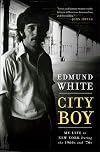
I must admit I was a little leery of reading this book as I had heard a good bit how detailed White was in writing about people in the art scene of New York of the 70's, and I worried that I wouldn't know who half the people he referenced were. However, I was really pleasantly surprised when I received a copy of this book and read it. Yes, White discusses people that I didn’t know, but he does a great job explaining who people were, why they were relevant, and makes his interaction with them (however unknown they may be to the reader) interesting.
This book works on so many different levels, a memoir, a literary history, a culture study, and a travelogue. Edmund White has clearly led an amazing life as he has detailed in previous books, but reading about his early professional years working as a magazine writer and editor is truly fascinating. Who didn’t this man know or work with during the 70’s? In my opinion, a great strength of this book is the job White does capturing the spirit of New York in the 70’s, particularly the gay male culture. I found myself reading it and thinking about the recent documentary film “Gay Sex in the 70’s.” It was an incredible time, and it makes for a story in the life of an incredible writer.
This book works on so many different levels, a memoir, a literary history, a culture study, and a travelogue. Edmund White has clearly led an amazing life as he has detailed in previous books, but reading about his early professional years working as a magazine writer and editor is truly fascinating. Who didn’t this man know or work with during the 70’s? In my opinion, a great strength of this book is the job White does capturing the spirit of New York in the 70’s, particularly the gay male culture. I found myself reading it and thinking about the recent documentary film “Gay Sex in the 70’s.” It was an incredible time, and it makes for a story in the life of an incredible writer.
This review was written for LibraryThing Early Reviewers.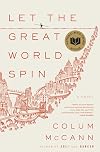
This book grabs you from the very beginning with the reaction of New Yorkers to the amazing tightrope walk between the Twin Towers made by Phillipe Petit in 1974. Some are waiting for him to fall, and others are hoping that he makes his way between the two buildings.
This theme of crossing over is played out in various ways throughout the stories that comprise the novel. Characters cross the Atlantic to come to New York City; they move through joy and sadness, love and grief, and life and death. For many of them life does seem to be lived on a tightrope with the reader wondering whether or not they will succeed or fall.
Lately, it seems like I've read quite a few books that may start out well, but my interest wanes as the book goes on. Not here. Colum McCann does a great job creating his characters and weaving their stories through one another's lives. I cared about each one of them and wanted to see how the storylines were interconnected.
A very enjoyable read!
This theme of crossing over is played out in various ways throughout the stories that comprise the novel. Characters cross the Atlantic to come to New York City; they move through joy and sadness, love and grief, and life and death. For many of them life does seem to be lived on a tightrope with the reader wondering whether or not they will succeed or fall.
Lately, it seems like I've read quite a few books that may start out well, but my interest wanes as the book goes on. Not here. Colum McCann does a great job creating his characters and weaving their stories through one another's lives. I cared about each one of them and wanted to see how the storylines were interconnected.
A very enjoyable read!
This review was written for LibraryThing Early Reviewers.
This book was really a nice surprise. It's always a little scary trying a new author, and I often find the blurbs on the back of a book often seem to be describing a different book entirely than the one I read, but describing this book as both "playful" and "melancholy" seems right.
The novel opens with our hero, Damon, listening to a pirate radio station while the guy he just tricked with is asleep on the couch. This is an appropriate beginning as music and sex both play major roles in the story. Damon is still recovering from the breakup with his ex-boyfriend, who simply moved out on him with no explanation, and he uses "no strings attached" sex as his coping mechanism.
One of the things I really enjoyed about this book was the camaraderie that Damon had with multiple characters in the book, but not so many that it was hard to keep characters straight (no pun intended). I tend to like these stories of friendships tested and surviving.
I also enjoyed the romance, as well as the sex, found in the book. I don't want to give away too many plot points, but an unusual love triangle appears, and while I don't know that I would feel comfortable being a part of it, I could understand how it worked for each of the characters involved.
One minor quibble I had with the book was that I found the multiple references to Los Angeles and West Hollywood a little off putting. It might be great for locals to identify locations where Damon and his friends were hanging out, but for those of us show more not part of that scene, it felt like maybe I was missing out on some of the symbolism or importance of the locations.
But that is a small complaint. Overall, I really enjoyed the book, and it's helped to add "loathsome assholeishness" to my vocabulary (you have to read it to understand). By the end, I found myself really wanting to hang out with Damon and his group of friends...even Ron.
I think this book bodes well for the future of its author, Mike Kaspar, and I look forward to reading more from him in the future. show less
The novel opens with our hero, Damon, listening to a pirate radio station while the guy he just tricked with is asleep on the couch. This is an appropriate beginning as music and sex both play major roles in the story. Damon is still recovering from the breakup with his ex-boyfriend, who simply moved out on him with no explanation, and he uses "no strings attached" sex as his coping mechanism.
One of the things I really enjoyed about this book was the camaraderie that Damon had with multiple characters in the book, but not so many that it was hard to keep characters straight (no pun intended). I tend to like these stories of friendships tested and surviving.
I also enjoyed the romance, as well as the sex, found in the book. I don't want to give away too many plot points, but an unusual love triangle appears, and while I don't know that I would feel comfortable being a part of it, I could understand how it worked for each of the characters involved.
One minor quibble I had with the book was that I found the multiple references to Los Angeles and West Hollywood a little off putting. It might be great for locals to identify locations where Damon and his friends were hanging out, but for those of us show more not part of that scene, it felt like maybe I was missing out on some of the symbolism or importance of the locations.
But that is a small complaint. Overall, I really enjoyed the book, and it's helped to add "loathsome assholeishness" to my vocabulary (you have to read it to understand). By the end, I found myself really wanting to hang out with Damon and his group of friends...even Ron.
I think this book bodes well for the future of its author, Mike Kaspar, and I look forward to reading more from him in the future. show less
This review was written for LibraryThing Early Reviewers.
I have to say I just don't understand the popularity of this book. I loved the first chapter, but as soon as I started reading about the character of Jack, I was totally turned off. I could never believe his relationship with Stuart, and he was such an unsympathetic character. And yet, I must give the author credit that she made me at least want to read more, even when I didn't like the story. I was also disappointed that there seemed to be issues with time in the story. It seemed like more time had passed than what the story said, or vice versa. And there were several editing problems with my copy.
Quite simply, I think this is one of the best works of gay fiction ever. I found it literary, erotic, funny, and very well written. That's why Merlis' next book was such a disappointment for me, but this and "American Studies" are both excellent!
Another wonderful book by Kushner. I read this for my church's book club, and we all loved it. I found his theology very interesting, and learned new insights into the 23rd Psalm that I had never thought of in the past. Kushner just makes you wish that he was your neighbor so you could hang out with him sometime.
I read this upon a recommendation from a friend. I'm not really sure why it's gotten such rave reviews. Yes, it is well written, but I didn't find any of the characters sympathetic or redeeming, and the "love story" was disappointing. I don't want to give away the ending, but I will say that even though there is a payoff in the end, it wasn't enough to warrant the rest of the book in my opinion.