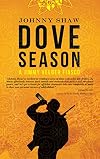
In my mind, this novel can be broken down into two parts, and both of them are satisfying, but for different reasons. Part One is about Jimmy Veeder, a good guy drifter with a sense of humor, who returns to the Imperial Valley in California to visit his dying father, Big Jack Veeder. The highlights of this section are Shaw’s descriptions of Imperial Valley and Mexico, which is right on the border nearby. Here is one of my favorite sections from the beginning of chapter six:
All the fun stuff is in Mexico. . . Hell, you can buy Cuban cigars. You can go to a bullfight, a dog fight, or a cock fight if that’s your pleasure. What is fun and illegal in the U.S., Mexico gladly offers in a semi-legal, slightly dangerous way. If the law looks the other way, then is it really illegal?
In this passage, Shaw comically sums up the moral and legal ambiguity of Mexico and what role America and Americans play in that ambiguity; pretty much throughout Part One, he manages to skillfully provide commentary on the complex relationship between the two countries, but without being preachy, long-winded, and, most importantly, without sacrificing the narrative thread. Another aspect of Part One I enjoyed was the relationships between Jimmy (the son) and Jack (the father). Even in a crime novel, death bed scenes, especially death bed scenes between parent and child, could very easily come across as trite or just plain boring to read. But these aren’t. Big Jack, a veteran and a farmer, is show more kind of the strong-silent type, but he has a wonderful sense of humor, especially about death. Here’s Big Jack on death, from chapter three:
Dying is a bitch when you don’t believe in God. But I ain’t going to start now just because I’m scared. I’m afraid, and the only way I know how to kill fear is distraction. I want to die happy. I want to die laughing. . .Let’s not let this get dark and sad and morose. Leave the crying to the women.
Throughout Part One, there are funny exchanges like this between Jimmy and Jack, the best of which happens when Jack asks his son to find him a prostitute, which, in a way, serves as the transition from Part One to Part Two.
Part Two of the novel is the crime element of this particular crime novel, and this is when the narrative really picks up speed. Jimmy and his friend Bobby head into Mexico to locate Yolanda, a prostitute that Big Jack has a mysterious relationship with. I never like to talk specifics about plot, but I can say this journey into Mexico brings death, kidnapping, and gangsters into the mix, which is always fun. I especially enjoy the character Tomas Morales, a stone-cold businessman who Jimmy used to look after when Tomas was a little kid. Morales is into all manner of illegal activity, but he assists Jimmy in finding Yolanda. In this section of the novel, the reader really gets to know Jimmy, and the misadventures he gets into with Bobby are great fun. As is their dialogue. Here’s Bobby’s response when Jimmy asks him to go to Mexico and help Jimmy locate a hooker for Big Jack:
Your dad is fucking awesome. I am so in on this. Beats the shit out of bringing flowers. Jack wants a piece, let’s tear him off some chonch.
That made me laugh. I also enjoyed the relationship Jimmy has with Angie, his ex-girlfriend who works at Big Jack’s hospice center. Tough as nails and every bit as funny as Bobby, Angie keeps Jimmy, a slacker by nature, focused and centered, and it is always fun to read.
Bottom line, this is an excellent book with a funny yet flawed main character and a fascinating setting. The Mexico/US border is always fertile ground for great stories, and Johnny Shaw has certainly added a great new one. I’ve already downloaded PLASTER CITY, which is another book in the Jimmy Veeder series. I give DOVE SEASON my highest recommendation. show less
All the fun stuff is in Mexico. . . Hell, you can buy Cuban cigars. You can go to a bullfight, a dog fight, or a cock fight if that’s your pleasure. What is fun and illegal in the U.S., Mexico gladly offers in a semi-legal, slightly dangerous way. If the law looks the other way, then is it really illegal?
In this passage, Shaw comically sums up the moral and legal ambiguity of Mexico and what role America and Americans play in that ambiguity; pretty much throughout Part One, he manages to skillfully provide commentary on the complex relationship between the two countries, but without being preachy, long-winded, and, most importantly, without sacrificing the narrative thread. Another aspect of Part One I enjoyed was the relationships between Jimmy (the son) and Jack (the father). Even in a crime novel, death bed scenes, especially death bed scenes between parent and child, could very easily come across as trite or just plain boring to read. But these aren’t. Big Jack, a veteran and a farmer, is show more kind of the strong-silent type, but he has a wonderful sense of humor, especially about death. Here’s Big Jack on death, from chapter three:
Dying is a bitch when you don’t believe in God. But I ain’t going to start now just because I’m scared. I’m afraid, and the only way I know how to kill fear is distraction. I want to die happy. I want to die laughing. . .Let’s not let this get dark and sad and morose. Leave the crying to the women.
Throughout Part One, there are funny exchanges like this between Jimmy and Jack, the best of which happens when Jack asks his son to find him a prostitute, which, in a way, serves as the transition from Part One to Part Two.
Part Two of the novel is the crime element of this particular crime novel, and this is when the narrative really picks up speed. Jimmy and his friend Bobby head into Mexico to locate Yolanda, a prostitute that Big Jack has a mysterious relationship with. I never like to talk specifics about plot, but I can say this journey into Mexico brings death, kidnapping, and gangsters into the mix, which is always fun. I especially enjoy the character Tomas Morales, a stone-cold businessman who Jimmy used to look after when Tomas was a little kid. Morales is into all manner of illegal activity, but he assists Jimmy in finding Yolanda. In this section of the novel, the reader really gets to know Jimmy, and the misadventures he gets into with Bobby are great fun. As is their dialogue. Here’s Bobby’s response when Jimmy asks him to go to Mexico and help Jimmy locate a hooker for Big Jack:
Your dad is fucking awesome. I am so in on this. Beats the shit out of bringing flowers. Jack wants a piece, let’s tear him off some chonch.
That made me laugh. I also enjoyed the relationship Jimmy has with Angie, his ex-girlfriend who works at Big Jack’s hospice center. Tough as nails and every bit as funny as Bobby, Angie keeps Jimmy, a slacker by nature, focused and centered, and it is always fun to read.
Bottom line, this is an excellent book with a funny yet flawed main character and a fascinating setting. The Mexico/US border is always fertile ground for great stories, and Johnny Shaw has certainly added a great new one. I’ve already downloaded PLASTER CITY, which is another book in the Jimmy Veeder series. I give DOVE SEASON my highest recommendation. show less
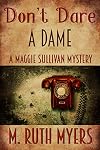
On M. Ruth Myers’ website, the author claims her books have “strong women–small guns–smart dialogue.” And Don’t Dare a Dame, the third book in the Maggie Sullivan detective series, makes good on those claims. And then some.
Set during the Depression Era in Dayton, Ohio, Don’t Dare a Dame starts off in classic P.I. form with Maggie Sullivan taking a seemingly dead-end case. The Vanhorn Sisters, two sweet spinsters, one of them blind, hire Maggie to look into the disappearance of their father, who vanished some quarter of century ago during the Great Flood of 1913. The investigation immediately turns deadly when the Vanhorn’s stepfather–and Maggie’s chief suspect–commits suicide, and then she gets hauled before the Chief of Police for asking too many questions. From there, the pot really begins to boil as Maggie discovers that the Vanhorn sisters’ suspicions are justified: their father was, indeed, murdered; the only question is: who is the killer? But before Maggie can identify the killer and bring justice to the Vanhorn’s, her P.I. license, her livelihood, and her life will be put at risk.
Myers definitely makes good on the “strong women” in this novel, especially the protagonist Maggie Sullivan. Tough and pretty with a smart mouth and a strong moral compass, Sullivan is a “dame” a reader can root for. This is the passage in chapter one that really sold me on this character when Sullivan takes a bully down:
I hated to persuade him, but Neal show more seemed like one of those guys who needed taking down a peg or two. I gave him a quick little kitten jab in the snoot. Not enough to break it, just enough to start blood gushing down to his chin and get his attention. . .’Don’t drip on the rug on your way out,’ I said.
Now that’s my kind of detective, but if you remain unconvinced of her toughness, here’s a great exchange between Sullivan and one of her operatives after she’s caught a beating herself:
“Holy smokes, Sis! Someone roughed you up bad.”
“Yeah, but I shot him,” I said to allay his dismay. ..
“Was it Cy Warren’s mugs did it?”
“Nah,” I lied. “Some girls have a fan club. The one they started for me is people lining up to break my nose.”
But it’s not only Sullivan’s toughness and sharp tongue that make this an enjoyable read. It’s also the setting. The descriptions of the area, the secondary characters and how they act, speak, and think, and the police procedural aspects of the novel: all of these elements are authentic and highly readable. And when you add those elements with a formidable lead character and a page-turning plot, it all adds up to a great mystery.
Maggie Sullivan is in the running for my favorite new P.I. series, and I’ve already downloaded Tough Cookie to my Kindle. Don’t Dare a Dame, which was recently nominated for the Shamus Award for Best Indie P.I. novel,has everything working for it. Go buy it. You will not be sorry. show less
Set during the Depression Era in Dayton, Ohio, Don’t Dare a Dame starts off in classic P.I. form with Maggie Sullivan taking a seemingly dead-end case. The Vanhorn Sisters, two sweet spinsters, one of them blind, hire Maggie to look into the disappearance of their father, who vanished some quarter of century ago during the Great Flood of 1913. The investigation immediately turns deadly when the Vanhorn’s stepfather–and Maggie’s chief suspect–commits suicide, and then she gets hauled before the Chief of Police for asking too many questions. From there, the pot really begins to boil as Maggie discovers that the Vanhorn sisters’ suspicions are justified: their father was, indeed, murdered; the only question is: who is the killer? But before Maggie can identify the killer and bring justice to the Vanhorn’s, her P.I. license, her livelihood, and her life will be put at risk.
Myers definitely makes good on the “strong women” in this novel, especially the protagonist Maggie Sullivan. Tough and pretty with a smart mouth and a strong moral compass, Sullivan is a “dame” a reader can root for. This is the passage in chapter one that really sold me on this character when Sullivan takes a bully down:
I hated to persuade him, but Neal show more seemed like one of those guys who needed taking down a peg or two. I gave him a quick little kitten jab in the snoot. Not enough to break it, just enough to start blood gushing down to his chin and get his attention. . .’Don’t drip on the rug on your way out,’ I said.
Now that’s my kind of detective, but if you remain unconvinced of her toughness, here’s a great exchange between Sullivan and one of her operatives after she’s caught a beating herself:
“Holy smokes, Sis! Someone roughed you up bad.”
“Yeah, but I shot him,” I said to allay his dismay. ..
“Was it Cy Warren’s mugs did it?”
“Nah,” I lied. “Some girls have a fan club. The one they started for me is people lining up to break my nose.”
But it’s not only Sullivan’s toughness and sharp tongue that make this an enjoyable read. It’s also the setting. The descriptions of the area, the secondary characters and how they act, speak, and think, and the police procedural aspects of the novel: all of these elements are authentic and highly readable. And when you add those elements with a formidable lead character and a page-turning plot, it all adds up to a great mystery.
Maggie Sullivan is in the running for my favorite new P.I. series, and I’ve already downloaded Tough Cookie to my Kindle. Don’t Dare a Dame, which was recently nominated for the Shamus Award for Best Indie P.I. novel,has everything working for it. Go buy it. You will not be sorry. show less
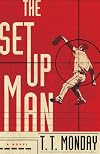
Okay, so Johnny Adcock, a relief pitcher for the San Jose Bay Dogs and part-time private investigator, is a bit of a jerk.
And he is a millionaire with what amounts to two incredibly cool part-time jobs that pay more in a month than I make in a decade.
And he has a whip-smart and sexy girlfriend who is a venture capitalist and requires nothing more from Johnny than casual sex and witty banter.
And he travels all over the country, playing the greatest sport known to man and staying in plush hotels, and when he isn’t facing his one batter per game–note: that’s what a “set up man” in the bullpen does–he’s chasing down high-end prostitutes and fighting off Mexican gangsters and setting up stings.
Not a bad life, if you can get it.
Yeah, I’m jealous, for Johnny Adcock has the top two jobs on my All-Time Dream Jobs List: Major League ballplayer and private investigator.
In THE SET UP MAN, Adcock is asked by his teammate Frankie Herrera to look into a “problem with his wife.” Pretty standard stuff, until Adcock discovers Herrera’s wife has starred in a porn film, and apparently, someone is attempting to blackmail Herrera with it. As soon as Herrera enlists Adcock’s help, Herrera dies in a car crash. . .and there’s a woman in the car with him: a young prostitute. From there, Adcock gets drawn into a ring of murder, high-end hookers, Mexican drug cartels, and blackmail. And it’s all fun.
Bottom line, this is a page turner, and even if you don’t know about or show more like baseball, you’ll get sucked into the narrative because of the sarcastic lead character, good dialogue, and fast-paced plot. Highly recommended. show less
And he is a millionaire with what amounts to two incredibly cool part-time jobs that pay more in a month than I make in a decade.
And he has a whip-smart and sexy girlfriend who is a venture capitalist and requires nothing more from Johnny than casual sex and witty banter.
And he travels all over the country, playing the greatest sport known to man and staying in plush hotels, and when he isn’t facing his one batter per game–note: that’s what a “set up man” in the bullpen does–he’s chasing down high-end prostitutes and fighting off Mexican gangsters and setting up stings.
Not a bad life, if you can get it.
Yeah, I’m jealous, for Johnny Adcock has the top two jobs on my All-Time Dream Jobs List: Major League ballplayer and private investigator.
In THE SET UP MAN, Adcock is asked by his teammate Frankie Herrera to look into a “problem with his wife.” Pretty standard stuff, until Adcock discovers Herrera’s wife has starred in a porn film, and apparently, someone is attempting to blackmail Herrera with it. As soon as Herrera enlists Adcock’s help, Herrera dies in a car crash. . .and there’s a woman in the car with him: a young prostitute. From there, Adcock gets drawn into a ring of murder, high-end hookers, Mexican drug cartels, and blackmail. And it’s all fun.
Bottom line, this is a page turner, and even if you don’t know about or show more like baseball, you’ll get sucked into the narrative because of the sarcastic lead character, good dialogue, and fast-paced plot. Highly recommended. show less
There are thrillers that focus primarily on plot, narratives that, by in large, burn fast and hot and fizzle out quickly. And these can often be very enjoyable, the literary equivalent of eating a Big Mac when you’re hungry: it’s fast, tastes great . . .but it leaves you hungry again half an hour later.
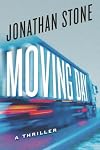
And then there are slow-burning, perspective-shifting thrillers like Moving Day by Jonathan Stone. This novel is equal parts crime thriller and (unintended) master class in fiction writing. But more on that later. First: the plot.
Peke is a wealthy seventy-two year old retiree who is moving from New York to the beaches of Santa Barbara, California, and on the day before the scheduled move, a seemingly legitimate moving company shows up and transports his belongings to the new home. But then the following day, the actual movers show up, and Peke and his wife realize they’ve been robbed. Peke, a Holocaust survivor, manages to track his down his belongings and recovers them. Nick, the sadistic thief behind the caper, then raises the stakes by kidnapping Peke in exchange for the stolen goods. What I dig about this plot is the utter low-tech-ness of the crime itself. Nick is that unicorn rare criminal who has intelligence, patience, and discipline, which makes him the perfect adversary to Peke, who also possesses those qualities.
For my money, the character development and the never-ending supply of brilliantly written passages are what make this book so satisfying. Stone show more manages to capture the internal worlds of a career criminal and a Holocaust survivor, and this frequent shifting of perspective adds layer upon layer of meaning to the narrative. Below I’ve quoted a few fantastic passages from the book, so you get an idea of what I’m writing about.
From a passage where Peke discovers outside the thief’s hideout a large pile of trash: “He feels that simple realization like a weight on him. Amid the exhilaration and excitement of retrieving his belongings, a sudden weight of brooding. . .This is where it will end up for the thief, too. Their odd communion. Meaninglessness piled high.”
From a passage where Peke remembers being in Poland evading the Nazis: “He watches the bug. . .He looks at it. Watches it scoot frantically around on his broad, ancient, creviced palm, looking for a path, an exit. . .Then, impulsively, he slaps the black bug into his mouth, bites down a few times, hears and feels the unmistakable crunch in his jaw, then swallows.”
Paragraphs like these are everywhere in this book, and Moving Day is worth reading for the pure joy of language alone.
Bottom line, this thriller inches along at a snail’s pace, builds the tension very, very slowly, yet very, very effectively. You live and breathe in Peke’s world, in Nick’s world, and that level of realism makes for a highly readable book. Put another way: Moving Day is no Big Mac, and Jonathan Stone is no short order cook. Moving Day is a complex entree with a multitude of tastes and textures, and Jonathan Stone is a master chef. show less
And then there are slow-burning, perspective-shifting thrillers like Moving Day by Jonathan Stone. This novel is equal parts crime thriller and (unintended) master class in fiction writing. But more on that later. First: the plot.
Peke is a wealthy seventy-two year old retiree who is moving from New York to the beaches of Santa Barbara, California, and on the day before the scheduled move, a seemingly legitimate moving company shows up and transports his belongings to the new home. But then the following day, the actual movers show up, and Peke and his wife realize they’ve been robbed. Peke, a Holocaust survivor, manages to track his down his belongings and recovers them. Nick, the sadistic thief behind the caper, then raises the stakes by kidnapping Peke in exchange for the stolen goods. What I dig about this plot is the utter low-tech-ness of the crime itself. Nick is that unicorn rare criminal who has intelligence, patience, and discipline, which makes him the perfect adversary to Peke, who also possesses those qualities.
For my money, the character development and the never-ending supply of brilliantly written passages are what make this book so satisfying. Stone show more manages to capture the internal worlds of a career criminal and a Holocaust survivor, and this frequent shifting of perspective adds layer upon layer of meaning to the narrative. Below I’ve quoted a few fantastic passages from the book, so you get an idea of what I’m writing about.
From a passage where Peke discovers outside the thief’s hideout a large pile of trash: “He feels that simple realization like a weight on him. Amid the exhilaration and excitement of retrieving his belongings, a sudden weight of brooding. . .This is where it will end up for the thief, too. Their odd communion. Meaninglessness piled high.”
From a passage where Peke remembers being in Poland evading the Nazis: “He watches the bug. . .He looks at it. Watches it scoot frantically around on his broad, ancient, creviced palm, looking for a path, an exit. . .Then, impulsively, he slaps the black bug into his mouth, bites down a few times, hears and feels the unmistakable crunch in his jaw, then swallows.”
Paragraphs like these are everywhere in this book, and Moving Day is worth reading for the pure joy of language alone.
Bottom line, this thriller inches along at a snail’s pace, builds the tension very, very slowly, yet very, very effectively. You live and breathe in Peke’s world, in Nick’s world, and that level of realism makes for a highly readable book. Put another way: Moving Day is no Big Mac, and Jonathan Stone is no short order cook. Moving Day is a complex entree with a multitude of tastes and textures, and Jonathan Stone is a master chef. show less
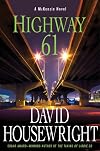
One of the reasons I read (and write) crime novels is to experience danger without suffering any of the consequences. Call it what you will. Escapism. Wish fulfillment. Fantasy. But whatever label you want to put on it, I would argue it is a healthy way to indulge, and David Housewright’s PI novel Highway 61 is one thoroughly satisfying indulgence, a book totally worthy of adverbs.
In Highway 61, Rushmore McKenzie (great name!) is a recent millionaire and unlicensed PI who does favors for his friends, or in this case, the daughter of the woman he loves. The daughter’s father, a lowlife with a taste for barely legal girls named Jason Truhler, is being blackmailed. It doesn’t take McKenzie very long before he figures out Truhler has fallen victim to the classic Honey Pot scam. A bit more digging and all manner of unsavory characters come crawling out of the dirt: a pair of murderous brothers referred to as the Joes, a serial arsonist named Bug, a Machiavellian fixer called Muehlenhaus, and a teenage callgirl-come-blackmailer named Vicki Walsh at the center of it all. With a sordid cast of characters like that, the action is bound to reach a fever pitch, and in a hurry, which it does.
Aside from the requisite car chases and physical confrontations between McKenzie and the bad guys, all of which are expertly written and kept me up past my bedtime, this novel does something quite interesting: it uses Highway 61 as both a setting for the action and as a metaphor. The show more highway represents moral decay, and McKenzie must traverse this highway and save the day, all while maintaining his own moral compass. Pretty deep stuff, especially for such a fun read.
This was my first encounter with Rushmore McKenzie, but it won’t be my last. I’m planning my own trip down the highway soon. . .to pick up another of Housewright’s novels. Hopefully, I won’t come across any blackmailers or armed assailants as I prefer to keep my fantasy life separate from my real one. show less
In Highway 61, Rushmore McKenzie (great name!) is a recent millionaire and unlicensed PI who does favors for his friends, or in this case, the daughter of the woman he loves. The daughter’s father, a lowlife with a taste for barely legal girls named Jason Truhler, is being blackmailed. It doesn’t take McKenzie very long before he figures out Truhler has fallen victim to the classic Honey Pot scam. A bit more digging and all manner of unsavory characters come crawling out of the dirt: a pair of murderous brothers referred to as the Joes, a serial arsonist named Bug, a Machiavellian fixer called Muehlenhaus, and a teenage callgirl-come-blackmailer named Vicki Walsh at the center of it all. With a sordid cast of characters like that, the action is bound to reach a fever pitch, and in a hurry, which it does.
Aside from the requisite car chases and physical confrontations between McKenzie and the bad guys, all of which are expertly written and kept me up past my bedtime, this novel does something quite interesting: it uses Highway 61 as both a setting for the action and as a metaphor. The show more highway represents moral decay, and McKenzie must traverse this highway and save the day, all while maintaining his own moral compass. Pretty deep stuff, especially for such a fun read.
This was my first encounter with Rushmore McKenzie, but it won’t be my last. I’m planning my own trip down the highway soon. . .to pick up another of Housewright’s novels. Hopefully, I won’t come across any blackmailers or armed assailants as I prefer to keep my fantasy life separate from my real one. show less
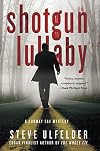
Conway Sax, a recovered alcoholic with a checkered past, is a man who pays for his sins one favor at a time. In Shotgun Lullaby, the third book in the series, the initial favor is squaring a small car loan debt for one Gus Biletnikov, a wiseass college boy who recently joined the Barnburners (think: Alcoholics Anonymous, but even more intense). After Sax erases the debt with his fists, he takes a keen interest in helping Gus stay sober and get back on his feet, for the young Biletnikov reminds Sax of his own estranged son. But the real problems start when Biletnikov falls off the wagon. First, someone guns down a kid staying in Biletnikov’s room at Almost Home, a halfway house for people fresh out of a rehab or jail. Figuring (correctly) that Biletnikov was the actual target, Sax vows to find out who is after Gus Biletnikov…and why. This leads to problems with the sordid cast of characters in Biletnikov’s orbit, which includes a gorgeous, but hatable step mother, a smooth-talking con man, a burnt-out drug dealer whose in love with Gus, and a father-son duo of gangsters. The plot in this one keeps you guessing until the very end.
But what makes this installment of the series stand out is the depths to which Sax is willing to go to redeem himself and, at least in part, to do penance for his past transgressions. Loyalty is not just a word with Conway Sax; it is a lifestyle. True, Sax has a black and white view of the world and is intensely loyal. He is also prone to show more fits of rage and violence, but he is not a violent or immoral man. Similar to the violence depicted in Breaking Bad, the violence in this novel is not gratuitous; every punch thrown, every gunshot fired, every life taken costs Sax something, and, by extension, costs the reader something. This, in a way, elevates this book (and the series) beyond the typical PI/mystery book genre, makes it social commentary…highly readable, extremely enjoyable commentary.
Bottom line, Conway Sax is a good man, and in today’s world where people’s loyalties and moral compasses change depending on self-interest and survival, there is something incredibly admirable about this character’s dedication to family and friends. Put another way, I not enjoy reading these books, I actually relate to Conway Sax. Perhaps it is my INTJ personality, but like Sax, I take my commitments seriously and never give myself a break. Neither does Sax. This makes him the most realistic fictional PI out there right now. This series is, in a word, revelatory. I hope to one day write something this good…and this relevant. show less
But what makes this installment of the series stand out is the depths to which Sax is willing to go to redeem himself and, at least in part, to do penance for his past transgressions. Loyalty is not just a word with Conway Sax; it is a lifestyle. True, Sax has a black and white view of the world and is intensely loyal. He is also prone to show more fits of rage and violence, but he is not a violent or immoral man. Similar to the violence depicted in Breaking Bad, the violence in this novel is not gratuitous; every punch thrown, every gunshot fired, every life taken costs Sax something, and, by extension, costs the reader something. This, in a way, elevates this book (and the series) beyond the typical PI/mystery book genre, makes it social commentary…highly readable, extremely enjoyable commentary.
Bottom line, Conway Sax is a good man, and in today’s world where people’s loyalties and moral compasses change depending on self-interest and survival, there is something incredibly admirable about this character’s dedication to family and friends. Put another way, I not enjoy reading these books, I actually relate to Conway Sax. Perhaps it is my INTJ personality, but like Sax, I take my commitments seriously and never give myself a break. Neither does Sax. This makes him the most realistic fictional PI out there right now. This series is, in a word, revelatory. I hope to one day write something this good…and this relevant. show less
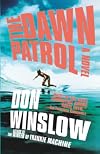
I envy Boone Daniels, the hero in Don Winslow’s novel The Dawn Patrol. And why the hell not? His life is totally enviable. He surfs. He eats fish tacos. He hangs out in Pacific Beach with his surfer friends, one of which just happens to be a gorgeous blonde who’s also a world class surfer. Even better? When Daniels isn’t living the California fantasy life, he works as a PI, which ranks near the very top of my All-Time Dream Jobs List.
The Dawn Patrol starts off simply: a beautiful and ambitious lawyer named Petra persuades Daniels to locate a witness in an arson case. From there, the case gets complicated, and midway in, Daniels realizes he’s dealing with much more than an arson case, namely, a sexually-abused girl, a murder masquerading as a suicide, a child prostitute operation doubling as a drug smuggling ring, and, of course, a missing witness. Throw in the back story of Daniels being thrown off the San Diego PD years before for failing to locate a little girl named Rain, and you’ve got more than enough meat on the bone for readers to chew on. These elements kept me turning pages, but it was the memorable characters that really hooked me, starting with Daniels himself. Laid-back, capable, soulful, and completely void of ambition or pretension, Daniels is a good guy, a flawed hero a reader can root for. For those reasons I put him in the same class as some of my other favorite modern day PIs like Conway Sax, Elvis Cole, and Spenser.
The Dawn Patrol is a fairly show more stunning literary achievement in that it is both character-driven and plot-driven. The casual reader will find it a fun (and quick) read, while the more serious reader will surely notice the many interesting literary devices. For example, the chapter-lengths, which are sometimes short and chock full of action and other times long and slowly-developing, are surely meant to resemble waves in the ocean. As the narrative builds to a climax, the chapters get shorter and shorter, while the tension is turned up to eleven. (Think: waves crashing on the shore.) Another cool element for the literary crowd is the shifting narration. Winslow does a near-flawless job of shifting from one character’s head to another, all the while managing to keep up the quick pace of the narrative.
Bottom line, I read the last page of this novel and immediately felt envy…for Daniels’s fictional life and for Winslow’s immense skill as a novelist. show less
The Dawn Patrol starts off simply: a beautiful and ambitious lawyer named Petra persuades Daniels to locate a witness in an arson case. From there, the case gets complicated, and midway in, Daniels realizes he’s dealing with much more than an arson case, namely, a sexually-abused girl, a murder masquerading as a suicide, a child prostitute operation doubling as a drug smuggling ring, and, of course, a missing witness. Throw in the back story of Daniels being thrown off the San Diego PD years before for failing to locate a little girl named Rain, and you’ve got more than enough meat on the bone for readers to chew on. These elements kept me turning pages, but it was the memorable characters that really hooked me, starting with Daniels himself. Laid-back, capable, soulful, and completely void of ambition or pretension, Daniels is a good guy, a flawed hero a reader can root for. For those reasons I put him in the same class as some of my other favorite modern day PIs like Conway Sax, Elvis Cole, and Spenser.
The Dawn Patrol is a fairly show more stunning literary achievement in that it is both character-driven and plot-driven. The casual reader will find it a fun (and quick) read, while the more serious reader will surely notice the many interesting literary devices. For example, the chapter-lengths, which are sometimes short and chock full of action and other times long and slowly-developing, are surely meant to resemble waves in the ocean. As the narrative builds to a climax, the chapters get shorter and shorter, while the tension is turned up to eleven. (Think: waves crashing on the shore.) Another cool element for the literary crowd is the shifting narration. Winslow does a near-flawless job of shifting from one character’s head to another, all the while managing to keep up the quick pace of the narrative.
Bottom line, I read the last page of this novel and immediately felt envy…for Daniels’s fictional life and for Winslow’s immense skill as a novelist. show less
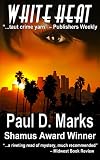
In White Heat, former Navy SEAL turned PI Duke Rogers makes a quick $250 dollars by locating the address of Teddie Matson, a burgeoning TV actress. A day later Matson is murdered, and Rogers, wrenched with guilt, sets out to find the killer. Set in L.A. during the riots following the Rodney King case, Rogers is beset on all sides by looters and gang bangers, stalkers and criminals, grieving families and damsels in distress, fires and bullets. But it is Rogers's conscience that proves to be the biggest obstacle. Occasionally calling on the assistance of Jack, a racist/xenophobic ex-SEAL who is eerily likable, Rogers is a formidable hero and more than interesting enough to carry a series. No spoilers here, but I liked the ending precisely because every narrative thread was not neatly tied up, and yet, in the vivid, hard-boiled world Marks has created, justice is served.
White Heat won the Shamus Award for Best Indie PI novel in 2013, and I certainly see why. There are several elements to this book that make it more than just the run-of-the-mill private dick story. Exhibit A: the fantastic descriptions of Los Angeles. Having been to L.A. a total of once, most of my ideas about La-La Land come from TV, movies, and books. Marks does a remarkable job of portraying a city in crisis, a portrayal, I might add, that is more vivid than Raymond Chandler's L.A. and more realistic and complex than James Ellroy's. (Note: I love both of those writers and their books). Exhibit B: the show more palpable tension running through the narrative. Stalking is a big theme in this book, and as I read, I felt the fear, anxiety, and paranoia gripping me. Throughout the novel, there are italicized sections of inner monologue that serve to put the reader inside Rogers's head and in the belly of the riots. Exhibit C: the commentary on race. It's damned hard to successfully weave social and/or political commentary into a novel without coming off as preachy, but Marks pulls it off.
Bottom line, I've come up with a simple question for determining if a book is really good or not: how many hours of work and/or sleep did you lose because you couldn't stop reading? Let's just say I have a stack of ungraded essays on my desk, and my eyelids are very heavy. Cheers to the author of White Heat for that. show less
White Heat won the Shamus Award for Best Indie PI novel in 2013, and I certainly see why. There are several elements to this book that make it more than just the run-of-the-mill private dick story. Exhibit A: the fantastic descriptions of Los Angeles. Having been to L.A. a total of once, most of my ideas about La-La Land come from TV, movies, and books. Marks does a remarkable job of portraying a city in crisis, a portrayal, I might add, that is more vivid than Raymond Chandler's L.A. and more realistic and complex than James Ellroy's. (Note: I love both of those writers and their books). Exhibit B: the show more palpable tension running through the narrative. Stalking is a big theme in this book, and as I read, I felt the fear, anxiety, and paranoia gripping me. Throughout the novel, there are italicized sections of inner monologue that serve to put the reader inside Rogers's head and in the belly of the riots. Exhibit C: the commentary on race. It's damned hard to successfully weave social and/or political commentary into a novel without coming off as preachy, but Marks pulls it off.
Bottom line, I've come up with a simple question for determining if a book is really good or not: how many hours of work and/or sleep did you lose because you couldn't stop reading? Let's just say I have a stack of ungraded essays on my desk, and my eyelids are very heavy. Cheers to the author of White Heat for that. show less
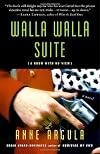
What do you get when you mix together a mitigation investigator doggedly trying to stamp out the death penalty, an ex-cop fighting off constant hot flashes, a barely legitimate business owner who calls his employees Arnie's Angels, and a beautiful young woman in the prime of her youth? Answer: the basic ingredients to Anne Argula's excellent PI novel, Walla Walla Suite (A Room with No View).
The plot starts off as a simple missing person's case. Eileen, one of Arnie's Angels, goes missing, and Arnie hires Quinn, a fledgling private investigator, to track her down. But when Eileen turns up dead, the narrative really gets cooking, and the whole book morphs into a rather thoughtful and funny--funny ha-ha and funny sad--commentary on crime and punishment, capital punishment in particular. The only real "action" takes place in the last ten pages of the novel, so if you crave a lot of car chases and fistfights and gun play this isn't the book for you. However, there are two other factors that make this book more than worthy of a read.
Quinn, a newly-divorced ex-cop struggling to establish herself as a PI, is half of what makes Walla Walla Suite so enjoyable, so fresh. Tougher than a two-dollar steak, and every bit as sardonic as James Crumley's C.W. Sughrue, she is, by her own admission, a second or even third-rate investigator. But, ironically, this is also part of what I think makes her so dynamic as a character: she is real. Many detective characters are simply too heroic, show more too perfect, and Quinn is severely flawed, but in a good way. She is both sarcastic and self-effacing; she is indifferent and persistent, competent and bumbling. Not to mention she has some fantastically funny one-liners, mostly about hot flashes and the incurable human condition. Plus, in the end, she does manage to save the day, more or less, and the ending in no way feels forced or contrived. Best of all, the (tragic?) ending affects her not a wit, which I appreciate as it is realistic. Face it, many of us just never learn our lesson, no matter what the scenario, no matter what the outcome.
To the other half of what makes this a good novel: the setting. Full disclosure: I tend to fetishize what I consider cool and/or exotic locations, and Seattle, the setting of Walla Walla Suite, falls under that category. The descriptions of the dreary weather, the buildings and streets, the waterfronts: all of it is expertly rendered and adds a satisfying layer to the narrative. It made me want to visit the city, which is a testament to the author's abilities.
Bottom line, I find Quinn to be a welcome addition to the PI genre, and not just because she is a middle-aged woman. But because the character is a living, breathing being, one capable of great comedy and tragedy. Quinn, it seems, has a nose for trouble, and I, for one, would love to be around when she finds it. show less
The plot starts off as a simple missing person's case. Eileen, one of Arnie's Angels, goes missing, and Arnie hires Quinn, a fledgling private investigator, to track her down. But when Eileen turns up dead, the narrative really gets cooking, and the whole book morphs into a rather thoughtful and funny--funny ha-ha and funny sad--commentary on crime and punishment, capital punishment in particular. The only real "action" takes place in the last ten pages of the novel, so if you crave a lot of car chases and fistfights and gun play this isn't the book for you. However, there are two other factors that make this book more than worthy of a read.
Quinn, a newly-divorced ex-cop struggling to establish herself as a PI, is half of what makes Walla Walla Suite so enjoyable, so fresh. Tougher than a two-dollar steak, and every bit as sardonic as James Crumley's C.W. Sughrue, she is, by her own admission, a second or even third-rate investigator. But, ironically, this is also part of what I think makes her so dynamic as a character: she is real. Many detective characters are simply too heroic, show more too perfect, and Quinn is severely flawed, but in a good way. She is both sarcastic and self-effacing; she is indifferent and persistent, competent and bumbling. Not to mention she has some fantastically funny one-liners, mostly about hot flashes and the incurable human condition. Plus, in the end, she does manage to save the day, more or less, and the ending in no way feels forced or contrived. Best of all, the (tragic?) ending affects her not a wit, which I appreciate as it is realistic. Face it, many of us just never learn our lesson, no matter what the scenario, no matter what the outcome.
To the other half of what makes this a good novel: the setting. Full disclosure: I tend to fetishize what I consider cool and/or exotic locations, and Seattle, the setting of Walla Walla Suite, falls under that category. The descriptions of the dreary weather, the buildings and streets, the waterfronts: all of it is expertly rendered and adds a satisfying layer to the narrative. It made me want to visit the city, which is a testament to the author's abilities.
Bottom line, I find Quinn to be a welcome addition to the PI genre, and not just because she is a middle-aged woman. But because the character is a living, breathing being, one capable of great comedy and tragedy. Quinn, it seems, has a nose for trouble, and I, for one, would love to be around when she finds it. show less
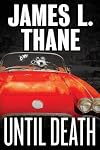
Imagine you're a top-shelf "escort," and some whack-job gets a hold of your day planner and starts offing your clientele, one by one. What do you do?
In Until Death, Sean Richardson, a Phoenix homicide detective, is tasked with investigating a series of murders that seem, at first, to be unrelated. But then Gina Gallagher, an off-the-charts-beautiful call girl, comes into the police station and drops a bombshell: the recent homicide victims were all her clients. And her day planner, which contains the names of all her clients, has gone missing. From there, Richardson works the clues, and they lead him on a goose chase involving the men in Gallagher's life: a lawyer who turns out to have installed a secret camera in her apartment, an ex-boyfriend who takes pictures of her a la a peeping tom, and a host of other johns/well-heeled businessmen with money and motives to spare. Like in any good mystery, practically everyone has a motive, whether it be jealousy, revenge, or just general creepiness, and it takes a while--perhaps too long, in my opinion--for Richardson to sort through the motives and alibis and solve the case. However, in the end, he does, and the penultimate scene is dripping with tension and drama and well worth the wait.
For me, the women in this novel are what elevate Until Death above the many, many police procedurals lining the bookshelves. Gina Gallagher, a high-end escort/personal trainer, is anything but a stereotypical call girl. She is pragmatic and a show more calculating business woman, but at the same time she has a heart and a brain. Nancy Ballard, the grieving wife of the first homicide victim, is also interesting. I don't want to spoil the plot, but Thane does an excellent job of shifting the narration between Sean Richardson, the lead homicide detective on the case, and Ballard, who plays a significant role in the case's conclusion. From a reader's standpoint, I think that Thane captured the voice of an angry, grieving, and vengeful widow very well, and he does so without slowing down the pace of the narrative, which is paramount in a police procedural. While Gallagher and Ballard were certainly well-drawn, I most say I found Maggie McClinton, Richardson's partner, to be the most compelling character in the entire book. She is foul-mouthed, tough, and capable, and I am hoping to see much more of her in future novels.
Bottom line, this is a solid, highly-readable book, and I look forward to the next in the series. In the meantime, I will go back and read No Place to Die, the first in the series. show less
In Until Death, Sean Richardson, a Phoenix homicide detective, is tasked with investigating a series of murders that seem, at first, to be unrelated. But then Gina Gallagher, an off-the-charts-beautiful call girl, comes into the police station and drops a bombshell: the recent homicide victims were all her clients. And her day planner, which contains the names of all her clients, has gone missing. From there, Richardson works the clues, and they lead him on a goose chase involving the men in Gallagher's life: a lawyer who turns out to have installed a secret camera in her apartment, an ex-boyfriend who takes pictures of her a la a peeping tom, and a host of other johns/well-heeled businessmen with money and motives to spare. Like in any good mystery, practically everyone has a motive, whether it be jealousy, revenge, or just general creepiness, and it takes a while--perhaps too long, in my opinion--for Richardson to sort through the motives and alibis and solve the case. However, in the end, he does, and the penultimate scene is dripping with tension and drama and well worth the wait.
For me, the women in this novel are what elevate Until Death above the many, many police procedurals lining the bookshelves. Gina Gallagher, a high-end escort/personal trainer, is anything but a stereotypical call girl. She is pragmatic and a show more calculating business woman, but at the same time she has a heart and a brain. Nancy Ballard, the grieving wife of the first homicide victim, is also interesting. I don't want to spoil the plot, but Thane does an excellent job of shifting the narration between Sean Richardson, the lead homicide detective on the case, and Ballard, who plays a significant role in the case's conclusion. From a reader's standpoint, I think that Thane captured the voice of an angry, grieving, and vengeful widow very well, and he does so without slowing down the pace of the narrative, which is paramount in a police procedural. While Gallagher and Ballard were certainly well-drawn, I most say I found Maggie McClinton, Richardson's partner, to be the most compelling character in the entire book. She is foul-mouthed, tough, and capable, and I am hoping to see much more of her in future novels.
Bottom line, this is a solid, highly-readable book, and I look forward to the next in the series. In the meantime, I will go back and read No Place to Die, the first in the series. show less
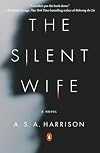
After twenty years together, Jodi and Todd have come to a bad place in their relationship. Todd, a successful real estate investor and serial cheater, has impregnated his oldest friend's daughter, Natasha, who is twenty-five years his junior. But unlike his other dalliances, Todd is in love with and wants marry Natasha; he wants (or thinks he wants) to start a family. Meanwhile Jodi, a part-time therapist, is kicking herself for never agreeing to marry Todd, something he proposed many times over their more than two decades together. In the eyes of the law, Jodi has no legal rights to anything, like, for instance, the couple's expensive condo in downtown Chicago, or Todd's sizable real estate holdings. After much reflection, Jodi realizes that everything she did for Todd--the cooking and cleaning, the emotional support, the looking the other way on his trysts--mean nothing to him, and she must do something about it. The whole sordid affair comes to a head when Todd serves Jodi with eviction papers, and from there, his violent demise is imminent, and, at least in this reader's mind, somewhat justified.
Regarding the question of "Will Todd be murdered?," there is no suspense. You learn practically in the first ten pages that he will meet a violent end. And yet, this an incredibly suspenseful novel, well-paced and gorgeously-written. The chapters alternate between Jodi's voice and Todd's and are each labeled HIM and HER. How the author completely inhabited the minds and show more bodies and souls of both Todd and Jodi is a marvel and was a true pleasure to read, but even more impressive is how she managed to make Todd hate-able and likeable at the same time, how she portrayed Jodi as both victim and perpetrator. The author's prose, the way she develops character deliberately, sentence by sentence, paragraph by paragraph, chapter by chapter reminds me of the writing of Henry James and, more recently, Jonathan Franzen. There were passages in this novel that were so lovely, so true, and so unflinchingly honest they demanded to be read aloud.
Bottom line, while this isn't a mystery in the Whodunnit sense of the word, it is by far the best novel I've read in the last six months. The character development, the pacing, the prose, and yes, even the plot manages to, in the end, surprise the reader. I've read reviews of this book that compare it to Gillian Flynn's work, particularly Gone Girl, and I can certainly see the similarities. However, I do think The Silent Wife has one major difference: Gillian Flynn's books are really, really good, and Harrison's novel is great. Tragically, Harrison died recently of cancer, and I can't help but feel a sting of selfish anger, for there will be no more books from this fantastic author. show less
Regarding the question of "Will Todd be murdered?," there is no suspense. You learn practically in the first ten pages that he will meet a violent end. And yet, this an incredibly suspenseful novel, well-paced and gorgeously-written. The chapters alternate between Jodi's voice and Todd's and are each labeled HIM and HER. How the author completely inhabited the minds and show more bodies and souls of both Todd and Jodi is a marvel and was a true pleasure to read, but even more impressive is how she managed to make Todd hate-able and likeable at the same time, how she portrayed Jodi as both victim and perpetrator. The author's prose, the way she develops character deliberately, sentence by sentence, paragraph by paragraph, chapter by chapter reminds me of the writing of Henry James and, more recently, Jonathan Franzen. There were passages in this novel that were so lovely, so true, and so unflinchingly honest they demanded to be read aloud.
Bottom line, while this isn't a mystery in the Whodunnit sense of the word, it is by far the best novel I've read in the last six months. The character development, the pacing, the prose, and yes, even the plot manages to, in the end, surprise the reader. I've read reviews of this book that compare it to Gillian Flynn's work, particularly Gone Girl, and I can certainly see the similarities. However, I do think The Silent Wife has one major difference: Gillian Flynn's books are really, really good, and Harrison's novel is great. Tragically, Harrison died recently of cancer, and I can't help but feel a sting of selfish anger, for there will be no more books from this fantastic author. show less

Mae Holland is one lucky girl, for she's just landed a job at the most prestigious and powerful internet company in the world. The Circle (ominous name, no?) has a sprawling campus in northern California that has everything from bowling alleys to libraries, dormitories and restaurants, day care centers and gymnasiums, and, quite often, employees never leave after the work day is finished. On campus, there are parties and athletic endeavors; there are famous musicians and artists and chefs and other celebrities brought in to perform or cook or just hang out.
Soon after taking the job, Mae becomes one of those Circlers who prefer life on campus, who prefer living in the ultra-modern dorm rooms to her own apartment. Mae's rise up the corporate ranks is meteoric, and after she agrees to go "transparent," which is when one wears a tiny camera on one's person and broadcasts every minute of one's life out to millions of strangers on the internet, she really gets caught up in the terrifying vision of The Circle's three founders, this idea of Completion.
The Three Wise Men, as the Circle's founders are called, invented an algorithm that links a person's email, banking accounts, social media, and purchasing into one account known as a Circle account. No longer do users have to remember dozens of passwords; long gone is the hassle of identity theft, for a Circle account has eliminated these problems. The only issue is the Circle also has nearly unlimited access to personal show more information. As it gobbles up start-up companies left and right and gains more and more control of the government in Washington, D.C., the Circle will achieve Completion when it makes having a Circle account mandatory for all Americans, when it makes voting mandatory through the system it invented called Demoxie. For Mae, the stakes really escalate when she becomes romantically involved with Kalden, who may or may not be a spy looking to bring down the Circle.
What is truly stunning about this book is how Eggers captures the zeitgeist of the early 21st century, how he builds an entire technology-obsessed, dogmatically-idealistic world peopled with realistic characters, ones we would all recognize as friends, or neighbors, or colleagues, or students. Too, he manages to be funny and serious at the same, for this novel is both important and entertaining. The Circle is on the same plane as Orwell's 1984 and Lewis's It Can't Happen Here, but it also has the humor (and heart) of. . .pick any novel by Vonnegut. Eggers's commentary on privacy, corporate monopolies, free market, government, human nature, and the Millenial generation are all spot-on, and, remarkably, not didactic or preachy in any way.
Bottom line, The Circle is a brilliantly written novel that is both timely and timeless. Eggers has always been an ambitious writer, and thematically speaking, in this book he throws up half a dozen targets and hits them all, dead center. show less
Soon after taking the job, Mae becomes one of those Circlers who prefer life on campus, who prefer living in the ultra-modern dorm rooms to her own apartment. Mae's rise up the corporate ranks is meteoric, and after she agrees to go "transparent," which is when one wears a tiny camera on one's person and broadcasts every minute of one's life out to millions of strangers on the internet, she really gets caught up in the terrifying vision of The Circle's three founders, this idea of Completion.
The Three Wise Men, as the Circle's founders are called, invented an algorithm that links a person's email, banking accounts, social media, and purchasing into one account known as a Circle account. No longer do users have to remember dozens of passwords; long gone is the hassle of identity theft, for a Circle account has eliminated these problems. The only issue is the Circle also has nearly unlimited access to personal show more information. As it gobbles up start-up companies left and right and gains more and more control of the government in Washington, D.C., the Circle will achieve Completion when it makes having a Circle account mandatory for all Americans, when it makes voting mandatory through the system it invented called Demoxie. For Mae, the stakes really escalate when she becomes romantically involved with Kalden, who may or may not be a spy looking to bring down the Circle.
What is truly stunning about this book is how Eggers captures the zeitgeist of the early 21st century, how he builds an entire technology-obsessed, dogmatically-idealistic world peopled with realistic characters, ones we would all recognize as friends, or neighbors, or colleagues, or students. Too, he manages to be funny and serious at the same, for this novel is both important and entertaining. The Circle is on the same plane as Orwell's 1984 and Lewis's It Can't Happen Here, but it also has the humor (and heart) of. . .pick any novel by Vonnegut. Eggers's commentary on privacy, corporate monopolies, free market, government, human nature, and the Millenial generation are all spot-on, and, remarkably, not didactic or preachy in any way.
Bottom line, The Circle is a brilliantly written novel that is both timely and timeless. Eggers has always been an ambitious writer, and thematically speaking, in this book he throws up half a dozen targets and hits them all, dead center. show less