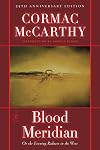
McCarthy writes a brutally violent story, yet one with such beauty and depth. It's horrifying, almost Dante-esque, but there is something transcendent at work as well, a beauty amidst chaos, all created with an almost biblical tone.
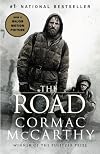
If you're not moved by this book, you have no soul.
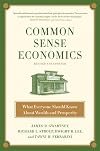
The information presented is concise and to the point. It's an excellent primer on basic economic principles for the person needing a solid introduction to the field.
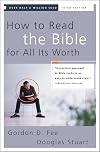
I've taught on this book a number of times, and I still don't get sick of it. It's so essential to understand that the Bible is made up of a number of kinds of literature, and because of this, it's essential to know how to approach each kind on its own (while plugging it into the broad metanarrative of Scripture). Fee and Stuart help navigate these issues for the eager student of the Bible.
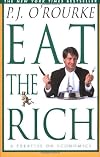
This was the first book to make me laugh out loud. And yeah, I learned a little bit about economics along the way.
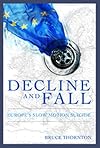
The argument is concise and to the point: in rejecting its Judeo-Christian past, in turning secularism into a religion and multiculturalism into its most fervently argued dogma, Europe has made its collective bed, and is now finding it difficult to lay down in it. Thornton's arguments aren't all original to this work, but he spells them out in a digestible (and rather frightening) manner.
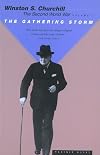
This may be one of the most important books of the twentieth century, written by one of its greatest heroes. Churchill, a lone voice against tyranny for so long, did everything he could to sound the warning bell against fascism. In the end--although so very late--they listened. In the end, the Allies were victorious. And in the end, we have this brilliant account from which to learn of the follies of the past, in order to preserve our future from tyranny.