
Political scandal, marital calculus, and enough backroom strategy to make a dinner party go very quiet.
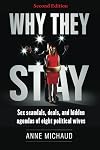
Anne Michaud looks at eight political wives and asks the question everyone loves to ask, usually with way too much judgment: why did they stay? The smart part is that the book refuses the easy answer. These women are not written as fools, saints, victims, or cardboard stand by your man props. They are strategic, wounded, loyal, ambitious, boxed in by tradition, and sometimes all of that before breakfast.
The strongest chapters are the ones where private pain turns into public purpose, especially with Eleanor Roosevelt and Hillary Clinton. Jackie Kennedy’s section has polish and ache. Melania Trump’s has a colder, more transactional chill, which fits the subject a little too well. Deliciously uncomfortable.
Well one thing for me is the White Queen framework is useful, but occasionally it stretches over everything like cling film. Let a mess be a mess sometimes.
Read if you like political history, complicated women, power couples behaving badly, and nonfiction that treats scandal as the doorway, not the whole house. Sharp, messy, smart, and weirdly addictive.
Anne Michaud looks at eight political wives and asks the question everyone loves to ask, usually with way too much judgment: why did they stay? The smart part is that the book refuses the easy answer. These women are not written as fools, saints, victims, or cardboard stand by your man props. They are strategic, wounded, loyal, ambitious, boxed in by tradition, and sometimes all of that before breakfast.
The strongest chapters are the ones where private pain turns into public purpose, especially with Eleanor Roosevelt and Hillary Clinton. Jackie Kennedy’s section has polish and ache. Melania Trump’s has a colder, more transactional chill, which fits the subject a little too well. Deliciously uncomfortable.
Well one thing for me is the White Queen framework is useful, but occasionally it stretches over everything like cling film. Let a mess be a mess sometimes.
Read if you like political history, complicated women, power couples behaving badly, and nonfiction that treats scandal as the doorway, not the whole house. Sharp, messy, smart, and weirdly addictive.
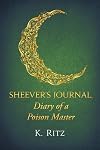
The start is a little odd because you are dropped into this man's head and he is not exactly pleasant company. Sheever hates almost everybody around him. He complains about the kitchens, the city, the Mearans, the food, the smells, all of it. At first I thought, all right, this might wear thin. Then it doesn't.
What works is how the book keeps showing you the man behind all that bitterness. He is dangerous. He has done terrible things. No getting around that. But he notices people. Tobb, Cassie, Damut, the children in the kitchens. He acts like he does not care, then keeps proving he does. That is what pulled me through the lunch breaks.
The world is rough and sometimes ugly. Not fake ugly. More like a dirty workplace where everyone knows too much about everyone else and nobody has enough money to be decent for long. The journal setup makes it feel close.
My only gripe is that some of the world names and politics took me a while to sort out. Personal thing. Once I stopped trying to memorize everything, the story moved better. Strong ending. Earned. I will remember Sheever.
What works is how the book keeps showing you the man behind all that bitterness. He is dangerous. He has done terrible things. No getting around that. But he notices people. Tobb, Cassie, Damut, the children in the kitchens. He acts like he does not care, then keeps proving he does. That is what pulled me through the lunch breaks.
The world is rough and sometimes ugly. Not fake ugly. More like a dirty workplace where everyone knows too much about everyone else and nobody has enough money to be decent for long. The journal setup makes it feel close.
My only gripe is that some of the world names and politics took me a while to sort out. Personal thing. Once I stopped trying to memorize everything, the story moved better. Strong ending. Earned. I will remember Sheever.
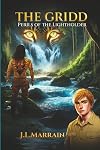
I love a good fantasy that lets you dive in and leave the real world behind. It’s one of the great joys that got me into reading. Marrain does a wonderful job at this, crafting a rich, dynamic setting with the reader in mind. There are resources included (a table of contents, a translation dictionary, etc.) and art throughout. A lot of authors discount the reader experience for the sake of the plot, but this author manages to do both.
Alick is a wonderful main character, a young man thrown into a life he didn’t ask for. He navigates the changes with a brave face on and a kind spirit. I love that his arc is twofold: finding his place as an outsider, and embracing his status as something different.
Overall, this is a good fantasy story and is worth reading!
Alick is a wonderful main character, a young man thrown into a life he didn’t ask for. He navigates the changes with a brave face on and a kind spirit. I love that his arc is twofold: finding his place as an outsider, and embracing his status as something different.
Overall, this is a good fantasy story and is worth reading!
“Ever wondered if your plants could actually help each other grow instead of competing?”
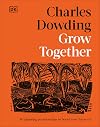
That’s the quiet but powerful idea at the heart of Grow Together by Charles Dowding and honestly, it changed the way I think about gardening.
Dowding’s whole “no dig” philosophy is the backbone here, and he explains it in a way that actually makes sense. Instead of constantly interfering with the soil, he shows how leaving it undisturbed, feeding it with compost, and letting natural systems do their thing leads to healthier plants and better harvests.
There aren’t “characters” in the traditional sense, but Dowding himself becomes the steady voice guiding you, curious, experimental, and quietly confident in his methods. By the end, I found myself looking at empty garden space differently like, is this really empty, or just waiting for the right pairing?
If you’re even slightly into gardening (or just like the idea of working with nature instead of against it), Grow Together by Charles Dowding is surprisingly satisfying, practical, thoughtful, and kind of inspiring in a low-key way.
That’s the quiet but powerful idea at the heart of Grow Together by Charles Dowding and honestly, it changed the way I think about gardening.
Dowding’s whole “no dig” philosophy is the backbone here, and he explains it in a way that actually makes sense. Instead of constantly interfering with the soil, he shows how leaving it undisturbed, feeding it with compost, and letting natural systems do their thing leads to healthier plants and better harvests.
There aren’t “characters” in the traditional sense, but Dowding himself becomes the steady voice guiding you, curious, experimental, and quietly confident in his methods. By the end, I found myself looking at empty garden space differently like, is this really empty, or just waiting for the right pairing?
If you’re even slightly into gardening (or just like the idea of working with nature instead of against it), Grow Together by Charles Dowding is surprisingly satisfying, practical, thoughtful, and kind of inspiring in a low-key way.

What does it mean to feel “stranger to the beautiful” in a world that’s already full of it?
That question quietly sits at the heart of Stranger to the Beautiful by Don Hynes, and it’s what kept pulling me back through these poems. This isn’t a collection you rush, it’s one you sort of drift through, the same way Hynes drifts through winter landscapes, coastlines, and inner silence.
There’s no single “main character” here in the traditional sense, but the speaker, the reflective, searching voice that moves through poems like “Stranger to the Beautiful,” “Hidden Stone,” and “One Simple Yes”, feels deeply personal. At times, it’s like listening to someone who has lived a full life and is now trying to make sense of it all through nature, memory, and stillness.
And then there are moments that hit unexpectedly hard, like the idea that transformation doesn’t come from grand gestures, but from something as simple as acceptance, or as the book puts it, “one simple yes.”
That question quietly sits at the heart of Stranger to the Beautiful by Don Hynes, and it’s what kept pulling me back through these poems. This isn’t a collection you rush, it’s one you sort of drift through, the same way Hynes drifts through winter landscapes, coastlines, and inner silence.
There’s no single “main character” here in the traditional sense, but the speaker, the reflective, searching voice that moves through poems like “Stranger to the Beautiful,” “Hidden Stone,” and “One Simple Yes”, feels deeply personal. At times, it’s like listening to someone who has lived a full life and is now trying to make sense of it all through nature, memory, and stillness.
And then there are moments that hit unexpectedly hard, like the idea that transformation doesn’t come from grand gestures, but from something as simple as acceptance, or as the book puts it, “one simple yes.”