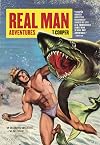
Full disclosure, I read this as part of a Queer Studies class, so I read it as an assignment with the intent to discuss it there. So.
I personally appreciate T. Cooper's open delivery while keeping as much of his life private as he can. Of course the content of some of the interviews concerned me, I always wonder why people feel the need to explain someone else's gender identity to people they may or may not meet. This came out mainly with the parents, who were so positive overall (I understand that it is far more complicated to interview parents that disowned their transgender children especially for a memoir that centers on the author's transition) when I just wanted to hear from a parent that is a queer ally unless it's their own kid. That was just a little selfish thought I kept having as more of the parent interviews came up.
I respect and admire the self awareness needed to know what he needed to leave out of the book. I went in without expectations, but the Sex Chapter was such a delight, even having felt that I got used to Cooper's writing style, he still managed to surprise me. His use of fun deflections from topics he didn't want to share on delivered a clear message: it's none of our business.
This was such a fun, occasionally gut twisting, opportunity to hear largely unfiltered discussion of trans lives and environments on Cooper's terms. Having books like this to recommend must take the weight off of every visible trans person's back to explain to strangers show more their gender and fears, and it fueled one of the most productive discussions my class has had all semester. show less
I personally appreciate T. Cooper's open delivery while keeping as much of his life private as he can. Of course the content of some of the interviews concerned me, I always wonder why people feel the need to explain someone else's gender identity to people they may or may not meet. This came out mainly with the parents, who were so positive overall (I understand that it is far more complicated to interview parents that disowned their transgender children especially for a memoir that centers on the author's transition) when I just wanted to hear from a parent that is a queer ally unless it's their own kid. That was just a little selfish thought I kept having as more of the parent interviews came up.
I respect and admire the self awareness needed to know what he needed to leave out of the book. I went in without expectations, but the Sex Chapter was such a delight, even having felt that I got used to Cooper's writing style, he still managed to surprise me. His use of fun deflections from topics he didn't want to share on delivered a clear message: it's none of our business.
This was such a fun, occasionally gut twisting, opportunity to hear largely unfiltered discussion of trans lives and environments on Cooper's terms. Having books like this to recommend must take the weight off of every visible trans person's back to explain to strangers show more their gender and fears, and it fueled one of the most productive discussions my class has had all semester. show less
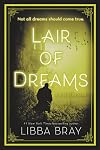
I know plenty of people have already said this, but Libba Bray's characters are really made by their flaws. As frustrating as their hard heads can be when you're used to perfect characters making the best decisions, it is refreshing to see a protagonist at fault. Their flawed perspectives made it that much easier to relate to and appreciate each of them as their own person, and Bray's exploration of each of their inner turmoil reminds me of Toni Morrison's attention to characters, however minor, however evil, giving everyone an equal footing in being understood.
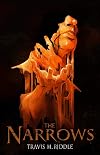
I have no words to describe how much I love this book, but I have so much to love so I'll try. I really felt some connection to every character introduced, and Oliver's emotional introspection never felt voyeuristic, despite that being the point of fiction. Oliver trying to make sense of Noah's suicide while being unable to communicate with the one person that would have had any explanation is excruciating to watch, and the hope that the knave gives him is so intoxicating my most cynical instincts (admittedly not any, I didn't lose hope until the very last minute) believed Oliver would find the gem, I even kind of hoped Eric could be brought back. Flashes of domesticity and nostalgia break up the pain of reality, and I found myself holding out for those scenes, apparently for myself and Oliver, as he is always just as uncomfortable with confronting his pain and confusion. The slice of life character development made the horrors that much more effective, I had real concerns for the characters, sharing Oliver's mistrust of the knave the whole time. Every mishandled interaction had me screaming at him (sometimes out loud but that's fine) and I haven't had such a visceral reaction to literature in a long time. The LGBT characters are so well handled, although I was on edge the entire time that they would have a bad run in, or one of the memories would include one. Aside from those memories, no one misgenders or deadnames Sophia, even when they're obviously making an effort, show more but at least they make an effort. Oliver never makes a gross comment about Ashley's ambiguous sexuality, and a formal coming out is never prompted for his or the audience's benefit. As a visually inclined person, I appreciate the vivid imagery, especially in the Narrows. Mainly I loved the small details, apparently insignificant things that a person wouldn't normally dial in on, are sprinkled in while characters are processing trauma. A glass sweating during a tense conversation, an off-hand comment about Sophia being a light sleeper becoming a key to their mission. Nothing feels like a plot device somehow, just a minor observation that proves Oliver cares about the friends he does have. I already know I have to read this again to catch all of the links between chapters. The care put into making this story so real is evident in every moment, down to page breaks not bringing you further than the next instant, just clearly transitioning from action to the moment of clarity when Oliver realizes what he's doing again, is something that I've noticed other authors miss. I could re-read this for years to come and I'm sure have noticed something new to gush over, however unsatisfying the results of their endeavors are. show less
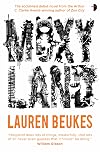
Horrifyingly prophetic, beautifully written, everything I wanted out of a scifi novel.