
I still cook out of Moosewood to this day. I became acquainted with my first copy of the original version of Moosewood in the 70's, found in the barn of the old Vermont victorian where I was renting a room (at age 16!). Surrounded by Quakers, hippies and ex-cons, we all cooked vegetarian most of the time (who could afford meat??). I have many fond memories of Moosewood and the meals which came from it. I learned to drink my first wine and my first beer accompanying many of these dishes. My favorite standby recipes that I still cook today include Spinach Ricotta Pie, Stuffed Zucchini Turkish style, Gypsy Soup, Gazpacho (a good chunky version), Russian Borscht, and Eggplant Pate version #2.
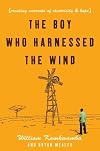
Kamkwamba recounts his poverty-stricken childhood in Malawi. Famine, limited access to education, death, disease, witchcraft, seem to be the norm for everyone around him. Still, he knows there is a better life out there. Even though his family lacks the funds to keep Kamkwamba in school, he gets access to a local library and begins to read voraciously. He focuses on science, and electricity in particular, and designs a windmill made from junkyard parts and an old bicycle. It takes him a long time to get the right parts and the people around him make fun of his endeavor, but he shows them all in the end, when his family finally has electricity in their hut. After that his opportunities expand when his success is written up in the local newspapers.
As in so many memoirs, the story is interesting, but the writing is just work-a-day. The details of what it was like to survive during a famine were particularly compelling. A bit amusing was seeing the US through Kamkwamba's eyes on his first visit to the states. Still, the reader longs for a bit more introspection and depth. Kamkwamba remains opaque throughout, and it is difficult to know if that is the co-writer, the cultural and language barriers, or if he simply chooses not to share more deeply. Parts of the account seem to lack focus on who the audience is, especially chapter 13 about vampires, supernatural beasts, and witches. Kamkwamba presents these as fact. Here is an example: "This often happens while we sleep--the show more witch children can take our heads and return them before morning, all without us knowing. It's a serious problem." At first I thought this was tongue in cheek, but I quickly concluded that these beliefs are widespread and accepted in Kamkwamba's world. I found myself wishing that he had couched this chapter with more cultural context for those of us who have different belief systems. show less
As in so many memoirs, the story is interesting, but the writing is just work-a-day. The details of what it was like to survive during a famine were particularly compelling. A bit amusing was seeing the US through Kamkwamba's eyes on his first visit to the states. Still, the reader longs for a bit more introspection and depth. Kamkwamba remains opaque throughout, and it is difficult to know if that is the co-writer, the cultural and language barriers, or if he simply chooses not to share more deeply. Parts of the account seem to lack focus on who the audience is, especially chapter 13 about vampires, supernatural beasts, and witches. Kamkwamba presents these as fact. Here is an example: "This often happens while we sleep--the show more witch children can take our heads and return them before morning, all without us knowing. It's a serious problem." At first I thought this was tongue in cheek, but I quickly concluded that these beliefs are widespread and accepted in Kamkwamba's world. I found myself wishing that he had couched this chapter with more cultural context for those of us who have different belief systems. show less
 This review was written for LibraryThing Early Reviewers.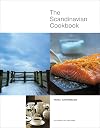
Full color photographs and seasonal arrangement makes this an attractive, but at first glance, alternate purchase. The recipes look so simple and use mostly common ingredients that my first thought was "ho-hum." However, after cooking a couple of recipes, most notably Lightly Brined Chicken, and Barley Salad, the true value of this lesser known cuisine becomes apparent. The ingredients are common and not exotic, yet the amalgam of the parts compose themselves into different spins on old themes. Delightfully simple and refreshing. Nicely photographed. Thank you Library Thing for adding this to my already overflowing cookbook shelf!
This review was written for LibraryThing Early Reviewers.
Somehow I expected this book to be a less-than-literary, but at least vaguely amusing, collection of travel essays. Instead it turns out to be a badly bound Reader’s Digest lookalike with one magazine-ish blurb per page, printed in garish high gloss and replete with bad vacation pix. I would have put it next to the toilet for distraction and encouragement, however no one in my household ever sits there long enough to make it worthwhile, literacy-wise. And the high gloss makes a poor wipe. ‘nuff said.
This review was written for LibraryThing Early Reviewers.