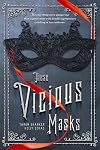
Evelyn is bored. Bored with dresses and balls, bored with her mother’s constant matchmaking schemes, bored with the petty gentlemen she is forced to be pleasant to.
And so begins just about every Victorian-era book, no matter the genre. This one does branch out a bit more: Evelyn’s sister Rose disappears, and her trail follows a mysterious (and huge) Frenchman into London. With her parents concerned more for their reputation than Rose’s safety, Evelyn runs off to find Rose herself. Enlisting the help of dashing Mr. Kent, Evelyn is also forced to work with the infuriating Mr. Braddock, who has a game changing revelation for her: she and her sister may have special powers.
I’m not one of those people who automatically dismiss YA books as beneath my notice. There’s some fantastic work out there and some great stories being told. However, this is one of those genres where it is all too easy to fall into a formulaic trap. Like many recent psychological thrillers have been diminished by trying too hard to be the next Gone Girl, a lot of YA (especially the fantasy genre, which tends to be one of my favorites) suffers by trying to be the next Twilight or Hunger Games. Stop me if you’ve heard this one: A young, headstrong girl is dissatisfied with her life, but unsure what she wants to do to improve it. After a calamitous event, she is forced to engage a wider, crueler world at its own level, discovering herself in the process. Oh, and you naturally need two potential show more romantic interests for her, one is “safe,” and has been around forever, the other someone she will never ever like, someone just so infuriating. . .
It sometimes seems like the same song set to different music. That’s not to say that books that follow the formula are all bad, but you need great characters, strong writing, and something special to set your story apart. Unfortunately, These Vicious Masks falls a bit short. Evelyn is intelligent and willing to defy convention if she can help others, but never becomes a truly sympathetic character. The love triangle is of the dimensions expected from the genre, and doesn’t deviate from the pattern.
Still, YA fantasy enthusiasts may want to give the book a go. I’ve always said that I am picky about the genre.
An audio book was provided by the publisher in exchange for an honest review. show less
And so begins just about every Victorian-era book, no matter the genre. This one does branch out a bit more: Evelyn’s sister Rose disappears, and her trail follows a mysterious (and huge) Frenchman into London. With her parents concerned more for their reputation than Rose’s safety, Evelyn runs off to find Rose herself. Enlisting the help of dashing Mr. Kent, Evelyn is also forced to work with the infuriating Mr. Braddock, who has a game changing revelation for her: she and her sister may have special powers.
I’m not one of those people who automatically dismiss YA books as beneath my notice. There’s some fantastic work out there and some great stories being told. However, this is one of those genres where it is all too easy to fall into a formulaic trap. Like many recent psychological thrillers have been diminished by trying too hard to be the next Gone Girl, a lot of YA (especially the fantasy genre, which tends to be one of my favorites) suffers by trying to be the next Twilight or Hunger Games. Stop me if you’ve heard this one: A young, headstrong girl is dissatisfied with her life, but unsure what she wants to do to improve it. After a calamitous event, she is forced to engage a wider, crueler world at its own level, discovering herself in the process. Oh, and you naturally need two potential show more romantic interests for her, one is “safe,” and has been around forever, the other someone she will never ever like, someone just so infuriating. . .
It sometimes seems like the same song set to different music. That’s not to say that books that follow the formula are all bad, but you need great characters, strong writing, and something special to set your story apart. Unfortunately, These Vicious Masks falls a bit short. Evelyn is intelligent and willing to defy convention if she can help others, but never becomes a truly sympathetic character. The love triangle is of the dimensions expected from the genre, and doesn’t deviate from the pattern.
Still, YA fantasy enthusiasts may want to give the book a go. I’ve always said that I am picky about the genre.
An audio book was provided by the publisher in exchange for an honest review. show less
 This review was written for LibraryThing Early Reviewers.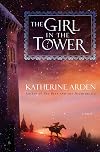
Fair warning: this is the second book in the Winternight trilogy. There’s definitely going to be spoilers ahead for the first book in the series, The Bear and the Nightingale. If you want, you can read my review of that book here.
____________________________________________________________________
Vasya has been driven from her village after the deaths of her father and stepmother. The options are slim for a young woman in medieval Russia — convent or marriage. Vasya, ever seeking to be her own master, decides to create a third option: to wander the vast expanses of Rus’ disguised as a boy, and explore the wide world now open to her. But the road and the places upon it are dangerous. Unnatural and vicious bandits are plundering remote towns in northern Rus’, and political intrigue and betrayal surround the residents of Moscow. Pulled into the events of the larger world, Vasya finds herself walking on a knife’s edge to help her family and her country, and to safeguard her precious freedom.
I simply adore this series. The Bear and the Nightingale was one of those delightful little surprises you come across occasionally. Expecting a typical historical fantasy, I found myself enveloped in a fairy tale story richly woven through with historical detail and living, breathing characters. The Girl in the Tower stays true to form. Arden’s careful attention to detail, and phenomenal gift for bringing fully-fleshed characters to her tales are undiminished in the second show more book.
Vasya has become a bit older and harder than last we saw her, but still retains her close ties with the many spirits who inhabit her world. Her choices and their consequences are rarely easy, and we get to see her grow and change as the plot moves along. Her relationship with Morozko, the winter demon is well done. No sappy love story here, but a subtler, bittersweet rapport that feels much more real.
If you enjoyed The Bear and the Nightingale, then you’ll most likely love the continuation to the story. Fans of fantasy, fairy tales, and magic should definitely check out this phenomenal and original series.
An advance copy of this book was provided by the publisher in exchange for an honest review. show less
____________________________________________________________________
Vasya has been driven from her village after the deaths of her father and stepmother. The options are slim for a young woman in medieval Russia — convent or marriage. Vasya, ever seeking to be her own master, decides to create a third option: to wander the vast expanses of Rus’ disguised as a boy, and explore the wide world now open to her. But the road and the places upon it are dangerous. Unnatural and vicious bandits are plundering remote towns in northern Rus’, and political intrigue and betrayal surround the residents of Moscow. Pulled into the events of the larger world, Vasya finds herself walking on a knife’s edge to help her family and her country, and to safeguard her precious freedom.
I simply adore this series. The Bear and the Nightingale was one of those delightful little surprises you come across occasionally. Expecting a typical historical fantasy, I found myself enveloped in a fairy tale story richly woven through with historical detail and living, breathing characters. The Girl in the Tower stays true to form. Arden’s careful attention to detail, and phenomenal gift for bringing fully-fleshed characters to her tales are undiminished in the second show more book.
Vasya has become a bit older and harder than last we saw her, but still retains her close ties with the many spirits who inhabit her world. Her choices and their consequences are rarely easy, and we get to see her grow and change as the plot moves along. Her relationship with Morozko, the winter demon is well done. No sappy love story here, but a subtler, bittersweet rapport that feels much more real.
If you enjoyed The Bear and the Nightingale, then you’ll most likely love the continuation to the story. Fans of fantasy, fairy tales, and magic should definitely check out this phenomenal and original series.
An advance copy of this book was provided by the publisher in exchange for an honest review. show less
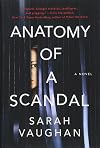
James Whitehouse is a successful politician and close friends with the Prime Minister. Sophie is his faithful wife. Then a scandal breaks, James is accused first of having an affair with a member of his staff, then of rape. Sophie desperately needs to believe in her husband’s innocence. Kate Woodcroft, the prosecuting attorney, sincerely believes in his guilt. As the case moves on, secrets from the past threaten to come to light.
This is a slow-building thriller that explores the nature of love and truth, privilege and power. Vaughn does a splendid job of alternating between the past and present, and between husband, wife, and prosecutor. We explore each person’s life, and see what a fragile thing truth really is.
The book builds slowly, which can be frustrating for those who want the plot to go-go-go. And any one experiencing psychological thriller fatigue (like me), can find the slower pace a bit trying. But in all, Vaughn’s exploration of how privilege impacts truth is a vital and important topic in this day and age. I would recommend you give it a go.
An advance copy of this book was provided by the publisher in exchange for an honest review.
This is a slow-building thriller that explores the nature of love and truth, privilege and power. Vaughn does a splendid job of alternating between the past and present, and between husband, wife, and prosecutor. We explore each person’s life, and see what a fragile thing truth really is.
The book builds slowly, which can be frustrating for those who want the plot to go-go-go. And any one experiencing psychological thriller fatigue (like me), can find the slower pace a bit trying. But in all, Vaughn’s exploration of how privilege impacts truth is a vital and important topic in this day and age. I would recommend you give it a go.
An advance copy of this book was provided by the publisher in exchange for an honest review.
The Comic Book Story of Video Games: The Incredible History of the Electronic Gaming Revolution by Jonathan Hennessey
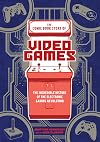
Is there anyone left who doesn’t believe that video games are a legitimate form of entertainment? Advances in graphics and animation, and a focus on storytelling and character development have made video games a truly creative and unique medium. Yet, it seems to be easy for some to dismiss video games as time wasters, or simple orgies of violence, and overlook the artistry involved in their creation.
From the electric innovations of the 19th century, to the sanity consuming Angry Birds and Minecraft, The Comic Book Story of Video Games provides a complex and entertaining look at how we arrived where we are today. Told in an immensely fun graphic novel format, the book sails through the early days of oscilloscopes and simple gameplay, through the silicon valley book, the rise of arcade games and home consoles, the birth and death of Atari, the ridiculously long-lasting success of Nintendo, and the fierce battles in the console wars.
Graphic novels are a great way to present a nonfiction story. They allow the drier, less flashy bits to be glossed over in a few images, letting the “meat” of the story shine through. Though by necessity less in-depth than a full-length book, they nevertheless provide an accessible and detailed way to tell a story. I would love for more nonfiction to be presented this way.
Most in the gaming world will find this book fascinating. The book is sprinkled with enough gaming Easter eggs to delight gamers, but even more casual gamers (or show more nongamers) will find this story incredibly interesting.
A copy of this book was provided by the publisher via Blogging for Books in exchange for an honest review. show less
From the electric innovations of the 19th century, to the sanity consuming Angry Birds and Minecraft, The Comic Book Story of Video Games provides a complex and entertaining look at how we arrived where we are today. Told in an immensely fun graphic novel format, the book sails through the early days of oscilloscopes and simple gameplay, through the silicon valley book, the rise of arcade games and home consoles, the birth and death of Atari, the ridiculously long-lasting success of Nintendo, and the fierce battles in the console wars.
Graphic novels are a great way to present a nonfiction story. They allow the drier, less flashy bits to be glossed over in a few images, letting the “meat” of the story shine through. Though by necessity less in-depth than a full-length book, they nevertheless provide an accessible and detailed way to tell a story. I would love for more nonfiction to be presented this way.
Most in the gaming world will find this book fascinating. The book is sprinkled with enough gaming Easter eggs to delight gamers, but even more casual gamers (or show more nongamers) will find this story incredibly interesting.
A copy of this book was provided by the publisher via Blogging for Books in exchange for an honest review. show less
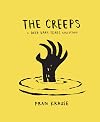
So somehow I missed Deep Dark Fears, the first book in this collection. But you had better believe that it is now on my TBR. Originally based in the Tumblr-verse, Krause collected people’s secret fears and illustrated them in innocent looking cartoon format. Deep Dark Fears was understandably popular and led to a second book featuring even more creeps, as well as a few original, longer stories, also fully realized in cartoon form.
The fears on display (some relayed anonymously, some not) run the gamut from more-or-less logical (swallowing spiders while you sleep, blerg), to anatomically unlikely (eyeballs popping out while sneezing), to the humorous (your cat ratting you out to the police). Some are funny, others are thought-provoking, others are downright creepy. All in all, this is a fun little collection that illustrates the uniqueness and the similarities in each of us.
Anyone looking for a quick afternoon’s read will likely by delighted by this fun little book. As I said earlier, I cannot wait to get my hands on the first book, and I dearly hope a third is in the works.
A copy of this book was provided by the publisher via Blogging for Books in exchange for an honest review.
The fears on display (some relayed anonymously, some not) run the gamut from more-or-less logical (swallowing spiders while you sleep, blerg), to anatomically unlikely (eyeballs popping out while sneezing), to the humorous (your cat ratting you out to the police). Some are funny, others are thought-provoking, others are downright creepy. All in all, this is a fun little collection that illustrates the uniqueness and the similarities in each of us.
Anyone looking for a quick afternoon’s read will likely by delighted by this fun little book. As I said earlier, I cannot wait to get my hands on the first book, and I dearly hope a third is in the works.
A copy of this book was provided by the publisher via Blogging for Books in exchange for an honest review.
The Great Quake: How the Biggest Earthquake in North America Changed Our Understanding of the Planet by Henry Fountain
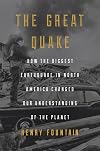
On March 27th, 1964, at 5:36pm, the most powerful earthquake in the United States (measuring a 9.2 on the Richter Scale) struck Southeastern Alaska. The quake leveled large swathes of Valdez and Anchorage, tidal waves inundated native villages (and in fact killed people as far away as California), and fires destroyed several small towns. Roads and rail lines were ripped apart, isolating entire regions of the sparsely populated state. In the aftermath of the quake, scientists studying the event would uncover data which would change how geologists viewed the world, and bring a previously dismissed theory into prominence.
This is an incredibly readable telling of the effects of the Great Alaska Earthquake, and the aftershocks felt by the scientific community after the Earth stopped shaking. Fountain has written a history book in the vein of Erik Larsen’s Isaac’s Storm. You’re going to find far more than just a tale of an Earthquake here. Fountain provides background on the major players, as well as the history of Alaska, and the fields of geology and seismology. As a result, The Great Quake is a readable and informative story of an unimaginable disaster, and the science underlying the event.
Fans of narrative nonfiction will find a lot to like here. The 1964 Alaskan earthquake is largely forgotten in the Lower 48, but the data derived from this disaster continues to reverberate into the modern day.
A copy of this book was provided by the publisher via Blogging for Books show more in exchange for an honest review. show less
This is an incredibly readable telling of the effects of the Great Alaska Earthquake, and the aftershocks felt by the scientific community after the Earth stopped shaking. Fountain has written a history book in the vein of Erik Larsen’s Isaac’s Storm. You’re going to find far more than just a tale of an Earthquake here. Fountain provides background on the major players, as well as the history of Alaska, and the fields of geology and seismology. As a result, The Great Quake is a readable and informative story of an unimaginable disaster, and the science underlying the event.
Fans of narrative nonfiction will find a lot to like here. The 1964 Alaskan earthquake is largely forgotten in the Lower 48, but the data derived from this disaster continues to reverberate into the modern day.
A copy of this book was provided by the publisher via Blogging for Books show more in exchange for an honest review. show less
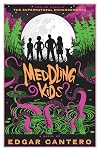
In 1977, the four teenaged members of the Blyton Summer Detective Club–Leader Pete, brainy Kerry, tough Andy (call her Andrea and die), and Nate–and their dog, solved their last case. The sightings of lake monsters and rumors of hauntings around an old house set in the middle of a deep lake turned out to be nothing more than a man in a mask. But 13 years later, the four amateur detectives are shadows of what they once were, underachieving, mentally unstable, hair trigger violent, and (in one case) dead. Long suspecting that something about their last case was not what it seemed, the surviving members of the group (and new dog, Tim) head back to the scene of the hauntings to discover the source of their nightmares. Set against an enemy who is no man in a mask, the damaged Blyton Summer Detective Club faces down ancient monsters and an imminent apocalypse.
Meddling Kids starts off facing the camera with tongue firmly planted in cheek, and remains in that pose for the entirety of this story. This is a geeky book, full of references both subtle and overt to many disparate aspects of cult horror (“fuck Salem”, indeed).
The book is touted as a mashup of Scooby Doo and H.P. Lovecraft, and largely lives up to the blurb. The four main characters are recognizable as rearranged bits and pieces from the Scooby Doo set, and the elder God and unnamable horror aspects take liberally from H.P. Lovecraft and Robert E. Howard. With a plot like that, you have a good idea where show more things are going before you start the book. However, Cantero manages not to make Meddling Kids feel tired, including enough surprises and humor to make the read enjoyable.
This is a book created for fans of cult horror. If you’re looking for something that lovingly messes with your favorite genre, add this book to your to read list! show less
Meddling Kids starts off facing the camera with tongue firmly planted in cheek, and remains in that pose for the entirety of this story. This is a geeky book, full of references both subtle and overt to many disparate aspects of cult horror (“fuck Salem”, indeed).
The book is touted as a mashup of Scooby Doo and H.P. Lovecraft, and largely lives up to the blurb. The four main characters are recognizable as rearranged bits and pieces from the Scooby Doo set, and the elder God and unnamable horror aspects take liberally from H.P. Lovecraft and Robert E. Howard. With a plot like that, you have a good idea where show more things are going before you start the book. However, Cantero manages not to make Meddling Kids feel tired, including enough surprises and humor to make the read enjoyable.
This is a book created for fans of cult horror. If you’re looking for something that lovingly messes with your favorite genre, add this book to your to read list! show less
Frankenstein Dreams: A Connoisseur's Collection of Victorian Science Fiction (The Connoisseur's Collections) by Michael Sims
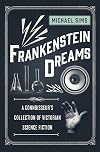
So what did science fiction look like when modern science was still in its infancy? Michael Sims has put together a collection of 19th century short science fiction stories that illustrate not only the breadth and the creativity of the field prior to the turn of the 20th century, but also the creepy prescience of some of the writers (if not for strict scientific fact, then for topics that would remain scifi staples into the current day).
In this collection we find mechanical brides made to order, vicious monsters awaiting daring pilots in the upper levels of the atmosphere, superhuman senses, alternate dimensions, strange aliens, time travel, and apocalyptic plagues and disasters. The stories, which include samples from authors like Mary Shelley, Edgar Allen Poe, Jules Verne, and Rudyard Kipling, range from chapter excerpts to short stories to stories fashioned so like news items that, War of the Worlds-style, many people accepted them as fact.
My biggest complaint is that for the bigger names in the collection, clearly selected for their name recognition to the larger public, Sims has largely chosen to include only bits of chapters from their most famous works. As someone who looks to these collections to find little known authors or stories, this was a bit frustrating. I would have preferred something a little more off the beaten path.
Fans of Victorian literature and scifi buffs should check this volume out. In these stories, we can see the seed of inspiration for a show more number of modern tales.
A copy of this book was provided by the publisher via Goodreads Giveaways in exchange for an honest review. show less
In this collection we find mechanical brides made to order, vicious monsters awaiting daring pilots in the upper levels of the atmosphere, superhuman senses, alternate dimensions, strange aliens, time travel, and apocalyptic plagues and disasters. The stories, which include samples from authors like Mary Shelley, Edgar Allen Poe, Jules Verne, and Rudyard Kipling, range from chapter excerpts to short stories to stories fashioned so like news items that, War of the Worlds-style, many people accepted them as fact.
My biggest complaint is that for the bigger names in the collection, clearly selected for their name recognition to the larger public, Sims has largely chosen to include only bits of chapters from their most famous works. As someone who looks to these collections to find little known authors or stories, this was a bit frustrating. I would have preferred something a little more off the beaten path.
Fans of Victorian literature and scifi buffs should check this volume out. In these stories, we can see the seed of inspiration for a show more number of modern tales.
A copy of this book was provided by the publisher via Goodreads Giveaways in exchange for an honest review. show less
I remember when I was first presented with the necessity of moving to Pittsburgh. I was a New England girl born and raised, but the possibility of securing a job in my field (probably a bad idea to major in anthropology) was enough to have me seriously considering the move to (in my New England mindframe) the middle of the country. But . . . Pittsburgh, I said to myself. I pictured post-apocalyptic visions of smokestack-strewn horizons, coal blackened skies and landscapes, the dirty grime of hundreds of years of industry. The reassuring and vague “It’s not like that anymore” from my then-boyfriend (now husband) did little to instill confidence in our new home.
Then we arrived. And all my misgivings and preconceptions faded away. It was a clear, bright midautumn day, the leaves, though not as brilliant as those I’d left behind, marched in colorful ranks up and over the hills. The gleaming US Steel Tower (the locals refuse to call it anything else, no matter who owns it), the castle-like PPG building and the art deco Gulf building dominated the downtown skyline. Bridges of yellow and blue, constructed solidly from (local) steel and concrete sprouted along the rivers like crepe paper. And the hills . . . we were moving to the neighborhood of Mt. Washington (which is extra hilarious for New Englanders) and it seemed that no surface was too vertical to build on. Houses and shops hung from the side of cliffs, streets marched uphill and turned into staircases when the show more grade became too steep for cars. At night, the city spread out around us both horizontally and vertically, a sight one might associate more with a Rio de Janeiro than a mid-Atlantic American city.
Pittsburgh is a city rooted in its past. Rail lines, old factories, and other evidence of bygone industry haunt the landscape. But Pittsburgh is also one of the fortunate cities in the “Rust Belt” to largely avoid the economic crash so many other places still face. The natural gas and medical industries employ thousands. Google, Uber, and other world-class companies have headquarters here. The city may see itself as a hardhat-wearing, steelmill-working tough guy, but it is also a self-driving-car test ground, a farm-to-table giant, a craft beer haven, and a foodie paradise. These two disparate parts of Pittsburgh coexist, sometimes cordially, sometimes not, and those who have lived their lives here feel the pressure to decide which path the city will ultimately take.
Wigle Whiskey embodies this dichotomy. Started as a family enterprise in 2011, Wigle sought out Pittsburgh’s deep distilling roots (the city was once the rye whiskey capital of the country, before rye was superseded by Kentucky bourbon) while embracing the city’s future (the craft spirits revolution is proceeding quite similarly to the craft beer revolution a few decades ago). The name evokes Pittsburgh’s very beginnings, named after an actor in the Whiskey Rebellion, where local distillers (violently) protested a federal tax placed on whiskey stills.
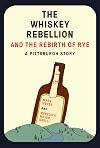
The Whiskey Rebellion and the Rebirth of Rye (I was bound to get to the book eventually) is a love story both to the city of Pittsburgh and the craft of making spirits. The book begins with a brief overview of The Whiskey Rebellion (for a more in depth look, you can check out William Hogeland’s The Whisky Rebellion), as well as the history of the Overholt family (Old Overholt Whiskey being one of the oldest whiskeys continuously distilled in the United States). The book then gives us an insight into the current state of craft brewing, and the challenges and niches that make distilling both difficult and rewarding. The book finishes with a number of drink recipes (huzzah!) for the dedicated liquor enthusiast.
Meredith Meyer Grelli, who is one of the founders of Wigle Whiskey, is a person enthusiastically in love with her work and her home city, and this loves shines throughout the book. Anyone who has heard her speak at one of the distillery tours knows the level of enthusiasm she brings to the craft, and she carries that enthusiasm over into the written word. Anybody interested in a quick, readable history of the Pittsburgh region and craft distilling should find this book entertaining and informative. And if you’re in the area, be sure to stop by the distillery for a cocktail, a flight, and a tour. The rich history of this city deserves to be celebrated.
A copy of this book was provided by the author in exchange for an honest review. show less
Then we arrived. And all my misgivings and preconceptions faded away. It was a clear, bright midautumn day, the leaves, though not as brilliant as those I’d left behind, marched in colorful ranks up and over the hills. The gleaming US Steel Tower (the locals refuse to call it anything else, no matter who owns it), the castle-like PPG building and the art deco Gulf building dominated the downtown skyline. Bridges of yellow and blue, constructed solidly from (local) steel and concrete sprouted along the rivers like crepe paper. And the hills . . . we were moving to the neighborhood of Mt. Washington (which is extra hilarious for New Englanders) and it seemed that no surface was too vertical to build on. Houses and shops hung from the side of cliffs, streets marched uphill and turned into staircases when the show more grade became too steep for cars. At night, the city spread out around us both horizontally and vertically, a sight one might associate more with a Rio de Janeiro than a mid-Atlantic American city.
Pittsburgh is a city rooted in its past. Rail lines, old factories, and other evidence of bygone industry haunt the landscape. But Pittsburgh is also one of the fortunate cities in the “Rust Belt” to largely avoid the economic crash so many other places still face. The natural gas and medical industries employ thousands. Google, Uber, and other world-class companies have headquarters here. The city may see itself as a hardhat-wearing, steelmill-working tough guy, but it is also a self-driving-car test ground, a farm-to-table giant, a craft beer haven, and a foodie paradise. These two disparate parts of Pittsburgh coexist, sometimes cordially, sometimes not, and those who have lived their lives here feel the pressure to decide which path the city will ultimately take.
Wigle Whiskey embodies this dichotomy. Started as a family enterprise in 2011, Wigle sought out Pittsburgh’s deep distilling roots (the city was once the rye whiskey capital of the country, before rye was superseded by Kentucky bourbon) while embracing the city’s future (the craft spirits revolution is proceeding quite similarly to the craft beer revolution a few decades ago). The name evokes Pittsburgh’s very beginnings, named after an actor in the Whiskey Rebellion, where local distillers (violently) protested a federal tax placed on whiskey stills.
The Whiskey Rebellion and the Rebirth of Rye (I was bound to get to the book eventually) is a love story both to the city of Pittsburgh and the craft of making spirits. The book begins with a brief overview of The Whiskey Rebellion (for a more in depth look, you can check out William Hogeland’s The Whisky Rebellion), as well as the history of the Overholt family (Old Overholt Whiskey being one of the oldest whiskeys continuously distilled in the United States). The book then gives us an insight into the current state of craft brewing, and the challenges and niches that make distilling both difficult and rewarding. The book finishes with a number of drink recipes (huzzah!) for the dedicated liquor enthusiast.
Meredith Meyer Grelli, who is one of the founders of Wigle Whiskey, is a person enthusiastically in love with her work and her home city, and this loves shines throughout the book. Anyone who has heard her speak at one of the distillery tours knows the level of enthusiasm she brings to the craft, and she carries that enthusiasm over into the written word. Anybody interested in a quick, readable history of the Pittsburgh region and craft distilling should find this book entertaining and informative. And if you’re in the area, be sure to stop by the distillery for a cocktail, a flight, and a tour. The rich history of this city deserves to be celebrated.
A copy of this book was provided by the author in exchange for an honest review. show less
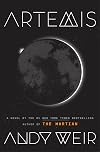
Life isn’t easy on the moon. Jasmine “Jazz” Bashara has lived in Artemis, the only lunar city, since she was six years old. The daughter of a respected welder, poor life choices have led Jazz down a path of near poverty and petty crime. When one of Artemis’ most wealthy citizens offers her a ridiculous amount of money to commit a serious crime, Jazz can’t say no. But getting the job done is only the start of her problems. Big, shadowy players are operating behind the scenes, and this caper could put Artemis itself in grave danger.
I loved Andy Weir’s previous novel, The Martian. Weir’s mix of science, outer space, and sarcastic humor made his modern day Robinson Crusoe story ridiculously fun. Artemis is more of the same, but now Weir had given us a heist novel . . . In Space!
Jazz Bashara is five and a half feet of sarcastic supergenius, a young woman who blew her considerable potential in poorly-managed teenage rebellion. Using her considerable intellect to skirt along the edges of lawful lunar society, her goal is to get away from the day to day scrape of bottom-rung existence. Bring on the “one last big job” from a ridiculously wealthy client, and the heist begins.
Weir has again based his world in (what seems to my non-sciencey self) wonderfully realistic detail. As the ins and outs of Artemis are explained, we begin to see how the first human settlement on the moon might operate (I’m sure Neil deGrasse Tyson will rip the science apart, but hey). show more Jazz is a very similar character to The Martian’s Mark Watney, but sarcastic, smart characters really appeal to me, so I don’t mind,
Fans of The Martian or smart science fiction will probably really enjoy this book. We’re heading into new and uncharted territory in real-life space exploration, so I for one want to read all the realistic sci-fi in can get my mitts on.
An advance copy of this book was provided by the publisher in exchange for an honest review. show less
I loved Andy Weir’s previous novel, The Martian. Weir’s mix of science, outer space, and sarcastic humor made his modern day Robinson Crusoe story ridiculously fun. Artemis is more of the same, but now Weir had given us a heist novel . . . In Space!
Jazz Bashara is five and a half feet of sarcastic supergenius, a young woman who blew her considerable potential in poorly-managed teenage rebellion. Using her considerable intellect to skirt along the edges of lawful lunar society, her goal is to get away from the day to day scrape of bottom-rung existence. Bring on the “one last big job” from a ridiculously wealthy client, and the heist begins.
Weir has again based his world in (what seems to my non-sciencey self) wonderfully realistic detail. As the ins and outs of Artemis are explained, we begin to see how the first human settlement on the moon might operate (I’m sure Neil deGrasse Tyson will rip the science apart, but hey). show more Jazz is a very similar character to The Martian’s Mark Watney, but sarcastic, smart characters really appeal to me, so I don’t mind,
Fans of The Martian or smart science fiction will probably really enjoy this book. We’re heading into new and uncharted territory in real-life space exploration, so I for one want to read all the realistic sci-fi in can get my mitts on.
An advance copy of this book was provided by the publisher in exchange for an honest review. show less
This is the second book in the Carter & Lovecraft Series, and so there are going to be massive, earth-shattering spoilers for the first book in this review. Go ahead and read the first book, then . This review will still be here when you’re ready.
___________________________________________________________________________________
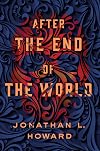
I’m a huge fan of Jonathan L. Howard’s books. In his Johannes Cabal series, you found yourself cheering on a cold, calculating sociopathic necromancer (you can read my review of The Fall of the House of Cabal here). The Carter & Lovecraft series introduces us to Emily Lovecraft (descendant of H.P. Lovecraft) and Daniel Carter (descendant of Randolph Carter). After the events of the last book, Carter and Lovecraft have found themselves in the “unfolded” world, where H.P. Lovecraft wasn’t so much a writer of weird fiction as a historian. Rather than Providence, Rhode Island, they now live in Arkham, Massachusetts, and Innsmouth, Kingsport, and Dunwich are right down the road.
Weird deaths and disappearances, machinations of the elder gods, and fraught archaeology are the leas of their problems however. It seems in this world, the Third Reich developed nuclear weapons in 1941, wiped out Russia in a single blow, and ended the second world war before it had really begun. As a result, the United States finds itself an ally of the Nazis, Britain is an inconsequential former power, France is in ruins, and much of Europe and Asia are ruled by show more Axis powers. Oh, and there are Nazis. No matter how picturesque Arkham may be compared to Providence, Lovecraft and Carter are determined to “fold” reality back into proper place and ensure that the Nazis don’t rise to become a modern global power.
The first book in the series was a bit long an meandering, but it did have a wonderfully brilliant character in Emily Lovecraft. Most books that use H.P. Lovecraft’s writings as inspiration tend to overlook the author’s racism and his discomfort with women. I’m a fan of Lovecraft’s work, but he is certainly problematic as a person. Yes, yes, he was writing in the ’20s and ’30s when racism was the norm, but he did express admiration for parts of the Nazi agenda prior to his death. And there’s more than one of his stories that reveals his dread of thinking of the “pure” white race being diluted and corrupted with “lesser” races/species.
Howard takes a full on look at this aspect of H.P. Lovecraft’s writing. He doesn’t dismiss or excuse it, and through the character of Emily Lovecraft, he points out these issues, and brings them front and center into the plot.
This is on full display in After the End of the World, where Emily (who is black) finds herself in a world where calling someone a Nazi is unconscionably rude (they prefer to call it the N-word), but where calling her a very degrading world for a black person, which I will not write in this blog, is completely acceptable. More than once, she makes a comment about finding a way back to the real world, so she no longer has “to be nice to Nazis.” If you’ve been watching the news at all in the past year, I’m sure a great many of you share that sentiment.
This book is quite a bit more fun than the previous one. In addition, the parallels to the current political climate in the US and abroad (which I do believe to be intentional on Mr. Howard’s part) make for grim, but fascinating reading. What would it look like if the Nazi’s had remained a world power? If Hitler hadn’t killed himself in his bunker but had lived on to shape the future of the Third Reich? Not to put too fine a point on it, but I think it may look similar to America under the Trump administration.
Jonathan L. Howard fans, especially those who read Carter & Lovecraft, should absolutely read this book. Even if you weren’t the biggest fan of the first book, I find this one to be much more entertaining, and the series deserves anther try. If this book sounds intriguing to you and you haven’t read the previous one, I really do encourage you to read that first, to get to know the main characters a bit better.
An advance copy of this book was provided by the publisher in exchange for an honest review. show less
___________________________________________________________________________________
I’m a huge fan of Jonathan L. Howard’s books. In his Johannes Cabal series, you found yourself cheering on a cold, calculating sociopathic necromancer (you can read my review of The Fall of the House of Cabal here). The Carter & Lovecraft series introduces us to Emily Lovecraft (descendant of H.P. Lovecraft) and Daniel Carter (descendant of Randolph Carter). After the events of the last book, Carter and Lovecraft have found themselves in the “unfolded” world, where H.P. Lovecraft wasn’t so much a writer of weird fiction as a historian. Rather than Providence, Rhode Island, they now live in Arkham, Massachusetts, and Innsmouth, Kingsport, and Dunwich are right down the road.
Weird deaths and disappearances, machinations of the elder gods, and fraught archaeology are the leas of their problems however. It seems in this world, the Third Reich developed nuclear weapons in 1941, wiped out Russia in a single blow, and ended the second world war before it had really begun. As a result, the United States finds itself an ally of the Nazis, Britain is an inconsequential former power, France is in ruins, and much of Europe and Asia are ruled by show more Axis powers. Oh, and there are Nazis. No matter how picturesque Arkham may be compared to Providence, Lovecraft and Carter are determined to “fold” reality back into proper place and ensure that the Nazis don’t rise to become a modern global power.
The first book in the series was a bit long an meandering, but it did have a wonderfully brilliant character in Emily Lovecraft. Most books that use H.P. Lovecraft’s writings as inspiration tend to overlook the author’s racism and his discomfort with women. I’m a fan of Lovecraft’s work, but he is certainly problematic as a person. Yes, yes, he was writing in the ’20s and ’30s when racism was the norm, but he did express admiration for parts of the Nazi agenda prior to his death. And there’s more than one of his stories that reveals his dread of thinking of the “pure” white race being diluted and corrupted with “lesser” races/species.
Howard takes a full on look at this aspect of H.P. Lovecraft’s writing. He doesn’t dismiss or excuse it, and through the character of Emily Lovecraft, he points out these issues, and brings them front and center into the plot.
This is on full display in After the End of the World, where Emily (who is black) finds herself in a world where calling someone a Nazi is unconscionably rude (they prefer to call it the N-word), but where calling her a very degrading world for a black person, which I will not write in this blog, is completely acceptable. More than once, she makes a comment about finding a way back to the real world, so she no longer has “to be nice to Nazis.” If you’ve been watching the news at all in the past year, I’m sure a great many of you share that sentiment.
This book is quite a bit more fun than the previous one. In addition, the parallels to the current political climate in the US and abroad (which I do believe to be intentional on Mr. Howard’s part) make for grim, but fascinating reading. What would it look like if the Nazi’s had remained a world power? If Hitler hadn’t killed himself in his bunker but had lived on to shape the future of the Third Reich? Not to put too fine a point on it, but I think it may look similar to America under the Trump administration.
Jonathan L. Howard fans, especially those who read Carter & Lovecraft, should absolutely read this book. Even if you weren’t the biggest fan of the first book, I find this one to be much more entertaining, and the series deserves anther try. If this book sounds intriguing to you and you haven’t read the previous one, I really do encourage you to read that first, to get to know the main characters a bit better.
An advance copy of this book was provided by the publisher in exchange for an honest review. show less
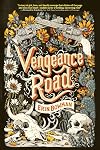
Kate Thompson returns home in time to find her father dead, hanging from a mesquite tree, and the family homestead burned to the ground. The celebratory yells of the gunman who killed him still echoing off the dry Arizona land. Swearing vengeance, and vowing to recover her father’s stolen journal, Kate sets off after the gang with rifle in hand. As her questions for revenge becomes entangled with a legendary gold mine, revelations about Kate’s family force her to question everything she has known.
Usually when you hear a book described as “gritty”, you think of a detective novel with a high functioning alcoholic detective and a female lead who resembles a poisonous spider. However, when I say that Vengeance Road is gritty, I mean it in the most literal sense. Bowman paints the thinnest coat of romanticism over her descriptions of life on the frontier. For the most part, she invites us to look closely at the dirt, the stench, the whores, the casual violence, the racism, and the cheapness of life past the edge of “civilization.” I love it.
Her descriptions of the desert, the mountains, and the canyons on Kate’s journey are clearly written by someone in love with the harsh beauty of the American Southwest. Bowman also weaves local legends into her story, rooting it even more firmly into the red Arizona soil.
So yes, this is a YA book, but I found it very enjoyable for even those beyond the YA years (except for bits of the obligatory will they/won’t they love show more story, sigh . . . Though Bowman does handle that as darkly as the rest of the story). Finding a good western is hard these days, the genre has gone out of fashion of late. For YA lovers, this is a great way to introduce yourself to a new (old) genre.
A copy of this book was provided by the publisher via Goodreads Giveaways in exchange for an honest review. show less
Usually when you hear a book described as “gritty”, you think of a detective novel with a high functioning alcoholic detective and a female lead who resembles a poisonous spider. However, when I say that Vengeance Road is gritty, I mean it in the most literal sense. Bowman paints the thinnest coat of romanticism over her descriptions of life on the frontier. For the most part, she invites us to look closely at the dirt, the stench, the whores, the casual violence, the racism, and the cheapness of life past the edge of “civilization.” I love it.
Her descriptions of the desert, the mountains, and the canyons on Kate’s journey are clearly written by someone in love with the harsh beauty of the American Southwest. Bowman also weaves local legends into her story, rooting it even more firmly into the red Arizona soil.
So yes, this is a YA book, but I found it very enjoyable for even those beyond the YA years (except for bits of the obligatory will they/won’t they love show more story, sigh . . . Though Bowman does handle that as darkly as the rest of the story). Finding a good western is hard these days, the genre has gone out of fashion of late. For YA lovers, this is a great way to introduce yourself to a new (old) genre.
A copy of this book was provided by the publisher via Goodreads Giveaways in exchange for an honest review. show less
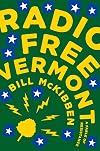
Welcome to Vermont in the winter of 2017. Donald Trump has been elected president, the winters are more midatlantic mudfest than snowy paradise, and the strange, unique state of Vermont seems more and more in danger of becoming just another bland American state. Enter Vern Barclay, 70 year old radio show host and current leader of a quiet underground movement seeking a free, independent republic of Vermont. Vern comes into his activism more by accident than by malicious intent, but before he knows it, he has become the leader of a movement dedicated to keeping Vermont small, fair, weird, beautiful, and free.
As a University of Vermont alumna and as a former resident of the state, I always enjoy reading stories focused on my former home. McKibben has created a small, odd tale of resistance that mirrors the small, odd state of its setting. Even when I lived in Vermont (which is about a decade ago, now), you could walk into a restaurant and know exactly where the food you were eating came from. Vermont was a localvore haven long before the word was invented. The state is home to way more microbreweries and distilleries than you think you may need. The funky, friendly, live-and-let-live attitude of the majority of the state means that you can have your hippy-dippy Subaru and co-op grocery, and your handguns too. Add to all this the fact that Vermont, being small yet mighty, has made overtures of independence and succession in the past. In fact, one area of the state, called show more the Northeast Kingdom gets its name from an unsuccessful attempt at sovereignty when the country was young.
What we have in Radio Free Vermont is an uplifting (though very, very white) story of resistance Vermont style, involving calm discussion, reasoned arguments, lots of local beer, minor property damage, cross country skiers, and no violence. This is a resistance with an undercurrent of subtle Yankee humor. This is a resistance of the intimately local, and of neighborly cooperation. It is not loud, or violent, but it is the spark of something beautiful and funny that helps light the darkness of our current times.
An advance copy of this book was provided by the publisher via Goodreads Giveaways in exchange for an honest review. show less
As a University of Vermont alumna and as a former resident of the state, I always enjoy reading stories focused on my former home. McKibben has created a small, odd tale of resistance that mirrors the small, odd state of its setting. Even when I lived in Vermont (which is about a decade ago, now), you could walk into a restaurant and know exactly where the food you were eating came from. Vermont was a localvore haven long before the word was invented. The state is home to way more microbreweries and distilleries than you think you may need. The funky, friendly, live-and-let-live attitude of the majority of the state means that you can have your hippy-dippy Subaru and co-op grocery, and your handguns too. Add to all this the fact that Vermont, being small yet mighty, has made overtures of independence and succession in the past. In fact, one area of the state, called show more the Northeast Kingdom gets its name from an unsuccessful attempt at sovereignty when the country was young.
What we have in Radio Free Vermont is an uplifting (though very, very white) story of resistance Vermont style, involving calm discussion, reasoned arguments, lots of local beer, minor property damage, cross country skiers, and no violence. This is a resistance with an undercurrent of subtle Yankee humor. This is a resistance of the intimately local, and of neighborly cooperation. It is not loud, or violent, but it is the spark of something beautiful and funny that helps light the darkness of our current times.
An advance copy of this book was provided by the publisher via Goodreads Giveaways in exchange for an honest review. show less
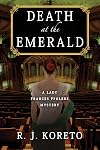
This is the third book in the Lady Frances Ffolkes series. Expect spoilers for the first two books in the review below!
________________________________________________________________________________
Lady Frances is still turning heads. Having returned to London after the events of the last book, she seeks a way to turn her experience solving mysteries into something of a detective role. Gossip having arrived before she did, Lady Frances soon finds herself helping an elderly dowager find her daughter, missing for over thirty years. Taking to the case with enthusiasm, Lady Frances and her loyal maid, June Mallow dive into the world of theatre, moving pictures, secret pacts, and mysterious stalkers. Determined to prove that she is capable of becoming a real-life “Lady Sherlock,” Lady Frances refuses to give up the hunt, even as her own safety is threatened.
I love this series. R.J. Koreto, who also writes the Alice and the Assassin series, does a great female lead. Lady Frances is forward and clever, but her intellect is human, and does not ascend the remote and reptilian heights employed by a Sherlock Holmes. Lady Frances makes mistakes, and overlooks clues, but her tenacity and quick mind generally lead her aright. As a result, the character is very relatable. Rather than feeling like the protagonist is so far beyond you as to be a separate species all together, Lady Frances is like the clever friend you always like spending time with.
June Mallow is also a lovely show more character. Where Lady Frances holds her strength in her boldness and willingness to write her own rulebook, Mallow finds her strength in quiet determination and an unflagging loyalty to those she loves. The relationship between both characters is the best kind of friendship, where each character’s strengths are offset by the other’s weaknesses, and vice versa. The two women may exasperate one another on occasion, but by and large they function much better together.
Fans of female-fronted mystery series will love this book. Fans of Victoria Thompson and Deanna Raybourn should definitely add this book to their TBR lists!
An advance copy of this book was provided by the author in exchange for an honest review. show less
________________________________________________________________________________
Lady Frances is still turning heads. Having returned to London after the events of the last book, she seeks a way to turn her experience solving mysteries into something of a detective role. Gossip having arrived before she did, Lady Frances soon finds herself helping an elderly dowager find her daughter, missing for over thirty years. Taking to the case with enthusiasm, Lady Frances and her loyal maid, June Mallow dive into the world of theatre, moving pictures, secret pacts, and mysterious stalkers. Determined to prove that she is capable of becoming a real-life “Lady Sherlock,” Lady Frances refuses to give up the hunt, even as her own safety is threatened.
I love this series. R.J. Koreto, who also writes the Alice and the Assassin series, does a great female lead. Lady Frances is forward and clever, but her intellect is human, and does not ascend the remote and reptilian heights employed by a Sherlock Holmes. Lady Frances makes mistakes, and overlooks clues, but her tenacity and quick mind generally lead her aright. As a result, the character is very relatable. Rather than feeling like the protagonist is so far beyond you as to be a separate species all together, Lady Frances is like the clever friend you always like spending time with.
June Mallow is also a lovely show more character. Where Lady Frances holds her strength in her boldness and willingness to write her own rulebook, Mallow finds her strength in quiet determination and an unflagging loyalty to those she loves. The relationship between both characters is the best kind of friendship, where each character’s strengths are offset by the other’s weaknesses, and vice versa. The two women may exasperate one another on occasion, but by and large they function much better together.
Fans of female-fronted mystery series will love this book. Fans of Victoria Thompson and Deanna Raybourn should definitely add this book to their TBR lists!
An advance copy of this book was provided by the author in exchange for an honest review. show less
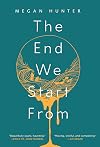
Catastrophic environmental change has brought biblical floods to London. As the city succumbs to the water, a woman gives birth to a baby boy, who she and her husband name Z. As the flood waters continue to rise, the woman and her husband must flee the city with a days old baby in search of safety and higher ground. As Z grows from baby to toddler, the family is forced to find new refuge again and again.
Okay. This was not my type of book. The writing is excellent, Hunter has a minimalist style that is somewhere between a steam of consciousness narrative and a poem. The cataclysmic destruction of the English landscape fades into background noise against the interaction of the woman and her son. But as someone who is not exactly baby-friendly, there are waaaaaaay too many descriptions of baby bowel movements for my peace of mind. Honestly, the whole “children are the future” thing seems a little overly optimistic when the planet is literally falling apart around you.
But, I’m absolutely willing to admit that most of the problems I had with this book stem from my own anti-baby tendencies. The book is truly beautifully written, and showcases a legitimate debut talent. The steam of consciousness reminds me a bit of The Diver’s Clothes Lie Empty by Vendela Vida. While this book was not up my alley, I would be excited to read Hunter’s future works.
A copy of this book was provided by the publisher in exchange for an honest review.
Okay. This was not my type of book. The writing is excellent, Hunter has a minimalist style that is somewhere between a steam of consciousness narrative and a poem. The cataclysmic destruction of the English landscape fades into background noise against the interaction of the woman and her son. But as someone who is not exactly baby-friendly, there are waaaaaaay too many descriptions of baby bowel movements for my peace of mind. Honestly, the whole “children are the future” thing seems a little overly optimistic when the planet is literally falling apart around you.
But, I’m absolutely willing to admit that most of the problems I had with this book stem from my own anti-baby tendencies. The book is truly beautifully written, and showcases a legitimate debut talent. The steam of consciousness reminds me a bit of The Diver’s Clothes Lie Empty by Vendela Vida. While this book was not up my alley, I would be excited to read Hunter’s future works.
A copy of this book was provided by the publisher in exchange for an honest review.
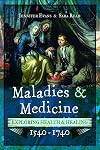
Europe in the 1600s was a strange place to be. Science and empirical data were beginning to subsume old superstition. The invention of the microscope opened up a whole new world to human sight. Discoveries in physics, medicine, and other fields slowly brought Europe into the modern age. But for a time, superstition and science existed as awkward bedfellows. Doctors tried to balance the ancient medical theories of Galen and Hippocrates with new, scientifically gathered data. It is this awkward stage that is front and center in Maladies and Medicine.
This is a straight-up history book. While the authors certainly inject frivolity and humor into the book, this is meant more for the dedicated history buff, and not for the casual reader. Evans and Reed, while admitting to the books limitations in scope (it’s a big topic), include a vast amount of information, conveniently divvied up by disease. The authors also delve into the differences between medical doctors, surgeons, midwives and other practicing women, and the unofficial medical practitioners. Each has their own origin and medical views, and it is curious to see when they agree, disagree, and borrow from one another.
History buffs will find a lot of great information (and a lot of cringe-worthy knowledge) in this book. If you’re interested in medieval history or medical history, this book is a great addition to your TBR. However, if you’re looking for a similar book for a more casual reader, you should check out show more Quackery by Lydia Kang.
An advance copy of this book was provided by the publisher via NetGalley in exchange for an honest review. show less
This is a straight-up history book. While the authors certainly inject frivolity and humor into the book, this is meant more for the dedicated history buff, and not for the casual reader. Evans and Reed, while admitting to the books limitations in scope (it’s a big topic), include a vast amount of information, conveniently divvied up by disease. The authors also delve into the differences between medical doctors, surgeons, midwives and other practicing women, and the unofficial medical practitioners. Each has their own origin and medical views, and it is curious to see when they agree, disagree, and borrow from one another.
History buffs will find a lot of great information (and a lot of cringe-worthy knowledge) in this book. If you’re interested in medieval history or medical history, this book is a great addition to your TBR. However, if you’re looking for a similar book for a more casual reader, you should check out show more Quackery by Lydia Kang.
An advance copy of this book was provided by the publisher via NetGalley in exchange for an honest review. show less
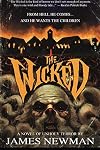
David and Kate Little are looking for a fresh start after encountering violence in their hometown of New York City. Moving themselves and their small daughter to Morganville, North Carolina, David and the pregnant Kate hope to put the demons of the past behind them. Unfortunately, Morganville is a small town with something rotten growing within it. As bizarre deaths and behavior sweep across the small town, David and Kate find themselves at the epicenter of a demonic force which seeks to destroy everything they hold dear.
The Wicked is pure, delightful camp. Newman has confessed to being a big fan of the cult horror books of the ’70s and ’80s, and this book is a fun, gruesome ode to the very best examples of the genre. Newman largely leaves tongue outside of cheek, letting the plot develop in all its disgusting, violent glory. But every now and again, a blazing light of self-awareness winks through the story, letting the reader know that Newman knows exactly what he is doing, and he is loving every minute of it.
Fans of cult horror (think Robert McCammon, or early Stephen King) will love this book. Horror fans as well should rejoice that a generally derided genre is getting such a strong new entry. With the rabid popularity of the It movie, and the delightfully funny rise of Grady Hendrix (my review of his delightful Horrorstor can be found here), it seems like the horror genre might well be on the cusp of a renaissance. I, for one, cannot wait to see how all this plays show more out. show less
The Wicked is pure, delightful camp. Newman has confessed to being a big fan of the cult horror books of the ’70s and ’80s, and this book is a fun, gruesome ode to the very best examples of the genre. Newman largely leaves tongue outside of cheek, letting the plot develop in all its disgusting, violent glory. But every now and again, a blazing light of self-awareness winks through the story, letting the reader know that Newman knows exactly what he is doing, and he is loving every minute of it.
Fans of cult horror (think Robert McCammon, or early Stephen King) will love this book. Horror fans as well should rejoice that a generally derided genre is getting such a strong new entry. With the rabid popularity of the It movie, and the delightfully funny rise of Grady Hendrix (my review of his delightful Horrorstor can be found here), it seems like the horror genre might well be on the cusp of a renaissance. I, for one, cannot wait to see how all this plays show more out. show less
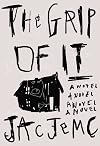
I got this book as part of the Nocturnal Reader’s Box August haul, and I was so excited to read it. I love me a good haunted house book, and this one promised to deliver something original.
Julie and James are your typical couple, who decide to move from the city to the suburbs after some personal troubles. They come across the perfect house at a too-good-to-be-believed price (I’m sure you can guess where we’re headed from here). The house comes complete with mysterious hidden passages and rooms, a creepy neighbor, strange children playing in the woods, trees that slowly creep up on the house, an unmarked grave, and a rotten spot in the basement that seems to be growing in size. As events spiral out of control, it becomes less clear if it is the house or the people living in it who are haunted.
This book was so so so much fun! I started reading it at night while home alone (a terrible, terrible idea). I had to stop the book, sleep with the lights on, and then finish it the next morning sitting in a pool of sunshine. There are some truly creepy moments in this book, especially for those of us (like me) who recently bought an older house.
The book is told in alternating first-person chapters from both Julie and James’ points of view. Sometimes events overlap, and sometimes what happens seems to be at odds with what the other is experiencing. The tone of the book begins in a fairly straightforward manner, but both Julie and James’ narratives begin breaking down as the show more story moves along. All in all, the book reminds me of House of Leaves by MarK Z. Danielewski, but without all the superfluous bits that distracted from the story. The Grip of It is a bare bones, scary as hell story. show less
Julie and James are your typical couple, who decide to move from the city to the suburbs after some personal troubles. They come across the perfect house at a too-good-to-be-believed price (I’m sure you can guess where we’re headed from here). The house comes complete with mysterious hidden passages and rooms, a creepy neighbor, strange children playing in the woods, trees that slowly creep up on the house, an unmarked grave, and a rotten spot in the basement that seems to be growing in size. As events spiral out of control, it becomes less clear if it is the house or the people living in it who are haunted.
This book was so so so much fun! I started reading it at night while home alone (a terrible, terrible idea). I had to stop the book, sleep with the lights on, and then finish it the next morning sitting in a pool of sunshine. There are some truly creepy moments in this book, especially for those of us (like me) who recently bought an older house.
The book is told in alternating first-person chapters from both Julie and James’ points of view. Sometimes events overlap, and sometimes what happens seems to be at odds with what the other is experiencing. The tone of the book begins in a fairly straightforward manner, but both Julie and James’ narratives begin breaking down as the show more story moves along. All in all, the book reminds me of House of Leaves by MarK Z. Danielewski, but without all the superfluous bits that distracted from the story. The Grip of It is a bare bones, scary as hell story. show less
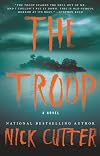
Scout Master Tim Riggs is taking his Boy Scout Troop for their annual camping trip on remote, deserted Falstaff Island. Unknown to him and his scouts, someone else is on the way to the island, a man carrying a bioengineered monster inside him. When the creature bursts free, the scouts find themselves in a swiftly disintegrating situation between the creatures and their own worst tendencies.
Nick Cutter is a crazy talented horror writer. The man is a master of visceral, gut churning horror. The Troop is a grotesque (I mean that in the best possible way) mixture of Lord of the Flies, Jurassic Park, and The Andromeda Strain. The creatures are single-minded and horribly efficient, but the scouts, freed from any adult supervision, are nearly as monstrous.
Horror fans, this book is for you. I’m so happy to see the genre reinvigorated by new authors like Nick Cutter. If you are queasy or you shy away from blood, guts, and gore, then maybe consider looking elsewhere. If on the other hand, you find yourself longing for a shit yourself scary monster story, then look no further.
Nick Cutter is a crazy talented horror writer. The man is a master of visceral, gut churning horror. The Troop is a grotesque (I mean that in the best possible way) mixture of Lord of the Flies, Jurassic Park, and The Andromeda Strain. The creatures are single-minded and horribly efficient, but the scouts, freed from any adult supervision, are nearly as monstrous.
Horror fans, this book is for you. I’m so happy to see the genre reinvigorated by new authors like Nick Cutter. If you are queasy or you shy away from blood, guts, and gore, then maybe consider looking elsewhere. If on the other hand, you find yourself longing for a shit yourself scary monster story, then look no further.
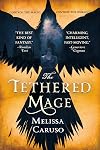
Amalia Cornaro is heir to a great family name, wealth, and untold political influence within the Raverran Empire. However, she has been content to leave most of the political machinations to her brilliant and ruthless mother, and concentrate on her studies of arcane magic. However, when a powerful fire warlock threatens the city of Raverra, Amalia finds herself drafted into containing the warlock’s magic, and in so doing inadvertently becomes a “Falconer”, tethered to the fire warlock and responsible for controlling her powers. Thrown into the middle of a political firestorm (couldn’t help myself), Amalia must use everything her mother ever taught her to prevent a civil war within the empire she loves.
This was an enormously fun fantasy novel, and is the first in the new series. Surprisingly, this is also Melissa Caruso’s debut novel. The story, while ostensibly YA, manages to avoid the pitfalls so common in the genre, and delivers an entertaining and suspenseful read. Caruso has built up an interesting and complex world, and her characters are lovingly crafted and more complex than one usually sees in the Young Adult genre. The book reminded me very much of Dragon Age, the Bioware RPG game (which from me is a huge compliment). I especially enjoyed the way magic is dealt with in Caruso’s world, and the push and pull between Amalia, and her “Falcon”, Zaira.
Fans of YA or the fantasy genre looking for a bright new talent should definitely pick up this book.
An show more advance copy of this book was provided by the publisher via NetGalley in exchange for an honest review. show less
This was an enormously fun fantasy novel, and is the first in the new series. Surprisingly, this is also Melissa Caruso’s debut novel. The story, while ostensibly YA, manages to avoid the pitfalls so common in the genre, and delivers an entertaining and suspenseful read. Caruso has built up an interesting and complex world, and her characters are lovingly crafted and more complex than one usually sees in the Young Adult genre. The book reminded me very much of Dragon Age, the Bioware RPG game (which from me is a huge compliment). I especially enjoyed the way magic is dealt with in Caruso’s world, and the push and pull between Amalia, and her “Falcon”, Zaira.
Fans of YA or the fantasy genre looking for a bright new talent should definitely pick up this book.
An show more advance copy of this book was provided by the publisher via NetGalley in exchange for an honest review. show less
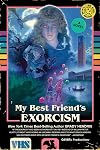
Abby has been friends with Gretchen since they were ten years old. Now high school students, they have traded in their ET posters and roller skates for the mall and parties in the woods. After one such escapade, however, Gretchen begins to act strangely. Very, very strangely. With the peculiarities mounting and the weirdness surrounding Gretchen becoming more and more disturbing, Abby must face the truth: Her friend is possessed, and Abby is the only one who can help her.
Grady Hendrix is certainly one of the bright lights (if that phrase is appropriate) in modern horror fiction. His previous book, Horrorstör, was an intelligent, hilarious, and creepy haunted house tale. In My Best Friend’s Exorcism, we find out what would happen if The Heathers also featured demonic possession. Here, Hendrix has again left his unique imprint on the genre, taking us into a friendship sundered by satan and adolescence, which really are much the same thing.
If you’re a horror genre fan, but have been looking for something a bit off the beaten path, something campy and fun while still maintaining creep factor, Grady Hendrix should definitely top your TBR.
Grady Hendrix is certainly one of the bright lights (if that phrase is appropriate) in modern horror fiction. His previous book, Horrorstör, was an intelligent, hilarious, and creepy haunted house tale. In My Best Friend’s Exorcism, we find out what would happen if The Heathers also featured demonic possession. Here, Hendrix has again left his unique imprint on the genre, taking us into a friendship sundered by satan and adolescence, which really are much the same thing.
If you’re a horror genre fan, but have been looking for something a bit off the beaten path, something campy and fun while still maintaining creep factor, Grady Hendrix should definitely top your TBR.
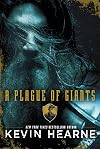
The Six Kingdoms have existed in tentative harmony for generations, each country kept safe by a “kenning” or magical ability, each one specific to a certain kingdom. The peace is shattered when an invading fleet of pale, nine foot tall warriors, called Bone Giants, run rampant over the coastal cities, slaughtering everyone they come across. The kingdoms, reeling from the attack, must race against time to ensure their survival. But surely the world will never be the same again.
I really enjoyed his book, but I have to say that it probably would have been a dud if written by a different author. This book is, in essence, a 600 page flashback. A novel-length world building tome. Yet it works. It’s crazy, but it works.
When the story opens, the invasion is months in the past. The book follows Dervan, a scholar set the task of writing down the tale of Fintan, a bard. It is the bard’s duty to tell the story of the invasion and the subsequent retaliation by the Six Kingdoms. Every night, Fintan stands on the wall of the refugee city and tells another part of the tale. His bardic gifts let us hear the story from devious politicians, poor hunters, forest dwellers, scholars, and soldiers. Intermixed in all this are the gifted, the lucky (cursed?) few able to control one of the kennings.
The book is huge, the story is epic in scope, and the world beautiful and terrible in all its detail. Hearne has created something incredibly ambitious, and he does it well. As I said, the show more format of telling the story in a series of flashbacks is odd, and it took me a bit to get into it, but I was hooked soon enough (though I have to say I do hope we get some more direct action in the next book). The plot would tend towards Game of Thrones-level darkness at times if it weren’t for Hearne’s sardonic sense of humor shining through. The brief moments of levity are enough to offset the horror of invasion, betrayal, and mass slaughter.
Any one looking for a new epic fantasy series to dive into (I’m looking to you, Game of Thrones folks!) should invest some time into this book. Fans of Hearne’s Iron Druid series will also likely enjoy this book, though it is certainly a different creature from that fantastic urban fantasy series.
An advance copy of this book was provided by the publisher via NetGalley in exchange for an honest review. show less
I really enjoyed his book, but I have to say that it probably would have been a dud if written by a different author. This book is, in essence, a 600 page flashback. A novel-length world building tome. Yet it works. It’s crazy, but it works.
When the story opens, the invasion is months in the past. The book follows Dervan, a scholar set the task of writing down the tale of Fintan, a bard. It is the bard’s duty to tell the story of the invasion and the subsequent retaliation by the Six Kingdoms. Every night, Fintan stands on the wall of the refugee city and tells another part of the tale. His bardic gifts let us hear the story from devious politicians, poor hunters, forest dwellers, scholars, and soldiers. Intermixed in all this are the gifted, the lucky (cursed?) few able to control one of the kennings.
The book is huge, the story is epic in scope, and the world beautiful and terrible in all its detail. Hearne has created something incredibly ambitious, and he does it well. As I said, the show more format of telling the story in a series of flashbacks is odd, and it took me a bit to get into it, but I was hooked soon enough (though I have to say I do hope we get some more direct action in the next book). The plot would tend towards Game of Thrones-level darkness at times if it weren’t for Hearne’s sardonic sense of humor shining through. The brief moments of levity are enough to offset the horror of invasion, betrayal, and mass slaughter.
Any one looking for a new epic fantasy series to dive into (I’m looking to you, Game of Thrones folks!) should invest some time into this book. Fans of Hearne’s Iron Druid series will also likely enjoy this book, though it is certainly a different creature from that fantastic urban fantasy series.
An advance copy of this book was provided by the publisher via NetGalley in exchange for an honest review. show less
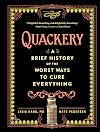
In Quackery, Lydia King provides a hilarious look at some of the most outrageous medical practices throughout history. Teething baby? Mercury cream will calm them right down. Want a pill you can take and still hand down to your kids? Try antimony tablets! IPA too bland for your tastes? Strychnine will provide the bitter buzz you crave! From cocaine tooth drops to lobotomies to irradiated water to tobacco smoke enemas, this book covers an amazing amount of snake oil, some touted by the medical minds of their day and some not.
The book is incredibly entertaining and liberally sprinkled with photos and drawings (some truly nightmare inspiring). This is one of those science books you can read and not even realize how much information you’re learning. Want to find out which cutting edge medical treatment contributed to the deaths of Byron, Mozart, and George Washington? Which animal’s testicles you should wear around your neck to prevent pregnancy? Or why corn flakes are part of an anti-masturbation diet? Look no further!
Any one who likes a good dose of humor with their nonfiction will enjoy this book. If you like Mary Roach‘s writing, Unmentionable by Therese Oneill, or any other books in that vein, this book was meant for you.
An advanced copy of this book was provided by the publisher via NetGalley in exchange for an honest review.
The book is incredibly entertaining and liberally sprinkled with photos and drawings (some truly nightmare inspiring). This is one of those science books you can read and not even realize how much information you’re learning. Want to find out which cutting edge medical treatment contributed to the deaths of Byron, Mozart, and George Washington? Which animal’s testicles you should wear around your neck to prevent pregnancy? Or why corn flakes are part of an anti-masturbation diet? Look no further!
Any one who likes a good dose of humor with their nonfiction will enjoy this book. If you like Mary Roach‘s writing, Unmentionable by Therese Oneill, or any other books in that vein, this book was meant for you.
An advanced copy of this book was provided by the publisher via NetGalley in exchange for an honest review.
The Butchering Art: Joseph Lister's Quest to Transform the Grisly World of Victorian Medicine by Lindsey Fitzharris
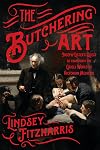
“Heroic medicine” is well named. Prior to the advent of anesthetics, patients were awake and aware for surgical procedures. The pain and horror of feeling a surgeon cutting into your body is something we now associate with a nightmare. Going through asurgery was nearly as likely to kill you as not receiving treatment at all. With the discovery of ether, surgeons no longer had to restrict their operations to procedures which could be completed in minutes. With the field of surgery becoming ever more ambitious, post-surgical infections became the chief danger to patients. In a time before germ theory was accepted, opinions and practices used to treat or prevent infections (laudable pus, anyone?) varied widely, and with little success. In the 1860s, Quaker surgeon Joseph Lister set about trying to determine scientifically the causes of post-surgical infections, and how to best prevent these deadly conditions.
Lindsey Fitzharris gives us a great view of Victorian medical practice, and of the scientific and medical theories and traditions that made the prevention of nosocomial (hospital-induced) infections so difficult. The Butchering Art is both a history and a biography. The book earns a place next to The Knife Man by Wendy Moore (about contemporaneous surgeon John Hunter) and The Ghost Map by Stephen Johnson (about Dr. John Snow, who helped trace a cholera outbreak in London to a single water pump).
Any history buff interested in the history of medicine will enjoy this show more book. More casual readers will likely also find this book to be entertaining and accessible. Beware though, Fitzharris provides several very accurate and vivid descriptions of Victorian-era surgeries, so the book is decidedly not for the faint of heart.
An advance copy of this book was provided by the publisher via NetGalley in exchange for an honest review. show less
Lindsey Fitzharris gives us a great view of Victorian medical practice, and of the scientific and medical theories and traditions that made the prevention of nosocomial (hospital-induced) infections so difficult. The Butchering Art is both a history and a biography. The book earns a place next to The Knife Man by Wendy Moore (about contemporaneous surgeon John Hunter) and The Ghost Map by Stephen Johnson (about Dr. John Snow, who helped trace a cholera outbreak in London to a single water pump).
Any history buff interested in the history of medicine will enjoy this show more book. More casual readers will likely also find this book to be entertaining and accessible. Beware though, Fitzharris provides several very accurate and vivid descriptions of Victorian-era surgeries, so the book is decidedly not for the faint of heart.
An advance copy of this book was provided by the publisher via NetGalley in exchange for an honest review. show less
Welcome back to Castle Rock, Maine, home to numerous Stephen King stories. Clearly nothing bad is going to happen here. Gwendy is twelve when she meets the man in the little black hat. A slightly pudgy girl, Gwendy is determined to slim down before school starts up in the fall. The Man in the little black hat seems to know all about her, and he offers her guardianship of a strange little box with multicolored buttons. The Man explains that the box controlls everything. And while it will give her what she needs, it can also take things away.
This is a perfect little book, only 175 pages, but Chizmar squeezes a hell of a lot of stuff into this book. We see Gwendy grow up, and the relationship between her and the mysterious box grows and changes with her. The box is almost like a character in and of itself, a constant, lurking presence suffusing the entire story with a subtle menace. Gwendy herself is a fully realised character, complex and sympathetic.
I know most people either love or hate short stories and novellas, but if Gwendy’s Button Box is an indication of what the genre can do, then bring ’em on!
This is a perfect little book, only 175 pages, but Chizmar squeezes a hell of a lot of stuff into this book. We see Gwendy grow up, and the relationship between her and the mysterious box grows and changes with her. The box is almost like a character in and of itself, a constant, lurking presence suffusing the entire story with a subtle menace. Gwendy herself is a fully realised character, complex and sympathetic.
I know most people either love or hate short stories and novellas, but if Gwendy’s Button Box is an indication of what the genre can do, then bring ’em on!
Marc Maron started the WTF Podcast 8 years ago, interviewing celebrities in his garage. The former stand up comedian went from the brink of failure to producing a wildly popular show. Maron has hosted people like Robin Williams, Norm McDonald, President Obama, Dan Harmon, Louis CK, Al Gore, and more. His laid-back, informal method of “interviewing” his guests has led to his being able to have something more akin to a conversation, rather than a pat question and answer session. This style has allowed his guests (and Maron himself) to open up and approach topics honestly. Sometimes painfully so.
Waiting for the Punch is a compilation of excerpts from various interviews, broken up by chapter into subjects such as success, failure, addiction, relationships, sexuality, and more. The folks featured in the book run the gamut from comedians to politicians, drag queens to musicians. While some of the excerpts are laugh-out-loud funny, many are truly moving, as the guests talk about trauma or troubles from their past.
In the end, the book has something for everyone. I especially love the way so many guests seem willing to talk openly about struggling with addiction, mental illness, or childhood trauma. The excerpts from Robin Williams always struck an especially poignant note with me. If you’re looking for a comedic-leaning book about dealing with life, this is a great, inspiring read.
An advance copy of this book was provided by the publisher in exchange for an honest review.
Waiting for the Punch is a compilation of excerpts from various interviews, broken up by chapter into subjects such as success, failure, addiction, relationships, sexuality, and more. The folks featured in the book run the gamut from comedians to politicians, drag queens to musicians. While some of the excerpts are laugh-out-loud funny, many are truly moving, as the guests talk about trauma or troubles from their past.
In the end, the book has something for everyone. I especially love the way so many guests seem willing to talk openly about struggling with addiction, mental illness, or childhood trauma. The excerpts from Robin Williams always struck an especially poignant note with me. If you’re looking for a comedic-leaning book about dealing with life, this is a great, inspiring read.
An advance copy of this book was provided by the publisher in exchange for an honest review.
Welcome back to Castle Rock, Maine, home to numerous Stephen King stories. Clearly nothing bad is going to happen here. Gwendy is twelve when she meets the man in the little black hat. A slightly pudgy girl, Gwendy is determined to slim down before school starts up in the fall. The Man in the little black hat seems to know all about her, and he offers her guardianship of a strange little box with multicolored buttons. The Man explains that the box controlls everything. And while it will give her what she needs, it can also take things away.
This is a perfect little book, only 175 pages, but Chizmar squeezes a hell of a lot of stuff into this book. We see Gwendy grow up, and the relationship between her and the mysterious box grows and changes with her. The box is almost like a character in and of itself, a constant, lurking presence suffusing the entire story with a subtle menace. Gwendy herself is a fully realised character, complex and sympathetic.
I know most people either love or hate short stories and novellas, but if Gwendy’s Button Box is an indication of what the genre can do, then bring ’em on!
This is a perfect little book, only 175 pages, but Chizmar squeezes a hell of a lot of stuff into this book. We see Gwendy grow up, and the relationship between her and the mysterious box grows and changes with her. The box is almost like a character in and of itself, a constant, lurking presence suffusing the entire story with a subtle menace. Gwendy herself is a fully realised character, complex and sympathetic.
I know most people either love or hate short stories and novellas, but if Gwendy’s Button Box is an indication of what the genre can do, then bring ’em on!
The Butchering Art: Joseph Lister's Quest to Transform the Grisly World of Victorian Medicine by Lindsey Fitzharris
“Heroic medicine” is well named. Prior to the advent of anesthetics, patients were awake and aware for surgical procedures. The pain and horror of feeling a surgeon cutting into your body is something we now associate with a nightmare. Going through asurgery was nearly as likely to kill you as not receiving treatment at all. With the discovery of ether, surgeons no longer had to restrict their operations to procedures which could be completed in minutes. With the field of surgery becoming ever more ambitious, post-surgical infections became the chief danger to patients. In a time before germ theory was accepted, opinions and practices used to treat or prevent infections (laudable pus, anyone?) varied widely, and with little success. In the 1860s, Quaker surgeon Joseph Lister set about trying to determine scientifically the causes of post-surgical infections, and how to best prevent these deadly conditions.
Lindsey Fitzharris gives us a great view of Victorian medical practice, and of the scientific and medical theories and traditions that made the prevention of nosocomial (hospital-induced) infections so difficult. The Butchering Art is both a history and a biography. The book earns a place next to The Knife Man by Wendy Moore (about contemporaneous surgeon John Hunter) and The Ghost Map by Stephen Johnson (about Dr. John Snow, who helped trace a cholera outbreak in London to a single water pump).
Any history buff interested in the history of medicine will enjoy this show more book. More casual readers will likely also find this book to be entertaining and accessible. Beware though, Fitzharris provides several very accurate and vivid descriptions of Victorian-era surgeries, so the book is decidedly not for the faint of heart.
An advance copy of this book was provided by the publisher via NetGalley in exchange for an honest review. show less
Lindsey Fitzharris gives us a great view of Victorian medical practice, and of the scientific and medical theories and traditions that made the prevention of nosocomial (hospital-induced) infections so difficult. The Butchering Art is both a history and a biography. The book earns a place next to The Knife Man by Wendy Moore (about contemporaneous surgeon John Hunter) and The Ghost Map by Stephen Johnson (about Dr. John Snow, who helped trace a cholera outbreak in London to a single water pump).
Any history buff interested in the history of medicine will enjoy this show more book. More casual readers will likely also find this book to be entertaining and accessible. Beware though, Fitzharris provides several very accurate and vivid descriptions of Victorian-era surgeries, so the book is decidedly not for the faint of heart.
An advance copy of this book was provided by the publisher via NetGalley in exchange for an honest review. show less
In Quackery, Lydia King provides a hilarious look at some of the most outrageous medical practices throughout history. Teething baby? Mercury cream will calm them right down. Want a pill you can take and still hand down to your kids? Try antimony tablets! IPA too bland for your tastes? Strychnine will provide the bitter buzz you crave! From cocaine tooth drops to lobotomies to irradiated water to tobacco smoke enemas, this book covers an amazing amount of snake oil, some touted by the medical minds of their day and some not.
The book is incredibly entertaining and liberally sprinkled with photos and drawings (some truly nightmare inspiring). This is one of those science books you can read and not even realize how much information you’re learning. Want to find out which cutting edge medical treatment contributed to the deaths of Byron, Mozart, and George Washington? Which animal’s testicles you should wear around your neck to prevent pregnancy? Or why corn flakes are part of an anti-masturbation diet? Look no further!
Any one who likes a good dose of humor with their nonfiction will enjoy this book. If you like Mary Roach‘s writing, Unmentionable by Therese Oneill, or any other books in that vein, this book was meant for you.
An advanced copy of this book was provided by the publisher via NetGalley in exchange for an honest review.
The book is incredibly entertaining and liberally sprinkled with photos and drawings (some truly nightmare inspiring). This is one of those science books you can read and not even realize how much information you’re learning. Want to find out which cutting edge medical treatment contributed to the deaths of Byron, Mozart, and George Washington? Which animal’s testicles you should wear around your neck to prevent pregnancy? Or why corn flakes are part of an anti-masturbation diet? Look no further!
Any one who likes a good dose of humor with their nonfiction will enjoy this book. If you like Mary Roach‘s writing, Unmentionable by Therese Oneill, or any other books in that vein, this book was meant for you.
An advanced copy of this book was provided by the publisher via NetGalley in exchange for an honest review.
The Six Kingdoms have existed in tentative harmony for generations, each country kept safe by a “kenning” or magical ability, each one specific to a certain kingdom. The peace is shattered when an invading fleet of pale, nine foot tall warriors, called Bone Giants, run rampant over the coastal cities, slaughtering everyone they come across. The kingdoms, reeling from the attack, must race against time to ensure their survival. But surely the world will never be the same again.
I really enjoyed his book, but I have to say that it probably would have been a dud if written by a different author. This book is, in essence, a 600 page flashback. A novel-length world building tome. Yet it works. It’s crazy, but it works.
When the story opens, the invasion is months in the past. The book follows Dervan, a scholar set the task of writing down the tale of Fintan, a bard. It is the bard’s duty to tell the story of the invasion and the subsequent retaliation by the Six Kingdoms. Every night, Fintan stands on the wall of the refugee city and tells another part of the tale. His bardic gifts let us hear the story from devious politicians, poor hunters, forest dwellers, scholars, and soldiers. Intermixed in all this are the gifted, the lucky (cursed?) few able to control one of the kennings.
The book is huge, the story is epic in scope, and the world beautiful and terrible in all its detail. Hearne has created something incredibly ambitious, and he does it well. As I said, the show more format of telling the story in a series of flashbacks is odd, and it took me a bit to get into it, but I was hooked soon enough (though I have to say I do hope we get some more direct action in the next book). The plot would tend towards Game of Thrones-level darkness at times if it weren’t for Hearne’s sardonic sense of humor shining through. The brief moments of levity are enough to offset the horror of invasion, betrayal, and mass slaughter.
Any one looking for a new epic fantasy series to dive into (I’m looking to you, Game of Thrones folks!) should invest some time into this book. Fans of Hearne’s Iron Druid series will also likely enjoy this book, though it is certainly a different creature from that fantastic urban fantasy series.
An advance copy of this book was provided by the publisher via NetGalley in exchange for an honest review. show less
I really enjoyed his book, but I have to say that it probably would have been a dud if written by a different author. This book is, in essence, a 600 page flashback. A novel-length world building tome. Yet it works. It’s crazy, but it works.
When the story opens, the invasion is months in the past. The book follows Dervan, a scholar set the task of writing down the tale of Fintan, a bard. It is the bard’s duty to tell the story of the invasion and the subsequent retaliation by the Six Kingdoms. Every night, Fintan stands on the wall of the refugee city and tells another part of the tale. His bardic gifts let us hear the story from devious politicians, poor hunters, forest dwellers, scholars, and soldiers. Intermixed in all this are the gifted, the lucky (cursed?) few able to control one of the kennings.
The book is huge, the story is epic in scope, and the world beautiful and terrible in all its detail. Hearne has created something incredibly ambitious, and he does it well. As I said, the show more format of telling the story in a series of flashbacks is odd, and it took me a bit to get into it, but I was hooked soon enough (though I have to say I do hope we get some more direct action in the next book). The plot would tend towards Game of Thrones-level darkness at times if it weren’t for Hearne’s sardonic sense of humor shining through. The brief moments of levity are enough to offset the horror of invasion, betrayal, and mass slaughter.
Any one looking for a new epic fantasy series to dive into (I’m looking to you, Game of Thrones folks!) should invest some time into this book. Fans of Hearne’s Iron Druid series will also likely enjoy this book, though it is certainly a different creature from that fantastic urban fantasy series.
An advance copy of this book was provided by the publisher via NetGalley in exchange for an honest review. show less