Auntmarge64's 12 in 12 (Part 2)
This is a continuation of the topic Auntmarge64's 12 in 12.
Talk The 12 in 12 Category Challenge
This group has been archived. Find out more.
Join LibraryThing to post.
1auntmarge64
Topics for 2012:
1. EXOTICA - Antarctica, Mars, Tibet and the Himalayas - 9 read
2. LINCOLNESQUE - Lincoln, the Civil War, and the aftermath - 3 read
3. GIMME THAT OLD TIME RELIGION - Buddhism, Hinduism, and Early Christianity -5 read
4. REALLY REALLY CLASSIC CLASSICS - Most written BCE - 1 read
5. BACK TO THE FUTURE - 20th Century SF and Star Wars - 8 read
6. END OF THE WORLD - Apocalyptic, post-apocalyptic and dystopic fiction - 6 read
7. SURPRIZE! - Prize Winners and Contenders, including 1001 Books to Read Before You Die - 8 read
8. CAITLIN SURPRISES ME - Mount TBR choices made by my 12-year old niece - 8 read
9. SURPRISE ENDINGS - Mystery and suspense fiction - 28 read
10. UNUSUAL FORMATS - Epistolary fiction, literary puzzles, and other interesting forms - 6 read
11. THE REST (Other Fiction) - 10 read
12. "TRULY", THE REST (Other Non-fiction) - 16 read
I'm leaving the number to be read in each category open so my attention is free to wander as the year progresses.
1. EXOTICA - Antarctica, Mars, Tibet and the Himalayas - 9 read
2. LINCOLNESQUE - Lincoln, the Civil War, and the aftermath - 3 read
3. GIMME THAT OLD TIME RELIGION - Buddhism, Hinduism, and Early Christianity -5 read
4. REALLY REALLY CLASSIC CLASSICS - Most written BCE - 1 read
5. BACK TO THE FUTURE - 20th Century SF and Star Wars - 8 read
6. END OF THE WORLD - Apocalyptic, post-apocalyptic and dystopic fiction - 6 read
7. SURPRIZE! - Prize Winners and Contenders, including 1001 Books to Read Before You Die - 8 read
8. CAITLIN SURPRISES ME - Mount TBR choices made by my 12-year old niece - 8 read
9. SURPRISE ENDINGS - Mystery and suspense fiction - 28 read
10. UNUSUAL FORMATS - Epistolary fiction, literary puzzles, and other interesting forms - 6 read
11. THE REST (Other Fiction) - 10 read
12. "TRULY", THE REST (Other Non-fiction) - 16 read
I'm leaving the number to be read in each category open so my attention is free to wander as the year progresses.
2auntmarge64
EXOTICA - Antarctica, Mars, Tibet and the Himalayas (fiction and non-fiction)
Antarctica
1. Antarctica: An Encyclopedia by John Stewart ***** 1/15/12
2. The Ice People by René Barjavel *** 1/21/12
3. Below the Convergence: Voyages Toward Antarctica 1699-1839 by Alan Gurney **** 3/28/12
4. Who Goes There? by John W. Campbell **** 5/14/12
5. The White Darkness by Geraldine McCaughrean **** 7/24/12
Mars
1. Icehenge by Kim Stanley Robinson ***½ 4/29/12
2. The War of the Worlds by H.G. Wells **** 5/26/12
Tibet and the Himalayas
1. Lost Horizon by James Hilton ***½ 3/3/12
2. Tales of a Dalai Lama by Pierre Delattre **** 5/27/12
Antarctica
1. Antarctica: An Encyclopedia by John Stewart ***** 1/15/12
2. The Ice People by René Barjavel *** 1/21/12
3. Below the Convergence: Voyages Toward Antarctica 1699-1839 by Alan Gurney **** 3/28/12
4. Who Goes There? by John W. Campbell **** 5/14/12
5. The White Darkness by Geraldine McCaughrean **** 7/24/12
Mars
1. Icehenge by Kim Stanley Robinson ***½ 4/29/12
2. The War of the Worlds by H.G. Wells **** 5/26/12
Tibet and the Himalayas
1. Lost Horizon by James Hilton ***½ 3/3/12
2. Tales of a Dalai Lama by Pierre Delattre **** 5/27/12
3auntmarge64
LINCOLNESQUE - Lincoln, the Civil War, and the aftermath (I'm up to Lincoln in the U.S. Presidents Challenge and figure this time period will take me all year)
1. Abraham Lincoln (The American Presidents Series: The 16th President, 1861-1865) by George S. McGovern *** 1/2/12
2. Battle Cry of Freedom by James M. McPherson ***** 11/7/12
3. The Professor and the Madman by Simon Winchester *** 5/16/12
4. Team of Rivals: The Political Genius of Abraham Lincoln by Doris Kearns Goodwin READING
Planned:
The War of the Aeronauts: The History of Ballooning in the Civil War by Charles M. Evans
The Cotton Kingdom: A Traveller's Observations On Cotton And Slavery In The American Slave States, 1853-1861 by Frederick Law Olmsted
For Cause and Comrades: Why Men Fought in the Civil War by James M. McPherson
The Battle of Seven Pines by Steven H. Newton
1. Abraham Lincoln (The American Presidents Series: The 16th President, 1861-1865) by George S. McGovern *** 1/2/12
2. Battle Cry of Freedom by James M. McPherson ***** 11/7/12
3. The Professor and the Madman by Simon Winchester *** 5/16/12
4. Team of Rivals: The Political Genius of Abraham Lincoln by Doris Kearns Goodwin READING
Planned:
The War of the Aeronauts: The History of Ballooning in the Civil War by Charles M. Evans
The Cotton Kingdom: A Traveller's Observations On Cotton And Slavery In The American Slave States, 1853-1861 by Frederick Law Olmsted
For Cause and Comrades: Why Men Fought in the Civil War by James M. McPherson
The Battle of Seven Pines by Steven H. Newton
4auntmarge64
GIMME THAT OLD TIME RELIGION - Buddhism, Hinduism, and Early Christianity
1. Secret Lives of the Dalai Lama: The Untold Story of the Holy Men Who Shaped Tibet, From Pre-History to the Present Day by Alexander Norman ****½ 2/9/12
2. Tibetan Prayer Flags by Diane Barker ***½ 4/17/12
3. The Essential Jesus: Original Sayings and Earliest Images by John Dominic Crossan **** 4/23/12
4. Jesus: A Revolutionary Biography by John Dominic Crossan **** 6/6/12
5. Siddhartha by Hermann Hesse ***** 10/7/12
1. Secret Lives of the Dalai Lama: The Untold Story of the Holy Men Who Shaped Tibet, From Pre-History to the Present Day by Alexander Norman ****½ 2/9/12
2. Tibetan Prayer Flags by Diane Barker ***½ 4/17/12
3. The Essential Jesus: Original Sayings and Earliest Images by John Dominic Crossan **** 4/23/12
4. Jesus: A Revolutionary Biography by John Dominic Crossan **** 6/6/12
5. Siddhartha by Hermann Hesse ***** 10/7/12
6auntmarge64
BACK TO THE FUTURE - 20th Century SF plus Star Wars
1. Sleepers of Mars by John Wyndham *** 1/27/12
2. A Case of Conscience by James Blish ***½ 2/9/12
3. Rogue Moon by Algis Budrys ** 3/25/12
4. Fate of the Jedi: Apocalypse by Troy Denning ****½ 4/18/12
5. Time Untamed by Isaac Asimov and others ** 5/19/12
6. The Best of John Wyndham 1932-1949 by John Wyndham **** 8/18/12
7. The Best of John Wyndham 1951-1960 by John Wyndham ***½ 8/29/12
8. The Lost Tribe of the Sith: The Collected Stories by John Jackson Miller **** 10/15/12
1. Sleepers of Mars by John Wyndham *** 1/27/12
2. A Case of Conscience by James Blish ***½ 2/9/12
3. Rogue Moon by Algis Budrys ** 3/25/12
4. Fate of the Jedi: Apocalypse by Troy Denning ****½ 4/18/12
5. Time Untamed by Isaac Asimov and others ** 5/19/12
6. The Best of John Wyndham 1932-1949 by John Wyndham **** 8/18/12
7. The Best of John Wyndham 1951-1960 by John Wyndham ***½ 8/29/12
8. The Lost Tribe of the Sith: The Collected Stories by John Jackson Miller **** 10/15/12
7auntmarge64
END OF THE WORLD - Apocalyptic, post-apocalyptic and dystopic fiction
1. Fail Safe by Eugene Burdick ***** 3/5/12
2. The Age of Miracles : A Novel by Karen Thompson Walker *** 3/8/12
3. Down To a Sunless Sea by David Graham **** 4/9/12
4. A Scientific Romance by Ronald Wright **** 6/3/12
5. The Wave by Christopher Hyde ***½ 6/21/12
6. The Last Policeman by Ben Winters *****6/27/12
1. Fail Safe by Eugene Burdick ***** 3/5/12
2. The Age of Miracles : A Novel by Karen Thompson Walker *** 3/8/12
3. Down To a Sunless Sea by David Graham **** 4/9/12
4. A Scientific Romance by Ronald Wright **** 6/3/12
5. The Wave by Christopher Hyde ***½ 6/21/12
6. The Last Policeman by Ben Winters *****6/27/12
8auntmarge64
SURPRIZE! - Prize Winners and Contenders, including 1001 Books to Read Before You Die
1. The Home and the World by Rabindranath Tagore ***½ 1/10/12
2. Eifelheim by Michael Flynn***** 1/17/12
3. The Frozen Thames by Helen Humphreys ***½ 1/19/12
4. The Virgin Suicides by Jeffrey Eugenides ***½ 2/13/12
5. Learning to Swim by Sara J. Henry **** 5/28/12
6. The Wandering Falcon by Jamil Ahmad *** 6/19/12
7. The Blasphemer by Nigel Farndale **** 7/30/12
8. The Whisperer by Donato Carrisi **** 8/12/12
1. The Home and the World by Rabindranath Tagore ***½ 1/10/12
2. Eifelheim by Michael Flynn***** 1/17/12
3. The Frozen Thames by Helen Humphreys ***½ 1/19/12
4. The Virgin Suicides by Jeffrey Eugenides ***½ 2/13/12
5. Learning to Swim by Sara J. Henry **** 5/28/12
6. The Wandering Falcon by Jamil Ahmad *** 6/19/12
7. The Blasphemer by Nigel Farndale **** 7/30/12
8. The Whisperer by Donato Carrisi **** 8/12/12
9auntmarge64
CAITLIN SURPRISES ME - Mount TBR choices made by my 11-year old niece
1. The Royal Ghosts by Samrat Upadhyay **** 1/3/12
2. The Book Thief by Markus Zusak ***** 2/16/12
3. The Help by Kathryn Stockett ****½ 4/14/12
4. This Must Be The Place by Kate Racculia ***** 5/24/12
5. Breakfast with Buddha by Roland Merullo **** 6/16/12
6. The Year of the Hare by Arto Paasilinna ***½ 7/10/12
7. Hippolyte's Island by Barbara Hodgson **** 8/24/12
8. The Extraordinary Voyage of Pytheas the Greek by Barry Cunliffe *** 11/23/12
1. The Royal Ghosts by Samrat Upadhyay **** 1/3/12
2. The Book Thief by Markus Zusak ***** 2/16/12
3. The Help by Kathryn Stockett ****½ 4/14/12
4. This Must Be The Place by Kate Racculia ***** 5/24/12
5. Breakfast with Buddha by Roland Merullo **** 6/16/12
6. The Year of the Hare by Arto Paasilinna ***½ 7/10/12
7. Hippolyte's Island by Barbara Hodgson **** 8/24/12
8. The Extraordinary Voyage of Pytheas the Greek by Barry Cunliffe *** 11/23/12
10auntmarge64
SURPRISE ENDINGS - Mystery and suspense fiction
1. Bad Things Happen by Harry Dolan ****½ 12/27/11
2. Death in a Strange Country by Donna Leon *** 1/6/12
3. The Affair by Lee Child ***** 1/23/12
4. House of the Hunted by Mark Mills * 2/1/12
5. Shock Wave by John Sandford **** 1/30/12
6. Blood Men by Paul Cleave ** 2/17/12
7. Helsinki White by James Thompson ** 2/22/12
8. Cloudland by Joseph Olshan **** 2/24/12
9. The Snowman by Jo Nesbo ****½ 3/16/12
10. The Leopard by Jo Nesbo **** 3/21/12
11. Until Thy Wrath Be Past by Åsa Larsson **** 3/30/12
12. Stolen Prey by John Sandford **** 4/7/12
13. Before I Go To Sleep by S. J. Watson ****½ 5/1/12
14. Very Bad Men by Harry Dolan ***½ 5/10/12
15. The Wrong Man (Jason Kolarich by David Ellis ***** 5/17/12
16. The Rainaldi Quartet by Paul Adam ***½ 6/8/12
17. Paganini's Ghost by Paul Adam ***½ 6/10/12
18. Iron Lake by William Kent Krueger ***½ 7/7/12
19. Epiphany by David Hewson ***** 7/15/12
20. Kill You Twice by Chelsea Cain****½ 8/26/12
21. Gallows View by Peter Robinson *** 9/9/12
22. Say You're Sorry by Michael Robothan **** 10/9/12
23. A Wanted Man by Lee Child **** 10/21/12
24. Payment in Blood by Elizabeth George **** 10/30/12
25. Well-Schooled in Murder by Elizabeth George ***** 11/5/12
26. Mad River by John Sandford **** 11/12/12
27. For the Sake of Elena by Elizabeth George **** 11/27/12
28. Missing Joseph by Elizabeth George **** 12/7/12
1. Bad Things Happen by Harry Dolan ****½ 12/27/11
2. Death in a Strange Country by Donna Leon *** 1/6/12
3. The Affair by Lee Child ***** 1/23/12
4. House of the Hunted by Mark Mills * 2/1/12
5. Shock Wave by John Sandford **** 1/30/12
6. Blood Men by Paul Cleave ** 2/17/12
7. Helsinki White by James Thompson ** 2/22/12
8. Cloudland by Joseph Olshan **** 2/24/12
9. The Snowman by Jo Nesbo ****½ 3/16/12
10. The Leopard by Jo Nesbo **** 3/21/12
11. Until Thy Wrath Be Past by Åsa Larsson **** 3/30/12
12. Stolen Prey by John Sandford **** 4/7/12
13. Before I Go To Sleep by S. J. Watson ****½ 5/1/12
14. Very Bad Men by Harry Dolan ***½ 5/10/12
15. The Wrong Man (Jason Kolarich by David Ellis ***** 5/17/12
16. The Rainaldi Quartet by Paul Adam ***½ 6/8/12
17. Paganini's Ghost by Paul Adam ***½ 6/10/12
18. Iron Lake by William Kent Krueger ***½ 7/7/12
19. Epiphany by David Hewson ***** 7/15/12
20. Kill You Twice by Chelsea Cain****½ 8/26/12
21. Gallows View by Peter Robinson *** 9/9/12
22. Say You're Sorry by Michael Robothan **** 10/9/12
23. A Wanted Man by Lee Child **** 10/21/12
24. Payment in Blood by Elizabeth George **** 10/30/12
25. Well-Schooled in Murder by Elizabeth George ***** 11/5/12
26. Mad River by John Sandford **** 11/12/12
27. For the Sake of Elena by Elizabeth George **** 11/27/12
28. Missing Joseph by Elizabeth George **** 12/7/12
11auntmarge64
UNUSUAL FORMATS - Epistolary fiction, literary puzzles, and other interesting forms (mostly fiction)
1. From the Mouth of the Whale by Sjón *** 12/23/11 (Stream-of-consciousness)
2. A More Perfect Heaven: How Copernicus Revolutionized the Cosmos by Dava Sobel *** 1/9/12 (play used as interlude in history)
3. Atlas of Remote Islands by Judith Schalansky **** 4/11/12 (atlas with essays)
4. The Tragedy of Arthur by Arthur Phillips ****½ 5/7/12 (fictional introduction and {fictional?} play)
5. I Am a Pole (And So Can You) by Stephen Colbert ***½ 6/11/12 (a children's storybook for adults)
6. Extremely Loud and Incredibly Close by Jonathan Safran Foer ***** 6/14/12 (diaries, letters, handwritten notes, photos)
1. From the Mouth of the Whale by Sjón *** 12/23/11 (Stream-of-consciousness)
2. A More Perfect Heaven: How Copernicus Revolutionized the Cosmos by Dava Sobel *** 1/9/12 (play used as interlude in history)
3. Atlas of Remote Islands by Judith Schalansky **** 4/11/12 (atlas with essays)
4. The Tragedy of Arthur by Arthur Phillips ****½ 5/7/12 (fictional introduction and {fictional?} play)
5. I Am a Pole (And So Can You) by Stephen Colbert ***½ 6/11/12 (a children's storybook for adults)
6. Extremely Loud and Incredibly Close by Jonathan Safran Foer ***** 6/14/12 (diaries, letters, handwritten notes, photos)
12auntmarge64
u>THE REST (Other Fiction)
1. A Partial History of Lost Causes by Jennifer DuBois ***** 12/18/11
2. The Woman in Black by Susan Hill ***½ 2/27/12
3. Sum: Forty Tales From the Afterlives by David Eagleman *** 2/27/12
4. State of Wonder by Ann Patchett **** 3/1/12
5. The Phantom of Manhattan by Frederick Forsyth ** 4/19/12
6. True Believers: A Novel by Kurt Andersen *½ 5/21/12
7. Obscure Destinies by Willa Cather ***½ 5/29/12
8. The Bartender's Tale by Ivan Doig ****½ 9/25/12
9. The Frozen Deep by Wilkie Collins ***½ 11/9/12
10. The Burgess Boys by Elizabeth Strout ****½ 12/30/12
1. A Partial History of Lost Causes by Jennifer DuBois ***** 12/18/11
2. The Woman in Black by Susan Hill ***½ 2/27/12
3. Sum: Forty Tales From the Afterlives by David Eagleman *** 2/27/12
4. State of Wonder by Ann Patchett **** 3/1/12
5. The Phantom of Manhattan by Frederick Forsyth ** 4/19/12
6. True Believers: A Novel by Kurt Andersen *½ 5/21/12
7. Obscure Destinies by Willa Cather ***½ 5/29/12
8. The Bartender's Tale by Ivan Doig ****½ 9/25/12
9. The Frozen Deep by Wilkie Collins ***½ 11/9/12
10. The Burgess Boys by Elizabeth Strout ****½ 12/30/12
13auntmarge64
"TRULY", THE REST (Other Non-fiction)
1. Insect musicians and Cricket Champions of China by Berthold Laufer ** 3/12/12
2. Spineless Wonders: Strange Tales From the Invertebrate World by Richard Conniff ***½ 4/5/12
3. A Stolen Life by Jaycee Dugard ***** 4/2/12
4. Why Read Moby-Dick? by Nathaniel Philbrick **** 4/16/12
5. The Sociopath Next Door by Martha Stout ***½ 5/13/12
6. Without Conscience: The Disturbing World of the Psychopaths Among Us by Robert D. Hare **** 6/12/12
7. The Vuescan Bible by Sascha Steinhoff **** 7/15/12
8. The Disappearing Spoon by Sam Kean **** 8/19/12
9. Drift by Rachel Maddow **** 8/20/12
10. 100 Unforgettable Dresses by Hal Rubenstein **** 8/18/12
11. Ex Libris: The Art of Bookplates by Martin Hopkinson ***½ 8/20/12
12. Darwin's Ghosts: The Secret History of Evolution by Rebecca Stott **** 9/6/12
13. The Jigsaw Puzzle: Piecing Together a History by Anne D. Williams *** 9/27/12
14. George Harrison: Living in the Material World by Olivia Harrison ***** 9/30/12
15. 100 Diagrams That Changed the World: From the Earliest Cave Paintings to the Innovation of the iPod by Scott Christianson ***½ 10/24/12
16. On the Map by Simon Garfield ***½ 12/23/12
1. Insect musicians and Cricket Champions of China by Berthold Laufer ** 3/12/12
2. Spineless Wonders: Strange Tales From the Invertebrate World by Richard Conniff ***½ 4/5/12
3. A Stolen Life by Jaycee Dugard ***** 4/2/12
4. Why Read Moby-Dick? by Nathaniel Philbrick **** 4/16/12
5. The Sociopath Next Door by Martha Stout ***½ 5/13/12
6. Without Conscience: The Disturbing World of the Psychopaths Among Us by Robert D. Hare **** 6/12/12
7. The Vuescan Bible by Sascha Steinhoff **** 7/15/12
8. The Disappearing Spoon by Sam Kean **** 8/19/12
9. Drift by Rachel Maddow **** 8/20/12
10. 100 Unforgettable Dresses by Hal Rubenstein **** 8/18/12
11. Ex Libris: The Art of Bookplates by Martin Hopkinson ***½ 8/20/12
12. Darwin's Ghosts: The Secret History of Evolution by Rebecca Stott **** 9/6/12
13. The Jigsaw Puzzle: Piecing Together a History by Anne D. Williams *** 9/27/12
14. George Harrison: Living in the Material World by Olivia Harrison ***** 9/30/12
15. 100 Diagrams That Changed the World: From the Earliest Cave Paintings to the Innovation of the iPod by Scott Christianson ***½ 10/24/12
16. On the Map by Simon Garfield ***½ 12/23/12
14auntmarge64
To repeat the link for book sales in the U.S.: http://www.booksalefinder.com/index.html
They seem to have most library book sales in my area, and I check webpages for those which I know don't always advertise here.
Looking over the year so far, I'm very glad I haven't restricted myself to specific goals in each topic. I'm enjoying this year's reading much more than last, when I felt constantly pressured. But having the categories does keep my looking through my own collection, noticing titles I'd forgotten and finding just the right book for the moment to fill a category slot. My niece Caitlin, picking out one of my categories this year, has hit some real winners, nothing under 4 stars so far. And she picks by the cover or size, depending on her mood. Maybe there's a lesson there?
They seem to have most library book sales in my area, and I check webpages for those which I know don't always advertise here.
Looking over the year so far, I'm very glad I haven't restricted myself to specific goals in each topic. I'm enjoying this year's reading much more than last, when I felt constantly pressured. But having the categories does keep my looking through my own collection, noticing titles I'd forgotten and finding just the right book for the moment to fill a category slot. My niece Caitlin, picking out one of my categories this year, has hit some real winners, nothing under 4 stars so far. And she picks by the cover or size, depending on her mood. Maybe there's a lesson there?
15-Eva-
That's an excellent link! I found one I'll try to go to this weekend. I shouldn't be buying books at all, but I'll be in the neighborhood anyways, so I'll just take a tiny peek.... :)
16auntmarge64
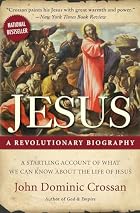
Jesus: A Revolutionary Biography by John Dominic Crossan **** 6/6/12
Reading Crossan is both enlightening and depressing. He’s well-known in the historical Jesus school and has written numerous books for both the professional and layperson on what we can really know about the life and sayings of Jesus. For those who take the Bible literally, whatever version you’ve chosen to take literally, I’d say read this only if you’re willing to be challenged. For the rest, Crossan offers a detailed exegesis that will make your hair stand on end. In short, he sees the historical person as (1) an illiterate peasant teaching a type of radical social change at a time when the entrenched political and religious elites were stamping out such troublemakers brutally and without thought, sympathy, or delay; (2) likely killed for causing a scene in the crowded temple at Passover, when Jerusalem was at its busiest and Roman authorities were primed to put down any sign of disturbance; (3) left on the cross or the ground as carrion with no chance of burial, for which a special request would have had to be made and, as he points out, no one with the chops to make such a request would have cared and anyone who cared wouldn’t have had the contacts to make the request. Non-burial was considered the ultimate insult to the deceased and a deterrent to crime.
The teachings themselves are distilled down to just a few, which are so far from the hierarchical church structure which developed that organized Christianity ends up in the same position to Jesus as all the other institutions he was trying to bring down. Crossan concludes that Jesus practiced, and taught, that the Kingdom of God can be here now only if people will 1) practice complete, open table-sharing and spiritual healing, without any care for status, class, wealth, physical condition, race, freedom, or any other division humans have invented over time; and 2) set down no roots where a hierarchy or center of power can be identified (and the reason he instructed his followers to leave anywhere after a day or two) so that the typical 1st century system of patronage (elites), brokerage (middlemen) and clients (everyone else) could not be set up. He didn’t want anyone to be the head of an organization. He wanted complete equality and sharing, which no institution can pull off by definition, let alone given the human predilection for power, status and hoarding of wealth.
One of the most fascinating points Crossan makes is about the woman who anointed Jesus’ feet. In her, Jesus found the only person, male or female, who actually listened when he talked about the death he expected and who recognized his need for burial preparation, knowing he’d never get it later. In an age when a couple of the major Christian organizations still won’t recognize women as equals in the church, isn’t it interesting to speculate on why that might be?
This book is the layperson version of Crossan’s arguments. The more scholarly version is The Historical Jesus.
The Rainaldi Quartet by Paul Adam ***½ 6/8/12
Paganini’s Ghost by Paul Adam ***½ 6/10/12
The first two in a series of mysteries set in Cremona, Italy, home of history’s greatest violin-makers, including Stradivari, Guarneri and the Amatis. The stories are told in first-person by Gianni Castiglione, a widowed luthier whose closest friends are the members of his string quartet (most especially the cellist, Antonio Guastafeste, a detective in the local police department).
In the first book, the quartet’s first violinist is murdered on his way home from a rehearsal, and Antonio calls on Gianni for his expertise on violin history, which seems relevant to the murder. In the second story, there are two plots: a young Russian violinist comes to Cremona to play a recital on Paganini’s own violin, played only once every two years by a competition winner. Gianni is able to help the boy adjust to his burgeoning international career while having a personal life. There is also a series of murders which are connected to two other Paganini artifacts, both missing: an unpublished composition and a miniature violin made of jewel-encrusted gold.
I’d consider these cozies – not much blood, no sex, clean language, and a likeable “Murder She Wrote” main character who keeps getting dragged into these cases involving violins. So, light-weight but thoroughly enjoyable, especially for music lovers. Hopefully there will be more in the future.
17RidgewayGirl
Interesting review on the Crossan book.
18auntmarge64

Without Conscience: The Disturbing World of the Psychopaths Among Us by Robert D. Hare **** 6/12/12
Little has been published for lay people regarding the sociopath/psychopath in the general population, and for most of us the word psychopath denotes only the most brutal of criminals: fascinating in a macabre way, titillating, but not someone we’re likely to actually meet. And because psychopathy is considered by professionals to be untreatable, little research or publication for the specialist is being done. Robert Hare has been working for several decades to help the public, the psychiatric profession, and the judicial system recognize the truth about psychopaths: they are all around us, millions in the U.S. alone. They aren’t all in prison or even likely to be, because many satisfy their need for manipulation and control in ways which fly under the legal radar, although the havoc they cause in the lives of those they target can be devastating. The parents of child psychopaths face a particular hell of guilt and lack of resources.
Hare is the author of the Psychopathy Checklist, now used internationally to help predict criminal recidivism and as an educational tool for prison officials, parole boards, courts, and psychiatric professionals. While most of Hare’s work has been with prison inmates, he is clear that all non-psychopaths are at risk and that most of us will have dealings with one sometime during our lives. So while most of his examples concern those who have been convicted, the information is useful to anyone who may run across someone like this. Hare is clear that a real diagnosis must be done with extensive interviews and reviews of records, but at the same time the general public must have some guidelines of what to look for and how to protect themselves. He discusses the following list of key symptoms, at the same time warning that many non-psychopaths have some of these traits and that it is the total group of symptoms (the syndrome) which guides the diagnosis:
Glib and superficial
Egocentric and grandiose
Lack of remorse or guilt
Lack of empathy
Deceitful and manipulative
Shallow emotions
Impulsive
Poor behavior controls
Need for excitement
Lack of responsibility
Early behavior controls
Adult antisocial behavior
The book is almost 20 years old now, but little else is available of this caliber, and further information is available at Aftermath: Surviving Psychopathy, a non-profit organization Hare helped found (http://aftermath-surviving-psychopathy.org/). If you are dealing with or have survived someone you think might be a psychopath, even a child, this book is a must-read.
19auntmarge64
(I meant to answer a question from a different group, but I might as well leave this here, as well:)
Crossan does talk about the development of the New Testament:
* the changing message, as different factions vied for control of the early church and Paul expanded the definition of apostle so he could be included as a leader, although he never met Jesus.
* the reworking of beliefs to accommodate Jesus' ignominious death and absence.
* the relaxed practice followed by his followers, as the institution of Christianity was allowed to develop and replace complete comensuality and equality.
Crossan does talk about the development of the New Testament:
* the changing message, as different factions vied for control of the early church and Paul expanded the definition of apostle so he could be included as a leader, although he never met Jesus.
* the reworking of beliefs to accommodate Jesus' ignominious death and absence.
* the relaxed practice followed by his followers, as the institution of Christianity was allowed to develop and replace complete comensuality and equality.
20auntmarge64

Extremely Loud and Incredibly Close by Jonathan Safran Foer ***** 6/12/12
Oskar Schell is a precocious, inquisitive, inventive boy whose father died in the towers on 9/11. He has such a strong imagination he can’t come to grips with his father’s death because he keeps inventing new ways his father might have died. Oskar finds a key hidden in a vase in his father’s closet and begins a search throughout NYC to find out what it opens and to meet someone who can tell him more about his dad. The people he meets tell him their own stories. The rest of the time Oskar daydreams about marvelous inventions, many of which would help people in disasters (which he worries about all the time); he plays the tambourine, researches foreign websites where the more graphic photos from 9/11 are published, and writes to many important people (especially Stephen Hawking), asking to be their assistant. He’s very close to his grandmother, who lives across the street where they can easily communicate by walkie-talkie and see each other from their apartment windows. As she does her own grieving, she patiently answers his questions and listens to his worries, even when he calls at 3 or 4 a.m., which he has a tendency to do.
Interspersed is the story of Oskar’s grandfather, a survivor of the Dresden bombings who lost all that he loved that day and who hasn’t spoken since, who deserted his wife before Oskar’s father was born. The two stories become intertwined in interesting ways to lead to healing and understanding for both of them.
This book is simply wonderful. Oskar is a gem of a character, and I fell in love with him from the first page. Mixed into his musings and adventures are pictures of the things he thinks about (especially a man falling from the towers) and letters he receives back from the people he writes, as well as entries from the book his grandfather uses to communicate with people and letters he’s written his son (Oskar’s father) throughout the last 40 years but has never mailed. The format can be a bit confusing but also intriguing, and in that respect it reminded me of The Book Thief, another fabulous read. (One note about reading on the Kindle: be sure you have decent eyes before you do this, because the print in some of the diary entries is not enlargeable and it is smaller than the smallest Kindle font.) Very highly recommended.
21mamzel
That's an interesting warning about the diary entries on the Kindle. That's good information and I wonder if it was that small and hard to read in the hard copy. I find this a prime example of how we on LT help each other appreciate books. I never would have know this otherwise. My daughter bought the book and it is back home. I will try to remember to check it out when I get back.
22DeltaQueen50
I have Extremely Loud and Incredibly Close on my wishlist, thanks for the warning about the small print on the Kindle. I will definitely be looking for this one in book form!
23auntmarge64
I think the mini-print is a result of certain pages being reproduced as art would be, not as text.
24auntmarge64
Breakfast With Buddha by Roland Merullo **** 6/16/12
A humorous spiritual-quest travelogue by Otto Ringling, a solidly middle-class and vaguely depressed cookbook editor whose plan was to drive from New York to North Dakota with his flying-phobic New Age sister to settle their parents’ estate. Instead, she sends him off with her guru, telling him she wants her share to be given to the Rinpoche as a meditation center. The first half is pretty slow, largely taken up with Otto’s confusion over what he’s supposed to do with his companion and his alternating irritation and alarm at the guru’s ability to get under his skin. After a few days’ of wandering back roads and having adventures along the way, though, Otto begins to sense a new sensibility opening to him, and he gives the teacher more of his attention. By the second half of the trip Otto is actively engaging in philosophical discussions and dreading the end of the road trip. Charming and very funny, with a spiritual edge which should appeal to anyone feeling Otto’s need for a change in their interior alignment.
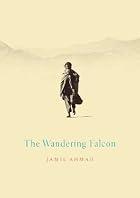
The Wandering Falcon by Jamil Ahmad *** 6/19/12
These linked short stories provide glimpses of tribal life in the remote area where Afghanistan, Pakistan and Iran meet. They are bleak and depressing, showing a land where life is valued lightly and everyone lives on the brink of destitution. The reality presented here is so alien I had a hard time figuring out whether the characters had the same reaction I did to the cruelty and meanness of their lives. Interesting to read but offering little emotional connection to outsiders.
25lkernagh
The Wandering Falcon looks.... well... intriguing. Adding to my 'in case I stumble cross it' list.
26auntmarge64
>25 lkernagh: Intriguing is the word, just not much fun or emotional recognition.
27auntmarge64

The Wave by Christopher Hyde ***½ 6/21/12
Terrorism, natural events and political irresponsibility result in a cascade of dam failures along the Columbia River, beginning at the Mica Dam in British Columbia, taking out the Grand Coulee, and aiming for a nuclear power reactor and waste storage facility and the electric utilities for about a third of the country, and finally Portand OR, the last stop before the Pacific. Quite exciting, really. Original pub date 1979.
28auntmarge64

The Last Policeman by Ben Winters ***** 6/27/12
Hank Palace has been a patrolman for only 15 months when he is promoted to detective. Why? It's been announced that the asteroid Maia is going to hit Earth with a probability of 100%, the only question now being where it will hit, because a few humans may survive if they are in the right place. Hank is one of the few still willing to work while humanity awaits its destiny. In Concord, NH, a wave of suicides has struck, and many people are taking to drugs, religion, and any other palliatives they can find. Hank, though, loves being a cop, and when he answers a call about another hanging death, suicide doesn’t ring true to him. Despite assurances from the more experienced remaining detectives, who come in each day in varying degrees of sobriety, confusion, and irreverence, he keeps poking away at the case, and his efforts reveal to the reader all sorts of facets of what Winters imagines would occur in such an apocalyptic atmosphere.
I loved this book. The dialogue and attitudes ring true, and the various reactions from people and institutions (schools, the military, various nations) feel completely realistic. There is hilarity, depression, paranoia, hope, and even some normality in a strange mixture which is a delight to read and contemplate. This is the first in a trilogy, so stay tuned.
29-Eva-
That sounds great - I am excessively fond of good dialogue and the premise sounds captivating. With it being the beginning of a trilogy, it'll have to stay on the wishlist until the trilogy is finished - I'll get much too impatient otherwise. :)
30psutto
Sounds similar to the end of science fiction which I loved, putting that on my WL
31auntmarge64
>29 -Eva-: Actually, it stands on its own, but I'll be interested to see how events proceed in the sequels.
>30 psutto: I loved The End of Science Fiction too and was delighted that this is different but just as good. I think it's tricky to make a story about the end of the world that isn't stereotypical, and both authors succeeded with the problem of how someone decides what to do with their lives while they wait.
>30 psutto: I loved The End of Science Fiction too and was delighted that this is different but just as good. I think it's tricky to make a story about the end of the world that isn't stereotypical, and both authors succeeded with the problem of how someone decides what to do with their lives while they wait.
33auntmarge64
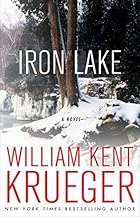
Iron Lake by William Kent Krueger ***½ 7/7/12

The Year of the Hare by Arto Paasilinna ***½ 7/10/12

The Vuescan Bible by Sascha Steinhoff **** 7/15/12
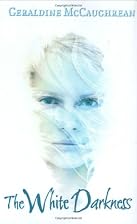
The White Darkness by Geraldine McCaughrean **** 7/24/12

Antarctic Journal by Jennifer Owings Dewey ***½ 7/24/12
34auntmarge64
I haven’t been in a reviewing mood lately, but this book was so good and so in need of reviews I couldn’t let it pass.
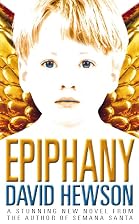
Epiphany by David Hewson ***** 7/15/12
On Christmas Eve, 1975, twin five-year olds Miles and Florrie stand outside a record store, dressed as angels for a Christmas pageant and waiting for their absent-minded mother to finish her shopping. Florrie’s a bit of a bully, and Miles runs away from her and disappears. Hours later police find a child’s hand nailed to a tree next to a feather from an angel costume, but by the next morning it’s confirmed that the hand is not Miles’s. The rest of the book follows several characters who are involved in either the crime or the investigation. The timeline goes back and forth between 1975 and 1995, when a young woman, soon revealed to be Florrie, arrives from England to talk to the only person to have been convicted in Miles’s disappearance, newly freed on a technicality and hopefully willing to talk about what really happened to him.
This is superb suspense, with many twists and turns and a haunting and very unusual crime unprecedented in my reading. The psychedelic community of 1970s San Francisco looms large, and I found this aspect compelling and realistic, along with very realistic characters and dialogue. Hewson is the author of the Nic Costa mystery series set in Rome, but this is an earlier stand alone. It’s a terrific find and available for free for Amazon Prime customers and only 99 cents for other Kindle and Kindle app readers. (Be sure to search for the author and title on the Amazon site, because the link from LT leads to a listing which doesn’t include the Kindle version.)
Epiphany by David Hewson ***** 7/15/12
On Christmas Eve, 1975, twin five-year olds Miles and Florrie stand outside a record store, dressed as angels for a Christmas pageant and waiting for their absent-minded mother to finish her shopping. Florrie’s a bit of a bully, and Miles runs away from her and disappears. Hours later police find a child’s hand nailed to a tree next to a feather from an angel costume, but by the next morning it’s confirmed that the hand is not Miles’s. The rest of the book follows several characters who are involved in either the crime or the investigation. The timeline goes back and forth between 1975 and 1995, when a young woman, soon revealed to be Florrie, arrives from England to talk to the only person to have been convicted in Miles’s disappearance, newly freed on a technicality and hopefully willing to talk about what really happened to him.
This is superb suspense, with many twists and turns and a haunting and very unusual crime unprecedented in my reading. The psychedelic community of 1970s San Francisco looms large, and I found this aspect compelling and realistic, along with very realistic characters and dialogue. Hewson is the author of the Nic Costa mystery series set in Rome, but this is an earlier stand alone. It’s a terrific find and available for free for Amazon Prime customers and only 99 cents for other Kindle and Kindle app readers. (Be sure to search for the author and title on the Amazon site, because the link from LT leads to a listing which doesn’t include the Kindle version.)
35mamzel
Thanks for this interesting book and the notes about acquiring it on the Kindle (going there now).
36RidgewayGirl
I have Amazon Prime and will have to grab a copy for my kindle tonight.
37auntmarge64
>35 mamzel:, 36. Hope you were both able to find it OK, and I'll look forward to your thoughts. Amazon Prime is great, I think, and this kind of deal is just icing on the cake.
38auntmarge64
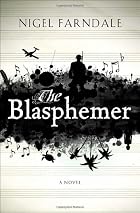
The Blasphemer by Nigel Farndale **** 7/30/12
Two men, three generations apart, cope with the consequences of their failure of nerve. Daniel Kennedy, an academic scientist, is taking his long-time lover and mother of his daughter on a trip to the Galapagos to propose. When their small plane ditches about 20 miles from the islands, Daniel pushes Nancy out of the way to escape the sinking craft. She survives but cannot forgive him, even though he goes back to the plane and rescues almost everyone, then swims towards land to find help. Back in England, Daniel's career is endangered by a jealous colleague who pretends to be his friend, even as he struggles to save his relationship with Nancy and cope with a vision he had at sea which led him to keep going when he was about to give up and remove his life jacket.
Interspersed with Andrew's story is that of his great-grandfather, who disappeared during the battle of Passchendaele in 1917. New evidence points to his desertion and death by firing squad, a possibility which is torturing Daniel's father, himself a decorated war hero and now quite ill, and Daniel accompanies him to the continent to unravel the mystery. A long-rumored Mahler symphony revision, stories of guardian angels leading soldiers out of danger, and a Muslim elementary school teacher who seems oddly familiar to both Daniel and his father, all lend depth as the two stories intersect.
It is easy to become absorbed in many of the plotlines here. The war scenes are particularly effective, and the machinations of the psychopathic colleague are chilling. The struggles of a confirmed atheist dealing with a possible religious vision were also interesting, although he's really, really strident about his convictions. And although Daniel and Nancy repeatedly declare their love for each other, neither is all that convincing. So it was a book I couldn't out down, but it didn't always flow successfully, although all the important questions are at least partially answered by the end.
39DeltaQueen50
Thank you for such an intriguing review of Epiphany, I have now downloaded it to my Kindle.
40auntmarge64

The Best of John Wyndham 1932-1949 by John Wyndham **** 8/18/12
Six very early short stories from the author of Day of the Triffids and The Chrysalids. Some SF, some horror, all quite enjoyable. I was surprised at how well these measured up, since they're from the 30s and 40s. "The Lost Machine", stranded on a Martian mission to Earth and appalled at the backwardness of both humans and their machines, becomes lonely and makes a fateful decision. "The Man From Beyond" awakens is a living museum exhibit but is able to convince the caretakers that he is sentient and tells his story. Two ASPCA types investigate claims by residents that a local scientist is abusing animals to create monsters, only to run into much more than they bargained for in the very funny "Perfect Creature". Three other stories are just as appealing.
41auntmarge64

The Disappearing Spoon And Other True Tales of Madness, Love, and the History of the World from the Periodic Table of the Elements by Sam Kean **** 8/19/12
A loose history of the ongoing discovery of the elements and what it means to our understanding of the universe and our place in it. The first couple of chapters are somewhat technical but meant for the layperson, with additional science mixed in as the book goes on so the reader can understand how scientists build on what they know to push the limits further. Some of this is fairly unnerving: currently, work is being done on the possibility that the universal constants on which Einsteinian physics (or any other we know) is built may not hold true throughout the universe or at different times.
The book is laid out rather strangely, with a periodical table on the last two pages (after notes and index and where the reader might never notice it). And this is a case where having the lengthy narrative footnotes located with the main text would have worked better than grouped at the end. Still, lots to learn here, and told with a sense of humor.
42-Eva-
Sounds like it should be absolutely fascinating! Too bad about the footnotes - why can't they just put them at the foot so you can access them easily?! On the wishlist it goes.
44lkernagh
Adding The Disappearing Spoon to my For Later list. It sounds interesting!
45auntmarge64

Ex Libris: The Art of Bookplates by Martin Hopkinson ***½ 8/21/12
A little art book of 100 bookplates from the British Museum collections designed by and/or for the well-known over five centuries, with a bit of discussion on the artists, book owners, and symbolism. Illustrations are in color, although most examples are sepia-toned. The most surprising fact for me was the size of early bookplates, sometimes as small as 6X4 cm or as large as 35x25 cm.
46auntmarge64

Drift: The Unmooring of American Military Power by Rachel Maddow **** 8/22/12
Maddow, a popular commentator on MSNBC, traces the changes made in the last 50 years in how the U.S. decides to go to war; that is, who makes the decision, and who fights the war. The Founding Fathers established Congress alone with the power to make war, fearful that vesting such a decision in one person (the President) would make the choice of war too easy for reasons of vengeance, greed, pride, or just plain stupidity. But a combination of willful Executives, determined to use legal trickery to give them what they saw as their proper due to wage war as they saw fit, and weak legislators, who never knew what hit them, undid the Fathers’ careful plans. One device increasingly used by recent Presidents has been the private army, unhampered by legal niceties or oversight, and enabling the U.S. to remain in a state of constant war with the citizenry largely unaffected and unaware. A fascinating overview which is guaranteed to make the reader more informed about not only how our country operates but how inconsequential the average citizen has become in directing its future.
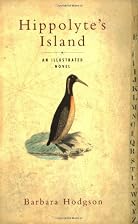
Hippolyte’s Island by Barbara Hodgson **** 8/24/12
Hippolyte Webb spends his life traveling, but only to out-of the-way, offbeat, and little-known places. He supports his lifestyle writing articles on his adventures, often in one of the numerous languages he’s picked up along the way. As the book begins, Hippolyte has been home in Vancouver only a short time but is being drawn to tales of lost islands, reported in the literature but no longer appearing on modern maps or even showing up on satellite imagery. Intrigued by the idea of rediscovering something lost, he decides to sail to the location reported to be the Auroras, three (more or less) islands halfway between the Falklands and South Georgia in the southern Atlantic. He spends weeks reading, going to museums, taking sailing lessons, and provisioning himself with all the necessities suggested by his treasured 1906 Royal Geographical Society Hints to Travellers, and then he flies to the Falklands and sets off alone in a rented sailboat. What Hippolyte finds, and his difficulties making his editor believe him, form the core of the book. Hippolyte is larger than life and bowls over his editor, whom he’s never met, and his unconventional way of telling his story and presenting his evidence convinces her he’s lying. How each of them approaches this dilemma makes for a charming story.
Interspersed throughout the book are Hippolyte’s photos, drawing and watercolors, along with maps, logbook entries, and journal notes. This is definitely a keeper for my small permanent library.
47cammykitty
Hippolyte's Island - and during the process of finding these islands, don't tell me, he found a boy named Pi and a tiger??? The story sounds like a hoot!
48auntmarge64
Hippolyte is delightful, although one wonders at his sanity in taking the trip alone, esp. as a brand new sailor. Oh, and no Pi or tiger. :)
50cammykitty
Sounds like Hipp has his hands full without Richard anyway. :)
52auntmarge64
Just a quick note on these:

Kill You Twice by Chelsea Cain ****½ 8/26/12
Superior but very bloody suspense. This series must be read in order, starting with Heartsick, one of the most chilling suspense novels I've come across. Each book is at least 4 stars.
The Landmark Xenophon's Hellenika **** 8/28/12
I'm so sick of Xenophon right now I don't even want to attempt a full review. The Landmark presentation is as superb here as for Herodotus and Thucydides. The 4-star rating is purely for the original work, which is not nearly as interesting as the earlier works.

The Best of John Wyndham 1951-1960 by John Wyndham ***½ 8/29/12

Kill You Twice by Chelsea Cain ****½ 8/26/12
Superior but very bloody suspense. This series must be read in order, starting with Heartsick, one of the most chilling suspense novels I've come across. Each book is at least 4 stars.
The Landmark Xenophon's Hellenika **** 8/28/12
I'm so sick of Xenophon right now I don't even want to attempt a full review. The Landmark presentation is as superb here as for Herodotus and Thucydides. The 4-star rating is purely for the original work, which is not nearly as interesting as the earlier works.

The Best of John Wyndham 1951-1960 by John Wyndham ***½ 8/29/12
53auntmarge64
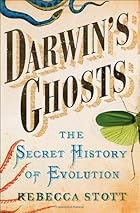
Darwin's Ghosts: The Secret History of Evolution by Rebecca Stott **** 9/6/12
Upon the long-delayed publication of The Origin of Species, Darwin, to his dismay, began receiving complaints that he had neglected to mention the scientific contributions of his intellectual forebears. To his credit, Darwin was not aware of many of these people, some of whom had disappeared into history or whose work was either in languages he didn’t read or unavailable to him. Over several editions he attempted to rectify the situation with a “historical sketch” covering the work of those whose work he was able to trace, but, rightfully so, he continued to insist that his ultimate conclusion (survival of the fittest) was unique.
Here, Stott collects the stories of others who added to the general progress towards understanding species development. All of these people were, quite simply, overwhelmingly curious; at least one saw his work a means to expound on his god’s wondrous creation; some tried to challenge the prevailing belief that species were immutable and perfect as created, despite mounting evidence to the contrary.
Except for intellectual satisfaction, it was a thankless effort for most of these explorers. Aristotle (ancient Greece) and Jahiz (9th century Baghdad), were encouraged and supported as long as their various patrons remained in power, but political fortunes frequently disrupted their work. For the rest, all living in Christian nations, religious intolerance inevitably led to torture, imprisonment, loss of employment and/or campaigns organized to isolate and ruin them led by those with offended religious convictions. It’s quite a depressing history of intolerance, made relevant by our own recent history, especially here in the U.S. The stories are quite interesting and show the progression of human knowledge and the spirit of discovery which, luckily, have never been completely crushed by suppression. There are detailed footnotes and a bibliography on each of the subjects which is bound to encourage general readers to follow up on some of these intriguing people.
As much as I enjoyed the book, I do have one little nit to pick with Stott: she describes Herodotus as a Roman(!) geographer.
55auntmarge64
>54 psutto: Always glad to help fill up someone's WL :)
56sjmccreary
#53 added to my wishlist, too
57auntmarge64

The Bartender's Tale by Ivan Doig ****½ 9/25/12
A leisurely and lovingly-told story of a boy growing up in 1960 in northern Montana, entranced by his "perfect bartender" father and by just about everything else around him.
The summer Rusty turns 12 is monumental in a life already marked by 6 years of living with somewhat resentful relatives followed by six with his remarkable father Tom Harry, proprietor of the Medicine Lodge, a small-town bar with a back room full of treasures given in trade by broke sheepherders and other locals. During this summer a variety of people who will shape Rusty's future all come and go through town. Zoe, whose parents have just purchased the local diner, becomes Rusty's best friend, and they amuse themselves in the bar's back room among the accumulated hoard, playacting and watching the goings-on in the bar through a secret vent between the rooms. Del, a collector and recorder of "Lost Voices", arrives with a grant from the Library of Congress to interview survivors of a nearby dam collapse from years ago, when Tom was owner another legendary bar, the Blue Eagle. Del hopes to convince Tom to go with him to a reunion of the mudjacks and others who worked on the dam, to introduce him around and convince people to be taped for posterity. And, at the reunion, a shock: Proxy, a taxi dancer from the Blue Eagle days, shows up to announce that she and Tom have an adult daughter who's coming to the Medicine Lodge to learn the bartending business.
These are truly memorable characters who will haunt the reader and surely lead to a larger readership for Doig's earlier novels, including Bucking the Sun, in which Tom and Proxy make an appearance during their Blue Eagle days.
58auntmarge64

Siddhartha by Hermann Hesse ***** 10/7/12
A well-to-do Brahman by birth, as a young man Siddhartha leaves home to pursue a spiritual satisfaction he hasn’t found in his father’s traditional teachings and practices. Throughout his life he follows his inner voice, learning from forest-dwelling ascetics, a brief stay with Gautama Buddha, friendships he forms with a courtesan and a wealthy businessman, and, finally, from an old ferryman, with whom he lives his own elder years. Slowly Siddhartha finds his own path to holiness, which he reaches only when he finally leaves teachings behind and simply recognizes the unity of all existence. What a beautiful tale this is, and one I’ll be revisiting again and again.

George Harrison: Living in the Material World by Olivia Harrison ***** 9/30/12
This lovely homage tells George Harrison’s life story through (mostly his own) photos and quotes. From his early friendship with McCartney and Lennon and the band’s first years, then the difficulties of fame and subsequent life as an ex-Beatle, to spiritual searching and parenthood, the entries shed light on the not-so-public man, putting into perspective his philosophy as he lived it. A rewarding read for anyone with an interest in the Beatles, spirituality, or both.

The Jigsaw Puzzle: Piecing Together a History by Anne D. Williams *** 9/27/12
This overview of the history and popularity of the jigsaw puzzle offers a kitchen sink approach, bombarding the reader with tidbits on just about every aspect you could imagine. While there is some worthwhile information and a nice selection of color photos, I found I skipped about half the book. Still, I’ll be keeping it on my shelves for future reference.
59mamzel
Your review of Doig's book reminded me that I still have The Whistling Season on my shelf to read. This one sounds really interesting and I will keep it in mind. Siddhartha is another book on my "some day..." list. Your review about the jigsaw book reminded me of a puzzle I saw on sale once that was 24,000 pieces! I laughed when I saw all the different themes on one puzzle.


60auntmarge64
>59 mamzel: Take a look at http://www.worldslargestpuzzle.com/hof-001.html, where the first completion of this puzzle is explored. At the bottom of the page there's a blow-by-blow with photos of their progress (you have to cursor down within the box labeled "The Construction of Life". It took a whole room to assemble it.
61cammykitty
I'm kind of shocked that it's taken this long for Siddhartha to get on my WL. Nice little review.
62-Eva-
->60 auntmarge64:
I wish I had patience like that. :)
I wish I had patience like that. :)
63auntmarge64
>62 -Eva-: I know! I like jigsaws, but in the 1000-1500 piece size. A room size puzzle? I should wish to live long enough!
64auntmarge64

Say You’re Sorry by Michael Robothan **** 10/9/12
Three years after 15-year-olds Piper and Natasha vanish from their village outside London, psychologist Joe O’Loughlin is asked to help with the investigation of three local deaths, and he concludes that Piper might still be alive. The reader is already aware of her survival, because the opening section is part of her own account of life in the “now” as a kidnap victim. The two story lines alternate in revealing the girls' destinies, the truth of how the kidnapping was accomplished, and the identity of the kidnapper, which is well-concealed with quite a few red herrings.
Piper’s voice was so true I felt I knew her. The story moves steadily forward and kept my interest, but this is not blood-pounding suspense, although it might have been in different hands. The fact that O’Loughlin is not a gun-toter and is more cerebral than physical probably adds to the effect. Regardless, I enjoyed it so much I’m definitely going to read the first four in the series and watch for sequels.
65ivyd
Interesting grouping of Siddhartha and the George Harrison book. I think I may have been listening to The Beatles' White Album while I read Siddhartha. The two go together in my memory.
Sorry that Xenophon wasn't better. After getting an early start, I just haven't gotten back to it. Maybe soon? Or maybe not.
Sorry that Xenophon wasn't better. After getting an early start, I just haven't gotten back to it. Maybe soon? Or maybe not.
66auntmarge64

The Lost Tribe of the Sith: The Collected Stories by John Jackson Miller **** 10/15/12
Psst! Don’t tell Palpatine, but he’s not that special. There are LOTS of Sith out there, and are they ever a nasty bunch. Imagine a whole planet of them, stranded and isolated for 5000 years, with little to conquer but each other.
In the Star Wars novels, Luke et al run into these Sith about 40 years after Palpatine’s fall. This collection of stories provides a background of the Tribe, and anyone reading the “Fate of the Jedi” series will find them essential. Quite enjoyable for this Star Wars fan.
67auntmarge64

100 Diagrams That Changed the World: From the Earliest Cave Paintings to the Innovation of the iPod by Scott Christianson ***½ 10/24/12
This interesting but somewhat disjointed book strings together 100 two-page spreads highlighting important ideas, inventions, and, in some cases, actual diagrams or drawings which changed human history. Each entry includes one or more illustrations and several paragraphs to put them in context.
“Diagrams” is used rather loosely and includes sketches, cave paintings, old reconstructions of even older long-lost illustrations (such as a Dante’s inferno and Ptolemy’s world map), and even a newspaper illustration from 1881 introducing, of all things, the first emoticons. Many of the topics illustrate the evolution of human perception and understanding: cave paintings, early music notation (inscribed in clay c1400 B.C.), exploded-view diagrams, early anatomy drawings. Others show the ways cultures worked with their environment – for instance, the Marshall Islands stick navigation charts, which allowed navigators to lie on the bottom of tribal boats and direct the rowers by feeling the movement of the sea as it reverberated between islands. And many scientific discoveries and inventions are included: Babylonian clay engravings of mathematical formulas, al-Biruni’s diagram of a lunar eclipse, Morse’s code, weather maps, the periodic table, Freud’s initial sketch of the id, ego, and super-ego. But there are also inclusions which seemed forced: Cuban Missile Crisis maps, a diagram of the relationships between cubism and abstract art, and simple exterior sketches of the iPod and Apple computer.
The book works as a coffee table book, albeit a small one, and reading it straight through is guaranteed to knock you out, rather like reading an encyclopedia might. But it would make a great gift for someone who likes to dabble in history and be introduced to tidbits they might like to follow up on: in other words, someone who might like to browse said encyclopedia.
68mamzel
I had hoped to win this book from ER. It sounds like it is very interesting in a geeky kind of way.
69-Eva-
I looked at that one too on ER, but I could foresee having a problem writing a review - thumbing yours instead!! :)
70auntmarge64
>68 mamzel: Yup, geeky says it all :) I guess that's me.....
>69 -Eva-: Thanks for the thumbs-up. It was a hard review to write, took me a couple of days. I decided to keep the book to look through again.
>69 -Eva-: Thanks for the thumbs-up. It was a hard review to write, took me a couple of days. I decided to keep the book to look through again.
71auntmarge64
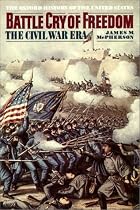
Battle Cry of Freedom by James M. McPherson ***** 11/7/12

The Frozen Deep by Wilkie Collins ***½ 11/9/12

Mad River by John Sandford **** 11/12/12

The Extraordinary Voyage of Pytheas the Greek by Barry Cunliffe *** 11/23/12
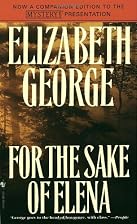
For the Sake of Elena by Elizabeth George **** 11/27/12

Missing Joseph by Elizabeth George **** 12/7/12

