This topic is currently marked as "dormant"—the last message is more than 90 days old. You can revive it by posting a reply.
1AnnieMod
I think it is time to start my thread here. :)
I will be trying to note all my reading - including short stories and online reading (I think I will resist posting about my work-related reading... :) ). And I might occasionally mention the movies and TV series I am watching or any music I had been listening to. Or anything else that had been taking my time besides reading.
I am trying to write reviews but with all the travel I am doing, sometimes it is a choice between waiting to find time to post a review and just posting when I read things.
Welcome to my reading diary for 2013 :)
Current books:
Kindle:
Paper:
The Cambridge Ancient History Volume 1, Part 1: Prolegomena and Prehistory
I will be trying to note all my reading - including short stories and online reading (I think I will resist posting about my work-related reading... :) ). And I might occasionally mention the movies and TV series I am watching or any music I had been listening to. Or anything else that had been taking my time besides reading.
I am trying to write reviews but with all the travel I am doing, sometimes it is a choice between waiting to find time to post a review and just posting when I read things.
Welcome to my reading diary for 2013 :)
Current books:
Kindle:
Paper:
The Cambridge Ancient History Volume 1, Part 1: Prolegomena and Prehistory
2AnnieMod
Books finished (any paper book and any Kindle book that is not Kindle Singles, short story or part of a split novel). Dates show when the books are finished - I read a few books in parallel usually so there are days when I just finish a few:
JANUARY
1. The Naked God by Peter F. Hamilton - novel, SF, 1/7/2013 - review
2. The Proxy Assassin by John Knoerle - novel, Spy, 1/10/2013 - review
3. Dark Lies the Island by Kevin Barry - collection, contemporary, 1/11/2013
4. Sons of Jude by Brandt Dodson - novel, crime, 1/15/2013
5. Doktor Glass by Thomas Brennan - novel, steampunk, 1/19/2013
6. Odd and the Frost Giants by Neil Gaiman - novel, children, 1/24/2013 - review
7. The Doctor's Wife by Luis Jaramillo - novel, contemporary, 1/24/2013 - review
8. Garden of Malice by Susan Kenney - novel, mystery, 1/24/2013
9. Disgrace by J. M. Coetzee - novel, contemporary, 1/25/2013
10. Shortcut Man by p.g. sturges - novel, crime, 1/26/2013
11. The Secret History by Procopius - non-fiction, history, 1/27/2013 - review
12. The Lover's Dictionary by David Levithan - novel, contemporary, 1/31/2013
FEBRUARY
13. Usagi Yojimbo Volume 1: The Ronin by Stan Sakai - collected comics, 2/1/2013 - review
14. Tribulations of the Shortcut Man by p.g. sturges - novel, crime, 2/2/2013
15. Smith by Leon Garfield - novel, children, 2/2/2013
16. Purgatory by Tomás Eloy Martínez - novel, contemporary, 2/3/2013
17. Drifting House by Krys Lee - collection, contemporary - Korea, 2/6/2013
18. Moonfleet by John Meade Falkner - novel, children, 2/9/2013
19. The Black Tulip by Alexandre Dumas - novel, ??, 2/10/2013
20. The Island of Last Truth by Flavia Company - novel, contemporary, 2/11/2013
21. Familiar: A Novel by J. Robert Lennon - novel, ??, 2/15/2013
22. The Lady Queen by Nancy Goldstone - non-fiction, history, 2/16/2013
23. In Her Garden by Jon Godden - novel, ??, 2/17/2013 - - review
24. The Illusion of Separateness by Simon Van Booy - novel, contemporary, 2/17/2013 - review
25. Prophet of Bones by Ted Kosmatka - novel, science thriller, 2/23/2013 - review
26. Life Form by Amelie Nothomb - novel, contemporary, 2/23/2013 - review
27. Standing in Another Man's Grave by Ian Rankin - novel, crime, 2/24/2013
28. Letter Killers Club by Sigizmund Krzhizhanovsky - novella, contemporary/modernist, 2/24/2013
29. Batman: Court of the Owls by Scott Snyder - collected comics, 2/25/2013
30. Justice League Vol. 1: Origin by Geoff Johns - collected comics, 2/28/2013
MARCH
31. Love Begins in Winter by Simon Van Booy - collection, contemporary, 3/3/2013
32. Throne of the Crescent Moon by Saladin Ahmed - novel, fantasy, 3/3/2013
33. Calculated in Death by J. D. Robb - novel, SF/romance, 3/5/2013
34. Fair Coin by E. C. Myers - novel, YA/SF, 3/6/2013
35. Every Day by David Levithan - novel, YA/SF, 3/8/2013
36. Mrs Starr Lives Alone by Jon Godden - novel, crime?, 3/9/2013
37. Iron Hearted Violet by Kelly Barnhill - novel, YA/Fantasy, 3/9/2013
38. Ironskin by Tina Connolly - novel, Fantasy, 3/10/2013
39. Glamour in Glass by Mary Robinette Kowal - novel, Fantasy, 3/11/2013
40. Above World by Jenn Reese - novel, YA/SF, 3/14/2013
41. Green Arrow: The Midas Touch by J.T. Krul - collected comics, 3/15/2013
42. Above by Leah Bobet - novel, YA/Fantasy, 3/16/2013
43. Seraphina by Rachel Hartman - novel, YA/Fantasy, 3/18/2013
44. White Cat by Holly Black - novel, YA/Fantasy, 3/19/2013
45. Enchanted by Alethea Kontis - novel, YA/Fantasy, 3/21/2013
46. On a Red Station, Drifting by Aliette de Bodard - novella, SF, 3/21/2013
47. Vessel by Sarah Beth Durst - novel, YA/Fantasy, 3/22/2013
48. Summer of the Mariposas by Guadalupe Garcia Mccall - novel, YA/Fantasy, 3/23/2013
49. Jade Tiger by Jenn Reese - novel, Fantasy, 3/24/2013
50. Blackout by Connie Willis - novel, SF, 3/24/2013
51. Red Glove by Holly Black - novel, YA/Fantasy, 3/29/2013
52. On China by Henry Kissinger - non-fiction, history/politics, 3/30/2013
53. Ellery Queen Mystery Magazine, June 2013 - magazine, mystery, 3/31/3013
PS: Novel/novella distinction based on what the work is generally accepted to be - Nothomb's book is shorter than the one by Krzhizhanovsky - both should be in the shorter works camp but oh well...
JANUARY
1. The Naked God by Peter F. Hamilton - novel, SF, 1/7/2013 - review
2. The Proxy Assassin by John Knoerle - novel, Spy, 1/10/2013 - review
3. Dark Lies the Island by Kevin Barry - collection, contemporary, 1/11/2013
4. Sons of Jude by Brandt Dodson - novel, crime, 1/15/2013
5. Doktor Glass by Thomas Brennan - novel, steampunk, 1/19/2013
6. Odd and the Frost Giants by Neil Gaiman - novel, children, 1/24/2013 - review
7. The Doctor's Wife by Luis Jaramillo - novel, contemporary, 1/24/2013 - review
8. Garden of Malice by Susan Kenney - novel, mystery, 1/24/2013
9. Disgrace by J. M. Coetzee - novel, contemporary, 1/25/2013
10. Shortcut Man by p.g. sturges - novel, crime, 1/26/2013
11. The Secret History by Procopius - non-fiction, history, 1/27/2013 - review
12. The Lover's Dictionary by David Levithan - novel, contemporary, 1/31/2013
FEBRUARY
13. Usagi Yojimbo Volume 1: The Ronin by Stan Sakai - collected comics, 2/1/2013 - review
14. Tribulations of the Shortcut Man by p.g. sturges - novel, crime, 2/2/2013
15. Smith by Leon Garfield - novel, children, 2/2/2013
16. Purgatory by Tomás Eloy Martínez - novel, contemporary, 2/3/2013
17. Drifting House by Krys Lee - collection, contemporary - Korea, 2/6/2013
18. Moonfleet by John Meade Falkner - novel, children, 2/9/2013
19. The Black Tulip by Alexandre Dumas - novel, ??, 2/10/2013
20. The Island of Last Truth by Flavia Company - novel, contemporary, 2/11/2013
21. Familiar: A Novel by J. Robert Lennon - novel, ??, 2/15/2013
22. The Lady Queen by Nancy Goldstone - non-fiction, history, 2/16/2013
23. In Her Garden by Jon Godden - novel, ??, 2/17/2013 - - review
24. The Illusion of Separateness by Simon Van Booy - novel, contemporary, 2/17/2013 - review
25. Prophet of Bones by Ted Kosmatka - novel, science thriller, 2/23/2013 - review
26. Life Form by Amelie Nothomb - novel, contemporary, 2/23/2013 - review
27. Standing in Another Man's Grave by Ian Rankin - novel, crime, 2/24/2013
28. Letter Killers Club by Sigizmund Krzhizhanovsky - novella, contemporary/modernist, 2/24/2013
29. Batman: Court of the Owls by Scott Snyder - collected comics, 2/25/2013
30. Justice League Vol. 1: Origin by Geoff Johns - collected comics, 2/28/2013
MARCH
31. Love Begins in Winter by Simon Van Booy - collection, contemporary, 3/3/2013
32. Throne of the Crescent Moon by Saladin Ahmed - novel, fantasy, 3/3/2013
33. Calculated in Death by J. D. Robb - novel, SF/romance, 3/5/2013
34. Fair Coin by E. C. Myers - novel, YA/SF, 3/6/2013
35. Every Day by David Levithan - novel, YA/SF, 3/8/2013
36. Mrs Starr Lives Alone by Jon Godden - novel, crime?, 3/9/2013
37. Iron Hearted Violet by Kelly Barnhill - novel, YA/Fantasy, 3/9/2013
38. Ironskin by Tina Connolly - novel, Fantasy, 3/10/2013
39. Glamour in Glass by Mary Robinette Kowal - novel, Fantasy, 3/11/2013
40. Above World by Jenn Reese - novel, YA/SF, 3/14/2013
41. Green Arrow: The Midas Touch by J.T. Krul - collected comics, 3/15/2013
42. Above by Leah Bobet - novel, YA/Fantasy, 3/16/2013
43. Seraphina by Rachel Hartman - novel, YA/Fantasy, 3/18/2013
44. White Cat by Holly Black - novel, YA/Fantasy, 3/19/2013
45. Enchanted by Alethea Kontis - novel, YA/Fantasy, 3/21/2013
46. On a Red Station, Drifting by Aliette de Bodard - novella, SF, 3/21/2013
47. Vessel by Sarah Beth Durst - novel, YA/Fantasy, 3/22/2013
48. Summer of the Mariposas by Guadalupe Garcia Mccall - novel, YA/Fantasy, 3/23/2013
49. Jade Tiger by Jenn Reese - novel, Fantasy, 3/24/2013
50. Blackout by Connie Willis - novel, SF, 3/24/2013
51. Red Glove by Holly Black - novel, YA/Fantasy, 3/29/2013
52. On China by Henry Kissinger - non-fiction, history/politics, 3/30/2013
53. Ellery Queen Mystery Magazine, June 2013 - magazine, mystery, 3/31/3013
PS: Novel/novella distinction based on what the work is generally accepted to be - Nothomb's book is shorter than the one by Krzhizhanovsky - both should be in the shorter works camp but oh well...
3AnnieMod
Re-purposing this field as keeping track of what I buy kinda does not work. So it is books read, part 2
APRIL
54. Criminal Enterprise by Owen Laukkanen - novel, crime, 4/02/2013
55. Black Heart by Holly Black - novel, YA/Fantasy, 4/03/2013
56. The Healer by Antti Tuomainen - novel, crime/dystopian, 4/04/2013
57. The Day of the Owl by Leonardo Sciascia - novel(?), crime, 4/06/2013
58. The Golden Egg by Donna Leon - novel, crime, 4/06/2013
59. The Diviners by Libba Bray - novel, fantasy/YA, 4/08/2013 - review
60. Frost Burned by Patricia Briggs - novel, fantasy, 4/09/2013
61. The Humans Who Went Extinct by Clive Finlayson - non-fiction, pre-history, 4/12/2013 - review
62. Soldiers of Salamis by Javier Cercas - novel, contemporary, 4/14/2013 - review
63. The Fossil Chronicles: How Two Controversial Discoveries Changed Our View of Human Evolution by Dean Falk - non-fiction, pre-history, 4/15/2013 - review
64. Written in Stone: Evolution, the Fossil Record, and Our Place in Nature by Brian Switek - non-fiction, pre-history, 4/18/2013 - review
65. The Greenlanders by Jane Smiley - novel, saga, 4/26/2013 - review
66. The Last Policeman by Ben H. Winters - novel, detective/pre-apocalypses, 4/26/2013 - review
67. The Storyteller by Jodi Picoult - novel, contemporary/Holocaust, 4/28/2013 - review
68. Born in Africa: The Quest for the Origins of Human Life by Martin Meredith - non-fiction, pre-history, 4/30/2013 - review
MAY
69. The story of Earth : the first 4.5 billion years, from stardust to living planet by Robert M. Hazen - non-fiction, pre-history, 5/4/2013 - review
70. The Secret Garden by Frances Hodgson Burnett - children novel - review
71. The Professor by Charlotte Bronte -novel, Victorian - review
72. Rogue Male by Geoffrey Household - novel - review
73. The Man Who Invented Christmas by Les Standiford - non-fiction
74. Mary Coin by Marisa Silver - novel
75. The Planet in a Pebble by Jan Zalasiewicz - non-fiction, geology
APRIL
54. Criminal Enterprise by Owen Laukkanen - novel, crime, 4/02/2013
55. Black Heart by Holly Black - novel, YA/Fantasy, 4/03/2013
56. The Healer by Antti Tuomainen - novel, crime/dystopian, 4/04/2013
57. The Day of the Owl by Leonardo Sciascia - novel(?), crime, 4/06/2013
58. The Golden Egg by Donna Leon - novel, crime, 4/06/2013
59. The Diviners by Libba Bray - novel, fantasy/YA, 4/08/2013 - review
60. Frost Burned by Patricia Briggs - novel, fantasy, 4/09/2013
61. The Humans Who Went Extinct by Clive Finlayson - non-fiction, pre-history, 4/12/2013 - review
62. Soldiers of Salamis by Javier Cercas - novel, contemporary, 4/14/2013 - review
63. The Fossil Chronicles: How Two Controversial Discoveries Changed Our View of Human Evolution by Dean Falk - non-fiction, pre-history, 4/15/2013 - review
64. Written in Stone: Evolution, the Fossil Record, and Our Place in Nature by Brian Switek - non-fiction, pre-history, 4/18/2013 - review
65. The Greenlanders by Jane Smiley - novel, saga, 4/26/2013 - review
66. The Last Policeman by Ben H. Winters - novel, detective/pre-apocalypses, 4/26/2013 - review
67. The Storyteller by Jodi Picoult - novel, contemporary/Holocaust, 4/28/2013 - review
68. Born in Africa: The Quest for the Origins of Human Life by Martin Meredith - non-fiction, pre-history, 4/30/2013 - review
MAY
69. The story of Earth : the first 4.5 billion years, from stardust to living planet by Robert M. Hazen - non-fiction, pre-history, 5/4/2013 - review
70. The Secret Garden by Frances Hodgson Burnett - children novel - review
71. The Professor by Charlotte Bronte -novel, Victorian - review
72. Rogue Male by Geoffrey Household - novel - review
73. The Man Who Invented Christmas by Les Standiford - non-fiction
74. Mary Coin by Marisa Silver - novel
75. The Planet in a Pebble by Jan Zalasiewicz - non-fiction, geology
4AnnieMod
Single short stories
1. "Rendezvous" by Nelson DeMille - war/thriller - Kindle Single
2*. "First foot" by Deborah Walker - SF -Nature 493, text
3. "Love and Justice" by Kristine Kathryn Rusch - crime/mystery, text until Monday Jan 7
4*. "Consequences of a Clockwork Theology" by C. J. Paget - Kasma SF, text
5*. "The Commoner and the Queen" by Barton Paul Levenson - AnotheRealm, text
6. "Morgan's Run" by Richard A. Lovett - COSMOS Magazine 47 text
7. "Titans Of Camp Four" by Brian Trent - COSMOS Magazine 47 text
8*. "The View From Here" by Jae Miles - 365 Tommorrows, text
9*. "The Inheritors" by Desmond Hussey - 365 Tommorrows, text
10*. "War is Hell" by J.D. Rice - 365 Tommorrows, text
11*. "Cavale" by Clint Wilson - 365 Tommorrows, text
12*. "Lazy Ghosts" by Tyler Gates - WeirdYear, text
13*. "Timer" by Lucy Montague Moffatt - YesterYear Fixtion, text
14*. "Over There" by Will McIntosh, Asimov's, Jan 2013, text in PDF form
15*. "Selkie Stories Are for Losers" by Sofia Samatar, Strange Horizons, text
16. "Mr. Alibi" by Kristine Kathryn Rusch, text
* denotes stories originally published in 2013
1. "Rendezvous" by Nelson DeMille - war/thriller - Kindle Single
2*. "First foot" by Deborah Walker - SF -Nature 493, text
3. "Love and Justice" by Kristine Kathryn Rusch - crime/mystery, text until Monday Jan 7
4*. "Consequences of a Clockwork Theology" by C. J. Paget - Kasma SF, text
5*. "The Commoner and the Queen" by Barton Paul Levenson - AnotheRealm, text
6. "Morgan's Run" by Richard A. Lovett - COSMOS Magazine 47 text
7. "Titans Of Camp Four" by Brian Trent - COSMOS Magazine 47 text
8*. "The View From Here" by Jae Miles - 365 Tommorrows, text
9*. "The Inheritors" by Desmond Hussey - 365 Tommorrows, text
10*. "War is Hell" by J.D. Rice - 365 Tommorrows, text
11*. "Cavale" by Clint Wilson - 365 Tommorrows, text
12*. "Lazy Ghosts" by Tyler Gates - WeirdYear, text
13*. "Timer" by Lucy Montague Moffatt - YesterYear Fixtion, text
14*. "Over There" by Will McIntosh, Asimov's, Jan 2013, text in PDF form
15*. "Selkie Stories Are for Losers" by Sofia Samatar, Strange Horizons, text
16. "Mr. Alibi" by Kristine Kathryn Rusch, text
* denotes stories originally published in 2013
6mene
Do you want to spend less money on books, or do you want to have less books come into your house? Because I know a lot of ways to get free books :P (not illegal)
7AnnieMod
>6 mene:
Spending is not the real problem here (well - relatively speaking). It is more about me buying any book that catches my eye... and never having the time to read them.
Spending is not the real problem here (well - relatively speaking). It is more about me buying any book that catches my eye... and never having the time to read them.
8mene
A friend did something like: read 10, buy 1. Maybe something like that would work for you too? Keep a list of interesting books if you walk through stores...
9wandering_star
My most successful attempt to restrict my book buying was to say I could buy one book each month. So when I saw something that caught my eye, I would ask myself, Is this going to be the most exciting book I see this month? Sometimes the answer was yes, but it did help me to put some books back down and walk away from the bookshop slowly...
10arubabookwoman
I sympathize with your goal to be fewer books this year. I too bought more than 300 books last year. Some good strategies to help--but the problem will be will power.
11AnnieMod
>10 arubabookwoman:
If I buy 300, I declare it a success. I am in the 4 digits for the last few years... which is not good at all.
>9 wandering_star:
One a month? Won't happen - I just know myself. :)
>8 mene:
More like read 2, buy 1 is more likely but I doubt I can get even that. You know how people shop when they are depressed, mad to the world and so on? Well - I buy books...
If I buy 300, I declare it a success. I am in the 4 digits for the last few years... which is not good at all.
>9 wandering_star:
One a month? Won't happen - I just know myself. :)
>8 mene:
More like read 2, buy 1 is more likely but I doubt I can get even that. You know how people shop when they are depressed, mad to the world and so on? Well - I buy books...
12RidgewayGirl
I buy books, too, and the thought of just getting one a month makes me itchy. Fewer than the year before is my motto, and that gives me quite a bit of wiggle room. Listing them here is a good idea, although not for the readers of your thread!
13AnnieMod
Yeah - that is as good goal as any. One a week is what I initially thought but I rarely survive the Locus weekly list without at least one... so that would not have worked really. So we will see - I am stubborn as hell for a lot of things but books buying does not seem to be helping. :)
14mene
@AnnieMod: Do you read ebooks? It saves space :P There also are a lot of free ebooks available (I'll be reading/reviewing some of those as well this year! All from Project Gutenberg and from authors on Smashwords).
Or sell the books you won't read again, so you can use that money to buy other books... Or wait for discounts on books so you spend less money. Or go to the secondhand store or give-away store to find books. But of course all of these things only help if you want to SPEND less money on books, and are no help in reducing Mount TBR.
So... What if you READ instead of BUY when you're depressed :P ?
Maybe it helps to pretend you don't have the money to buy books :o Or set a budget for books for each month? And then make the budget 10 dollars or less.
Things that helped my to spend less money on books (but acquire more XD):
- ask friends if they have books they no longer want
- go to the secondhand shop and sell books (and then buy some, but not always)
- go to the give-away store for books (there you can leave stuff behind and take things with you for free)
- wait for discounts
- find more books to read on the internet (free ebooks from Project Gutenberg and Smashwords, mostly).
- have no extra money XD
Things that helped me reduce my TBR pile:
- travel more with public transport >> reading time!
- get very quick with checking email/RSS/Facebook etc and use the remaining time to read
Or sell the books you won't read again, so you can use that money to buy other books... Or wait for discounts on books so you spend less money. Or go to the secondhand store or give-away store to find books. But of course all of these things only help if you want to SPEND less money on books, and are no help in reducing Mount TBR.
So... What if you READ instead of BUY when you're depressed :P ?
Maybe it helps to pretend you don't have the money to buy books :o Or set a budget for books for each month? And then make the budget 10 dollars or less.
Things that helped my to spend less money on books (but acquire more XD):
- ask friends if they have books they no longer want
- go to the secondhand shop and sell books (and then buy some, but not always)
- go to the give-away store for books (there you can leave stuff behind and take things with you for free)
- wait for discounts
- find more books to read on the internet (free ebooks from Project Gutenberg and Smashwords, mostly).
- have no extra money XD
Things that helped me reduce my TBR pile:
- travel more with public transport >> reading time!
- get very quick with checking email/RSS/Facebook etc and use the remaining time to read
15RidgewayGirl
Unless I'm wrong, it's less an issue of money than one of space or of subsidence.
16AnnieMod
I have a Kindle - half the books I am buying are on the Kindle. Does not really help with buying way too much :) It is really a question of trying to reign in my buying.
Reading time is not an issue really - if I am not really swamped with work, I am reading quite a lot. It's just that I buy and accumulate a lot more books than I can read. Budgets work until I see a book I really want at which point it is a "OK, who cares for the budget, let's get it". And if I ever really put a budget, I will just switch from high quality books.
>15 RidgewayGirl:
Exactly. I just need to be able to read at least part of what I am buying which will mean less buying...
Reading time is not an issue really - if I am not really swamped with work, I am reading quite a lot. It's just that I buy and accumulate a lot more books than I can read. Budgets work until I see a book I really want at which point it is a "OK, who cares for the budget, let's get it". And if I ever really put a budget, I will just switch from high quality books.
>15 RidgewayGirl:
Exactly. I just need to be able to read at least part of what I am buying which will mean less buying...
17lilisin
I wish I could impart my wisdom on others as to my book-buying-reduction strategy as I only buy maybe 3 books a year. I have the luck though that my mother has read and owns most of the books I want to read so I just pick through her library whenever I want something new.
But mostly, nowadays my only "rule" is to acquire books when I'm ready to read them NOW, not later. The only books I buy are those that I know I won't be able to find later in another bookstore. Books from authors like Gabriel Garcia Marquez or Virginia Woolf are always going to be fairly easily available so I never acquire those until I'm ready.
That's how I work but at the same time, I'm a huge minimalist and I know that doesn't work with everyone. Looking forward to following your thread though! I don't think I've posted on your thread before but I've always been an avid lurker.
But mostly, nowadays my only "rule" is to acquire books when I'm ready to read them NOW, not later. The only books I buy are those that I know I won't be able to find later in another bookstore. Books from authors like Gabriel Garcia Marquez or Virginia Woolf are always going to be fairly easily available so I never acquire those until I'm ready.
That's how I work but at the same time, I'm a huge minimalist and I know that doesn't work with everyone. Looking forward to following your thread though! I don't think I've posted on your thread before but I've always been an avid lurker.
18mene
@lilisin
That's how I work but at the same time, I'm a huge minimalist and I know that doesn't work with everyone.
I've been reading a lot about minimalism the past several months and I really like the idea :) So I've been reducing the amount of stuff I own and also reducing my TBR pile by reading as much as possible (most of the books on my TBR pile I got from friends and I already know I won't reread them as they're not exactly the kind of books I like to read several times, so I'm not keeping them). Once that's done I'll be rereading the books from my bookcases to see which ones I still want to keep.
That's how I work but at the same time, I'm a huge minimalist and I know that doesn't work with everyone.
I've been reading a lot about minimalism the past several months and I really like the idea :) So I've been reducing the amount of stuff I own and also reducing my TBR pile by reading as much as possible (most of the books on my TBR pile I got from friends and I already know I won't reread them as they're not exactly the kind of books I like to read several times, so I'm not keeping them). Once that's done I'll be rereading the books from my bookcases to see which ones I still want to keep.
19RidgewayGirl
While I have no trouble culling sheets or glasses or random stuff down to a nicely spacious and uncluttered level, books are my exception. And since my SO collects tools, he can't say anything.
20lilisin
I have kept all the books I've ever read and will continue to do so. But I don't accumulate them as quickly as many on LT do. And the books I have are meticulously kept and dusted. (Not anal, just meticulous. I think.)
ETA: Sorry to go off on your thread AnnieMod!
ETA: Sorry to go off on your thread AnnieMod!
21AnnieMod
That's fine - that's what these threads are all about.
Besides - I am reading a long book so doubt that I will report any reading in the next 2-3 days :)
PS: Minimalism is easy enough for me... when it does not involve books. :)
Besides - I am reading a long book so doubt that I will report any reading in the next 2-3 days :)
PS: Minimalism is easy enough for me... when it does not involve books. :)
22mene
>20 lilisin:: If I'd keep all the books I had ever read, I would need the entire library (as I did already read a LARGE part of the local library) :P At some point I started buying books (because I wanted to read the original English and Japanese texts), but I want to go back to borrowing more from the library again. Lately when I want to go on a book-buying-shopping-trip, instead I go to the library and I can take a bunch of books home with me without paying more than a 100 euros! Especially as the books I borrow are quite expensive (textbooks, for example).
23wandering_star
Lilisin - that's an excellent 'rule'. I may copy.
I feel that with my new acquisition of a Kindle, my numbers are going to rocket - but I think that's OK, as the problem is not the budget (a book is about the cheapest thing I can comfort-buy, with the possible exception of stationery of which I also have too much) but the space. The problem is, I don't think that it will reduce the number of physical books I buy, as I tend to buy either second-hand (which I might not find again) or because I really like the bookshop itself.
I feel that with my new acquisition of a Kindle, my numbers are going to rocket - but I think that's OK, as the problem is not the budget (a book is about the cheapest thing I can comfort-buy, with the possible exception of stationery of which I also have too much) but the space. The problem is, I don't think that it will reduce the number of physical books I buy, as I tend to buy either second-hand (which I might not find again) or because I really like the bookshop itself.
24AnnieMod
1s. "Rendezvous" by Nelson DeMille - Kindle Single
The whole idea of the Kindle Singles is to allow authors to publish short works - stories and novelettes that don't have as much market as one would like and that, when published, are missed from a lot of readers. Series stories have their place of course but it is the standalone ones that this style is the best for. And DeMille deliver one of those. Set in the middle of the Vietnam war, it is the story of an unlikely relationship between two people that never really met. It's a war story and it is a psychological thriller in which almost nothing happens. And some of the imaginary is haunting. By the middle of the story you know where it is going and it does not matter; by the end you are chilled to the bone. Because this could have happened and might have happened. And because wars are the place where nothing is impossible.
PS: Don't expect fully flashed characters as in his novels or the greatest short story in the world. But it is still a very good story.
The whole idea of the Kindle Singles is to allow authors to publish short works - stories and novelettes that don't have as much market as one would like and that, when published, are missed from a lot of readers. Series stories have their place of course but it is the standalone ones that this style is the best for. And DeMille deliver one of those. Set in the middle of the Vietnam war, it is the story of an unlikely relationship between two people that never really met. It's a war story and it is a psychological thriller in which almost nothing happens. And some of the imaginary is haunting. By the middle of the story you know where it is going and it does not matter; by the end you are chilled to the bone. Because this could have happened and might have happened. And because wars are the place where nothing is impossible.
PS: Don't expect fully flashed characters as in his novels or the greatest short story in the world. But it is still a very good story.
25AnnieMod
2s. "First foot" by Deborah Walker - Nature 493, free to read
In some cultures, there is a tradition that your luck is dictated by the first person that gets in your house after the New Year arrives (when I am born this tradition exists but for a different day). Except that this world is special.
3s. "Love and Justice" by Kristine Kathryn Rusch - crime/mystery, free to read until Monday Jan 7, First published in "Once Upon A Crime"
Ever wondered what happened with Cinderella after the end of the fairy tale? Well... she obviously need to die one day - but noone expects it to be like that. But the story is a lot more about the aftermath than of Cinderella. It is a lot more about families and keeping up appearances and what is important in life. And about crime. It makes you wonder - what would you do if you are in this situation?
See - there is a reason why I always look forward to new stories by Rusch - that's exactly what a short story should be. :)
In some cultures, there is a tradition that your luck is dictated by the first person that gets in your house after the New Year arrives (when I am born this tradition exists but for a different day). Except that this world is special.
3s. "Love and Justice" by Kristine Kathryn Rusch - crime/mystery, free to read until Monday Jan 7, First published in "Once Upon A Crime"
Ever wondered what happened with Cinderella after the end of the fairy tale? Well... she obviously need to die one day - but noone expects it to be like that. But the story is a lot more about the aftermath than of Cinderella. It is a lot more about families and keeping up appearances and what is important in life. And about crime. It makes you wonder - what would you do if you are in this situation?
See - there is a reason why I always look forward to new stories by Rusch - that's exactly what a short story should be. :)
26arubabookwoman
The Kindle has significantly contributed to my extreme book-buying. I try to buy only those books on Kindle that are 9.99 or less, since I think the higher prices set by the publishers are obscene, but there are so many of those, and Amazon makes it diabolically easy to buy books with one click, there's still plenty to add.
27AnnieMod
>26 arubabookwoman:
I don't even do that restriction - most of the new novels are 11.99 or 12.99 (or 14.99) and these are the books I would buy anyway... And yes - it is way too easy - and you can start reading now. :)
I don't even do that restriction - most of the new novels are 11.99 or 12.99 (or 14.99) and these are the books I would buy anyway... And yes - it is way too easy - and you can start reading now. :)
28AnnieMod
More short stories, mainly SF/Fantasy :)
4s. "Consequences of a Clockwork Theology" by C. J. Paget - Kasma SF, text
When Bishop Mayer is sent to investigate a new cult, he expects everything. And at the beginning everything does seem as it should be. But what he is about to discover is not what he really expected...
The evolution vs creation conversation does not have too many new elements (although some of the bilogical arguments were pretty interesting and I had never heard of them). And the end is surprising... and logical when you look back at the story. Halfway through the story I expected that the story is what it looked like it is for a very long time - yet another rehash of the old conversation with some SF twist thrown in. But then the tone changed and the story built on top of it.
5s. "The Commoner and the Queen" by Barton Paul Levenson - AnotheRealm, text
Welcome to Mannheim, somewhere after 6/12/3279. Two cepcies - humans and the locals - co-exist together... or that is what everyone hopes at least. Some people disagree; some people really like the aliens. And the aliens are triggering a lot of the phobias of people - they live in Hives and the look like insects. The story is almost a snapshot of a day (a pretty eventful one) in the world of the two species. One thing is for sure - the author do not think that humanity would change too much in the next 12 centuries - humans will be humans. I could have gone without the very end scene... but it does show one more facet of the world...
6s. "Morgan's Run" by Richard A. Lovett - COSMOS Magazine, Issue 47, October 2012, text
What would someone do if they want great time for a marathon? Buy iCouch of course - this should make it easy. Too bad that someone forgot to read the small print. It's a funny story that makes you think how dependant we all are on electronics... although Lovett is taking this one level up from where we are. Somehow, it does sound like something that might happen very soon though...
7s. "Titans Of Camp Four" by Brian Trent - COSMOS Magazine, Issue 47, October 2012, text
The colonisation of the Moon had already started but something just does not look right. So the Earth finds a way to send someone to investigate. It's a hard SF - although it gets a bit melodramatic at the end and could have been wrapped up much better. But it is an interesting view of possible colonisation of the Moon.
===
365 Tomorrows is exactly what the name would indicate - a flash story-a-day about a possible future. Hit or miss through the year but they are pretty good for a good start of the day (abd I am a few days behind so a few of them here in a cluster..
8s. "The View From Here" by Jae Miles - 365 Tommorrows, text
Precognition might not be as great as everyone things - and engineering your children does not guarantee that everything will be ok. Not the best of the stories ran on the site but readable.
9s. "The Inheritors" by Desmond Hussey - 365 Tommorrows, text
What happens when the Earth population finds out that they can go anywhere in the galaxy and that there are a lot of planets that can support life? This is a common SF question and the answer here is not really original (although it is very different from what Hamilton sees in his Night's Dawn trilogy (which I am reading at the moment...) - at least at the surface. But if you look careful it is the same concept - except that the end result is different - the people remaining back home are different and for a very good reason.
And the end is a bit... bland. The story itself works as an image of what might be but I am not so sure about the end.
10s. "War is Hell" by J.D. Rice - 365 Tommorrows, text
One more story about Vietnam - or is it? The twist was perfectly executed - and even if it is not an unknown way to write a story, it actually works.
11s. "Cavale" by Clint Wilson - 365 Tommorrows, text
Well, it was about time for a "Escape from prison in the future" story. I am not sure I had read this exact scenario before but something about the writing was just off...
===
12s. "Lazy Ghosts" by Tyler Gates - WeirdYear, text
It is a new type of Armageddon... and pretty weird at that. And as with the best cases - noone even notices when it starts. Short and to the point. And the last sentence can turn the whole story on its head if read in a different way (or I am in a mood to read it in a different way maybe...)
13s. "Timer" by Lucy Montague Moffatt - YesterYear Fixtion, text
Clever little story about time travel... or not. Everyone is free to make up their own mind. But the story would have been a LOT more powerful if the author had decided to demonstrate the whole thing a lot better - because the going back in time is recursive in nature and it is so easy to demonstrate when the traveller actually talks... Oh well.
14s. "Over There" by Will McIntosh, Asimov's, text in PDF form
I used to read Asimov's regularly. Then not so regularly. And now I am years behind. So when they decide to publish one of the stories online, I jusy read it. One of those days I will get to the rest of the magazine.
An experiment goes bad and the world ends up with two realities - one of them is almost normal and one of them has some not so natural things happening. The problem is that everyone is trapped in both... while knowing that they are trapped this way and what happens in the other reality. And because the narator is one of the people that are trapped, there are two stories. Except that they intermingle and add to each other. A pretty clever concept in writing the story :)
4s. "Consequences of a Clockwork Theology" by C. J. Paget - Kasma SF, text
When Bishop Mayer is sent to investigate a new cult, he expects everything. And at the beginning everything does seem as it should be. But what he is about to discover is not what he really expected...
The evolution vs creation conversation does not have too many new elements (although some of the bilogical arguments were pretty interesting and I had never heard of them). And the end is surprising... and logical when you look back at the story. Halfway through the story I expected that the story is what it looked like it is for a very long time - yet another rehash of the old conversation with some SF twist thrown in. But then the tone changed and the story built on top of it.
5s. "The Commoner and the Queen" by Barton Paul Levenson - AnotheRealm, text
Welcome to Mannheim, somewhere after 6/12/3279. Two cepcies - humans and the locals - co-exist together... or that is what everyone hopes at least. Some people disagree; some people really like the aliens. And the aliens are triggering a lot of the phobias of people - they live in Hives and the look like insects. The story is almost a snapshot of a day (a pretty eventful one) in the world of the two species. One thing is for sure - the author do not think that humanity would change too much in the next 12 centuries - humans will be humans. I could have gone without the very end scene... but it does show one more facet of the world...
6s. "Morgan's Run" by Richard A. Lovett - COSMOS Magazine, Issue 47, October 2012, text
What would someone do if they want great time for a marathon? Buy iCouch of course - this should make it easy. Too bad that someone forgot to read the small print. It's a funny story that makes you think how dependant we all are on electronics... although Lovett is taking this one level up from where we are. Somehow, it does sound like something that might happen very soon though...
7s. "Titans Of Camp Four" by Brian Trent - COSMOS Magazine, Issue 47, October 2012, text
The colonisation of the Moon had already started but something just does not look right. So the Earth finds a way to send someone to investigate. It's a hard SF - although it gets a bit melodramatic at the end and could have been wrapped up much better. But it is an interesting view of possible colonisation of the Moon.
===
365 Tomorrows is exactly what the name would indicate - a flash story-a-day about a possible future. Hit or miss through the year but they are pretty good for a good start of the day (abd I am a few days behind so a few of them here in a cluster..
8s. "The View From Here" by Jae Miles - 365 Tommorrows, text
Precognition might not be as great as everyone things - and engineering your children does not guarantee that everything will be ok. Not the best of the stories ran on the site but readable.
9s. "The Inheritors" by Desmond Hussey - 365 Tommorrows, text
What happens when the Earth population finds out that they can go anywhere in the galaxy and that there are a lot of planets that can support life? This is a common SF question and the answer here is not really original (although it is very different from what Hamilton sees in his Night's Dawn trilogy (which I am reading at the moment...) - at least at the surface. But if you look careful it is the same concept - except that the end result is different - the people remaining back home are different and for a very good reason.
And the end is a bit... bland. The story itself works as an image of what might be but I am not so sure about the end.
10s. "War is Hell" by J.D. Rice - 365 Tommorrows, text
One more story about Vietnam - or is it? The twist was perfectly executed - and even if it is not an unknown way to write a story, it actually works.
11s. "Cavale" by Clint Wilson - 365 Tommorrows, text
Well, it was about time for a "Escape from prison in the future" story. I am not sure I had read this exact scenario before but something about the writing was just off...
===
12s. "Lazy Ghosts" by Tyler Gates - WeirdYear, text
It is a new type of Armageddon... and pretty weird at that. And as with the best cases - noone even notices when it starts. Short and to the point. And the last sentence can turn the whole story on its head if read in a different way (or I am in a mood to read it in a different way maybe...)
13s. "Timer" by Lucy Montague Moffatt - YesterYear Fixtion, text
Clever little story about time travel... or not. Everyone is free to make up their own mind. But the story would have been a LOT more powerful if the author had decided to demonstrate the whole thing a lot better - because the going back in time is recursive in nature and it is so easy to demonstrate when the traveller actually talks... Oh well.
14s. "Over There" by Will McIntosh, Asimov's, text in PDF form
I used to read Asimov's regularly. Then not so regularly. And now I am years behind. So when they decide to publish one of the stories online, I jusy read it. One of those days I will get to the rest of the magazine.
An experiment goes bad and the world ends up with two realities - one of them is almost normal and one of them has some not so natural things happening. The problem is that everyone is trapped in both... while knowing that they are trapped this way and what happens in the other reality. And because the narator is one of the people that are trapped, there are two stories. Except that they intermingle and add to each other. A pretty clever concept in writing the story :)
30AnnieMod
Thanks Dan. I could never find a place to post about single stories reading in the previous years - so will see how that works here :)
31AnnieMod
And after almost a week of non-buying, it was time to get to my usual self and get a few books (it's the Winter Sale in Folio after all...)
32AnnieMod
More stories (reading a very long book makes it look as if I am reading only stories:) )
15s. "Selkie Stories Are for Losers" by Sofia Samatar, Strange Horizons - Fantasy, text
If you don't know what the selkies are, you might want to look it up before you read the story. Not that you won't get the idea just by the stories but Sofia Samatar treats the selkies in the same way an author will treat a mermaid - as something that all readers know about. Which may actually be a valid assumption in the genre. Despite the name, the story IS a selkie story - or not. It's up to the reader if the selkies are part of the story or if they are there more as a methaphor. And intermingled in the story are a few real selkies stories.
16s. "Mr. Alibi" by Kristine Kathryn Rusch - Crime - text
What would you do if you are sitting in a bar and a man asks if you can be his alibi - for kinda sorta killing his wife the previous afternoon? LA PI Belinda Sweet decides to get to the bottom of the whole story (after the bartender calls the police and the guy get arrested). And the whole story start looking like just a crazy prank... and leads to places noone expects. It's a very well executed story - and the detective is better flesshed out than some of the detectives in novels - it feels like you had read at least one novel with her when it had been just a story.
15s. "Selkie Stories Are for Losers" by Sofia Samatar, Strange Horizons - Fantasy, text
If you don't know what the selkies are, you might want to look it up before you read the story. Not that you won't get the idea just by the stories but Sofia Samatar treats the selkies in the same way an author will treat a mermaid - as something that all readers know about. Which may actually be a valid assumption in the genre. Despite the name, the story IS a selkie story - or not. It's up to the reader if the selkies are part of the story or if they are there more as a methaphor. And intermingled in the story are a few real selkies stories.
16s. "Mr. Alibi" by Kristine Kathryn Rusch - Crime - text
What would you do if you are sitting in a bar and a man asks if you can be his alibi - for kinda sorta killing his wife the previous afternoon? LA PI Belinda Sweet decides to get to the bottom of the whole story (after the bartender calls the police and the guy get arrested). And the whole story start looking like just a crazy prank... and leads to places noone expects. It's a very well executed story - and the detective is better flesshed out than some of the detectives in novels - it feels like you had read at least one novel with her when it had been just a story.
33AnnieMod

1. The Naked God by Peter F. Hamilton - review
Type: Novel
Length: 1332 pages
Original Language: English
Original Publication: 2000
Genre: Science Fiction
Part of Series: #3 (last)
Format: Paper
Date Finished: 7 Jan 2013
Hamilton finishes his trilogy with a bang. The novel opens pretty much where the second one closes and it follows the already familiar pattern - a lot of subplots and characters, returning to each in a somewhat random orders; a lot of new characters (and races) showing up (and some of them dying almost immediately). And the observers - more than one race, and being always where they should be to help humanity (or whoever). It was hinted in the earlier books but here this is taken to a whole new level, with pretty much any event being explained with a deus ex machina device (or race, or an observer, or just a blind chance). Which works to some extent (there is nothing that could have worked really) - and excluding the very end. To which I will return shortly.
It's another broad picture of the world - with all the problems (humans had not changed that much) and sometimes with the stupid mistakes that only we can do. Battles, destruction, love, interests - you can find anything. Plus space travel, a lot of technical and astronomical talk, the thinking habitats (some of them ending up a lot more surprising and powerful than anyone thought). But at the same time, Hamilton decides to make sure that Joshua has a clean way to the end - emotionally at least - battles and flying and whatsnot is still around but any time when he should have taken a really important decision, something happened and left him with a clear path. Yes - most of those were because other people took the hard decisions but still.
Until the very end. I have NO issues whatsoever with the Sleeping God and that it would be there or the way it was important to the story. But Joshua's choices and actions were... probably the best word will be scripted. They all had good reasons but something just sounded more like a "and they lived happily ever after" than the end of this trilogy. And the observers, the knowledge, the Sleeping God and everything else were not forcing these decisions and choices - they were a happy end kind of solution when almost anything else would have been a lot more logical (and satisfactory).
Overall, the trilogy is worth reading. Despite the very end - even if the third book was weaker in some ways, it did wrap up most of the tangling ends and finished what the first 2 had started. It is an adventure story on a grand scale but at the same time it builds a possible future that I can just imagine happening (and that is why I wish the choice Joshua made was different). And I am not even upset about the whole observers/deus ex machina elements (as a lot of the reviews and talks I had seen had been) - there was nothing else that could have worked and it did make sense (well... I found some of them unnecessary but...)
35AnnieMod

2. The Proxy Assassin by John Knoerle - review
Type: Novel
Length: 270 pages
Original Language: English
Original Publication: 2012
Genre: Spy
Part of Series: #3 (last)
Format: Paper
Date Finished: 10 Jan 2013
And another #3 book to start the year with.
Technically speaking The Proxy Assassin is a third in a trilogy. I had never heard of the author before and I had not read the first two so I was a little worried if that one will work out. As it turned out, it did. There are elements that one would have known from the previous books but the author makes a great job of actually getting the needed information to the reader without sounding as if it was a filler. It is almost as if it was a standalone book and these actions and memories were something that happened before the book started, not necessarily in previous books but just in the character's life.
It is 1948, WWII is over and the agents that had been stationed in Europe are back home in the States. At least Hal is - and he had sworn that he will not participate in any more suicide missions. And when a book starts like that, everyone knows what follows - another suicide mission. Add to this the setting in Romania for some of the story (which could have been anywhere in the world really - there was nothing that put the story there - and adding Vlad Tepes in the story (no vampires or rebirths...) does not change this), royals that had been expelled from their country, a few beautiful females (are the ladies in the spy novels something else than perfect?), a few spies, guns and other arms flying all over the place and a story that sounds and feels like a standard Spy story from the era - and not exactly at the same time.
The choice to tell the story in the first character (Hal) and what you get is the voice of a 28 years old veteran of the WWII intelligence and spy services. Something does not sounds exactly right. He sounds too... modern, he sounds more like someone that is born 50 years later than in the pre-war area... It's not exactly anachronistic - there is nothing that jumps. But the attitude is a bit wrong - compared to the rest of the novels set and written in the era... And the character development is not that great in some cases (the Princess for example... or Julia) - they are cast into their roles and in order not to get this wrong, their humanity and the small things that people do and that make them individuals are just missing. But then I did not expect it to be very different and in all honesty, it was even better than I expected.
Which does not make the book less enjoyable. It is a fast read (both the action and the reading going fast easily). And it is a great adventure/spy story - it is almost unbelievable but then it could have happened. Maybe. Or not. But who cares - that's what fiction is all about.
Great literature it may not be but it serves well the purpose of getting you away of now and today for a few hours.
36AnnieMod
>34 baswood:
And it was only volume 3. This is a trilogy that is longer than your regular trilogy :) But it was great fun... Besides - I like long books - they give you enough time with the world/characters. Although a finely crafted short story is second to none other genre.
And it was only volume 3. This is a trilogy that is longer than your regular trilogy :) But it was great fun... Besides - I like long books - they give you enough time with the world/characters. Although a finely crafted short story is second to none other genre.
37AnnieMod
I had been updating the lists above (my book buying is out of control as always...) but had not been posting thoughts and reviews. Slowly working on that now although the books will probably be in some random order compared to the reading order above. :)
38AnnieMod

11. The Secret History by Procopius - review
Type: Non-fiction
Length: 151 pages
Original Language: Ancient Greek
Original Publication: written ~550
Genre: History
Part of Series: n/a
Format: Paper; Folio Society Edition
Date Finished: 27 Jan 2013
If anyone thought that the yellow press is an invention of the modern times, they need to think again. Nowadays we have all the tabloids and the shows; the 6th century had Procopius. Yes - it was not published until much later but the scholars' opinion is that he wrote the book.
Roman history can be an interesting subject - especially in the hands of a talented historian. And Procopius knows how to write. However - this book is not for people that don't know the period - he is referring to his early books quite often and mentions actions that the reader is supposed to know about. As such, this is hardly a book for someone that is not interested in history; at the same time it is a 6th century version of a tabloid.
I quite enjoyed the book - it is obvious that you cannot take everything he says for truth but it makes Justinian, Belisarius and Theodora sound as human being (even when one is compared to a demon). It is good to see that the old historians could write something different and that the world had not changed that much after all - the olden and golden days are not so perfect after all.
All this does not make the book perfect - it gets repetitious in places and some of the "truths" are as vulgar as one can imagine (but then... so is the human nature sometimes).
Now my big problem is that I really want to go back and read some of his other books - he has a flowing style that just works for me and short of passages, I've never really read anything he had written.
39dmsteyn
Procopius sounds great! How was the Folio edition? Good illustrations?
This also reminds me that I still have to get to The Secret History by Tartt. Have you read that and, if so, how do the books relate?
This also reminds me that I still have to get to The Secret History by Tartt. Have you read that and, if so, how do the books relate?
40AnnieMod
>39 dmsteyn:
Classical mosaics and art mainly. Pretty good actually and having the correct feeling for the work.
Tartt's book shares just a name with Procopius's - I liked it when I read it a few years ago but I don't think that it is as good as everyone keep saying it is :)
Classical mosaics and art mainly. Pretty good actually and having the correct feeling for the work.
Tartt's book shares just a name with Procopius's - I liked it when I read it a few years ago but I don't think that it is as good as everyone keep saying it is :)
43AnnieMod
Catching up with a few reviews...

23. In Her Garden by Jon Godden - review
Type: Novel
Length: 181 pages
Original Language: English
Original Publication: 1981
Genre: Crime?
Part of Series: N/A
Format: Paper
Date Finished: 17 Feb 2013
Some authors remain popular for decades after they stop writing. Some get forgotten very fast. And the quality of writing has nothing to do with it in a lot of cases. Jon Godden is one of those forgotten authors - out of print for the most part and never mentioned. And if I judge by this book, this is a very wrong thing to happen.
"In Her Garden" had been first published in 1981 and could as well had been set in the same timeframe (or a decade earlier). Almost nothing in the narrative is giving away the exact timing - it is a few decades after the war but beyond that, it is almost timeless. As is the main character Grace - the 75 years old owner of a huge house with a magnificent garden. The book opens with a prosaic enough picture of Grace's step-daughter trying to convince the old woman (just don't call her old in her face... old starts at 80 after all) to sell the house and the garden and to move to London to be closer to her relatives. Which Grace is not exactly keen on doing... although she admits that she needs some help. And help there will be - because as if out of nowhere materializes Ben - the guy that will become her gardener.
It is a slow burn of a novel - we are halfway through the book before anything actually happens (even though the first half of the book contains the magnificent descriptions of the garden and the seeds of a forbidden love - the kind that is frowned upon and that, if not kept in secret, can ruin reputations) And the tone is light and full of sun and summer - you almost feel transported inside of the story and do not want anything to change. But at the same time it is the peace and silence of the English novelists that tell you that something is about to happen. And it does happen - a death and a will make turns the silent village into something a lot more sinister. And it coincidences with the end of the summer and the autumn falling on earth. The love story that lies in the middle of the book takes a lot more sinister feeling - especially considering how little actually happened.
Despite the fact that the culprit is pretty clear as soon as the bad things start happening, the story works. Because it could have been someone else. And because the sudden change from a slow and summer story into a dark and autumn one is executed so masterfully that you do not even realize it changed until you start seeing the same people behaving differently (although a few don't change). I wish she had done a bit more foreshadowing but then, the lack of it does not ruin the book.
I am not even sure that a lot of the readers nowadays will read the book to the end - it is for the people that can appreciate a build-up and that don't want everything to happen now. But for the ones that appreciate the novels of yesterday, it is a magnificent book. And I am going to try to find a few of her other books.

23. In Her Garden by Jon Godden - review
Type: Novel
Length: 181 pages
Original Language: English
Original Publication: 1981
Genre: Crime?
Part of Series: N/A
Format: Paper
Date Finished: 17 Feb 2013
Some authors remain popular for decades after they stop writing. Some get forgotten very fast. And the quality of writing has nothing to do with it in a lot of cases. Jon Godden is one of those forgotten authors - out of print for the most part and never mentioned. And if I judge by this book, this is a very wrong thing to happen.
"In Her Garden" had been first published in 1981 and could as well had been set in the same timeframe (or a decade earlier). Almost nothing in the narrative is giving away the exact timing - it is a few decades after the war but beyond that, it is almost timeless. As is the main character Grace - the 75 years old owner of a huge house with a magnificent garden. The book opens with a prosaic enough picture of Grace's step-daughter trying to convince the old woman (just don't call her old in her face... old starts at 80 after all) to sell the house and the garden and to move to London to be closer to her relatives. Which Grace is not exactly keen on doing... although she admits that she needs some help. And help there will be - because as if out of nowhere materializes Ben - the guy that will become her gardener.
It is a slow burn of a novel - we are halfway through the book before anything actually happens (even though the first half of the book contains the magnificent descriptions of the garden and the seeds of a forbidden love - the kind that is frowned upon and that, if not kept in secret, can ruin reputations) And the tone is light and full of sun and summer - you almost feel transported inside of the story and do not want anything to change. But at the same time it is the peace and silence of the English novelists that tell you that something is about to happen. And it does happen - a death and a will make turns the silent village into something a lot more sinister. And it coincidences with the end of the summer and the autumn falling on earth. The love story that lies in the middle of the book takes a lot more sinister feeling - especially considering how little actually happened.
Despite the fact that the culprit is pretty clear as soon as the bad things start happening, the story works. Because it could have been someone else. And because the sudden change from a slow and summer story into a dark and autumn one is executed so masterfully that you do not even realize it changed until you start seeing the same people behaving differently (although a few don't change). I wish she had done a bit more foreshadowing but then, the lack of it does not ruin the book.
I am not even sure that a lot of the readers nowadays will read the book to the end - it is for the people that can appreciate a build-up and that don't want everything to happen now. But for the ones that appreciate the novels of yesterday, it is a magnificent book. And I am going to try to find a few of her other books.
44AnnieMod
>41 baswood:,42
Dan, Bas,
thanks. It is... a surprising book considering the times. :) Worth checking even if it is only for the sensational factor.
Dan, Bas,
thanks. It is... a surprising book considering the times. :) Worth checking even if it is only for the sensational factor.
45AnnieMod

24. The Illusion of Separateness by Simon Van Booy - review
Type: Novel
Length: 208 pages
Original Language: English
Original Publication: 2013
Genre: Contemporary
Part of Series: N/A
Format: Paper
Date Finished: 17 Feb 2013
Take a few weird characters. Add a long time period (1939-2010). Mix a few locations in Europe and USA. Now stir well and throw connections between the different threads and don't forget to mix the people and the times.
That sounds like a recipe that is easy to fail - coincidences and interconnectedness can work to a point. And building a novel by relying on this can be a disaster. Thankfully Van Booy has the writing skill to pull it off - and he manages to do it in a great way.
It is easy to believe that someone's life does not influence the lives of others. It is even easier to imagine that we will never see and meet the people that were there at obscure parts of ours lives. But life makes its own choices - and people meet again, old pictures resurface and old secrets get uncovered.
The characters in this novel are as diverse as possible - soldiers from both sides of WWII, children that grow up in different eras and change the lives of others, a blind girl that without even realizing it uncovers a part of her own family history. And somewhere there, almost hidden is the thread that connects them - it is spelled quite clearly in most cases but in some cases it is up to the reader to read carefully and not to miss it.
When the different threads start tying together in the second part of the novel, you almost know what will happen. And yet - you keep reading. Because it is the style and the small things that make the novel - the secrets that noone else knows but are reveled because they add to the texture of the novel, the moments and occurrences that change the story and turns everything that you know on its head.
And this kind of novel cannot even be judged for all the coincidences - because they are what the narrative is built on. If there is something that does not work, it is that some of the characters never grow up to a real 3-dimensional ones. They are there but they seem more like a clutch for some of the other characters (on the other hand some of the minor ones are fully built and believable). Or maybe I just wanted to see more from some of the characters - their stories and feelings were expressed in so little words. And yet - they stay and haunt you. The small graveyard in France (for only 4 people) chills you to the bones and the telegram that John sends at the end of the war makes you feel what they all felt.
I want to read more from this author and if Indiespensable had not added an Early review copy of the book, I would probably never had picked it up. The story sounds way too much as something that can fail so easily... and so away from what I usually read.
46AnnieMod

6. Odd and the Frost Giants by Neil Gaiman - review
Type: Novel
Length: 128 pages
Original Language: English
Original Publication: 2009
Genre: Children; Myths; Fairy Tale
Part of Series: N/A
Format: Kindle
Date Finished: 24 Jan 2013
It is popular to write about the Norse mythology - it seems to be the fancy subject for the authors that don't want to write about vampires (and I am just waiting for someone to mix them)... And in most cases we either get one or more of them in the 21st century or we have someone from nowadays going back in time... or something along these lines. Gaiman chose a different path - a lot more traditional but without being boring.
Odd is a small boy, living in his Viking family. He had lost his father (without the father becoming a hero) and on top of all, he is crippled after an axe accident. Both things make him an outsider in these times. And to add to the bad news, the winter is a lot longer and harsher than it should be. So one day Odd decides that he had had enough and simply runs away (in a way).
Except this is the old Viking land - and talking animals and Gods are something you meet every day. And that's exactly what happens - he meets 3 animals that end up being the mightiest Gods of Asgard. And the story begins. Gaiman never plays off the naivete of Odd - he is exactly as naive as you would expect from a boy grown up at these time. But he is also a clever boy that uses all that he sees and experiences to make the best for himself and everyone else.
Everyone knows how it will finish - all myths and fairy tales finish with the good winning over the bad. It is the road that matters and in the story of Odd, it is the small crippled boy that saves not just the world but also Asgard by using his wit and a bit of boyish ingenuity.
It's a nice children story - it is written for the young minds but without underestimating what they can understand. Because the topics are universal - friendship, good and the power of the mind. Highly recommended for anyone that still carries the child in their heart.
47AnnieMod

13. Usagi Yojimbo Volume 1: The Ronin by Stan Sakai - review
Type: Collected Comics
Length: 144 pages
Original Language: English
Original Publication: 1987
Genre: Samurai
Part of Series: 1
Format: Paper
Date Finished: 1 Feb 2013
I've read single issues of Usagi Yojimbo through the years but for one reason or another, the whole series always remained on my TBR pile. The story of the rabbit samurai is something that everyone had heard of (everyone that reads comics that is). But it is also as with the other famous rabbit (Bugs Bunny... did someone think of another one?) - there is so many of these stories so there will be good and bad and in the long run you won't know how many you had seen.
So back to the first volume of the collected comics - which is somewhat different from the later version (more than 2 decades change everything) but are still enjoyable. Our main hero is looking for work, making new friends and enemies and getting himself into all kinds of weird situations in the process. The book is full of feudal Japan myths and legends, of things that might happen to a wandering samurai. And above all - of one hero that is never wrong... but that ends up in tight corners occasionally.
i am not sure if Sakai already had the idea of a long series when he started these stories. But they are creating a coherent narrative... and you just cannot ignore the rabbit - he may be annoying in some stories but at the end of the day, he is the annoying hero that makes a difference.
48AnnieMod
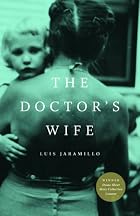
7. The Doctor's Wife by Luis Jaramillo - review
Type: Novel
Length: 170 pages
Original Language: English
Original Publication: 2012
Genre: Contemporary
Part of Series: N/A
Format: Kindle
Date Finished: 24 Jan 2013
I am still not sure if I want to call this book a disappointment or if the good in it actually redeems it enough. I like the author's style but I did not like the way the book flowed.
Jaramillo chose to write a series of short vignettes, short glimpses into the life of a woman (and her family). And as someone that loves short stories, this style usually works for me. But something here was off. The length of all those pieces did not allow any of the characters to grow and become fully fleshed... and the change of narrator which should have added a layer of familiarity was almost invisible - you realized it happened because the people were different... but the voice remained the same. And that's part of the problem.
I never connected with any of the characters - and if in some books this will not be a problem, the style and the format of the book called for such a connection. And it could not happen - they were just there, in outlines. Even when the family went through problems and grief... I did not really care what will happen to them.
At the end of the day, the book did not work for me. I will check the next book the author writes - because the style worked. But I hope that the next one will choose a different format - it almost looked like the author lacked the subtlety you need to make this kind of format work properly - by fleshing characters without really fleshing them out.
49baswood
Excellent reviews of The Illusion of Separateness and In her Garden
50alphaorder
I own The Illusion of Separateness and after your review, moved it up mount TBR.
51NanaCC
Your reviews of In Her Garden and The Illusion of Separateness have me intrigued.
52AnnieMod
Thanks guys (and gals)
>50 alphaorder: alphaorder,
Happy reading. Let's see what you will think - unconventional formats end up being hate or love business. :)
And I am off to trying to catch up with a few more reviews - at least so far I manage to post in the list - which is better than what I managed to do the previous years :)
>50 alphaorder: alphaorder,
Happy reading. Let's see what you will think - unconventional formats end up being hate or love business. :)
And I am off to trying to catch up with a few more reviews - at least so far I manage to post in the list - which is better than what I managed to do the previous years :)
53AnnieMod

25. Prophet of Bones by Ted Kosmatka - review
Type: Novel
Length: 347 pages
Original Language: English
Original Publication: 2013
Genre: Science Thriller
Part of Series: N/A
Format: Paper/ER
Date Finished: 23 Feb 2013
The Earth is 5800 years old - Libby's carbon-14 dating had proven that in the late 50s and the Nobel prize followed soon. And this lines up nicely with the Bible and everything the religions are teaching - so the world had discarded all the theories about evolution or that there is no intelligent design.
Despite the fact that there are people that would love this to be the real Earth, it is not. This is the setting in Kosmatka's new novel (based on a wonderful shorter work). The novel is called science thriller and this is somewhat of a misnomer - because it is an alternative history (and the more you read, the more you realize that it is an alternative history) hidden under a thriller-like story.
The novel starts nicely - with slowly showing the reader how different this world is and how different the people in it are. And showing a lot of science from the first minute - this is what the novel is all about after all. And most of this science is exactly as we know it.
Despite the difference in what is considered the real world theories, bones and DNA cannot lie - and the scientists in this world see pretty much what the ones in our world do. But their reference points are different - and the same data yields different results. And this is one of the strong points of the novel - while telling its science-fictional story it hits one of the main problem in science - if you presume something and that initial hypothesis is wrong, your end results will be wrong. And if you have a lot of those wrong hypotheses and they are accepted as the base of science, you will find explanations for pretty much anything you see... and be as wrong as the initial idea.
Except that some things cannot be explained. And this is what lies in the middle of the novel - plus the greed of people and the desire to control. Bones cannot lie - so when a set of them is found in Flores (which happened in our world as well...), things just cannot be explained anymore. The fact that people are killed because of that proves that something is wrong and sends our unlikely hero Paul on a run for his life. The build-up to this is full of science, too much biology for my taste and building a future world that could have been. The chase itself is a standard thriller fair - almost cliched (bad guys becoming good guys and vice versa, a string of motels, an old love (and could the three main females in the book (the mother, the new flame-turned-bitch and the old love) be any more stereotypical?), fabulous driving from everyone involved and what's not).
And then comes the end - which should have closed the novel in the style it started or at least in the speed the novel got in its middle part. Except that it never happens. You almost know where this is leading and just hope for something more... which never comes. The book has a closure but it is so expected (even the big revelation makes you just shrug) that it feels like cheating.
It's a nice read (although not for people that cannot read bloody explanations or have something against graphic scenes) and I enjoyed reading it. It is one of those "what-if" stories that have to be written - especially in a world where there are still people discarding the evolution as the way we came to be. But I am not convinced that the thriller was the right genre for this book - or that is the right genre for the author. Because the end of the book would have made a lot more sense (even if you could see a few other books in it...) if it was not for the while middle part. Or if that middle part had at least one element that did not feel like a check on a "these are the elements of good thriller" list.
At the end of the day, it is the idea, the real science and the author style that hold it all together. But that's not nearly enough - not in this genre and not at these times. The execution required a lot more work - both in the characters building and in the story building (surprisingly enough, most of the male characters are actually fleshed out quite nicely and even manage to surprise now and then). It made me want to read more about the bones and anthropology and evolution and and the like... so it is successful in a way that I am not sure was intended.
54AnnieMod

26. Life Form by Amelie Nothomb - review
Type: Novel (or so it claims...)
Length: 125 pages
Original Language: French; translated by Alison Anderson
Original Publication: 2010 (French)/ 2013 (English)
Genre: Contemporary/Epistolary (kinda)
Part of Series: N/A
Format: Paper; Europa Editions
Date Finished: 23 Feb 2013
Amelie Nothomb is known for her letters writing - and it is not surprising that she turns to such a familiar topic for one one of her latest novels (latest in English but I think that she managed to get some more published after this one...)
The novel is almost a nod to the old epistolary novels - the heart of the story is the letters exchange between Amelie Nothomb (which shares the name and the habits of the author but is not exactly her) and Melvin Mapple - an US soldier in Iraq who has a curious problem - he had become obese as a result of being a soldier and as an act of an active sabotage. And that's how the story unfolds - with Melvin writing long letters, Amelie answering in short (and very positive) letters. And somewhere there, between the letters are the thoughts of Amelie about the situation, about letters and about writing in general - which change the perspective. Because a lot of the letters she sends are not what she would have sent if she had decided to send her own thoughts - they are more diplomatic that anything else. And her thoughts are showing an European thinking about USA that still exists - even if it is not as prevalent as it had been 20 years ago, it sounds almost logical for someone that does not use computers.
The turning point of the novel does not come as a complete surprise... even if it is a surprise for our Amelie. And her last action makes one almost laugh - especially if they had been through US Immigration a few times (and no, the outcome won't be what our protagonist expects).
It is a nice story about the almost forgotten art of letter writing and about the creative process of a writer; about identities and the lies that can be said when the only connection between people is a string of letters. A story of self-image and self-loathing and of what people would do just so they can get some company... In today's digital world, letters are not something that people spend time on and not knowing how your friend is for weeks and months is something almost foreign. And yet... the story hits that little seed of remembrance from the past days - when internet was too young to be useful and people were using the good old snail mail. But something is still disconnected - for some reason, the book feels more like a plan for novel than a proper novel...
55lilisin
I feel that is often the case with Nothomb. She has so many ideas that sometimes you feel like you're reading a rough draft for a novel. In one book she even had two endings. I still enjoy her writing though which is why I own 17 of her books and save the new ones for reading ruts so I know that if I just pick up her book I'll be cured.
56AnnieMod
Oh, I love her style - but sometimes I wish she spends a few more time on a book and get one properly finished... :)
57RidgewayGirl
The cover is really striking. If I ran into that in a bookstore, there's a good chance it would go home with me.
58baswood
Shame about Prophet of Bones, how it did not live up to it's intriguing start. Excellent review.
59AnnieMod
Yeah. It may work better for someone that does not read as many thrillers as I do but considering that it is marketed to the thriller readers... At the same time though, it is one of the SF/F genre writers so I expect some good reviews from that corner (where the two groups do not mix....)
In the meantime, the nominees for Nebula, Bram Stoker, Agatha Awards and the Edgars (well - these had been known for a month...) are out so... time to catch up on those. Plus the Locus list :)
In the meantime, the nominees for Nebula, Bram Stoker, Agatha Awards and the Edgars (well - these had been known for a month...) are out so... time to catch up on those. Plus the Locus list :)
60dchaikin
Interesting set up for Prophet of Bones. Your review has me thinking about how science works.
61AnnieMod
Dan, yeah... that's one of the saving graces of the book...
With 1/4th of the year gone, it seems like I at least had managed to keep track of what I am reading... even if I am not posting about it too much. Goal for next quarter - keep up the good work with the list... and try to post more often
With 1/4th of the year gone, it seems like I at least had managed to keep track of what I am reading... even if I am not posting about it too much. Goal for next quarter - keep up the good work with the list... and try to post more often
62avaland
Just catching up with your reading, Annie. What you read is always interesting, whether it is something I might read or not. The Kosmatka is intriguing.
63AnnieMod

61. The Humans Who Went Extinct by Clive Finlayson - review
Type: Non-fiction
Length: 220 pages + notes, index and preface
Original Language: English
Original Publication: 2009
Genre: Pre-history
Part of Series: N/A
Format: Paper; Oxford University Press
Date Finished: 12 April 2013
Despite its subtitle, this is not a book about the Neanderthals. They do feature in the story and the question of why they died out is somewhat answered - but as a part of the much bigger questions of why we survived and so many other races did not.
Finlayson goes through all the available information (up to 2008 at least) and tries to explain what happens using the climate as one of the main actors in the drama that unfolded. The other actors ended up the earth and oceans movement and the chance. Humans, as much as we like kidding ourselves to be superior and what's not, had never been the determining factor in what was about to happen (not until some more recent times that is). And in that drama, the actors that seemed the most suited to succeed failed - because the rules changed. And in the shuffle of the changed rules, the people that were on the verge of disappearance and of being the looser in the roulette called evolution somehow made it trough. Some of them finally succumb after a few disasters, some of the persist and one of those groups beats all the odds and ends up as Homo Sapiens Sapiens.. Finlayson does not go that far - he leaves off the story a bit earlier, at times when there is no other line that could have won and at a time when the climate is already stable and there is no way for outsiders to win. But while reading the book, I kept thinking how easy it could have been for the story to be different - a delayed volcano here or an Ice Age coming a thousand years later would have changed everything.
The author has his own hypotheses about what happened in the past but every time when he shares one of them, he makes sure he explains the rest of the options and why he believes this to be the correct one. In some cases, he is probably wrong. In some, he is probably right. The truth is that we probably will never know, no matter how much the technology improves (and DNA and dating and so on had already made a huge difference in what we think). But the main threads that Finlayson keep returning to are pretty clear and logical - Neanderthals could have won if the climate had changed differently, they were not less intelligent than the ancestors of the human population that lived at the same time and chance had been the deciding factor for what happened - the very human "in the right place at the right time" had always been with our race.
The book is technical enough (the author does not shy from going into the technical details of the early civilizations... although he does not go through all of them and does not go in too much details of the minor difference) and as such it is not a light reading. The first chapters are a great panorama of the world before the first ancestors of the humans appeared. And then came the chance game. And the unexplained occurrences (the Flores bones from 2003 for example (and apparently a similar type of bones found in 2008 that turns everything on its head again)) and the changes of opinions through the years (Lucy is not really part of the human chain apparently despite of what we had been taught at school) come to show us one thing - no matter what we think we know, there is enough hidden truth that is yet to be found. And the author makes a great work of pointing out how generalizations had plagued the sciences which are part of pre-history - they are needed if we want to have any knowledge but when people keep to them even when a new finding argues for something else is something that the scientific community is very good at.
The one thing that really annoyed me through the books were the repetitions. It is not a book where the separate chapters make up for separate narratives - it's an interconnected text and as such, repetitions between chapters are not really needed. Nor are the summaries at the end of each chapter or at the end of the book. But then it is a common enough style in science so the author was just doing what everyone one else does. Which does not make it less annoying. And the book could have been improved with a few more maps and figures - I know where the rock of Gibraltar is compared to Africa and Spain for example) but a map showing exact location would have helped - especially when he was talking about the migrations of the proto-humans. A good atlas of the pre-historical world or simply checking internet helps but maps would have made it a self-contained work.
Overall a pretty good overview of why we are here and the rest of the races are not. And the linking of the events with the climate that worried me at the very beginning (we are the era of the Global Warming after all - this is the hot topic and everyone tries to connect everything to it) turned out to be the best thing in the book - because put in such a perspective a lot of things make more sense.
PS: On a separate note, the author keeps up with his research because the paperback version that I read (published 2010) has an additional note for what had happened since the book was published. Which is always a daunting task when such a topic is involved - things change daily.
65AnnieMod

59. The Diviners by Libba Bray - review
Type: Novel
Length: 587 pages
Original Language: English
Original Publication: 2012
Genre: Fantasy, Horror, YA
Part of Series: 1
Format: Kindle
Date Finished: 8 April 2013
Welcome to the mid-20s in USA - before the financial crisis of the 30s, between the two wars and in the time when the young people tried to live fast and hard. It is 1926 and it is the biggest city - New York. And in the city, a collection of young people coincidentally start meeting... except that it turns out that they are all special... in a certain way.
The main character, Evie, is almost a caricature of the period (as are most of the other characters actually) - you can see a cliche after a cliche. But then, the cliches are there because this is what things used to be. The author does not try to bring any originality or to present a forward looking characters - she is writing a book set in the 20s with characters that are part of the time. And that works wonderfully. Even the old professor that is the curator of the Museum of American Folklore, Superstition, and the Occult--also known as "The Museum of the Creepy Crawlies" is as cliched as they go. Or so it looks.
For the first 200+ pages, nothing happens. It reads as a periodic piece with some weird paranormal references here and there that can be discounted as part of the spiritualism of the times. Until the first murder takes place and things start being unusual and interesting. The murder escalates into a succession of murders, each more gruesome than the previous one (the book is definitely not for the people with weak stomachs) and the group of seemingly normal teenagers turns out to be quite extraordinary - one of them can read the past from touching an object, another is part machine/part human, a third can make people see through them. And at the same time, a few of the older characters seem to be uneasy and to know exactly what is going on... but never to spell it.
Add to this a ghost, dreams, a healer, an old religion, an old house, an old book and the police deciding that some of the good guys are the bad ones (well... it had to happen... they were always in the right place at the right time) and the story unfolds. But it is a story inside of a story - the murders and everything around them causes the main story to start unfolding - very slowly, in the background. And at the end of the book you realize that even if the murder mystery is solved, the book is just a buildup for a sequel (or 3). And this buildup obliges the author to come up with a pretty good conclusion down the road.
But on top of all this, it is also a story of growing up - the Evie of the first pages is not the same as the Evie at the end - she may be annoying and spoiled but by the end of the book she starts putting something else in front of her. Which does not mean that I did not want to smack her on the head more than once - she WAS annoying for most of the book.
The main problem of the book is the audience. It is published as YA but the only thing that makes it a YA is the age of the main characters. There is way too much buildup to keep the attention of someone young enough to be in the target audience. But then I may be underestimating the teens. But even if that's the case - I don not think that this should have been published under the YA label - even it got an Andre Norton nomination.
I really hope that the author knows how to tie all the ends she introduced - and that this conclusion will be worth of the buildup in this book. Because way too often, the end feel flat compared to the first books, especially if the first one is as good as this one. It is not for everyone - it is a slow burn of a novel (except in the murder investigation)... but if one likes the style, it works beautifully.
67NanaCC
The Humans Who Went Extinct sounds interesting.
68AnnieMod
>66 baswood: Thanks bas :)
>67 NanaCC:
Nana, if you a interested in the topic and open to hypotheses about what happened, it is a very good book. I am on some pre-history binge... so I will be posting for a few of the available uptodate books in the next few weeks...
>67 NanaCC:
Nana, if you a interested in the topic and open to hypotheses about what happened, it is a very good book. I am on some pre-history binge... so I will be posting for a few of the available uptodate books in the next few weeks...
70AnnieMod
OK... trying not to fall behind on reviews anymore... will be going back and review the ones I missed but will try to review all I read from now on... Wish me luck :)

62. Soldiers of Salamis by Javier Cercas - review
Type: Novel
Length: 213 pages
Original Language: Spanish; Translated into English by Anne McLean
Original Publication: 2001 (Spanish); 2003 (English)
Genre: Contemporray
Part of Series: N/A
Format: Kindle (and some of the conversion was maddening - especially around the Spanish names with non-pure Latin symbols such as Bolaño
Date Finished: 14 April 2013
Most novels written nowadays have a somewhat linear plot - even when there are a lot of them, each plot will be linear - and the novel seem to have a focus and a destination. Cercas' "Soldiers of Salamis" starts as a comic story about an unsuccessful author, goes through being a historical novel and ends up as a philosophical novel about the nature of heroism. And the most surprising thing is that at the end it works.
The unsuccessful author is named Javier Cercas and while reading you slowly realize that on top of everything else, the novel is also pseudo-authobiographical (how pseudo is open to interpretation). He is back to being a journalist after giving up on his carrier as a novelist (after only 2 books) and while covering the cultural section, he meets Ferlosio who has a very interesting story to say about his father. That puts Javier on the path to research and to writing a book called "Soldiers of Salamis".
The novel is chock-full of real Spanish literary and political figures and untangling the truth from the fiction is impossible if you do not have a very solid knowledge in Spanish history (which I do not). But you do not really need to untangle it - it does not matter what really happened and what might have happened - because in the narrative of the book it did happen. Or at least so it seems until you learn something new.
The comical tone never leaves the novel (Conchi is downright hilarious) but the topics that get covered cannot be more serious. In an article and a book (because the middle part of the novel is the book that the fictional Cercas writes), the life of Rafael Sánchez Mazas comes to life and especially the way he survived the war. This is the point where the novel changes it pace more than once - from comical to serious, from optimistic to cautious, from a book about a man to a book about heroes and war. Because Cercas returns to that moment more than once in an almost Quixotic quest for the truth of what really happened in a forest at the last days of the war that Mazas helped happen. And that quest will lead to an old notebook, a long conversation with Bolaño (yes, the same one), a few survivors from the war and a story of courage and human persistence in the face of obstacles that makes you wonder if you are still reading the same book. And at the end of the book, all these subplots and threads, all the unrelated events, all the possible truths culminate into a tale of heroism and war, of history and reality, of what it is to be a writer and what it is to be human. It is a novel about politics (because what Miralles is and what Sánchez Mazas is is important; the war happened for a reason and that reason should not be forgotten) but at the same time it is about the people behind the political faces and ideologies.
It's not an easy novel to read - the three parts are so different that chances are that people won't like at least one of them. But at the same time, a different structure probably would have left the story flat. And the long paragraphs and winded sentences are all there (especially towards the end of the book) - they seem to be a trademark of Cercas. And as in "The Anatomy of a Moment", he manages to insert his favorite "it happened or could have happened" or something close enough to that - bringing the novel closer to a biography than to a work of fiction but without crossing the border.
And over the whole story lingers the ghost of a certain paso doble. How very Spanish!

62. Soldiers of Salamis by Javier Cercas - review
Type: Novel
Length: 213 pages
Original Language: Spanish; Translated into English by Anne McLean
Original Publication: 2001 (Spanish); 2003 (English)
Genre: Contemporray
Part of Series: N/A
Format: Kindle (and some of the conversion was maddening - especially around the Spanish names with non-pure Latin symbols such as Bolaño
Date Finished: 14 April 2013
Most novels written nowadays have a somewhat linear plot - even when there are a lot of them, each plot will be linear - and the novel seem to have a focus and a destination. Cercas' "Soldiers of Salamis" starts as a comic story about an unsuccessful author, goes through being a historical novel and ends up as a philosophical novel about the nature of heroism. And the most surprising thing is that at the end it works.
The unsuccessful author is named Javier Cercas and while reading you slowly realize that on top of everything else, the novel is also pseudo-authobiographical (how pseudo is open to interpretation). He is back to being a journalist after giving up on his carrier as a novelist (after only 2 books) and while covering the cultural section, he meets Ferlosio who has a very interesting story to say about his father. That puts Javier on the path to research and to writing a book called "Soldiers of Salamis".
The novel is chock-full of real Spanish literary and political figures and untangling the truth from the fiction is impossible if you do not have a very solid knowledge in Spanish history (which I do not). But you do not really need to untangle it - it does not matter what really happened and what might have happened - because in the narrative of the book it did happen. Or at least so it seems until you learn something new.
The comical tone never leaves the novel (Conchi is downright hilarious) but the topics that get covered cannot be more serious. In an article and a book (because the middle part of the novel is the book that the fictional Cercas writes), the life of Rafael Sánchez Mazas comes to life and especially the way he survived the war. This is the point where the novel changes it pace more than once - from comical to serious, from optimistic to cautious, from a book about a man to a book about heroes and war. Because Cercas returns to that moment more than once in an almost Quixotic quest for the truth of what really happened in a forest at the last days of the war that Mazas helped happen. And that quest will lead to an old notebook, a long conversation with Bolaño (yes, the same one), a few survivors from the war and a story of courage and human persistence in the face of obstacles that makes you wonder if you are still reading the same book. And at the end of the book, all these subplots and threads, all the unrelated events, all the possible truths culminate into a tale of heroism and war, of history and reality, of what it is to be a writer and what it is to be human. It is a novel about politics (because what Miralles is and what Sánchez Mazas is is important; the war happened for a reason and that reason should not be forgotten) but at the same time it is about the people behind the political faces and ideologies.
It's not an easy novel to read - the three parts are so different that chances are that people won't like at least one of them. But at the same time, a different structure probably would have left the story flat. And the long paragraphs and winded sentences are all there (especially towards the end of the book) - they seem to be a trademark of Cercas. And as in "The Anatomy of a Moment", he manages to insert his favorite "it happened or could have happened" or something close enough to that - bringing the novel closer to a biography than to a work of fiction but without crossing the border.
And over the whole story lingers the ghost of a certain paso doble. How very Spanish!
71AnnieMod

63. The Fossil Chronicles: How Two Controversial Discoveries Changed Our View of Human Evolution by Dean Falk - review
Type: Non-fiction
Length: 198 pages + notes, index and dictionary
Original Language: English
Original Publication: 2011
Genre: Pre-history
Part of Series: N/A
Format: Paper; University of California Press
Date Finished: 15 April 2013
Now I know more about human, hominid, australopithecine and related brains that I ever thought I'd know. As it turns out, there is a discipline called paleoneurology which main subject is the endocasts of brains of fossils which may be in our ancestor tree. The human brain is a soft tissue, it disintegrates first so chances of fossilized brains of species from long ago is almost non-existent (they will be destroyed before they fossilize). And here come the endocasts - as it turns out, the brain leaves a pretty good print on the internal side of one's head - so when it is sufficiently preserved, the scientists can do a lot with those prints. And this is what Dean Falk does in her day to day job.
The book takes two fossils - the Taung child (found in 1925) and LB1 (the Hobbit found in 2003 in Flores) - and compares their discovery and acceptance from the community. The reason why these two are used is very simple - both allow for full endocasts and both had been studied this way (plus just now, any book about fossils that does not mention LB1 probably has no chance to be published... ). It all starts with a chance discovery in South Africa in 1925 and with the right man at the right place. Fast forward to more recent times and the author finds a huge mistake in the interpretation of part of the brain of that chance discovery (which noone else had found before) and follow a long time of papers in both directions. Falk does not bore us with all of those but the tone in that part of the book is a definitive "I am right, everyone else is wrong" and "Alone against the world". Don't get me wrong - I suspect that she actually is right (I do not have the training to figure it out) but the book almost read as a defense against anyone saying anything else. . It does not help much when she finds that Dart (who found the Taung child and interpreted the endocast) had written in his never published monograph some more details that are immediately announced as an agreement with her theory. Reading them, they are an agreement if someone already agrees with the theory; otherwise it is a case of reading a text in a way that may not necessarily be the way it was written... But besides these issues, the text is really interesting and informative, with a lot of details and observations that make this part of the book worth reading.
And then the Flores bones show up and the attention is shifted to them. Because this time it is Falk and her team that will be the first to work on the brain and endocast of the new species (if it is a new species). And there follows a fascinating tale of science, rivalries, damaged bones (what kind of morons can damage this kind of unique bones and call themselves scientists) and a lot more brains. The almost sulking author from the first part of the book is gone and is replaced by the scientist that needs to defend a position (a jibe towards the science writers and their attempts to give equal time to all the theories is not missed of course) and that is trying to unearth the truth. And because she had worked on Taung as well, because the field she works in is pretty narrow, she can draw the parallels between previous discoveries and this one and to show how the story repeats itself. One wonders though - aren't the scientists falling into the "this happened before so it must be this way" trap...
Another very valuable part of the book is the behind the scenes look of how these bones are excavated and what happens after that, of how the modern science work outside of the laboratories and of how unclear it is what had been really happening in the past (more than once, Falk explains how a certain fossil belongs to a species but half the scientists think something else). And then come the journal articles and responses, the protocols for discoveries announcement, all the information that someone that is not a scientist would not know. And then there is the accusation of a lie (called with a different name but...) against a team of scientists and the specimen search that is a lot more complicated than I would have thought. Falk uses the book to defend her hypothesis of what species the Flores bones are and where these small people came from (which is why scientists write books after all) but she does not just ignore the ones that disagree. A huge number of theories are tested and proved to be invalid - and the story of how and why is what makes most of the second part of the book.
Of course at the moment the book cannot be finished. Noone really knows what the Flores bones are. It is even possible that the question will remain open for a very long time. But the simple fact of finding them had caused a huge stir in the sciences concerned with evolution and human origin and had made most of them reevaluate what they had believed.
It is a book worth reading, even if in parts it gets way too technical. And the annoying parts just give character to the book - because despite all, the book achieves its objectives and puts two major fossils side to side and examines their influence on the science and the world as a whole.
72baswood
Excellent review of Soldiers of Salamis. I have read other reviews on these threads and it all boils down to a fascinating book. I might be tempted.
73AnnieMod
>72 baswood: Thanks bas. It is more musings than a review - I just realized that I did not even mention which war it was. :) But I am not changing it (except probably to fix a grammatical error or 2) - it does not really matter which war it was - it could have been any. And that's part of what the title plays on.
Highly recommended (together with his Anatomy of a Moment (review here) which made me read the novel in the first place).
Highly recommended (together with his Anatomy of a Moment (review here) which made me read the novel in the first place).
74dchaikin
Very interesting on Soldiers of Salamis.
I'm curious what is driving your human evolution trend (OK, two books). Enjoyed these reviews.
I'm curious what is driving your human evolution trend (OK, two books). Enjoyed these reviews.
75AnnieMod
>74 dchaikin:
They'll be more than two I am afraid - both human evolution and evolution in general (and Earth geological eras if I find a good book)... :)
It's a long story - I've always wanted to go back and get some more reading on history (all periods) in some resemblance of order and the Cambridge (Ancient, Medieval, Modern) history series fits the bill for a good start (so I can expand from there). So I figured out I can as well start reading them - there will never be a better time. But some of those volumes (especially the first ones) are not updated since the 70s (still giving you a pretty good base though) so I needed some additional reading to get me the newest in Pre-history. And once i started looking, it is a pretty interesting topic (and Flores is a fascinating find).
When I was in high school (late nineties), a lot of those new finds were either not found yet or not incorporated in the textbooks... And the parts that were there were downright boring... so I've never returned so far back until a couple of years ago with The World from Beginnings to 4000 BCE which made me decide to go and read the Cambridge histories... and the circle closes.
They'll be more than two I am afraid - both human evolution and evolution in general (and Earth geological eras if I find a good book)... :)
It's a long story - I've always wanted to go back and get some more reading on history (all periods) in some resemblance of order and the Cambridge (Ancient, Medieval, Modern) history series fits the bill for a good start (so I can expand from there). So I figured out I can as well start reading them - there will never be a better time. But some of those volumes (especially the first ones) are not updated since the 70s (still giving you a pretty good base though) so I needed some additional reading to get me the newest in Pre-history. And once i started looking, it is a pretty interesting topic (and Flores is a fascinating find).
When I was in high school (late nineties), a lot of those new finds were either not found yet or not incorporated in the textbooks... And the parts that were there were downright boring... so I've never returned so far back until a couple of years ago with The World from Beginnings to 4000 BCE which made me decide to go and read the Cambridge histories... and the circle closes.
76dchaikin
Sounds like a fun project. Just be careful you don't end up going back to the big bang...
77AnnieMod
Now that you mention it... :)
Seriously though - if I find a good geological book, I will probably end up starting back at the beginning. And to think that I hated biology in school - and here I am reading about all kinds of biology-related topics (brains, bones and the lot).
Seriously though - if I find a good geological book, I will probably end up starting back at the beginning. And to think that I hated biology in school - and here I am reading about all kinds of biology-related topics (brains, bones and the lot).
78.Monkey.
>77 AnnieMod: I think a lot has to do with the teacher, their enthusiasm & knowledge, how they present it, the type of work they assign, etc. All that can make or break a class, the material itself is far less important.
79AnnieMod
>78 .Monkey.:
No reading work is assigned in a Bulgarian school. You have a textbook and eventually a second sources or exercises book (or something in the middle). The only part of biology I really liked was genetics - but when we went into botany and anatomy and all the more "learn your terms and do not think" kind of things, it got boring. There was a lot of material to be covered (the structure of a nucleotide or the part of a human brain). And because of the school I went to, we covered the full material. If that had happened later in life, I probably would have enjoyed it a lot more.
On the other hand, geography (including the geological part of it) had always been a very fascinating topic. Add living creatures and I was ready to check out.
I suspect that part of the problem was the separation of the sciences in a school curriculum (geography, biology, chemistry and physics) - you had all of them each year and they were not really aligned to each other and all of them were packing enormous amount of information which was trying to be self-contained from the others.
No reading work is assigned in a Bulgarian school. You have a textbook and eventually a second sources or exercises book (or something in the middle). The only part of biology I really liked was genetics - but when we went into botany and anatomy and all the more "learn your terms and do not think" kind of things, it got boring. There was a lot of material to be covered (the structure of a nucleotide or the part of a human brain). And because of the school I went to, we covered the full material. If that had happened later in life, I probably would have enjoyed it a lot more.
On the other hand, geography (including the geological part of it) had always been a very fascinating topic. Add living creatures and I was ready to check out.
I suspect that part of the problem was the separation of the sciences in a school curriculum (geography, biology, chemistry and physics) - you had all of them each year and they were not really aligned to each other and all of them were packing enormous amount of information which was trying to be self-contained from the others.
80.Monkey.
Wow you had everything every year?? Eeps. In our 4 yrs of high school we had biology freshman year, chemistry sophomore year (or "physical science" if someone was on the "lower track," which was a slower easier science class than chem, and then they'd take chem the next year generally), and physics junior or senior year. We didn't have geology (or geography) at all. Did the subjects vary by day, or, how was all that able to be covered??
81AnnieMod
No tracks either - classes are static and everyone in a class takes the same material - it depended on school and profile (I went to a Maths and Science school, Profile Maths, Informatics and English; there were also profiles Chemistry and Biology with slowly different program in the same school - more science, less Maths)). :)
The science program was as follows:
Biology - year 1 and 2 - general biology, botany, zoology, genetics (don't remember the split...); year 3 - anatomy
Geography - Year 1 - geology, Earth formation and continents formation, climatology and so on; Year 2 - Physical and political geography of the world; Year 3 - Geography of Bulgaria.
Chemistry - standard chemistry in Years 1 and 2; organic chemistry in Year 3
Physics - Optics in the year before high school; General physics in Years 1, 2 and 3; Astronomy replaces Physics in Year 4.
Add to this the humanitarians:
History - world history (years 1-3; starting from the Ancient world and moving up; Bulgarian history in Year 4)
Philosophy - Psychology in year 2, Semester 1; Logic in Year 2, semester 2; Ethics in Year 3, semester 1; Philosophy of the Law in Year 3, Semester 2; Philosophy in year 4
Literature - World literature chronologically in years 1 and 2; Bulgarian literature in years 3 and 4
Plus Music, Sport, Painting, Informatics and Programming.
And the Languages - English and German.
And a lot of Maths
You have 6 to 8 periods per day, each is 40 minutes, with between 5 and 20 minutes between them (based on a schema). Except for specialty classes (which for my class were Maths, Informatics and English), you cannot have more than 1 period per day on the same subject. So in the same day you can have history, biology, chemistry, literature, English, music, German and physics (in pretty much any weird order).
Sciences were 2 periods per week (except astronomy that was 3 per week); humanitarians were 2 per week (except Literature that varies between 3 and 4 per week depending on the year)
German was 2 per week except in Year 4 when it is 4 per week; English is 6 per week for the first 3 years; 10 per week in the last year (if I remmeber the exact numbers correctly).
The program and order changes per semester - so you have a static program within a week for the whole semester.
It is a very different system - and the way things are taught and you need to learn is very different because of that... But it also meant that most of the additional reading were for Literature and English (part of those were English literature.) And literature is very different from what English is in the States - we cover between 20 and 40 books per year and you are supposed to have read them all; usually it is a book per week or close enough to that except for some special cases).
PS: Sorry for the long message.
The science program was as follows:
Biology - year 1 and 2 - general biology, botany, zoology, genetics (don't remember the split...); year 3 - anatomy
Geography - Year 1 - geology, Earth formation and continents formation, climatology and so on; Year 2 - Physical and political geography of the world; Year 3 - Geography of Bulgaria.
Chemistry - standard chemistry in Years 1 and 2; organic chemistry in Year 3
Physics - Optics in the year before high school; General physics in Years 1, 2 and 3; Astronomy replaces Physics in Year 4.
Add to this the humanitarians:
History - world history (years 1-3; starting from the Ancient world and moving up; Bulgarian history in Year 4)
Philosophy - Psychology in year 2, Semester 1; Logic in Year 2, semester 2; Ethics in Year 3, semester 1; Philosophy of the Law in Year 3, Semester 2; Philosophy in year 4
Literature - World literature chronologically in years 1 and 2; Bulgarian literature in years 3 and 4
Plus Music, Sport, Painting, Informatics and Programming.
And the Languages - English and German.
And a lot of Maths
You have 6 to 8 periods per day, each is 40 minutes, with between 5 and 20 minutes between them (based on a schema). Except for specialty classes (which for my class were Maths, Informatics and English), you cannot have more than 1 period per day on the same subject. So in the same day you can have history, biology, chemistry, literature, English, music, German and physics (in pretty much any weird order).
Sciences were 2 periods per week (except astronomy that was 3 per week); humanitarians were 2 per week (except Literature that varies between 3 and 4 per week depending on the year)
German was 2 per week except in Year 4 when it is 4 per week; English is 6 per week for the first 3 years; 10 per week in the last year (if I remmeber the exact numbers correctly).
The program and order changes per semester - so you have a static program within a week for the whole semester.
It is a very different system - and the way things are taught and you need to learn is very different because of that... But it also meant that most of the additional reading were for Literature and English (part of those were English literature.) And literature is very different from what English is in the States - we cover between 20 and 40 books per year and you are supposed to have read them all; usually it is a book per week or close enough to that except for some special cases).
PS: Sorry for the long message.
82StevenTX
I thought my high school education was better than average, but this is stunning! Most kids here don't even cover this much ground in college, much less high school. And you can forget about evolution--I looked at my grandson's biology text book recently, and the word "evolution" didn't even appear in the index.
83AnnieMod
My textbooks did not have indices :) You could not cheat and find your terms this way - you had to know where to look if you wanted to cheat or just look up something...:)
We also had the so-called prep year. In Language and Math schools, you get admitted after the 7th grade. The first year is the prep year - while your ex-classmates are in the 8th grade somewhere, you spend the year learning a language (29 periods per week + a few in Maths, Literature and Sport). Then you go to the 8th grade (which is the Year 1 from the explanation above) after you pass the language exam at the end of the year - if you fail it and do not pass in September again, you need to enroll in a standard high school and you had just lost an year of your life. To compensate for that, the schools with no prep year had a 5th year (the 12th year overall) which was different based on the school - professional schools have practices and subject related to the profession for example. So everyone finished at the same time (after 12 years) but my years were 1-7, prep, 8-11 while someone elses were 1-12. And the material for the the 9th class (which would be year 10 for the prep class schools and year 9 for the rest) is the same - with different breadth to it.
And it was free - there is an exam system to get into the specialized schools but all high schools are free (the first year is considered part of the "basic" education; it is mandatory to be in school until you finish basic education or you are 16 years old. Obviously if you are in a good school, you won't drop at that point).
They had dumbed down the program a lot lately, a lot less material is covered and mostly in broad terms if you are not in a very specialized school... but still all subjects are taught to everyone. Most of the changes came from cries from parents how hard the program is.... Plus they now added a 13th year in most schools. My generation somehow survived with this program but oh well...
Do I remember everything I learned? No... of course not. But the foundation is there and it helps a lot when I venture in reading non-fiction (or fiction). Plus it is surprising how much I do remember when I start reading a related text. The biggest issue is reconciling the Bulgarian terms with the English ones - I've learned a lot and it gets easier but sometimes it is a question of recognizing the term and then I start understanding a lot more. But when I start reading non-fiction on a topic I had not read on in English, it may take a while to get up to speed :)
Oh well - I better shut up and go review a book :)
We also had the so-called prep year. In Language and Math schools, you get admitted after the 7th grade. The first year is the prep year - while your ex-classmates are in the 8th grade somewhere, you spend the year learning a language (29 periods per week + a few in Maths, Literature and Sport). Then you go to the 8th grade (which is the Year 1 from the explanation above) after you pass the language exam at the end of the year - if you fail it and do not pass in September again, you need to enroll in a standard high school and you had just lost an year of your life. To compensate for that, the schools with no prep year had a 5th year (the 12th year overall) which was different based on the school - professional schools have practices and subject related to the profession for example. So everyone finished at the same time (after 12 years) but my years were 1-7, prep, 8-11 while someone elses were 1-12. And the material for the the 9th class (which would be year 10 for the prep class schools and year 9 for the rest) is the same - with different breadth to it.
And it was free - there is an exam system to get into the specialized schools but all high schools are free (the first year is considered part of the "basic" education; it is mandatory to be in school until you finish basic education or you are 16 years old. Obviously if you are in a good school, you won't drop at that point).
They had dumbed down the program a lot lately, a lot less material is covered and mostly in broad terms if you are not in a very specialized school... but still all subjects are taught to everyone. Most of the changes came from cries from parents how hard the program is.... Plus they now added a 13th year in most schools. My generation somehow survived with this program but oh well...
Do I remember everything I learned? No... of course not. But the foundation is there and it helps a lot when I venture in reading non-fiction (or fiction). Plus it is surprising how much I do remember when I start reading a related text. The biggest issue is reconciling the Bulgarian terms with the English ones - I've learned a lot and it gets easier but sometimes it is a question of recognizing the term and then I start understanding a lot more. But when I start reading non-fiction on a topic I had not read on in English, it may take a while to get up to speed :)
Oh well - I better shut up and go review a book :)
85mkboylan
Thanks for the long descriptions of your education. Fascinating. I'm jealous. well, except for the no indices part!
86AnnieMod
>84 .Monkey.:
Well, for a very long time I thought that this was standard education. I've learned differently in the last few years :)
One thing I want to point out though that we do not have colleges - so after High school, you get accepted in university with your major (you don't get time to choose after a few years - you get accepted to study this major... if you decide to change majors, you need to go through the entrance exams and start over again).
It's a different system :)
Well, for a very long time I thought that this was standard education. I've learned differently in the last few years :)
One thing I want to point out though that we do not have colleges - so after High school, you get accepted in university with your major (you don't get time to choose after a few years - you get accepted to study this major... if you decide to change majors, you need to go through the entrance exams and start over again).
It's a different system :)
87.Monkey.
Yeah, it's different than both the US and NL/BE, also. In Netherlands (and here too, though it may be slightly different, I'm not entirely sure about the details here, since it's not where my husband grew up! lol) it's kind of in-between what you're saying and the US. There's areas of focus, but it's not quite as intense in the high school years, and you can still change majors if you decide you're not suited to the one (though it's not a very common thing to do, unlike in the US where practically everyone changes their mind at least once). My husband switched from some sort of engineering major to language, so he had to change schools as he'd been at a technical school, but it wasn't a problem to switch or anything.
88AnnieMod

64. Written in Stone: Evolution, the Fossil Record, and Our Place in Nature by Brian Switek - review
Type: Non-fiction
Length: 271 pages + notes, index and references
Original Language: English
Original Publication: 2010
Genre: Pre-history/Science
Part of Series: N/A
Format: Paper; Bellevue Literary Press
Date Finished: 18 April 2013
There are two types of writers of science books - the scientists and the journalists(or bloggers). The books from the first type are usually a lot more technical but at the same time they are also a lot more one-sided in cases when the science had not found all the answers yet. The second type can be either great or mediocre - depending on how much the authors understand of their subject and how good writers they are. Switek is not exactly a scientist (he is a research associate in a museum but he is also a blogger and journalist). And he had written a very accessible, readable and enjoyable book about evolution.
He chooses a somewhat nontraditional format - instead of starting from the beginning and moving through the younger and younger fossils, he takes the reader on a trip through history... a few times in a row. Each chapter is the narrative of a specific group of animals or a specific change of a behavior. And inside of each chapter, the information is presented in the order the scientists actually learned it. This makes a lot of the theories through the last 2 centuries a lot more understandable - at each theory explanation you know exactly as much as the scientists at the time did and this helps seeing how this could have been the understanding at the time.
He starts with an introduction of fossils and an explanation of why they are important, spends a chapter on Darwin (if you are talking about evolution, you need to at least explain his ideas) and then starts his journey through time. Fish, birds and dinosaurs start the big parade of animal families, followed closely by whales, elephants, horses and humans. The same scientists show up in almost each chapter and with each new family, their theories flesh out and their growth through their careers is plainly shown. The book is as much about the fossils as it is about the scientists that found and identified them; it is as much about the evolution as it is about how we had learned about it and how it had been proved that it is not just an imaginary theory.
In places the fossils are coming fast on top of each other, with their Latin names and miniscule differences. But Switek manages to write even these sections in a way that allows you to read them easily enough - and when you are through one of the denser passages to realize that it did not even slow you down - the terms and names fit very well and the explanations are more than enough. And the big number of figures and pictures and drawings helps in some cases.
And then there are the notes. Unlike most books where references and notes are mixed and you never know if you need to check them (I really do not care for references when reading through a book like that - not while reading a chapter anyway), Switek had split them. The notes are real notes - adding more details about the topic that is discussed or clarifying a point. The references are in their own section and the text is not marked with them (but each reference quote the start of the passage that it is about).
Overall a very good book about the evolution and about how the scientific knowledge has reached the stage at which it is now.
89NanaCC
Your prehistory phase is quite interesting. I don't have time right now, but I may have to come back and get a few ideas at a later date.
90.Monkey.
That sounds like an interesting book, the way it's presented and all. Will have to mark that one for future looking into!
91AnnieMod
>87 .Monkey.: PolymathicMonkey
You can change majors... but you are competing for a place with everyone else (and the kids that just finished school will be a lot better on the exam if it is Maths or one of Sciences or history or even literature) and if the majors are very different, you start from scratch if you get accepted.
>89 NanaCC:, 90 NanaCC and PolymathicMonkey- for prehistory, there is a lot of history out there :) It is hard to draw a line between t he sciences (and history) though which makes the whole project span in all directions. It's fun though :)
>90 .Monkey.: PolymathicMonkey
He has a new book about dinosaurs out and I like his style a lot... so I am thinking of getting that one as well...
Now... a week break from pre-history as I am traveling - which pretty much means kindle and fiction :)
You can change majors... but you are competing for a place with everyone else (and the kids that just finished school will be a lot better on the exam if it is Maths or one of Sciences or history or even literature) and if the majors are very different, you start from scratch if you get accepted.
>89 NanaCC:, 90 NanaCC and PolymathicMonkey- for prehistory, there is a lot of history out there :) It is hard to draw a line between t he sciences (and history) though which makes the whole project span in all directions. It's fun though :)
>90 .Monkey.: PolymathicMonkey
He has a new book about dinosaurs out and I like his style a lot... so I am thinking of getting that one as well...
Now... a week break from pre-history as I am traveling - which pretty much means kindle and fiction :)
92baswood
Excellent review of Written in Stone: The fossil record and Our Place in Nature I like the approach that Switek has taken, very journalistic, but it sounds effective.
93AnnieMod
>92 baswood: bas,
Yep, it gives you the perspective to understand why some of the bright minds had made such weird decisions... and how the now clear story emerged (if there is anyone reading this thread that thinks that evolution is just a theory and not the truth, sorry - I am not even planning to read any books on your side of the so-called argument - evolution is as real as gravity). I really liked his style - thematically chronological. I will be reading a few more evolution books so I am not sure if that will remain my favorite but the style convinces me to keep an eye on what else he is publishing.
Yep, it gives you the perspective to understand why some of the bright minds had made such weird decisions... and how the now clear story emerged (if there is anyone reading this thread that thinks that evolution is just a theory and not the truth, sorry - I am not even planning to read any books on your side of the so-called argument - evolution is as real as gravity). I really liked his style - thematically chronological. I will be reading a few more evolution books so I am not sure if that will remain my favorite but the style convinces me to keep an eye on what else he is publishing.
94.Monkey.
>93 AnnieMod: Well you'll have to let us know if the rest of his stuff is as good! :)
96AnnieMod
>94 .Monkey.: The Dinosaurs book? Sure - when I get around to it:)
I am back from my trip, read a few novels (reporting on them in the next day or so) and back to regularly scheduled reading.:)
I am back from my trip, read a few novels (reporting on them in the next day or so) and back to regularly scheduled reading.:)
97AnnieMod

65. The Greenlanders by Jane Smiley - review
Type: Novel
Length: 608 pages
Original Language: English
Original Publication: 1988
Genre: Saga
Part of Series: N/A
Format: Kindle
Date Finished: 26 April 2013 (thanks to two very long flights... or I would still be reading it)
The designation "novel" covers a big range of narrative styles - and the sagas tend to be credited there. "The Greenlanders" is a saga - it is not a story with a plot and main characters, it is the story of a place, of a nation, of a time. Characters appear and disappear, people die (even people that feel like being the main characters), people appear out of nowhere and names repeat themselves. It is like real life - you don't have people that are invincible and people do not get named conveniently (or show up only after their story is revealed). And somewhere amidst all these people is the story of the Greenland settlement at the times of the Black Death, the last years of the a previously prosperous life. The saga spans decades - in some instances years pass in a sentence; in some instances pages are spent on the same minute or hour.
And in that story emerges a nation that does not exist anymore, a style of life that had disappeared anywhere else and that is on the verge of extinction. Because even if Greenland's original settlers belonged to a different nation, their almost full isolation and their way of life turns them into something new... which by the time the novel opens is already something old and dying.
The details of the daily life are excruciating and at the same time you do not feel as if you are reading a history book instead of the novel you expected. Even though there are main characters emerging in the book, part of the beauty of the book is that you never know who will die or when or how.
It is a very dense read - even if you want to read fast, the text slows you down with the details, the prose and the style. But in a good way - in the way in which good non-fiction slows you down when it gets technical. And still it remains a fascinating fiction. Although it is not an easy read emotionally either - deaths, hunger and human stupidity is part of the book - whatever nature does not manage to take away, humans do. The foreigners that at the beginning of the novel are a good omen and carry happiness by the end of the novel turn into the worst thing that could have happen to the community - first by just influencing it and then by effectively destroying it. It is a dying world - with the Earth going into the small Ace Age, Greenland becomes too cold and inhospitable. And yet - noone gives up - it is only the external influence that manages to break up everything.
And somewhere amongst that saga are the stories - people telling stories - of heroes and real people, of their life and the life of others. And midway through the book, some of the stories are the stories of the people that tell them, the same stories we already read. And yet - they are different - because stories belong to the teller... and every time a story is told, it changes.
It is a marvelous novel - but only if someone is prepared for the style and the scope.
98AnnieMod

66. The Last Policeman by Ben H. Winters - review
Type: Novel
Length: 288 pages
Original Language: English
Original Publication: 2012
Genre: detective/pre-apocalypses
Part of Series: 1
Format: Kindle
Date Finished: 26 April 2013
In 6 months a huge asteroid will hit the Earth and life as we know it will end forever. The scientists are making their excuses of why they did not see it coming and in the meantime the Earth population descents into chaos - suicides and all kind of weird behavior starts being the norm. People not showing up at work; people just walking out of their life. And in the middle of this, Henry Palace is promoted to his dream job of a detective. And something that everyone is calling a suicide just does not look right to him.
"The Last Policeman" is a detective story inside of a pre-apocalypses one.The latter allows Winters to discard phones and internet for the most part and to set the novel in the current times but without technology making some of his questions get answered very fast - which is a nice trick. Because the murder is somewhat cliched - there are drugs, there is a beautiful woman that is not what she looks like, there are false clues and lost time. And there is the department where noone really care anymore - the world ends... so why spend the time finding a killer?
The whole novel is overshadowed by the expectation of the big day - the day when the scientists can tell where exactly the asteroid will fall (and that is the final accord of the novel - after the murder is solved and after the police force is reorganized).
It's a nice story - not too obvious at being a first book in a trilogy (despite the open ending for the asteroid, the story in this book is closed and finalized). And even if it is not a great detective story, it is a passably good one.
99rebeccanyc
Your excellent review of The Greenlanders reminded me that I've had a copy of this on my shelves for probably more than 20 years. I bought it when I first started reading Jane Smiley and never got around to reading it. Now I'll have to go see if I can find it.
100SassyLassy
Great review of The Greenlanders AnnieMod. rebecca, you have to read it. This is one of my favourite "escape" novels.
101rebeccanyc
It sounded that way, Sassy, and since reading The Long Ships I've been intrigued by northern sagas! (That's one of my favorite "escape" novels.)
103AnnieMod
Rebecca,
It is different from the other Smiley I had read but in the good way in which authors can change styles. But be ready for a very long read - it feels like 1000 pages (or even more) and not a mere 600. Just don't get too attached to people - some survive but you never know which ones :)
SassyLassy,
Thanks :) I doubt that I will ever reread it but I can see myself returning and reading parts of it in the way I do with real sagas. And I need to get around to The Long Ships - it is on my shelf and waving at me...
MK,
They are very different - but if you are in the right mood, both are good. :)
It is different from the other Smiley I had read but in the good way in which authors can change styles. But be ready for a very long read - it feels like 1000 pages (or even more) and not a mere 600. Just don't get too attached to people - some survive but you never know which ones :)
SassyLassy,
Thanks :) I doubt that I will ever reread it but I can see myself returning and reading parts of it in the way I do with real sagas. And I need to get around to The Long Ships - it is on my shelf and waving at me...
MK,
They are very different - but if you are in the right mood, both are good. :)
104japaul22
I recently purchased The Greenlanders for my kindle and am planning to get to it this year. Thanks for the great review so I know what frame of mind to have going in. And I will enthusiastically echo the push to read The Long Ships. It was one of my favorites last year.
105baswood
Excellent review of The Greenlanders I can't remember which one of Jane Smiley's books I have read, but I came away with the impression that her writing style was dense.
106AnnieMod
>104 japaul22: japaul22,
It is on my paper TBR which is just now occupied by my history project.... but who knows. And I have the full edition of the Icelandic Sagas staring at me as well from the corner - and that book made me want to read them as well...
>105 baswood: bas,
I've read Ordinary Love and Good Will as well and even if it was dense, it was nothing compared to The Greenlanders. But I definitely plan to get some more of her books - I really like the style(s).
It is on my paper TBR which is just now occupied by my history project.... but who knows. And I have the full edition of the Icelandic Sagas staring at me as well from the corner - and that book made me want to read them as well...
>105 baswood: bas,
I've read Ordinary Love and Good Will as well and even if it was dense, it was nothing compared to The Greenlanders. But I definitely plan to get some more of her books - I really like the style(s).
107AnnieMod

67. The Storyteller by Jodi Picoult - review
Type: Novel
Length: 480 pages
Original Language: English
Original Publication: 2013
Genre: Holocaust/contemporary
Part of Series: N/A
Format: Kindle
Date Finished: 28 April 2013
Is it possible to put a Holocaust story, a vampire story, a love story and a tragic accident in the same novel without it sounding cliched or offensive? Jodi Picoult proves that the answer to this is yes and builds a story about the choices that people make collecting the seemingly mismatching threads into a rich tapestry.
The middle part of the novel is almost heartbreaking to read - the story of the Holocaust as seen by the eyes of a young girl that survives it. Even though you know it is a novel and that the narrator survives (because she is telling the story), it still is a very powerful piece of prose. And the fact that it is not a real survivor story does not make it less powerful.
And around this middle part is the framing story - the old Nazi officer Josef that decides to ask forgiveness from a Jewish woman. In her introduction to the novel, Picoult points out that this idea is not her, she found it in Simon Wiesenthal's "The Sunflower" and that she built her novel around the idea. Except that the case in "The Storyteller" is a little different - Josef does not seek one of his victims but Sage - a 20-something baker which is Jewish by birth but claims not to be and that lives in the 21st century. Sage has her own story and secrets - while Josef had lived his life hidden because of what he had done and had built himself a new identity and won the respect of the whole town, Sage had her face marked from an accidents and hides behind her profession and the weird hours that bakers keep.
Add to this Sage's grandmother Minka (who is the survivor that the middle part of the book belong to), a married man that Sage believes to be the best she deserves and a Nazi hunter who is ready to discount the whole story when he first hears it but then realizes that there is something in it, a retired Nun, interesting face showing in a bread (and I still do not see how that connected to the whole story...) and a few other secondary characters that allow the story to flow nicely.
And the main thread in the whole novel is choices - the choices that Josef made as a boy and then as a young man, the choices Minka hd to make in order to survive, the choices that Sage made in her own life and for the story of Josef, the choice that Josef had made when deciding to confess to Sage; choices of death and life (in more than one way); choices of belonging and staying away; of betrayal and honesty. Even the last act of the novel was a choice.
The turning point of the novel is hinted at very early in it and is fully shown long before Sage catches up on it - and that's one of the weak points of the novel. She should have seen it earlier - should have managed to process that information. But then should would not have made the same choice most likely - although I am not so sure that this would have been a bad thing.
And where are the vampires? In a story, where they belong. Between the chapters of the novel in the same way in which they had been written between the hard days of Minka. A story that saves her life and that plays a significant role in her narrative... and as unfinished as the life of a person can be. And a lot of the choices in that fictional story mirror the choices in the lives of the characters - and repeating some of the parts during the novel narration itself serves to show how close is life to an unreal imaginary story... and how powerful a story can be.
At one point, at the final part of the book Picoult defines history: "History isn't about dates and places and wars. It's about the people who fill the spaces between them." And that's one of the best definition I had heard. Because at the end of the day, history is the story of the choices made by people for people about people. And novels can relate these possible stories - because even if that one did not happen, millions of stories did happen in the ghettos and camps of WWII - and most of them cannot be told because noone survived to tell them. But "The Storyteller" is not just a Holocaust story even if it contains one; nor is it a vampire story - it just contains one. It is about memories, forgiveness, choices and hope.
===
For reasons that I cannot really explain, I had stayed away from Picoult for years. She was too... popular, usually with the wrong crowd. But I really hate to dismiss authors without trying them and that one sounded interesting. Now I have a problem - she is pretty prolific and I like her style...
108baswood
Enjoyed your review of The Storyteller, Jodi Picoult. Are we in the realms of pulp fiction with this writer? or is their more depth to her, as you say you have regarded her in the past as too popular.
109rebeccanyc
105 Barry, I read a lot of Jane Smiley about 15 to 20 years ago. I particularly liked some of her more comic novels, like Moo and Horse Heaven. I found some of her ones with "messages" a little hard to take in parts, like The All-True Travels and Adventures of Lidie Newton and Good Faith. When she's on she's great, and when she's not, she's not. But I haven't read anything by her in a decade probably.
110AnnieMod
>108 baswood: bas - I would not call it pulp fiction - she is better than I expected. She is not the greatest author writing today but she is pretty entertaining and worth checking if you ask me. And that did surprise me - the way her books are marketed is different from what I would expect...
>109 rebeccanyc: Rebecca,
Sounds like I need to be careful with some of those :)
>109 rebeccanyc: Rebecca,
Sounds like I need to be careful with some of those :)
111SassyLassy
Agreeing with rebecca about Jane Smiley. I couldn't believe when I read Good Faith that this was the same author who wrote The Greenlanders. What a disappointment. I approach her books carefully now and keep reminding myself how much I liked The Greenlanders.
112AnnieMod
You know - it makes me wonder which of the other current popular authors are worth reading. I am pretty good with the genre fiction - but the contemporary usually gets on my nerves and I am weary of trying new authors too often. And then comes Picoult. So I suspect that I might pick up novels from some of the other authors I see at the airports' bestselling lists. As if I needed more books...
113rebeccanyc
I was so disappointed in Good Faith that I haven't read anything else by Smiley since.
114AnnieMod
:) It almost makes me want to read it just to see how bad it is :) Bad for Smiley or generally bad?
115AnnieMod

68. Born in Africa: The Quest for the Origins of Human Life by Martin Meredith - review
Type: Non-fiction
Length: 195 pages + glossary, notes, index, preface, introduction and references
Original Language: English
Original Publication: 2011
Genre: Pre-history
Part of Series: N/A
Format: Paper; PublicAffairs
Date Finished: 30 April 2013
What happens when an author has two different ideas about how he wants to write a book? Most authors will simply write two books or make a choice between the two ways. Or find a middle ground. Martin Meredith decided to write one book with two parts. Each part is a very good short book that I would recommend at any time... but package them together as one book and things do not work that well.
The first part of the book is a chronological overview of all the fossils found in Africa - in the order they were found and with a lot of details about the scientists that found them and the reasons why some of them were not found earlier. Rivalries and making tricks on each other seem to be more important than finding the fossils to some of those scientists... and sometimes you are left to wonder if they really believe that their fame is more important that finding the answers. Don't get me wrong - anyone that works deserves recognition for what they are doing but the people that are looking for the past seem to have egos to match the age of the bones they are finding. And the book is using these scientists as a center of the story - the bones sometimes feel like being the secondary topic.
But all that makes the account even more fascinating - because before the reader's eyes, the story comes alive. I had been reading a few books on the topic so there was almost no new information there but the few nuggets here and there were pretty interesting. And the style is very readable, making an otherwise tense topic enjoyable - to the point that if I did not know what the next fossil will be, I would be wondering "now what?".
The second part is a more synthesized analysis of what had happened - a chapter on the found bones and ancestors in the order they had lived (just in case someone did not read the first part of the book or is unable to order the years properly I guess?), followed by a chapter on tools and what is found and how it proves that humanity started in Africa (and unlike the very ordered progression of the first part of the book, here times are mixed whenever needed to support an argument), followed by the emergence of the Homo Sapiens and its dispersal around the world (in pretty broad terms - although the DNA parts were pretty interesting).
This second part is a great introduction to the topic on its own - even if you disagree with some of the more radical ideas, it is a very good short introduction. But as a second part to a book where the first part made the start of the book, it is a repetitive list (in its early part) and the lack of details and full chronology comes very sharply in focus compared to the details of the first book.
Meredith is a historian and journalist that had been writing about Africa for years. So his position on where the humanity started is not unexpected. And the fact that the first people emerged there is something that I believe based on everything I had read so far. But he seems to be pushing too much for the fact that everything started in Africa and there is nothing that first happened somewhere else (the emergence of culture, paintings and so on). Even if that is the case, the argument is just not defended properly - there is not enough data at this point to prove or disprove the hypothesis and he is pushing the data that makes it look like that as the only data available.
When I started reading the book, I expected the one-sided argument - this is why I got the book. But even like that, it felt a bit heavy-handed in the middle chapters of the second part. At the same time in the rest of the book it almost sounded as if Meredith is trying to defend a position which as universally accepted as the fact that gravity exists. But then... I suspect that there are still people that think that Asia or Europe gave birth to humanity.
Overall a decent book made up from a great part and a good one... and one example of a whole that is less than its parts.
116wandering_star
I'd like to echo the recommendation for The Greenlanders - it's really good to know it's now available for the Kindle, because when I was trying to find a copy five years or so ago, it was out of print.
I too have Good Faith on my TBR and am now slightly apprehensive about it! Most of the other books of hers I've read were too long ago for me to remember what I thought of them.
I too have Good Faith on my TBR and am now slightly apprehensive about it! Most of the other books of hers I've read were too long ago for me to remember what I thought of them.
117AnnieMod
>116 wandering_star:
They are slowly converting the popular authors' back lists to e-books from what I had seen (some more successfully that others). Cheaper than to publish a reprint that someone need to stock and is not popular enough to sell well. :)
They are slowly converting the popular authors' back lists to e-books from what I had seen (some more successfully that others). Cheaper than to publish a reprint that someone need to stock and is not popular enough to sell well. :)
118baswood
Hi AnnieMod
I noticed that you were looking for suggestions for a first book of Colette to read on lilisin's thread.
I would recommend The Vagabond. It is beautifully written and she digs deep into her own life for subject matter and emotions.
I noticed that you were looking for suggestions for a first book of Colette to read on lilisin's thread.
I would recommend The Vagabond. It is beautifully written and she digs deep into her own life for subject matter and emotions.
120AnnieMod
I've been slacking off on reviews again... so let's see if I can catch up a little bit.

69. The story of Earth : the first 4.5 billion years, from stardust to living planet by Robert M. Hazen - review
Type: Non-fiction
Length: 287 pages + index
Original Language: English
Original Publication: 2012
Genre: Pre-history (I guess...)
Part of Series: N/A
Format: Paper; Viking
Date Finished: 4 May 2013
The history of the world started a long time before humans were even around; actually it started long before the planet was even here. This is the story that Hazen decides to tell in this book - and in his book, the human society is just the end of the journey for now (although he has a lot to say about the future).
Once upon a time there was a Big Bang. Quite predictably this is where this story starts - and from there it is a story of the formation of a planet and its development - and in the process understanding why this planet is so different from any other planet we had found so far. Being in the right place at the right time had helped of course; being lucky more than once had helped even more. Somehow in the process the Earth managed to end up with a moon that does not make any sense if you look at the science and to grow life.
Hazen is a great storyteller - he knows his science and he is also very honest in saying more than once that because he is a mineralogist, in some cases he will see the evidence from that side (even though it looks like the current scientific world agrees for the most part). He takes a historically-chronological approach - instead of just telling the reader what is the main hypothesis now for a specific period or event (because for a lot of that history, there is no proof... and it is down to trying to guess based on the evidence), he goes through most of the modern ideas around what had happened in a specific period and then moves to the next one (the chapter about Theia and the Moon was pretty interesting - and very different from what I had been taught at school... and it kinda does make sense). Just reading the whole story makes you realize that we might not even be here if something small had changed.
And once life shows up on the scene, things start getting interesting. Extinctions, new life forms and high-speed changes (within just 100 million years or so) happen one after the other and change the Earth forever. And still - the processes that govern the Earth lifecycle do not change too much... until humanity shows up and changes that forever.
The book is written as popular science but the author is not even trying to pretend that this story can be told without chemistry (the explanation of how the elements came to be and about the reactions later on are fascinating), astronomy or biology. And some of these parts get pretty technical and detailed. And somewhere between them the author provided an explanation that clarified a point that had been bothering me for years - when I was in high school, geography (which included geology and climatology and almost any of those sciences that is not biological) and biology were taught as disciplines that have no common points. But when I started reading science books, things are different. Turns out that it was not just my school textbooks and the system - according to Hazen, this had been the model for the scientists as well - the life history and the minerals history had been considered not related and it is in the later decades that this changes.
The book has one huge drawback - for some reason no maps or any images are included. Hazen talks about the supercontinents and their separation and formation and there is not even a rudimentary map; he mentions the chemical reactions and describes how the different pieces look like (the sticking carbon atoms that can connect and so on... ) and there is not even the smallest drawing of those. He even goes as far as describing maps and pictures and explaining their importance for the scientific world and how those images showed plainly what happened (for example the one about how the ocean crust is formed)... and then proceeds not to include any of those in the book. One can look them up online - they are important maps and pictures and they can be found online... but still - they should have been there.
The book finished with a view in the future - where humanity will disappear (sooner or later, this will happen). So in the long run, everyone knows what will happen - we will be gone, one day the Sun will just fade away and the planet's life will be gone as well. But looking at the short run is a different story. Scientists have an idea what to expect based on what happened before but the human population is increasing the speed of processes that are already in motion and there is a chance that the negative feedback that had protected the Earth for ages will kick in. Which may mean the end of us all - because Earth won't really care about a specific life form... or any life form if the past is any guideline. Hazen is not in the "we need to save the Earth" camp - he is actually in the opposite one - the Earth does not need saving, livable planet is not necessary for the Earth to survive... it is the life on the planet that needs saving. And even at that point he just points out the science and the consequences... and leaves everyone to decide for themselves what to think.
Overall a great overview of 4.5 billion years of past history. But why, oh why, didn't the author and publisher include maps and diagrams?
Note: And back to the Big Bang... my history project is getting a pretty interesting turn. But then... it is fun :)

69. The story of Earth : the first 4.5 billion years, from stardust to living planet by Robert M. Hazen - review
Type: Non-fiction
Length: 287 pages + index
Original Language: English
Original Publication: 2012
Genre: Pre-history (I guess...)
Part of Series: N/A
Format: Paper; Viking
Date Finished: 4 May 2013
The history of the world started a long time before humans were even around; actually it started long before the planet was even here. This is the story that Hazen decides to tell in this book - and in his book, the human society is just the end of the journey for now (although he has a lot to say about the future).
Once upon a time there was a Big Bang. Quite predictably this is where this story starts - and from there it is a story of the formation of a planet and its development - and in the process understanding why this planet is so different from any other planet we had found so far. Being in the right place at the right time had helped of course; being lucky more than once had helped even more. Somehow in the process the Earth managed to end up with a moon that does not make any sense if you look at the science and to grow life.
Hazen is a great storyteller - he knows his science and he is also very honest in saying more than once that because he is a mineralogist, in some cases he will see the evidence from that side (even though it looks like the current scientific world agrees for the most part). He takes a historically-chronological approach - instead of just telling the reader what is the main hypothesis now for a specific period or event (because for a lot of that history, there is no proof... and it is down to trying to guess based on the evidence), he goes through most of the modern ideas around what had happened in a specific period and then moves to the next one (the chapter about Theia and the Moon was pretty interesting - and very different from what I had been taught at school... and it kinda does make sense). Just reading the whole story makes you realize that we might not even be here if something small had changed.
And once life shows up on the scene, things start getting interesting. Extinctions, new life forms and high-speed changes (within just 100 million years or so) happen one after the other and change the Earth forever. And still - the processes that govern the Earth lifecycle do not change too much... until humanity shows up and changes that forever.
The book is written as popular science but the author is not even trying to pretend that this story can be told without chemistry (the explanation of how the elements came to be and about the reactions later on are fascinating), astronomy or biology. And some of these parts get pretty technical and detailed. And somewhere between them the author provided an explanation that clarified a point that had been bothering me for years - when I was in high school, geography (which included geology and climatology and almost any of those sciences that is not biological) and biology were taught as disciplines that have no common points. But when I started reading science books, things are different. Turns out that it was not just my school textbooks and the system - according to Hazen, this had been the model for the scientists as well - the life history and the minerals history had been considered not related and it is in the later decades that this changes.
The book has one huge drawback - for some reason no maps or any images are included. Hazen talks about the supercontinents and their separation and formation and there is not even a rudimentary map; he mentions the chemical reactions and describes how the different pieces look like (the sticking carbon atoms that can connect and so on... ) and there is not even the smallest drawing of those. He even goes as far as describing maps and pictures and explaining their importance for the scientific world and how those images showed plainly what happened (for example the one about how the ocean crust is formed)... and then proceeds not to include any of those in the book. One can look them up online - they are important maps and pictures and they can be found online... but still - they should have been there.
The book finished with a view in the future - where humanity will disappear (sooner or later, this will happen). So in the long run, everyone knows what will happen - we will be gone, one day the Sun will just fade away and the planet's life will be gone as well. But looking at the short run is a different story. Scientists have an idea what to expect based on what happened before but the human population is increasing the speed of processes that are already in motion and there is a chance that the negative feedback that had protected the Earth for ages will kick in. Which may mean the end of us all - because Earth won't really care about a specific life form... or any life form if the past is any guideline. Hazen is not in the "we need to save the Earth" camp - he is actually in the opposite one - the Earth does not need saving, livable planet is not necessary for the Earth to survive... it is the life on the planet that needs saving. And even at that point he just points out the science and the consequences... and leaves everyone to decide for themselves what to think.
Overall a great overview of 4.5 billion years of past history. But why, oh why, didn't the author and publisher include maps and diagrams?
Note: And back to the Big Bang... my history project is getting a pretty interesting turn. But then... it is fun :)
121stretch
Great review of The story of the Earth. With your permission I would like to add a link to it in our Geology Book List.
123AnnieMod

70. The Secret Garden by Frances Hodgson Burnett - review
Type: novel
Length: 273 pages
Original Language: English
Original Publication: 1911
Genre: children
Part of Series: N/A
Format: Paper; Folio
Date Finished: May 2013
I've always believed I had read this book as a child. I know I had read a version of it - but quite a lot of the elements do not fit into what the book ended up being - so either it was a condensed version (during the translation) or I really don't remember it that well.
It's a book full of magic - not the fantasy type but the magic of life, friendship and hope. And clean air. A girl that had grown up in India (and had always had her way there) and is shipped to England after the death of her parents, a boy that everyone believed to be so ill that he had almost never left his bedroom (and in the process convinced even himself that this is the case) and another boy that had grown up poor but free and has a knack for talking to animals - this does not sound like a regular group of kids that will get together but that's exactly what happens.
Of course there is a garden, locked up for 10 years and hidden from the world, there is an old gardener that never forgot the past, there is the mother of one of them that will come to represent the mother of all of them. And there is the old English mansion - that looks so dreary to Mary when she arrives from sunny India and that ends up being at least as interesting place as any.
Despite its good qualities, the book got on my nerves more than once - the naivete I can accept considering the age of the book but the repetitions were getting a bit too much. And resorting to a dream to drive the end of the story simply stole something from the magic of the book. The Yorkshire accent used by a lot of the characters takes a bit using to and I wonder if it was not part of my problem of the book - it is beautiful and interesting but it also slows down the story and at moments feel unnecessary.
The 2006 Folio edition features gorgeous color illustrations by Charles Robinson - with pictures that could be seen in the books of my childhood, with the images clear and not trying to be modern or chic - just pictures that match points of the story and tell you the same as the words but it a different media.
It's a book worth reading for the world of yesterday but I am not sure that it will be as alluring to the children of today as it was for the previous generations....
124AnnieMod

71. The Professor by Charlotte Bronte - review
Type: novel
Length: 205 pages
Original Language: English
Original Publication: 1857
Genre: Contemporary Victorian
Part of Series: N/A
Format: Paper; Folio
Date Finished: May 2013
First novels are either masterpieces or show pretty clearly that they are first novels. Especially the first novels that get published only after the author died.
Charlotte Bronte wrote "The Professor" before any of the more popular novels and never managed to publish it. The topics are all there, the craft is emerging (but not yet there) and you can just see the storyteller to be under all the problems. But there is nothing really new here - it is the novel that served almost as a base later, all topics that are handled not-s-nicely here were handled a lot better in the later works. This novel is also the only one written from a male perspective even though there is way too many passages that are hard to reconcile with a Victorian man... and the woman behind shines through. Adding to this the almost caricatures which are some of the main characters and the guy that always shows up exactly when things just cannot be solved without external help and the book is away from the Bronte masterpieces.
But despite all this, it is still an enjoyable novel - if you know what to expect. William is an interesting character although a lot of what happens to him is exaggerated to the point of a grotesque and that last chapter set 10 years later is so unnecessary and clumsy (and yet so familiar and expected) that even if everything else was perfect, it would have betrayed this novel as the work of a not fully developed author. The Setting in Belgium contrasted with the earlier setting in England is interesting and the continent in the beginning of the 19th century is an interesting place (and a lot of people ended up washing up there). The school systems as described in the novel are probably one of the best features of the novel - education is something we now take for granted but things back then were quite different.
And then comes the French. I don't speak French so all the dialogue in French was complicating the book - and in more than one case they were unnecessary - the author was making weird choices of when just to mention that the dialogue is in French and when to keep it in French.
Overall - if someone is interested in the Brontes or the Victorian novels, it is worth reading. But if someone looks for a good book and expect something similar to "Villette" (which in more than one way is the second version of this book) or any of the other Victorian classics, the book will be disappointing.
125AnnieMod

72. Rogue Male by Geoffrey Household - review
Type: novel
Length: 147 pages
Original Language: English
Original Publication: 1939
Genre: Thriller, Spy, Psychological
Part of Series: 1 (apparently there is a second one)
Format: Paper; Folio
Date Finished: May 2013
At the start of WWII, an English sportsman crosses over from Poland and gets very close to assassinating an European dictator. Even though at that point the nationality of that dictator is unknown, the following events leave only Germany as a possibility (Russia is to away for the trip home with the ship. Technically speaking he claims that he was just trying to see if he can get close enough, just as a sportsman - but a man with an optical gun pointed to the head of a country will never believed when he says so. And when he is caught, he is tortured and left for dead (in a pretty inventive way) but he beats all odds and survives. And at this point the novel opens. It takes very little time for the secret services in the country to realize what happened and to start the hunt.
But behind the hunt (which is executed very well - both in the enemy territory and in England) there is another story - the story of a shattered love, the story of what the main protagonist was not ready to admit even to himself, the story of what he was doing at that forest with a gun. It's a complex tale - with a thriller at the top, masking the psychological novel under it.
If someone expects high speed chase with cars and trains and whatsnot around Europe, they will remain disappointed. Most of the story is stationary; the only movement is to get everyone in position before the real game begins. And throughout most of the story, there is an easy way out - a way that the unnamed protagonist does not want to take. Because his life is not the most important thing in the world.
The protagonist narrates the story - the book is his diary. That centers the view that we can see and leave a lot of actions unseen until they start influencing the protagonist. And it is the diary's writer choice to remain unnamed - even if his name will probably save him, it is not how that game is played. At the end of the novel is somewhat open-ended - if it was written nowadays, I would expect the second novel within a year. But the story is told, it is just that there is the possibility for something else happening later (and when it was written, it was really open-ended - with the war still going and the dictator still alive).
It is a marvelous little novel - part thriller (imagine a current action movie chase minus the cars), part spy novel (because there is no other explanation for some of the protagonist action), part psychological suspense story that will become so popular in the decades since the writing of the novel. I will definitely check some other books from the Household.
Edition notes: I read this novel in the edition published by Folio Society in 2013. Rooney's choice to illustrate the book in black and white fits the mood of the novel. The page and a half illustrations are showing the vastness of the landscape (each of the full page illustrations have a small part on the facing page, needed to close the picture and provide the detail that make the picture part of the novel. I am not very good with art - but in that book, the art complimented the story without repeating it (while at the same time still showing pictures from the novel itself).
126rebeccanyc
I read Rogue Male in an NYRB edition, so no illustrations. You found a lot more in this novel than I did, and your review is making me consider reading it again.
127NanaCC
Rogue Male is now added to my list of books "to check". Your review was intriguing.
128SassyLassy
>72 baswood: Interesting review in a whole series of them!
Rogue Male for me defied categorization. The back cover of mine has Household describing it as the "bastard offspring of Stevenson and Conrad". My edition was also the NYRB one, which gives the sequel title as Rogue Justice. Like you, I would definitely read more by Household. I found the clinical way the narrator watched his own actions as the prey, juxtaposed against his anguish, really well done.
Rogue Male for me defied categorization. The back cover of mine has Household describing it as the "bastard offspring of Stevenson and Conrad". My edition was also the NYRB one, which gives the sequel title as Rogue Justice. Like you, I would definitely read more by Household. I found the clinical way the narrator watched his own actions as the prey, juxtaposed against his anguish, really well done.
129AnnieMod
>126 rebeccanyc: Rebecca
It is a weird novel - and what I would call a "male" novel really... And I would be the first to admit that it is not for everyone - but it is also one of the books that made me slow down a bit and read slowly.
>127 NanaCC: Nana - thanks :)
>128 SassyLassy: SassyLassy - as good definition as any I guess - it does have the feeling of Stevenson here and there, transported to the early WWII that is...
It is a weird novel - and what I would call a "male" novel really... And I would be the first to admit that it is not for everyone - but it is also one of the books that made me slow down a bit and read slowly.
>127 NanaCC: Nana - thanks :)
>128 SassyLassy: SassyLassy - as good definition as any I guess - it does have the feeling of Stevenson here and there, transported to the early WWII that is...
130baswood
Some great reviews Annie. I did not realise that Charlotte Bronte had an early novel published and so it was good to read a review of it. I could be tempted by The story of the Earth
131Linda92007
I have fallen behind here, but wanted to add how much I enjoyed your review of The Greenlanders, which I am now anxious to read.
132dchaikin
#120 Annie - you did not heed my warning in post #76...
I'm catching up. Glad to read your review of The Story of the Earth. Very interesting about Bronte's The Professor. I had never heard of it.
I'm catching up. Glad to read your review of The Story of the Earth. Very interesting about Bronte's The Professor. I had never heard of it.
133edwinbcn
Rogue Male seems an interesting find!
134AnnieMod
After a month and a half with only 2 books read (and the first full moth not reading at all actually), I am back to reading. No clue what was going wrong with me but I did not feel like reading... :( But this is over, I am reading; will post some missing reviews shortly.
>130 baswood: thanks bas :)
>131 Linda92007: Linda, thanks :) Happy reading. And Rebecca just finished it and reviewed it as well - and her review is worth checking (although it will probably just convince you read it now)
>132 dchaikin: Dan, nope... apparently not. The Bronte is not very well known - considering that she has a lot of other works as well and it was published post her death.
>133 edwinbcn: Edwin, yeah - sometimes these old and almost forgotten titles end up good :)
>130 baswood: thanks bas :)
>131 Linda92007: Linda, thanks :) Happy reading. And Rebecca just finished it and reviewed it as well - and her review is worth checking (although it will probably just convince you read it now)
>132 dchaikin: Dan, nope... apparently not. The Bronte is not very well known - considering that she has a lot of other works as well and it was published post her death.
>133 edwinbcn: Edwin, yeah - sometimes these old and almost forgotten titles end up good :)

