1wcarter
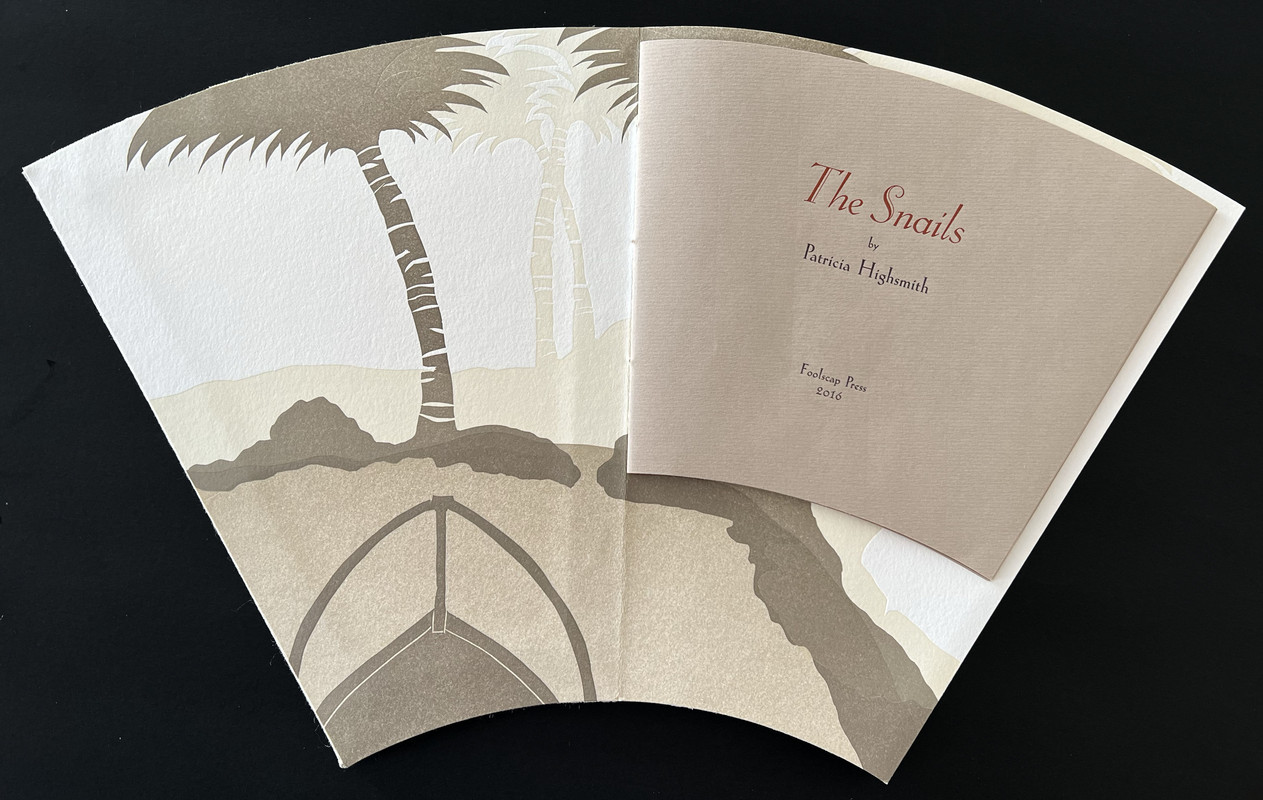
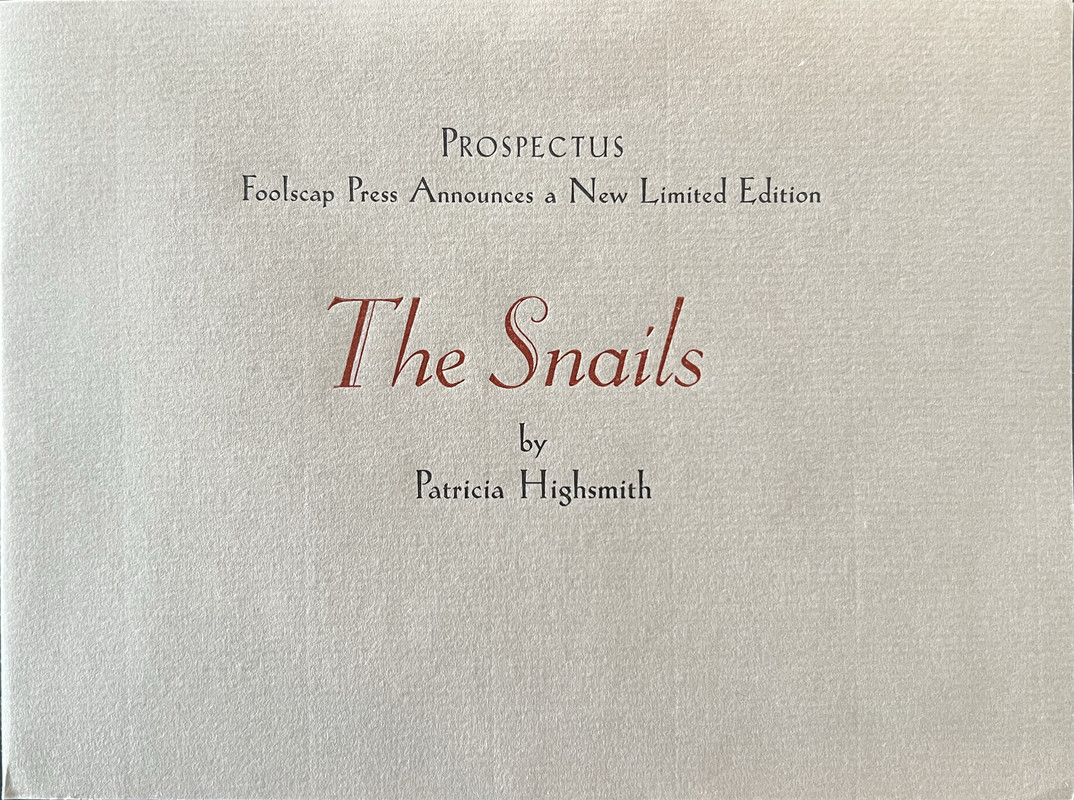
The Snails by Patricia Highsmith - FOOLSCAP PRESS 2016
A PICTORIAL REVIEW
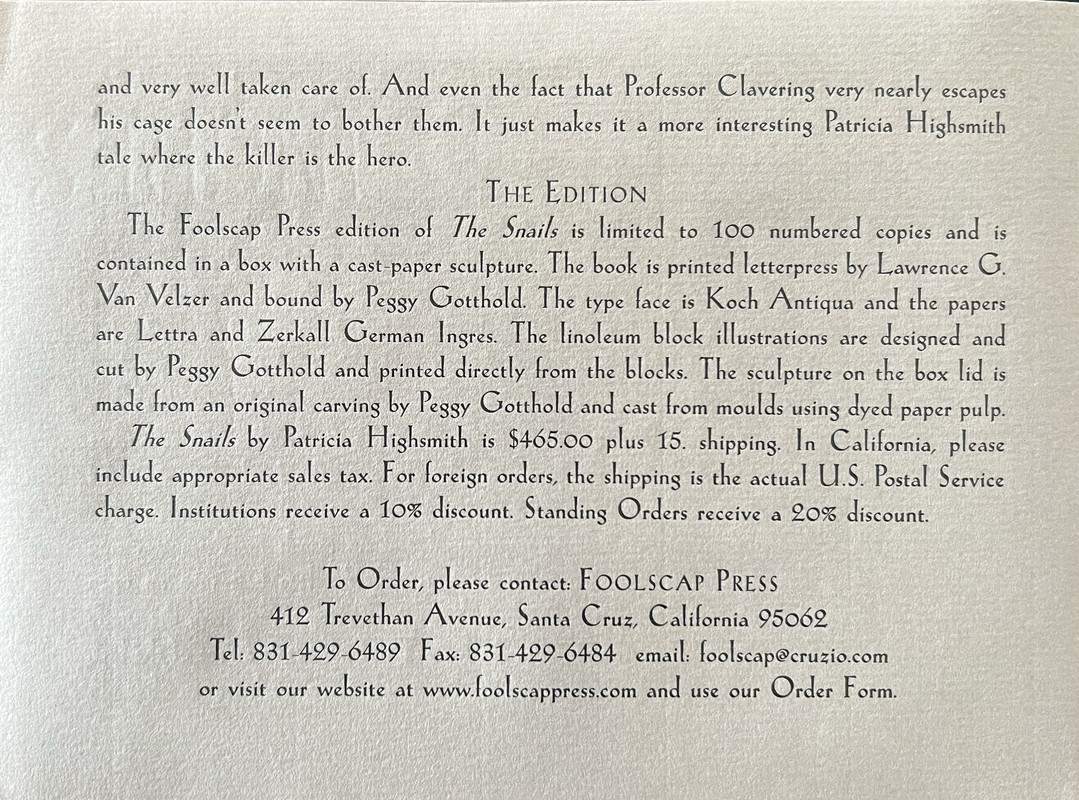
No. 18 of a limited Edition of 100
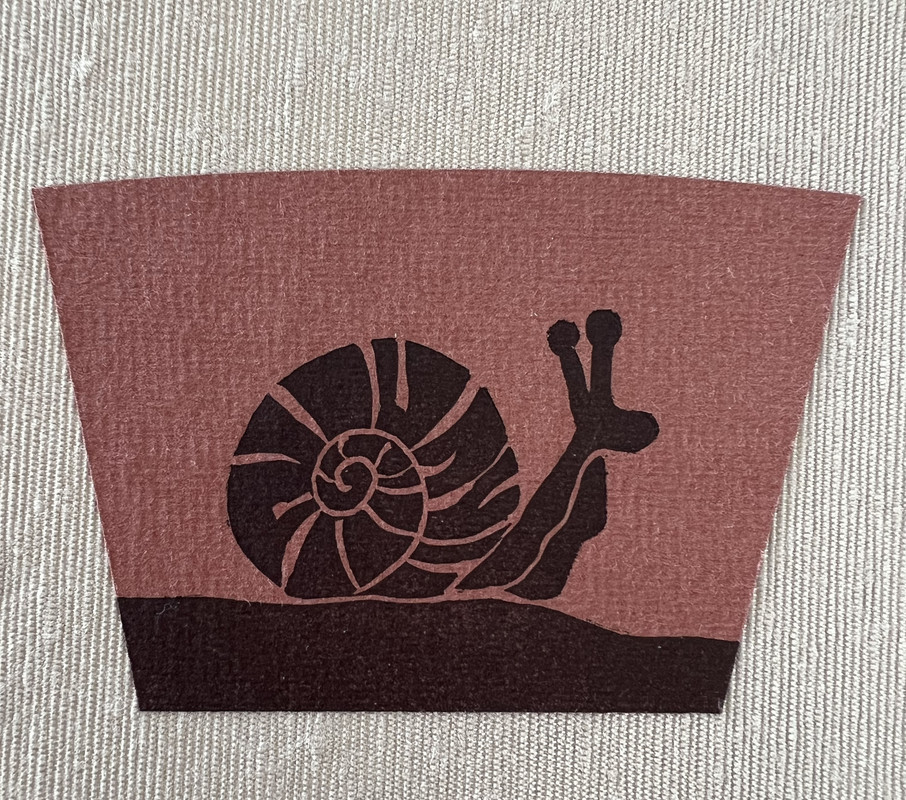
Original linoleum block illustrations by Peggy Gotthold.
Designed, printed and bound by Peggy Gotthold and Lawrence G. Van Velzer.
Afterward by Lawrence G. Van Velzer.
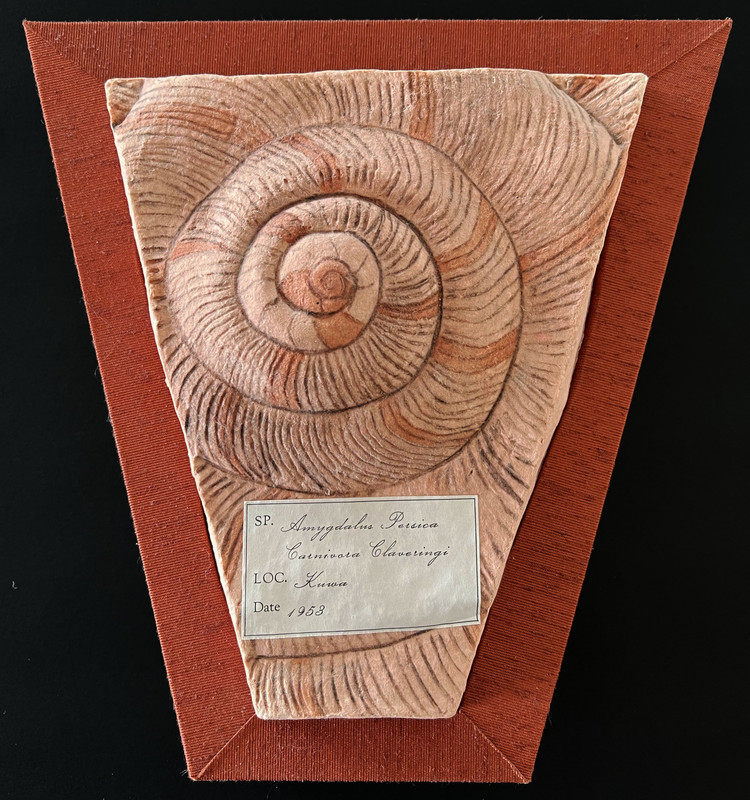
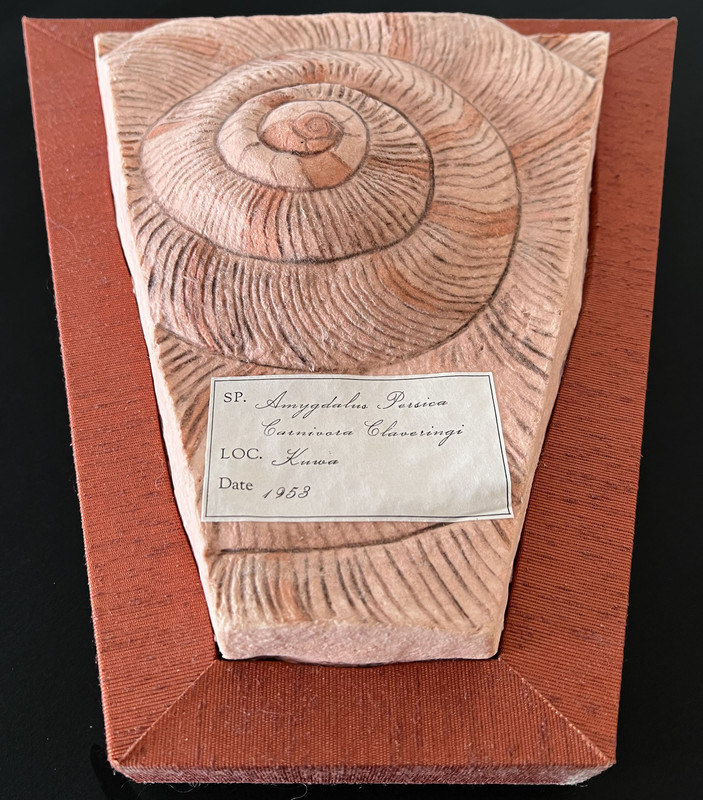
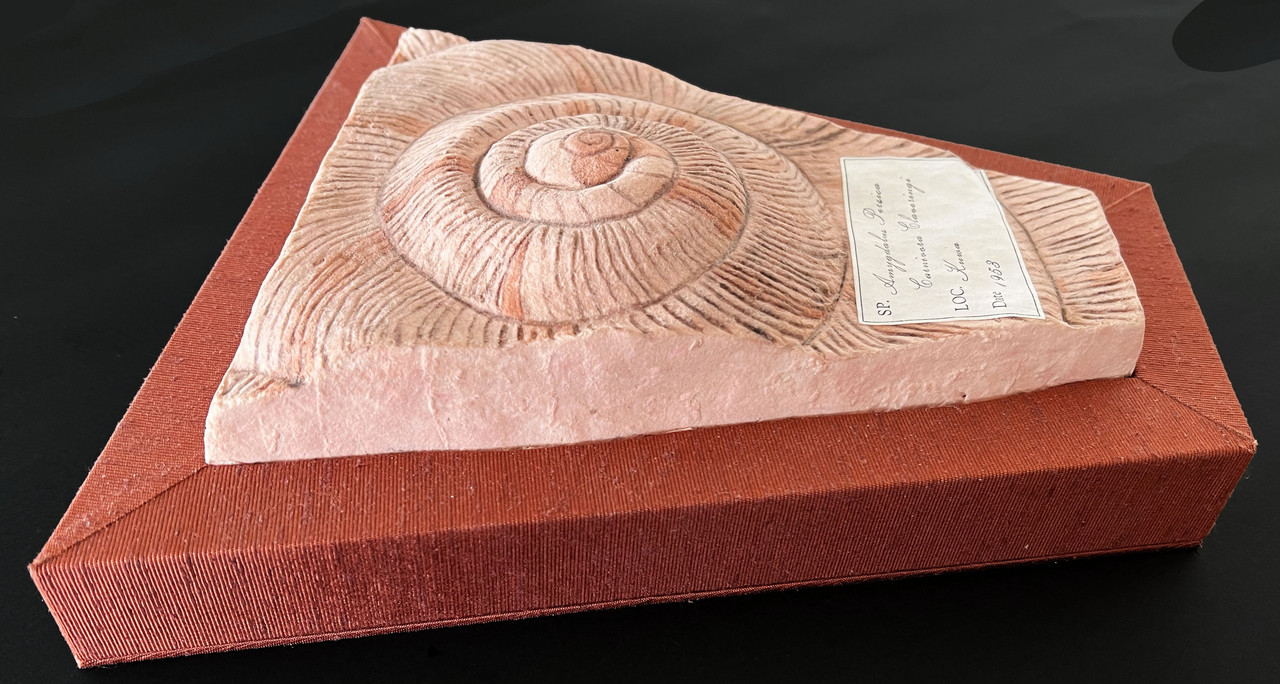
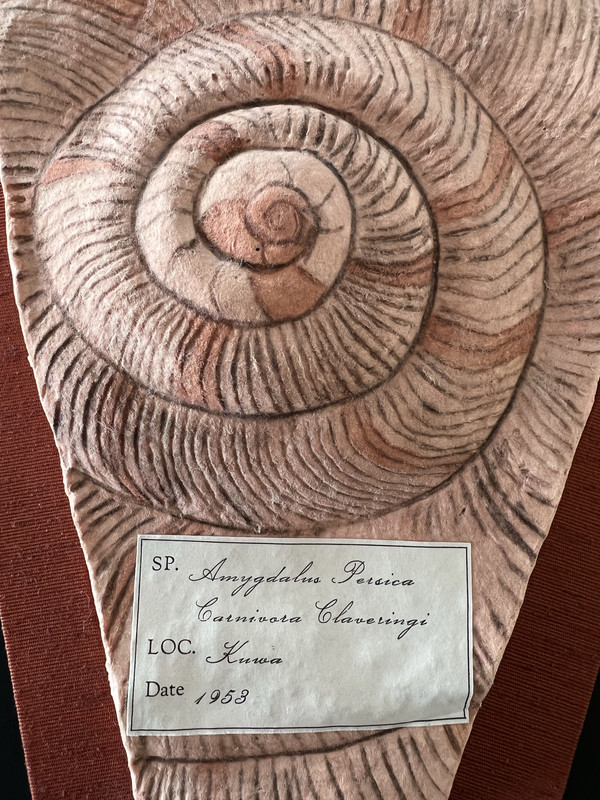
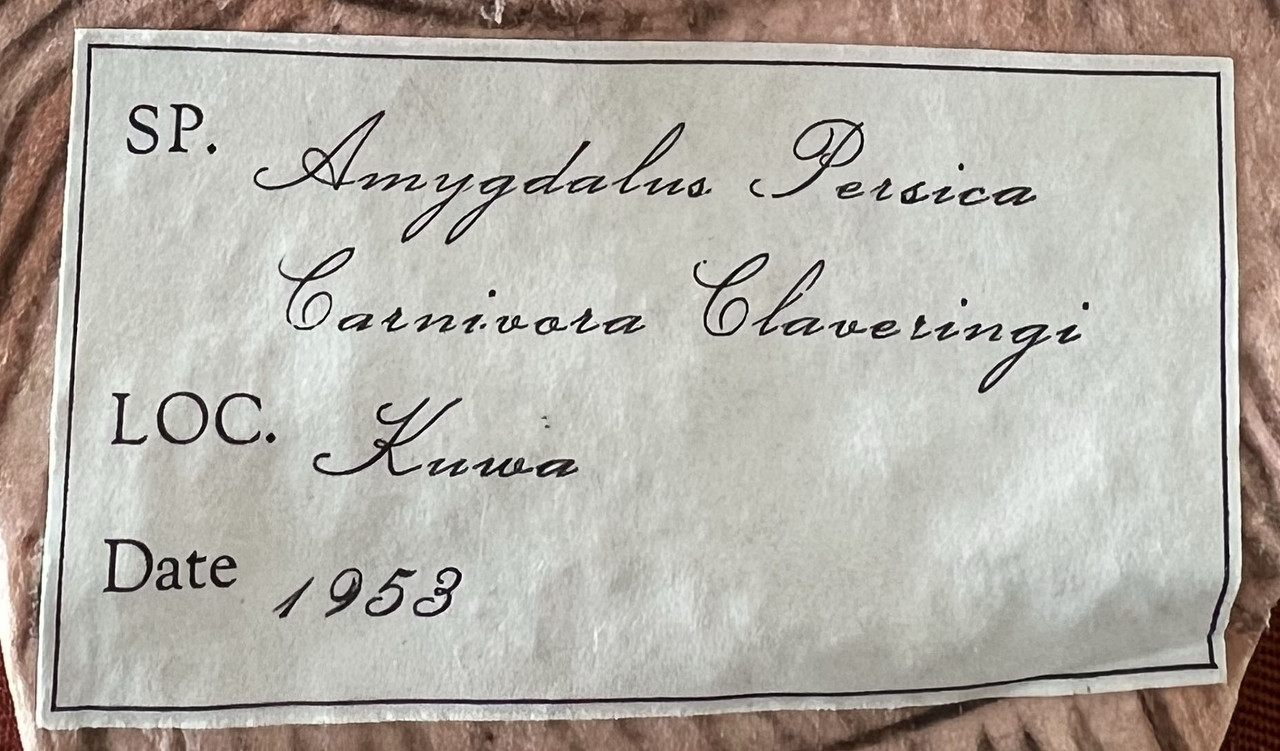
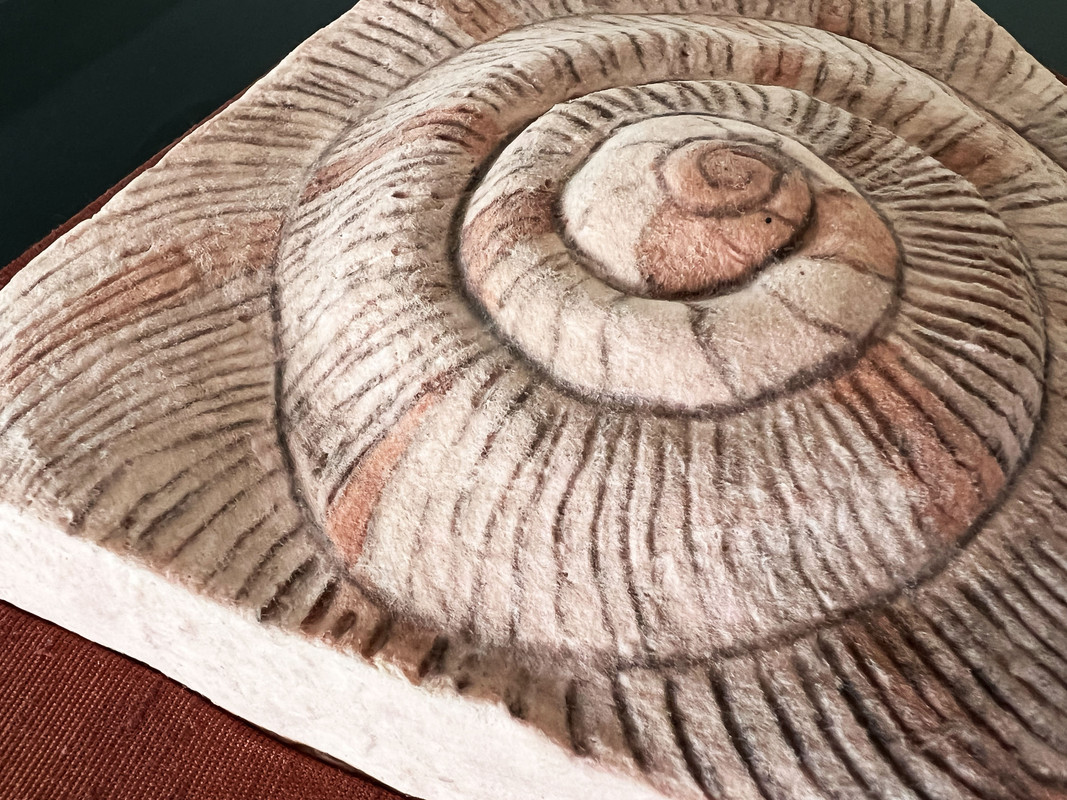
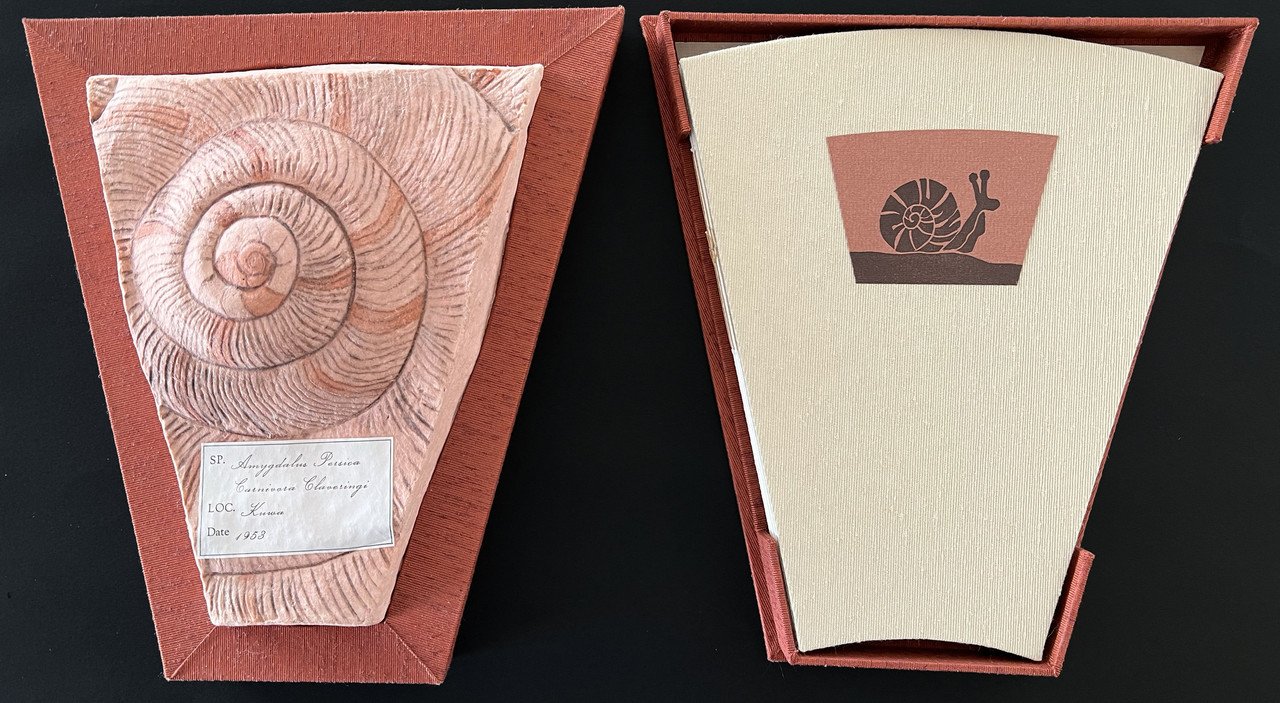
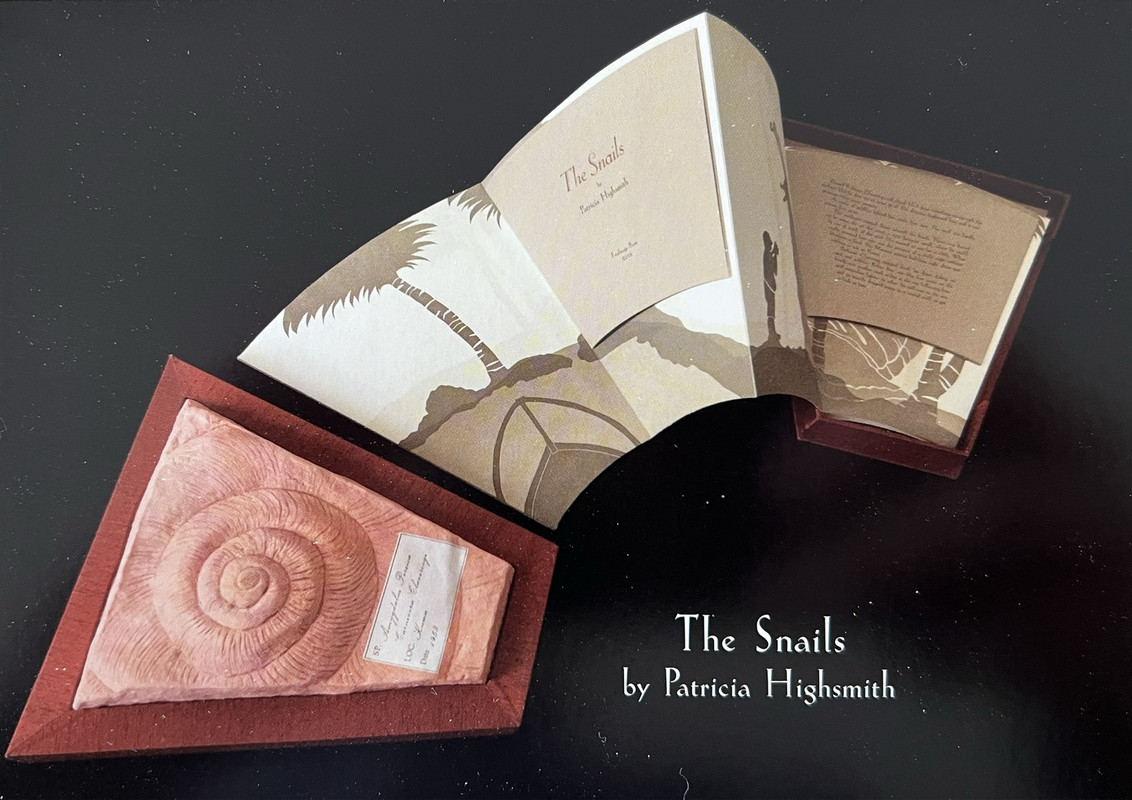
Contained in a box with a cast-paper sculpture.
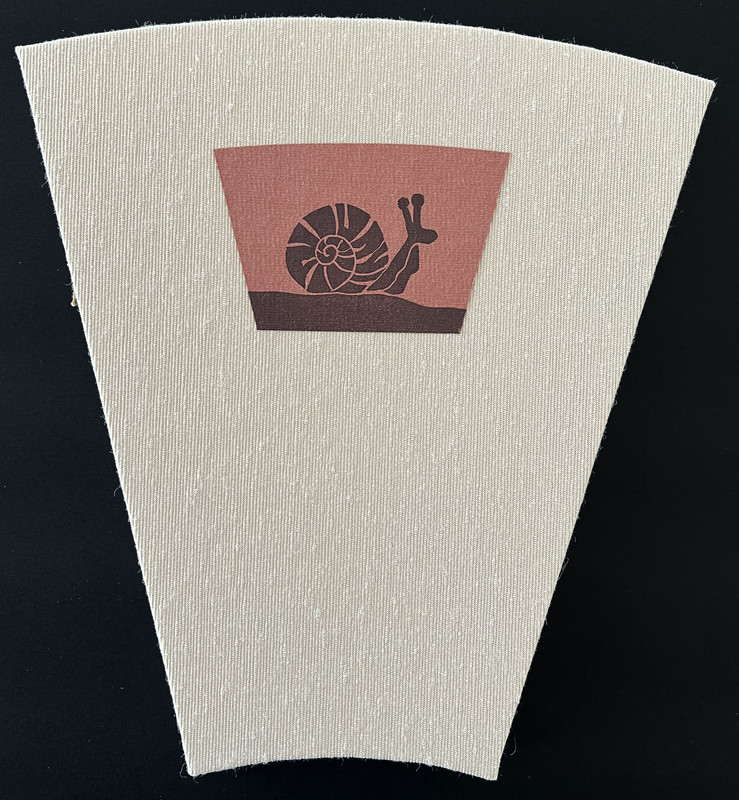
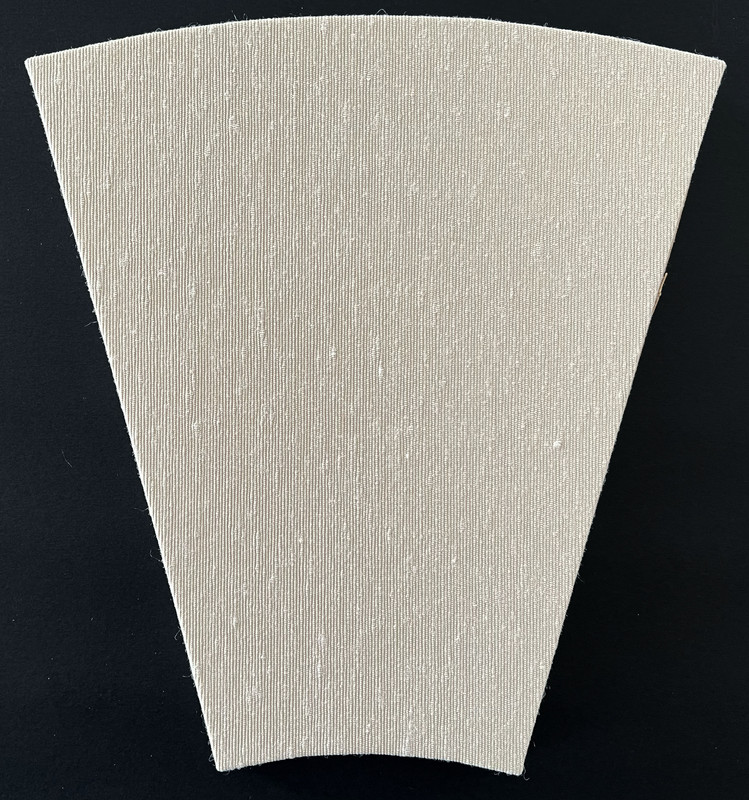
The binding cloth is Japanese bookcloth, both to cover the box and book covers.
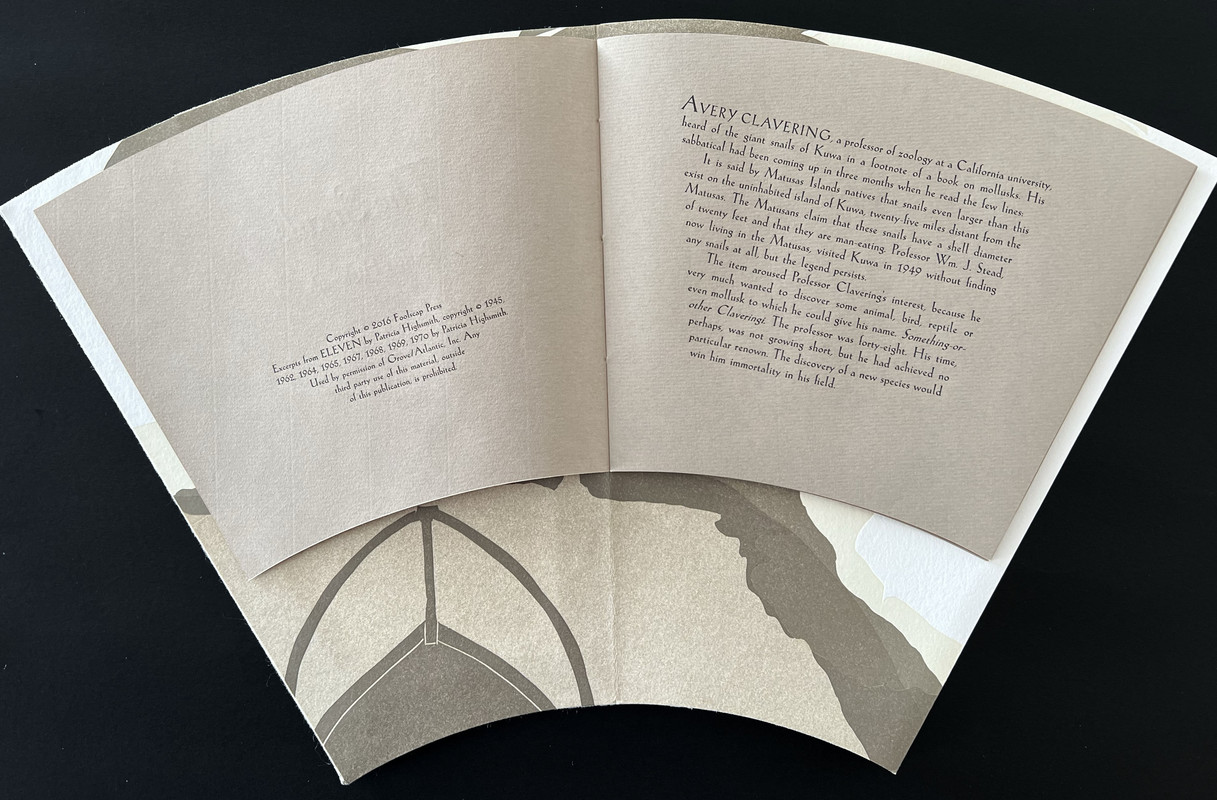
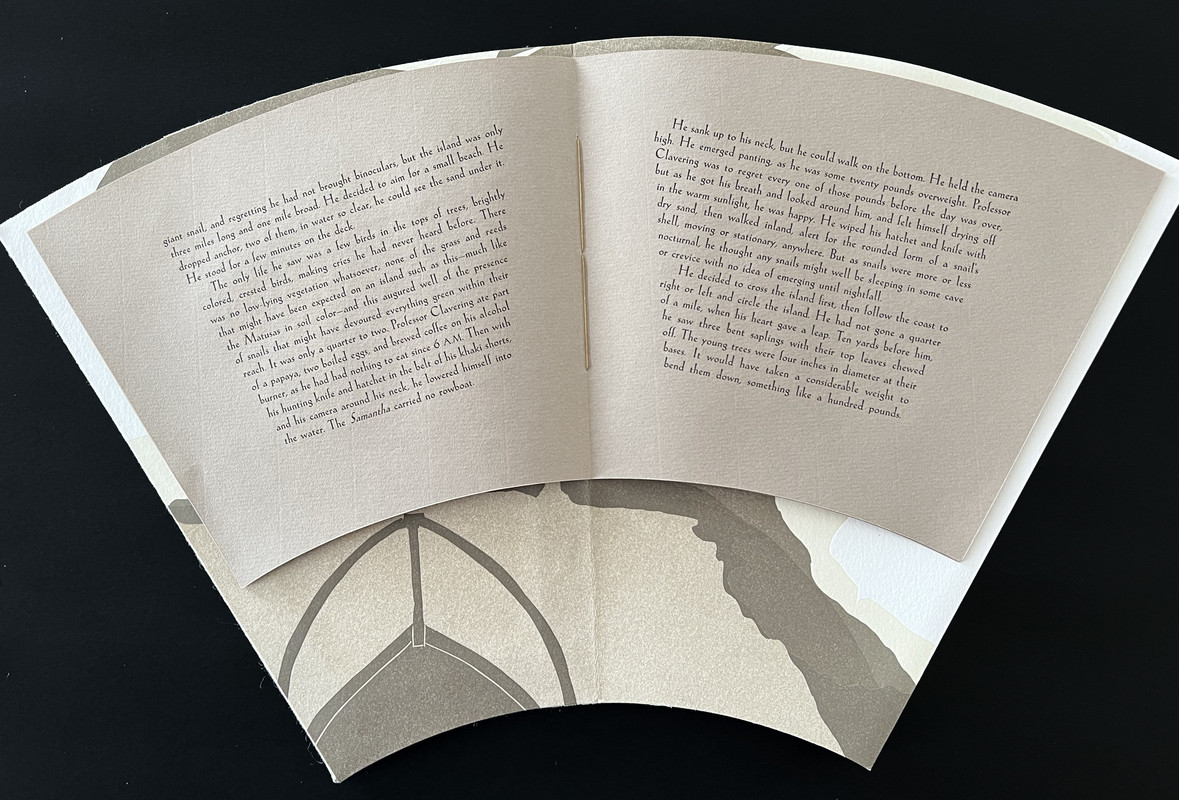
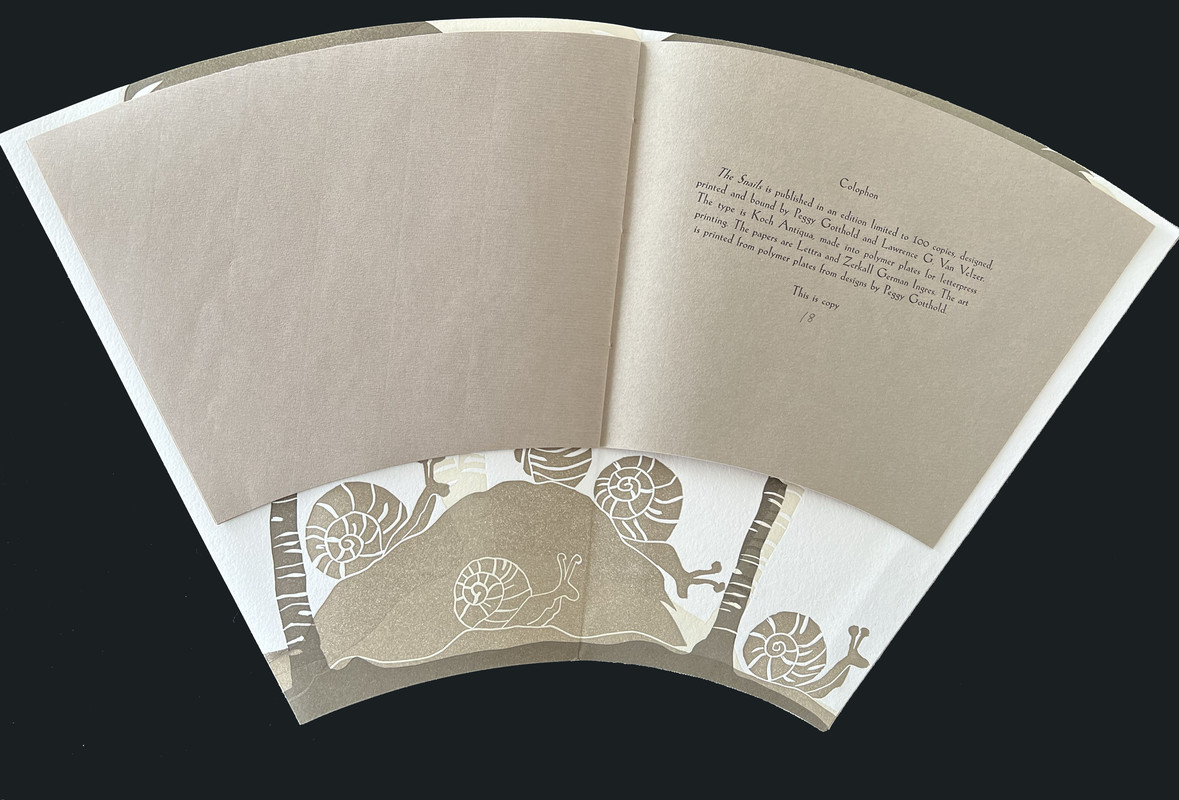
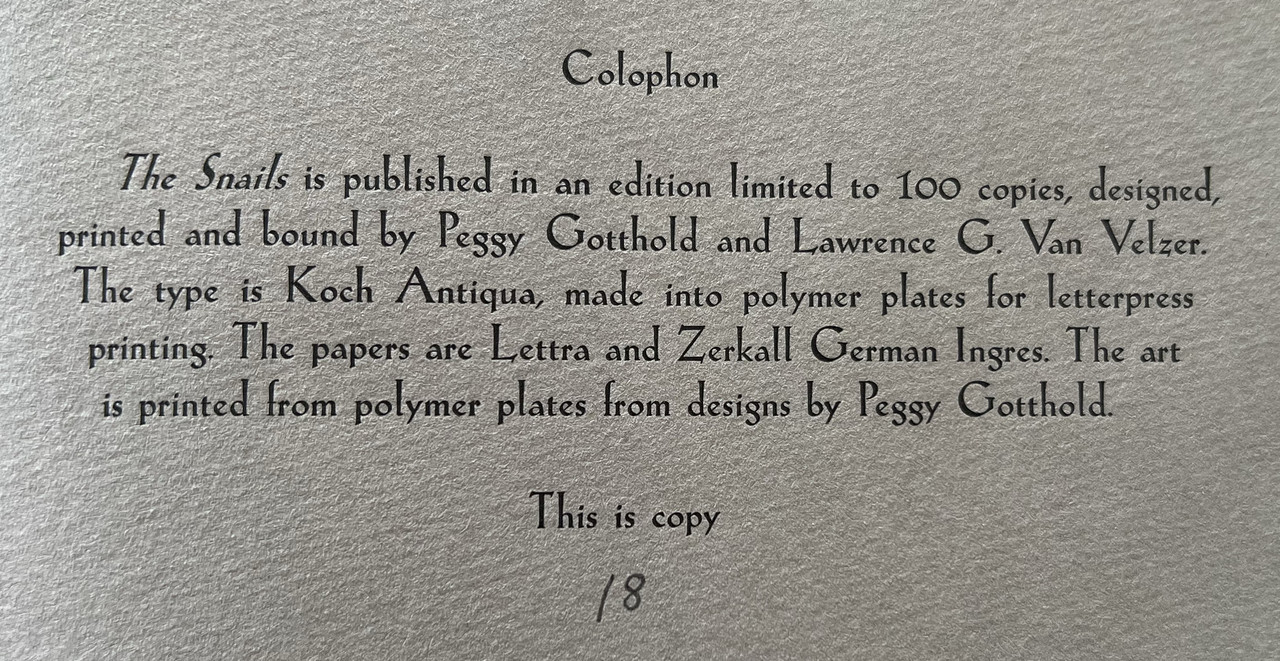
The text is printed letterpress in Koch Antiqua type on Lettra and Zerkall German Ingres paper.
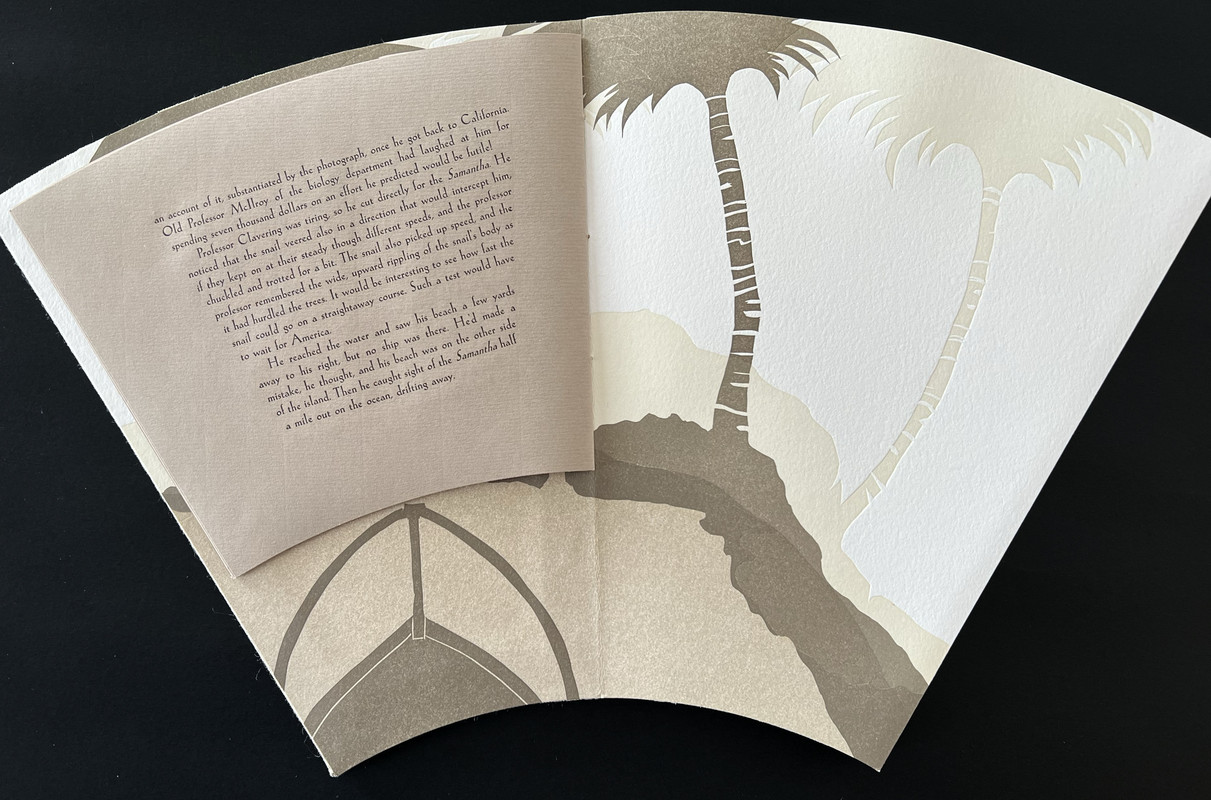
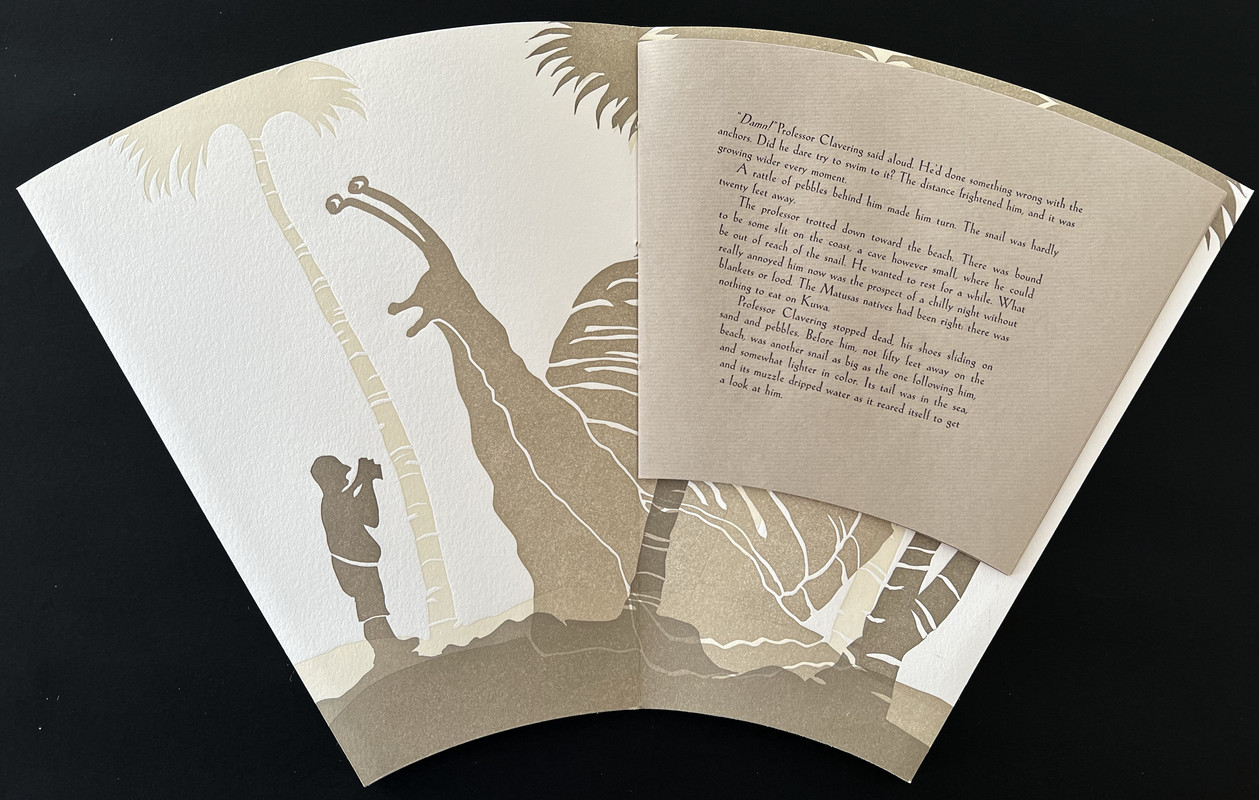
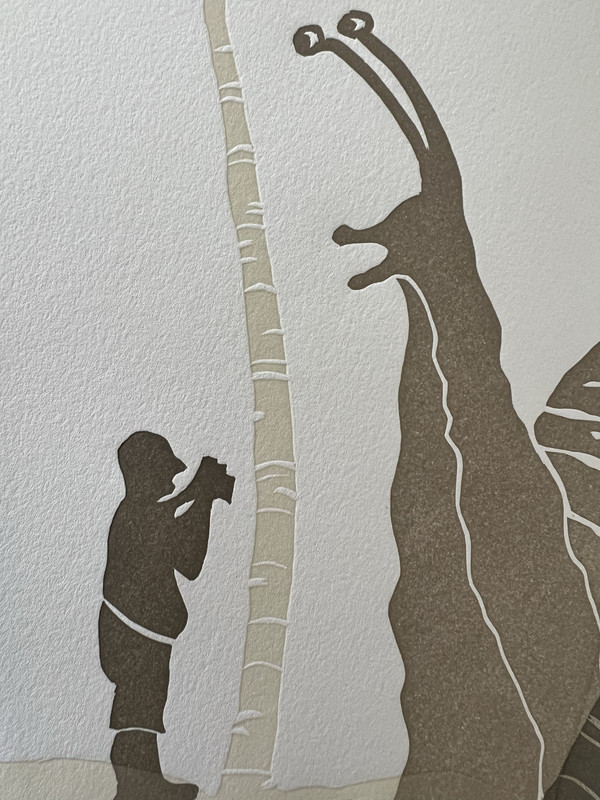
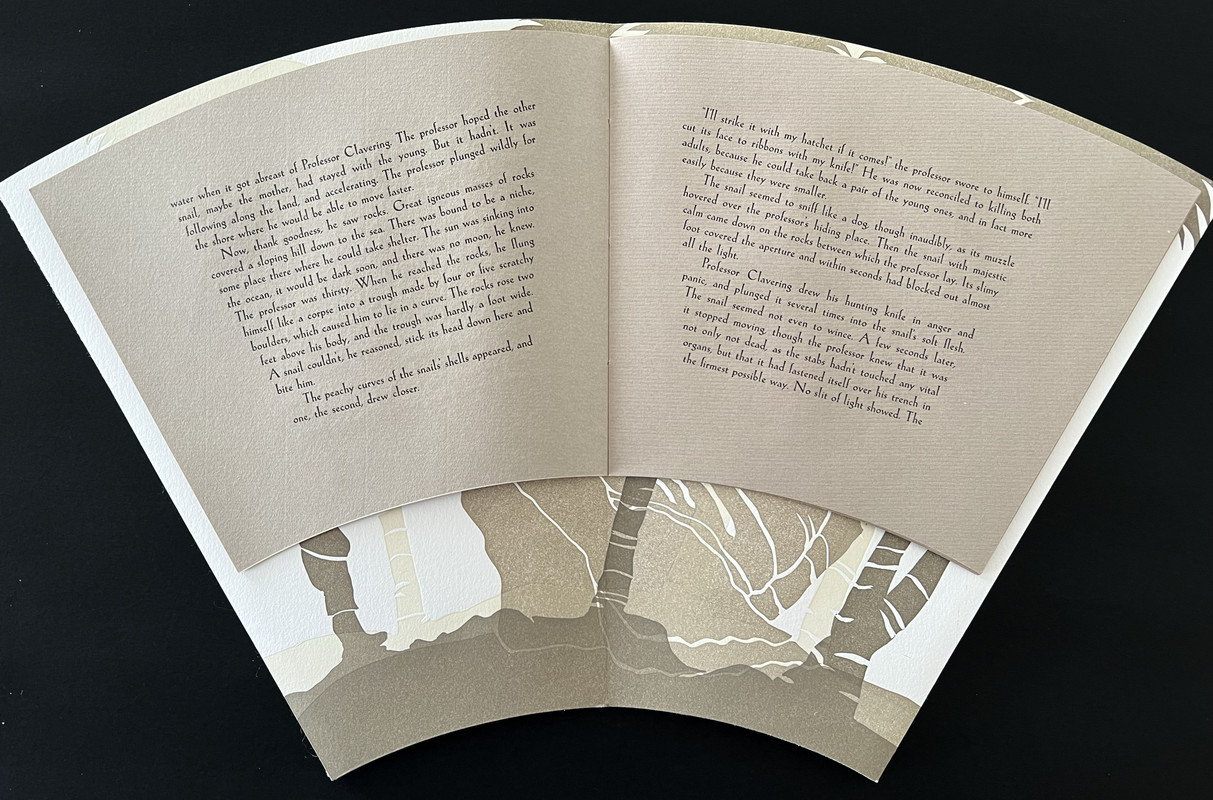
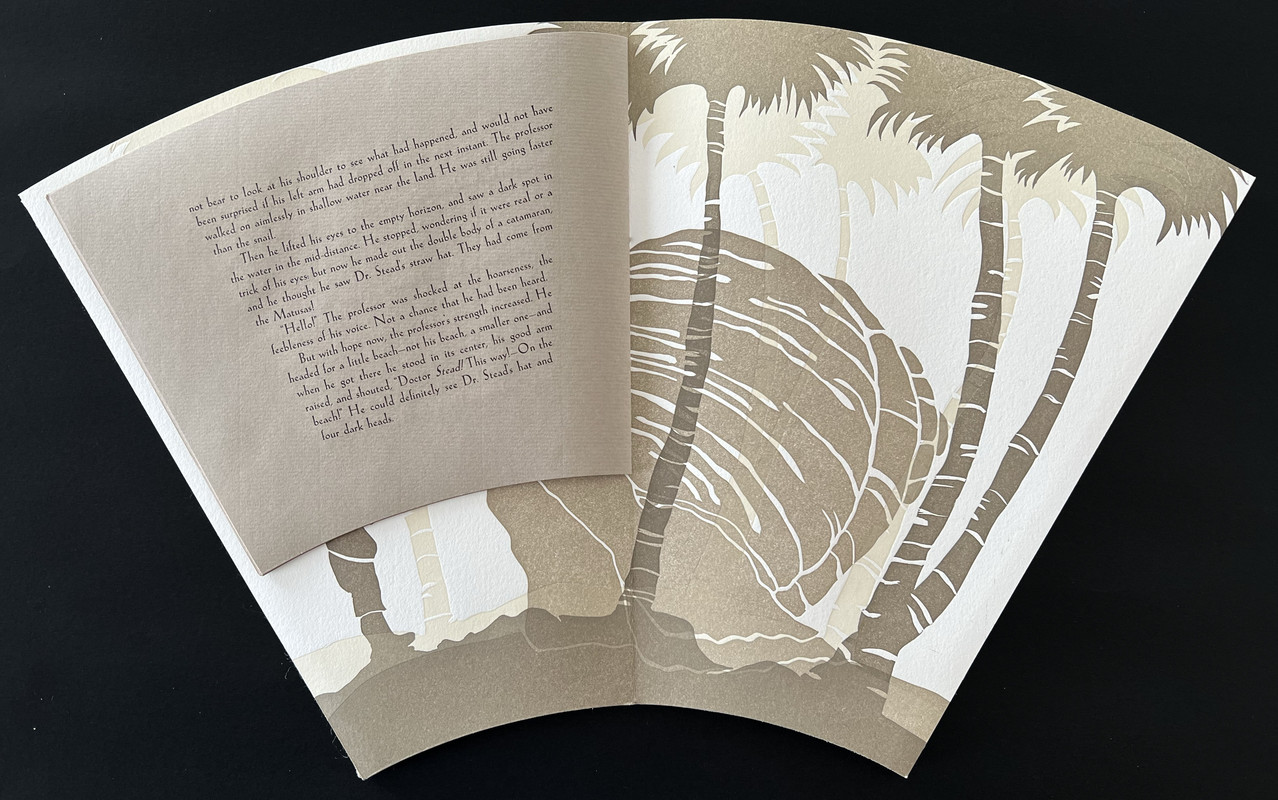
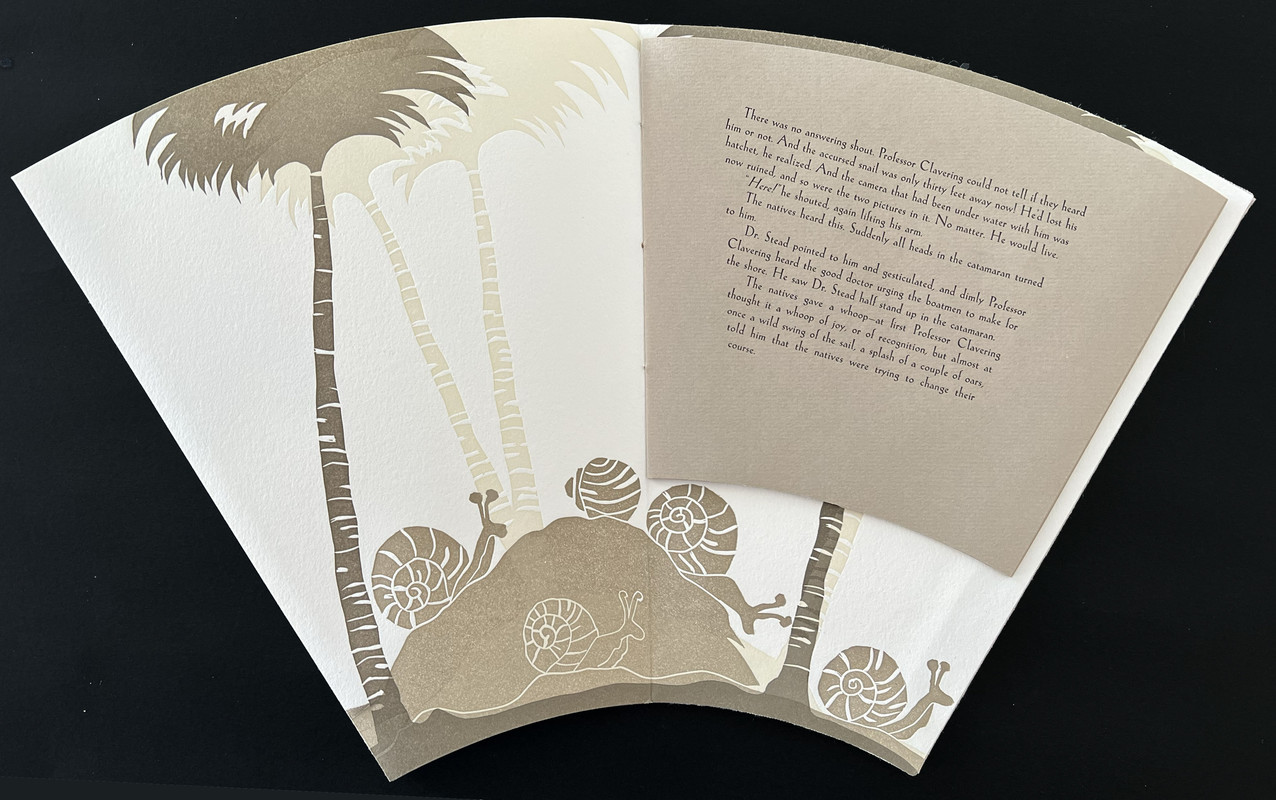
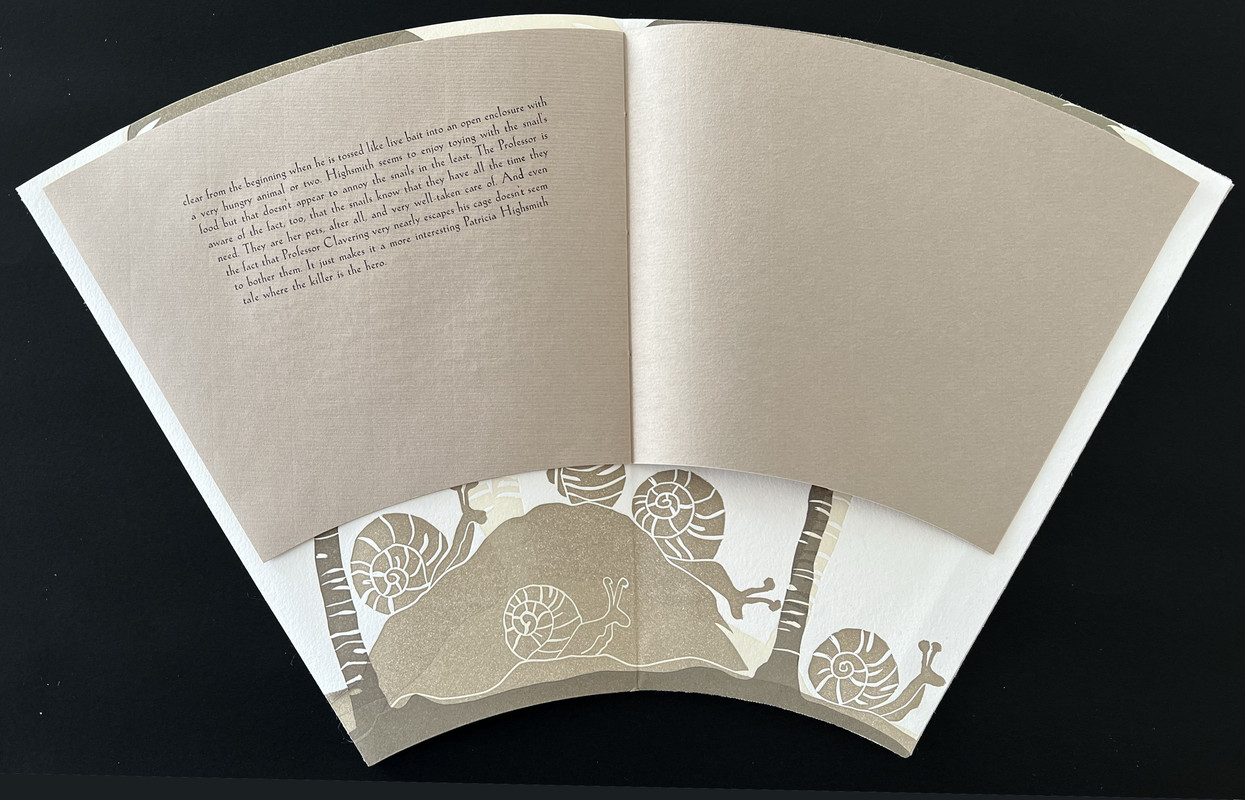
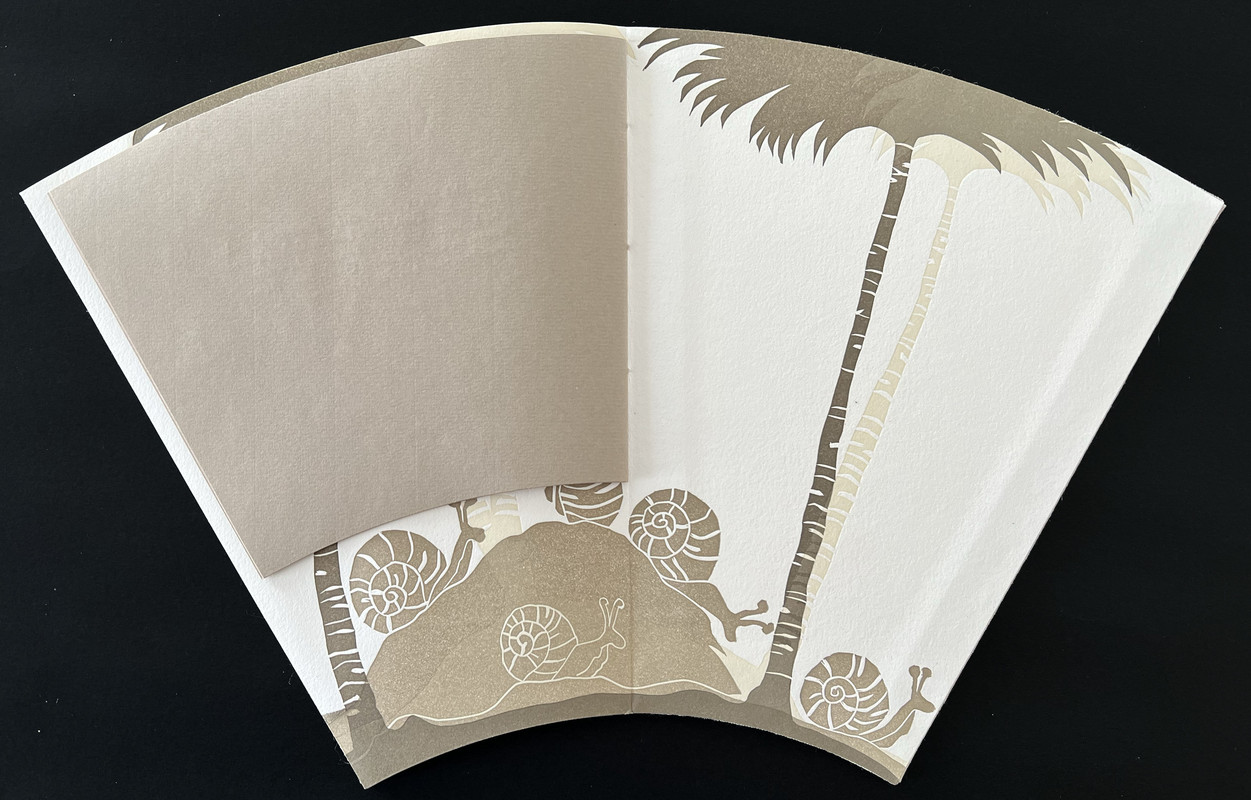
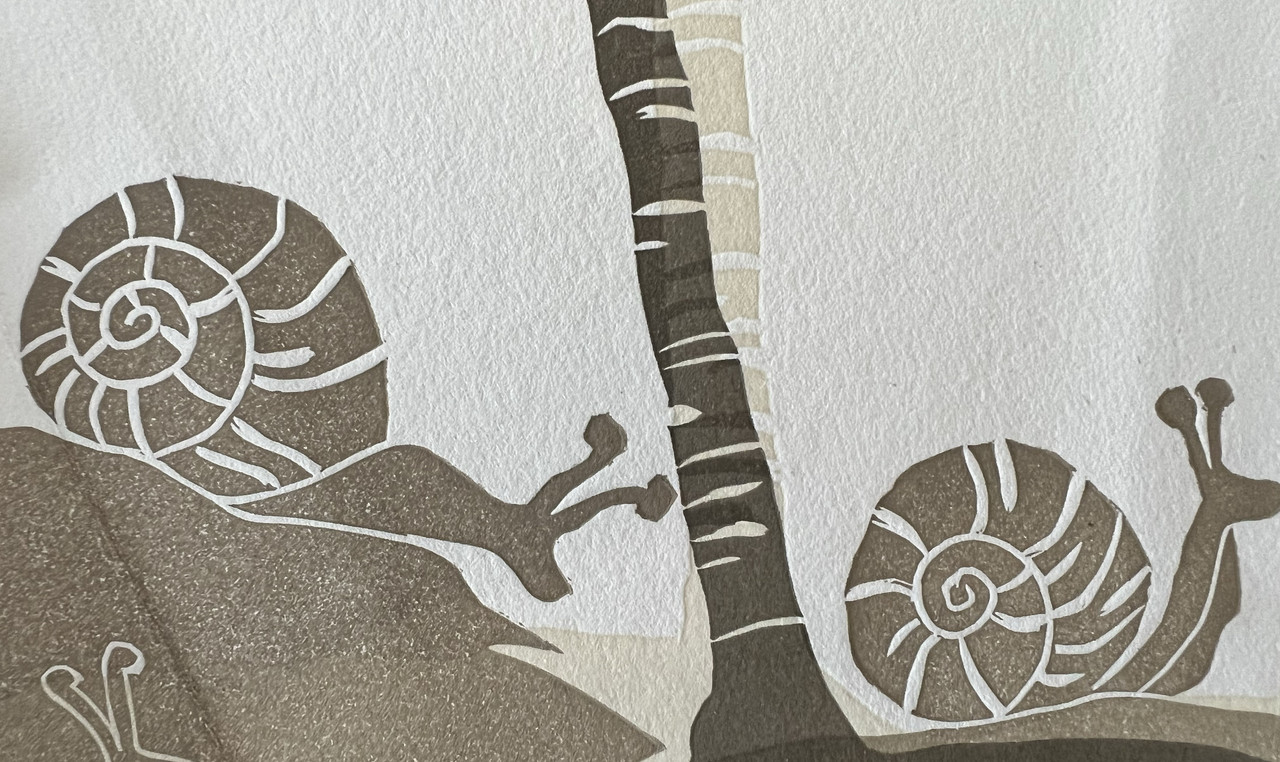
The illustrations, done by Peggy Gotthold, are printed directly from the linoleum blocks in which they are carved.
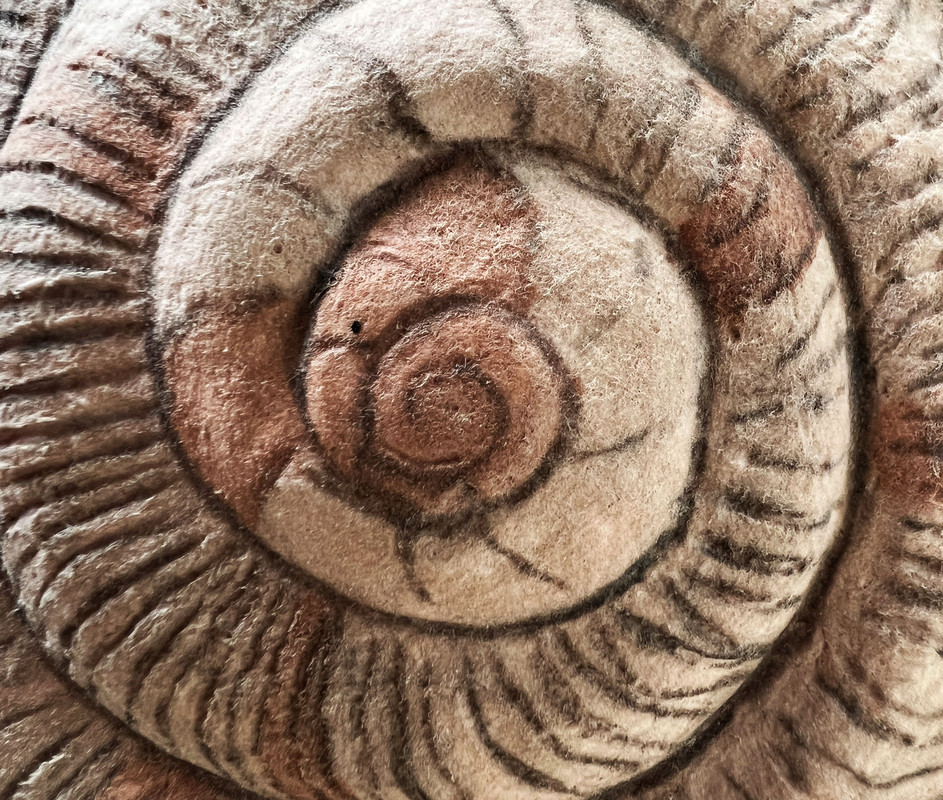
The snail shell on the box is made of dyed cast paper pulp.
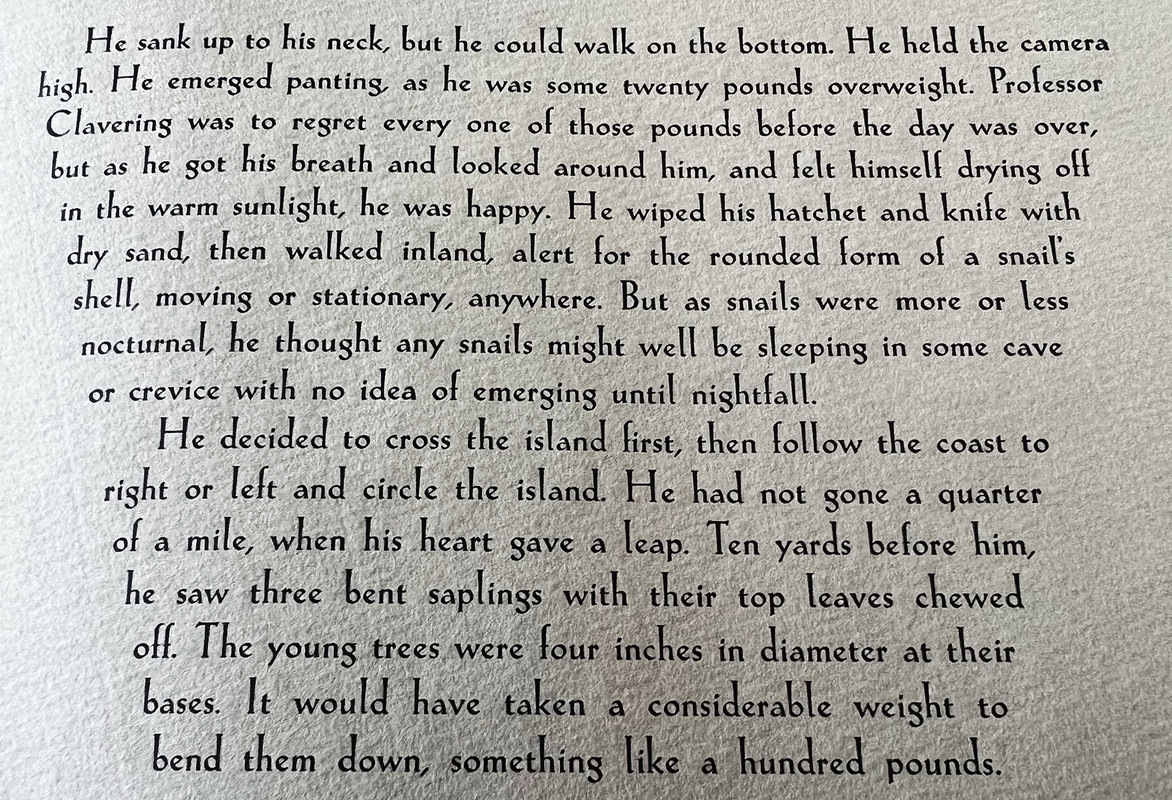
Curved concertina style story bound within lino prints.
US$520.
The box is 26 cm on its longest side, 24.5 cm across the top, and 3.1 cm deep, but the shell stands another 3.5 cm proud above the box surface.
The story is a fanciful fiction about giant man-eating snails on a remote island and what happens to a scientist marooned amongst them.
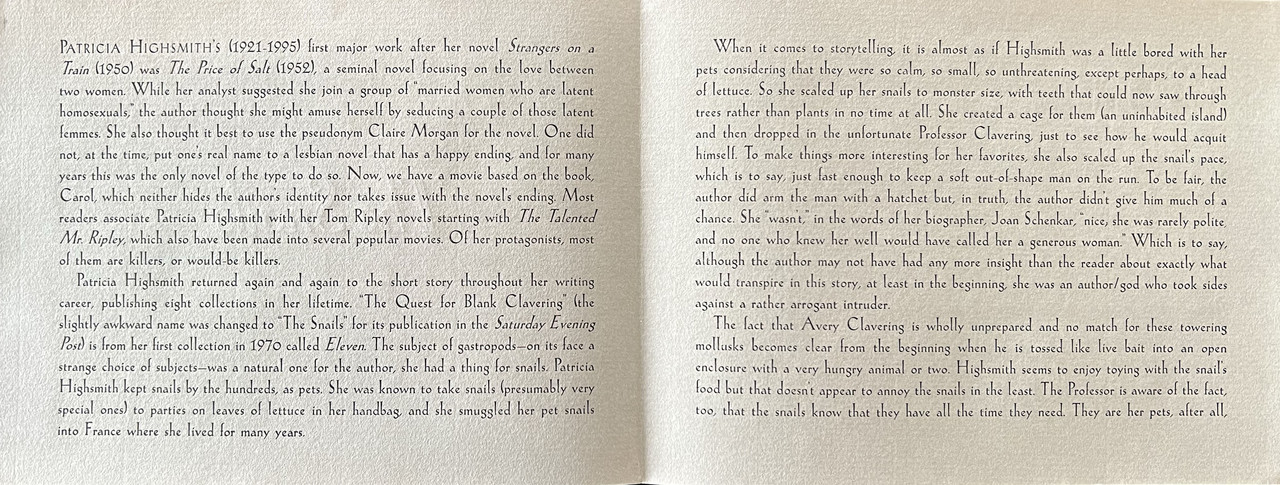
Patricia Highsmith is best known for her Tom Ripley novels starting with The Talented Mr. Ripley. Throughout her writing career she returned again and again to the short story. “The Snails” is on its face a strange choice of subjects—but a natural one for the author, as she had a thing for snails. Patricia Highsmith kept snails by the hundreds as pets and was known to take snails (presumably very special ones) to parties on leaves of lettuce in her handbag.
For this story Patricia scaled up snails to monster size giving them teeth that would, in the real world, only threaten a leaf of lettuce. They now had the ability to saw through tree branches. And then she enhanced their speed just a bit, enough to put them in harmony with their great size. Next she placed them on an uninhabited island with just enough vegetation to leave them slightly hungry. And then she dropped in Avery Clavering, an out-of-shape professor determined to capture a giant snail and have his name go down in the scientific journals as a great discoverer. The somewhat arrogant intruder finds himself a little unprepared for such a heroic task.
An index of the other illustrated reviews in the this series can be viewed here.
A PICTORIAL REVIEW
No. 18 of a limited Edition of 100
Original linoleum block illustrations by Peggy Gotthold.
Designed, printed and bound by Peggy Gotthold and Lawrence G. Van Velzer.
Afterward by Lawrence G. Van Velzer.
Contained in a box with a cast-paper sculpture.
The binding cloth is Japanese bookcloth, both to cover the box and book covers.
The text is printed letterpress in Koch Antiqua type on Lettra and Zerkall German Ingres paper.
The illustrations, done by Peggy Gotthold, are printed directly from the linoleum blocks in which they are carved.
The snail shell on the box is made of dyed cast paper pulp.
Curved concertina style story bound within lino prints.
US$520.
The box is 26 cm on its longest side, 24.5 cm across the top, and 3.1 cm deep, but the shell stands another 3.5 cm proud above the box surface.
The story is a fanciful fiction about giant man-eating snails on a remote island and what happens to a scientist marooned amongst them.
Patricia Highsmith is best known for her Tom Ripley novels starting with The Talented Mr. Ripley. Throughout her writing career she returned again and again to the short story. “The Snails” is on its face a strange choice of subjects—but a natural one for the author, as she had a thing for snails. Patricia Highsmith kept snails by the hundreds as pets and was known to take snails (presumably very special ones) to parties on leaves of lettuce in her handbag.
For this story Patricia scaled up snails to monster size giving them teeth that would, in the real world, only threaten a leaf of lettuce. They now had the ability to saw through tree branches. And then she enhanced their speed just a bit, enough to put them in harmony with their great size. Next she placed them on an uninhabited island with just enough vegetation to leave them slightly hungry. And then she dropped in Avery Clavering, an out-of-shape professor determined to capture a giant snail and have his name go down in the scientific journals as a great discoverer. The somewhat arrogant intruder finds himself a little unprepared for such a heroic task.
An index of the other illustrated reviews in the this series can be viewed here.
2Django6924
I can't say I'm a fan of odd-shaped books--shelf space being a problem anyway--but this is rather intriguing. I wonder what the motive is for the triangular shape?
I usually enjoy Ms. Highsmith's work (author of the Ripley books and the novel upon which Alfred Hitchcock based his great Strangers on a Train), and this story sounds interesting--especially in light of the fact she apparently raised snails as pets (of a sort).
Interesting!
I usually enjoy Ms. Highsmith's work (author of the Ripley books and the novel upon which Alfred Hitchcock based his great Strangers on a Train), and this story sounds interesting--especially in light of the fact she apparently raised snails as pets (of a sort).
Interesting!

