1thorold
Our theme read for Q4 complements Q2's topic of Landlocked countries — this time we are looking at nations entirely surrounded by water.
Wikipedia lists 45 UN member states that are on islands, plus two partially-recognised states (Taiwan and Northern Cyprus) and 53 dependent territories. https://en.wikipedia.org/wiki/List_of_island_countries
By the usual Reading Globally rules, we have to exclude the UK, Ireland, and New Zealand (Wikipedia doesn't count Australia, as it is considered a continental country) out of these, so we're left with 42 + 2 + 53. I think we can treat any of these as fair game. For our purposes, it would be silly to exclude somewhere like the Faroe Islands, Guadeloupe or Martinique — all of which have produced major writers — just because they aren't politically sovereign territories.
A lot of these places have also been covered in recent theme reads (e.g. the Caribbean, the Indian Ocean, Japan and Korea). Feel free to look back at those and other theme reads for inspiration, or strike out for islands we haven't looked at before.
Think about what makes island cultures distinctive, and how the fact of being an island has affected the history and society of those places. A few random keywords to play with might include: colonialism; slavery; island-to-island migration; global warming; unsinkable aircraft carriers; cross-cultural language oddities; fishing; volcanoes and other natural hazards; biodiversity; closed societies; ...
Below, I'll try to gather a few reading suggestions by region to get us started.
Wikipedia lists 45 UN member states that are on islands, plus two partially-recognised states (Taiwan and Northern Cyprus) and 53 dependent territories. https://en.wikipedia.org/wiki/List_of_island_countries
By the usual Reading Globally rules, we have to exclude the UK, Ireland, and New Zealand (Wikipedia doesn't count Australia, as it is considered a continental country) out of these, so we're left with 42 + 2 + 53. I think we can treat any of these as fair game. For our purposes, it would be silly to exclude somewhere like the Faroe Islands, Guadeloupe or Martinique — all of which have produced major writers — just because they aren't politically sovereign territories.
A lot of these places have also been covered in recent theme reads (e.g. the Caribbean, the Indian Ocean, Japan and Korea). Feel free to look back at those and other theme reads for inspiration, or strike out for islands we haven't looked at before.
Think about what makes island cultures distinctive, and how the fact of being an island has affected the history and society of those places. A few random keywords to play with might include: colonialism; slavery; island-to-island migration; global warming; unsinkable aircraft carriers; cross-cultural language oddities; fishing; volcanoes and other natural hazards; biodiversity; closed societies; ...
Below, I'll try to gather a few reading suggestions by region to get us started.
2thorold
The Caribbean
The Caribbean islands have very rich and accessible literary cultures, arising from the endless permutations in which descendants of indigenous people, European settlers and enslaved Africans were thrown together with a whole host of religious, linguistic and musical traditions. Some of the best known examples include:
— Haiti: Marie Vieux-Chauvet, Edwige Danticat
— Cuba: Alejo Carpentier, Reinaldo Arenas
— Jamaica: Louise Bennett, Marlon James
— Martinique: Aimé Césaire, Frantz Fanon, Patrick Chamoiseau
— St Lucia: Derek Walcott
— Trinidad: V S Naipaul, Sam Selvon
See our Caribbean theme read of 2018 for much, much more: https://www.librarything.com/topic/209482
The Caribbean islands have very rich and accessible literary cultures, arising from the endless permutations in which descendants of indigenous people, European settlers and enslaved Africans were thrown together with a whole host of religious, linguistic and musical traditions. Some of the best known examples include:
— Haiti: Marie Vieux-Chauvet, Edwige Danticat
— Cuba: Alejo Carpentier, Reinaldo Arenas
— Jamaica: Louise Bennett, Marlon James
— Martinique: Aimé Césaire, Frantz Fanon, Patrick Chamoiseau
— St Lucia: Derek Walcott
— Trinidad: V S Naipaul, Sam Selvon
See our Caribbean theme read of 2018 for much, much more: https://www.librarything.com/topic/209482
3thorold
The Atlantic
Many of the islands in the Atlantic are too small, too remote or too thinly populated to have produced much writing, but there are some obvious exceptions, e.g.
— Iceland: Snorri Sturluson, Halldór Laxness, Sjón, Yrsa Sigurðardóttir, and many others
— Faroe Islands: William Heinesen
— Cape Verde: Dina Salústio
— São Tomé and Príncipe: the first hit that comes up seems to be the historical novel Equador by Portuguese writer Miguel Sousa Tavares (Lisa warns us to avoid Gervásio Kaiser…)
Many of the islands in the Atlantic are too small, too remote or too thinly populated to have produced much writing, but there are some obvious exceptions, e.g.
— Iceland: Snorri Sturluson, Halldór Laxness, Sjón, Yrsa Sigurðardóttir, and many others
— Faroe Islands: William Heinesen
— Cape Verde: Dina Salústio
— São Tomé and Príncipe: the first hit that comes up seems to be the historical novel Equador by Portuguese writer Miguel Sousa Tavares (Lisa warns us to avoid Gervásio Kaiser…)
4thorold
Indian Ocean
Lots of interest here, with the confluence of African, South Asian, Arab, Chinese and European strains, e.g.:
— Madagascar: Naivo, Johary Ravaloson
— Réunion:
— Mauritius: J M G Le Clézio, Natacha Appanah
— Sri Lanka: Shyam Selvadurai, Michael Ondaatje, Romesh Gunesekera
— Zanzibar: Abdulrazak Gurnah
See our Indian Ocean theme read for more tips: https://www.librarything.com/topic/337996
Lots of interest here, with the confluence of African, South Asian, Arab, Chinese and European strains, e.g.:
— Madagascar: Naivo, Johary Ravaloson
— Réunion:
— Mauritius: J M G Le Clézio, Natacha Appanah
— Sri Lanka: Shyam Selvadurai, Michael Ondaatje, Romesh Gunesekera
— Zanzibar: Abdulrazak Gurnah
See our Indian Ocean theme read for more tips: https://www.librarything.com/topic/337996
9labfs39
If someone is looking for a book from Cabo Verde, I would recommend The madwoman of Serrano by Dina Salústio. I would NOT recommend Native Dance: An African Story by Gervásio Kaiser for São Tomé and Príncipe.
10kjuliff
:( Australia always misses out, as it seems always to miss out of one criteria while fulfilling others. I suppose if you have a continent category Australia will miss out because it is an island.
The fact that Australia is an island has impacted its history in major ways. Its isolation severely affected its first Australians for millenia. It was seen a British when it never was, its first white inhabitants being taken there in chains.
Just because it’s a continent as well should not exclude its status as an island. It’s a bloody island! It’s surrounded by sea.
There are so many inconsistencies in these “islands” counties lists. For example Papua New Guinea is included but it has a land border with Indonesia.
I strongly object to Australia's exclusion.
The fact that Australia is an island has impacted its history in major ways. Its isolation severely affected its first Australians for millenia. It was seen a British when it never was, its first white inhabitants being taken there in chains.
Just because it’s a continent as well should not exclude its status as an island. It’s a bloody island! It’s surrounded by sea.
There are so many inconsistencies in these “islands” counties lists. For example Papua New Guinea is included but it has a land border with Indonesia.
I strongly object to Australia's exclusion.
11AnnieMod
>10 kjuliff: It is out of scope for the group (Reading Globally)... So are New Zealand, UK and Ireland (which are why they are also missing here despite being island nations).
12kjuliff
>11 AnnieMod: I’ve been a member of this group for a while, waiting for Australia to turn up. I guess it never will. Can you tell me why it’s excluded because in the post >1 thorold: it is stated it is excluded because it is a continent.
I’d also like to know why Papua New Guinea is listed as an island. It has a land border and I am sure the the Free Paua Movement which objects to the land border would not agree that the border doesn’t even exist.
Australia was colonized by the British. It was deemed a land of no people buy the colonizing power and its inhabitants were killed by the British, who when sent petty criminals there.
It seems there’s no consistency in the selection of books in this group. I will be looking for a more diverse group as I obviously misunderstood what “reading globally” meant.
I’d also like to know why Papua New Guinea is listed as an island. It has a land border and I am sure the the Free Paua Movement which objects to the land border would not agree that the border doesn’t even exist.
Australia was colonized by the British. It was deemed a land of no people buy the colonizing power and its inhabitants were killed by the British, who when sent petty criminals there.
It seems there’s no consistency in the selection of books in this group. I will be looking for a more diverse group as I obviously misunderstood what “reading globally” meant.
13kjuliff
>11 AnnieMod: What other countries are arbitrarily excluded regardless of criterion? South Africa? Canada? India? I’d really like to understand so I won’t bother wasting my time as I don’t seem to be in alignment with the rationale for this group.
14ELiz_M
>12 kjuliff: See this post https://www.librarything.com/topic/354362#8330669
and the first few lines of the group description:
and the first few lines of the group description:
This group is for readers who like to explore through books from around the world. We arbitrarily cover everywhere except UK, USA, Canada, Ireland, Australia and New Zealand; discussions of those countries have a home in our sister-group READING GLOBALLY II.
15kjuliff
>14 ELiz_M: Than you. I won’t be joining the group about British-centric novels. I won’t stay in this group either as I don’t like the way criterion change and how counties qualify. Papua New Guinea and Haiti break the selection rules. And where does South Africa belong. I’ll just stick to CR where I can find real diversity.
It’s almost an insult to include Australia in with the UK. And certainly an insult to the people of Papua New Guinea which is involved in an ongoing regional war with its oppressor.
Edited out “and Canada” as I can see it’s excluded.
It’s almost an insult to include Australia in with the UK. And certainly an insult to the people of Papua New Guinea which is involved in an ongoing regional war with its oppressor.
Edited out “and Canada” as I can see it’s excluded.
16thorold
>15 kjuliff: Kathleen, just to be clear, there’s no intention in the scope of this group to make any value-judgment about the literature of Australia or any other country. The group was set up, many years ago, to provide a space where we could encourage each other to explore less-familiar writing from around the world. The list of countries we don’t cover here was always purely arbitrary, but it roughly covers the countries that produce the most accessible, mainstream, English-language writing that is the subject of most of the discussion elsewhere on LT. We all know that some of those “excluded” countries are former colonies, some are former colonisers, some both, and that they don’t all get the same degree of attention as each other. No-one is pretending that the writing they produce is not worthwhile. It just isn’t something we choose to discuss in this group. Just as you might not choose to discuss woodcarving in a needlework group.
As to Haiti and Papua New Guinea, that comes from the Wikipedia definition of “island nation” as a nation that is on one or more islands. We aren’t dogmatic about these theme reads: if you want to restrict yourself to single islands or unshared islands, go ahead!
As to Haiti and Papua New Guinea, that comes from the Wikipedia definition of “island nation” as a nation that is on one or more islands. We aren’t dogmatic about these theme reads: if you want to restrict yourself to single islands or unshared islands, go ahead!
17kjuliff
>16 thorold: it just isn’t something we choose to discuss in this group. Just as you might not choose to discuss woodcarving in a needlework group..
I can’t accept this analogy. Discussing an Australian novel in a group called Reading Globally is something you don’t choose to do? Because it was arbitrarily decided not to? Really?
Australian literature has only very recently become accepted in the UK and America. I would have liked to see it as an island nation as it has those features we find in other island countries.
Why I joined this group was to find books and people who like to read books of peoples outside the US and the UK that have dominated the publishing world.
But it seems that this is not the case and that some cultures are excluded on an arbitrary basis. It was my error - I didn’t read the exclusion list properly.
As for Haiti and Papua New Guinea - I think you miss the point. Especially so for Papua. Chopping off half the island which is contested seems politically incorrect. The people in the chopped-off part in your definition are currently being killed by a colonizing power. There is forced transmigration. You wouldn’t put the Ukraine in with Russia, so why do it to the Papuans? Why exclude those people? Being arbitrary can lead to unintentionally putting your foot in it.
I can’t accept this analogy. Discussing an Australian novel in a group called Reading Globally is something you don’t choose to do? Because it was arbitrarily decided not to? Really?
Australian literature has only very recently become accepted in the UK and America. I would have liked to see it as an island nation as it has those features we find in other island countries.
Why I joined this group was to find books and people who like to read books of peoples outside the US and the UK that have dominated the publishing world.
But it seems that this is not the case and that some cultures are excluded on an arbitrary basis. It was my error - I didn’t read the exclusion list properly.
As for Haiti and Papua New Guinea - I think you miss the point. Especially so for Papua. Chopping off half the island which is contested seems politically incorrect. The people in the chopped-off part in your definition are currently being killed by a colonizing power. There is forced transmigration. You wouldn’t put the Ukraine in with Russia, so why do it to the Papuans? Why exclude those people? Being arbitrary can lead to unintentionally putting your foot in it.
18cindydavid4
Interesting discussion; how was Australia considered a continent? because I was curious about Greenland, I found this
"Australia is the sixth largest country in the world and the largest country in Oceania. Greenland is the world's largest island that is not a continent.
Australia is sometimes called "The Island Continent" or "Earth's largest island, but its smallest continent". The main reason for this is that Greenland is connected to North America by a continental shelf, while Australia has its own shelf. "
so if Australia has its own shelf should be an island?
"Australia is the sixth largest country in the world and the largest country in Oceania. Greenland is the world's largest island that is not a continent.
Australia is sometimes called "The Island Continent" or "Earth's largest island, but its smallest continent". The main reason for this is that Greenland is connected to North America by a continental shelf, while Australia has its own shelf. "
so if Australia has its own shelf should be an island?
19kjuliff
>18 cindydavid4: Australia is considered an island because it is surrounded by sea. It is both an island and a continent.
In any case it has many features that make it interesting for the simple fact that it is surrounded by sea.
The winner of the Miles Franklin Award this year is an indigenous Australian. 73-year-old Waanyi writer Alexis Wright’s Praiseworthy is described by the judges as “a capacious work in which Alexis Wright takes on the role of creative custodian, singing the songs of unceded lands. Given the contents and themes of the book it just seems odd that Praiseworthy, a book by a writer of an island nation about an island nation is excluded from the islands category.
In any case it has many features that make it interesting for the simple fact that it is surrounded by sea.
The winner of the Miles Franklin Award this year is an indigenous Australian. 73-year-old Waanyi writer Alexis Wright’s Praiseworthy is described by the judges as “a capacious work in which Alexis Wright takes on the role of creative custodian, singing the songs of unceded lands. Given the contents and themes of the book it just seems odd that Praiseworthy, a book by a writer of an island nation about an island nation is excluded from the islands category.
20cindydavid4
after reading the black count last quarter, Im interested more in Haiti. I had no idea it was france that colonized it and it debt has caused no end of problems for them. Can you recommend a book on the history of the island how it was that france colonized it haiti when Spain had the dominican republic
would also be interested in some fiction reads
would also be interested in some fiction reads
21cindydavid4
This message has been deleted by its author.
23cindydavid4
sorry tried to delete the double post but its not working. soplease ignore the above
24cindydavid4
excuse the double post, the link wont let me deleteit
26thorold
>20 cindydavid4: There’s a very good and well-known book about the Haitian Revolution, The black Jacobins by CLR James. That might be interesting for you.
27cindydavid4
>26 thorold: excellent, thx thinking of starting with a HF all souls rising, and maybe read both in tandem
28thorold
This is one I came across whilst scanning shelves with an eye out for something that would fit in with this theme. Guadeloupe is an overseas territory of France, not a sovereign nation, of course. Maryse Condé, who died a few months ago, was one of the best-known novelists from Guadeloupe. Like many other Caribbean writers she spent a lot of her career teaching at American universities.
Le coeur à rire et à pleurer (Tales from the heart, 1999) by Maryse Condé (Guadeloupe, 1937-2024)

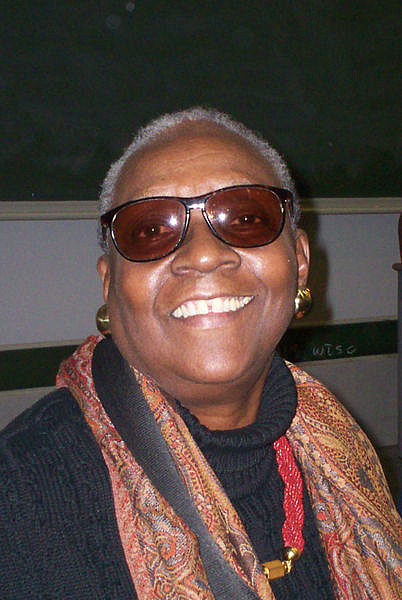
Maryse Condé’s short childhood memoir describes growing up in a middle-class Black family in Guadeloupe in the 1940s, and follows her experience up to her early years as a student at the Sorbonne. She was the youngest child in a large family: her father was a former civil servant who had become a banker, her mother a teacher, and both of them considered themselves more French than the French. Young Maryse was strictly prohibited from speaking Creole, and only allowed to associate with children “of her own sort” — she talks about her shock at realising on trips to Paris that white people looked down on them and regarded their ability to speak good French as though it was some sort of circus skill they had learnt.
This is a charming account of childhood and the oddities of growing up in a privileged niche protected from the realities of your own culture. You don’t have to read it politically to enjoy it, but of course it is a very political book.
Le coeur à rire et à pleurer (Tales from the heart, 1999) by Maryse Condé (Guadeloupe, 1937-2024)

Maryse Condé’s short childhood memoir describes growing up in a middle-class Black family in Guadeloupe in the 1940s, and follows her experience up to her early years as a student at the Sorbonne. She was the youngest child in a large family: her father was a former civil servant who had become a banker, her mother a teacher, and both of them considered themselves more French than the French. Young Maryse was strictly prohibited from speaking Creole, and only allowed to associate with children “of her own sort” — she talks about her shock at realising on trips to Paris that white people looked down on them and regarded their ability to speak good French as though it was some sort of circus skill they had learnt.
This is a charming account of childhood and the oddities of growing up in a privileged niche protected from the realities of your own culture. You don’t have to read it politically to enjoy it, but of course it is a very political book.
29cindydavid4
>28 thorold: think Ill try that one
30thorold
Iceland has been independent since 1918 (although it shared a monarch with Denmark until 1944), so it is unarguably an island nation in every meaningful sense of the term. Its combination of Nordic heritage and geographical isolation has given it an unusually strong literary culture for such a small country (current population about 400 000).
As well as poets, Nobelists, Björk, volcanoes and portals to the Centre of the Earth (see Jules Verne), Iceland can almost certainly claim the world’s highest per capita rate of fictional murders, but this one isn’t a crime story. This is the third novel by Auður that I’ve read: they all seem to equally quirky and fascinating.
Miss Iceland (2018, 2020) by Auður Ava Ólafsdóttir (Iceland, 1958- ) translated by Brian FitzGibbon

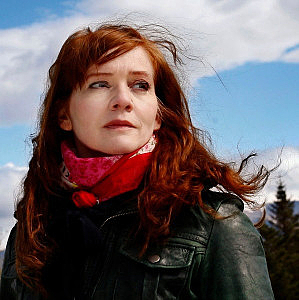
In the claustrophobic world of early 1960s Reykjavik, a young woman writer struggles to make a living as a waitress whilst her friend Ísey manages to scribble down odd pages in between changing nappies and cooking for her dyslexic husband, and their Gay Best Friend, Jón John, dreams of a life in fashion in between deeply unpleasant spells of work on a fishing trawler.
We are still in a period where women workers are expected to put up with low wages and at least moderate amounts of sexual harassment, gay men have no right to exist, and everyone in Iceland knows everyone else’s business. Copies of The bell jar and Le deuxième sexe are beginning to find their way across the North Atlantic, however, and there’s a glimmer of hope for a more positive life, provided one can somehow scrape together the cost of a ticket to the mainland. But, please, not by signing up for a beauty contest where competitors will be judged on their willingness to oblige the middle-aged male judges…
As usual, Auður manages to take an unpromising situation and put an interesting twist on it. This isn’t just a novel about how bad the world was sixty years ago, even in places we now think of as particularly enlightened: there are all kinds of surprising glimpses of the power of words to make the world more bearable, and an interesting array of positive and negative aspects of belonging to a small and cohesive national culture.
As well as poets, Nobelists, Björk, volcanoes and portals to the Centre of the Earth (see Jules Verne), Iceland can almost certainly claim the world’s highest per capita rate of fictional murders, but this one isn’t a crime story. This is the third novel by Auður that I’ve read: they all seem to equally quirky and fascinating.
Miss Iceland (2018, 2020) by Auður Ava Ólafsdóttir (Iceland, 1958- ) translated by Brian FitzGibbon

In the claustrophobic world of early 1960s Reykjavik, a young woman writer struggles to make a living as a waitress whilst her friend Ísey manages to scribble down odd pages in between changing nappies and cooking for her dyslexic husband, and their Gay Best Friend, Jón John, dreams of a life in fashion in between deeply unpleasant spells of work on a fishing trawler.
We are still in a period where women workers are expected to put up with low wages and at least moderate amounts of sexual harassment, gay men have no right to exist, and everyone in Iceland knows everyone else’s business. Copies of The bell jar and Le deuxième sexe are beginning to find their way across the North Atlantic, however, and there’s a glimmer of hope for a more positive life, provided one can somehow scrape together the cost of a ticket to the mainland. But, please, not by signing up for a beauty contest where competitors will be judged on their willingness to oblige the middle-aged male judges…
As usual, Auður manages to take an unpromising situation and put an interesting twist on it. This isn’t just a novel about how bad the world was sixty years ago, even in places we now think of as particularly enlightened: there are all kinds of surprising glimpses of the power of words to make the world more bearable, and an interesting array of positive and negative aspects of belonging to a small and cohesive national culture.
32SassyLassy
Cross posted from my CR thread - More Iceland, more Audur:

Animal Life by Audur Ava Olafsdottir translated from the Icelandic by Brian FitzGibbon (2022)
first published 2020 as Dyralif
finished reading May 18, 2024
finished second reading November 24, 2024
There’s something to be said for being six months behind in reviews. The initial impressions of the book have sunk in. A short second skim to consolidate those impressions is usually in order, and all that’s required. Sometimes that skim turns into a complete reread though, and a completely different idea of the book emerges. Such was the case with Animal Life.
Initially it seemed a pleasant enough book: a week or so in the life of midwife Dómhildur in Reykjavik. It was December, the darkest time of the year. A massive storm was approaching, one her sister the meteorologist insisted would break records. Dómhildur is an experienced midwife, the latest of several generations in her family. Told in the first person, she recounts each day at work. Meanwhile, at home, in the apartment inherited from her great aunt Dómhildur (Fifa), she spends her time working through diaries, letters, and unpublished manuscripts left behind by her aunt. Many of these concentrated on the animal world, and humankind’s relationship to it. All well and good, but it seemed somewhat pedestrian. It was a disappointment after Hotel Silence, which I loved.
The second reading changed all that. Perhaps I had not been paying attention on my first read, as it was a busy holiday weekend. This time, I read it as a meditation on light and dark. Where else is light as important as it is when absent? In a country where the interval between winter sunrise and sunset can be only a couple of hours, it can become an obsession.
The book’s first page tells us that “midwife” was voted the most beautiful word in the Icelandic language. Ljósmódir, is made up of both the words “light” and “mother”, and so midwives are the mother of light for the children they deliver.
Not all births as successful. Light and birth lead to darkness and death. Images of both are everywhere, from the electrician who comes to update some of the wiring in the outdated flat, still decorated as it was when her great aunt set it up in the 1970s, to the expedition to see the Northern Lights. Domhildur’s intellectual excavation of Fifa’s writings titled loosely Animal Life: investigation of what the human species is capable of and her physical reworking of the flat, are a move toward the light, never expressly stated as such, for perhaps she is not aware of it at the moment. Obviously, I wasn’t either on that first reading, but it all emerges in time.

Animal Life by Audur Ava Olafsdottir translated from the Icelandic by Brian FitzGibbon (2022)
first published 2020 as Dyralif
finished reading May 18, 2024
finished second reading November 24, 2024
There’s something to be said for being six months behind in reviews. The initial impressions of the book have sunk in. A short second skim to consolidate those impressions is usually in order, and all that’s required. Sometimes that skim turns into a complete reread though, and a completely different idea of the book emerges. Such was the case with Animal Life.
Initially it seemed a pleasant enough book: a week or so in the life of midwife Dómhildur in Reykjavik. It was December, the darkest time of the year. A massive storm was approaching, one her sister the meteorologist insisted would break records. Dómhildur is an experienced midwife, the latest of several generations in her family. Told in the first person, she recounts each day at work. Meanwhile, at home, in the apartment inherited from her great aunt Dómhildur (Fifa), she spends her time working through diaries, letters, and unpublished manuscripts left behind by her aunt. Many of these concentrated on the animal world, and humankind’s relationship to it. All well and good, but it seemed somewhat pedestrian. It was a disappointment after Hotel Silence, which I loved.
The second reading changed all that. Perhaps I had not been paying attention on my first read, as it was a busy holiday weekend. This time, I read it as a meditation on light and dark. Where else is light as important as it is when absent? In a country where the interval between winter sunrise and sunset can be only a couple of hours, it can become an obsession.
The book’s first page tells us that “midwife” was voted the most beautiful word in the Icelandic language. Ljósmódir, is made up of both the words “light” and “mother”, and so midwives are the mother of light for the children they deliver.
Not all births as successful. Light and birth lead to darkness and death. Images of both are everywhere, from the electrician who comes to update some of the wiring in the outdated flat, still decorated as it was when her great aunt set it up in the 1970s, to the expedition to see the Northern Lights. Domhildur’s intellectual excavation of Fifa’s writings titled loosely Animal Life: investigation of what the human species is capable of and her physical reworking of the flat, are a move toward the light, never expressly stated as such, for perhaps she is not aware of it at the moment. Obviously, I wasn’t either on that first reading, but it all emerges in time.
33thorold
Cuba is another big island. Technically, the writings in this book come from before independence, so maybe they shouldn’t count, but it’s good stuff anyway, and important background to Cuban history:
Contra España (1999) by José Martí (Cuba, 1853-1895) edited by Andrés Sorel

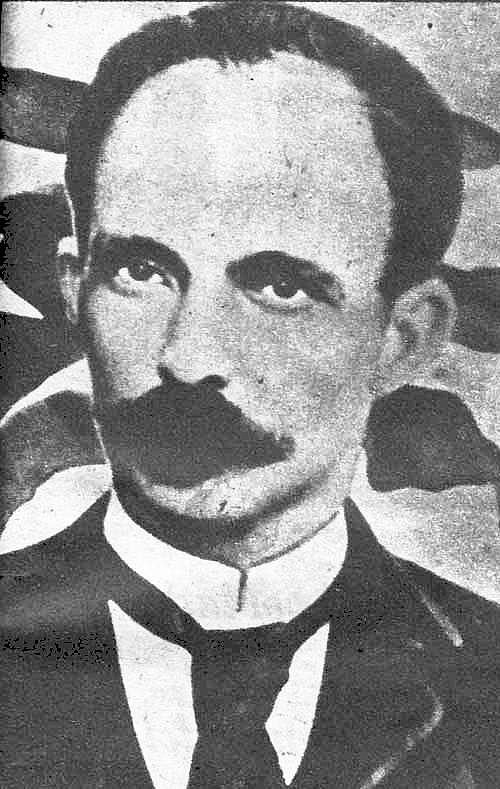
At the age of seventeen, José Martí was sentenced to six years’ forced labour by the Spanish colonial authorities, for drafting a letter attacking as an apostate a Cuban classmate who had enlisted as an officer in the Spanish army. Martí’s friends were eventually able to get the sentence commuted to exile in view of his youth and frail health, but not before he had suffered permanent damage to his health in the appalling conditions of the quarries.
Twenty-five years later, in 1895, he was killed fighting against Spain in the Cuban War of Independence. In between times, he had become a well-known modernist poet and playwright as well as a tireless political activist and journalist, attacking colonialism, the Catholic Church, slavery, capitalism, racism and the oppression of women, but above all promoting the cause of Cuban independence, both against Spain and against the threat of a new hegemony from the United States.
In this anthology, Andrés Sorel gives us a potted biography of the political Martí, as well as a broad selection of his writings right through from his account of his experiences as a political prisoner to his last, unfinished letter from camp and the final entries in his diaries. We only get a very thin selection of his more literary works, but these do include the one line of his verse most English-speaking readers will remember (thanks to Pete Seeger) — “Yo soy un hombre sincero”.
It’s fascinating to see how well Martí lived up to (or rather gave us a model for) the 20th century ideal of the revolutionary. Apart from looking more like Marcel Proust than Che Guevara, that is. The bulk of his political ideas could have been shifted fifty years on in time without anyone spotting a major incongruity. It’s hard to disagree with his arguments. Reading his essays and speeches back to back is a little tiring, though: there’s only so much exalted rhetoric you can take in at one go, and Martí clearly lived in a permanent state of rhetorical excitement. But plenty of other Cubans since have exhibited the same fault. More disturbing in the field diaries is the calm way in which he goes from lyrical descriptions of Cuban landscape and peasants to cold reports of courts martial and firing squads. Revolutionaries can’t afford to be nice people.
Contra España (1999) by José Martí (Cuba, 1853-1895) edited by Andrés Sorel

At the age of seventeen, José Martí was sentenced to six years’ forced labour by the Spanish colonial authorities, for drafting a letter attacking as an apostate a Cuban classmate who had enlisted as an officer in the Spanish army. Martí’s friends were eventually able to get the sentence commuted to exile in view of his youth and frail health, but not before he had suffered permanent damage to his health in the appalling conditions of the quarries.
Twenty-five years later, in 1895, he was killed fighting against Spain in the Cuban War of Independence. In between times, he had become a well-known modernist poet and playwright as well as a tireless political activist and journalist, attacking colonialism, the Catholic Church, slavery, capitalism, racism and the oppression of women, but above all promoting the cause of Cuban independence, both against Spain and against the threat of a new hegemony from the United States.
In this anthology, Andrés Sorel gives us a potted biography of the political Martí, as well as a broad selection of his writings right through from his account of his experiences as a political prisoner to his last, unfinished letter from camp and the final entries in his diaries. We only get a very thin selection of his more literary works, but these do include the one line of his verse most English-speaking readers will remember (thanks to Pete Seeger) — “Yo soy un hombre sincero”.
It’s fascinating to see how well Martí lived up to (or rather gave us a model for) the 20th century ideal of the revolutionary. Apart from looking more like Marcel Proust than Che Guevara, that is. The bulk of his political ideas could have been shifted fifty years on in time without anyone spotting a major incongruity. It’s hard to disagree with his arguments. Reading his essays and speeches back to back is a little tiring, though: there’s only so much exalted rhetoric you can take in at one go, and Martí clearly lived in a permanent state of rhetorical excitement. But plenty of other Cubans since have exhibited the same fault. More disturbing in the field diaries is the calm way in which he goes from lyrical descriptions of Cuban landscape and peasants to cold reports of courts martial and firing squads. Revolutionaries can’t afford to be nice people.
35thorold
Some more islands, in this case an autonomous region of Denmark rather than an independent state. This is the fourth novel I’ve read by the Faroese writer William Heinesen.
The Black Cauldron (1949; 1992) by William Heinesen (Faroes, 1900-1991) translated by W Glyn Jones

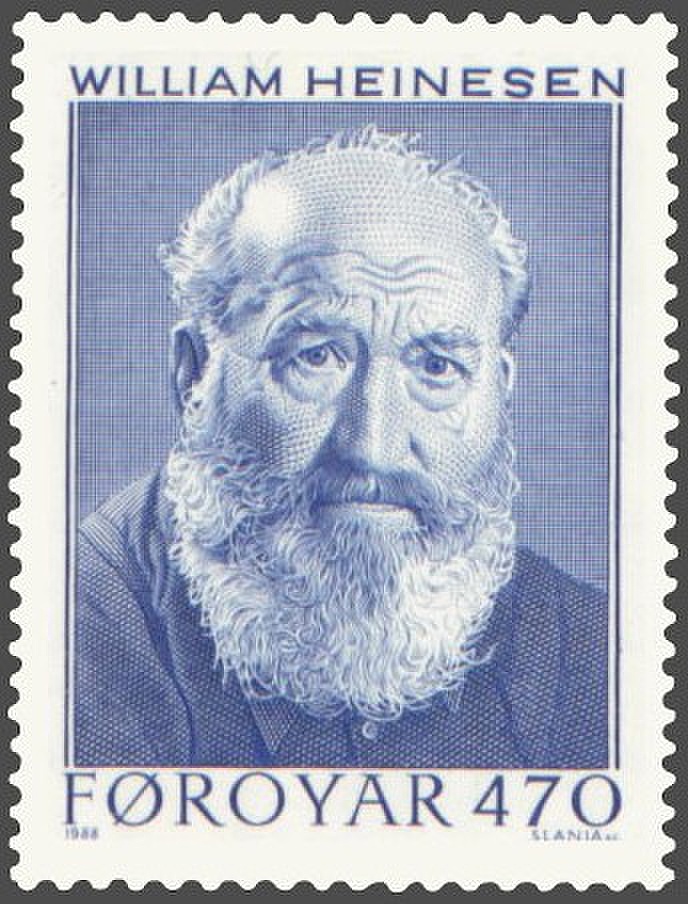
A small community in the Faroes during the later stages of the Second World War, with the islands under British military occupation, and an unusual number of outsiders to disturb the even keel of island society. There are huge profits to be made at sea from fishing and cargo carrying, but there are big risks out there as well and many young men have been lost to mines, submarines and aircraft.
Of course, since this is a Heinesen novel, there are political tensions and another disturbing element is the rise of a revivalist religious movement, in this case one led by the local baker Simon — the Bun Sect. Heinesen explores the interesting collisions between capitalist greed, nationalistic and religious fervour, sexual desire, and good old-fashioned class prejudice that result. A funny, moving, complex dissection of a small community at a difficult time.
The Black Cauldron (1949; 1992) by William Heinesen (Faroes, 1900-1991) translated by W Glyn Jones

A small community in the Faroes during the later stages of the Second World War, with the islands under British military occupation, and an unusual number of outsiders to disturb the even keel of island society. There are huge profits to be made at sea from fishing and cargo carrying, but there are big risks out there as well and many young men have been lost to mines, submarines and aircraft.
Of course, since this is a Heinesen novel, there are political tensions and another disturbing element is the rise of a revivalist religious movement, in this case one led by the local baker Simon — the Bun Sect. Heinesen explores the interesting collisions between capitalist greed, nationalistic and religious fervour, sexual desire, and good old-fashioned class prejudice that result. A funny, moving, complex dissection of a small community at a difficult time.
36rocketjk
I finished The Seven Moons of Maali Almeida, Shehan Karunatilaka's 2022 Booker Prize winning novel about violence, horror, love and the afterlife in Sri Lanka. You can find my longer review on my Club Read thread.
37kidzdoc
WEST TIMOR (also East Timor, which is part of Indonesia)
People from Oetimu by Felix Nesi, translated from the Indonesian by Lara Norgaard
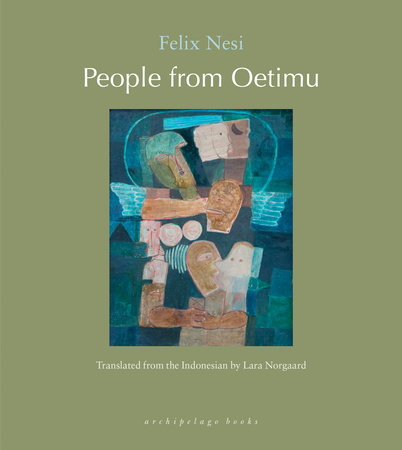

This novel opens in 1998 in a town on the border between West Timor, the former Dutch Timor that became part of Indonesia after the Indonesian National Revolution which ended in 1949, and East Timor, which had struggled to gain its independence from Indonesia and the brutal reign of President Suharto (1967-1998) since the Portuguese divested its overseas colonies in 1974 following the Carnation Revolution and the end of the fascist Estado Novo regime there. Most of the men in town have been invited to the home of Ipi, the local police sergeant, to watch the World Cup final between their beloved Portugal national football club and France. From the first sentence there is clearly danger lurking, but exactly what that is isn’t disclosed until the book’s end.
The narrative moves back in time to 1974, and the violence that ensues as the Timorese engage in a bloody conflict between Suharto, who wishes to control the entire island of Timor, and student activists and separatists who are opposed to the ruthless president and want the eastern half of the island to become an independent nation. One key character of the novel, Am Siki, was a near mythical survivor of the brutal campaign during World War II when Japan controlled the entire island from 1942 to 1945 until it surrendered to the Allies and the country halves were returned to their prior colonial
overseers, and he returns to Oetimu in 1974 and proves to play a key role in developments there.
In an interview with Lara Norgaard, the book’s narrator, Felix Nesi describes the history of Timorese literature, which he described as “boring,” and in this book he aimed to recreate the tradition of storytelling in this novel, which Norgaard captures effectively despite the challenges of having to translate the multiple languages spoken by the Timorese people.
People from Oetimu is a very readable and captivating book, filled with vivid characters, and although it isn’t a historical novel it does recall the often corrupt, violent and tragic history of that troubled and still divided island, which apparently has only regained a sense of stability within the past few years.
People from Oetimu by Felix Nesi, translated from the Indonesian by Lara Norgaard

This novel opens in 1998 in a town on the border between West Timor, the former Dutch Timor that became part of Indonesia after the Indonesian National Revolution which ended in 1949, and East Timor, which had struggled to gain its independence from Indonesia and the brutal reign of President Suharto (1967-1998) since the Portuguese divested its overseas colonies in 1974 following the Carnation Revolution and the end of the fascist Estado Novo regime there. Most of the men in town have been invited to the home of Ipi, the local police sergeant, to watch the World Cup final between their beloved Portugal national football club and France. From the first sentence there is clearly danger lurking, but exactly what that is isn’t disclosed until the book’s end.
The narrative moves back in time to 1974, and the violence that ensues as the Timorese engage in a bloody conflict between Suharto, who wishes to control the entire island of Timor, and student activists and separatists who are opposed to the ruthless president and want the eastern half of the island to become an independent nation. One key character of the novel, Am Siki, was a near mythical survivor of the brutal campaign during World War II when Japan controlled the entire island from 1942 to 1945 until it surrendered to the Allies and the country halves were returned to their prior colonial
overseers, and he returns to Oetimu in 1974 and proves to play a key role in developments there.
In an interview with Lara Norgaard, the book’s narrator, Felix Nesi describes the history of Timorese literature, which he described as “boring,” and in this book he aimed to recreate the tradition of storytelling in this novel, which Norgaard captures effectively despite the challenges of having to translate the multiple languages spoken by the Timorese people.
People from Oetimu is a very readable and captivating book, filled with vivid characters, and although it isn’t a historical novel it does recall the often corrupt, violent and tragic history of that troubled and still divided island, which apparently has only regained a sense of stability within the past few years.

