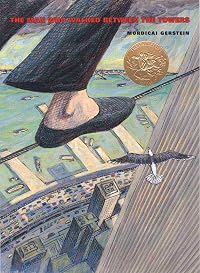
The Man Who Walked Between the Towers
by Mordicai Gerstein
On This Page
Description
A lyrical evocation of Philippe Petit's 1974 tightrope walk between the World Trade Center towers.Tags
Recommendations



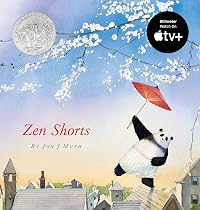

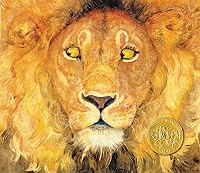

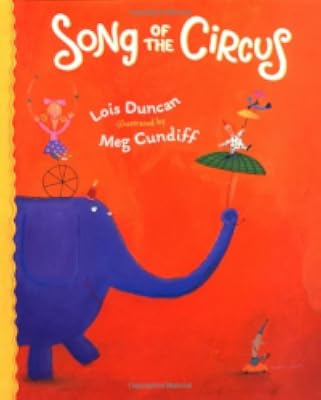
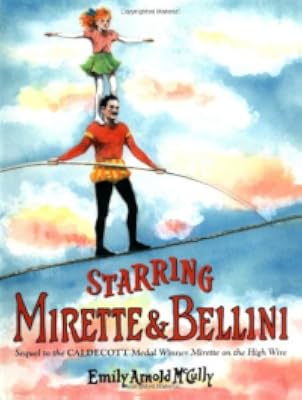
Member Recommendations
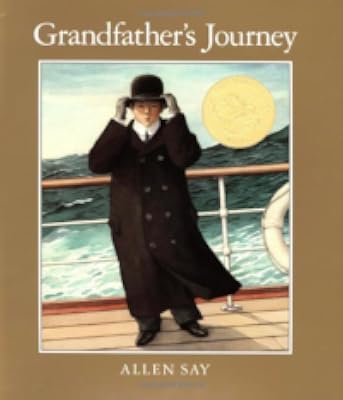
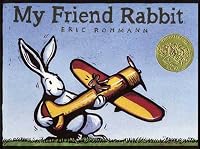
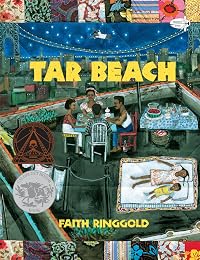
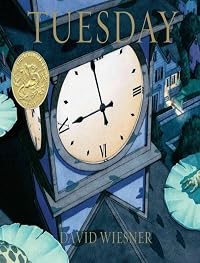
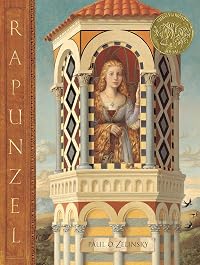
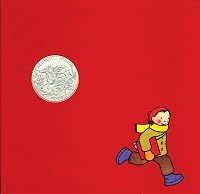
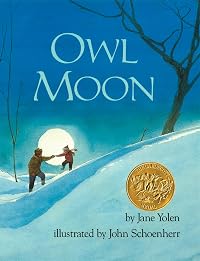
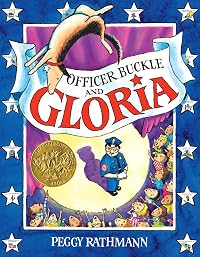
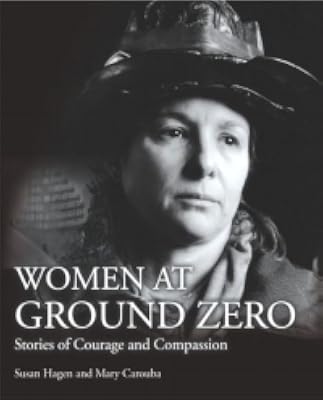
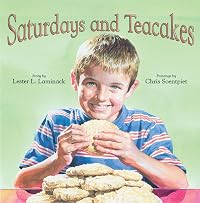
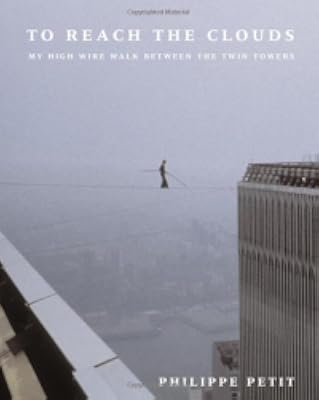
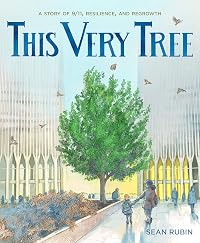
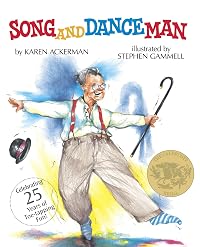
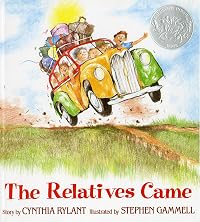
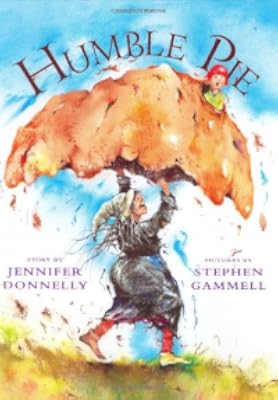
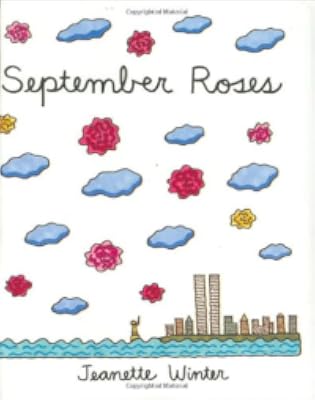
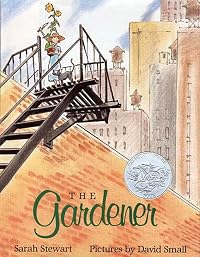
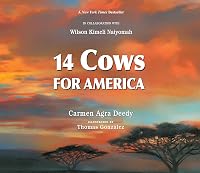
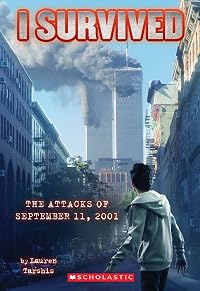
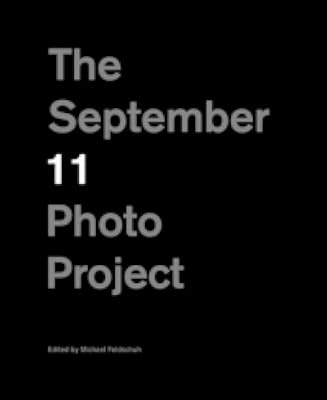
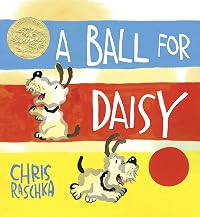
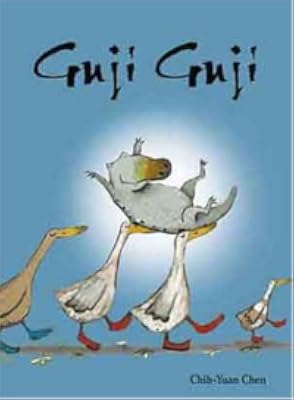
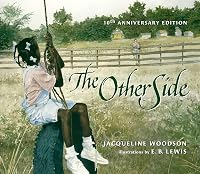
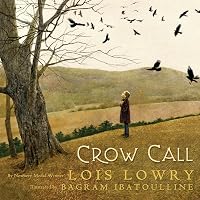
conuly This is if you happen to be picking books concerning the WTC.
Member Reviews
This is absolutely one of my favorite books. This book is a Caldecott Medal winner. It brings back memories of the Twin Towers. Philippe Petit was a high-wire artist that had walked between the steeples of the Notre Dame Cathedral in Paris, and he decided the Twin Towers in New York would be perfect for his next tightrope walk. This book is based on the actual events that happened in 1974.
I have to start with the illustrations because they really make the entire story. The night pictures of Philippe getting ready for the walk show the reader all that goes into pulling off a stunt like this one. The reader can actually learn how to set things up. Then, there are these incredible drawings that fold out and give the reader an incredible show more view of Philippe from the ground looking up and from the wire looking down. In one illustration Philippe is laying on the wire and it takes your breath away.
I cannot say whether I should put this under the writing or the plot but Gerstein engages the reader from the beginning and builds the suspense throughout the story. He writes, “It was past dawn before they were ready. Philippe put on his black shirt and tights. He picked up his twenty-eight foot balancing pole. All his life he had worked to be here; to do this. As the rising sun lit up the towers, out he steps onto the wire.” At this point the reader is holding their breath. Then, he pulls you in even more with the following words, “He could feel the towers breathing. He was not afraid. He felt alone and happy and absolutely free.” It’s as if the reader feels it too. He knew he would be in trouble when he got off the wire and he was arrested but while on the wire he was free. The last line in the story gives the reader a moment of sadness, “Now the towers are gone.”
This book sends the message that the Twin Towers were an integral part of New York and our history. Philippe Petit did something in 1974 that will allow us to have a positive memory of the Twin Towers. show less
I have to start with the illustrations because they really make the entire story. The night pictures of Philippe getting ready for the walk show the reader all that goes into pulling off a stunt like this one. The reader can actually learn how to set things up. Then, there are these incredible drawings that fold out and give the reader an incredible show more view of Philippe from the ground looking up and from the wire looking down. In one illustration Philippe is laying on the wire and it takes your breath away.
I cannot say whether I should put this under the writing or the plot but Gerstein engages the reader from the beginning and builds the suspense throughout the story. He writes, “It was past dawn before they were ready. Philippe put on his black shirt and tights. He picked up his twenty-eight foot balancing pole. All his life he had worked to be here; to do this. As the rising sun lit up the towers, out he steps onto the wire.” At this point the reader is holding their breath. Then, he pulls you in even more with the following words, “He could feel the towers breathing. He was not afraid. He felt alone and happy and absolutely free.” It’s as if the reader feels it too. He knew he would be in trouble when he got off the wire and he was arrested but while on the wire he was free. The last line in the story gives the reader a moment of sadness, “Now the towers are gone.”
This book sends the message that the Twin Towers were an integral part of New York and our history. Philippe Petit did something in 1974 that will allow us to have a positive memory of the Twin Towers. show less
The main message of this story is that we can achieve the seemingly impossible with determination and bravery. I loved this book for many reasons. I found the illustrations quite striking and meaningful to the text. For example, I love the illustrators use of lines. The lines of the towers themselves and the use of perspective made the towers seem extremely tall. This feature made Philippe Petite's act even more daring and exciting. On one page in particular, the illustrator used diagonal lines as Philippe scaled the side of the tower to retrieve the arrow. These diagonal lines added to the anxiety and suspense of the reader. Perspective was used quite frequently as well. We see Philippe's point of view from the top of the tower as well show more as the perspective of the people on the streets. This use of line and perspective was extremely well used and added to the excitement of the story as well as showed just how amazing Philippe's act was. We see truly how high up he was and how brave he must have been to attempt such a feat.
I also enjoyed this book because of the tension and suspense that the author built up in the pacing of his story. For example, when Philippe sneaks to the top of the tower with his friends, it takes a long time before he actually walks the tightrope. Many things don't go according to plan (the arrow missing, the middle of the rope falling, etc.). This builds the reader's anticipation of the tightrope walk and adds to the reader's anxiety for Philippe. I found that this element of "slowing down" the action in the book by describing the many different challenges Philippe faced added to the excitement when Philippe finally steps onto the tightrope. When Philippe walks the rope, the author again uses pacing to his advantage. He "slows down" this event as well. The author takes the time to tell about how Philippe was feeling and we see his act from below on the streets. Philippe's tightrope walk was made particularly beautiful and special to the reader by the author's excellent use of pacing and suspense. show less
I also enjoyed this book because of the tension and suspense that the author built up in the pacing of his story. For example, when Philippe sneaks to the top of the tower with his friends, it takes a long time before he actually walks the tightrope. Many things don't go according to plan (the arrow missing, the middle of the rope falling, etc.). This builds the reader's anticipation of the tightrope walk and adds to the reader's anxiety for Philippe. I found that this element of "slowing down" the action in the book by describing the many different challenges Philippe faced added to the excitement when Philippe finally steps onto the tightrope. When Philippe walks the rope, the author again uses pacing to his advantage. He "slows down" this event as well. The author takes the time to tell about how Philippe was feeling and we see his act from below on the streets. Philippe's tightrope walk was made particularly beautiful and special to the reader by the author's excellent use of pacing and suspense. show less
This isn't my first time reading this book - but I also haven't read it in a while. I do remember it fondly and I found myself more reactive to it this time around. So much of what Philippe Petit did to accomplish this feat is astonishing. Some of the book made me feel anxious due to how high and suspenseful things were, despite knowing it's just a book and this all already happened a fairly long time ago. I highly, highly recommend this book. It's charming and interesting and very well-presented.
I love, love, love this book. The Man Who Walked Between the Towers tells the incredible true story of Philippe Petit, the daring performer who walked a tightrope between the Twin Towers in New York City in 1974. Crazy enough, I’d never heard about this before! The feat itself is incredible, but what was more amazing to me is the preparation and physical strain it took for him to haul materials up to the roof and then run the cable between the towers. He was awake the entire night before he actually walked, danced, (even laid down to rest!) for an hour a quarter of a mile in the air. I found this book both captivating and memorable, not only because of the story itself, but because of the way it’s told through expressive show more illustrations and a creative layout that pulls you right in. show less
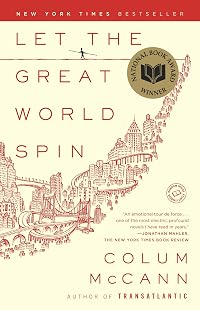
An iconic event, the tightrope walk between the towers. ( Let the Great World Spins found inspiration here, too.) Ostensibly for children, this graphic and lovely book leads adults into gentle questions. What does it mean to feel free? What kind of tightropes do we walk with exuberance? How do we mark memories?
The Man Who Walked Between the Towers was an exciting true story of Philippe Petit who walked between the very same towers in New York City that were destroyed on September 11th. I found this book very entertaining through the illustrations and the set up of the book. The illustrations changed from page to page. Some had multiple pictures that told a story, while others bleed through the entire page. The pages with multiple pictures showed different frames of the story, demonstrating the time it took. This idea really pulled the reader into the story, as if they were watching it in a movie scene. For example, when Philippe and his friends were pulling the cable, it took many hours. In order to make the reader feel and see the amount of show more time it really took, the author broke the picture into three frames where the sky changed from dark to light as they pulled the cable.
Along with this, the book was also set up in a unique way that kept the reader excited and interacting with the text. In the book, there were places where the author made flaps that could be pulled out. This is a great way to keep the reader interacting with the story since they have to physically flip out the next page to continue the story. It also allows for larger illustrations and greater detail. For example, when one of the flaps was pulled out, it changed the picture to the perspective of the crowd surrounding the towers. By having the picture larger, the depth of the tower's height was portrayed. Also, by allowing greater detail, the reader could feel the fear of the crowd below. Overall, I think the main idea was to share a courageous and talented man's story, while also reminding us of the memories that still remain in the New York City sky even after September 11th. show less
Along with this, the book was also set up in a unique way that kept the reader excited and interacting with the text. In the book, there were places where the author made flaps that could be pulled out. This is a great way to keep the reader interacting with the story since they have to physically flip out the next page to continue the story. It also allows for larger illustrations and greater detail. For example, when one of the flaps was pulled out, it changed the picture to the perspective of the crowd surrounding the towers. By having the picture larger, the depth of the tower's height was portrayed. Also, by allowing greater detail, the reader could feel the fear of the crowd below. Overall, I think the main idea was to share a courageous and talented man's story, while also reminding us of the memories that still remain in the New York City sky even after September 11th. show less
I enjoyed reading this true story about the man who walked across a tight rope between the Twin Towers in the 1974 because of two main reasons. First of all, the book's illustrations brought this story to life with the very large, full page drawings of Phillipe, the tightrope walker, adventuring out above the New York skyline to walk up among the clouds. The unfolding pages of border-less illustrations give the reader a true sense of how high and intense this event was and transports the reader to the scene of staring up at Philippe from the ground. Also, the author's descriptive language created interest through descriptive verbs such as "danced" and "ran", and on the other hand, added concrete details to the story to help the reader show more imagine what this experience must have been like, as well as adding information necessary for a biography. Some examples of this are giving the exact date when the event happened, "August 7, 1974", and describing the exact height of the tight rope as, "a quarter mile high... one thousand three-hundred and forty feet." This stories main idea of recalling this exciting event back in time when the Twin Towers still stood in New York was utilized to commemorate the buildings and 9/11, as well as showing readers a crazy story of turning your dreams into reality despite others' disapproval. show less
Members
- Recently Added By
Published Reviews
Biography
Mordicai Gerstein was already a talented children’s book illustrator when he decided to start writing children’s books of his own. Since then, he has released dozens of titles and has won nearly as many awards for his stories of childhood innocence, spiritual exploration, and imagination gone wild. His biographical story of tightrope walker Philippe Petit won the 2004 Caldecott show more Medal, making The Man Who Walked Between the Towers the most distinguished American picture book for children in 2004. show less
Mordicai Gerstein was already a talented children’s book illustrator when he decided to start writing children’s books of his own. Since then, he has released dozens of titles and has won nearly as many awards for his stories of childhood innocence, spiritual exploration, and imagination gone wild. His biographical story of tightrope walker Philippe Petit won the 2004 Caldecott show more Medal, making The Man Who Walked Between the Towers the most distinguished American picture book for children in 2004. show less
added by sriches
Gerstein's ink and oil paintings of that "joyful morning" aren't for anyone with a fear of heights; the perspectives are dizzying enough to make the strongest stomach lurch. — Elizabeth Ward
added by sriches
Lists

Caldecott Medal Books
91 works; 15 members

A Child's Book Tour of New York City
57 works; 6 members

Top-Rated Children's Books
87 works; 16 members

Mensa for Kids Excellence in Reading Award Program (Nonfiction)
54 works; 4 members

SYES Library Wishlist
1,080 works; 4 members

Books Read in 2016
4,666 works; 197 members
Author Information

56+ Works 6,827 Members
Mordicai Gerstein was born in Los Angeles, California in 1935. He attended the Chouinard Art Institute in California. He designed and directed animated films for twenty-five years. In 1970, he met author Elizabeth Levy, who asked him to illustrate her children's book Something Queer Is Going On. He has illustrated all of the books in her Something show more Queer series. He decided to try his hand at writing. His first picture book, Arnold of the Ducks, was published in 1980 and adapted into an animated film. He has also retold many ancient religious stories, such as that of Jonah in his book, Jonah and the Two Great Fish. He has won many awards including 2 CINE Golden Eagle Awards from the International Film and Television Festival of New York. (Bowker Author Biography) show less
Awards and Honors
Awards
Distinctions
Common Knowledge
- Canonical title
- The Man Who Walked Between the Towers
- Original publication date
- 2003
- People/Characters
- Philippe Petit
- Important places
- New York, New York, USA; World Trade Center, New York, New York, USA
- Related movies
- The Man Who Walked Between the Towers (2005 | IMDb)
- Dedication
- TO PHILIPPE PETIT
for the gifts of his courage,
his impeccable art,
and his mythic sense of mischief - First words
- Once there were two towers side by side.
- Last words
- (Click to show. Warning: May contain spoilers.)And part of that memory is the joyful morning, August 7, 1974, when Philippe Petit walked between them in the air.
Classifications
- Genre
- Children's Books
- DDC/MDS
- 791.34092 — Arts & recreation Recreation, sports, and performing arts Public performances Circus Acts Acrobatics
- LCC
- GV551 .G47 — Geography, Anthropology and Recreation Recreation. Leisure Recreation. Leisure Physical education and training Gymnastics. Gymnastic exercises
- BISAC
Statistics
- Members
- 2,847
- Popularity
- 6,408
- Reviews
- 273
- Rating
- (4.34)
- Languages
- Chinese, English, French, Spanish
- Media
- Paper, Audiobook, Ebook
- ISBNs
- 31
- ASINs
- 12