On This Page
Description
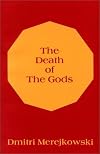
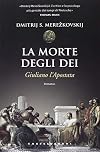
This classic historical novel, first published in 1904, creates an outstanding picture of the 4th century, Roman Emperor Julian the Apostate and the profound spiritual implications of his life and deeds.Tags
Recommendations



























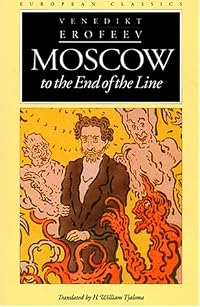
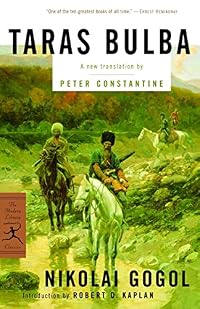

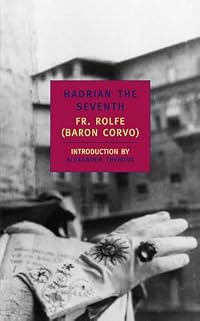
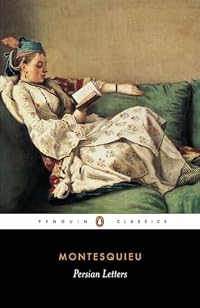
Member Recommendations
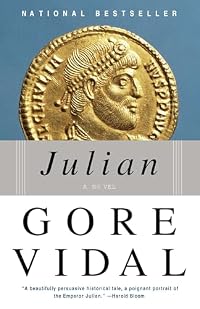
Julian by Gore Vidal
by bertilak
Member Reviews
From the standpoint of "history", Merejkowski's The Death of the Gods is riveting, introducing facts and scenes from the Roman Empire entirely new to me, utterly convincing in their depiction, and leaving me eager to read other books on Imperial Roman philosophy, social life, and architecture. From the standpoint of "fiction", the impression was less dramatic though still engaging. I think primarily this has to do with the changing nature of the novel since Merejkowski wrote: his characters do not captivate me, his plot is not what I would call sweeping, and overall I am not "lost in a good book". But: The book is well plotted, and the characters are fully realised. Deliberate or not, the writing allows a space even as I read it, show more encouraging concurrent reflection. The novel benefits from this reflective space.
Part I unfolds not so much through plot or even activity as through a panorama. Characters are introduced, then left again. Encounters and conversations relayed, but not immediately clear in their significance. In this way, the themes are gathered and the character of Julian built up. It becomes clear that Julian has a destiny that will shape the Roman empire, outcast though he is, and that his fixation with spirit and beauty and truth will play a role. Part II is a more connected narrative, both in terms of Julian's path through empire and history, and in the recurring actions of side characters both minor and major. The end result is a complex yet efficiently told story.
Overall, quite impressive. I'm left wondering how accurate is Merejkowski's take on Roman customs, Attic Greek architecture and society, the role of Christianity in the empire pre-, intra-, and post-Julian, and the various military campaigns. If either of the remaining two volumes in the trilogy approach this standard, they'll be well worth the time to read. show less
Part I unfolds not so much through plot or even activity as through a panorama. Characters are introduced, then left again. Encounters and conversations relayed, but not immediately clear in their significance. In this way, the themes are gathered and the character of Julian built up. It becomes clear that Julian has a destiny that will shape the Roman empire, outcast though he is, and that his fixation with spirit and beauty and truth will play a role. Part II is a more connected narrative, both in terms of Julian's path through empire and history, and in the recurring actions of side characters both minor and major. The end result is a complex yet efficiently told story.
Overall, quite impressive. I'm left wondering how accurate is Merejkowski's take on Roman customs, Attic Greek architecture and society, the role of Christianity in the empire pre-, intra-, and post-Julian, and the various military campaigns. If either of the remaining two volumes in the trilogy approach this standard, they'll be well worth the time to read. show less
"This other author in whom I find a new note, and one of great power, is Merejkowski, who is, if I mistake not, young and with his career still before him. "The Forerunner" and "The Death of the Gods" are the only two books of his which I have been able to obtain, but the pictures of Renaissance Italy in the one, and of declining Rome in the other, are in my opinion among the masterpieces of fiction." --Through the Magic Door, pg. 229
Ratings
Members
- Recently Added By
Lists

CCE 1000 Good Books List
1,033 works; 12 members
Author Information

74+ Works 1,005 Members
Some Editions
Series

Work Relationships
Is contained in
Common Knowledge
- Canonical title
- The Death of the Gods: Julian the Apostate
- Original publication date
- 1895
- First words
- About two and a half miles from Caesarea in Cappadocia, upon the woody spurs of Mount Argaeus, and close to the great Roman road, bubbled a certain warm spring, famous for its healing virtues.
- Quotations
- Iamblicus: "God does not come, God does not go away; He is revealed." [65]
Julian: "It is shameful that the Hellenists starve, when the Jews have not a beggar amongst them and the Galileans feed both their own poor and ours. They act like those who entice children with sweetmeats, beginning by hos... (show all)pitality, inviting to feasts of brotherly love. Little by little they finish by fasts, flagellations, madness, deaths of martyrs, and the horror of hell." [266] - Last words
- (Click to show. Warning: May contain spoilers.)Night and Tempest, hand in hand, were striding on apace.
Classifications
- Genres
- Fiction and Literature, General Fiction, Historical Fiction
- DDC/MDS
- 891.784209 — Literature & rhetoric Asian Literature East Indo-European and Celtic literatures Russian and East Slavic languages Authors, Russia and Russian miscellany USSR 1917–1991 Early 20th century 1917–1945
- LCC
- PG3467 .M4 — Language and Literature Slavic languages and literatures. Baltic languages. Albanian language Slavic. Baltic. Albanian Russian literature Individual authors and works 1870-1917
- BISAC
Statistics
- Members
- 105
- Popularity
- 307,474
- Reviews
- 2
- Rating
- (3.50)
- Languages
- 9 — Czech, English, Finnish, French, Italian, Portuguese, Russian, Slovak, Spanish
- Media
- Paper, Ebook
- ISBNs
- 18
- ASINs
- 13