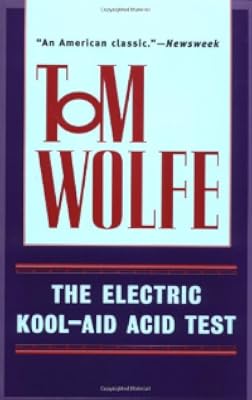
The Electric Kool-Aid Acid Test
by Tom Wolfe
On This Page
Description
One of the most essential works on the 1960s counterculture, Tom Wolfe's The Electric Kool-Aid Test is the seminal work on the hippie culture, a report on what it was like to follow along with Ken Kesey and the Merry Pranksters as they launched out on the "Transcontinental Bus Tour" from the West Coast to New York, all the while introducing acid (then legal) to hundreds of like-minded folks, staging impromptu jam sessions, dodging the Feds, and meeting some of the most revolutionary figures show more of the day. show lessTags
Recommendations

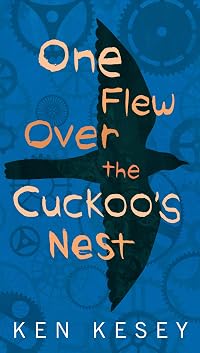
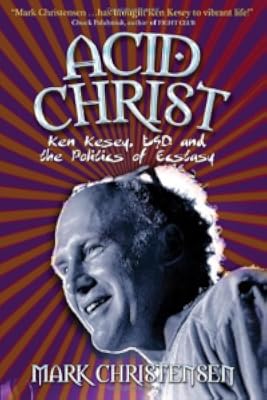
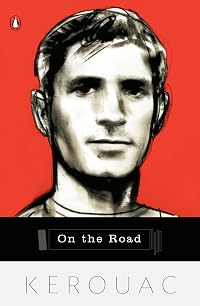


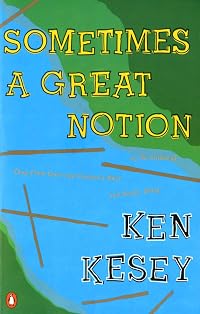









Member Recommendations
Member Reviews
It took me a long time to read this book. I kept walking away from it. I get that Tom Wolfe was trying to do something new and fresh with the writing style, but it ended up being just annoying and hard to follow. I read in another review that he was trying to emulate an LSD trip. Maybe you have to be on LSD to find the writing profound, or just be a lot younger than middle-aged. Ken Kesey sounds like an intolerable jerk with an ego problem to me, and the Merry Pranksters sound a lot like a cult. I guess against the context of the times (mid-1960s), taking off on a drug-fueled cross-country road trip in a psychedelic bus was the wildest thing EVER, so shocking and free! I can appreciate the appeal of an adventurous road trip, but from show more the perspective of the twenty-first century, these people just sound disorganized and drugged out. I cannot even believe these people had children with them during this chaos. Also, there are a couple of bad drug experiences in here that get treated cavalierly by the Pranksters, which actually sounded frightening for the people involved. The book is also much longer than it needs to be. I'm glad I read it, because I think this book is a cultural marker, but I would not have finished it otherwise. show less
I first attempted to read this a couple weeks ago but I wasn't feeling it. I thought to myself, "Hmm, it is much more interesting to read Kesey than to read ABOUT Kesey," so I put the book down and started reading other things. But I am not a man who likes to be defeated by a book, so I picked it up again and was totally surprised at how much more I enjoyed it this time around. Never trust a prankster! Maybe it's a nice contrast to my boring office job, what with all the day glo and acid and living free. The hippy lifestyle fascinates me, as elements of it both attract and repel me. There's something so appealing about rejecting to live a normal boring life, but then there's something so pathetic about achieving nothing, taking a lot of show more drugs, and living in filthy communal conditions.
This book isn't about hippies in general, but rather about a group of proto-hippies who were living that kind of life before it became mainstream- hipster hippies I guess. Ken Kesey, acclaimed author, participates in a drug study and discovers LSD. Loving the amazing effects it has on his mind, he begins taking it regularly and begins developing a gang of friends who get into it as well. Kesey buys some property in La Honda, California and the gang all move up there, name themselves the Merry Pranksters, and buy a school bus which they decorate with wild Day Glo paint. They make a road trip to New York on the bus, film a 40-hour movie along the way, and freak out pretty much everyone they encounter. The Merry Pranksters are actually huge trolls. They troll the people of America, the police, and even an anti-Vietnam march. They make friends with the Hells Angels (another trollish move) and then start throwing big acid bashes (basically what raves are today), which help bring LSD from the underground to the mainstream. But then Kesey gets busted for marijuana possession twice and ends up fleeing to Mexico. While there, Kesey has a realization during a lightning storm that in order to move forward the group must move beyond acid. He then returns to California, to spread the message, but things have changed. The hippy lifestyle became mainstream and the new acid heads had no interest in giving acid up. Kesey realized what seems to be the problematic paradox with acid- it gives you these divine, profound spiritual insights, but then when you're off acid they don't seem to mean anything. It's like without the drugs they aren't real. Kesey learned acid opens a door to a different type of consciousness, but he didn't want to have to live in a circle of relying on the drugs to get him back there. You cannot move forward living in a circle. Acid can do wondrous things to your mind, but ultimately it is a false sense of enlightenment. The group graduates off acid, and then they kind of disband and do their own thing. It was LSD that really brought them together and fuelled their wild lifestyle. Kesey even returned to writing, a medium he had abandoned while on LSD.
Wolfe understood that a straight-up formal typical biography wouldn't suit the wackiness of his subject matter, so he takes a lot of risks with his writing. Sometimes they pay off, and the loose, druggy prose helps convey what he's talking about. But other times he's not very successful, ie. any time that he attempts to write poetry, and it can just get a little ::::: awkward. I appreciate that the square New York journalist tried to make his writing as interesting as his subject, but I can understand how this approach could be really off-putting to readers. I like how Wolfe kept a lot of historical/cultural perspectives in focus. It's interesting to compare the newer countercultural 60s attitude with that of the beats. Allen Ginsberg and On The Road inspiration Neal Cassady make appearances in this, especially Cassady who is a core member of the pranksters. The concept of what was cool shifted, from what kinds of drugs people used (amphetamines to psychedelics), what kind of music people listened to (jazz to acid rock ie. The Grateful Dead), even people's attitude on war (ie. anti-war protest rallies going out of style-> apathy). All of these things were heavily influenced by Kesey and the Pranksters. The chapter about the Beatles is really funny, as the Pranksters want them to come to visit them following their concert, which of course doesn't happen, but over the years the Beatles embraced what the Pranksters were about, ie. taking acid, making psychedelic music, and The Magical Mystery Tour which sounds a lot like what the Pranksters did.
It's a well-structured novel, as Wolfe sets up the beginning with Kesey's plan to graduate from acid following his exhile and then goes back to the past to chronologically lead up to how they got to that point. Kesey with his country charm is so whack and brilliant at the same time. The Pranksters make a pretty fun cast of characters, with upfront Mountain Girl, techy Babbs (yeah! yeah! right! right! right!), Kesey's mysteriously domestic & demure wife, Faye, neurotic Sandy, and good old Cassady, always trying to break that 1/30th gap between life and our experience of it. If the gap between living life and experiencing it prevents us from truly ever living "in the Now" that means what we think is life is just a movie, and we all are starring in our own movie with our own script. The Pranksters sure had some wild movies going on.
Despite their ideas of living free, there definitely were tensions in the group dynamic. Kesey never claimed to be a leader and called himself the "un-navigator" but he was always in control of what was going on. The Pranksters had a real with-us-or-against us mentality, that they described as, "You're either on the bus, or you're off it." Sandy seems to be the one who struggled the most with this dynamic and left the group following a mental breakdown, only to return. I really liked his revenge at the end when he goes down to Mexico to take back his stereo equipment. But he eerily tells Wolfe that he will always be on the bus. Wolfe makes some interesting comparisons between religion and the Pranksters and how Kesey was like their religious leader. Though they were not interested in typical religious concerns, their group had a charismatic leader, existed on the fringes of society, and revolved around a new experience that they wanted to share with the rest of the world.
Overall, this is a fun romp through the 60s. I don't think the Prankster's ideas died with the end of the hippy era, but continue to live now especially in EDM/rave culture, even down to the neon colours! This book makes me want to try acid, but it also makes me never want to try acid, ya know? The Pranksters can be frustrating, but at least they're pretty entertaining! show less
This book isn't about hippies in general, but rather about a group of proto-hippies who were living that kind of life before it became mainstream- hipster hippies I guess. Ken Kesey, acclaimed author, participates in a drug study and discovers LSD. Loving the amazing effects it has on his mind, he begins taking it regularly and begins developing a gang of friends who get into it as well. Kesey buys some property in La Honda, California and the gang all move up there, name themselves the Merry Pranksters, and buy a school bus which they decorate with wild Day Glo paint. They make a road trip to New York on the bus, film a 40-hour movie along the way, and freak out pretty much everyone they encounter. The Merry Pranksters are actually huge trolls. They troll the people of America, the police, and even an anti-Vietnam march. They make friends with the Hells Angels (another trollish move) and then start throwing big acid bashes (basically what raves are today), which help bring LSD from the underground to the mainstream. But then Kesey gets busted for marijuana possession twice and ends up fleeing to Mexico. While there, Kesey has a realization during a lightning storm that in order to move forward the group must move beyond acid. He then returns to California, to spread the message, but things have changed. The hippy lifestyle became mainstream and the new acid heads had no interest in giving acid up. Kesey realized what seems to be the problematic paradox with acid- it gives you these divine, profound spiritual insights, but then when you're off acid they don't seem to mean anything. It's like without the drugs they aren't real. Kesey learned acid opens a door to a different type of consciousness, but he didn't want to have to live in a circle of relying on the drugs to get him back there. You cannot move forward living in a circle. Acid can do wondrous things to your mind, but ultimately it is a false sense of enlightenment. The group graduates off acid, and then they kind of disband and do their own thing. It was LSD that really brought them together and fuelled their wild lifestyle. Kesey even returned to writing, a medium he had abandoned while on LSD.
Wolfe understood that a straight-up formal typical biography wouldn't suit the wackiness of his subject matter, so he takes a lot of risks with his writing. Sometimes they pay off, and the loose, druggy prose helps convey what he's talking about. But other times he's not very successful, ie. any time that he attempts to write poetry, and it can just get a little ::::: awkward. I appreciate that the square New York journalist tried to make his writing as interesting as his subject, but I can understand how this approach could be really off-putting to readers. I like how Wolfe kept a lot of historical/cultural perspectives in focus. It's interesting to compare the newer countercultural 60s attitude with that of the beats. Allen Ginsberg and On The Road inspiration Neal Cassady make appearances in this, especially Cassady who is a core member of the pranksters. The concept of what was cool shifted, from what kinds of drugs people used (amphetamines to psychedelics), what kind of music people listened to (jazz to acid rock ie. The Grateful Dead), even people's attitude on war (ie. anti-war protest rallies going out of style-> apathy). All of these things were heavily influenced by Kesey and the Pranksters. The chapter about the Beatles is really funny, as the Pranksters want them to come to visit them following their concert, which of course doesn't happen, but over the years the Beatles embraced what the Pranksters were about, ie. taking acid, making psychedelic music, and The Magical Mystery Tour which sounds a lot like what the Pranksters did.
It's a well-structured novel, as Wolfe sets up the beginning with Kesey's plan to graduate from acid following his exhile and then goes back to the past to chronologically lead up to how they got to that point. Kesey with his country charm is so whack and brilliant at the same time. The Pranksters make a pretty fun cast of characters, with upfront Mountain Girl, techy Babbs (yeah! yeah! right! right! right!), Kesey's mysteriously domestic & demure wife, Faye, neurotic Sandy, and good old Cassady, always trying to break that 1/30th gap between life and our experience of it. If the gap between living life and experiencing it prevents us from truly ever living "in the Now" that means what we think is life is just a movie, and we all are starring in our own movie with our own script. The Pranksters sure had some wild movies going on.
Despite their ideas of living free, there definitely were tensions in the group dynamic. Kesey never claimed to be a leader and called himself the "un-navigator" but he was always in control of what was going on. The Pranksters had a real with-us-or-against us mentality, that they described as, "You're either on the bus, or you're off it." Sandy seems to be the one who struggled the most with this dynamic and left the group following a mental breakdown, only to return. I really liked his revenge at the end when he goes down to Mexico to take back his stereo equipment. But he eerily tells Wolfe that he will always be on the bus. Wolfe makes some interesting comparisons between religion and the Pranksters and how Kesey was like their religious leader. Though they were not interested in typical religious concerns, their group had a charismatic leader, existed on the fringes of society, and revolved around a new experience that they wanted to share with the rest of the world.
Overall, this is a fun romp through the 60s. I don't think the Prankster's ideas died with the end of the hippy era, but continue to live now especially in EDM/rave culture, even down to the neon colours! This book makes me want to try acid, but it also makes me never want to try acid, ya know? The Pranksters can be frustrating, but at least they're pretty entertaining! show less
The first Thomas Wolfe novel I read was A Man in Full and I enjoyed it immensely. I’ve followed up with each subsequent novel he has published (I Am Charlotte Simmons and Back to Blood) and The Right Stuff is simply one my favorite books of all time. To date, I’ve never been disappointed by one of Wolfe’s efforts. It occurred to me that there were several highly regarded Wolfe novels that pre-dated my discovery of his work, so I ordered this novel, along with The Bonfire of the Vanities.
This quasi-biographical work highlights the life of Ken Kesey and his band of Merry Pranksters as they toured the country in their Day-Glo painted, modified school bus, dropping acid and other hallucinogens, documenting it all on camera. Wolfe then show more explores the goings on at Kesey’s forested retreat near Palo Alto as various disciples and assorted Hell’s Angels drop in and out to partake of Kesey’s special brand of mysticism and evangelical fervor for pharmaceutical experimentation. Kesey subsequently flees the country, faking a suicide in order to evade prosecution for multiple marijuana possession arrests. In his absence, the Merry Pranksters struggle along before reuniting with Kesey’s return to the states.
Much of the book is amusing, however the writing is such that you either have to have dropped acid, or be on an acid trip to appreciate the prose and sometimes silly word play. Much of the book is written as stream of consciousness, while other parts are some form of poetry that I simply can’t appreciate. It is, nevertheless, an interesting look at the early 60s and the screwballs that populated the San Francisco area during that period. This book is nothing like the other Wolfe novels that I’ve read and I can’t recommend it unless you perhaps lived through the period and partook of some of the same “medicine” enjoyed by the Pranksters. show less
This quasi-biographical work highlights the life of Ken Kesey and his band of Merry Pranksters as they toured the country in their Day-Glo painted, modified school bus, dropping acid and other hallucinogens, documenting it all on camera. Wolfe then show more explores the goings on at Kesey’s forested retreat near Palo Alto as various disciples and assorted Hell’s Angels drop in and out to partake of Kesey’s special brand of mysticism and evangelical fervor for pharmaceutical experimentation. Kesey subsequently flees the country, faking a suicide in order to evade prosecution for multiple marijuana possession arrests. In his absence, the Merry Pranksters struggle along before reuniting with Kesey’s return to the states.
Much of the book is amusing, however the writing is such that you either have to have dropped acid, or be on an acid trip to appreciate the prose and sometimes silly word play. Much of the book is written as stream of consciousness, while other parts are some form of poetry that I simply can’t appreciate. It is, nevertheless, an interesting look at the early 60s and the screwballs that populated the San Francisco area during that period. This book is nothing like the other Wolfe novels that I’ve read and I can’t recommend it unless you perhaps lived through the period and partook of some of the same “medicine” enjoyed by the Pranksters. show less
In the early 1960's, Tom Wolfe hung with Ken Kesey and his Merry Pranksters as they embarked upon a series of LSD-fueled adventures across the country. The sequence of events included experimentation with hallucinogenic drugs in California, a chaotic trip to New York for the publication of Kesey's second novel, back to California and a series of "Acid-tests" (basically a '60's version of Raves), a run-in with the Feds and the flight to Mexico, then back to the USA and a short prison term for marijuana posession. I bought this in 1972, only to leave it unread until 2002, and Gawd, I feel like a geezer for saying this, but this is basically a documentary of a bunch of hedonistic, drug-swilling amoral irresponsible young punks who think show more the world owes them a living and can't understand why they aren't appreciated for their innovative use of drugs for mind-expansion. I read it because Kesey wrote one of my all-time favorite books, "One Flew Over the Cuckoo's Nest". That book is still great, but Kesey comes across as a more benign Charles Manson type, and it's difficult to reconcile the two aspects of the man. Also, Wolfe's writing style suggests that he was on one drug or another throughout most of the writing. show less
A snapshot of one cohort of 1960s west-coast American youth culture from the inside. It's a surprisingly narrow, self-referencing group: I had forgotten how consistently the word 'spade' was used for every black person that the participants interacted with (employed 29 times, apparently). This book, along with the avid self-documentation of Kesey's entourage, made the names of some of the handful of characters well-known to a subset of the American counterculture. Wolfe's book, though, is too long, myopically self-absorbed, and written in a style that soon becomes tedious.
You’re either on the bus or off the bus.
This novel is unique. I can appreciate the efforts and how it’s written. Few authors can write like this and do it well. That being said, it was hard to focus on at times.
You’re either on the bus or off the bus...and I guess I’m just off the bus.
This novel is unique. I can appreciate the efforts and how it’s written. Few authors can write like this and do it well. That being said, it was hard to focus on at times.
You’re either on the bus or off the bus...and I guess I’m just off the bus.
To me, nothing says Christmas better than trippy colors mixed with love, peace, and harmony.
Turn on the lights and turn yourself on, find the bus and/or Santa's sleigh, and it's truly the season to be jolly!
... and freak out the squares, man.
Break the mold in our lives, put on the day-glow, THINK DIFFERENTLY, and DEFY EVERYTHING! It's CHRISTMAS-ish. :) Let's check out those elvish helpers...
The Merry Pranksters!
Ken Kesey (un)led this band of social explorers took so many mind-altering trips that they spawned a whole movement in the mid-sixties... so much so that the whole thing became passe and overdone well before '69, and even burned out a number of mental cosmonauts before LSD became illegal a few years before.
This particular book show more is a Non-Fiction in the best tradition of great storytelling. Or is it the reverse?
Doesn't matter. It's all real. It happened. A Kerouac-Adventure diving deep in the psyche as well as busting social-norms, these Merry Pranksters hung out with Hell's Angels, disturbed a disturbed America, and gave access to unimaginable quantities of hallucinogenics to the world. The impact on music, fame, spirituality is undisputed. This was the total awakening of the imagination, for good or ill, that made people hope for a brighter future.
Hope and all these people working together to build something bigger than any of us IS the point. Never mind that it didn't quite turn out the way they hoped. The pendulum sure swang back HARD on them.
Even so, this history is pretty freaking amazing. All the good, the bad, the ignorance and the hope... it just smells like Christmas to me!
Merry Christmas! The bus is here! show less
Turn on the lights and turn yourself on, find the bus and/or Santa's sleigh, and it's truly the season to be jolly!
... and freak out the squares, man.
Break the mold in our lives, put on the day-glow, THINK DIFFERENTLY, and DEFY EVERYTHING! It's CHRISTMAS-ish. :) Let's check out those elvish helpers...
The Merry Pranksters!
Ken Kesey (un)led this band of social explorers took so many mind-altering trips that they spawned a whole movement in the mid-sixties... so much so that the whole thing became passe and overdone well before '69, and even burned out a number of mental cosmonauts before LSD became illegal a few years before.
This particular book show more is a Non-Fiction in the best tradition of great storytelling. Or is it the reverse?
Doesn't matter. It's all real. It happened. A Kerouac-Adventure diving deep in the psyche as well as busting social-norms, these Merry Pranksters hung out with Hell's Angels, disturbed a disturbed America, and gave access to unimaginable quantities of hallucinogenics to the world. The impact on music, fame, spirituality is undisputed. This was the total awakening of the imagination, for good or ill, that made people hope for a brighter future.
Hope and all these people working together to build something bigger than any of us IS the point. Never mind that it didn't quite turn out the way they hoped. The pendulum sure swang back HARD on them.
Even so, this history is pretty freaking amazing. All the good, the bad, the ignorance and the hope... it just smells like Christmas to me!
Merry Christmas! The bus is here! show less
Members
- Recently Added By
Lists

Unread books
1,063 works; 87 members

1001 Books You Must Read Before You Die
1,448 works; 1,134 members

Read These Too
458 works; 9 members

Blue Pyramid 1,276 Best Books of All Time
1,248 works; 32 members
Jordan B. Peterson's Recommended Books
104 works; 5 members
1960s, Best books published therein
254 works; 22 members

Books
85 works; 1 member

1,001 BYMRBYD Concensus
723 works; 27 members
Best of American Literature
146 works; 9 members

Seeking the Soul
46 works; 1 member

Rory Gilmore Challenge 101-200
33 works; 1 member

Best Sellers / Popular 1968
237 works; 5 members

Just Kids by Patti Smith
43 works; 1 member
The Complete Rory Gilmore Reading List
506 works; 5 members

Test List
8 works; 1 member
Author Information

40+ Works 39,917 Members
Thomas Kennerly Wolfe Jr. was born in Richmond, Virginia on March 2, 1930. He received bachelor's degree in English from Washington and Lee University in 1951 and a Ph.D in American studies from Yale University in 1957. He started his journalism career as a general-assignment reporter at The Springfield Union. While he was working for The show more Washington Post, he was assigned to cover Latin America and won the Washington Newspaper Guild's foreign news prize for a series on Cuba in 1961. In 1962, he became a reporter for the New York Herald Tribune and a staff writer for New York magazine. His work also appeared in Harper's and Esquire. His first book, a collection of articles about the flamboyant Sixties written for New York and Esquire entitled The Kandy-Kolored Tangerine-Flake Streamline Baby, was published in 1968. His other collections included Radical Chic and Mau-Mauing the Flak Catchers and Hooking Up. His non-fiction works included The Pump House Gang; The Electric Kool-Aid Acid Test; The Painted Word; Mauve Gloves and Madmen, Clutter and Vine; In Our Time; and From Bauhaus to Our House. The Right Stuff won the American Book Award for nonfiction, the National Institute of Arts and Letters Harold Vursell Award for prose style, and the Columbia Journalism Award. It was adapted into a film in 1983. His fiction books included The Bonfire of the Vanities, Ambush at Fort Bragg, A Man in Full, The Kingdom of Speech, I Am Charlotte Simmons, and Back to Blood. He was also a contributing artist at Harper's from 1978 to 1981. Many of his illustrations were collected in In Our Time. He died on May 14, 2018 at the age of 88. (Bowker Author Biography) show less
Some Editions
Awards and Honors
Distinctions
Notable Lists
Work Relationships
Common Knowledge
- Canonical title*
- De trip - The Electric Kool-Aid Acid Test
- Original title
- The Electric Kool-Aid Acid Test
- Original publication date
- 1968 (1e édition originale américaine) (1e édition originale américaine); 1975-02 (1e traduction et édition française, Fiction et Cie, Seuil) (1e traduction et édition française, Fiction et Cie, Seuil)
- People/Characters
- Ken Kesey; Merry Pranksters; Ken Babbs; Jerry Garcia; Furthur; Hell's Angels (show all 8); The Grateful Dead; Timothy Leary
- Important places
- La Honda, California, USA; San Francisco, California, USA; Menlo Park, California, USA
- Related movies
- The Electric Kool-Aid Acid Test (2011 | IMDb)
- First words
- That's good thinking there, Cool Breeze. Cool Breeze is a kid with three or four days' beard sitting next to me on the stamped metal bottom of the open back part of a pickup truck. Bouncing along. Dipping and rising and rolli... (show all)ng on these rotten springs like a boat.
- Last words
- (Click to show. Warning: May contain spoilers.)The bus was there, parked beside the Space Heater House.
- Original language
- English
*Some information comes from Common Knowledge in other languages. Click "Edit" for more information.
Classifications
- Genre
- Nonfiction
- DDC/MDS
- 306 — Society, government, & culture Social sciences, sociology & anthropology Social Behavior - Dating, Marriage, Divorce
- LCC
- HV5825 .W56 — Social sciences Social pathology. Social and public welfare. Criminology Social pathology. Social and public welfare. Drug habits. Drug abuse
- BISAC
Statistics
- Members
- 6,905
- Popularity
- 1,725
- Reviews
- 79
- Rating
- (3.80)
- Languages
- 13 — Czech, Dutch, English, French, German, Hungarian, Italian, Lithuanian, Norwegian (Bokmål), Norwegian, Portuguese, Spanish, Swedish
- Media
- Paper, Audiobook, Ebook
- ISBNs
- 47
- UPCs
- 1
- ASINs
- 42