On This Page
Description
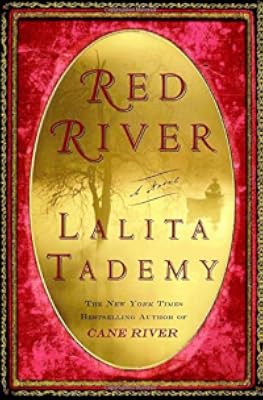
"The intertwining stories of two Louisiana families--three generations of African-American men--and their struggles to make a place for themselves in a country deeply divided in the aftermath of the Civil War and beyond"--Provided by publisher.Tags
Recommendations









Member Reviews
Oprah brought Lalita Tademy’s Cane River to my attention. Lalita Tademy brought Red River to my attention. It has been several years since I read Cane River, the story of Lalita’s mother’s family. It was Ms Tademy’s talent of story telling as much as it was the history of her people that captured my interest and imagination. Her first book moved me. It was an experience similar to the one I had when I read Ernest Gaines’ The Autobiography of Miss Jane Pittman or Alex Haley’s Roots. The story of Elizabeth and Suzette, who were born into slavery yet persevered with much strength and grace, was inspiring.
Red River is the story of Lalita’s father’s family, the Tademy’s. Like all tales of slavery and Reconstruction, it can show more be hard to read in places. The somewhat neglected story of the Colfax Massacre of 1873 was one such place in the book. It was difficult to keep reading when I could see the poor tired black men who were in the courthouse when it was set ablaze by the white supremacist. I could feel their panic and anxiety as they tore white shirts stained with fresh blood to wave out the windows in surrender. It was these white “flags” they were waving when the first few exited the courthouse and were promptly shot down. The others behind them literally tore up floor boards in the supply room of the courthouse and hid in the damp dark moldy crawlspace with cobwebs cloaking their eyes while spiders and other bugs crawled over them. Seven men fearing for their lives packed themselves in like sardines only to be found by the blood-thirsty White League and KKK who drug them out to be shot. What a horrible and horrifying story. I felt like driving the 165 miles north and taking down the plaque myself that still stands 134 years later; the plaque that states, “On this site occurred the Colfax Riot in which three white men and 150 Negroes were slain. This event on April 13, 1873 marked the end of carpetbag misrule in the South”. Is it any wonder that Lalita’s Aunt Ellen did not want to talk about it. None of the people of Colfax that Lalita queried would say much. They are still afraid 134 years later. As Lalita Tademy notes, it was not a “riot”; it was a massacre. All Lalita’s Aunt Ellen would say after multiple attempts to get her input was “There used to be a lot of McCullens around here but not anymore.” and “Our people were there, some got out, and some didn’t.” Chilling, bone chilling.
At the end of the book there is a section of the Author’s Notes. I appreciated this information and it added to the experience for me. To have these notes and to learn the parts of the book that were certain to have occurred. 1) Sam Tademy and his son Jackson were very much respected by the community. They were outstanding men of their times and they did more than their fair share to improve the lives of their people. Sam reclaimed his African name of Tademy after the Civil War and passed that down to his heirs with much pride. 2) Sam and Jackson founded the first colored school in Colfax, Louisiana. 3) Noby Smith was a sick baby and he was indeed left in the back of a wagon to die. Mr. Hansom Brisco and his wife rescued him and gave him a second chance to grow and live and contribute. Noby did grow and live and contribute. Then one day at the gravel pit he could not contain his anger at being mistreated and disrespected and he was beaten by a white man to within an inch of his life. Once again Noby was rescued, this time by family and friends who helped him flee to Ardmore, Oklahoma where Noby lived the remainder of his life.
Lalita Tademy’s second novel is a powerful book. It is a story that should have been told and I’m glad she told it. Thank you Ms Tademy! show less
Red River is the story of Lalita’s father’s family, the Tademy’s. Like all tales of slavery and Reconstruction, it can show more be hard to read in places. The somewhat neglected story of the Colfax Massacre of 1873 was one such place in the book. It was difficult to keep reading when I could see the poor tired black men who were in the courthouse when it was set ablaze by the white supremacist. I could feel their panic and anxiety as they tore white shirts stained with fresh blood to wave out the windows in surrender. It was these white “flags” they were waving when the first few exited the courthouse and were promptly shot down. The others behind them literally tore up floor boards in the supply room of the courthouse and hid in the damp dark moldy crawlspace with cobwebs cloaking their eyes while spiders and other bugs crawled over them. Seven men fearing for their lives packed themselves in like sardines only to be found by the blood-thirsty White League and KKK who drug them out to be shot. What a horrible and horrifying story. I felt like driving the 165 miles north and taking down the plaque myself that still stands 134 years later; the plaque that states, “On this site occurred the Colfax Riot in which three white men and 150 Negroes were slain. This event on April 13, 1873 marked the end of carpetbag misrule in the South”. Is it any wonder that Lalita’s Aunt Ellen did not want to talk about it. None of the people of Colfax that Lalita queried would say much. They are still afraid 134 years later. As Lalita Tademy notes, it was not a “riot”; it was a massacre. All Lalita’s Aunt Ellen would say after multiple attempts to get her input was “There used to be a lot of McCullens around here but not anymore.” and “Our people were there, some got out, and some didn’t.” Chilling, bone chilling.
At the end of the book there is a section of the Author’s Notes. I appreciated this information and it added to the experience for me. To have these notes and to learn the parts of the book that were certain to have occurred. 1) Sam Tademy and his son Jackson were very much respected by the community. They were outstanding men of their times and they did more than their fair share to improve the lives of their people. Sam reclaimed his African name of Tademy after the Civil War and passed that down to his heirs with much pride. 2) Sam and Jackson founded the first colored school in Colfax, Louisiana. 3) Noby Smith was a sick baby and he was indeed left in the back of a wagon to die. Mr. Hansom Brisco and his wife rescued him and gave him a second chance to grow and live and contribute. Noby did grow and live and contribute. Then one day at the gravel pit he could not contain his anger at being mistreated and disrespected and he was beaten by a white man to within an inch of his life. Once again Noby was rescued, this time by family and friends who helped him flee to Ardmore, Oklahoma where Noby lived the remainder of his life.
Lalita Tademy’s second novel is a powerful book. It is a story that should have been told and I’m glad she told it. Thank you Ms Tademy! show less
Reading this, the author forces you to fell the strain, the heat and the anxiousness of waiting for the ax to fall. We know, they know that they are doomed to fail in thisa endeavor but they did it anyway. A testimony of the power and dignity of the people. A testimony to the legacy of strength, honor and pride that ordinary people make every day on this planet. I am pleased to see this error in recorded history has now been rectified and published. I hope the healing continues.
RED RIVER had me weeping almost from the first page, and yet left me inexplicably hopeful after I'd read the final sentence. A multi-generational tale that begins with the Colfax Riot of 1873 and ends in 1937, it was, for me, an eye-opening tale of courage and violence, love and community, and the necessity of dreaming for ourselves and for those who will follow us.
“Red River” is an amazing fictionalized account of an African-American family from the tumultuous time of Reconstruction into the late 1930s. Tademy does an incredible job of portraying the raw emotions and experiences that encompass this tragic period of American history. A follow up to previous novel, ”Cane River”, she guides through her family’s generations with their accomplishments, tragedies, struggles and successes. Her use of regional language and descriptions take you back in time. With scattered pictures and copies of documents you come to realize that though this is a novel it is based on fact. It will horrify you, make you cry, make you cheer them on, give you hope and strength and you will admire the fortitude of show more the people who were able to change society. show less
A historical novel covering the Colfax Massacre of Easter Sunday 1873 in Louisiana. As this was an incident I’d not heard of before, this was an educational novel for me. In a contested election, with both sides claiming victory, the freed blacks decided to hold the courthouse for the government officials they’d voted for. Members of the White League (precursor to the KKK) joined forces with the democrats to try to force the blacks and their republican officials out of the courthouse. Neither side backed down. The democrats had much superior firepower, and showed no mercy when the skirmish was over, resulting in the deaths of 100 to 150 freed blacks, with little loss of life for the whites involved. It was a horrendous story. While show more I am grateful to the author for telling it, I didn’t find the story particularly well told. It seemed twice as long as it needed to be, and lagged too often in the narrative. However, the characters (including, apparently, some of the author’s forbears) and the setting of the village of Colfax and surrounding lands were very believably rendered.
Overall a good read. show less
Overall a good read. show less
The author traces her father's history this time (Cane River chronicled her mother's ancestry) beginning with the harrowing 1873 Colfax, LA "riot," which was actually a massacre of 100+ black men defending the lawfully elected sheriff against white supremacists. The survivors rallied and, through courage and determination, became property owners and built a school.
I was especially heartened by the value placed on books and education. It's important that we remember this dark period in America's history and pay tribute to those who persevered in the struggle to triumph over cruelty and oppression.
I was especially heartened by the value placed on books and education. It's important that we remember this dark period in America's history and pay tribute to those who persevered in the struggle to triumph over cruelty and oppression.
n 1873 in the small southern town of Colfax, Louisiana, history tells us there was a riot. The Tademy family knows different. "1873. Wasn't no riot like they say. It was a massacre..." The blacks are newly free, just beginning life under Reconstruction, with all its promises of equity, the right to vote, to own property and, most importantly, to decide their own future as individuals. Federal Government troops are supposed to arrive to protect the rights of the colored people--but they are not yet on the scene.
Amazon summary: In one wretched day, white supremacists destroy all the optimism and bright promise by taking Colfax back in an ugly and violent manner. The tragedy begins with the two sides: the white Democrats of Montgomery and show more the colored and white Republicans of Colfax in the courthouse, finally meeting face to face to discuss their differences. Then, a group of white thugs kills a colored man who was not involved in the courthouse struggle. He was home minding his business and the ugliness came and found him.
The confrontation that follows results in the death of more than 100 black men, killed by white supremacists bent on denying them their voting rights and keeping in office those who uphold the status quo prior to the Civil War. The massacre is only the beginning of Tademy's story. Using reliable sources wherever they may be found, she tells the hard and proud story of Sam Tademy, Israel Smith and their families as they fight their way back from the massacre. They get a foothold in Colfax, finally starting a school, owning land and businesses and becoming full-fledged citizens, as they were meant to be. show less
Amazon summary: In one wretched day, white supremacists destroy all the optimism and bright promise by taking Colfax back in an ugly and violent manner. The tragedy begins with the two sides: the white Democrats of Montgomery and show more the colored and white Republicans of Colfax in the courthouse, finally meeting face to face to discuss their differences. Then, a group of white thugs kills a colored man who was not involved in the courthouse struggle. He was home minding his business and the ugliness came and found him.
The confrontation that follows results in the death of more than 100 black men, killed by white supremacists bent on denying them their voting rights and keeping in office those who uphold the status quo prior to the Civil War. The massacre is only the beginning of Tademy's story. Using reliable sources wherever they may be found, she tells the hard and proud story of Sam Tademy, Israel Smith and their families as they fight their way back from the massacre. They get a foothold in Colfax, finally starting a school, owning land and businesses and becoming full-fledged citizens, as they were meant to be. show less
Members
- Recently Added By
Author Information

6+ Works 4,144 Members
Lalita Tademy lives in Menlo Park, California. (Publisher Provided) Lalita Tademy is the New York Times Bestselling author of two historical novels. Her debut, Cane River, was Oprah¿s summer Book Pick in 2001, and her second novel, Red River, was selected as San Francisco¿s One City, One Book in 2007. Her third novel, Citizens Creek was show more published in November 2014. Before writing full-time, Lalita was Vice President and General Manager of several high technology companies in Silicon Valley. She was featured in Fortune¿s People on the Rise list, as well as Black Enterprise and Ebony. But her own interest led her to focus on her second career - writing. She has been featured in People Magazine, O Magazine, More Magazine, Good Housekeeping and The Today Show. She has also appeared as a speaker for the Library of Congress and National Book Festival. (Bowker Author Biography) show less
Awards and Honors
Distinctions
Series

Common Knowledge
- Canonical title
- Red River
- Original title
- Red River
- Original publication date
- 2007-01-03
- People/Characters
- Israel Smith; Sam Tademy; Noby Smith; Jackson Tademy; Polly Tademy; Isaac " McCully" McCullen (show all 13); Lucy Brandon Smith; David Smith; Hansom Brisco; Narcisse Fredieu; Spenser McCullen; Levi Allen; Jimmy Hadnot
- Important places
- Colfax, Louisiana, USA
- Important events
- Colfax Massacre (1873-04-13)
- Dedication
- For Nathan Green Tademy, Jr. Daddy, I owe you.
- First words
- Come closer. This is not a story to go down easy, and the backwash still got hold of us today.
- Quotations
- Did we not march? Did we not march to the polls anyhow, one hundred black men here in Colfax, in 1868, cast our vote one after the other for the party of Lincoln, the Republican Party?
All you people trying to stay in the middle. There ain’t no middle. Ask the White League and the Democrats, turning everything into white against black.
Jackson Tademy has grown into manhood the way a child grows into hand-me-down clothes, at first straining to fill out the cloth, but by and by outstripping the limitations of the garment. His growth spurts were late, and whe... (show all)n they came, each gave him hope that he had the potential to catch up to the height, if not the stature, of his older brother. - Original language
- English
Classifications
Statistics
- Members
- 704
- Popularity
- 40,304
- Reviews
- 21
- Rating
- (3.67)
- Languages
- English
- Media
- Paper, Audiobook, Ebook
- ISBNs
- 21
- ASINs
- 8