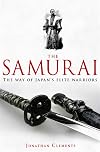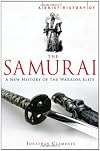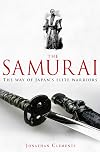
A Brief History of the Samurai (Brief Histories)
by Jonathan Clements
On This Page
Description
'Clements has a knack for writing suspenseful sure-footed conflict scenes: His recounting of the Korean invasion led by samurai and daimyo Toyotomi Hideyoshi reads like a thriller. If you're looking for a samurai primer, Clements' guide will keep you on the hook' Japan Times, reviewed as part of an Essential Reading for Japanophiles series From a leading expert in Japanese history, this is one of the first full histories of the art and culture of the Samurai warrior. The Samurai emerged as a show more warrior caste in Medieval Japan and would have a powerful influence on the history and culture of the country from the next 500 years. Clements also looks at the Samurai wars that tore Japan apart in the 17th and 18th centuries and how the caste was finally demolished in the advent of the mechanized world. show lessTags
Recommendations

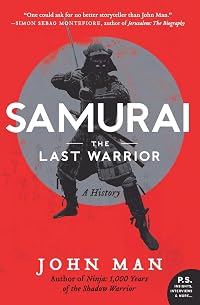
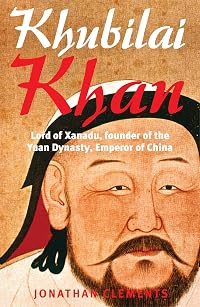
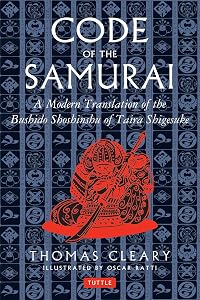

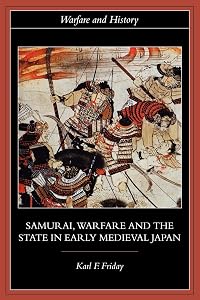










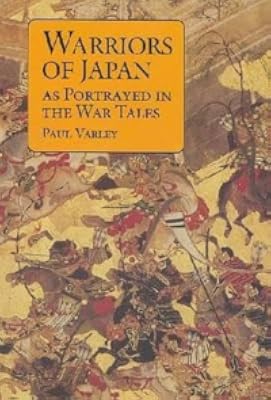
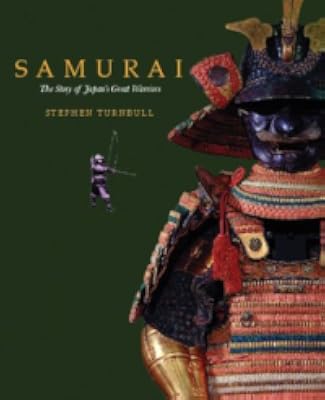

Member Recommendations

Member Reviews
This is absolutely the book I wanted, but I can imagine how it might disappoint other readers who pick it up with false expectations. This is significant Japanese military history featuring samurai, with only a few details about how the samurai came to be and where their traditions originated sprinkled here and there. It is not the place to look if you want to know how their weapons and armour evolved, or learn about their fighting styles and the bushido code, etc. in any in-depth way (although it will help point you to those sources).
The various incidents and battles this work highlights are those central to Japanese history, including the Heiji Insurrection, the Genpei War, the Mongol invasions, the Korean invasions and Sekigahara. show more The historical record of earliest eras is shrouded in mythological retelling, making it interesting to observe in the early chapters which details have been preserved and which lost. The author shares multiple tellings where the records disagree, and challenges the traditional telling if it seems unlikely. He clearly loves his subject, and there are some fun asides and helpful observations along the way. This provides a solid framework in which I can find and fit all other reading on the topic, aided not a little by other works mentioned in the final chapter and appendix. show less
The various incidents and battles this work highlights are those central to Japanese history, including the Heiji Insurrection, the Genpei War, the Mongol invasions, the Korean invasions and Sekigahara. show more The historical record of earliest eras is shrouded in mythological retelling, making it interesting to observe in the early chapters which details have been preserved and which lost. The author shares multiple tellings where the records disagree, and challenges the traditional telling if it seems unlikely. He clearly loves his subject, and there are some fun asides and helpful observations along the way. This provides a solid framework in which I can find and fit all other reading on the topic, aided not a little by other works mentioned in the final chapter and appendix. show less
very thoroughly documented and researched, i will give it that. Too detailed for its own, or the reader's, good, unfortunately. It is not a history of the samurai (class) as I expected, but a collection of many histories of some samurai (men) - the big picture cannot be seen, just and endless stream of repetitive small pictures of individuals. The author also dwells way too much into the literary/poems sources (famous for the Japanese, I think, and for him, but not for the ordinary reader), even though he admits they are not reliable historical sources.
The fact that so many Japanese names are very similar (must every samurai have a name starting with Y, damn it!?) and difficult to remember for a European is not the authors fault, but it show more sure does not help.
The book is too detailed and sinks too much into the individual, personal stories, failing to provide a clear history of the class itself or of the social phenomenons. And, frankly, is also very boring. I am fascinated by the samurai and read a lot about them (both historical and literary works), or zen, or bushido, but this one I just could not finish. show less
The fact that so many Japanese names are very similar (must every samurai have a name starting with Y, damn it!?) and difficult to remember for a European is not the authors fault, but it show more sure does not help.
The book is too detailed and sinks too much into the individual, personal stories, failing to provide a clear history of the class itself or of the social phenomenons. And, frankly, is also very boring. I am fascinated by the samurai and read a lot about them (both historical and literary works), or zen, or bushido, but this one I just could not finish. show less
This is an excellent, concise history of the samurai. Clements' scholarship is impeccable as always, but what I like best is his even-handed handling of the subject matter. Whenever there is competing or conflicting sources, schools of thought, or opinions (myths, Mongol invasion/kamikaze, Mishima, etc.), he clearly states them all and maintains his balance as he swiftly moves on to cover all the historical ground thoroughly. A must for any historian.
Perhaps I would have enjoyed this one more if I knew more of the historical context around the developments presented here. Unfortunately, without that, this book is difficult at times to really follow. Nonetheless, it does provide useful and critical insight into the development and eventual disintegration of the samurai within Japanese history and culture. I'd like to think I'll return to this at some point, after reading more about the history of Japanese culture and society, but I suspect that's unlikely.
A decent, very general overview of the history of the samurai. Too general in some ways but if you're looking to get a quick overview this is the book.
I'd rather have a series of in depth books that cover certain areas or time periods or even certain clans, people, etc. I'm sure there are books out there like that so I'll have to hunt for them.
I'd rather have a series of in depth books that cover certain areas or time periods or even certain clans, people, etc. I'm sure there are books out there like that so I'll have to hunt for them.
Una historia de los Samurais y una historia de su leyenda. Unamirada crítica para separar el suceso histórico de la recreación literaria. No setrata de negar el valor de los Samurais. Todo lo contrario. Se trata de resaltarla realidad de sus gestas sin olvidar sus miserias. No hacen falta vientosdivinos para explicar cómo el valor y la entrega de los japoneses expulsaron alos mongoles, que pecaron de exceso de confianza en la planificación de lacampaña. Y tampoco hace falta una epopeya de combates desesperados, suicidiosrituales y prodigios para revestir de gloria y honor lo que no deja de ser unacontinua y sórdida lucha por el poder, donde no se respeta ni la figura delemperador, ni la lealtad a los líderes. Sobran ejemplos en show more la historia de Japónde traiciones interesadas y de rebeliones. Ni siquiera los samurái se puedenconsiderar una casta. Serían en todo caso un término general para referirse acualquier guerrero, puesto que la condición de samurai no era impermeable, y hasta la llegada del Shogunado Tokugawa, el estado de guerra y alteración continua aseguraba una continua posibilidad de ascenso social a través de la guerra. show less
Mar 9, 2011Spanish
La historia de los samuráis ocupa cerca de mil años de la vida de Japón. Nacieron como una casta militar que seguía el código de honor del bushido , al servicio de los emperadores y de la nobleza, hasta que adquirieron tanto poder que llegaron a eclipsar el de los propios emperadores y gobernaron Japón durante siete siglos. La recuperación del poder imperial en la segunda mitad del siglo XIX significó su decadencia; pero su filosofía, su estética y su leyenda siguen teniendo una considerable influencia en el mundo actual.
Aug 24, 2011Spanish
Members
- Recently Added By
Author Information

65+ Works 2,554 Members
Jonathan Clements is the author of Modern China: All That Matters, The Armchair Traveller's History of Beijing, The Art of War: A New Translation, and biographies of Confucius, Khubilai Khan, Chairman Mao, Wellington Koo and the "pirate king" Koxinga. His books on Empress Wu and the First Emperor of China have both been translated into Chinese. show more For the National Geographic Channel, he has presented Shandong: Land of Confucius and several seasons of Route Awakening, a TV series on the historical underpinnings of Chinese culture. show less
Series
Belongs to Publisher Series
Common Knowledge
- Original publication date
- 2010-05-04
- Important places
- Japan
- Dedication
- For Dominic Clements
- First words
- The samurai were the warrior class of medieval Japan...
- Original language
- English
Classifications
Statistics
- Members
- 292
- Popularity
- 110,641
- Reviews
- 8
- Rating
- (3.59)
- Languages
- English, Italian, Romanian, Spanish
- Media
- Paper, Audiobook, Ebook
- ISBNs
- 6
- ASINs
- 11