On This Page
Description
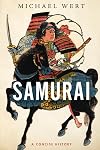
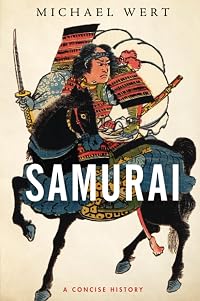
"The idea of the sword-wielding samurai, beholden to a strict ethical code and trained in deadly martial arts, dominates popular conceptions of the samurai. As early as the late seventeenth century, they were heavily featured in literature, art, theater, and even comedy, from the Tale of the Heike to the kabuki retellings of the 47 Ronin. This legacy remains with us today in the legendary Akira Kurosawa films, the shoguns of HBO's Westworld, and countless renditions of samurai history in show more anime, manga, and video games. Acknowledging these common depictions, this book gives readers access to the real samurai as they lived, fought, and served. Much as they capture the modern imagination, the samurai commanded influence over the politics, arts, philosophy and religion of their own time, and ultimately controlled Japan from the fourteenth century until their demise in the mid-nineteenth century. On and off the battlefield, whether charging an enemy on horseback or currying favor at the imperial court, their story is one of adventures and intrigues, heroics and misdeeds, unlikely victories and devastating defeats. This book traces the samurai throughout this history, exploring their roles in watershed events such as Japan's invasions of Korea at the close of the sixteenth century and the Satsuma Rebellion of 1877. Coming alive in these accounts are the samurai, both famed and ordinary, who shaped Japanese history."-- "A book about the samurai from their origins to their disappearance. It dispels a lot of myths about the samurai one might encounter in popular culture. It describes samurai life, work, philosophy, and warfare as it changed over time from the eighth to the nineteenth century. It covers what samurai were doing when they weren't fighting, and how women and families played a role in forming the samurai class. I also describe how samurai struggled with the crisis of becoming sword-wearing bureaucrats instead of mighty warriors from the seventeenth through nineteenth centuries"-- show lessTags
Recommendations































Member Recommendations
Member Reviews
It can't be easy, when writing one of these "very short introductions", to know what to cover. The author of this book decided to make it a history of warrior culture in Japan from prehistoric times, and then a history of samurai proper once they became more formalised as a class.
I suppose this is a perfectly reasonable way to do it but personally I struggle a bit with Japanese history before early modern times, ie the Tokugawa/Edo period (1600ish onwards). Before that it seems to be an endless series of A beat B in battle, then the ruler of C died and his son was no good at ruling and so his nephew teamed up with D and took over the domain. I guess you could say this about English history too!
For the purposes of this review, the show more focus of the earlier parts of the book was not enough on warrior culture and practices and too much about A vs B. It did pick up nicely when we got to the Tokugawa, with plenty of interesting information.
Daimyo wives and children lived in Edo permanently to discourage daimyo rebellion. Wives and children were relatively free within the city, but wives were generally forbidden from leaving at all except for pilgrimages to religious sites in the Edo hinterland. In fact, inspectors working at checkpoints along the five official highways that connected Edo to the rest of Japan always monitored samurai women closely. A samurai woman heading away from Edo could indicate the beginning of a rebellion as lords sent their women to safety.
Finally, I would also have liked more on the misuse of the samurai image/myth - both in 1930s propaganda, and some mythbusting about modern perceptions of samurai. show less
I suppose this is a perfectly reasonable way to do it but personally I struggle a bit with Japanese history before early modern times, ie the Tokugawa/Edo period (1600ish onwards). Before that it seems to be an endless series of A beat B in battle, then the ruler of C died and his son was no good at ruling and so his nephew teamed up with D and took over the domain. I guess you could say this about English history too!
For the purposes of this review, the show more focus of the earlier parts of the book was not enough on warrior culture and practices and too much about A vs B. It did pick up nicely when we got to the Tokugawa, with plenty of interesting information.
Daimyo wives and children lived in Edo permanently to discourage daimyo rebellion. Wives and children were relatively free within the city, but wives were generally forbidden from leaving at all except for pilgrimages to religious sites in the Edo hinterland. In fact, inspectors working at checkpoints along the five official highways that connected Edo to the rest of Japan always monitored samurai women closely. A samurai woman heading away from Edo could indicate the beginning of a rebellion as lords sent their women to safety.
Finally, I would also have liked more on the misuse of the samurai image/myth - both in 1930s propaganda, and some mythbusting about modern perceptions of samurai. show less
Does exactly what it says: a concise history of the warrior class in medieval and early modern Japan, which also functions as a good, brief history of the times. The text is accompanied by some excellent woodcut illustrations and references modern interpretations of the samurai in book and especially film to set our understanding in context. For anyone with an interest in the country and its history, this would be an excellent book to keep on your shelves to dip into again and again.
Ratings
Members
- Recently Added By
Author Information
2 Works 61 Members
Michael Wert is Associate Professor of History at Marquette University.
Series

Common Knowledge
- Canonical title
- Samurai: A Very Short Introduction
- Original title
- Samurai: A Concise History
- Original publication date
- 2019
- Important places
- Japan
- Dedication
- To my wife, Yuko Kojima Wert
- First words
- Colloquially, even in Japan, the term samurai is used as a synonym for "warrior," but this is incorrect.
- Last words
- (Click to show. Warning: May contain spoilers.)One wonders how the use of a more historically accurate image of the samurai might affect Japanese culture, business, and politics in the future.
- Blurbers
- Ravina, Mark
- Original language
- English
- Disambiguation notice
- This book was published in hardcover as Samurai: A Concise History (2019).
Classifications
Statistics
- Members
- 55
- Popularity
- 556,023
- Reviews
- 2
- Rating
- (3.25)
- Languages
- English, Portuguese
- Media
- Paper, Audiobook, Ebook
- ISBNs
- 9
- ASINs
- 3