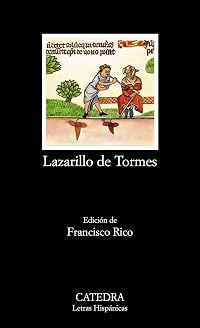
The Life of Lazarillo de Tormes
by Anónimo
On This Page
Description
"This is the first scholarly edition of David Rowland of Anglesey's 1586 translation of Lazarillo de Tormes (1554). The purpose is to make available one of the most important and influential translations into early modern English, which has had a profound effect upon the evolution of English prose fiction and the characterization of English Renaissance drama." "Lazarillo de Tormes was one of the first early modern Europe wide best-sellers. Ostensibly a racy autobiography of a young rogue and show more his succession of masters, in reality it is a comical and caustic expose of sixteenth century Spanish society, and especially the Church. Rowland's translation exploited the propaganda potential of the text at a time when England and Spain drifted into open war." "This edition will prove invaluable to those teaching European Renaissance studies, English Renaissance drama and English prose fiction, and has been specially prepared for The Open University course: AA305 The Renaissance in Europe: A Cultural Enquiry."--Jacket show lessTags
Recommendations



























Member Recommendations


Sergio88 La segunda gran novela picaresca de la literatura española (1599 Primera Parte, 1604 Segunda Parte). A diferencia del Lazarillo, el Guzmán se desprende de gran parte de la crítica erasmista para convertirse en casi un manual doctrinario de la Contrarreforma.
Member Reviews
Lazarillo, the prototypical picaresque from way back in 1554, is really interesting and like most prototypes, kind of funny-looking. The characters don’t even have names and the episodes vary oddly in tone and length. The figure of the out-at-heels nobleman who is starving himself to death rather than betray his honour is genuinely affecting. And the title character seems good at heart, too, sharing his last scraps of food with his fellows in poverty. Poor little Lazarus.
Quevedo’s El Buscón is the most cynical example of the genre I’ve read. The Swindler – character and book – revels in filth, real and moral, seems to be deliberately offensive. This is admirable of course but also kinda tiring to read.
This Penguin Classics show more edition has a good introduction by translator Michael Alpert which grounds the texts in their literary and socio-historical contexts. Recommended. show less
Quevedo’s El Buscón is the most cynical example of the genre I’ve read. The Swindler – character and book – revels in filth, real and moral, seems to be deliberately offensive. This is admirable of course but also kinda tiring to read.
This Penguin Classics show more edition has a good introduction by translator Michael Alpert which grounds the texts in their literary and socio-historical contexts. Recommended. show less
Pode soar pedante para alguns, ouvir alguém dizer que, por exemplo, um proto-romance espanhol de 1554, escrito por um completo anônimo, seja melhor, tenha mais dimensão psicológica, mais técnica, e mais apuro que grande parte do que se escreve atualmente.
Tape o sol se quiser, mas é a mais pura verdade.
Divido em pequenos tratados, Lazarrillo de Tormes constrói-se como uma falsa-epístola — ou epístola falada, segundo a introdução —, que delineia, mas não limita a narração a uma estrita primeira pessoa, e é, antes de tudo, uma narrativa ficcional aos moldes modernos; o anônimo-autor astutamente, através da recontagem das memórias, salpica detalhes que serão retomados — direta ou indiretamente — na futura show more ascensão do gênero romanesco; para alguns, é aqui que ele é inaugurado como o concebemos hoje.
Lázaro, como narrador-personagem, conta a sua conturbada história de vida, desde o seu nascimento, a beira do Rio Tormes, até o momento da escrita da carta, que é o livro que temos em mãos; este é outro de seus recursos pensados premeditadamente, já que nos tempos de publicação, acreditava-se que este livro tratava-se de uma verdadeira carta, e que o Lázaro era realmente uma pessoa; fator que com certeza ajudou na fixação da história no imaginário daquele povo.
Mas não é este o único fator. O livro sustenta-se por si, como uma narrativa bastante agradável. Presumimos — erroneamente — pela idade, que a linguagem seja densa, ou que o livro seja díficil, pelo contrário, o autor é bastante comedido, sabe como conduzir a história, com supressões engenhosas, pouca exposição, e sem explicitação desnecessária. Ele merge tudo com a narração em primeira pessoa, com a memória do Lázaro, o tom da carta, de modo que até os cortes soam críveis; um desmaio e a sua recuperação, por exemplo, serve como gancho para a passagem de diversos dias e também uma acelerada no ritmo da história.
Um detalhe que me agradou, mas que na reta final vai se perdendo, é que ele não lhe entrega o ouro, mas o mantém lá para ser encontrado. Seja através dos detalhes intrínsecos da narrativa, ou perscrutando a técnica e agudez literária para a época.
A exemplo deste caráter intrínseco, no final do livro, paira no ar uma suposta traição, que nos primeiros capítulos já havia surgido, sutilmente amarrado à narrativa, mas o pequeno Lázaro ainda era ingênuo aos relacionamentos, e a mensagem no momento passa em branco, apenas para ser retomada com alguma utilidade no final:
"Assim passamos adiante pelo mesmo portal, e chegamos a uma estalagem, à porta da qual havia muitos chifres pregados à parede, onde os arrieiros atavam seus animais e, quando procurava reconhecer se era ali a estalagem onde todos os dias ele costumava rezar pela estalajadeiro a oração da Emparedada, agarrou um chifre e, dando um grande suspiro, disse:
— Oh, coisa ruim, e ainda pior que o feitio! Quantos desejam pôr você na cabeça alheia e quão poucos desejam tê-lo, sequer ouvir o seu nome!
Como o ouvi, perguntei:
— Tio, o que é que está dizendo?
—Cale-se, sobrinho, que isto que tenho nas mãos um dia lhe dará mau almoço e pior jantar.
—Não o comerei eu —disse — e ninguém me dará para comer."
A comédia, tão comentada, e que pode ser vislumbrada nessa cena, não bateu para mim, e há uma dose de repetição que vai cansando conforme a narrativa vai afunilando (a maioria dos problemas desse livro provém desta mesma raiz); em contrapartida a isso, há a boa justaposição da dicção religiosa com a crítica à própria decadência dos religiosos e da sociedade no geral, que perdura até a última palavra.
O meu tratado-capítulo favorito, é quando o Lázaro imerge na psicologia do Escudeiro com quem passou um tempo, de certa maneira semelhante a um narrador mergulhando em um personagem. Este Escudeiro é um homem com delírio de honra/grandeza, dissociado com a realidade, movido por externidades; mora em uma casa completamente vazia, passa dias e dias faminto, mas toda manhã, lava o rosto, se arruma todo, põe a espada ao lado do corpo, e saí altivo pelas ruas, não suportando desaforos ou falta de respeito. Prefere passar fome do que revelar a sua pobreza, não pede ajuda ou esmolas.
Em questão de relacionamento, ele, curiosamente, é o que melhor se dá com o pequeno Lázaro: se nos compadecemos do garoto, o garoto se compadece do Escudeiro; e também é dele que sai uma das melhores passagens do livro, que ainda voga na sociedade:
"Vim para esta cidade pensando que encontraria aqui melhores condições, mas não aconteceu como eu esperava. Cônegos e dignitários da igreja encontro muitos, mas é gente tão bitolada que nada no mundo podería tirálos de sua limitação. Cavalheiros de meia-tigela também me solicitam, mas dá muito trabalho servi-los como escudeiro. Porque é preciso virar coringa e, senão, dizem: “Vá com Deus”. Geralmente, os salários são pagos atrasados e o mais certo é que trabalhe apenas em troca de comida. Já quando querem ficar em paz com sua consciência e pagar o nosso suor, chamam-nos à antecâmara e oferecem-nos um suado gibão, ou uma capa ou um saio surrados. Até quando um homem se põe a serviço de um senhor de título, também passa necessidades. Mas, porventura, não terei eu aptidões para servir e contentar a um desses? Por Deus, se topasse com um, penso que cativaria a sua maior confiança e que lhe prestaria mil serviços. Porque eu sabería mentir-lhe tão bem como qualquer outro e agradá-lo às mil maravilhas. Havería de rir muito com as suas graças e hábitos, ainda que nada valessem. Nunca lhe diría palavra que o desgostasse, mesmo que fosse necessário para seu bem; seria muito diligente na sua presença, em palavras e atos. Não me mataria em fazer bem aquilo que ele não visse. Eu ralharia com os criados, onde pudesse ouvir-me, para que ele pensasse que eu zelava por seus interesses. Se ele repreendesse algum criado, eu atiçaria a sua ira com agudas alfinetadas, que parecessem em favor do culpado. Falaria bem do que para ele estivesse bem e, ao contrário, seria malicioso, mofador; e delataria as pessoas da casa e os de fora dela. Bisbilhotaria e procuraria saber da vida alheia, para lhe contar tudo, e teria muitos outros dotes semelhantes, que atualmente se usam nos palácios e que muito agradam aos senhores. Eles não querem ver em suas casas homens virtuosos, pelo contrário, detestam-nos e os menosprezam. Chamam-nos de tolos e dizem que não são pessoas de negócios, nem merecem a confiança do senhor. É assim que, hoje em dia, procedem os astutos, conforme digo, como eu procedería no lugar deles (...)"
De outro lado, um dos pontos a criticar, cuidadosamente, é o caráter panfletário-ideológico da história, feita justamente para correr de mãos em mãos, o que pelo conteúdo, mais a disseminação na Inquisão Espanhola, deu vazão para a censura (de centenas de anos!). Também é este caráter da história uma das razões para o escritor ter preferido o anonimato. O personagem-narrador faz duras críticas ao clero e à "baixa sociedade" religiosa espanhola, através de eclesiásticos avarentos, falsos pastores e falsos milagres; em relação a esse último, com todo um teatro intricado e elaborado, para fazer parecer que uma falsa punição divina havia tornado-se real, com fins — para surpresa de um total de zero pessoas — comerciais.
No fim, quando a crítica está feita, o narrador amarra tudo muito frouxamente, e no final a boa, divertida e engenhosa narração fica como plano de fundo dessa crítica à religiosidade; soou para mim como se a história tivesse sido abandonada, como se o autor tivesse desanimado.
Mas, até nas partes ruins, há partes boas. É também no final que culmina todo o foreshadowing deixado pelo velho-cego, e também é onde o narrador “se desprende” do Lázaro — não literalmente — com um tom meio naturalista/determinista, que o mostra resignado, quando o rapaz já crescido, escolhe a ignorância, o conformismo, para conseguir se encaixar na sociedade que tanto criticava. É notável esta parte especificamente, pois, a pintura da vida do Lázaro é tão interessante, e acostumamo-nos tanto com a voz sarcástica e pueril do garoto, que nos apiedamos dele até nessa má decisão, em vez de terminarmos o livro incomodados.
Notas aleatórias
— Um caso onde o clássico literário se integra com a cultura; por exemplo, até hoje há uma estátua em Tormes de Lázaro e o o Velho Cego, na mesma linha, Lazarillo, entrou no dicionário espanhol, significando um "guia de cegos".
— Também uma pedra basilar no gênero romanesco, com meio milênio de idade; e, digno de nota, uma leitura fluída, ainda atual, que pode ser despachado numa assentada, com o acompanhamento que quiser. Sinceramente, não vejo razões para não lê-lo.
— Além de ser uma das primeiras manifestações do gênero romanesco, inaugura também o gênero picaresco, precedendo o grande Quixote, que pisa sob as fundações do nosso anônimo-narrador; há uma suposição de que o adjetivo pejorativo "picareta" do nosso idioma, tenha surgido daí, do pícaro. Porém, como sabemos, são muitos anos e uma travessia idiomática conturbada a mutou; Lázaro não é bem o "picareta", no sentido que concebemos hoje em dia, ele é astuto, irônico, bem humorado, que só quer encher a barriga; não o faz por maldade ou ganância.
— Li na antiga edição da Collecion Orellana, muito boa; bons paratextos, e uma ótima tradução do Pedro Câncio da Silva.
— O anônimo-autor é bastante culto, há muito dos clássicos gregos, romanos e até hebraícos em sua escrita; e também parece claro que ele de certa forma tinha uma estreita relação com o clero. show less
Tape o sol se quiser, mas é a mais pura verdade.
Divido em pequenos tratados, Lazarrillo de Tormes constrói-se como uma falsa-epístola — ou epístola falada, segundo a introdução —, que delineia, mas não limita a narração a uma estrita primeira pessoa, e é, antes de tudo, uma narrativa ficcional aos moldes modernos; o anônimo-autor astutamente, através da recontagem das memórias, salpica detalhes que serão retomados — direta ou indiretamente — na futura show more ascensão do gênero romanesco; para alguns, é aqui que ele é inaugurado como o concebemos hoje.
Lázaro, como narrador-personagem, conta a sua conturbada história de vida, desde o seu nascimento, a beira do Rio Tormes, até o momento da escrita da carta, que é o livro que temos em mãos; este é outro de seus recursos pensados premeditadamente, já que nos tempos de publicação, acreditava-se que este livro tratava-se de uma verdadeira carta, e que o Lázaro era realmente uma pessoa; fator que com certeza ajudou na fixação da história no imaginário daquele povo.
Mas não é este o único fator. O livro sustenta-se por si, como uma narrativa bastante agradável. Presumimos — erroneamente — pela idade, que a linguagem seja densa, ou que o livro seja díficil, pelo contrário, o autor é bastante comedido, sabe como conduzir a história, com supressões engenhosas, pouca exposição, e sem explicitação desnecessária. Ele merge tudo com a narração em primeira pessoa, com a memória do Lázaro, o tom da carta, de modo que até os cortes soam críveis; um desmaio e a sua recuperação, por exemplo, serve como gancho para a passagem de diversos dias e também uma acelerada no ritmo da história.
Um detalhe que me agradou, mas que na reta final vai se perdendo, é que ele não lhe entrega o ouro, mas o mantém lá para ser encontrado. Seja através dos detalhes intrínsecos da narrativa, ou perscrutando a técnica e agudez literária para a época.
A exemplo deste caráter intrínseco, no final do livro, paira no ar uma suposta traição, que nos primeiros capítulos já havia surgido, sutilmente amarrado à narrativa, mas o pequeno Lázaro ainda era ingênuo aos relacionamentos, e a mensagem no momento passa em branco, apenas para ser retomada com alguma utilidade no final:
"Assim passamos adiante pelo mesmo portal, e chegamos a uma estalagem, à porta da qual havia muitos chifres pregados à parede, onde os arrieiros atavam seus animais e, quando procurava reconhecer se era ali a estalagem onde todos os dias ele costumava rezar pela estalajadeiro a oração da Emparedada, agarrou um chifre e, dando um grande suspiro, disse:
— Oh, coisa ruim, e ainda pior que o feitio! Quantos desejam pôr você na cabeça alheia e quão poucos desejam tê-lo, sequer ouvir o seu nome!
Como o ouvi, perguntei:
— Tio, o que é que está dizendo?
—Cale-se, sobrinho, que isto que tenho nas mãos um dia lhe dará mau almoço e pior jantar.
—Não o comerei eu —disse — e ninguém me dará para comer."
A comédia, tão comentada, e que pode ser vislumbrada nessa cena, não bateu para mim, e há uma dose de repetição que vai cansando conforme a narrativa vai afunilando (a maioria dos problemas desse livro provém desta mesma raiz); em contrapartida a isso, há a boa justaposição da dicção religiosa com a crítica à própria decadência dos religiosos e da sociedade no geral, que perdura até a última palavra.
O meu tratado-capítulo favorito, é quando o Lázaro imerge na psicologia do Escudeiro com quem passou um tempo, de certa maneira semelhante a um narrador mergulhando em um personagem. Este Escudeiro é um homem com delírio de honra/grandeza, dissociado com a realidade, movido por externidades; mora em uma casa completamente vazia, passa dias e dias faminto, mas toda manhã, lava o rosto, se arruma todo, põe a espada ao lado do corpo, e saí altivo pelas ruas, não suportando desaforos ou falta de respeito. Prefere passar fome do que revelar a sua pobreza, não pede ajuda ou esmolas.
Em questão de relacionamento, ele, curiosamente, é o que melhor se dá com o pequeno Lázaro: se nos compadecemos do garoto, o garoto se compadece do Escudeiro; e também é dele que sai uma das melhores passagens do livro, que ainda voga na sociedade:
"Vim para esta cidade pensando que encontraria aqui melhores condições, mas não aconteceu como eu esperava. Cônegos e dignitários da igreja encontro muitos, mas é gente tão bitolada que nada no mundo podería tirálos de sua limitação. Cavalheiros de meia-tigela também me solicitam, mas dá muito trabalho servi-los como escudeiro. Porque é preciso virar coringa e, senão, dizem: “Vá com Deus”. Geralmente, os salários são pagos atrasados e o mais certo é que trabalhe apenas em troca de comida. Já quando querem ficar em paz com sua consciência e pagar o nosso suor, chamam-nos à antecâmara e oferecem-nos um suado gibão, ou uma capa ou um saio surrados. Até quando um homem se põe a serviço de um senhor de título, também passa necessidades. Mas, porventura, não terei eu aptidões para servir e contentar a um desses? Por Deus, se topasse com um, penso que cativaria a sua maior confiança e que lhe prestaria mil serviços. Porque eu sabería mentir-lhe tão bem como qualquer outro e agradá-lo às mil maravilhas. Havería de rir muito com as suas graças e hábitos, ainda que nada valessem. Nunca lhe diría palavra que o desgostasse, mesmo que fosse necessário para seu bem; seria muito diligente na sua presença, em palavras e atos. Não me mataria em fazer bem aquilo que ele não visse. Eu ralharia com os criados, onde pudesse ouvir-me, para que ele pensasse que eu zelava por seus interesses. Se ele repreendesse algum criado, eu atiçaria a sua ira com agudas alfinetadas, que parecessem em favor do culpado. Falaria bem do que para ele estivesse bem e, ao contrário, seria malicioso, mofador; e delataria as pessoas da casa e os de fora dela. Bisbilhotaria e procuraria saber da vida alheia, para lhe contar tudo, e teria muitos outros dotes semelhantes, que atualmente se usam nos palácios e que muito agradam aos senhores. Eles não querem ver em suas casas homens virtuosos, pelo contrário, detestam-nos e os menosprezam. Chamam-nos de tolos e dizem que não são pessoas de negócios, nem merecem a confiança do senhor. É assim que, hoje em dia, procedem os astutos, conforme digo, como eu procedería no lugar deles (...)"
De outro lado, um dos pontos a criticar, cuidadosamente, é o caráter panfletário-ideológico da história, feita justamente para correr de mãos em mãos, o que pelo conteúdo, mais a disseminação na Inquisão Espanhola, deu vazão para a censura (de centenas de anos!). Também é este caráter da história uma das razões para o escritor ter preferido o anonimato. O personagem-narrador faz duras críticas ao clero e à "baixa sociedade" religiosa espanhola, através de eclesiásticos avarentos, falsos pastores e falsos milagres; em relação a esse último, com todo um teatro intricado e elaborado, para fazer parecer que uma falsa punição divina havia tornado-se real, com fins — para surpresa de um total de zero pessoas — comerciais.
No fim, quando a crítica está feita, o narrador amarra tudo muito frouxamente, e no final a boa, divertida e engenhosa narração fica como plano de fundo dessa crítica à religiosidade; soou para mim como se a história tivesse sido abandonada, como se o autor tivesse desanimado.
Mas, até nas partes ruins, há partes boas. É também no final que culmina todo o foreshadowing deixado pelo velho-cego, e também é onde o narrador “se desprende” do Lázaro — não literalmente — com um tom meio naturalista/determinista, que o mostra resignado, quando o rapaz já crescido, escolhe a ignorância, o conformismo, para conseguir se encaixar na sociedade que tanto criticava. É notável esta parte especificamente, pois, a pintura da vida do Lázaro é tão interessante, e acostumamo-nos tanto com a voz sarcástica e pueril do garoto, que nos apiedamos dele até nessa má decisão, em vez de terminarmos o livro incomodados.
Notas aleatórias
— Um caso onde o clássico literário se integra com a cultura; por exemplo, até hoje há uma estátua em Tormes de Lázaro e o o Velho Cego, na mesma linha, Lazarillo, entrou no dicionário espanhol, significando um "guia de cegos".
— Também uma pedra basilar no gênero romanesco, com meio milênio de idade; e, digno de nota, uma leitura fluída, ainda atual, que pode ser despachado numa assentada, com o acompanhamento que quiser. Sinceramente, não vejo razões para não lê-lo.
— Além de ser uma das primeiras manifestações do gênero romanesco, inaugura também o gênero picaresco, precedendo o grande Quixote, que pisa sob as fundações do nosso anônimo-narrador; há uma suposição de que o adjetivo pejorativo "picareta" do nosso idioma, tenha surgido daí, do pícaro. Porém, como sabemos, são muitos anos e uma travessia idiomática conturbada a mutou; Lázaro não é bem o "picareta", no sentido que concebemos hoje em dia, ele é astuto, irônico, bem humorado, que só quer encher a barriga; não o faz por maldade ou ganância.
— Li na antiga edição da Collecion Orellana, muito boa; bons paratextos, e uma ótima tradução do Pedro Câncio da Silva.
— O anônimo-autor é bastante culto, há muito dos clássicos gregos, romanos e até hebraícos em sua escrita; e também parece claro que ele de certa forma tinha uma estreita relação com o clero. show less
This was fun!
I do like a good picaresque story now and again, and this stone-cold classic of the subgenre did not disappoint me much. The main character, Lazaro, is a down-on-his-luck rogue, who prefers easy money and free food to honest work and paying his dues. He serves a succession of masters, each of which is a terrible human being, and develops a taste for conning people along the way. It’s unapologetic in its comedy and gleefully and consistently mocks 16thC authority figures, and it does so echoing New Testament verbiage when appropriate. Good stuff.
My edition also included a sequel, written after the original had become popular, and which purports to be by the same author as the first instalment (although it isn’t). That show more one was less fun: it’s less concerned with taking up overinflated authorities and more with illustrating the dog-eat-dog world that is everyday life. Everyone tries to out-con everyone else, and while that setup leads to more overt laughs, it’s a more diffuse approach as well. This section also indulges a little in fantastical nonsense when Lazaro is suddenly able to survive under water, which is a jarring break with the rest of the narrative. show less
I do like a good picaresque story now and again, and this stone-cold classic of the subgenre did not disappoint me much. The main character, Lazaro, is a down-on-his-luck rogue, who prefers easy money and free food to honest work and paying his dues. He serves a succession of masters, each of which is a terrible human being, and develops a taste for conning people along the way. It’s unapologetic in its comedy and gleefully and consistently mocks 16thC authority figures, and it does so echoing New Testament verbiage when appropriate. Good stuff.
My edition also included a sequel, written after the original had become popular, and which purports to be by the same author as the first instalment (although it isn’t). That show more one was less fun: it’s less concerned with taking up overinflated authorities and more with illustrating the dog-eat-dog world that is everyday life. Everyone tries to out-con everyone else, and while that setup leads to more overt laughs, it’s a more diffuse approach as well. This section also indulges a little in fantastical nonsense when Lazaro is suddenly able to survive under water, which is a jarring break with the rest of the narrative. show less
Es un libro que leyéndolo en un buen momento y pensando en su intención, como en su estilo, originalidad y fuerza de su argumento, no queda otra que verlo como la obra maestra que es. Además, en cuanto te haces al español antiguo y con las ayudas de una buena edición crítica como esta, engancha mucho y las páginas se pasan solas. Las anécdotas son incluso más directas y fuertes en su crítica social que en Hucleberry Finn, que tenía lo suyo. Es sencillamente espectacular, no tiene desperdicio, aunque el final es tan decadente en la caída moral del protagonista que igual no termina de gustar a algunos, pero es de esa crudeza de la que se ensaña el libro, de esa corrupción moral que denuncia de su época.
What better way to follow a weighty picaresque novel that was incredibly influential with a very light one that is credited with inventing the genre itself. Someone, and we have no idea who, managed with less than 100 pages, to define a genre that even a genius like Henry Fielding could do no more than emulate with 1,000 exactly 200 years later. Brilliant.
This is a great read as long as you stop at the end of the first of any edition that might have later added portions appended to it. I started reading one of these and gave up after a while. They’re not part of the original and you can tell immediately. Don’t bother.
Stick to the original seven chapters and you’ll follow the life of Lazarillo as he heads out to make his way in the show more world when forced to leave his home as a child. He finds himself the servant of seven masters who are in turn cruel, corrupt, rife with hypocrisy, miserly and unjust. Through each of these encounters, the author brutally satirises the society of his day with a deft style that I don’t think has a rival in the genre of the picaresque novel. The characters are memorable, as are the events. It makes the lauded English equivalent novel, The Unfortunate Traveller, written nearly 50 years later, look about as coherent as if it was written by William Burroughs with illustrations by Jackson Pollock. It’s a gem.
It’s such a shame that we don’t know who wrote it. But then, in days when writing satire was likely to lead to being burned at the stake, the choice of fame or death must have been a pretty simple one to make. Although death has, to borrow the author’s phrase from opening line, seen him “buried away in the tomb of oblivion”, the legacy lives on. This tiny novel influenced writing for hundreds of years and created a genre that lives even now, half a millenium later. show less
This is a great read as long as you stop at the end of the first of any edition that might have later added portions appended to it. I started reading one of these and gave up after a while. They’re not part of the original and you can tell immediately. Don’t bother.
Stick to the original seven chapters and you’ll follow the life of Lazarillo as he heads out to make his way in the show more world when forced to leave his home as a child. He finds himself the servant of seven masters who are in turn cruel, corrupt, rife with hypocrisy, miserly and unjust. Through each of these encounters, the author brutally satirises the society of his day with a deft style that I don’t think has a rival in the genre of the picaresque novel. The characters are memorable, as are the events. It makes the lauded English equivalent novel, The Unfortunate Traveller, written nearly 50 years later, look about as coherent as if it was written by William Burroughs with illustrations by Jackson Pollock. It’s a gem.
It’s such a shame that we don’t know who wrote it. But then, in days when writing satire was likely to lead to being burned at the stake, the choice of fame or death must have been a pretty simple one to make. Although death has, to borrow the author’s phrase from opening line, seen him “buried away in the tomb of oblivion”, the legacy lives on. This tiny novel influenced writing for hundreds of years and created a genre that lives even now, half a millenium later. show less
20th century literary criticism drives home to me the uncertainty of language and the unlikelihood of an author and a reader actually being able to communicate with one another across "the wrackful siege of batt'ring days"...but can I say how much this book delighted me? How deeply I connected I felt with the words and thoughts and even the prejudices of Lazarillo de Tormes, even if that may be a completely fictional character? From the Author's prologue--itself an argument for how writing this book was his way to connect with and to delight others--I was hooked.
Having read enough Golden Age plays for now (although there's a few more by Calderón I'm in the process of obtaining), I decided to jump genres and read a couple of the classic picaresque novels. First up is Lazarillo de Tormes, published anonymously in 1554. Its innovations are a bit harder to fully comprehend nearly half a millennium after it was written, but when you start to think about the book in terms of Spain's earlier literary output, it's strikingly (shockingly) revolutionary. For instance, Wikipedia says it's the first Spanish novel in which a person changes and grows, transcending the fixed, archetypal nature of medieval characters. This sounds like it couldn't possibly be true, but then I started to think about it: El Cid show more remains the same heroic, patient guy throughout his poem, Calixto and Melibea's flaws are pretty much constant throughout La Celestina, and a lot of other books were written in genres that didn't really allow for character development. Maybe people grow in Juan Ruiz's Libro de buen amor? As I recall, he learns some lessons about procuring ladies in that book, and it also seems to be the book most closely related to Lazarillo in terms of its pseudo-autobiographic nature and its use of ambiguity in the communication of moral (or not so moral) messages. Or maybe it's true, maybe this is the first character in Spain who really changes from a book's beginning to its end.
Another thing that doesn't stand out in the 21st century is the use of the first person in a novel. But at the time, a little ruffian writing his own rags-to-(relative)-riches story was quite original. The author justifies this surprising act of autobiography by framing Lázaro's life story around a conspicuous situation: after a rough adolescence, the narrator has ascended to the lofty post of town crier in Toledo. He's fallen under the protection of a certain Archpriest, who's also supplied him with a wife. The problem is, the wife is always going over to the Archpriest's home to do chores and stuff, and people are whispering that she does more than chores on her visits. Lázaro has effectively forbade his friends from mentioning the situation, content to maintain a hear-no-evil stance on the whole thing. However, a nobleman who knows both Lázaro and the Archpriest, and is referred to as "Vuestra Merced" (Your Grace), has written him and asked Lázaro to tell his story in as much detail as is necessary. This is why we get to read the life and times of Lázaro (although we never do find out how and when he learned how to read and write).
After being born to a miller (who was arrested for stealing grain and later sent to die in battle) and a washerwoman (who later found work in an inn and also turned tricks down at the stable to make ends meet), Lazarillo is set out on his own when he's old enough to fend for himself. He becomes a blind man's servant, and is the victim of a number of mean-spirited tricks. For instance, the blind man tells him to put his ear up to a statue of a bull, then smacks his head forcibly into the statue. After that initial blow, Lazarillo is awakened to the fact that he's on his own and realizes that he's got to defend himself. He starts returning the favor, guiding the blind man through the most difficult paths and stealing wine from his jug with a long straw. They also once share a bunch of grapes: the blind man tells Lazarillo to eat them one by one, but then he starts eating them two by two, so Lazarillo starts going three by three. When they're done, the blind man says he knew what was going on the whole time because he'd been eating two at a time and Lazarillo never said a word. Eventually, though, their relationship is strained by one too many tricks and Lazarillo is asked to find a new master. He moves on to a clergyman who turns out to be a serious miser, and then to a squire who's not as wealthy as he seems. His time with the squire, during which master and servant share in hunger and abject poverty, is one of the most famous and enduring parts of the book. Lazarillo comes to see the lengths that people go to in order to keep up their appearances and not let everyone else know about their struggles, and he comes to admire the squire even though he's an absolutely terrible boss. There's one strikingly short episode in which Lazarillo takes up with another man of the church. It's not more than half a page, and he closes with a statement about how he left that man's service due to some other little things he's not going to mention. Some have seen his silence to represent abuse, or sexual transgressions on the part of his master. Others have affirmed that this isn't necessarily so. Any such conclusion is more speculation than anything, but to me it seems like a reasonable explanation for his extreme reticence to go into detail about that portion of his life. The relatively negative portrayal of the church is a constant throughout, and this book was banned for heresy during the Spanish Inquisition.
Eventually young Lazarillo finds some steadier employment and grows up to be Lázaro, the crier with the wife who may or may not be doing things with the Archpriest. He believes that he's successfully improved his lot in life and risen in social standing, and it's hard to argue with him: he's no longer hungry and he's got a great more stability in his life than he did before. However, he's still living a less-than-honorable existence with his wife running back and forth between their home and the neighbor's house, and it's hard to say how readers back in the 16th century would have interpreted his life story. Maybe they would have been harder on him, since he spent his life playing tricks on his masters and now he's content to ignore a situation that dishonors him.
It's fun and short, full of slapstick action. It's the type of book you can easily read in a single sitting, and it's also well worth reading due to its fame as the founding work of the picaresque genre. There are a handful of famous picaresque works from early modern Spain (Quevedo's El buscón and Mateo Alemán's Guzmán de Alfarache being two of the most notable), and they play on a lot of the events and conventions established in this book. The picaresque genre also plays a significant role in Don Quixote, where the criminal Ginés de Pasamonte claims to be writing his own life story. From the Renaissance onward, it's a genre that's had a great deal of success throughout the western world. I know Lazarillo was widely translated, and I wonder how much it influenced other renowned picaresque works I am not familiar with. Dickens, for example: how much of Lazarillo's influence can be found in his books? I also learned something new as I was reading and kept finding references in the footnotes to a book called The Golden Ass. Apparently the only surviving Latin novel is also an example of the picaresque. It was translated by Machiavelli in 1517, and its use of the first person, as well as its episodic story of a young man with many masters, are repeated in Lazarillo. It seems that people have always enjoyed reading about little tricksters striving to get ahead in life. show less
Another thing that doesn't stand out in the 21st century is the use of the first person in a novel. But at the time, a little ruffian writing his own rags-to-(relative)-riches story was quite original. The author justifies this surprising act of autobiography by framing Lázaro's life story around a conspicuous situation: after a rough adolescence, the narrator has ascended to the lofty post of town crier in Toledo. He's fallen under the protection of a certain Archpriest, who's also supplied him with a wife. The problem is, the wife is always going over to the Archpriest's home to do chores and stuff, and people are whispering that she does more than chores on her visits. Lázaro has effectively forbade his friends from mentioning the situation, content to maintain a hear-no-evil stance on the whole thing. However, a nobleman who knows both Lázaro and the Archpriest, and is referred to as "Vuestra Merced" (Your Grace), has written him and asked Lázaro to tell his story in as much detail as is necessary. This is why we get to read the life and times of Lázaro (although we never do find out how and when he learned how to read and write).
After being born to a miller (who was arrested for stealing grain and later sent to die in battle) and a washerwoman (who later found work in an inn and also turned tricks down at the stable to make ends meet), Lazarillo is set out on his own when he's old enough to fend for himself. He becomes a blind man's servant, and is the victim of a number of mean-spirited tricks. For instance, the blind man tells him to put his ear up to a statue of a bull, then smacks his head forcibly into the statue. After that initial blow, Lazarillo is awakened to the fact that he's on his own and realizes that he's got to defend himself. He starts returning the favor, guiding the blind man through the most difficult paths and stealing wine from his jug with a long straw. They also once share a bunch of grapes: the blind man tells Lazarillo to eat them one by one, but then he starts eating them two by two, so Lazarillo starts going three by three. When they're done, the blind man says he knew what was going on the whole time because he'd been eating two at a time and Lazarillo never said a word. Eventually, though, their relationship is strained by one too many tricks and Lazarillo is asked to find a new master. He moves on to a clergyman who turns out to be a serious miser, and then to a squire who's not as wealthy as he seems. His time with the squire, during which master and servant share in hunger and abject poverty, is one of the most famous and enduring parts of the book. Lazarillo comes to see the lengths that people go to in order to keep up their appearances and not let everyone else know about their struggles, and he comes to admire the squire even though he's an absolutely terrible boss. There's one strikingly short episode in which Lazarillo takes up with another man of the church. It's not more than half a page, and he closes with a statement about how he left that man's service due to some other little things he's not going to mention. Some have seen his silence to represent abuse, or sexual transgressions on the part of his master. Others have affirmed that this isn't necessarily so. Any such conclusion is more speculation than anything, but to me it seems like a reasonable explanation for his extreme reticence to go into detail about that portion of his life. The relatively negative portrayal of the church is a constant throughout, and this book was banned for heresy during the Spanish Inquisition.
Eventually young Lazarillo finds some steadier employment and grows up to be Lázaro, the crier with the wife who may or may not be doing things with the Archpriest. He believes that he's successfully improved his lot in life and risen in social standing, and it's hard to argue with him: he's no longer hungry and he's got a great more stability in his life than he did before. However, he's still living a less-than-honorable existence with his wife running back and forth between their home and the neighbor's house, and it's hard to say how readers back in the 16th century would have interpreted his life story. Maybe they would have been harder on him, since he spent his life playing tricks on his masters and now he's content to ignore a situation that dishonors him.
It's fun and short, full of slapstick action. It's the type of book you can easily read in a single sitting, and it's also well worth reading due to its fame as the founding work of the picaresque genre. There are a handful of famous picaresque works from early modern Spain (Quevedo's El buscón and Mateo Alemán's Guzmán de Alfarache being two of the most notable), and they play on a lot of the events and conventions established in this book. The picaresque genre also plays a significant role in Don Quixote, where the criminal Ginés de Pasamonte claims to be writing his own life story. From the Renaissance onward, it's a genre that's had a great deal of success throughout the western world. I know Lazarillo was widely translated, and I wonder how much it influenced other renowned picaresque works I am not familiar with. Dickens, for example: how much of Lazarillo's influence can be found in his books? I also learned something new as I was reading and kept finding references in the footnotes to a book called The Golden Ass. Apparently the only surviving Latin novel is also an example of the picaresque. It was translated by Machiavelli in 1517, and its use of the first person, as well as its episodic story of a young man with many masters, are repeated in Lazarillo. It seems that people have always enjoyed reading about little tricksters striving to get ahead in life. show less
Members
- Recently Added By
Lists

1001 Books You Must Read Before You Die
1,448 works; 1,132 members

Picaresque Novels
22 works; 9 members

Top Five Books of 2020
982 works; 350 members

100 Books to Read in a Lifetime (That Are Older Than 200 Years)
415 works; 175 members

Harold Bloom - The Western Canon: B. The Aristocratic Age
231 works; 13 members

Renacimiento
24 works; 1 member

My TBR
371 works; 3 members

Books Read in 2019
4,052 works; 110 members

Books and authors mentioned by Le Clézio in his Nobel Prize speech
87 works; 3 members

DigitalDreamDoor top 300
300 works; 4 members

Lectuurlijst
63 works; 1 member

Best of World Literature
432 works; 51 members
Author Information
Some Editions
Awards and Honors
Series
Belongs to Publisher Series
Colecção História da Literatura (Livro 59)
Stichting De Roos (27)
Gwasg Gregynog (1991)
Wereldbibliotheek-vereniging (1965)
Biblioteca Adelphi (702)
Anchor Books (A316)
Insel-Bücherei (Nr. 706)
Work Relationships
Is contained in
Has the adaptation
Is abridged in
Has as a supplement
Common Knowledge
- Canonical title
- The Life of Lazarillo de Tormes
- Original title
- La vida de Lazarillo de Tormes y de sus fortunas y adversidades
- Alternate titles
- The pleasant history of Lazarillo de Tormes
- Original publication date
- 1554
- People/Characters
- Lazaro de Tormes; Tome Gonzales; Antona Perez; Zaide
- Important places
- Salamanca, Castile and León, Spain; Toledo, Castile-La Mancha, Spain; Torrijos, Castile-La Mancha, Spain; Maqueda, Castile-La Mancha, Spain
- Important events*
- Batalla de los Gelves (1560); Batalla de Pavía (1520); Día de San Marcos (25 de abril)
- Related movies*
- El Lazarillo de Tormes (1959 | IMDb); El Lazarillo de Tormes (2013 | IMDb); El Lazarillo de Tormes (1925 | IMDb)
- First words
- It is only right, to my mind, that things so remarkable, which happen to have remained unheard and unseen until now, should be brought to the attention of many and not lie buried in the sepulcher of oblivion.
- Last words
- (Click to show. Warning: May contain spoilers.)As to what happens to me from now on, I shall keep Your Excellency informed.
- Original language
- Spanish
- Disambiguation notice*
- Atribuído erróneamente a Diego Hurtado de Mendoza y a Alfonso de Valdés. (Fuente: Biblioteca Nacional de España)
*Some information comes from Common Knowledge in other languages. Click "Edit" for more information.
Classifications
Statistics
- Members
- 3,094
- Popularity
- 5,681
- Reviews
- 81
- Rating
- (3.69)
- Languages
- 16 — Danish, Dutch, English, Estonian, Finnish, French, German, Greek, Icelandic, Italian, Multiple languages, Norwegian (Bokmål), Portuguese, Russian, Spanish, Swedish
- Media
- Paper, Audiobook, Ebook
- ISBNs
- 346
- UPCs
- 1
- ASINs
- 58
