
Anonymous (15)
Author of The Poem of the Cid
For other authors named Anonymous, see the disambiguation page.
Works by Anonymous
Tagged
Common Knowledge
Members
Reviews

The earliest consolidated version of the Cantar de Mio Cid was written sometime between the middle of the 12th century and the beginning of the 13th century. El Cid Rodrigo Ruy Díaz de Vivar lived in the second half of the 11th century. This temporal proximity between his life and the events chronicled in this epic poem is rather unique in the tradition of epic poetry. In comparison, La Chanson de Roland, France's oldest surviving epic, was probably first written in the 11th century, but show more recounts events from nearly three centuries earlier; Homer's Iliad is also distant from the events of the Trojan War that it recounts. What this means is that the voice of Rodrigo, the language he speaks and the language that is used in the telling of the Cantar de Mio Cid, is essentially the same language that El Cid and his men spoke in as they were committing their heroic deeds. Considering that jesters probably related the events of El Cid's exile to communities throughout the region as they occurred, with many of these initial popular "news transmissions" contributing to what over time became the Cantar de Mio Cid, it is tantalizingly possible that the words that El Cid Ruy Díaz (el que en buen ora nasco) pronounces in this epic poem are his actual words, the ones he spoke in exile as he sought to regain the favor of King Alfonso. I found this connection between history and epic poem to be exhilarating. The poem certainly deviates from the truth in various ways (the marriage of his daughters to the infantes de Carrión is fictitious, for one) but in general, it's remarkably realistic. And it had to be, considering that the earliest versions were sung by jesters in the very lands where El Cid lived, to a public familiar with his life and exploits. This sort of public could tolerate embellishments for the sake of drama and entertainment, but the story had to remain faithful to the hero that they knew and loved.
The public would have known of El Cid's youth and his service to King Sancho II, as well as the ups and downs of his relationship with Alfonso VI, who gained the throne after Sancho's assasination during the Siege of Zamora. These events aren't mentioned in the Cantar de Mio Cid, which begins with the hero grieving his impending exile from Castilla. He's broke and dishonored, and has to say goodbye to his wife and daughters. The people of Burgos won't even open their doors to him, due to a letter from the King forbidding any contact with the disgraced hero. El Cid remains faithful to Alfonso despite his unfair exile (his enemies in the court have conspired against him, convincing the King to banish him due to his supposed theft of tributes collected from conquered territories), and sets off with his faithful men to fight their way through southeastern Spain, conquering and collecting tribute from a series of towns culminating in their conquest of Valencia. Special detail is given to El Cid's financial gains as he moves through the region, and he sends realistic amounts of horses and money to Alfonso in tribute and in recognition of his continued allegiance to his King. This documentation of the financial minutiae of El Cid's conquests, along with the repeated emphasis on how he's earning his living through his bravery and military acumen, is rather surprising in a genre not exactly known for verosimilitude. No knights slaying dragons and defeating entire armies with a single swing of their legendary sword, just Ruy Díaz methodically ammassing riches gained through thoughtful military strategy.
Alfonso is eventually won over by El Cid's heroic conquests and his repeated shows of loyalty, and agrees to end his forced exile. He also arranges for Rodrigo's two daughters to be married to the infantes de Carrión, two members of the Castillan high nobility. This will bring honor to El Cid and increase his family's stature. Unfortunately, the infantes are cowards and, after a series of cowardly acts, they severely beat their wives and leave them abandoned in the wilderness, running back to their home in Carrión. What does El Cid do? First he calmly analyzes the situation, then he decides to litigate, litigate, litigate. He sends an emissary to the King, who calls a judicial court so that El Cid can present a formal accusation against the two infantes. In the end, El Cid isn't even present for the judicial duels; his men defeat the infantes as he sits back in Valencia, content in the knowledge that the King has arranged new marriages for his daughters to Navarran and Aragonés royalty.
I was extremely impressed that such a dramatic and heroic epic was written with such restraint. Supernatural and fantastic elements were wholly absent, and El Cid is portrayed as a thoughtful, prudent man. Many historians believe that the original author of this text was a lawyer based on the rigor of the text's legal arguments and the importance given to thoughtful legal action in place of violent reprisals. I thoroughly enjoyed reading this epic poem, sounding out the medieval Spanish as it was sung by the jesters of centuries past, and imagining El Cid (que en buen ora çinxo espada) saying those very same words as he fought to regain the favor of his King. show less
The public would have known of El Cid's youth and his service to King Sancho II, as well as the ups and downs of his relationship with Alfonso VI, who gained the throne after Sancho's assasination during the Siege of Zamora. These events aren't mentioned in the Cantar de Mio Cid, which begins with the hero grieving his impending exile from Castilla. He's broke and dishonored, and has to say goodbye to his wife and daughters. The people of Burgos won't even open their doors to him, due to a letter from the King forbidding any contact with the disgraced hero. El Cid remains faithful to Alfonso despite his unfair exile (his enemies in the court have conspired against him, convincing the King to banish him due to his supposed theft of tributes collected from conquered territories), and sets off with his faithful men to fight their way through southeastern Spain, conquering and collecting tribute from a series of towns culminating in their conquest of Valencia. Special detail is given to El Cid's financial gains as he moves through the region, and he sends realistic amounts of horses and money to Alfonso in tribute and in recognition of his continued allegiance to his King. This documentation of the financial minutiae of El Cid's conquests, along with the repeated emphasis on how he's earning his living through his bravery and military acumen, is rather surprising in a genre not exactly known for verosimilitude. No knights slaying dragons and defeating entire armies with a single swing of their legendary sword, just Ruy Díaz methodically ammassing riches gained through thoughtful military strategy.
Alfonso is eventually won over by El Cid's heroic conquests and his repeated shows of loyalty, and agrees to end his forced exile. He also arranges for Rodrigo's two daughters to be married to the infantes de Carrión, two members of the Castillan high nobility. This will bring honor to El Cid and increase his family's stature. Unfortunately, the infantes are cowards and, after a series of cowardly acts, they severely beat their wives and leave them abandoned in the wilderness, running back to their home in Carrión. What does El Cid do? First he calmly analyzes the situation, then he decides to litigate, litigate, litigate. He sends an emissary to the King, who calls a judicial court so that El Cid can present a formal accusation against the two infantes. In the end, El Cid isn't even present for the judicial duels; his men defeat the infantes as he sits back in Valencia, content in the knowledge that the King has arranged new marriages for his daughters to Navarran and Aragonés royalty.
I was extremely impressed that such a dramatic and heroic epic was written with such restraint. Supernatural and fantastic elements were wholly absent, and El Cid is portrayed as a thoughtful, prudent man. Many historians believe that the original author of this text was a lawyer based on the rigor of the text's legal arguments and the importance given to thoughtful legal action in place of violent reprisals. I thoroughly enjoyed reading this epic poem, sounding out the medieval Spanish as it was sung by the jesters of centuries past, and imagining El Cid (que en buen ora çinxo espada) saying those very same words as he fought to regain the favor of his King. show less

I came to this book by way of translator Merwin's many other marvelous translations. He also translated The Song of Roland, another tale of battle during the Age of Chivalry. So far in my reading I have yet to hit the great wall of grief and lugubriousness. Right now The Cid is too successful. He is not necessarily a candidate for hubris because he is too well aware of his astonishing good luck, and too grateful for it. But there's trouble ahead.

"El Poema del mio Cid" tells of the champion Rodrigo Diaz who wins back the trust of his sovereign King Alfonso by conquering Alfonso's enemies in Spain both Christian and Muslim, gaining many lands and possessions for himself, his men and the King. Jealous noblemen (the Infantes de Carrion) insinuate themselves into his coterie by marrying El Cid's daughters and joining his campaign, only to be shown as cowardly, lying wifebeaters. It was enjoyable to read, and I especially liked this show more edition with the Spanish on one side and English translation on the other. The medieval Spanish was not too difficult to read, and the English translation flowed very well. I was a little disappointed that the story I had heard about El Cid--that having been killed in a fierce battle against the Moors, his wife and Second in command, propped his body up onto his horse and fooled the Moors into thinking he had risen from the dead to continue fighting them--was not in El Poema del Cid. The introduction mentions this story as belonging to later ballads about El Cid. It was also surprising to find (not knowing much about Spanish history) how thin the line between friend and foe was back then. The campaigns were not really about Christians versus Moors, but about one kingly realm paying tribute or taking away tribute from one another, thus El Cid's first campaign is against a Christian king that was demanding tribute of a Moorish king who was the vassal of King Alfonso. Sometimes the Moors helped El Cid against other Moors, or against rival Christians. show less
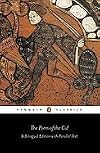
An epic poem from the Middle Ages of Spain, this poem packs a decent punch. It is interesting to note that the academic information that is provided with this book provides a framework that can be used to properly glimpse into the understanding of why, and how, the poem was written. The supplementary information was great. The poem is missing some parts, and is in classical style, but it still has a cultured and intriguing flavour that makes it hard to set down before it is finished. I show more recommend this for all classics enthusiasts.
3.5 stars. show less
3.5 stars. show less
Lists
Western Canon (1)
Edad Media (1)
Awards


You May Also Like


Associated Authors
Statistics
- Works
- 3
- Members
- 2,979
- Popularity
- #8,562
- Rating
- 3.8
- Reviews
- 48
- ISBNs
- 9,872
- Languages
- 64