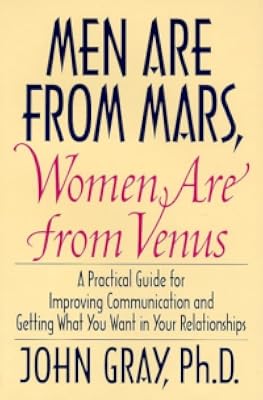
Men Are From Mars, Women Are From Venus: A Practical Guide for Improving Communication and Getting What You Want In Your Relationships
by John Gray
Mars and Venus
On This Page
Description
The most well-know, long-lived, and tried-and-tested relationships guide ever, the phenomenal #1 New York Times bestseller Men Are From Mars, Women Are From Venus is now available for the first time ever as an eBook. In this classic guide to understanding the opposite sex, Dr. John Gray provides a practical and proven way for men and women to improve their communication by acknowledging the differences between their needs, desires, and behaviors. No other relationship guide on the market show more will give you the same level of evidence-based insight sure to help you strengthen and nurture your relationships for years to come. show lessTags
Recommendations
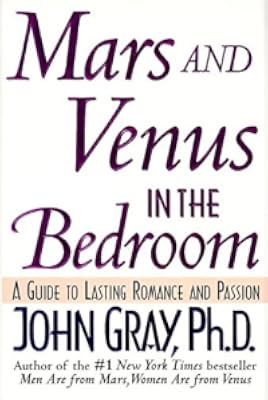


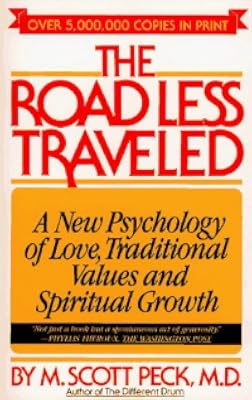
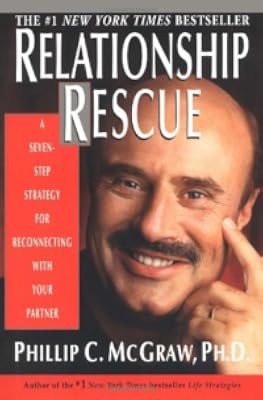
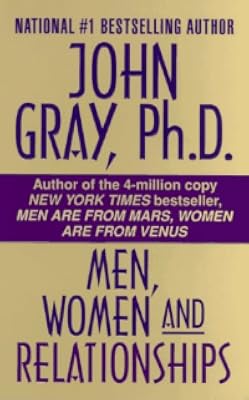
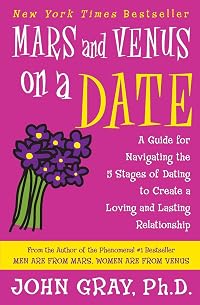
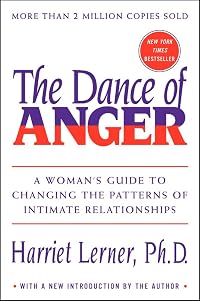
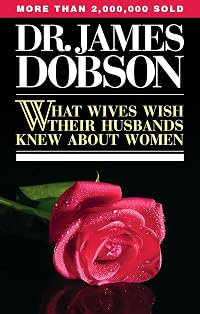
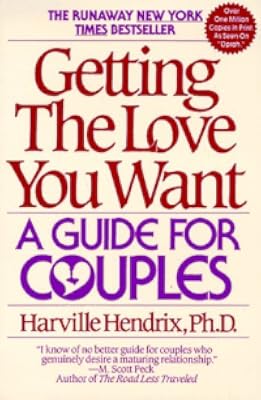

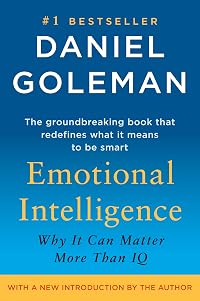

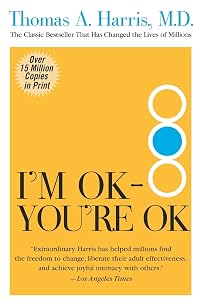
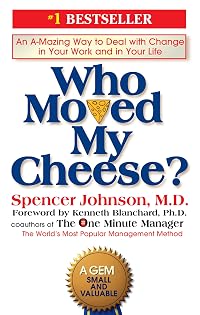
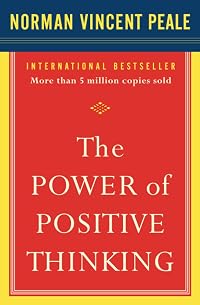

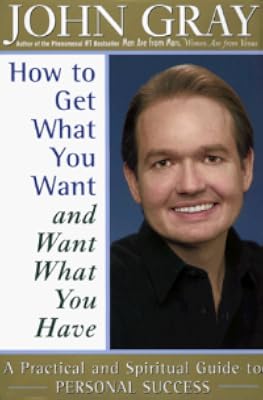
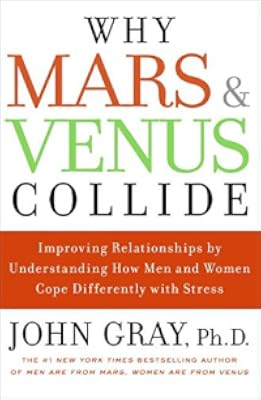




Member Recommendations
Member Reviews
Yeah, yeah, yeah! Women are not nags constantly whinging for shsh, but, use talk to share their emotions; and men are not useless jerks, but, are emotionally more introverted and dislike being controlled. That's it. There: I have just done you a favour, I summed this all up so you don't have to go through its 300+ pages.
Addressing a wide audience, I could have forgiven John Gray for his simplicities; especially since, it's true, many will recognise themselves in some of the situations he describes. But considering it's a book the author himself, in a massive display of amazing humility and modesty, claims to be 'revolutionary for couples' (nothing less!) all this useless chit chat (and irritating narcissism) ends up by being frankly show more annoying. There's a few pearls of wisdom here and there (eg. guys, when your wife complains about anything and everything TO you it doesn't mean she is complaining ABOUT you...) but, all in all, it's below basic. Coming from a therapist with more than twenty years of experience, this is highly disappointing.
Don't believe the hype on that one. Stay clear. show less
Addressing a wide audience, I could have forgiven John Gray for his simplicities; especially since, it's true, many will recognise themselves in some of the situations he describes. But considering it's a book the author himself, in a massive display of amazing humility and modesty, claims to be 'revolutionary for couples' (nothing less!) all this useless chit chat (and irritating narcissism) ends up by being frankly show more annoying. There's a few pearls of wisdom here and there (eg. guys, when your wife complains about anything and everything TO you it doesn't mean she is complaining ABOUT you...) but, all in all, it's below basic. Coming from a therapist with more than twenty years of experience, this is highly disappointing.
Don't believe the hype on that one. Stay clear. show less
This review comes to you from a staunch feminist.
A really excellent book about communication and relationships. It's helpful, when reading, to remember that Gray tells the reader that the gender roles he talks about are not strict--women might identify more with the "masculine" and men might identify with the "feminine." (Quotes used here because even these concepts may be problematic for some.) When reading, sometimes I gender-neutralized the text for myself, and sometimes I didn't. Sometimes I swapped the genders, and sometimes I didn't.
So, basically, when reading this book, don't get hung up on the advice being gender specific. If you can manage that, and embrace this advice in the spirit it is intended--to help people build and show more strengthen relationships and communication--you will get a lot out of it.
And as an aside, I question how many of these 1 star reviews actually read this book with an open mind--or read this book at all, for that matter. show less
A really excellent book about communication and relationships. It's helpful, when reading, to remember that Gray tells the reader that the gender roles he talks about are not strict--women might identify more with the "masculine" and men might identify with the "feminine." (Quotes used here because even these concepts may be problematic for some.) When reading, sometimes I gender-neutralized the text for myself, and sometimes I didn't. Sometimes I swapped the genders, and sometimes I didn't.
So, basically, when reading this book, don't get hung up on the advice being gender specific. If you can manage that, and embrace this advice in the spirit it is intended--to help people build and show more strengthen relationships and communication--you will get a lot out of it.
And as an aside, I question how many of these 1 star reviews actually read this book with an open mind--or read this book at all, for that matter. show less
Reading Men Are from Mars, Women Are from Venus felt like diving into one of those classic relationship books everyone references at some point. I can see why it became so popular, the way John Gray breaks down communication differences between men and women is simple, relatable, and honestly pretty entertaining. Some examples made me laugh because they reminded me so much of real life misunderstandings I’ve had or seen in other couples. It does make you pause and think about how often conflicts come from mismatched expectations rather than lack of love.
That said, the book definitely shows its age. Some of the ideas rely heavily on stereotypes about men being emotionally distant and women being overly expressive, which doesn’t show more always fit today’s relationships or individual personalities. At times, I found myself wishing for more nuance and less of a “men always do this, women always do that” framework. Still, behind the outdated bits, there are genuinely helpful insights about listening, giving space, and showing appreciation.
Overall, Men Are from Mars, Women Are from Venus isn’t a perfect guide, but it’s an interesting and often insightful starting point for understanding communication and emotional needs in relationships. If you take it with a grain of salt, it can spark meaningful reflection and better conversations. I’d recommend it to anyone curious about classic relationship wisdom, just with an open mind and a modern perspective. show less
That said, the book definitely shows its age. Some of the ideas rely heavily on stereotypes about men being emotionally distant and women being overly expressive, which doesn’t show more always fit today’s relationships or individual personalities. At times, I found myself wishing for more nuance and less of a “men always do this, women always do that” framework. Still, behind the outdated bits, there are genuinely helpful insights about listening, giving space, and showing appreciation.
Overall, Men Are from Mars, Women Are from Venus isn’t a perfect guide, but it’s an interesting and often insightful starting point for understanding communication and emotional needs in relationships. If you take it with a grain of salt, it can spark meaningful reflection and better conversations. I’d recommend it to anyone curious about classic relationship wisdom, just with an open mind and a modern perspective. show less
Unabridged audio. I had to stop at 25%
1. Too many generalities about men and women.
2. Too much “squish-ification” of men, with lengthy diatribes about how they need to change. Exhortations for women to change were less stringent. Get a clue: women are not perfect and should not be the standard for judging the human race.
3. If I were from Jupiter, I would come away with the impression that women are whiny crybabies; and I would wonder why men bother.
4. A better place to start would be teaching that people are all different. Some of the male/female differences are biological; some are cultural; and all have exceptions.
Accept someone for who they are. Don’t try to change them into something else for your own convenience. Learn show more to be comfortable in your own skin instead of waiting for another person to validate your existence.
I find the pop-psychology annoying and indicative that we have too much time on our hands if we are agonizing over how to make others conform to personal ideals. show less
1. Too many generalities about men and women.
2. Too much “squish-ification” of men, with lengthy diatribes about how they need to change. Exhortations for women to change were less stringent. Get a clue: women are not perfect and should not be the standard for judging the human race.
3. If I were from Jupiter, I would come away with the impression that women are whiny crybabies; and I would wonder why men bother.
4. A better place to start would be teaching that people are all different. Some of the male/female differences are biological; some are cultural; and all have exceptions.
Accept someone for who they are. Don’t try to change them into something else for your own convenience. Learn show more to be comfortable in your own skin instead of waiting for another person to validate your existence.
I find the pop-psychology annoying and indicative that we have too much time on our hands if we are agonizing over how to make others conform to personal ideals. show less
Read it not as a guide to help me with relationships, but rather to see what the fuss is about.
Got annoyed pretty fast when Gray claims women and men are "meant" to be different. Unsubstantiated normative claims touch a nerve with me. The book often read like a sales pitch for his courses and his claims that his methods works great is only supported by his assurances. I'm quite sure his descriptions of the sexes gives comfort to many as it gives explanatory model for why her/his significant other behaves in a certain way which many of us find solace in. That doesn't mean the descriptions have to be right though, its enough if the reader believe they are correct. To be fair I did recognize myself more in his descriptions of men, but a show more lot seemed quite off the mark to me also.
I do appreciate that Gray is trying to foster and promote a greater understanding between couples though. Some of the writing does, as I said, feel like self-promoting, but I do believe he is doing it with good intentions. Some of the tools he provides the reader seem both good and not impossible to implement. He for example advice the reader to go away from the partner when they are annoyed with them and sit down and write a "love letter" which include five sections; 1. anger, 2. hurt and sadness, 3. fear, 4. guilt and remorse and 5. love. While I haven't tried it, it does seem to me a good way to avoid starting a discussion which could easily turn into an argument and instead cool down and sort out your own feelings before talking to the partner. show less
Got annoyed pretty fast when Gray claims women and men are "meant" to be different. Unsubstantiated normative claims touch a nerve with me. The book often read like a sales pitch for his courses and his claims that his methods works great is only supported by his assurances. I'm quite sure his descriptions of the sexes gives comfort to many as it gives explanatory model for why her/his significant other behaves in a certain way which many of us find solace in. That doesn't mean the descriptions have to be right though, its enough if the reader believe they are correct. To be fair I did recognize myself more in his descriptions of men, but a show more lot seemed quite off the mark to me also.
I do appreciate that Gray is trying to foster and promote a greater understanding between couples though. Some of the writing does, as I said, feel like self-promoting, but I do believe he is doing it with good intentions. Some of the tools he provides the reader seem both good and not impossible to implement. He for example advice the reader to go away from the partner when they are annoyed with them and sit down and write a "love letter" which include five sections; 1. anger, 2. hurt and sadness, 3. fear, 4. guilt and remorse and 5. love. While I haven't tried it, it does seem to me a good way to avoid starting a discussion which could easily turn into an argument and instead cool down and sort out your own feelings before talking to the partner. show less
Classic, indeed! This book has been collecting dust in my library for over 20 years. Recently a friend asked to borrow it, and I idly scanned its contents to refresh my memory before passing it on to her.
First, I would like to say I’m not even a feminist but this book is so politically incorrect in stereotyping genders I can’t believe it is still getting decent reviews.
The entire premise is based on John Gray’s theory that all women and men fit snuggly into categories of certain behavior. Men are basically strong, silent, problem solvers. They like to go into their man-cave and ponder life. They want to be needed. Their biggest fear is that women will not appreciate them, or worse - try to change them.
On the other hand, women show more are emotional people and not necessarily in a hurry to solve problems. They just like to talk about problems. They want emotional support and open communication.
The book offers many suggestions how to deal with different situations. It doesn’t suggest how to solve problems but merely offers methods to enhance communication and avoid arguments.
The solution boils down to a warning for women to never-never-never offer your male companion un-asked for advice – even if he is about to make a major mistake, or put himself in danger – and never force him to talk when he’s not in the mood. And, all you men out there – just sit quietly and listen to your woman and validate her feelings. Don’t offer solutions to her problems – just listen. Could this possibly lead to a more honest, sincere, intimate relationship? Life should be so simple!
Thank goodness I don’t have marital problems because I would hate to rely on John Gray’s advice.
I did ask my friend her opinion of "Men are From Mars, Women are From Venus" when she returned the book, and she basically made the same observation. She also recalled reading it many years ago, and concluded that it was a waste of time to read it again. She didn’t need a “self help” book to remind her that some controversial topics are just off limits. show less
First, I would like to say I’m not even a feminist but this book is so politically incorrect in stereotyping genders I can’t believe it is still getting decent reviews.
The entire premise is based on John Gray’s theory that all women and men fit snuggly into categories of certain behavior. Men are basically strong, silent, problem solvers. They like to go into their man-cave and ponder life. They want to be needed. Their biggest fear is that women will not appreciate them, or worse - try to change them.
On the other hand, women show more are emotional people and not necessarily in a hurry to solve problems. They just like to talk about problems. They want emotional support and open communication.
The book offers many suggestions how to deal with different situations. It doesn’t suggest how to solve problems but merely offers methods to enhance communication and avoid arguments.
The solution boils down to a warning for women to never-never-never offer your male companion un-asked for advice – even if he is about to make a major mistake, or put himself in danger – and never force him to talk when he’s not in the mood. And, all you men out there – just sit quietly and listen to your woman and validate her feelings. Don’t offer solutions to her problems – just listen. Could this possibly lead to a more honest, sincere, intimate relationship? Life should be so simple!
Thank goodness I don’t have marital problems because I would hate to rely on John Gray’s advice.
I did ask my friend her opinion of "Men are From Mars, Women are From Venus" when she returned the book, and she basically made the same observation. She also recalled reading it many years ago, and concluded that it was a waste of time to read it again. She didn’t need a “self help” book to remind her that some controversial topics are just off limits. show less
When I was about 12, maybe, I saw this book on display at the library and wanted to read it. The title itself, I thought, explained why my dad didn't make sense. But my mom told me that it would probably be boring. And, when I found it again in the non-fiction area, I decided she was probably right. Non-fiction was boring.
Fast forward to today when I was browsing the bestseller's list of the 1990s for a book to read to complete a reading challenge I'm participating in (mostly for bragging rights, to be honest) and I found this book on, not just one year, but three years.
Straight.
It was on that library display shelf for a reason.
So, to indulge my curious 12-year-old self, I checked it out and started reading.
For a casual student of show more Gottman (pick me! pick me!) there isn't much new information. He spends much more time on communication intricacies than Gottman does (Gottman just gives you principles and lets you on to the next topic). I disagreed with his love letter theory. Yes, writing out frustration, grief, disappointment can be therapeutic. But I don't think that it needs to be in that letter format. Nor do I think that they should be shared 100% of the time (Part of that may be left over from my morning read of [b:Integrity|712327|Integrity|Stephen L. Carter|https://images.gr-assets.com/books/1410135782s/712327.jpg|2213583] in which Carter discusses the nuances of committed relationships). I think it is valid, if you find an underlying problem, to say "hey-- this behavior makes me feel ________ because of _____." But usually the one who can gradually make a change in your feeling/experience is you. That, plus letters are now so formal that I almost associate them with negative more than positive. Bills, etc, you know. And they seem so permanent. So- the information is valid. The suggested implementation may be dated. After all, everyone is unique.
Conclusion: 12-year-old me may have found much to learn in this book, but she would have been so bored by the first couple of pages it wouldn't have been finished.
P.S. I think that the complaints about sexism may have missed his comments in the introduction. :) show less
Fast forward to today when I was browsing the bestseller's list of the 1990s for a book to read to complete a reading challenge I'm participating in (mostly for bragging rights, to be honest) and I found this book on, not just one year, but three years.
Straight.
It was on that library display shelf for a reason.
So, to indulge my curious 12-year-old self, I checked it out and started reading.
For a casual student of show more Gottman (pick me! pick me!) there isn't much new information. He spends much more time on communication intricacies than Gottman does (Gottman just gives you principles and lets you on to the next topic). I disagreed with his love letter theory. Yes, writing out frustration, grief, disappointment can be therapeutic. But I don't think that it needs to be in that letter format. Nor do I think that they should be shared 100% of the time (Part of that may be left over from my morning read of [b:Integrity|712327|Integrity|Stephen L. Carter|https://images.gr-assets.com/books/1410135782s/712327.jpg|2213583] in which Carter discusses the nuances of committed relationships). I think it is valid, if you find an underlying problem, to say "hey-- this behavior makes me feel ________ because of _____." But usually the one who can gradually make a change in your feeling/experience is you. That, plus letters are now so formal that I almost associate them with negative more than positive. Bills, etc, you know. And they seem so permanent. So- the information is valid. The suggested implementation may be dated. After all, everyone is unique.
Conclusion: 12-year-old me may have found much to learn in this book, but she would have been so bored by the first couple of pages it wouldn't have been finished.
P.S. I think that the complaints about sexism may have missed his comments in the introduction. :) show less
Members
- Recently Added By
Lists

Best Self Help Books
87 works; 18 members

Banging Book Club
36 works; 1 member

The Worst Bestsellers Podcast
295 works; 5 members

If Books Could Kill Podcast
52 works; 1 member

Books mentioned in bell hooks' All About Love
70 works; 1 member

The Complete Rory Gilmore Reading List
506 works; 5 members

Men's healing resources
747 works; 1 member

Healing resources for women
587 works; 1 member

Books We Resisted Reading
178 works; 110 members
Author Information

63+ Works 11,808 Members
Author of the best selling Men Are from Mars, Women Are from Venus (1992) and its sequels, John Gray is a frequent guest on popular talk and news programs on both radio and television and teaches seminars on relationships and communication. He has written over fifteen books including Why Mars and Venus Collide. His books have been translated into show more 45 languages. He lived as a monk for nine years, receiving his bachelors and masters degrees in Creative Intelligence from Maharishi European Research University. He received his Ph.D. in psychology from Columbia Pacific University and is a Certified Family Therapist. He is also a consulting editor of The Family Journal. In 2001, he received the Smart Marriages Impact Award. (Bowker Author Biography) show less
Awards and Honors
Series

Belongs to Publisher Series
J'ai lu (7133)
Common Knowledge
- Canonical title
- Men Are From Mars, Women Are From Venus: A Practical Guide for Improving Communication and Getting What You Want In Your Relationships
- Original title
- Men are from Mars, women are from Venus
- Alternate titles
- 男女大不同 : [男人與女人增進溝通建立良好關係的實用方針]; 男人來自火星女人來自金星: 修練親密關係的方法
- Original publication date
- 1992
- Dedication
- This book is dedicated with deepest love and affection to my wife, Bonnie Gray. Her love vulnerability, wisdom and strength have inspired me to be the best I can be and to share what we have learned together.
- First words
- Imagine that men are from Mars and women are from Venus.
- Last words
- (Click to show. Warning: May contain spoilers.)Thank you for letting me make a difference in your life.
- Blurbers*
- Nooy, Tineke de; Haspels, Prof. dr. Arie; Liekens, Goedele
- Original language
- English
*Some information comes from Common Knowledge in other languages. Click "Edit" for more information.
Classifications
- Genres
- General Nonfiction, Nonfiction
- DDC/MDS
- 646.78 — Applied science & technology Home economics & family management Sewing, Grooming, Life Skills Management of personal and family life Family life
- LCC
- HQ734 .G727 — Social sciences The family. Marriage, Women and Sexuality The Family. Marriage. Women The family. Marriage. Home
- BISAC
Statistics
- Members
- 7,017
- Popularity
- 1,683
- Reviews
- 89
- Rating
- (3.15)
- Languages
- 27 — Catalan, Chinese, Czech, Danish, Dutch, English, Estonian, Finnish, French, German, Greek, Hebrew, Hindi, Hungarian, Indonesian, Italian, Korean, Norwegian (Bokmål), Norwegian, Polish, Portuguese, Romanian, Spanish, Swedish, Tamil, Telugu, Turkish
- Media
- Paper, Audiobook, Ebook
- ISBNs
- 164
- UPCs
- 3
- ASINs
- 51