The Memory Palace
by Mira Bartók
On This Page
Description
A gorgeous memoir about the 17 year estrangement of the author and her homeless schizophrenic mother, and their reunion.Tags
Recommendations














Member Reviews
In this haunting and penetrating memoir, author Mira Bartok shares her story of living life with a mother who suffers from schizophrenia, and the lengths to which she and her sister have gone to break away from the spreading violence and madness that so corrupt their lives. From Mira’s earliest memories, there was something not right about her mother, Norma. She often held conversations with unseen voices and became dangerously agitated when confronted. Living with her two young girls after being abandoned by her husband, Norma finds herself unable to take care of the three of them properly, her instances of illness growing exponentially. Eventually Norma and the girls move back into the home of her parents, but this too is a fraught show more situation, as Norma’s father is extremely abusive. As Mira and her sister grow older, Norma’s mental illness reaches an all time high and she becomes a persistent interrogator, and at times can be violent with her girls. Eventually the girls decide they must move to far-off cities and leave no forwarding address, hoping their mother will not be able to locate them. But when they learn that Norma is homeless and physically ill, the emotional toll it takes on Mira is severe. Though the girls try to get their mother the help she needs, she is far too stubborn, and it’s only when she’s in the throes of her final battle with cancer that the girls reunite with her and are able to get past the mental illness that has so decimated their lives. Stark and unflinching in its intimations, The Memory Palace is a chronicling of a life lived in the shadow of severe mental illness and the corrosion it inflicts upon a family.
Reading this book was difficult for many reasons. While the topic is one that interests me greatly, the realities of the story was the stuff of nightmares. It was extremely difficult to digest the ways in which this family was flawed, and the devastation was not only clear from Norma’s viewpoint, but of her girls as well. At times the book was frightening, and imagining what it must have been like to be a little child coping with this type of illness in a parent was heartbreaking and at times overwhelming. What was most frightening was the fact that Norma was constantly oblivious to her medical condition, leaving her daughters to bear the brunt of taking care of her and themselves, even when they were only small children.
As Mira reflects back on an atypical life and the consequences it had for her and her sister, she’s also dealing with the difficulties of having a brain injury after a disastrous car accident. All of these situations coalesce and leave her reserve low when attempting to deal with her mentally ill and dying mother. Mira begins to build a memory palace in her mind where the memories of her life can find a permanent home, but most of these memories are vivid with her mother’s madness and her inability to cope with the guilt this brings. Mira and Norma keep in contact through letters that Mira picks up from a post office box, and it is through these letters that the reader can see the psychosis and bizarre turns of Norma’s mind. In Mira’s reflections on life with her mother, Norma is at times horrifyingly emotionally spastic and occasionally ruthlessly dangerous, a woman pushed from the confines of sanity in electrifying relief. The memory palace Mira constructs also serves to highlight how both of the girls live in a world where it’s easy to shut out the infirmity of their mother.
Though most of the book is difficult and emotionally demanding reading, there are some spots of ethereal beauty in the story as well. One of the things that both Mira and her mother share is a love of art and music, and though both take very different paths in pursuing these interests, it’s something that they both can converse freely about and share appreciation for. Through the medium of artistic creation and interpretation, they bridge the distance between them. But most often, Norma is portrayed as paranoid and delusional, and even from childhood, she fills her daughter’s heads with otherworldly terrors and unimaginable and inappropriate things. Interspersed within Mira’s reflections on life with her mother are actual pages of Norma’s diaries and calendars, and what they reveal is a mind crumbling at its foundation. As Mira shares her perceptions of her mother, I could really understand how tiresome and scary it all was, the seemingly baseless paranoia and the interrogations that never ceased. When Norma is on her deathbed, the girls finally find a way to love their mother while still shunning the illness that consumes her, and it was here that the book took on heartrending urgency and emotional heft.
The Memory Palace deals with one of the least understood mental illnesses in human physiology, and as such, it expounds on something that is frightening and alienating both to its sufferers and to those who love them. While Bartok shares her perceptions on what it’s like to live with a mentally ill mother, she also shares pieces of her life that are eclectic and beautiful, but the thrust of this book is difficult and painful. It is obvious, though, that Bartok seeks to pay homage to her mother in a respectful yet uncompromising way, and in this endeavor, she succeeds fully. A very introspective and emotional read. Recommended. show less
Reading this book was difficult for many reasons. While the topic is one that interests me greatly, the realities of the story was the stuff of nightmares. It was extremely difficult to digest the ways in which this family was flawed, and the devastation was not only clear from Norma’s viewpoint, but of her girls as well. At times the book was frightening, and imagining what it must have been like to be a little child coping with this type of illness in a parent was heartbreaking and at times overwhelming. What was most frightening was the fact that Norma was constantly oblivious to her medical condition, leaving her daughters to bear the brunt of taking care of her and themselves, even when they were only small children.
As Mira reflects back on an atypical life and the consequences it had for her and her sister, she’s also dealing with the difficulties of having a brain injury after a disastrous car accident. All of these situations coalesce and leave her reserve low when attempting to deal with her mentally ill and dying mother. Mira begins to build a memory palace in her mind where the memories of her life can find a permanent home, but most of these memories are vivid with her mother’s madness and her inability to cope with the guilt this brings. Mira and Norma keep in contact through letters that Mira picks up from a post office box, and it is through these letters that the reader can see the psychosis and bizarre turns of Norma’s mind. In Mira’s reflections on life with her mother, Norma is at times horrifyingly emotionally spastic and occasionally ruthlessly dangerous, a woman pushed from the confines of sanity in electrifying relief. The memory palace Mira constructs also serves to highlight how both of the girls live in a world where it’s easy to shut out the infirmity of their mother.
Though most of the book is difficult and emotionally demanding reading, there are some spots of ethereal beauty in the story as well. One of the things that both Mira and her mother share is a love of art and music, and though both take very different paths in pursuing these interests, it’s something that they both can converse freely about and share appreciation for. Through the medium of artistic creation and interpretation, they bridge the distance between them. But most often, Norma is portrayed as paranoid and delusional, and even from childhood, she fills her daughter’s heads with otherworldly terrors and unimaginable and inappropriate things. Interspersed within Mira’s reflections on life with her mother are actual pages of Norma’s diaries and calendars, and what they reveal is a mind crumbling at its foundation. As Mira shares her perceptions of her mother, I could really understand how tiresome and scary it all was, the seemingly baseless paranoia and the interrogations that never ceased. When Norma is on her deathbed, the girls finally find a way to love their mother while still shunning the illness that consumes her, and it was here that the book took on heartrending urgency and emotional heft.
The Memory Palace deals with one of the least understood mental illnesses in human physiology, and as such, it expounds on something that is frightening and alienating both to its sufferers and to those who love them. While Bartok shares her perceptions on what it’s like to live with a mentally ill mother, she also shares pieces of her life that are eclectic and beautiful, but the thrust of this book is difficult and painful. It is obvious, though, that Bartok seeks to pay homage to her mother in a respectful yet uncompromising way, and in this endeavor, she succeeds fully. A very introspective and emotional read. Recommended. show less
This is the touching story of a child who grew up in the shadow of mental illness until finally she felt forced to run away and assume a new identity to escape her mother’s madness, the madness of Schizophrenia. It is also a story of enduring love and devotion, which although sometimes brought into question, was always evident.
Mira begins this memoir in her voice as the child, Myra, her real name. The prose is lyrical, almost poetic at times, and it makes you feel comfortable. There were moments when you could almost feel as if you were a witness to the events, as in the final scene of her mother Norma’s dying days, which had a great emotional impact. There were other times, however, when there was an absence of the emotional tug show more that would make you feel completely captivated.
With the help of her mother’s diaries and other memorabilia that she has found in a UHaul storage facility, Mira has reconstructed the shattered remnants of the many lives that influenced her growing up. Using fragments of her own memories and recollections that stem from paintings and drawings she once presented to her mom, plus sentences from letters she and/or her mom wrote to each other long ago, during the long period of their separation (17 years), Mira opens a window onto the world of neglect and abuse that was her childhood and allows us to glimpse the sadness and chaos that surrounded her life. Always ready to protect herself from her mother’s voyages into her fantasies, she is constantly on guard, but also, she is ever mindful of her mother’s needs and the "absence of her actual presence", in her life.
Abandoned by their father, raised by a schizophrenic mother forgotten by society, surrounded by superstitious and abusive relatives ashamed of Norma's mental illness, Mira and her sister (Natalia, aka Rachel) muddled through their lives until their mother’s violence forced them to abandon her, move away and assume new identities.
After a catastrophic car accident leaves Mira with her own brain injury involving memory loss and confusion, Mira begins her own journey back to "normal". In trying to reconstruct her life and its memories which have been lost, admitting that some memories may or may not be parts of her real memory, she tries to create a palace in her mind of rooms filled with memories that will trigger others and make her past life more complete. Like her mother, now she has difficulties remembering, but she is strongly attached to the real world and her mother is not.
At times I found the story a bit confusing, especially as random memories popped up and I wasn’t sure to whom they belonged, Norma or Myra. Perhaps this was intentional by the author since both she and her mom were living in that kind of an unsettled world, living with the confusion and chaos of malfunctioning brains, mental disorders. Although the magnitude of Norma’s disorder was far greater than Mira’s, the parallel of her crisis to her mom’s, was stark.
As she recreates her life and works her way through the memory of her mother’s madness, she describes her feelings of shame and inadequacy, when she, as a mere child of nine or ten, is forced to devise ways to survive her mother’s psychotic episodes. Sometimes I questioned the memories in their time or place since if Mira’s memory was really so damaged and so unstable from the accident, I thought how was she able to piece together so wonderful a manuscript and describe so many early memories so well?
Her idea of a memory palace did not work for me as well as it did in the novel "The Madonnas of Leningrad”, which also used memory as a tool. In addition, I found her description of her time in Israel to be a bit one-sided. I wondered if she was aware of the fact that her memories of Israel and Israelis were colored with far less compassion than those of her interaction with the Arabs. I found them tinged with greater negativism and wondered if it had to do with any kind of resentment toward her mother’s Judaic background.
Mira seems to be searching for redemption in her memoir, or perhaps she is searching for forgiveness for having abandoned her mom all the years prior to her death. The bonds between herself and her mom were never severed completely, but they were distant and charged with fear and resentment because of her mom’s erratic and dangerous stalking behavior. Perhaps she had to run away…perhaps her sister did too, but perhaps they could have done more, while they were gone, to guarantee their mother’s safety, rather than simply think it was the responsibility of the state to take care of her and, therefore, justify their own escape. I must admit that it was that aspect of the book that took me by surprise and disturbed me most.
Yes, social services failed the family; the courts and the laws did not provide for any avenue of help and they were, indeed, youngsters carrying that burden, but nevertheless, that did not preclude the only choice being to abandon Norma, as soon as they were old enough to run. Perhaps they could have tried over and over again to get some help, until they were successful and able to place their mother in a safe place, perhaps they could have documented more of her aberrant behavior over the years, instead of always trying to hide her from public view, because of their shame. We can not really know the answer having not walked in those shoes, and surely it would be better if there were services available to help people in such devastating circumstances.
The one thing that was completely obvious, throughout the telling of the memoir, was the deep bond between Norma, the mother, and Myra, the child, and even Norma the daughter and her own mother as well, who cared for her, albeit resentfully sometimes, until she was no longer physically or mentally able. That bond between mother and child was never broken.
Mira seems to have made a very strong recovery by the end of the memoir. Hopefully, she will continue to recover completely. show less
Mira begins this memoir in her voice as the child, Myra, her real name. The prose is lyrical, almost poetic at times, and it makes you feel comfortable. There were moments when you could almost feel as if you were a witness to the events, as in the final scene of her mother Norma’s dying days, which had a great emotional impact. There were other times, however, when there was an absence of the emotional tug show more that would make you feel completely captivated.
With the help of her mother’s diaries and other memorabilia that she has found in a UHaul storage facility, Mira has reconstructed the shattered remnants of the many lives that influenced her growing up. Using fragments of her own memories and recollections that stem from paintings and drawings she once presented to her mom, plus sentences from letters she and/or her mom wrote to each other long ago, during the long period of their separation (17 years), Mira opens a window onto the world of neglect and abuse that was her childhood and allows us to glimpse the sadness and chaos that surrounded her life. Always ready to protect herself from her mother’s voyages into her fantasies, she is constantly on guard, but also, she is ever mindful of her mother’s needs and the "absence of her actual presence", in her life.
Abandoned by their father, raised by a schizophrenic mother forgotten by society, surrounded by superstitious and abusive relatives ashamed of Norma's mental illness, Mira and her sister (Natalia, aka Rachel) muddled through their lives until their mother’s violence forced them to abandon her, move away and assume new identities.
After a catastrophic car accident leaves Mira with her own brain injury involving memory loss and confusion, Mira begins her own journey back to "normal". In trying to reconstruct her life and its memories which have been lost, admitting that some memories may or may not be parts of her real memory, she tries to create a palace in her mind of rooms filled with memories that will trigger others and make her past life more complete. Like her mother, now she has difficulties remembering, but she is strongly attached to the real world and her mother is not.
At times I found the story a bit confusing, especially as random memories popped up and I wasn’t sure to whom they belonged, Norma or Myra. Perhaps this was intentional by the author since both she and her mom were living in that kind of an unsettled world, living with the confusion and chaos of malfunctioning brains, mental disorders. Although the magnitude of Norma’s disorder was far greater than Mira’s, the parallel of her crisis to her mom’s, was stark.
As she recreates her life and works her way through the memory of her mother’s madness, she describes her feelings of shame and inadequacy, when she, as a mere child of nine or ten, is forced to devise ways to survive her mother’s psychotic episodes. Sometimes I questioned the memories in their time or place since if Mira’s memory was really so damaged and so unstable from the accident, I thought how was she able to piece together so wonderful a manuscript and describe so many early memories so well?
Her idea of a memory palace did not work for me as well as it did in the novel "The Madonnas of Leningrad”, which also used memory as a tool. In addition, I found her description of her time in Israel to be a bit one-sided. I wondered if she was aware of the fact that her memories of Israel and Israelis were colored with far less compassion than those of her interaction with the Arabs. I found them tinged with greater negativism and wondered if it had to do with any kind of resentment toward her mother’s Judaic background.
Mira seems to be searching for redemption in her memoir, or perhaps she is searching for forgiveness for having abandoned her mom all the years prior to her death. The bonds between herself and her mom were never severed completely, but they were distant and charged with fear and resentment because of her mom’s erratic and dangerous stalking behavior. Perhaps she had to run away…perhaps her sister did too, but perhaps they could have done more, while they were gone, to guarantee their mother’s safety, rather than simply think it was the responsibility of the state to take care of her and, therefore, justify their own escape. I must admit that it was that aspect of the book that took me by surprise and disturbed me most.
Yes, social services failed the family; the courts and the laws did not provide for any avenue of help and they were, indeed, youngsters carrying that burden, but nevertheless, that did not preclude the only choice being to abandon Norma, as soon as they were old enough to run. Perhaps they could have tried over and over again to get some help, until they were successful and able to place their mother in a safe place, perhaps they could have documented more of her aberrant behavior over the years, instead of always trying to hide her from public view, because of their shame. We can not really know the answer having not walked in those shoes, and surely it would be better if there were services available to help people in such devastating circumstances.
The one thing that was completely obvious, throughout the telling of the memoir, was the deep bond between Norma, the mother, and Myra, the child, and even Norma the daughter and her own mother as well, who cared for her, albeit resentfully sometimes, until she was no longer physically or mentally able. That bond between mother and child was never broken.
Mira seems to have made a very strong recovery by the end of the memoir. Hopefully, she will continue to recover completely. show less
This is a very good memoir about Bartok's relationship with her mother. Her mother, a gifted pianist, developed schizophrenia as a young woman, and so Bartok and her sister had very difficult childhoods. Her mother's erratic and paranoid behavior was so difficult that both sisters ended up changing their names, so that their mother couldn't find them.
Bartok kept in touch with her mother, who was homeless in Cleveland, Ohio, through intermediaries. Finally, when their mother developed cancer and was on hospice, the sisters reconciled with her.
Quite an interesting and powerful story.
Bartok kept in touch with her mother, who was homeless in Cleveland, Ohio, through intermediaries. Finally, when their mother developed cancer and was on hospice, the sisters reconciled with her.
Quite an interesting and powerful story.
The first half of this book is luridly fascinating. Bartok indelibly conveys the distress and menace of growing up with a single parent, her mother, who is deeply, intractably, and terrifyingly, mentally ill. In the 2nd half of the book, after her mother has tried to cut Bartok's throat, and after Bartok has essentially placed herself in quasi-witness-protection-like status (new name, undisclosed location), to evade her mother, the book drifted away from me. Since her mother at this point becomes homeless and remains so for the last 17 years of her life, the focus switches to Bartok's adult life in Italy, Norway, Israel, New York, and elsewhere. Why she chooses these scattered and mostly troubled episodes is never clear, nor how each show more might relate back to her childhood, and I found her adaptation of the "memory palace" idea incoherent and confusing. During these years Bartok flirts with notions of guilt about not being more present in her mother's life, this in spite of the fact that the last person who had tried to help her mother, (her grandmother), had, in return for her efforts, been beaten, had her money stolen, lost her home, and ultimately was hospitalized with multiple stab wounds. That all interventions had failed, that some had failed with particularly gruesome outcomes, and that Bartok only actually returns when she knows that her mother is terminally ill, don't collectively make that guilt any less real, but they do make it harder to relate to.
In the end the women in the story that intrigued me were not so much Bartok and her mother - they each get lots of air time - but rather her sister and her grandmother. Both are handled in such an opaque and incidental manner in the book that they cry out for a more substantial treatment. In the case of her sister, it is almost as if her presence has been redacted from Bartok's account. The memoir is prefaced with old photos, and in the family photo, it only shows Bartok and her mother: her sister's image has been snipped off the right side with only a few strands of her hair remaining in the frame. Bartok's The Memory Palace is very much her story and hers alone, and not so much theirs, even though all three women were similarly traumatized by her mother's madness.
As for her grandmother, she especially seems to warrant some kind of special acknowledgement, having always had food and a bed ready for the girls when their mother was at her most negligent or abusive. Her grandmother is depicted as weak, but her entire, hellish family life consisted of living in fear: initially of a brutal husband and subsequently of a deluded and violent daughter. After the girls left home, the burden became hers entirely, and she was, albeit reluctantly and at great cost to herself, the only family who tried to intervene on her daughter's behalf. show less
In the end the women in the story that intrigued me were not so much Bartok and her mother - they each get lots of air time - but rather her sister and her grandmother. Both are handled in such an opaque and incidental manner in the book that they cry out for a more substantial treatment. In the case of her sister, it is almost as if her presence has been redacted from Bartok's account. The memoir is prefaced with old photos, and in the family photo, it only shows Bartok and her mother: her sister's image has been snipped off the right side with only a few strands of her hair remaining in the frame. Bartok's The Memory Palace is very much her story and hers alone, and not so much theirs, even though all three women were similarly traumatized by her mother's madness.
As for her grandmother, she especially seems to warrant some kind of special acknowledgement, having always had food and a bed ready for the girls when their mother was at her most negligent or abusive. Her grandmother is depicted as weak, but her entire, hellish family life consisted of living in fear: initially of a brutal husband and subsequently of a deluded and violent daughter. After the girls left home, the burden became hers entirely, and she was, albeit reluctantly and at great cost to herself, the only family who tried to intervene on her daughter's behalf. show less
Another book about a terrible mother/daughter relationship. But in fairness to Bartok's mother, Norma, she had a genuine mental illness. Still though - Mira Bartok's childhood was a nightmare and it continued on through her life until she actually took another name, moved away and took extreme measures to keep her mother from locating her. (As did Mira's sister, who re-named herself Natalia.)
When a child, Norma was adjudged to be a piano-playing child prodigy. But by adolescence she began to go off the rails. She does manage to marry and has two daughters, but her husband abandons the family, never communicates with any of them again, and Norma and her children move in with her parents. Unfortunately, Grandpa Herr, is both physically show more and emotionally abusive to everyone in the household.
Bartok does that thing, in telling her story, where she shifts between the distant past and the fairly recent past. Ordinarily I am not a fan of this way of doing things, but here it worked. It does not help to relieve the sadness of everything though and it was pretty depressing. Norma lives in homeless shelters and on the street. She grows old and becomes ill. Her daughters continue to hide from her, but cannot completely end at least some level of communication. They return to her before the end, but it is mostly just to ease her last days and reminisce. It is just plain sad.
Well-written and I am not sorry I read it. But I don't think I want to revisit their story. Just too sad for me.
Gave this one 4 stars.
Not a keeper.
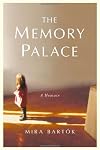
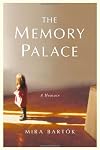
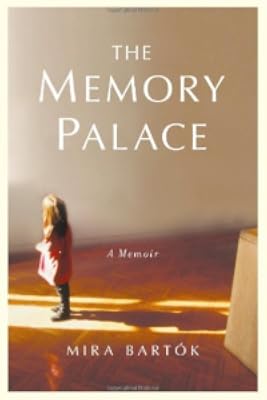
COVER ART - Giving this one an 8 out of 10 rating. It does not relate, particularly to the story, but for me it is poignant. The ray of light. The little girl all alone. It was the right look for the book. Most definitely would have made me take a look at it (if I hadn't been looking for it because I had heard about it on NPR.) show less
When a child, Norma was adjudged to be a piano-playing child prodigy. But by adolescence she began to go off the rails. She does manage to marry and has two daughters, but her husband abandons the family, never communicates with any of them again, and Norma and her children move in with her parents. Unfortunately, Grandpa Herr, is both physically show more and emotionally abusive to everyone in the household.
Bartok does that thing, in telling her story, where she shifts between the distant past and the fairly recent past. Ordinarily I am not a fan of this way of doing things, but here it worked. It does not help to relieve the sadness of everything though and it was pretty depressing. Norma lives in homeless shelters and on the street. She grows old and becomes ill. Her daughters continue to hide from her, but cannot completely end at least some level of communication. They return to her before the end, but it is mostly just to ease her last days and reminisce. It is just plain sad.
Well-written and I am not sorry I read it. But I don't think I want to revisit their story. Just too sad for me.
Gave this one 4 stars.
Not a keeper.
COVER ART - Giving this one an 8 out of 10 rating. It does not relate, particularly to the story, but for me it is poignant. The ray of light. The little girl all alone. It was the right look for the book. Most definitely would have made me take a look at it (if I hadn't been looking for it because I had heard about it on NPR.) show less
I am totally wrecked by this book--it was so heartbreaking and beautiful, tragic yet utterly fascinating. As a girl who grew up with an unmedicated bipolar mother who may also be psychotic, I loved how Mira Bartok wrote her memoir as a loving tribute to her homeless schizophrenic mother, rather than focusing on the negative side of her mother's madness. Trust me, you will never be able to look at a mentally ill or homeless woman the same after reading this book.
A gorgeously written memoir about a fractured family drawn back into orbit by the terminal illness of a mother -- a homeless, schizophrenic, musical prodigy -- a woman so volatile and frightening that both of her daughters had legally changed their names as young adults and "hidden" from their mother for decades. Both girls return to be by Norma Herr's side in her final days and discover, in a storage unit, her own written record of the intervening years. At turns lucid and fantastic, these writings allowed Mira Bartok (Norma Herr's younger daughter) to rediscover her mother and to better understand herself. Norma's journal entries that Mira includes in the memoir are hauntingly sad, and, yet, they show glimpses of a brilliantly show more talented woman surprisingly aware of how far from reality she lives. A thought-provoking look at the meaning of "family". show less
Members
- Recently Added By
Lists

Favorite Memoirs
64 works; 13 members

2008-2012 Notable Books for Adults
127 works; 10 members
Author Information

23+ Works 1,257 Members
Mira Bartok is a Chicago-born artist and the author of twenty-eight books for children. Mira's writing has appeared in several anthologies and has been noted in The Best American Essays series. Bartok lives in Western Massachusetts. (Bowker Author Biography)
Awards and Honors
Awards
Common Knowledge
- Original publication date
- 2011-01-11
- Epigraph
- Child knowledge is a treasury and your heart its strongbox.
Hugo of St. Victor, from The Three Best Memory Aids for Learning History - Dedication
- For my mother
Norma Kurap Herr
November 17, 1925 - January 6, 2007
And dedicated to the women
at the Norma Herr Women's Center of Cleveland, Ohio
(Formerly the Community Women's Shelter) - First words
- A homeless woman, let's call her my mother for now, or yours, sits on a window ledge in late afternoon in a working-class neighborhood in Cleveland, or it could be Baltimore or Detroit.
Classifications
- Genres
- Biography & Memoir, Nonfiction, General Nonfiction
- DDC/MDS
- 362.2085092 — Society, government, & culture Social problems and social services Social Welfare Mental illness General overview of mental health services
- LCC
- RC464 .H47 — Medicine Internal medicine Internal medicine Neurosciences. Biological psychiatry. Neuropsychiatry Psychiatry
- BISAC
Statistics
- Members
- 708
- Popularity
- 40,237
- Reviews
- 24
- Rating
- (3.83)
- Languages
- English, Greek (Ancient)
- Media
- Paper, Audiobook, Ebook
- ISBNs
- 8
- ASINs
- 5