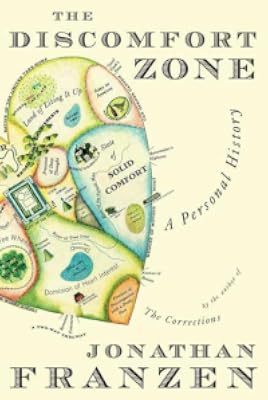
The Discomfort Zone: A Personal History
by Jonathan Franzen
On This Page
Description
Biography & Autobiography. Nonfiction. Daring, honest, and written with the comic scrutiny and unqualified affection that marks Franzen's fiction, The Discomfort Zone tells of the formation of one young mind in the crucible of an everyday American family.Tags
Recommendations


Member Reviews
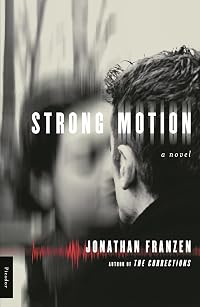
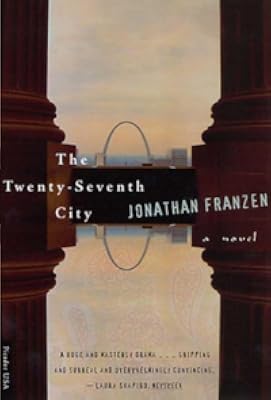
What the hell, Franzen. I love your fiction! Strong Motion was fantastic. The Twenty-Seventh City is one of the best first novels I’ve ever read. When I got done reading The Corrections I missed the characters for months. Actively missed them! But your fiction? God damn, I hate it.
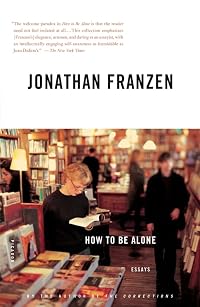
I read How to Be Alone (his collection of essays) years ago and I hated it. I guess I though The Discomfort Zone would be different, or maybe I just forgot how much I hated How to Be Alone.
Part of the problem is that you think you’re so damn clever. And the thing is, I think you’re damn clever! But your smugness is just a huge turn off. Your privilege is disgusting – especially in the chapter where you go on and on about how obnoxious and annoying it show more was to have to listen to people asking for donations after Hurricane Katrina. Yes, I get that you think FEMA should have done a better job doing . . . well, their job. But god damn. An entire chapter, 1 of 8 chapters in the whole book, about how annoyed you were to have to listen to aide commercials?!
Yes, yes, I’m simplifying that chapter. Yes, I’m exaggerating. But here’s what you need to know: Franzen is a smug, self-satisfied liberal who is entirely too proud of being such. I do not want him on my team. From now on, I’ll be sticking to his fiction. show less
I read How to Be Alone (his collection of essays) years ago and I hated it. I guess I though The Discomfort Zone would be different, or maybe I just forgot how much I hated How to Be Alone.
Part of the problem is that you think you’re so damn clever. And the thing is, I think you’re damn clever! But your smugness is just a huge turn off. Your privilege is disgusting – especially in the chapter where you go on and on about how obnoxious and annoying it show more was to have to listen to people asking for donations after Hurricane Katrina. Yes, I get that you think FEMA should have done a better job doing . . . well, their job. But god damn. An entire chapter, 1 of 8 chapters in the whole book, about how annoyed you were to have to listen to aide commercials?!
Yes, yes, I’m simplifying that chapter. Yes, I’m exaggerating. But here’s what you need to know: Franzen is a smug, self-satisfied liberal who is entirely too proud of being such. I do not want him on my team. From now on, I’ll be sticking to his fiction. show less
I'd never read any Franzen before, but I was in the annoying library in my old neighborhood and this jumped off the shelves into my hands so I took it home. I liked it. Franzen is just neurotic enough to pull off riveting essays about, well, navigating through life with various neuroses. The writing was colorful yet polished, though not so much as to dilute the color. I liked it well enough that I plan to check out his other essay collection and his well-known novel The Corrections. Hooray.
Emberek, én úgy szeretem Franzent, hogy már pironkodom miatta. Az van, hogy ez az ember gondol, vagy érez valamit, és le tudja írni! Pontosan és érvényesen, úgy, hogy ha elolvassa másnap és harmadnap, akkor is megállja a helyét. Ez triviálisnak tűnhet, de nem az: próbáljatok csak meg szabatosan és érthetően beszélni az érzéseitekről valakinek, akár egy tányér leves kapcsán – és akkor a frusztrációinkról, félelmeinkről, mögöttes szándékainkról még szót sem ejtettünk. Próbáljatok csak meg leírni öt mondatban egy viccesnek tűnő képet, amit az imént osztottak meg veletek a molyon! Szóval elképesztő csuda ez, az irodalom kvintesszenciája, és valami hihetetlen, milyen munka feszül a show more színleg könnyeden ironikus mondatok mögött.
Pedig az amerikai középosztály ügyes-bajos dolgai, ha belegondolunk, alig állnak közelebb hozzánk, mint a tasmán bennszülöttek életeseményei. És azzal, hogy Franzen önmagát teszi meg ezeknek az esszé-novelláknak a főszereplőjéül, voltaképpen hatványra emeli a könyv „amerikaiasságát”, leszögezve: én ide tartozom, ha akarok, ha nem, csak erről tudok írni, de erről aztán tudok írni. Az egészben pedig az a pláne, hogy én is értem. A kamasz Franzen pitiáner megszégyenülései tökéletesen megfejthetőek a magam tapasztalatai alapján – eszembe jutott, milyen erőfeszítésekkel próbáltam bókként értelmezni 16 évesen, hogy éppen sarjadó körszakállam miatt valaki szerint Petőfire hasonlítok. És egyáltalán: eszembe jutott, mennyi munkám volt abban, hogy kitaláljam, mások mit gondolnak rólam, és hogy megpróbáljam ezt a képet a saját önképemmel közös nevezőre hozni. Persze ezek nem azok a tragédiák, amikkel a mélyszegénységben élők találkoznak – de azoknak, akik találkoznak vele, akkor és ott elég komoly ügynek tűnik. Szóval nagy öröm volt. show less
Pedig az amerikai középosztály ügyes-bajos dolgai, ha belegondolunk, alig állnak közelebb hozzánk, mint a tasmán bennszülöttek életeseményei. És azzal, hogy Franzen önmagát teszi meg ezeknek az esszé-novelláknak a főszereplőjéül, voltaképpen hatványra emeli a könyv „amerikaiasságát”, leszögezve: én ide tartozom, ha akarok, ha nem, csak erről tudok írni, de erről aztán tudok írni. Az egészben pedig az a pláne, hogy én is értem. A kamasz Franzen pitiáner megszégyenülései tökéletesen megfejthetőek a magam tapasztalatai alapján – eszembe jutott, milyen erőfeszítésekkel próbáltam bókként értelmezni 16 évesen, hogy éppen sarjadó körszakállam miatt valaki szerint Petőfire hasonlítok. És egyáltalán: eszembe jutott, mennyi munkám volt abban, hogy kitaláljam, mások mit gondolnak rólam, és hogy megpróbáljam ezt a képet a saját önképemmel közös nevezőre hozni. Persze ezek nem azok a tragédiák, amikkel a mélyszegénységben élők találkoznak – de azoknak, akik találkoznak vele, akkor és ott elég komoly ügynek tűnik. Szóval nagy öröm volt. show less
Entertaining, well-written memoir and if you're not interested in the growing up story of [a:Jonathan Franzen|2578|Jonathan Franzen|https://d.gr-assets.com/authors/1357663607p2/2578.jpg] and his nerdy, bookwormy Midwestern youth and beleaguered, irritating parents, read it for the marvelous descriptions of birding in the last part of the book. We listened to it on a road trip and it was excellent fare.
Entertaining, well-written memoir and if you're not interested in the growing up story of [a:Jonathan Franzen|2578|Jonathan Franzen|https://d.gr-assets.com/authors/1357663607p2/2578.jpg] and his nerdy, bookwormy Midwestern youth and beleaguered, irritating parents, read it for the marvelous descriptions of birding in the last part of the book. We listened to it on a road trip and it was excellent fare.
Franzen has the rare gift of being able to see the ridiculous in everyone, including himself, which saves him from mere cynicism. Great stuff (and funny).
Just because it's a book doesn't mean you have to read all of it. As far as I can tell there are three parts to this: a stunning and completely self-contained first chapter on putting his mother's house for sale after her death, an incredibly long series of chapters on his church youth group, and the whole bird watching thing at the end. I highly recommend the first chapter (he even gives it an extremely satisfying conclusion). But there's no need to read the rest of it. He does the same thing nearly every other narrator does in 1st person accounts that makes them unworthy of anyone's time: NOTHING. Books written in the first person where the narrator does absolutely nothing except watch (and expose) the actions of others are neither show more credible nor fun to read. They are the ultimate unreliable narrator because it's inconceivable they would have any friends at all if they were so inert at the time these events are taking place. Nothing happens at camp, nothing happens while he's bird watching, nothing happens growing up. Except every man has to discuss his masturbatory habits after Portnoy's Complaint came out, and here is his contribution to the genre. Why do men talk about that as if it's important? You're not Wilt Chamberlain if your only partner is yourself. show less
Members
- Recently Added By
Published Reviews
ThingScore 75
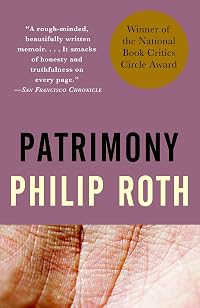
Readers who want as much autobiographical detail as he is willing to provide should read The Discomfort Zone along with How to Be Alone. The theme common to both books is: how I learned to make my peace with the world and, by reading books, to be alone but not too alone; how I came in from the cold of being a difficult young man.
added by jburlinson
Lists

Llibres que he llegit el 2008
33 works; 1 member
Author Information

35+ Works 41,329 Members
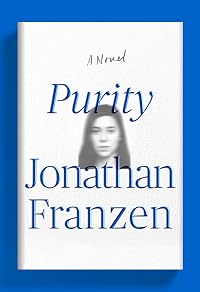
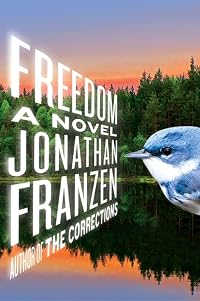
Jonathan Franzen was born in Western Springs, Illinois on August 17, 1959. He graduated from Swarthmore College in 1981, and went on to study at the Freie University in Berlin as a Fulbright scholar. He worked in a seismology lab at Harvard University's Department of Earth and Planetary Sciences after graduation. His works include The show more Twenty-Seventh City (1988), Strong Motion (1992), How to Be Alone (2002), and The Discomfort Zone (2006). The Corrections (2001) won a National Book Award and the 2002 James Tait Black Memorial Prize for fiction. Freedom (2010) is an Oprah Book Club selection. He also won a Whiting Writers' Award in 1988 and the American Academy's Berlin Prize in 2000. He is also a frequent contributor to Harper's and The New Yorker. In 2015 his title Purity made The New Yort Times and New Zealand Best Seller List. (Bowker Author Biography) show less
Some Editions
Awards and Honors
Common Knowledge
- Canonical title*
- De onbehaaglijkheidsfactor
- Original title
- The Discomfort Zone
- Original publication date
- 2006
- People/Characters*
- Jonathan Franzen
- Important places
- Webster Groves, Missouri, USA; New York, New York, USA; Germany
- Dedication
- For Bob and Tom
- First words
- There'd been a storm that evening in St. Louis.
- Last words
- (Click to show. Warning: May contain spoilers.)"So? What did you see?"
- Original language*
- Englisch
*Some information comes from Common Knowledge in other languages. Click "Edit" for more information.
Classifications
Statistics
- Members
- 1,458
- Popularity
- 16,138
- Reviews
- 39
- Rating
- (3.33)
- Languages
- 13 — Danish, Dutch, English, Finnish, French, German, Hungarian, Italian, Japanese, Norwegian (Bokmål), Portuguese, Spanish, Swedish
- Media
- Paper, Audiobook, Ebook
- ISBNs
- 41
- UPCs
- 1
- ASINs
- 11