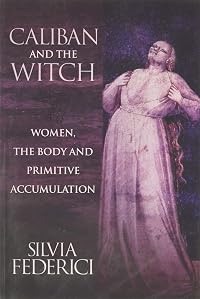
Caliban and the Witch: Women, the Body, and Primitive Accumulation
by Silvia Federici
On This Page
Description
A history of the body in the transition to capitalism. Moving from the peasant revolts of the late Middle Ages to the witch-hunts and the rise of mechanical philosophy, Federici investigates the capitalist rationalization of social reproduction. She shows how the battle against the rebel body and the conflict between body and mind are essential conditions for the development of labor power and self-ownership, two central principles of modern social organization.Tags
Recommendations











































Member Recommendations

Member Reviews
Tarihe ‘Cadı Avı Çağı’ olarak geçen karanlık dönem, genellikle filmlere ve romanlara konu olmuş, popüler kültürün bir parçası hâline gelmiş Salem cadılık davaları aracılığıyla bilinir. Oysa okyanusun karşı yakasında yürütülen Salem davaları, aynı dönemde Avrupa'da yaşanan kıyıma kıyasla hikâyenin sadece çok küçük bir parçasıdır. Avrupa tarihinin yaklaşık 300 yıllık bir dilimine damgasını vurmuş cadı avı çılgınlığı, doğal, iktisadi ve toplumsal koşullarda meydana gelen ani değişimlerin, kimlik bunalımlarının ve ötekine yönelik müzmin düşmanlığın küçük bir kıvılcımla kitlesel bir histeriye dönüşüp Avrupa’yı en ücra yerlerine kadar küle show more çevirdiği bir yangının adı hâline gelmiştir.
Silvia Federici, modern klasiklerden biri hâline gelmiş bu abidevi kitabında, okura bambaşka bir tablo sunuyor. Cadı avlarının, akıldışı korkuların yol açtığı dizginsiz bir deliliğin uç noktası olmadığını, o sıralar yeni oluşan kapitalist düzenin acımasız ve katı mantığının tamamen ‘akılcı’ ve hesaplanabilir bir sonucu olduğunu gözler önüne seriyor. Topraksız bırakılan köylülerin isyanlarından kadın bedeninin işgücünü üreten bir kuluçka makinesi olarak görülüp kadının ev işlerine mahkûm edilmesine uzanan süreçte cadı avlarının kadınları değersizleştirmek, şeytanlaştırmak, onların toplumsal güçlerini ellerinden almak için başlatılmış planlı ve meşum bir girişim olduğunu haykırıyor. Cadıların yok olduğu işkence odalarında, kazıklarda, burjuvanın kadınlık ve eve bağlılık ideallerinin nasıl filizlendiğini anlatıyor. Toplumsal çalkantıların, açlığın, kıtlığın ve salgın hastalıkların tam ortasında, toplumlar çökerken kapitalizmin yükselişinin, bedenin bir direniş alanı hâline gelişinin, kadınların anlatılmayan hikâyesinin izini sürüyor. show less
Silvia Federici, modern klasiklerden biri hâline gelmiş bu abidevi kitabında, okura bambaşka bir tablo sunuyor. Cadı avlarının, akıldışı korkuların yol açtığı dizginsiz bir deliliğin uç noktası olmadığını, o sıralar yeni oluşan kapitalist düzenin acımasız ve katı mantığının tamamen ‘akılcı’ ve hesaplanabilir bir sonucu olduğunu gözler önüne seriyor. Topraksız bırakılan köylülerin isyanlarından kadın bedeninin işgücünü üreten bir kuluçka makinesi olarak görülüp kadının ev işlerine mahkûm edilmesine uzanan süreçte cadı avlarının kadınları değersizleştirmek, şeytanlaştırmak, onların toplumsal güçlerini ellerinden almak için başlatılmış planlı ve meşum bir girişim olduğunu haykırıyor. Cadıların yok olduğu işkence odalarında, kazıklarda, burjuvanın kadınlık ve eve bağlılık ideallerinin nasıl filizlendiğini anlatıyor. Toplumsal çalkantıların, açlığın, kıtlığın ve salgın hastalıkların tam ortasında, toplumlar çökerken kapitalizmin yükselişinin, bedenin bir direniş alanı hâline gelişinin, kadınların anlatılmayan hikâyesinin izini sürüyor. show less
Finally finished this book after starting it in April.
Probably the second most important non-fiction book I have read. It filled me with so much anger and despair (has to put it down multiple times), and it gave me so much perspective on the process of primitive accumulation, it's connection to colonialism, and it's inherent link with the witch hunt.
I am exaggerating only slightly when I say all men should be killed and the European continent nuked from orbit. This, of course, is in no way the message of the book. It's a classic piece of scholarship tracking the shunned story of the women and indigenous folk that got genocided as Witches and Calibans during the enforcement of social discipline on the proletariat and the peasantry show more during the transition from feudalism to global capitalist social relations.
What particularly draw my interest was the material connection between the mode of production and the systematic assault on women's (sexual violence, state control over women's bodies, witch hunt) and indigenous peoples' (slavery, forced labour in mines, genocide) labour and way of life. I also found very informative the author's account of sex work, it's development and it's persecution during this same period. show less
Probably the second most important non-fiction book I have read. It filled me with so much anger and despair (has to put it down multiple times), and it gave me so much perspective on the process of primitive accumulation, it's connection to colonialism, and it's inherent link with the witch hunt.
I am exaggerating only slightly when I say all men should be killed and the European continent nuked from orbit. This, of course, is in no way the message of the book. It's a classic piece of scholarship tracking the shunned story of the women and indigenous folk that got genocided as Witches and Calibans during the enforcement of social discipline on the proletariat and the peasantry show more during the transition from feudalism to global capitalist social relations.
What particularly draw my interest was the material connection between the mode of production and the systematic assault on women's (sexual violence, state control over women's bodies, witch hunt) and indigenous peoples' (slavery, forced labour in mines, genocide) labour and way of life. I also found very informative the author's account of sex work, it's development and it's persecution during this same period. show less
Logo na introdução a autora nos faz cientes de quais foram os erros nos estudos de Marx e Foucault por não terem colocado um recorte de gênero em suas teorias, no caso de Marx a questão fundamental da opressão feminina no surgimento do capitalismo e no caso de Foucault a relevância da confissão das mulheres aos inquisidores na História da sexualidade e a manutenção dos corpos dóceis como tática do patriarcado capitalista.
No primeiro capítulo Federici nos dá os parâmetros de como se construiu a misoginia que levou à caça às bruxas, de como as mulheres em determinado período da Idade Média ainda tinham uma certa autonomia e como coisas como estupro e prostituição institucionalizados ajudaram na degradação da show more posição da mulher.
No segundo capítulo a autora destrincha as questões de como a misoginia e o racismo foram institucionalizados pelos governos antes de se espalharem sócio-culturalmente em função de uma divisão sexual e racial do trabalho, em que homens brancos detinham toda a acumulação primitiva do trabalho e do dinheiro.
No terceiro capítulo insere-se de que forma foi intelectualizado o disciplinamento dos corpos proletários pelo Estado através de Descartes e Hobbes, é Calibã caindo sobre a opressão de Próspero.
O quarto capítulo é o mais compreensivo sobre a mulher vista como bruxa no renascimento, como sua imagem de congregadora comunal ameaçava o capitalismo, assim como usa sexualidade e liberdade reprodutiva ameaçavam a intelectualidade mecanicista e a reprodução dos meios de produção. É também no renascimento que ocorreu o desmerecimento e diminuição das mulheres idosas passando a serem consideradas bruxas sexual, moral e fisicamente decrépitas quando até a idade média eram consideradas sábias.
No quinto e último capítulo faz-se um paralelo entre a caça às bruxas europeia e a do novo mundo, exemplificando como as mulheres indígenas foram devastadas com a chegada do patriarcado europeu e ao mesmo tempo se tornaram símbolo de resistência indígena.
Enfim, livraço, com lugar de honra na minha lista de melhores lançamentos de 2017 no Brasil. show less
No primeiro capítulo Federici nos dá os parâmetros de como se construiu a misoginia que levou à caça às bruxas, de como as mulheres em determinado período da Idade Média ainda tinham uma certa autonomia e como coisas como estupro e prostituição institucionalizados ajudaram na degradação da show more posição da mulher.
No segundo capítulo a autora destrincha as questões de como a misoginia e o racismo foram institucionalizados pelos governos antes de se espalharem sócio-culturalmente em função de uma divisão sexual e racial do trabalho, em que homens brancos detinham toda a acumulação primitiva do trabalho e do dinheiro.
No terceiro capítulo insere-se de que forma foi intelectualizado o disciplinamento dos corpos proletários pelo Estado através de Descartes e Hobbes, é Calibã caindo sobre a opressão de Próspero.
O quarto capítulo é o mais compreensivo sobre a mulher vista como bruxa no renascimento, como sua imagem de congregadora comunal ameaçava o capitalismo, assim como usa sexualidade e liberdade reprodutiva ameaçavam a intelectualidade mecanicista e a reprodução dos meios de produção. É também no renascimento que ocorreu o desmerecimento e diminuição das mulheres idosas passando a serem consideradas bruxas sexual, moral e fisicamente decrépitas quando até a idade média eram consideradas sábias.
No quinto e último capítulo faz-se um paralelo entre a caça às bruxas europeia e a do novo mundo, exemplificando como as mulheres indígenas foram devastadas com a chegada do patriarcado europeu e ao mesmo tempo se tornaram símbolo de resistência indígena.
Enfim, livraço, com lugar de honra na minha lista de melhores lançamentos de 2017 no Brasil. show less
A fascinating book I may never have heard of except for the brief experiment that was Bitches with Bookmarks (an attempted online book club). This was our second (and probably last) book.
Anyway, it's a book about the history of capitalism, especially how it affected the role of women in society. How the costs of production -- reproduction, caring for and feeding a family -- were outsourced, how women's knowledge and wisdom was undermined and devalued, how the period of witch hunts served to collectively break the resistance of all women, and to separate them from an earlier society in which they had more respect and autonomy.
Full of ideas and contexts that hadn't occurred to me before -- this book blew my mind on a regular basis. Not a show more perfect book -- some arguments felt like overreaches, but considering the scope of history it's discussing, and the slimness of the volume, it packs quite a wallop.
Will definitely affect the lens through which I examine history for quite some time. show less
Anyway, it's a book about the history of capitalism, especially how it affected the role of women in society. How the costs of production -- reproduction, caring for and feeding a family -- were outsourced, how women's knowledge and wisdom was undermined and devalued, how the period of witch hunts served to collectively break the resistance of all women, and to separate them from an earlier society in which they had more respect and autonomy.
Full of ideas and contexts that hadn't occurred to me before -- this book blew my mind on a regular basis. Not a show more perfect book -- some arguments felt like overreaches, but considering the scope of history it's discussing, and the slimness of the volume, it packs quite a wallop.
Will definitely affect the lens through which I examine history for quite some time. show less
Excellent read on the end of European feudalism and the war capitalism waged to subdue peasants. Like many, my education about the Middle Ages was very limited, and my impression was mostly that of a miserable, impoverished peasantry in virtual slavery to their feudal lords. Little did I know that peasants actually had power - and lots of it - in the twilight of feudalism. The disintegrating feudal relationship, along with the massive labor shortage caused by the Black Death, led to massive wars against feudal masters and skyrocketing wages for workers.
It is in this context that Federici describes the 'Age of the Whip' - the imposition of capitalist discipline on a resistant peasantry. In particular, she explores the evolution of a show more number of trends, including: the enclosure of the commons and the 'bloody' laws against vagabonds, the shift to a mechanical view of the body, and most especially the war on women in the form of popular misogyny and witch burnings. She does a great job of tying these strands together in a way that's elucidating and engaging. There were a few moments towards the end of the book where I had to remind myself of the big picture, and the final chapter on the witch hunt in the Americas was not meshed well with the rest of the book, but overall a wonderful and highly recommended book. show less
It is in this context that Federici describes the 'Age of the Whip' - the imposition of capitalist discipline on a resistant peasantry. In particular, she explores the evolution of a show more number of trends, including: the enclosure of the commons and the 'bloody' laws against vagabonds, the shift to a mechanical view of the body, and most especially the war on women in the form of popular misogyny and witch burnings. She does a great job of tying these strands together in a way that's elucidating and engaging. There were a few moments towards the end of the book where I had to remind myself of the big picture, and the final chapter on the witch hunt in the Americas was not meshed well with the rest of the book, but overall a wonderful and highly recommended book. show less
This is a really interesting text exploring women and the costs to women (the violence against women) inherent in shifts to capitalism, primarily in Europe (which we'll hit on later.) Federici is drawing together a LOT here, and in some cases, drawing together vast bodies of literature that don't speak very much to each other. In some cases, I was left wondering if her reach was too broad here, because I wasn't sure it all came together. At the beginning of the book, she discussed how, rather than focus on the titular Caliban, she was going to focus on the witch, but for me, the focus on European women overwhelmed the mentions of indigenous or African women, and how colonization deeply shaped not just developments of capitalism in show more Europe, but also ideas about womanhood more generally. Federici gestures at it sometimes, and works really hard to claim that poor women are demonized before colonization happens, but I'm not sure she really gives the claim as much weight or engages with it as much (especially thinking about African women and reproductive capacity, etc. etc.)
Which is not to say she's not making an impressive argument here, just that maybe I wasn't convinced by all parts of her argument. Regardless, I think this is a really fascinating look at the gendered aspects of the closures of the commons and beyond. I'm not sure I'm as well-read in Marxist history as I should be to approach this book, but I felt like I could mostly understand her arguments in spite of that fact. show less
Which is not to say she's not making an impressive argument here, just that maybe I wasn't convinced by all parts of her argument. Regardless, I think this is a really fascinating look at the gendered aspects of the closures of the commons and beyond. I'm not sure I'm as well-read in Marxist history as I should be to approach this book, but I felt like I could mostly understand her arguments in spite of that fact. show less
Fascinating and incredibly important book. Covers the history of the end of feudalism, the rise of capitalism, the rise of current patriarchal forms, colonialism, witch hunts and more. Makes it clear that capitalism was founded on the oppression of women and with massive resistance every step of the way. Shows the importance of reproductive control. Talks about the oppressive elements of philosophy from the time. Covers so much that it skips some historical detail but it doesn't matter. An essential book for correcting the male centred perspectives of today as well as linking social rebellion of now to the past. Read this if you're at all interested in feminism or anti-capitalism.
edit: i feel obliged to somewhat temper what i said above show more 18 months later. I've read fragments about problems with historiography in the book, particularly http://libcom.org/blog/witch-hunts-transition-capitalism-20122011 and reading bits and pieces people who've immersed themselves in the witchhunt literature have said. from what i understand, much of the problem is that a lot more information and research has come out in the last 30-40 years that gives a very different understanding of the political, sociological and legal aspects of it - see http://www.kersplebedeb.com/mystuff/feminist/gibbons_witch.html. the problem is this book focuses on older sources (and has the problem of not always citing properly) which means it uses some inaccurate information and has only a limited perspective simply because the information wasn't widely available or understood at the time the book was written (probably). as someone who's not read other witch hunt stuff i can't comment in detail and I've not seen a more comprehensive criticism, i just think it's important to note and to make sure you don't take all the history as gospel. that's not to smear the book and i still stand by it being a very interesting and important book politically and it's still full of useful history. just wanted to put up some new information show less
edit: i feel obliged to somewhat temper what i said above show more 18 months later. I've read fragments about problems with historiography in the book, particularly http://libcom.org/blog/witch-hunts-transition-capitalism-20122011 and reading bits and pieces people who've immersed themselves in the witchhunt literature have said. from what i understand, much of the problem is that a lot more information and research has come out in the last 30-40 years that gives a very different understanding of the political, sociological and legal aspects of it - see http://www.kersplebedeb.com/mystuff/feminist/gibbons_witch.html. the problem is this book focuses on older sources (and has the problem of not always citing properly) which means it uses some inaccurate information and has only a limited perspective simply because the information wasn't widely available or understood at the time the book was written (probably). as someone who's not read other witch hunt stuff i can't comment in detail and I've not seen a more comprehensive criticism, i just think it's important to note and to make sure you don't take all the history as gospel. that's not to smear the book and i still stand by it being a very interesting and important book politically and it's still full of useful history. just wanted to put up some new information show less
Members
- Recently Added By
Lists

Favourite Books
1,819 works; 316 members

Books Read in 2017
4,249 works; 129 members

Top Five Books of 2023
767 works; 317 members

Mo's Reading List
218 works; 1 member

Mo's Reading List (Abridged)
75 works; 1 member

Reading LIst
648 works; 1 member

Books in the Bibliography of The Dawn of Everything by Graeber & Wengrow
478 works; 2 members
Author Information

35+ Works 2,568 Members
Silvia Federici is a feminist writer, teacher, and militant. In 1972, she cofounded the International Feminist Collective, which launched the Wages for Housework campaign. Her books include Caliban and the Witch; Re-enchanting the World; Beyond the Periphery of the Skin; and Witches, Witch-Hunting, and Women. She is a professor emerita at Hofstra show more University, where she taught social sciences. She worked as a teacher in Nigeria for many years and was also the cofounder of the Committee for Academic Freedom in Africa. show less
Some Editions
Awards and Honors
Common Knowledge
- Canonical title
- Caliban and the Witch: Women, the Body, and Primitive Accumulation
- Original publication date
- 2004
- First words
- All the world must suffer a big jolt.There will be such a game thT the
ungodLy will be thrown off their seats, and the downtrodden will rise.
-Thomas Muntzer
Classifications
- Genres
- Nonfiction, Sexuality and Gender Studies, General Nonfiction, History, Philosophy, Religion & Spirituality
- DDC/MDS
- 305.4094 — Society, government, & culture Social sciences, sociology & anthropology Social group - Age, Gender, Ethnicity Women Standard subdivisions History, geographic treatment, biography Europe
- LCC
- HQ1147 .E85 — Social sciences The family. Marriage, Women and Sexuality The Family. Marriage. Women Women. Feminism
- BISAC
Statistics
- Members
- 1,447
- Popularity
- 16,226
- Reviews
- 22
- Rating
- (4.31)
- Languages
- 9 — Catalan, Danish, English, French, German, Italian, Spanish, Turkish, Portuguese (Portugal)
- Media
- Paper, Audiobook, Ebook
- ISBNs
- 26
- ASINs
- 7