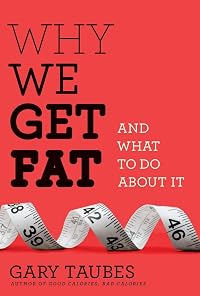
Why We Get Fat: And What to Do About It
by Gary Taubes
On This Page
Description
NATIONAL BESTSELLER • “Taubes stands the received wisdom about diet and exercise on its head.” —The New York TimesWhat’s making us fat? And how can we change? Building upon his critical work in Good Calories, Bad Calories and presenting fresh evidence for his claim, bestselling author Gary Taubes revisits these urgent questions. Featuring a new afterword with answers to frequently asked questions.
Taubes reveals the bad nutritional science of the last century—none more damaging show more or misguided than the “calories-in, calories-out” model of why we get fat—and the good science that has been ignored. He also answers the most persistent questions: Why are some people thin and others fat? What roles do exercise and genetics play in our weight? What foods should we eat, and what foods should we avoid? Persuasive, straightforward, and practical, Why We Get Fat is an essential guide to nutrition and weight management.
Complete with an easy-to-follow diet. Featuring a new afterword with answers to frequently asked questions.
. show less
Tags
Recommendations

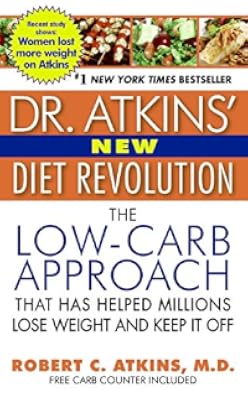
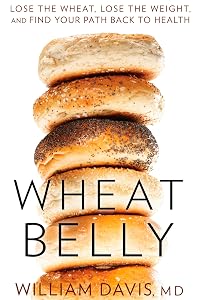
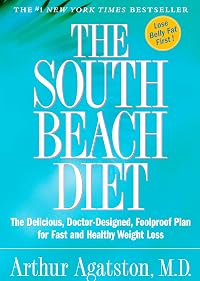
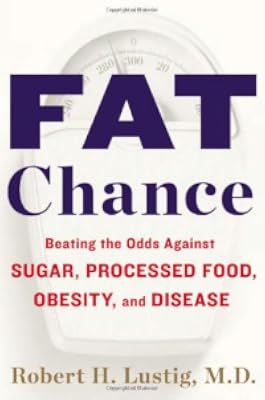
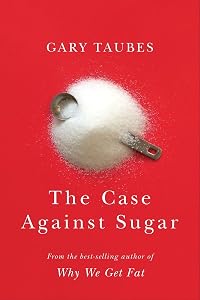
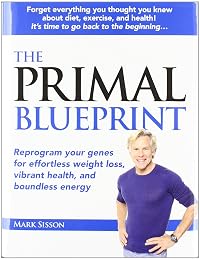
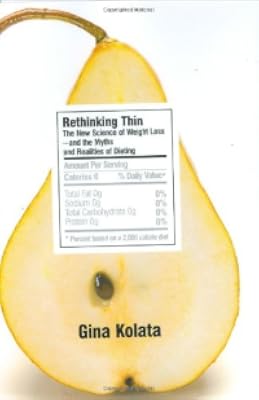
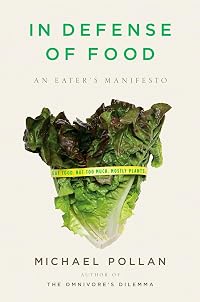
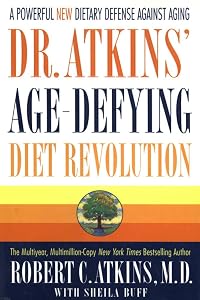
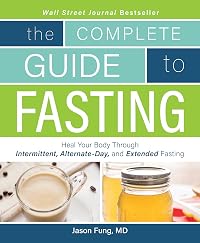
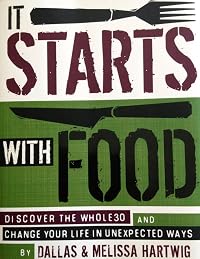
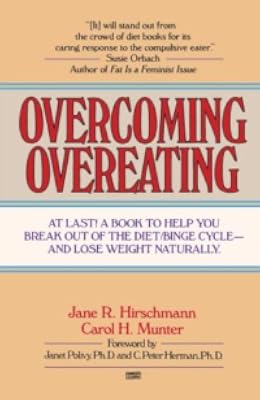
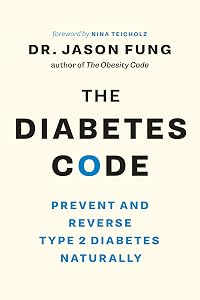
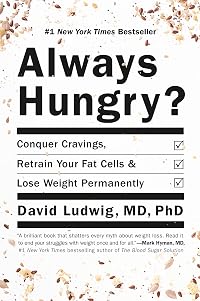
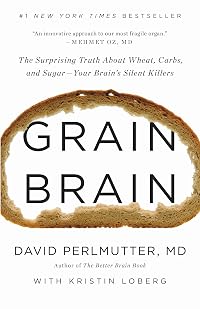
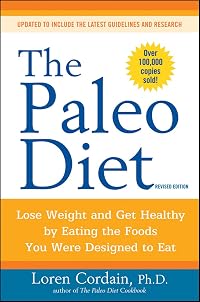
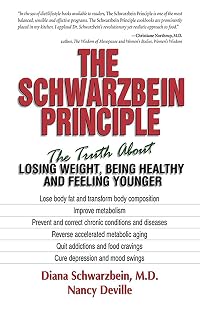
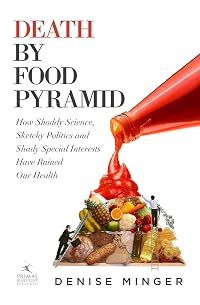
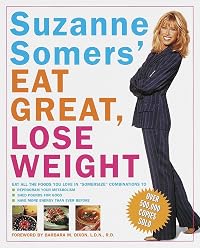
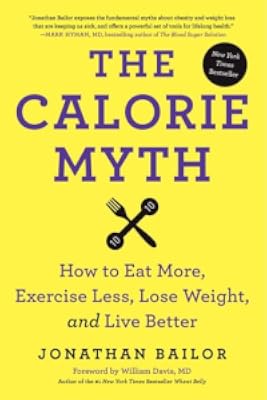

Member Recommendations
melmore Both books explore the same thesis, that mainstream dietary science has been hijacked by researchers with an agenda (low-fat, high-carb diets), and the results have been disastrous for Western society. Both works are painstakingly researched and show in great detail the ways in which scientific consensus can develop despite, rather than because of, empirical research.
Member Reviews
Taubes has, in this short book, presented most of the information in The Diet Delusion (Good Calories, Bad Calories, in North America), but in a more accessible form for the lay reader, as apparently requested by many medics who had read the original book. The references and science aren't there to the same degree but as a result it is more readable.
I would definitely recommend this to anyone with even the vaguest interest into why the western world is getting fatter, though if you are interested in the politics, go to the original. As for a personal recommendation, I have weighed the same, give or take a pound or two and two pregnancies for 25 years, but I thought I would experiment and see what a low carb diet felt like: I only did it show more for 2 weeks, felt fine and not at all hungry, continued to drink wine, and lost over 2 kg! And I seem to be getting up the hills faster too, which can't be bad :-) show less
I would definitely recommend this to anyone with even the vaguest interest into why the western world is getting fatter, though if you are interested in the politics, go to the original. As for a personal recommendation, I have weighed the same, give or take a pound or two and two pregnancies for 25 years, but I thought I would experiment and see what a low carb diet felt like: I only did it show more for 2 weeks, felt fine and not at all hungry, continued to drink wine, and lost over 2 kg! And I seem to be getting up the hills faster too, which can't be bad :-) show less
What Gary Taubes discusses in this book flies in the face of the majority of the medical literature regarding weight loss. He claims that the calories in/calories out paradigm is simplistic at best and dangerous at worst. Eating less and exercising more to lose weight does not have supporting evidence as a method. In fact, the concept of calories in/calories out was not in use by the medical profession until after World War II. At some point, medicine began to see eating and exercise as an energy balance, ignoring the myriad factors that go on within bodies regardless of how much was eaten or how much exercise was undertaken.
Modern medical literature focusing on calories in/calories out uses faulty logic based on the mechanics of show more thermodynamics. However, this disregards the fact that the energy we consume and the energy we expend are dependent on each other. Eating less and exercising more do not work to lose weight because the less you eat, the less energy you have and the more the metabolic rate slows, thereby burning less fat for energy. Just because you are exercising does not mean that fat will be burned. While exercise has many positive health effects, it must be strenuous to influence weight loss and causes a larger appetite – thereby increasing the number of calories ingested.
Food energy being converted into fat has much to do with an individual’s physiology, metabolism, genetics, and environment. However, the foods one chooses to eat do play a major role. Contrary to medical advice, foods that cause fat are not the ones that actually contain fat themselves. It is the refined flour products (breads, cereals, pastas), liquid carbohydrates (beers, fruit juices, sodas), and starches (potatoes, rice, corn) that cause weight gain. These foods cause a surge of sugars in the bloodstream, thereby causing our bodies to create insulin. When we secrete insulin, we accumulate fat because our cells will hold onto the fat rather than use it for fuel. Put simplistically, reducing the foods that cause our bodies to produce insulin allows the fat in our cells to be released.
Another element that Taubes seeks to shed a light on revolves around the damage to one’s mental state that the calories in/calories out paradigm engenders. Telling people that they need to lose weight by eating less and exercising more implies that they are lazy and lack willpower. However, this ignores effects of carbohydrates on bodies. Low-carbohydrate diets reduce the amount of insulin created, thereby inducing weight loss. Low-fat diets have the net effect of minimizing weight loss by increasing the amount of carbohydrates eaten. Many are misguided into eating more carbohydrates than they should to lose weight when they should instead be eating meats and fats.
Taubes also dispels the notion that foods high in fat content cause other problems, such as heart disease and high cholesterol. Once again, the medical establishment has viewed fat and cholesterol too one-dimensionally. There are two kinds of cholesterol, HDL (“good” cholesterol) and LDL (“bad” cholesterol). High LDL is not the only factor for heart disease; low HDL is also a contributor. Eating a lot of carbohydrates will reduce both kinds of cholesterol, and a low HDL is a much better predictor of heart disease than a high LDL. When discussing lard, for instance, Taubes states, “…if you replace the carbohydrates in your diet with an equal quantity of lard, it will actually reduce your risk of having a heart attack” (p. 189-190).
I found Taubes' arguments quite fascinating in their logic and scientific rationale. What at first may seem counter-intuitive becomes much clearer with his detailed explanations that manage to omit unnecessary medical jargon while still providing a high level of reasoning grounded in scientific studies. I am certain that the concepts brought forth will be controversial and contradictory for many. However when working beyond the paradigm of calories in/calories out and taking a closer look at the paradox that this concept prompts, Taubes’ arguments hold water. show less
Modern medical literature focusing on calories in/calories out uses faulty logic based on the mechanics of show more thermodynamics. However, this disregards the fact that the energy we consume and the energy we expend are dependent on each other. Eating less and exercising more do not work to lose weight because the less you eat, the less energy you have and the more the metabolic rate slows, thereby burning less fat for energy. Just because you are exercising does not mean that fat will be burned. While exercise has many positive health effects, it must be strenuous to influence weight loss and causes a larger appetite – thereby increasing the number of calories ingested.
Food energy being converted into fat has much to do with an individual’s physiology, metabolism, genetics, and environment. However, the foods one chooses to eat do play a major role. Contrary to medical advice, foods that cause fat are not the ones that actually contain fat themselves. It is the refined flour products (breads, cereals, pastas), liquid carbohydrates (beers, fruit juices, sodas), and starches (potatoes, rice, corn) that cause weight gain. These foods cause a surge of sugars in the bloodstream, thereby causing our bodies to create insulin. When we secrete insulin, we accumulate fat because our cells will hold onto the fat rather than use it for fuel. Put simplistically, reducing the foods that cause our bodies to produce insulin allows the fat in our cells to be released.
Another element that Taubes seeks to shed a light on revolves around the damage to one’s mental state that the calories in/calories out paradigm engenders. Telling people that they need to lose weight by eating less and exercising more implies that they are lazy and lack willpower. However, this ignores effects of carbohydrates on bodies. Low-carbohydrate diets reduce the amount of insulin created, thereby inducing weight loss. Low-fat diets have the net effect of minimizing weight loss by increasing the amount of carbohydrates eaten. Many are misguided into eating more carbohydrates than they should to lose weight when they should instead be eating meats and fats.
Taubes also dispels the notion that foods high in fat content cause other problems, such as heart disease and high cholesterol. Once again, the medical establishment has viewed fat and cholesterol too one-dimensionally. There are two kinds of cholesterol, HDL (“good” cholesterol) and LDL (“bad” cholesterol). High LDL is not the only factor for heart disease; low HDL is also a contributor. Eating a lot of carbohydrates will reduce both kinds of cholesterol, and a low HDL is a much better predictor of heart disease than a high LDL. When discussing lard, for instance, Taubes states, “…if you replace the carbohydrates in your diet with an equal quantity of lard, it will actually reduce your risk of having a heart attack” (p. 189-190).
I found Taubes' arguments quite fascinating in their logic and scientific rationale. What at first may seem counter-intuitive becomes much clearer with his detailed explanations that manage to omit unnecessary medical jargon while still providing a high level of reasoning grounded in scientific studies. I am certain that the concepts brought forth will be controversial and contradictory for many. However when working beyond the paradigm of calories in/calories out and taking a closer look at the paradox that this concept prompts, Taubes’ arguments hold water. show less
This book has impacted me profoundly. I had been gradually making the move to the idea that carbs were causing the bulk of my problems around weight gain and energy management but this book really tipped the scales for me. His arguments are compelling and, frankly, undeniable in the face of the research he provides to back up his case. Public health advocates in this country got it wrong and they've done us a tremendous disservice by continuing to villanize fat while treating sugar/refined carbs as benign.
I discovered this book from an article in Newsweek, and after reading Rethinking Thin earlier this year and being impressed by its scientific approach I decided to venture once more into the hotly-debated world of diet & nutrition where the potential for pseudo-science is high. Disclaimer: I'm not a nutritionist, nor a biologist. I read these topics with an open mind and a skeptical eye.
Why We Get Fat by Gary Taubes spends the first 90% of the book explaining, with a higher-than-average amount of scientific detail, what happens in our bodies when we eat the things we do. The data is backed up by tested experiments and historical accounts. Many of the specifics are devoted to addressing and debunking some of the diet notions we hold to show more be true. Calories in, calories out is one example that is almost certainly false even though many still believe it.
The diet in question is a no sugar, no starch approached, and the reasoning is based on what our pre-history ancestors subsisted on for thousands of years before we started refining and processing everything. The book doesn't advocate hunting your own meals or anything like that, but it does recommend avoiding those foods which have only been around a short time on the evolutionary scale, which is to say not enough time for our bodies to adapt.
The last part of Why We Get Fat is instructional. This includes how to change your eating habits and some specifics on portions and meal recommendations. The science makes sense to me and I'm intrigued enough to try eating this way for a while.
*** 3-month update *** I followed this plan to exact specifications for two months and then relaxed a few requirements while adding some occasional cheating in the last month. In a nutshell, this diet works. And to paraphrase the author, eating this way is no more a diet than a non-smoker is on a diet from cigarettes. We live in a sugar and starch world, but if you work to put a few good habits in place the rewards are worth it. I wasn't overweight when I began (according to my BMI), but I did lose 12 lbs in all—and 6 were lost in the first few weeks. Healthy eating was my goal; the weight loss was a positive side effect. I intend to continue on indefinitely.
Some tips for sticking with it:
- As expected, the first week is the hardest. I remember my body going through a carb withdrawal. It wasn't hunger, but more like a mourning period for a comfort I lost.
- Having a plan is necessary to avoid the inevitable cravings. I ate the same breakfast, lunch and snack every day for weeks at the start. Suppers were similar but varied.
- Keep snacks nearby at all times. My favorites are cheese and pepperoni slices or cucumber with chili lime salt. This isn't a calorie-restricted diet. By all means, eat when you're hungry!
- Most people will not understand why you're doing this. Twice while ordering at a restaurant I had to repeat my order (please substitute salad greens for potatoes) when the waitress thought she heard me wrong. Also, there's the occasional joke from the grocer when I place mostly vegetables on the check-out counter.
- You're grocery expense will increase, mine did about 33%, but your eating-out expenses should go down.
*** 1 year+ update *** I'm a stubborn guy and I don't easily give up on things that work, even if they're hard. This diet is a lot of extra work, but the results don't lie so I soldier on. And after a year I've gotten used to it. I don't weigh myself as frequently anymore because my weight has plateaued at a very-healthy, middle-of-the-chart BMI level. I do cheat and eat sugar and carbs from time to time because the finer things of life are meant to be enjoyed, but these are the exceptions and not the norm. The best result for me is an overall improved feeling of wellness. Finishing a meal usually leaves me energized, not lethargic, and I've only had one instance of being ill since I started (a cold that lasted 2 days). What else is there to say? This is not a fad diet if applied correctly—small changes over time with sustained effort. show less
Why We Get Fat by Gary Taubes spends the first 90% of the book explaining, with a higher-than-average amount of scientific detail, what happens in our bodies when we eat the things we do. The data is backed up by tested experiments and historical accounts. Many of the specifics are devoted to addressing and debunking some of the diet notions we hold to show more be true. Calories in, calories out is one example that is almost certainly false even though many still believe it.
The diet in question is a no sugar, no starch approached, and the reasoning is based on what our pre-history ancestors subsisted on for thousands of years before we started refining and processing everything. The book doesn't advocate hunting your own meals or anything like that, but it does recommend avoiding those foods which have only been around a short time on the evolutionary scale, which is to say not enough time for our bodies to adapt.
The last part of Why We Get Fat is instructional. This includes how to change your eating habits and some specifics on portions and meal recommendations. The science makes sense to me and I'm intrigued enough to try eating this way for a while.
*** 3-month update *** I followed this plan to exact specifications for two months and then relaxed a few requirements while adding some occasional cheating in the last month. In a nutshell, this diet works. And to paraphrase the author, eating this way is no more a diet than a non-smoker is on a diet from cigarettes. We live in a sugar and starch world, but if you work to put a few good habits in place the rewards are worth it. I wasn't overweight when I began (according to my BMI), but I did lose 12 lbs in all—and 6 were lost in the first few weeks. Healthy eating was my goal; the weight loss was a positive side effect. I intend to continue on indefinitely.
Some tips for sticking with it:
- As expected, the first week is the hardest. I remember my body going through a carb withdrawal. It wasn't hunger, but more like a mourning period for a comfort I lost.
- Having a plan is necessary to avoid the inevitable cravings. I ate the same breakfast, lunch and snack every day for weeks at the start. Suppers were similar but varied.
- Keep snacks nearby at all times. My favorites are cheese and pepperoni slices or cucumber with chili lime salt. This isn't a calorie-restricted diet. By all means, eat when you're hungry!
- Most people will not understand why you're doing this. Twice while ordering at a restaurant I had to repeat my order (please substitute salad greens for potatoes) when the waitress thought she heard me wrong. Also, there's the occasional joke from the grocer when I place mostly vegetables on the check-out counter.
- You're grocery expense will increase, mine did about 33%, but your eating-out expenses should go down.
*** 1 year+ update *** I'm a stubborn guy and I don't easily give up on things that work, even if they're hard. This diet is a lot of extra work, but the results don't lie so I soldier on. And after a year I've gotten used to it. I don't weigh myself as frequently anymore because my weight has plateaued at a very-healthy, middle-of-the-chart BMI level. I do cheat and eat sugar and carbs from time to time because the finer things of life are meant to be enjoyed, but these are the exceptions and not the norm. The best result for me is an overall improved feeling of wellness. Finishing a meal usually leaves me energized, not lethargic, and I've only had one instance of being ill since I started (a cold that lasted 2 days). What else is there to say? This is not a fad diet if applied correctly—small changes over time with sustained effort. show less
After being very favorably impressed with Gary Taubes’s monolithic Good Calories, Bad Calories, I tried to sum up its counterintuitive and potentially life-changing ideas to several people. It was easy to pass along the book’s dietary advice – eat lots of protein and fat, and drop the carbs – but very, very hard to communicate the reasons why this would be a good idea. My listeners were interested – but then put off when I told them Taubes’s masterpiece was a 500-page doorstop, much of it written in dense scientific prose. What’s needed, I thought, was a much shorter and more punchy version of the book.
Why We Get Fat is just that book. Taubes doesn’t break much new ground here, but he did plenty of that in his previous show more book. Instead he presents the eating-carbs-produces-insulin-makes-us-fat thesis in an accessible, brief, but still convincing form.
If you can read this book and still look at a potato or a bowl of breakfast cereal without at least some suspicion, you’ve got more faith in the FDA than I do.
Highly recommended. show less
Why We Get Fat is just that book. Taubes doesn’t break much new ground here, but he did plenty of that in his previous show more book. Instead he presents the eating-carbs-produces-insulin-makes-us-fat thesis in an accessible, brief, but still convincing form.
If you can read this book and still look at a potato or a bowl of breakfast cereal without at least some suspicion, you’ve got more faith in the FDA than I do.
Highly recommended. show less
Fantastic read. Busts many myths related to fat and obesity. Kind of academic text at many places but it is definitely an interesting read. Equips you with basic knowledge and biology behind obesity.
If you are mindful of what you're eating and in what portions, exercising and still struggling with weight creep, this book might be for you. Very accessible argument for conscious decoupling from carbs. Debunks common medical 'wisdom' about the ability of many people to maintain a healthy weight over time through diet and exercise alone. While the author does provide evidence for his premise and much of it has the general ring of truth, supporting studies do seem cherrypicked without much attempt to introduce, much less refute, any counter evidence.
Though the author does provide general eating guidance of what to eat and what not to eat (spoiler: cut way back on carbs), this book is more of argument why a diet makeover may make sense show more and less a how-to nutritional guide. It also presumes that everyone who wants to go carb-free can do so and for several reasons, the reality of that is way more nuanced and complicated.
Overall, an easily digested and a valuable perspective. I've not read anything else by this author, but thanks to another reviewer may eventually pick up Good Calories, Bad Calories for a skim. show less
Though the author does provide general eating guidance of what to eat and what not to eat (spoiler: cut way back on carbs), this book is more of argument why a diet makeover may make sense show more and less a how-to nutritional guide. It also presumes that everyone who wants to go carb-free can do so and for several reasons, the reality of that is way more nuanced and complicated.
Overall, an easily digested and a valuable perspective. I've not read anything else by this author, but thanks to another reviewer may eventually pick up Good Calories, Bad Calories for a skim. show less
Members
- Recently Added By
Published Reviews
ThingScore 75
Mr. Taubes proceeds to stand the received wisdom about diet and exercise on its head in a particularly intriguing and readable synthesis.
added by melmore
Lists

Unshelved Book Clubs
579 works; 5 members

Penguin Random House
458 works; 4 members

Books Read in 2012
59 works; 1 member

Books Read in 2025
4,091 works; 97 members
Author Information

24+ Works 3,605 Members
Awards and Honors
Distinctions
Common Knowledge
- Canonical title
- Why We Get Fat: And What to Do About It
- Original title
- Why We Get Fat: And What to Do About It
Classifications
- Genres
- Health & Wellness, Nonfiction, General Nonfiction, Science & Nature
- DDC/MDS
- 613.712 — Applied science & technology Medicine & health Personal health and Fitness Physical fitness Exercise and sport Exercise for weight loss
- LCC
- RM237.73 .T39 — Medicine Therapeutics. Pharmacology Therapeutics. Pharmacology Diet therapy. Dietary cookbooks
- BISAC
Statistics
- Members
- 1,342
- Popularity
- 17,867
- Reviews
- 54
- Rating
- (3.97)
- Languages
- 8 — English, Finnish, French, Italian, Polish, Portuguese, Spanish, Swedish
- Media
- Paper, Audiobook, Ebook
- ISBNs
- 19
- UPCs
- 1
- ASINs
- 8