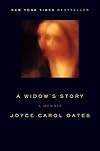
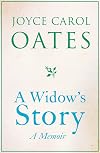
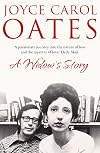
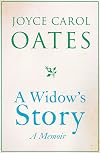
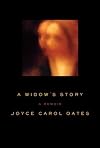
A Widow's Story: A Memoir
by Joyce Carol Oates
On This Page
Description
Joyce Carol Oates shares her struggle to comprehend a life absent of the partnership that had sustained and defined her for nearly half a century.Tags
Recommendations




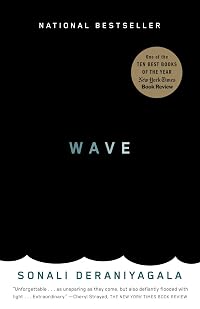
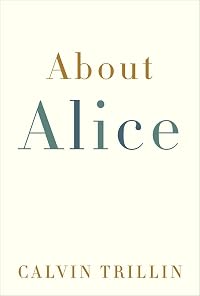
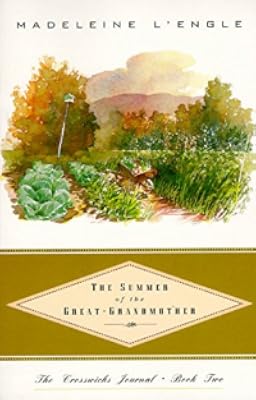
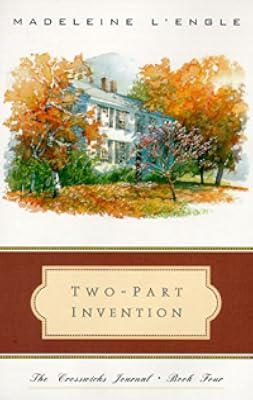


Member Recommendations
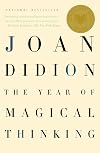
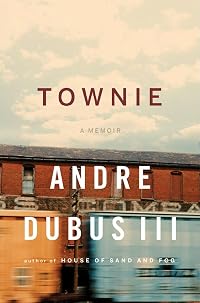
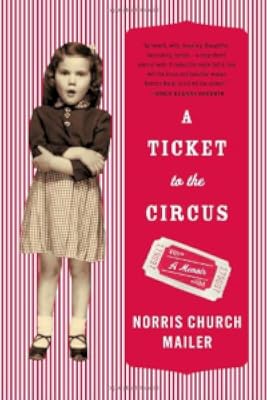
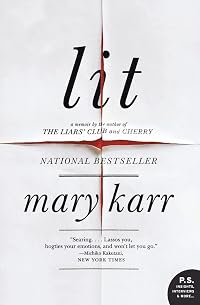
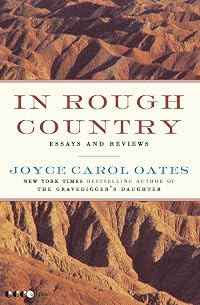
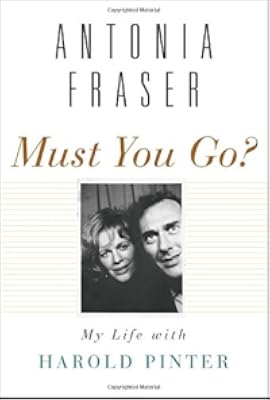
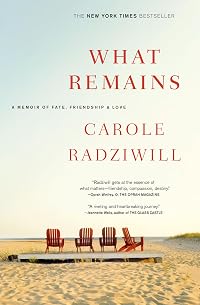
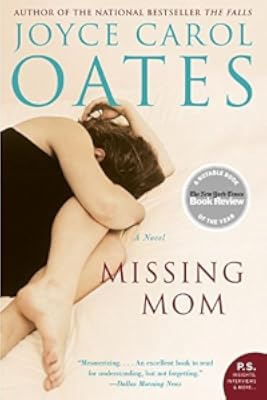
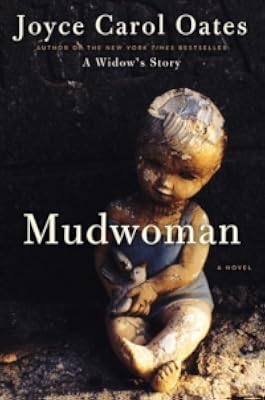
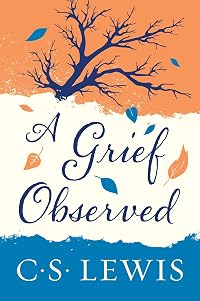
KayCliff Both are autobiographical accounts of the writer's first year of widowhood.

Member Reviews
Oates' writing style, so readable that she makes the slightest most ordinary event of profound interest. Not just a tale of the experience of grief. It is more revealing about JCO and what she is like as a person. After reading "them," I couldn't help feeling like "Who could write like this?" and "What is this person like in real life?" I guess I thought she must be this confident woman who is such a great writer, I wasn't expecting her to have such low self-esteem, such self-loathing. She even seems to blame herself for his death, which I guess is part of the mourning process. As with her dark characters, she allows herself to be fully seen here, warts and all,but you can also feel what a traumatic experience it is to lose a spouse, show more something you're never ready for. show less
A Widow’s Story is the memoir of the devastation Oates experienced when her husband unexpectedly died. The account is dissonant, a tale of wounds rubbed raw recounted in a distanced, refined style.
Oates has entitled her book “A” widow’s story, but often in the course of it, she describes herself in the third person, in italicized letters. Some of these passages read like a third-person commentary (“In this way, unwittingly, and against the grain of her temperament, the widow has made a good decision,” p. 366). Others are formulated as bits of advice, almost like excerpts from a book of etiquette (“Any act a widow performs, or contemplates performing, is an alternative to suicide and is in this desirable however naive, show more foolish, or futile,” p. 97).
I doubt many would prefer a life that never knows companionship, or a series of short, troubled relationships, to a long, happy marriage. There is a price to be paid, however. As Oates describes it, “widowhood is the punishment for having been a wife” (p. 102).
The writing isn’t flawless. At times, Oates uses two adjectives when either (acrid, bitter) would have made the point. And I continue to wonder: are jellyfish both translucent and transparent? A minor quibble, I admit. I admired the way she interspersed batches of her e-mails into the account; they seem like a seismographic chart of her emotional upheaval. It’s a well-structured book, for instance in the recurring motif of the manuscript of Ray’s unfinished novel, abandoned decades earlier.
This is not the kind of book I can say I “liked.” The pain, for all of the polite polish of Oates’s style, is too believably conveyed. I doubt I will soon forget the experience of reading of her struggles with the “basilisk.” That's the name Oates gives to that part of her interior dialogue that she describes as a beady-eyed lizard at the periphery of her vision, ever-reminding her that she is wrong to outlive her husband and that it is futile to continue to live. Does this sound crazy? Oates won’t argue: “Traveling in the wake of my husband’s death has been the outward face of my madness as my madness has been the inward face of my grief” (p. 238). show less
Oates has entitled her book “A” widow’s story, but often in the course of it, she describes herself in the third person, in italicized letters. Some of these passages read like a third-person commentary (“In this way, unwittingly, and against the grain of her temperament, the widow has made a good decision,” p. 366). Others are formulated as bits of advice, almost like excerpts from a book of etiquette (“Any act a widow performs, or contemplates performing, is an alternative to suicide and is in this desirable however naive, show more foolish, or futile,” p. 97).
I doubt many would prefer a life that never knows companionship, or a series of short, troubled relationships, to a long, happy marriage. There is a price to be paid, however. As Oates describes it, “widowhood is the punishment for having been a wife” (p. 102).
The writing isn’t flawless. At times, Oates uses two adjectives when either (acrid, bitter) would have made the point. And I continue to wonder: are jellyfish both translucent and transparent? A minor quibble, I admit. I admired the way she interspersed batches of her e-mails into the account; they seem like a seismographic chart of her emotional upheaval. It’s a well-structured book, for instance in the recurring motif of the manuscript of Ray’s unfinished novel, abandoned decades earlier.
This is not the kind of book I can say I “liked.” The pain, for all of the polite polish of Oates’s style, is too believably conveyed. I doubt I will soon forget the experience of reading of her struggles with the “basilisk.” That's the name Oates gives to that part of her interior dialogue that she describes as a beady-eyed lizard at the periphery of her vision, ever-reminding her that she is wrong to outlive her husband and that it is futile to continue to live. Does this sound crazy? Oates won’t argue: “Traveling in the wake of my husband’s death has been the outward face of my madness as my madness has been the inward face of my grief” (p. 238). show less
I tend to not enjoy reading memoirs, which Joyce Carol Oates describes in this poignant book as at once the most seductive and dangerous of genres. At their worst, they come across as whiny (look at poor me and the vicissitudes I've overcome...) and at best, self-congratulatory. But then every so often one comes along, like Ann Patchett's memoir of a friendship in "Truth and Beauty", and this book by Oates about surviving the death of her husband.
At some point, most of us will survive the loss of a loved one -- a parent, a child, a spouse. It's almost banal. And yet out of this experience, Oates has crafted a book that is unsparing of herself and yet a tribute to the value of loving and being loved. The death of her husband, Ray Smith, show more literally unmoors her, and she drifts far away from her former life, uncertain of whether she wants to return to it or if she ever can. Thoughts of suicide tempt her -- a basilisk figure lurking in the edge of her vision eggs her on, repeatedly, reminding her that she is a valueless person on her own -- even as she battles through the practicalities (disposing of the endless Harry & David "sympathy baskets", coping with distraught cats, reading a stream of sympathy letters.
What struck me as most authentic and valid in this memoir is something that we should all try to remember (including the reviewer who described the author as arrogant and self-pitying): we cannot ever see inside of another's soul to fully understand the torment they are going through. If we are honest, we don't want to. What Oates has done in this memoir is to force us to confront the magnitude of the pain that the death of a spouse of 47 years brings in its wake; a pain that can be amplified rather than muted by the well-meaning gestures and platitudes of others. For whom do we exist? That's a question that Oates tackles indirectly and her verdict is mixed. Despite pondering suicide (periodically, throughout this memoir, she pauses to contemplate just how many pills she has available, and rejoices when she can obtain more) Oates opts for survival, of some kind. But it's as much despite the care and attention of her friends (appreciated, yet never a panacea as no panacea exists) as because of it.
This book is more an act of catharsis than it is one that is intended to be helpful to others in similar situations. But it's also the most honest I've ever read about the way death of a loved one pushes one into oneself, into a state of mind and being that others too often dismiss as "selfish" or self-absorbed.
I didn't find this book depressing, for it is as at least as much about the tremendous power and endurance of love as it as about the sorrows and traumas associated with its loss. As we age, we realize how inextricably the two are linked, and Oates is to be praised for not letting us get away with thinking that we will find the process inspirational or ultimately of value. It's not an easy book to read, but it's powerful, and it goes on to my list of the best books of the year that I've read so far. I wouldn't recommend that anyone who has recently lost a loved one read it -- it may rub salt in the wound, may irritate or anger someone who feels and reacts to that loss in a different manner -- but anyone over the age of 40 should read it, as well as anyone who wants to be reassured that a memoir isn't just a "look how great I am" book in disguise. I've rated it 5 stars.
Full disclosure: I obtained a copy of the book from the publishers via NetGalley.com show less
At some point, most of us will survive the loss of a loved one -- a parent, a child, a spouse. It's almost banal. And yet out of this experience, Oates has crafted a book that is unsparing of herself and yet a tribute to the value of loving and being loved. The death of her husband, Ray Smith, show more literally unmoors her, and she drifts far away from her former life, uncertain of whether she wants to return to it or if she ever can. Thoughts of suicide tempt her -- a basilisk figure lurking in the edge of her vision eggs her on, repeatedly, reminding her that she is a valueless person on her own -- even as she battles through the practicalities (disposing of the endless Harry & David "sympathy baskets", coping with distraught cats, reading a stream of sympathy letters.
What struck me as most authentic and valid in this memoir is something that we should all try to remember (including the reviewer who described the author as arrogant and self-pitying): we cannot ever see inside of another's soul to fully understand the torment they are going through. If we are honest, we don't want to. What Oates has done in this memoir is to force us to confront the magnitude of the pain that the death of a spouse of 47 years brings in its wake; a pain that can be amplified rather than muted by the well-meaning gestures and platitudes of others. For whom do we exist? That's a question that Oates tackles indirectly and her verdict is mixed. Despite pondering suicide (periodically, throughout this memoir, she pauses to contemplate just how many pills she has available, and rejoices when she can obtain more) Oates opts for survival, of some kind. But it's as much despite the care and attention of her friends (appreciated, yet never a panacea as no panacea exists) as because of it.
This book is more an act of catharsis than it is one that is intended to be helpful to others in similar situations. But it's also the most honest I've ever read about the way death of a loved one pushes one into oneself, into a state of mind and being that others too often dismiss as "selfish" or self-absorbed.
I didn't find this book depressing, for it is as at least as much about the tremendous power and endurance of love as it as about the sorrows and traumas associated with its loss. As we age, we realize how inextricably the two are linked, and Oates is to be praised for not letting us get away with thinking that we will find the process inspirational or ultimately of value. It's not an easy book to read, but it's powerful, and it goes on to my list of the best books of the year that I've read so far. I wouldn't recommend that anyone who has recently lost a loved one read it -- it may rub salt in the wound, may irritate or anger someone who feels and reacts to that loss in a different manner -- but anyone over the age of 40 should read it, as well as anyone who wants to be reassured that a memoir isn't just a "look how great I am" book in disguise. I've rated it 5 stars.
Full disclosure: I obtained a copy of the book from the publishers via NetGalley.com show less
A WIDOW'S STORY, Joyce Carol Oates's memoir of the year following the sudden unexpected death of her husband of 48 years was a simply wrenching read. She holds nothing back in her interior monologues showing her inconsolable grief, loneliness and suicidal thoughts. That part of her narrative is indeed very hard to read, as it makes one wonder if most, if not all widows, go through such agony.
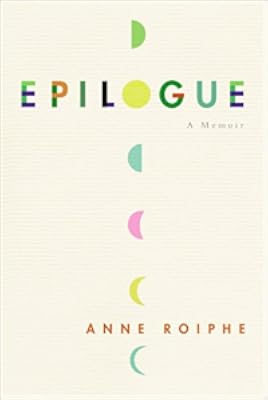
But Oates is a writer, and this book is obviously one of the ways she worked her way through what has been one of the most awful times of her life. I was reminded of another such book I read a few years back, Anne Roiphe's EPILOGUE. And Oates herself mentions the bestselling memoir written by Joan Didion, following the loss of that writer's husband. show more
Perhaps it is not surprising that the parts I found most interesting in Oates's story are the memories she shares of her long marriage, particularly those from the early days of their marriage, when the world was filled with so many possibilities. Since then Oates has become nationally famous as an author, of course, with over 60 books published. She is even aware that her obsessively prodigious writing output has made her something of a joke in some writing circles, albeit, I think, a very gentle sort of joke, since writers in general are simply in awe of the sheer volume of her work.
The truth is, although I've been very aware of Oates's work for forty years, I've only really read one of her books - a short one called BLONDE. I've started reading a few others, but never managed to finish any of them, beginning with THEM, back in the 70s. Her fiction is generally simply too 'dense' for my taste.
The memoir is a well-blended pastiche of journal entries, emails and frankly-voiced fears that must face all long-married people who are suddenly alone, for whatever reason. I was moved deeply by the distress evidenced so eloquently by Oates.
I will admit that I was initially a bit intimidated by the sheer length of the book (over 400 pages), but found it to be a surprisingly quick read, owing I have to assume to Oates's skill as a writer. (Even so, it probably could have been pared down a bit; could have benefited from an astute and sympathetic editor.) It's not an easy book to read. It's a hard subject. But it is a beautifully written account of the long and painful trajectory of grief. show less
But Oates is a writer, and this book is obviously one of the ways she worked her way through what has been one of the most awful times of her life. I was reminded of another such book I read a few years back, Anne Roiphe's EPILOGUE. And Oates herself mentions the bestselling memoir written by Joan Didion, following the loss of that writer's husband. show more
Perhaps it is not surprising that the parts I found most interesting in Oates's story are the memories she shares of her long marriage, particularly those from the early days of their marriage, when the world was filled with so many possibilities. Since then Oates has become nationally famous as an author, of course, with over 60 books published. She is even aware that her obsessively prodigious writing output has made her something of a joke in some writing circles, albeit, I think, a very gentle sort of joke, since writers in general are simply in awe of the sheer volume of her work.
The truth is, although I've been very aware of Oates's work for forty years, I've only really read one of her books - a short one called BLONDE. I've started reading a few others, but never managed to finish any of them, beginning with THEM, back in the 70s. Her fiction is generally simply too 'dense' for my taste.
The memoir is a well-blended pastiche of journal entries, emails and frankly-voiced fears that must face all long-married people who are suddenly alone, for whatever reason. I was moved deeply by the distress evidenced so eloquently by Oates.
I will admit that I was initially a bit intimidated by the sheer length of the book (over 400 pages), but found it to be a surprisingly quick read, owing I have to assume to Oates's skill as a writer. (Even so, it probably could have been pared down a bit; could have benefited from an astute and sympathetic editor.) It's not an easy book to read. It's a hard subject. But it is a beautifully written account of the long and painful trajectory of grief. show less
Joyce Carol Oates’s memoir A Widow’s Story is a harrowing, powerful read. I had trouble putting it down, even though it was thoroughly wrenching. I started reading it on my iPhone (my copy courtesy of the publisher) and only after I’d been reading awhile did I figure out that it’s over 400 pages long; it turned out to be a very quick 400 pages, but still, I wondered how she would keep it up for that long. How could she write with such detail, such honesty, such emotion, how could she keep up that level of intensity and make the book readable at that length?
The book tells the story of the death of Oates’s husband, Raymond Smith, in February, 2008. It was a fairly quick final illness and death; he was fine one day, and the next show more in the hospital suffering from pneumonia. He died a few days later from an infection. Oates tells the story of the days in the hospital and then the days, weeks, and months afterward as she tries to survive and make sense of what happened. She is thoroughly distraught, full of anger and guilt, and she collects sleeping pills in case she decides to commit suicide. The thought of suicide is a comfort, an escape available if she needs it. She has friends who take care of her and help her through all the tasks a widow faces (the funeral, the will, etc.), but she feels only a shell of the person she once was. Her world is an entirely new, unrecognizable, horrible place.
She writes about all this in great detail, describing her thoughts and emotions each step of the way. It should get dull, but it doesn’t: there’s something riveting about her voice that kept me almost spellbound. There is a lot of repetition, which also should get dull, but doesn’t; she faces the same problems again and again — not wanting to be out with people but when she’s home alone not wanting to be there either, getting angry when people say insensitive things, feeling guilty for surviving her husband, thinking about and counting her sleeping pills — and each time it’s a fresh emotional hit, and I felt like I was right there with her.
Read the rest of the review at Of Books and Bicycles show less
The book tells the story of the death of Oates’s husband, Raymond Smith, in February, 2008. It was a fairly quick final illness and death; he was fine one day, and the next show more in the hospital suffering from pneumonia. He died a few days later from an infection. Oates tells the story of the days in the hospital and then the days, weeks, and months afterward as she tries to survive and make sense of what happened. She is thoroughly distraught, full of anger and guilt, and she collects sleeping pills in case she decides to commit suicide. The thought of suicide is a comfort, an escape available if she needs it. She has friends who take care of her and help her through all the tasks a widow faces (the funeral, the will, etc.), but she feels only a shell of the person she once was. Her world is an entirely new, unrecognizable, horrible place.
She writes about all this in great detail, describing her thoughts and emotions each step of the way. It should get dull, but it doesn’t: there’s something riveting about her voice that kept me almost spellbound. There is a lot of repetition, which also should get dull, but doesn’t; she faces the same problems again and again — not wanting to be out with people but when she’s home alone not wanting to be there either, getting angry when people say insensitive things, feeling guilty for surviving her husband, thinking about and counting her sleeping pills — and each time it’s a fresh emotional hit, and I felt like I was right there with her.
Read the rest of the review at Of Books and Bicycles show less
This heartfelt and deeply personal memoir follows the author through the first full year after the sudden death of her husband of many years. Shocking in it's truth, beautiful in it's execution, this book is a good read for those who are grieving. I myself valued it as an accurate and unflinching look at what is likely in my future.
A stunning tell-all from a very private person. In this brutally honest memoir of grief, Joyce Carol Oates the author gives us the reactions and emotions of the months of anguish endured by Joyce Smith the wife of Raymond Smith, a renowned editor when he unexpectedly died of complications of pneumonia after a short stay in Princeton hospital in February 2008.
Stunned into almost complete catatonia, she is unable to function as Joyce Smith. She cannot believe Ray has left her. She neglects her person, her house, her mail, her expected duties, and often almost forgets the cats. She becomes particularly distraught at the continual appearance of the "Harry and David condolence baskets" which she does not want, and has no idea how to dispose show more of. Nights, which are the hardest for her to endure, bring thoughts of suicide, but her mind is too numbed even to bring her to action to complete the act. She gathers all the medications previously dispensed to her husband and herself, counting up and listing different anti-depressants, sleeping pills, muscle relaxers, antihistamines, and other pain killers, trying to decide if she has enough to accomplish the task of putting herself out of her misery.
Daytimes bring a trance like state that can still find fault and hurt in every well-meaninged remark by friends and strangers alike. She is unable to accept that people want to help. By day Joyce Carol Oates continues teaching at Princeton, refusing to believe that Ray is gone. By night, returning to an empty house, Joyce Smith cannot function, unable to open condolence notes, email, or answer the phone. Friends gently guide her through the funeral process. Gradually, she allows herself to consider continuing with life. By April, when Ray's garden begins to sprout with the bulbs he had planted the previous fall, she experiences the stirring of life, and to the accompaniment of her memories, begins to mend.
The writing in this work is exquisite. The reader feels the pain, the desolation and the total emptiness Oates experienced during this traumatic period. By speaking in the first person, she allows us to enter her isolation so we can experience the enervating emptiness she feels. She is constantly working at simply getting through each day, each chore, each next step. She intersperses her recollections with copies of notes, emails, and letters from and to friends and acquaintances. Periodically she will shift to a recap in the third person, almost as if she wants to look over the widow's shoulder to produce a how-to (or how not to?) guide for widows. At one point, (pgs 40-41) she gives us a sentence almost two pages long....very similar to a Saramago train of thought. It was enormously effective to show us the complete disintegration of her thought processes as she tries and fails to come to terms with her husband's death.
As she works her way through the grieving process she is able to look outside herself :
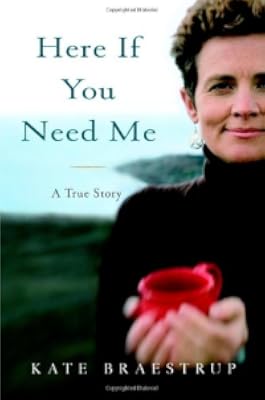
I've been reading a lot of memoirs in the past two years. This is not an uplifting book in the style of Joan Didion's The Year of Magical Thinking, or Kate Braestrup's Here if You Need Me, but it is an affirming book, one that assures us that life can go on :
Stunned into almost complete catatonia, she is unable to function as Joyce Smith. She cannot believe Ray has left her. She neglects her person, her house, her mail, her expected duties, and often almost forgets the cats. She becomes particularly distraught at the continual appearance of the "Harry and David condolence baskets" which she does not want, and has no idea how to dispose show more of. Nights, which are the hardest for her to endure, bring thoughts of suicide, but her mind is too numbed even to bring her to action to complete the act. She gathers all the medications previously dispensed to her husband and herself, counting up and listing different anti-depressants, sleeping pills, muscle relaxers, antihistamines, and other pain killers, trying to decide if she has enough to accomplish the task of putting herself out of her misery.
Daytimes bring a trance like state that can still find fault and hurt in every well-meaninged remark by friends and strangers alike. She is unable to accept that people want to help. By day Joyce Carol Oates continues teaching at Princeton, refusing to believe that Ray is gone. By night, returning to an empty house, Joyce Smith cannot function, unable to open condolence notes, email, or answer the phone. Friends gently guide her through the funeral process. Gradually, she allows herself to consider continuing with life. By April, when Ray's garden begins to sprout with the bulbs he had planted the previous fall, she experiences the stirring of life, and to the accompaniment of her memories, begins to mend.
The writing in this work is exquisite. The reader feels the pain, the desolation and the total emptiness Oates experienced during this traumatic period. By speaking in the first person, she allows us to enter her isolation so we can experience the enervating emptiness she feels. She is constantly working at simply getting through each day, each chore, each next step. She intersperses her recollections with copies of notes, emails, and letters from and to friends and acquaintances. Periodically she will shift to a recap in the third person, almost as if she wants to look over the widow's shoulder to produce a how-to (or how not to?) guide for widows. At one point, (pgs 40-41) she gives us a sentence almost two pages long....very similar to a Saramago train of thought. It was enormously effective to show us the complete disintegration of her thought processes as she tries and fails to come to terms with her husband's death.
As she works her way through the grieving process she is able to look outside herself :
"For the widow is a posthumous person passing among the living. When the widow smiles, when the widow laughs, you see the glisten in the widow's eyes, utter madness, an actress desperate to play her role as others would wish her to play her role and only another widow, another woman who has recently lost her husband, can perceive the fraud." (pg. 332).
I've been reading a lot of memoirs in the past two years. This is not an uplifting book in the style of Joan Didion's The Year of Magical Thinking, or Kate Braestrup's Here if You Need Me, but it is an affirming book, one that assures us that life can go on :
show less
"Of the widow's countless death-duties there is really just one that matters: on the first anniversary of her husband's death the widow should think I kept myself alive." (pg. 416.)
Members
- Recently Added By
Published Reviews
ThingScore 25
Brutal violence and catastrophic loss are often the subjects of Oates' powerful novels and stories. But as she reveals in this galvanizing memoir, her creative inferno was sequestered from her joyful life with her husband, Raymond Smith. A revered editor and publisher who did not read her fiction, Smith kept their household humming during their 48-year marriage. After his shocking death from a show more secondary infection while hospitalized with pneumonia, Oates found herself in the grip of a relentless waking nightmare. She recounts this horrific siege of grief from epic insomnia and terrifying hallucinations to the torment of death-duties, and a chilling evaporation of meaning. But Oates also rallies to offer droll advice on how to be a good widow. Oates has created an illuminating portrait of a marriage, a searing confrontation with death, an extraordinarily forthright chronicle of mourning. Her memoir of sudden widowhood will have an impact similar to Joan Didion's The Year of Magical Thinking (2005). show less
added by kthomp25
novelistic and expansive, switching between first and third persons, seeking to objectify herself as `the widow' ... mainly focused on the dark interiors, the psycho-chaos of grief.
added by KayCliff
This book’s timeline includes the facts that Mr. Smith died on Feb. 18, 2008, less than a month before his 78th birthday, and that it took Ms. Oates more than a year and a half to remove his voice from their telephone answering machine. It does not say that by the time he had been dead for 11 months, Ms. Oates was happily engaged to Dr. Charles Gross, the professor of neuroscience who became show more her second husband in 2009.
How delicately must we tread around this situation?...A book long and rambling enough to contemplate an answering-machine recording could have found time to mention a whole new spouse. show less
How delicately must we tread around this situation?...A book long and rambling enough to contemplate an answering-machine recording could have found time to mention a whole new spouse. show less
added by atbradley
Lists

Top Five Books of 2015
811 works; 241 members
Talk Discussions
Past Discussions
JCO memoir 'A Widdow's Story' in Fans of Joyce Carol Oates (June 2011)
Author Information

475+ Works 63,308 Members
Joyce Carol Oates was born on June 16, 1938 in Lockport, New York. She received a bachelor's degree in English from Syracuse University and a master's degree in English from the University of Wisconsin. She is the author of numerous novels and collections of short stories. Her works include We Were the Mulvaneys, Blonde, Bellefleur, You Must show more Remember This, Because It Is Bitter, Because It Is My Heart, Solstice, Marya : A Life, and Give Me Your Heart. She has received numerous awards including the National Book Award for Them, the PEN/Malamud Award for Excellence in Short Fiction, and the F. Scott Fitzgerald Award for Lifetime Achievement in American Literature. She was a finalist for the 2015 Pulitzer Prize for Fiction with her title Lovely, Dark, Deep. She also wrote a series of suspense novels under the pseudonym Rosamond Smith. In 2015, her novel The Accursed became listed as a bestseller on the iBooks chart. She worked as a professor of English at the University of Windsor, before becoming the Roger S. Berlind Distinguished Professor of Humanities at Princeton University. She and her late husband Raymond J. Smith operated a small press and published a literary magazine, The Ontario Review. (Bowker Author Biography) Joyce Carol Oates is one of the most eminent and prolific literary figures and social critics of our times. She has won the National Book Award and several O. Henry and Pushcart prizes. Among her other awards are an NEA grant, a Guggenheim fellowship, the PEN/Malamud Lifetime Achievement Award, and the F. Scott Fitzgerald Award for Lifetime Achievement in American Literature. (Publisher Provided) show less
Some Editions
Awards and Honors
Awards
Series
Belongs to Publisher Series
Common Knowledge
- Canonical title*
- J'ai réussi à rester en vie
- Original title
- A widow's story
- Original publication date
- 2011-02-15
- People/Characters
- Raymond J. Smith; Joyce Carol Oates
*Some information comes from Common Knowledge in other languages. Click "Edit" for more information.
Classifications
Statistics
- Members
- 694
- Popularity
- 41,373
- Reviews
- 39
- Rating
- (3.72)
- Languages
- 9 — English, French, German, Italian, Norwegian (Bokmål), Norwegian, Portuguese, Spanish, Swedish
- Media
- Paper, Audiobook, Ebook
- ISBNs
- 28
- ASINs
- 13