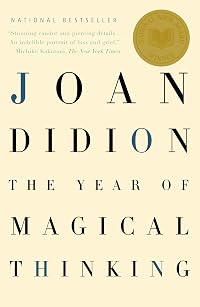
The Year of Magical Thinking
by Joan Didion
On This Page
Description
Didion's journalistic skills are displayed as never before in this story of a year in her life that began with her daughter in a medically induced coma and her husband unexpectedly dead due to a heart attack. This powerful and moving work is Didion's "attempt to make sense of the weeks and then months that cut loose any fixed idea I ever had about death, about illness . . . about marriage and children and memory . . . about the shallowness of sanity, about life itself." With vulnerability show more and passion, Joan Didion explores an intensely personal yet universal experience of love and loss. THE YEAR OF MAGICAL THINKING will speak directly to anyone who has ever loved a husband, wife, or child.. show less
Tags
Recommendations

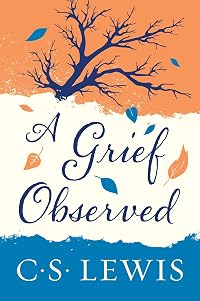
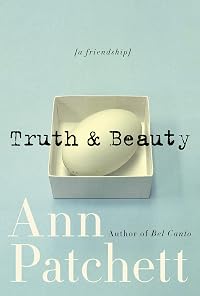





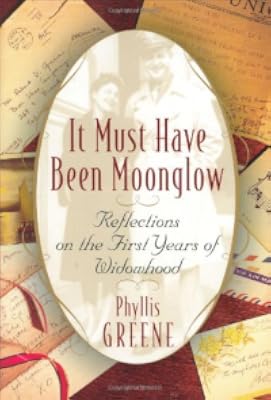
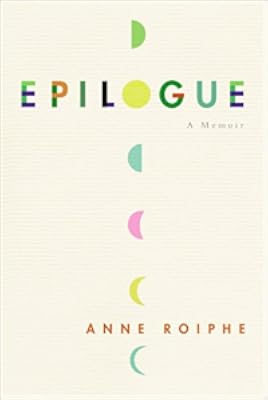
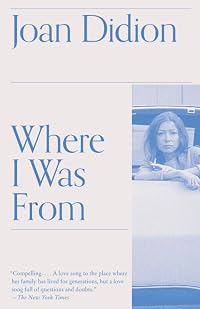
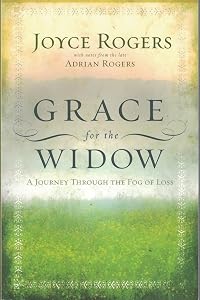
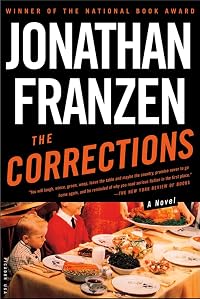

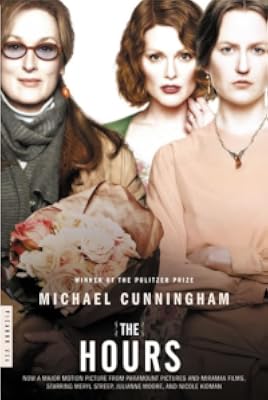

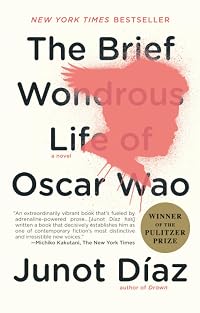

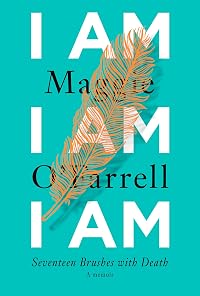
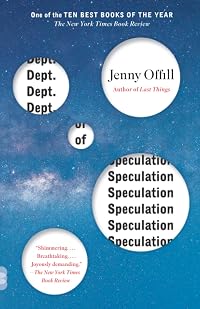



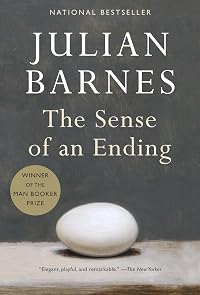

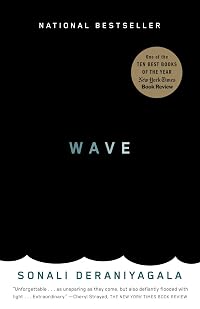
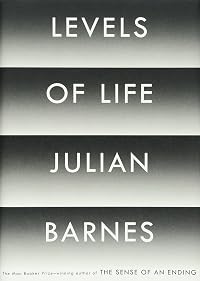
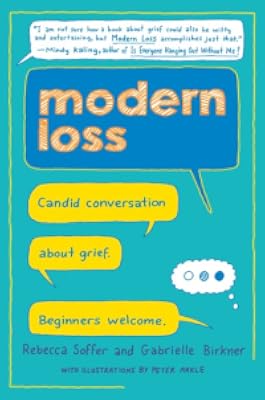
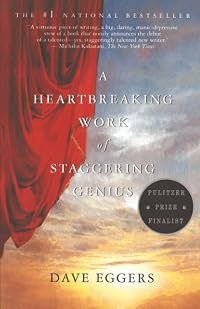
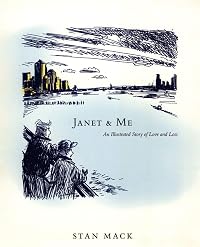
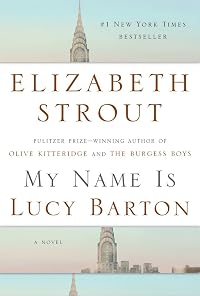

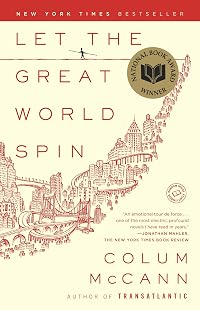


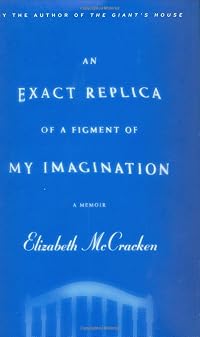
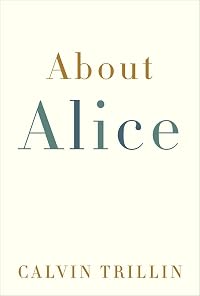
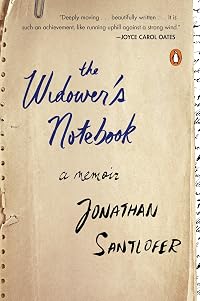

Member Recommendations

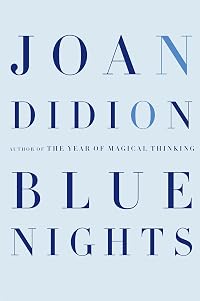
KayCliff Both are autobiographical accounts of the writer's first year of widowhood.
20



JuliaMaria Trauer um den verstorbenen Ehemann, Memoiren
whymaggiemay Although these books certainly have differences, both are beautifully written, and both are about a year of grieving, each in their own way.
DetailMuse Both are beautiful explorations of magical thinking during grief -- Didion's in reaction to the death of her husband in older age; Wood's in reaction to the death of her father in childhood.

JuliaMaria Trauer über den Tod des Ehemannes
Member Reviews
this is really beautiful, and not in the way that i generally find books beautiful. her writing is great but it's not particularly lyrical, it's just so, so good. the way she writes this experience, the way her memories weave between the mundane and the extraordinary awfulness of grief is expertly done. i thought this was such a hard and important book and one that i'm going to save to return to when it's my turn for grief to come to me. i imagine it will feel like being seen and understood in such a crucial way.
"Grief turns out to be a place none of us know until we reach it. We anticipate (we know) that someone close to us could die, but we do not look beyond the few days or weeks that immediately follow such an imagined death. We show more misconstrue the nature of even those few days or weeks. We might expect if the death is sudden to feel shock. We do not expect this shock to be obliterative, dislocating to both body and mind. We might expect that we will be prostrate, inconsolable, crazy with loss. We do not expect to be literally crazy, cool customers who believe that their husband is about to return and need his shoes. In the version of grief we imagine, the model will be 'healing.' A certain forward movement will prevail. The worst days will be the earliest days. We imagine that the moment to most severely test us will be the funeral, after which this hypothetical healing will take place. When we anticipate the funeral we wonder about failing to 'get through it,' rise to the occasion, exhibit the 'strength' that invariably gets mentioned as the correct response to death. We anticipate needing to steel ourselves for the moment: will I be able to greet people, will I be able to leave the scene, will I be able even to get dressed that day? We have no way of knowing that this will not be the issue. We have no way of knowing that the funeral itself will be anodyne, a kind of narcotic regression in which we are wrapped in the care of others and the gravity and meaning of the occasion. Nor can we know ahead of the fact that (and here lies the heart of the difference between grief as we imagine it and grief as it is) the unending absence that follows, the void, the very opposite of meaning, the relentless succession of moments during which we will confront the experience of meaningless itself." show less
"Grief turns out to be a place none of us know until we reach it. We anticipate (we know) that someone close to us could die, but we do not look beyond the few days or weeks that immediately follow such an imagined death. We show more misconstrue the nature of even those few days or weeks. We might expect if the death is sudden to feel shock. We do not expect this shock to be obliterative, dislocating to both body and mind. We might expect that we will be prostrate, inconsolable, crazy with loss. We do not expect to be literally crazy, cool customers who believe that their husband is about to return and need his shoes. In the version of grief we imagine, the model will be 'healing.' A certain forward movement will prevail. The worst days will be the earliest days. We imagine that the moment to most severely test us will be the funeral, after which this hypothetical healing will take place. When we anticipate the funeral we wonder about failing to 'get through it,' rise to the occasion, exhibit the 'strength' that invariably gets mentioned as the correct response to death. We anticipate needing to steel ourselves for the moment: will I be able to greet people, will I be able to leave the scene, will I be able even to get dressed that day? We have no way of knowing that this will not be the issue. We have no way of knowing that the funeral itself will be anodyne, a kind of narcotic regression in which we are wrapped in the care of others and the gravity and meaning of the occasion. Nor can we know ahead of the fact that (and here lies the heart of the difference between grief as we imagine it and grief as it is) the unending absence that follows, the void, the very opposite of meaning, the relentless succession of moments during which we will confront the experience of meaningless itself." show less
After I began reading this book, Facebook's birthday corner was showing my father's name. Dad won't be checking his wall from the grave, but still .... Joan Didion knew her husband John Gregory Dunne was dead of a heart attack, but on some level it didn't quite register that Dunne wouldn't come back or couldn't have been brought back. Didion triangulates this murky psychological territory, circling back from various angles, in waves that that seems to track with the stages of grief. By her account Didion and Dunne both would reread novels just to study the author's technique. That attention to craft suggests how she makes this subject so accessible, and why the last paragraph tempted me to start over.
Easily the best work I’ve ever read by Didion. Some of her quirks are there to delight or frustrate familiar readers, but unlike much of her writing—this isn’t a detached, vapid, all action-off-page kind of work. This work clearly, often beautifully, shows how the mind operates in times of grief, morning, and loss. The writer’s clear explanation and detailed mental processing can certainly help any reader. I wasn’t a big fan of her only-style, emptiness aesthetic, but this has to be her masterpiece and it is an important contribution to this field.
This 'grief memoir', of sorts, chronicles the year following the death of her husband, fellow writer John Gregory Dunne, from a massive heart attack on December 30, 2003, while the couple's only daughter, Quintana, lay unconscious in a nearby hospital suffering from pneumonia and septic shock. Dunne and Didion had lived and worked side by side for nearly 40 years, and Dunne's death propelled Didion into a state she calls "magical thinking." Far from morose, this book really gripped me: the idea that one moment your life is enchanted, the next, you find yourself alone. Didion faces finality with courage and candor...and at times a frailty that brings the fragility and beauty of life bubbling to the surface.
I've had this one kicking around for a while. And it's also the second copy to have passed through my hands, the first one unread. I was obviously reluctant to read it, given its subject matter. Joan Didion, an American journalist and writer, describing her year of grief - and inability to think, behave, or act one hundred percent rationally - following the sudden death of her much loved husband. Whoa, barrel of laughs there.
Of course, it wasn't a barrel of laughs at all (spot on the money there), and I was reduced to tears on a number of occasions (picture if you will, me sitting on the sofa, saying "and... and... and... *sob* she kept his shoes because he might... might... might... *hiccup* need them when he came back, and he's never show more coming back... *wail*" etc).
But, while it was obviously an exercise in coming to terms with her deep grief at such a loss (and at a time when her entire life seemed to be going pear-shaped around her), it was also a paean to her husband, to their long marriage and life together. She didn't flinch from the hiccups that occur in any long-term relationship, but it was a wonderful marriage and a wonderful description of what I hope many people get to experience in their life.
Being a bit of a data-freak myself (and coming from a science background), I enjoyed her "research" side of things, when she got waylaid by facts and scientific papers about grief and mourning.
Being the sister of a doctor, I will never lend this to my sister, as she would loathe Didion's need to control everything in the hospital, and her positive smugness when she "won" the minor battles. While it was good reading about it (from the point of view of having been a patient myself, and dealing with the occasional doctor who treats you as if you have the IQ of a retarded amoeba), overall I had more sympathy with the medical profession in this case.
Finally, I thought this was a positively necessary book, given our modern society's need to sanitise death and to be rather embarrassed by other people's grief. I'm still embarrassed by other people's grief (it'll take more than one book to undo that bit of my anal buttoned-down personality), but I hope in the future I will not be mortified by my own grief, should I ever have to go through what Didion did. show less
Of course, it wasn't a barrel of laughs at all (spot on the money there), and I was reduced to tears on a number of occasions (picture if you will, me sitting on the sofa, saying "and... and... and... *sob* she kept his shoes because he might... might... might... *hiccup* need them when he came back, and he's never show more coming back... *wail*" etc).
But, while it was obviously an exercise in coming to terms with her deep grief at such a loss (and at a time when her entire life seemed to be going pear-shaped around her), it was also a paean to her husband, to their long marriage and life together. She didn't flinch from the hiccups that occur in any long-term relationship, but it was a wonderful marriage and a wonderful description of what I hope many people get to experience in their life.
Being a bit of a data-freak myself (and coming from a science background), I enjoyed her "research" side of things, when she got waylaid by facts and scientific papers about grief and mourning.
Being the sister of a doctor, I will never lend this to my sister, as she would loathe Didion's need to control everything in the hospital, and her positive smugness when she "won" the minor battles. While it was good reading about it (from the point of view of having been a patient myself, and dealing with the occasional doctor who treats you as if you have the IQ of a retarded amoeba), overall I had more sympathy with the medical profession in this case.
Finally, I thought this was a positively necessary book, given our modern society's need to sanitise death and to be rather embarrassed by other people's grief. I'm still embarrassed by other people's grief (it'll take more than one book to undo that bit of my anal buttoned-down personality), but I hope in the future I will not be mortified by my own grief, should I ever have to go through what Didion did. show less
Didion's writing always makes me think of a Faberge egg. At once so elegant, with every word placed with a jeweler's precision, and also so artificial. I've read a couple of her novels, some of her essays, and although I am in awe at her skill with structure, language, and subtext, and the control with which she arranges her words, I'm never left wanting to read more. In this memoir, her fierce intelligence, her rationalism all come out on the page. Her emotion, less so. I am left to assume what I would be feeling in a similar circumstance. It is only because I already know how rational and controlled she is that I can sense her distress as her rationality and control fail to (in her words), "manage the situation." When her rationality show more fails, period. If I did not already know these things about Joan Didion, I would define her as the social worker in the hospital defined her, as a "cool customer." But these are the only weapons she has to grapple with the terrible tsunami of grief. And when her daughter falls ill, it is these weapons that enable her to again, manage the situation.
I was also struck by her position and privilege. Her matter-of-factness when speaking of the people she knows who "have influence at State or Justice," her ability to fly to Paris or Honolulu at essentially a moment's notice, her coterie of friends and family who have houses in various places and where she can ask for permission to stay as she keeps a vigil over her daughter in the hospital. The silver. The china. The wine. The many restaurants where she and her husband have eaten. Her privilege is on the page more than her passion; and it isn't even that I mind so much -- it's that she seems so unconscious of it. And although none of that could prevent her husband from dying, or ease the pain of her loss, there is no question that it smoothed the path.
I read this right after I read Wild by Cheryl Strayed, and there couldn't be two books more different, although they have the common frame of grief. But each one served to illuminate the other. Joan Didion's loss caused her to have "cognitive deficiencies:" she misremembered dates and addresses and lost bits of the last days with her husband. Strayed's cognitive deficiencies took the form of drug use and infidelity. Didion picked up her pen, and Strayed picked up a backpack. But neither of them were in their right minds. show less
I was also struck by her position and privilege. Her matter-of-factness when speaking of the people she knows who "have influence at State or Justice," her ability to fly to Paris or Honolulu at essentially a moment's notice, her coterie of friends and family who have houses in various places and where she can ask for permission to stay as she keeps a vigil over her daughter in the hospital. The silver. The china. The wine. The many restaurants where she and her husband have eaten. Her privilege is on the page more than her passion; and it isn't even that I mind so much -- it's that she seems so unconscious of it. And although none of that could prevent her husband from dying, or ease the pain of her loss, there is no question that it smoothed the path.
I read this right after I read Wild by Cheryl Strayed, and there couldn't be two books more different, although they have the common frame of grief. But each one served to illuminate the other. Joan Didion's loss caused her to have "cognitive deficiencies:" she misremembered dates and addresses and lost bits of the last days with her husband. Strayed's cognitive deficiencies took the form of drug use and infidelity. Didion picked up her pen, and Strayed picked up a backpack. But neither of them were in their right minds. show less
Mourning Becomes Magical
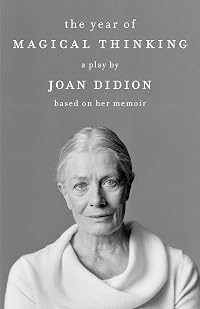
Review of the Kindle eBook edition (2009) of the original stage play (2007) adapted from the original hardcover The Year of Magical Thinking (2005)
Earlier this year, I listened to the recent recording of The Year of Magical Thinking (August 2020) in its audiobook revival by actress Vanessa Redgrave who had originated the role in the stage version in 2007. That performance by the 83-year-old Redgrave added an extra layer of pathos to the story of Joan Didion's mourning of her husband John Gregory Dunne and daughter Quintana Dunne.
Reading the text version now several months later, I still hear it as being performed by Vanessa Redgrave's voice in my head so it is difficult to separate the words from the performance. show more The one major thing that I noticed in the read-through was Didion's reference to magical thinking as part of ritual in ancient cultures i.e. if I do this, then this will appease the gods and then this other will happen. This is a small comfort to others in mourning that the somewhat crazed thinking that sometimes comes with it has been part of the human family for eons, but it is a comfort still the same. show less
Review of the Kindle eBook edition (2009) of the original stage play (2007) adapted from the original hardcover The Year of Magical Thinking (2005)
Earlier this year, I listened to the recent recording of The Year of Magical Thinking (August 2020) in its audiobook revival by actress Vanessa Redgrave who had originated the role in the stage version in 2007. That performance by the 83-year-old Redgrave added an extra layer of pathos to the story of Joan Didion's mourning of her husband John Gregory Dunne and daughter Quintana Dunne.
Reading the text version now several months later, I still hear it as being performed by Vanessa Redgrave's voice in my head so it is difficult to separate the words from the performance. show more The one major thing that I noticed in the read-through was Didion's reference to magical thinking as part of ritual in ancient cultures i.e. if I do this, then this will appease the gods and then this other will happen. This is a small comfort to others in mourning that the somewhat crazed thinking that sometimes comes with it has been part of the human family for eons, but it is a comfort still the same. show less
Members
- Recently Added By
Published Reviews
ThingScore 100
Essayistic and concise, seeking external points of comparison, trying to set her case in some wider context.
added by KayCliff
added by melmore
The book is, as promised, extraordinary. The Year of Magical Thinking is raw, brutal, compact, precise, immediate, literate, and, given the subject matter, astonishingly readable.
added by melmore
Lists

Best Biographies, Autobiographies and Memoirs
465 works; 160 members

Best Autobiographies and Memoirs
370 works; 67 members
100 Biographies and Memoirs to Read in a (Single) Lifetime
98 works; 12 members

100 books to read in a lifetime
102 works; 37 members

The Guardian's 100 best books of the 21st century
100 works; 21 members

100 New Classics
101 works; 13 members

Top Five Books of 2018
802 works; 265 members

40 Books to Read Before You’re 40
40 works; 4 members

Books Read in 2023
5,638 works; 147 members

Best Biographies of Notable Women
424 works; 102 members

NYT 100 best books of 21st C
100 works; 31 members

Books We Love to Reread
695 works; 298 members

NYT Readers best of 21st C
100 works; 8 members

Unread books
1,063 works; 87 members

Books Read in 2024
4,727 works; 128 members

The Luca Guadagnino Universe
62 works; 1 member

Rory Gilmore Book Club
193 works; 5 members

The Complete Rory Gilmore Reading List
506 works; 5 members

.
184 works; 1 member

Books Read in 2025
4,128 works; 98 members

Men's healing resources
750 works; 1 member

el
1,139 works; 1 member

Mustich's 1000 Books to Read Before You Die: A Life Changing List
1,001 works; 20 members

Deathreads
78 works; 2 members

Memoirs Heal the Soul
22 works; 1 member

Elena Ferrante's 40 favourite books by female authors
40 works; 10 members

Female Author
1,234 works; 67 members

National Book Award winners
65 works; 11 members

End of Your Life Book Club
134 works; 4 members

Vulture's 100 Best Books of the 21st Century (So Far)
98 works; 9 members

Best Love Stories
107 works; 14 members

Penguin Random House
458 works; 4 members

Carole's List
445 works; 13 members

American Lit for Eng 11 Research Project
368 works; 6 members

Read These Too
458 works; 9 members

Books Featured on Gilmore Girls
307 works; 21 members

Books Read in 2012
816 works; 34 members

2000s decade
85 works; 7 members

50 Tough Books for Extreme Readers
71 works; 39 members

.
396 works; 1 member
Author Information

56+ Works 36,555 Members
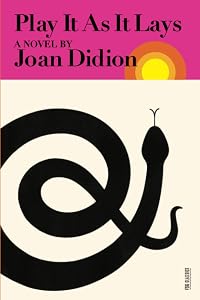
Born in Sacramento, California, on December 5, 1934, Joan Didion received a B.A. from the University of California, Berkeley in 1956. She wrote for Vogue from 1956 to 1963, and was visiting regent's lecturer in English at the University of California, Berkeley in 1976. Didion also published novels, short stories, social commentary, and essays. Her show more work often comments on social disorder. Didion wrote for years on her native California; from there her perspective broadened and turned to the countries of Central America and Southeast Asia. Her novels include Democracy (1984) and The Last Thing He Wanted (1996). Well known nonfiction titles include Slouching Towards Bethlehem (1968), The White Album (1979), The Year of Magical Thinking (2005) and Blue Nights (2011). In 1971 Joan Didion was nominated for the National Book Award in fiction for Play It As It Lays. In 1981 she received the American Book Award in nonfiction, and was nominated for a National Book Critics Circle Prize in nonfiction for The White Album. Didion has received a great deal of recognition for The Year of Magical Thinking, which was awarded the National Book Award for Nonfiction in 2005. In 2007, Didion received the National Book Foundation's annual Medal for Distinguished Contribution to American Letters. In 2009, Didion was awarded an honorary Doctor of Letters degree by Harvard University. On July 3, 2013 the White House announced Didion was one of the recipients of the National Medals of Arts and Humanities presented by President Barack Obama. (Bowker Author Biography) show less
Some Editions
Awards and Honors
Awards
Distinctions
Notable Lists
Work Relationships
Has the adaptation
Has as a student's study guide
Common Knowledge
- Canonical title*
- L'année de la pensée magique
- Original title
- The year of magical thinking
- Original publication date
- 2005-10-10
- People/Characters
- Joan Didion; John Gregory Dunne; Quintana Roo Dunne; Dominique Dunne
- Important places
- New York, New York, USA; Los Angeles, California, USA
- Dedication
- This book is for John and for Quintana
- First words
- Life changes fast.
Life changes in the instant.
You sit down to dinner ad life as you know it ends.
The question of self-pity.
Those were the first words I wrote after it happened. ... (show all)The computer dating on the Microsoft Word file ("Notes on change.doc") reads "May 20, 2004, 11:11 p.m.," but that would have been a case of my opening the file and reflexively pressing save when I closed it. I had made no changes to that file in May. I had made no changes to that file since I wrote the words, in January 2004, a day or two or three after the fact.
For a long time I wrote nothing else.
Life changes in the instant. - Quotations
- I remember thinking that I needed to discuss this with John.
Confronted with sudden disaster we all focus on how unremarkable the circumstances were in which the unthinkable occurred, the clear blue sky from which the plane fell, the routine errand that ended on the shoulder with the c... (show all)ar in flames. - Last words
- (Click to show. Warning: May contain spoilers.)No eye is on the sparrow but he did tell me that.
- Blurbers
- Pinsky, Robert; Leonard, John; Grossman, Lev
- Original language
- English US
- Canonical DDC/MDS
- 813.54
- Canonical LCC
- PS3554.I33 Z63
*Some information comes from Common Knowledge in other languages. Click "Edit" for more information.
Classifications
Statistics
- Members
- 12,176
- Popularity
- 713
- Reviews
- 330
- Rating
- (3.85)
- Languages
- 17 — Catalan, Chinese, Danish, Dutch, English, Finnish, French, German, Galician, Greek, Italian, Norwegian (Bokmål), Polish, Romanian, Spanish, Swedish, Portuguese (Portugal)
- Media
- Paper, Audiobook, Ebook
- ISBNs
- 79
- UPCs
- 1
- ASINs
- 41