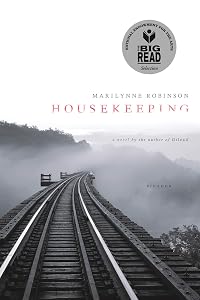
Housekeeping
by Marilynne Robinson
On This Page
Description
Ruthie and her younger sister, Lucille, grow toward adulthood under the untraditional care of Sylvie, the transient sister of their dead mother, in Fingerbone, the small Far West town on the glacial lake where their grandfather died in a train wreck and their mother drove off a cliff.Tags
Recommendations


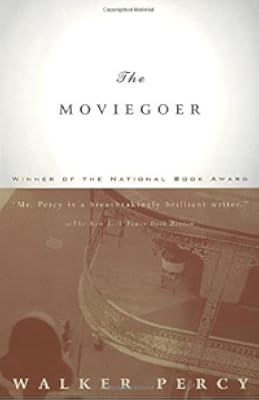
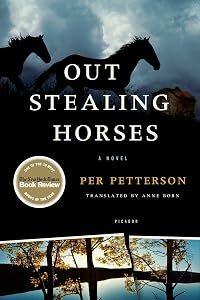
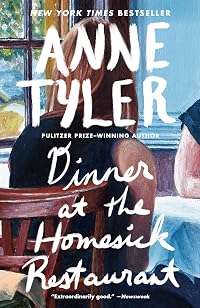
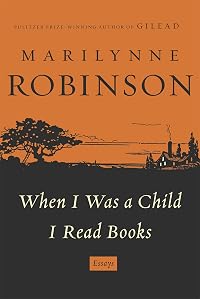
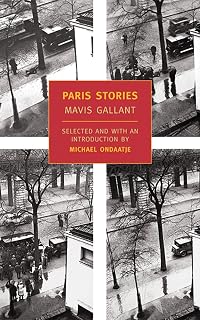
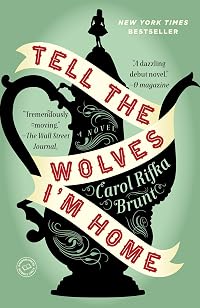
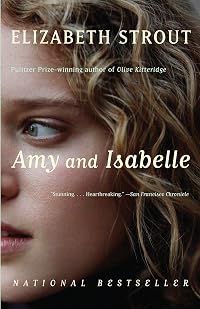
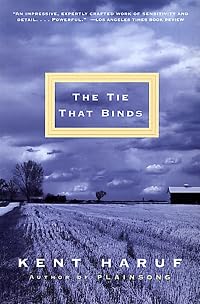




Member Recommendations
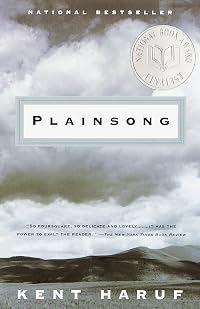
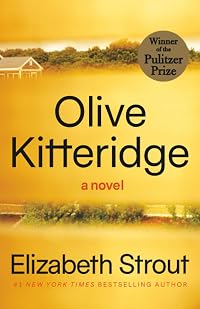
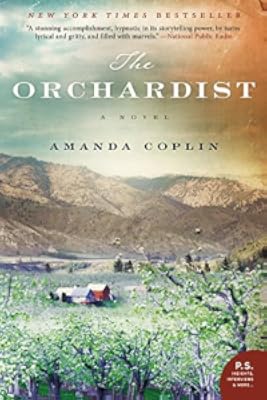
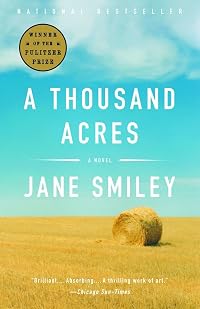
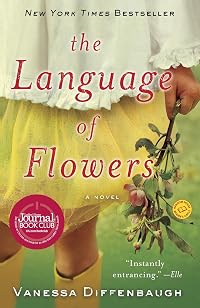
Miels Both are lyrical, heavily atmospheric novels. Both concern the relationship between a strange, bookish protagonist and her more sensible sister. In Robinson's book, it's an eccentric aunt who comes between them. In Hay's, it's a charming, seductive man. Both books are very much about love, loss, social ostracism, and ephemeral/elemental beauty.

Member Reviews
Marilynne Robinson's Housekeeping is a slow, quiet, elegiac and dream-like book. It's a masterful distillation of storytelling and language. The story is simple - an introverted protagonist recounts her upbringing by various family members, ending with the care by her aunt, along with her younger sister. Throughout the book there’s a deep undertow of loss and transience. It is profoundly atmospheric and beautifully written.
Not at all what I expected. I was thinking this was about some poor woman taking care of a house. Hmm. Ok, it is. But, well, we're in Idaho, in a little podunk isolated town. And there aren't really any men around, or life structure, or, well, housekeeping. This a book of a free childhood surrounded by the American wilderness. There are elements of [A River Runs Through it]. And there are elements of a Huck Finn fantasy childhood. It's hard and confusing for these two girls, and beautiful. The prose is beautiful. Continually. Let loose by the girl's own freedom, the prose creates texture, breathes, sets pace, moves the reader. It's really special. There are darker underlying themes, and some questions the reader might want to press our show more poor author on, particularly about the ending. But mostly this book brings something to life. The girls and their oddball aunt live in here.
One of my best books of the year. It doesn't work for everyone, but when it does, it really has a lot to offer. So, I'm recommending it to you, dear patient review reader.
2025
https://www.librarything.com/topic/375106#9046861 show less
One of my best books of the year. It doesn't work for everyone, but when it does, it really has a lot to offer. So, I'm recommending it to you, dear patient review reader.
2025
https://www.librarything.com/topic/375106#9046861 show less
Housekeeping is such a strange book, I hardly know how to begin. Marilynne Robinson is world famous, especially after Gilead won the Pulitzer Prize in 2005, but I didn’t much like Gilead so I was in no rush to read this first novel when in 2015 it arrived chez moi with the first release of Faber Modern Classics. (Which has since gone on to become a list of 21 titles). Housekeeping sat alone and lonely, abandoned in a box marked 2015, but I couldn’t quite make myself take it to the Op Shop which is the fate of books that publishers have sent me but which fail to spark my interest. I have no such compunctions with thrillers, crime novels, YA and weepy memoirs, but, well, I am in awe of the Robinson name, if not of her books.
Alone and show more lonely, abandoned in the care of someone not very interested in its fate… without knowing it, I had treated this book just like the characters in this novel! Lucille and Ruthie are two girls living in Fingerbone, a small village in rural Idaho. In what looks like a carefully planned suicide, they are abandoned first by their sole parent mother Helen to the care of their grandmother Sylvia, who has herself been abandoned by all three of her daughters. (Molly has gone off to be a missionary in China, Helen had lost contact when she married, and Sylvie is an eccentric wanderer). When grandmother dies, two elderly in-laws called Nona and Lily come to care for the girls but they are only too relieved to abandon the responsibility when long lost Aunt Sylvie turns up.
Men are conspicuous by their absence: Grandfather Edmund is killed in a train crash off the local bridge, unburied in the same lake in which Helen suicides. The girls have never known their father, and there is a mock father figure of the sheriff (who is clearly out of his depth in this dysfunctional situation) but he becomes the catalyst for the breakup of this fragile family.
I haven’t read many reviews but the ones I’ve seen go on about the religious aspects of this novel and its Calvinism. That’s not what I noticed so much. This is a novel of the 1980s, a time when many of us were questioning women’s roles and exploring how we could have equal rights and our freedom and manage the impact on our families, our homes, and our children. It seems to me that in amongst the religious stuff, Housekeeping is asking the same questions, trying to resolve a yearning for freedom and a rejection of the expectation that it’s women who pick up the pieces. The novel asks: what happens when women just don’t do what society expects them to do. What happens when they just don’t comprehend the predetermined roles?
To read the rest of my review please visit https://anzlitlovers.com/2017/04/14/housekeeping-by-marilynne-robinson/ show less
Alone and show more lonely, abandoned in the care of someone not very interested in its fate… without knowing it, I had treated this book just like the characters in this novel! Lucille and Ruthie are two girls living in Fingerbone, a small village in rural Idaho. In what looks like a carefully planned suicide, they are abandoned first by their sole parent mother Helen to the care of their grandmother Sylvia, who has herself been abandoned by all three of her daughters. (Molly has gone off to be a missionary in China, Helen had lost contact when she married, and Sylvie is an eccentric wanderer). When grandmother dies, two elderly in-laws called Nona and Lily come to care for the girls but they are only too relieved to abandon the responsibility when long lost Aunt Sylvie turns up.
Men are conspicuous by their absence: Grandfather Edmund is killed in a train crash off the local bridge, unburied in the same lake in which Helen suicides. The girls have never known their father, and there is a mock father figure of the sheriff (who is clearly out of his depth in this dysfunctional situation) but he becomes the catalyst for the breakup of this fragile family.
I haven’t read many reviews but the ones I’ve seen go on about the religious aspects of this novel and its Calvinism. That’s not what I noticed so much. This is a novel of the 1980s, a time when many of us were questioning women’s roles and exploring how we could have equal rights and our freedom and manage the impact on our families, our homes, and our children. It seems to me that in amongst the religious stuff, Housekeeping is asking the same questions, trying to resolve a yearning for freedom and a rejection of the expectation that it’s women who pick up the pieces. The novel asks: what happens when women just don’t do what society expects them to do. What happens when they just don’t comprehend the predetermined roles?
To read the rest of my review please visit https://anzlitlovers.com/2017/04/14/housekeeping-by-marilynne-robinson/ show less
Housekeeping is a strange, difficult and beautiful novel. I am generally for the idea that form is content, and I think this axiom applies to Housekeeping. Ruth, our narrator, is a young girl whose intimate proximity to loss shapes her entire world, be it the mysterious, self-effacing nature of the town of Fingerbone or the family members who disappear near the very same lake that is explicitly likened to the biblical flood.
Most of the novel is told in the imperative mode ("imagine this" / "say that") and as such, only exist insofar that the reader agrees, along with Ruth, to the act of creation, or resurrection, as the novel would prefer. Ruth, a child whose life has been defined by death, can only comprehend her present through what show more is not - her act of resurrecting the dead through these imperatives, bespeak of a love that reveals only through monumental loss. Unlike her sister, Lucille, who'd rather stick with the conventional rituals of daily life to fend off despair, Ruth is inclined towards embracing death and her sorrow (she often dreams of being swallowed whole by the lake); understanding, maybe, that destruction is simply another act of creation. In the event of her mother's apparent suicide, Ruth imagines her sorrow, realising that that it is only in death that this sorrow can be felt, given a materiality that otherwise wouldn't exist. For Robinson, love is infinite; like God, it considers that whatever is lost, can be felt again in other ways. show less
Most of the novel is told in the imperative mode ("imagine this" / "say that") and as such, only exist insofar that the reader agrees, along with Ruth, to the act of creation, or resurrection, as the novel would prefer. Ruth, a child whose life has been defined by death, can only comprehend her present through what show more is not - her act of resurrecting the dead through these imperatives, bespeak of a love that reveals only through monumental loss. Unlike her sister, Lucille, who'd rather stick with the conventional rituals of daily life to fend off despair, Ruth is inclined towards embracing death and her sorrow (she often dreams of being swallowed whole by the lake); understanding, maybe, that destruction is simply another act of creation. In the event of her mother's apparent suicide, Ruth imagines her sorrow, realising that that it is only in death that this sorrow can be felt, given a materiality that otherwise wouldn't exist. For Robinson, love is infinite; like God, it considers that whatever is lost, can be felt again in other ways. show less
Most first novels are somewhat autobiographical, and this is no exception. This tale of two orphan sisters who grow apart is set in the fictional Fingerbone, Idaho, which, Wikipedia informs me, is clearly modeled on Marilynne Robinson’s hometown, nestled on the shores of a glacial lake. Yet, while the locale, which gives the book its sense of place, is rooted in fact, the story is richly imaginative.
The two sisters are each other’s only stable relationship, as a changing cast of adults nominally care for them. The girls take this as a given until the younger of the two, Lucille, begins to sense its unconventionality and, without warning, moves in with a high school teacher.
The book is narrated by the older sister, Ruthie, who show more observes and records all, judging nothing. Instead, she is sustained by the trust that these seemingly random givens will all come together. “What are all the fragments for,” she asks, “if not to be knit up finally?” Later, she observes: “For need can blossom into all the compensations it requires. To crave and to have are as like a thing as a thing and its shadow. . . . And here again is a foreshadowing — the world will be made whole.”
The thing and its shadow: This polarity lies behind the book’s title, Housekeeping, paired with transience. As she follows her aunt Sylvie to abandon the family home to live on the road, she says: “Now truly we were cast out to wander, and there was an end to housekeeping.”
The expression Ruthie uses for this, “cast out to wander,” evokes the many Biblical allusions that course through the book: Cain and Abel (the first pair of siblings), Noah’s wife, Lot’s wife.
The book is written in rich, detailed prose, precise, not fussy, with an overall mood of melancholy and stoicism. It is an achingly beautiful book. show less
The two sisters are each other’s only stable relationship, as a changing cast of adults nominally care for them. The girls take this as a given until the younger of the two, Lucille, begins to sense its unconventionality and, without warning, moves in with a high school teacher.
The book is narrated by the older sister, Ruthie, who show more observes and records all, judging nothing. Instead, she is sustained by the trust that these seemingly random givens will all come together. “What are all the fragments for,” she asks, “if not to be knit up finally?” Later, she observes: “For need can blossom into all the compensations it requires. To crave and to have are as like a thing as a thing and its shadow. . . . And here again is a foreshadowing — the world will be made whole.”
The thing and its shadow: This polarity lies behind the book’s title, Housekeeping, paired with transience. As she follows her aunt Sylvie to abandon the family home to live on the road, she says: “Now truly we were cast out to wander, and there was an end to housekeeping.”
The expression Ruthie uses for this, “cast out to wander,” evokes the many Biblical allusions that course through the book: Cain and Abel (the first pair of siblings), Noah’s wife, Lot’s wife.
The book is written in rich, detailed prose, precise, not fussy, with an overall mood of melancholy and stoicism. It is an achingly beautiful book. show less
Marilynne Robinson's "Housekeeping" already has two-hundred reviews of LibraryThing, so I'm not sure that there's anything of substance that I can really add to the discussion. I'll just say that text is freighted with heavy themes ranging from the artistic to the Biblical to the social but that reading it feels as easy and natural as breathing. Reading this one is like watching someone hit an impossibly long series of mind-bendingly complex half-court shots without breaking a sweat, seemingly barely aware that there's a basketball hoop somewhere out there in the distance. I often found myself so impressed by the prose that I had to leaf back to see what, exactly, I'd missed in terms of content. There was always something, so I'll show more probably have to reread this one soon.
I'm docking this half a star because despite the fact that I'm awed by Ms. Robinson's abilities as a writer, there's a tinge of a certain fantastical old-timiness here that bothers me. The book begins with the shocking and somewhat mysterious wreck of a passenger train. That's fine, but it signals a sort of nostalgic tone that continues throughout the text. Whatever Robinson is, she doesn't care to be much of a realist, and "Housekeeping" sometimes seems like a concerted effort to describe a beautiful but now almost entirely vanished version of American life. It's not for nothing that it's difficult to say exactly which decade of the twentieth century this novel is set in: I couldn't find a reference to single historical event that happened in the larger world that might offer a definitive clue. The Fingerbone, Washington that our narrator describes is a place so isolated that it seems not just geographically remote but also a bit adrift in time, too, the sort of place where the past lingers for as long as circumstances let it. For reasons specific to my own life experience, this isn't the sort of artistic preoccupation that draws me in, and I feel that, in the hands of an even marginally less gifted writer, the whole novel could have slid into solidly unspectacular whimsy. The author's talent is so prodigious that it never does, but there's still a bit of it hanging about, which keeps me from giving it the five stars its prose earns from its first page onwards. Recommended to everyone, but most of all to aspiring writers. It's hard not to think that Marilynne Robinson, who I'd somehow never read until now, set a new bar for good prose here, and one that everyone that follows will find hard to clear. In short, this one's so good that it's almost intimidating. show less
I'm docking this half a star because despite the fact that I'm awed by Ms. Robinson's abilities as a writer, there's a tinge of a certain fantastical old-timiness here that bothers me. The book begins with the shocking and somewhat mysterious wreck of a passenger train. That's fine, but it signals a sort of nostalgic tone that continues throughout the text. Whatever Robinson is, she doesn't care to be much of a realist, and "Housekeeping" sometimes seems like a concerted effort to describe a beautiful but now almost entirely vanished version of American life. It's not for nothing that it's difficult to say exactly which decade of the twentieth century this novel is set in: I couldn't find a reference to single historical event that happened in the larger world that might offer a definitive clue. The Fingerbone, Washington that our narrator describes is a place so isolated that it seems not just geographically remote but also a bit adrift in time, too, the sort of place where the past lingers for as long as circumstances let it. For reasons specific to my own life experience, this isn't the sort of artistic preoccupation that draws me in, and I feel that, in the hands of an even marginally less gifted writer, the whole novel could have slid into solidly unspectacular whimsy. The author's talent is so prodigious that it never does, but there's still a bit of it hanging about, which keeps me from giving it the five stars its prose earns from its first page onwards. Recommended to everyone, but most of all to aspiring writers. It's hard not to think that Marilynne Robinson, who I'd somehow never read until now, set a new bar for good prose here, and one that everyone that follows will find hard to clear. In short, this one's so good that it's almost intimidating. show less
I previously read Marilynne Robinson's four Gilead novels, and only now this Housekeeping, written 25 years earlier, and that may be the wrong order. I definitely recognized the very controlled, refined writing style; Robinson is a first-class craftswoman who writes heavily charged sentences in a misleadingly poetic upmake. And I also recognized the emphasis on sensorial introspection: just as in the Gilead novels, the main character (here Ruth Foster) constantly alternates between registering her own sensory experiences and reflecting on what that does to her, and on the things she struggles with. Here Robinson approaches what the 19th century naturalists and symbolists did, by focusing on the threat posed by the environment in which show more this story takes place: the remote, chilly village of Fingerbone (the name alone), on a large lake in Idaho, connected with the outside world by a railway bridge that runs over the water. The tone is set right from the start: Ruth tells how her grandfather died when a train derailed on the bridge, ended up in the lake and was never recovered (and neither the bodies of the passengers within). And less than 20 pages later we read how her own mother committed suicide by driving her car off a cliff into the lake. The 'gothic flavor' of this novel is also emphasized further on, including in an unparalleled nocturnal scene in which the house is half flooded; darkness and obscurity clearly are recurring themes in Robinson.
But the main body of this novel describes how Ruth, together with her sister Lucille, subsequently came under the care of her aunt Sylvie, a confused, chaotic and very dreamy character. Robinson writes quite emphatically: “it was the beginning of Sylvie's housekeeping”, and in doing so she immediately provides us with a key to reading this novel. After all, it is not only about the struggle to keep the house (literally), but also about keeping it 'in order', and by extension also one's own life. Looking back on it, you notice that all the characters in this novel struggle with this: getting a grip on their own lives, curbing the inherent chaos of life and steering it in the right direction, and what you have to give up and sacrifice in doing so, and whether such an orderly life is actually the right choice. And all that aggravated by the struggle with loss, grief, isolation and loneliness, especially as a woman or a girl.
In other words, through Ruth Foster's coming-of-age story, Robinson opens up a reflection on what this life is all about and whether it makes sense to control it. To be clear: she does not give simple, obvious answers, but above all - through Ruth - asks the right questions. And thus there is a link with the Gilead novels, which essentially deal with the same theme, but with a clear, more religious - read Calvinist - slant, in which the question of good and evil, damnation and grace are more central. I think that Robinson definitely shows even more mastery in some of those Gilead novels, both stylistically and substantively, but with this 'Housekeeping' she already showed that her novels are among the best of what has been written in recent decades, worldwide. show less
But the main body of this novel describes how Ruth, together with her sister Lucille, subsequently came under the care of her aunt Sylvie, a confused, chaotic and very dreamy character. Robinson writes quite emphatically: “it was the beginning of Sylvie's housekeeping”, and in doing so she immediately provides us with a key to reading this novel. After all, it is not only about the struggle to keep the house (literally), but also about keeping it 'in order', and by extension also one's own life. Looking back on it, you notice that all the characters in this novel struggle with this: getting a grip on their own lives, curbing the inherent chaos of life and steering it in the right direction, and what you have to give up and sacrifice in doing so, and whether such an orderly life is actually the right choice. And all that aggravated by the struggle with loss, grief, isolation and loneliness, especially as a woman or a girl.
In other words, through Ruth Foster's coming-of-age story, Robinson opens up a reflection on what this life is all about and whether it makes sense to control it. To be clear: she does not give simple, obvious answers, but above all - through Ruth - asks the right questions. And thus there is a link with the Gilead novels, which essentially deal with the same theme, but with a clear, more religious - read Calvinist - slant, in which the question of good and evil, damnation and grace are more central. I think that Robinson definitely shows even more mastery in some of those Gilead novels, both stylistically and substantively, but with this 'Housekeeping' she already showed that her novels are among the best of what has been written in recent decades, worldwide. show less
Members
- Recently Added By
Lists

1001 Books You Must Read Before You Die
1,448 works; 1,134 members

Recommend the 20 best books you've read in the last five years
2,168 works; 606 members

Best Contemporary Literary Fiction (Around the Last 30 Years)
388 works; 124 members

Fiction Featuring Cranky, Eccentric Old Folks
80 works; 35 members

Read the book and saw the movie
1,170 works; 195 members

Female Author
1,234 works; 67 members

Best Books With Sisters
130 works; 30 members

Novels from The Guardian's Great American Novelist Tournament
148 works; 24 members

20th Century Literature
1,161 works; 55 members

The Guardian's 100 greatest novels of all time
100 works; 16 members
Larry McCaffery's 20th Century Greatest Hits: 100 English-Language Books
103 works; 12 members

Pulitzer Prize for Fiction - Finalists
88 works; 9 members

Top Five Books of 2020
982 works; 350 members

Favourite Books
1,819 works; 316 members
Time Magazine's "All-Time 100"
113 works; 15 members
Female Protagonist
1,056 works; 57 members

Novels featuring siblings
133 works; 8 members
500 Great Books by Women
507 works; 60 members

Houses and Buildings as Characters in Fiction
182 works; 29 members
Five star books
1,767 works; 110 members

Top Five Books of 2018
802 works; 265 members
LibraryThingers' 1001 Books You Must Read Before You Die
442 works; 30 members

Pen/Faulkner Winners and Finalists
178 works; 9 members
TML 200 Best Books 1950-1999
202 works; 10 members
1980s
356 works; 23 members
Literature About Women and Girls
394 works; 39 members
Time's All-Time 100 Novels
100 works; 27 members

the mother of all novels (parenting theme)
15 works; 4 members

The Guardian's 100 Best Novels Written in English
105 works; 13 members

End of Your Life Book Club
134 works; 4 members
USA Road Trip
50 works; 3 members
Books Featured on Readers' Review of the Diane Rehm Show
161 works; 8 members

Julie Parson’s Old Books
52 works; 4 members

rest, peace, fiction
16 works; 4 members
Books Read in 2007
326 works; 8 members

Powell's 50 Books for 50 Years
50 works; 4 members
Books Set in Idaho
11 works; 5 members
Literary Travelogue of the United States Challenge
133 works; 6 members
Books Set in Small Towns and Villages
278 works; 16 members

Willoyd's Tour of the USA
25 works; 1 member

Books Read in 2020
4,379 works; 124 members

Books I Own But Haven't Read
144 works; 2 members
First Novels
373 works; 17 members
American Lit for Eng 11 Research Project
368 works; 6 members
On the pile
20 works; 1 member

The Luca Guadagnino Universe
62 works; 1 member

Books Read in 2024
4,623 works; 126 members

Books Read in 2025
4,091 works; 97 members

Stuff from Bard
70 works; 1 member
Books We Want To Read Again For The First Time
384 works; 160 members

.
396 works; 1 member

1980 great books
63 works; 1 member

Books We Love to Reread
688 works; 296 members

Unmarried women
66 works; 6 members

The Atlantic's The Great American Novel
136 works; 12 members

AP Lit
363 works; 6 members
Books Tagged Small Town
58 works; 1 member
Undiscovered Classics to Read
70 works; 15 members
Protagonists - Women
29 works; 2 members

Women Writers
16 works; 2 members

I Could Live There
185 works; 12 members
Novels featuring Orphans
76 works; 10 members

Books About Girls
219 works; 17 members

The Modern Library (The Two Hundred Best Novels....
202 works; 1 member
Author Information

Marilynne Robinson's first novel, Housekeeping, won the Hemingway Foundation/PEN Award. Her other novels include Mother Country and Lila. Gilead won the 2005 Pulitzer Prize for Fiction and the National Book Critics Circle Award and Home won the Orange Prize and the Los Angeles Times Book Prize. Her nonfiction books include When I Was a Child I show more Read Books, Absence of Mind, and The Death of Adam. She was the recipient of a 2012 National Humanities Medal, awarded by President Barack Obama. She received the Library of Congress Prize for American Fiction in 2016. She has been named the winner of the Richard C Holbrooke Distinguished Achievement Award as part of the 2016 Dayton Literary Peace Prize. She was included on Time magazine's annual list of the 100 most influential people in the world. (Bowker Author Biography) show less
Some Editions
Awards and Honors
Series
Belongs to Publisher Series
Work Relationships
Is abridged in
Has as a student's study guide
Common Knowledge
- Canonical title
- Housekeeping
- Original title
- Housekeeping: A Novel
- Original publication date
- 1980
- People/Characters
- Ruth Stone; Lucille Stone; Sylvie Fisher; Edmund Foster; Lily Foster
- Important places
- USA; Idaho, USA (northern); Washington, USA; Fingerbone, Idaho, USA (fictional place); Spokane, Washington, USA; Northwestern States, USA
- Related movies
- Housekeeping (1987 | IMDb)
- Dedication
- For my husband,
and for James and Joseph, Jody and Joel,
four wonderful boys - First words
- My name is Ruth.
- Quotations
- Having a sister or a friend is like sitting at night in a lighted house. (p 154)
My grandmother['s]...eyes would roam over the goods she had accumulated unthinkingly and maintained out of habit as eagerly as if she had come to reclaim them. (p. 27)
Sylvie...considered accumulation to be the essence of housekeeping, and because she considered the hoarding of worthless things to be proof of a particularly scrupulous thrift. (p.180)
...fragments of the quotidian held up to our wondering attention, offered somehow as proof of their own significance (p73)
...leaves began to gather in the corners...Sylvie when she swept took care not to molest them. Perhaps she sensed a Delphic niceness in the scattering of these leaves and paper, here and not elsewhere.... (p.84-85)
...our survival was owed to our slightness, that we danced through ruinous currents as dry leaves do.. (p.162)
Every spirit passing through the world fingers the tangible and mars the mutable, and finally has come to look and not to buy.So shoes are worn and hassocks are sat upon and finally everything is left where it was and the spi... (show all)rit passes on, just as the wind in the orchard picks up the leaves from the ground as if there were no other pleasure in the world but brown leaves, as if it would deck, clothe, flesh itself in flourishes of dusty brown apple leaves, and then drops them all in a heap at the side of the house and goes on. (p.73)
...every wanderer whose presence suggested it might be as well to drift, or it could not matter much, was met with something that seemed at first sight a moral reaction, since morality is a check upon the strongest temptation... (show all)s. (p.179)
...if she...offered all that had been theirs to this lonely, houseless, placeless man, soon or late he would say "Thanks" and be gone into the evening, being the hungriest of human creatures and finding nothing here to sustai... (show all)n him, leaving it all, like something dropped in a corner by the wind. (p 184)
She was a nameless woman, and so at home among all those who were never found and never missed, who were uncommemorated, whose deaths were not remarked, nor their begettings. (p.172) - Last words
- (Click to show. Warning: May contain spoilers.)No one watching this woman smear her initials in the steam on her water glass with her first finger, or slip cellophane packets of oyster crackers into her handbag for the sea gulls, could know how her thoughts are thronged by our absence, or know how she does not watch, does not listen, does not wait, does not hope, and always for me and Sylvie.
- Blurbers
- Bailey, Paul; Hawkes, John; Gordon, Mary; Gray, Paul; Broyard, Anatole; Lessing, Doris
- Original language
- English US
- Disambiguation notice*
- réédité en français sous le titre "La Maison de Noé "
*Some information comes from Common Knowledge in other languages. Click "Edit" for more information.
Classifications
Statistics
- Members
- 7,102
- Popularity
- 1,656
- Reviews
- 235
- Rating
- (3.93)
- Languages
- 14 — Czech, Dutch, English, Finnish, French, German, Hungarian, Italian, Norwegian (Bokmål), Norwegian, Portuguese, Spanish, Swedish, Turkish
- Media
- Paper, Audiobook, Ebook
- ISBNs
- 62
- UPCs
- 1
- ASINs
- 25